Beginnen wir damit: Es ist ein fantastischer Don Quijote, der Mitte Dezember für ein paar Tage aus Potsdam kam. Heute noch kann man ihn um 18 Uhr in Berlin sehen, im Theaterforum Kreuzberg, sonst in Potsdam, wo er auch zum Jahresende aufgeführt wird, am 29., 30. und 31. Dezember. GastspielNeues Globe Theater.
Es ist eine moderne Version von Don Quijote, für das Deutsche Theater Berlin nach Cervantes von Jakob Nolte verfasst. Kurz, bündig, an moderne Zeiten angepasst.
Ewa erzählt Don Quijote, was Barataria ist?!
Also, was ist Barataria? Der Schauspieler wußte es nicht, woher sofort klar wurde, dass man im Stück von der Insel erzählen wird (dies lässt sich nicht vermeiden), der treue Knappe bekommt sie aber nicht.
Im Theaterflugblatt schrieb man von Don Quijote: Er unterliegt einem letzten Kampf gegen sein eigenes Spiegelbield und sich selbst in Unsinnigkeit seiner Handlungen eingestehen muss.
Es kling düster, tragisch, traurig. Man denkt, na ja, klar, armer Don Quijote, er war doch der Ritter von Traurigen Gestallt, erzwungenermasse wird also ein Stück, das von ihm handelt, unendlich düster. Und dann kommt man ins Theater, entsprechend in trauriger Gedanken versunken und trifft an fulminante Komödie, mit zwei fantastischer Schauspieler und einem unglaublichen Gitarristen un Komponisten, Rüdiger Krause, der mit eigenen und eigens dafür komponierten Werke bravourös das Geschehen auf der Bühne begleitet und ergänzt. Anachronistisch, ironisch, zielsicher und vortrefflich treffend treffen wir auf der Bühne zwei, die uns und unsere Zeiten durchs Kakao ziehen: Laurenz Wiegand als Don Quijote und Andreas Erfurth als Sancho Panza.
Gitarrist, Sancho Panza und Don Quijote. Nicht der Ritter, sondern der Knappe, so wird im Stück gemunkelt, wäre der geheime Hauptheld diese Geschichte. Der wahre Held. Hinter Don Quijote sieht man seine Ritterschuhe, ausgefertigt aus karierten Hauslatschen und getragen auf zwei verschieden farbenen Socken.
Passend zu Don Quijotes karierten Hausschuhen fungiert ebenfalls karierter Geschirrtuch in den Händen von Sancho Pansa. Man hätte nie vermutet, was so ein Geschirrtuch, weiß-rot kariert und gar etwas schmutzig, was solch ein Tuch also alles machen kann. Er ist Wappe und Waffe, Hut und Matratze (Luftmatratze!), Schild und Wand, manchmal Waschlappen und manchmal Handtuch.
So behaupten sich die beiden, eigentlich ohne Requisiten und ohne Szenenbild. Es kommen keine Prinzessinnen und keine Zauberer, keine Schafe und keine Dulcinea, und trotzdem sehen wir all das gespielt und erzählt von den beiden Protagonisten und musikalisch untermalt und betont von der Gitarre. Nur kampfen tun sie ganz sichtbar. Die Liebe müssen wir uns vorstellen und die Freiheit. Den Ritt auf der mageren Stutte und die Windmühlen. Es gibt nicht, nur das Wort, Bewegung und Musik.
Und mittendurch – ein Striptease. Das sehr wohl bis zur nackten Gipfel zu bewundern ist.
Liebe Leser:innen, fährt nach Potsdam! Undbedingt!
Advenukka ist Advent und Chanukka zugleich. Und das ist eben heute!!! Wie schön!
All was fake! Sorry! Die Veranstaltung fand nicht statt!
Ich habe hier zu einer Advenukka-Feier eingeladen. We were there, me and my friends from Israel. And we kissed the pawl. Byłam tam z moimi przyjaciółkami z Izrela i pocałowałyśmy klamkę. Miało być pięknie, oryginalnie, wesoło, w duchu integracji religijnej, a wyszło jak zawsze. Wir hofften auf ein wunderbares Koexistenz-Fest und fanden Nix. Nicht Mal einen Infozettel, dass man die Veranstaltung abpfeiffen muss. Aus welchen Grund auch immer. Schade Cymes und Delishkes 😦
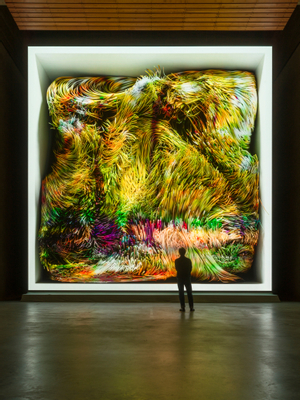
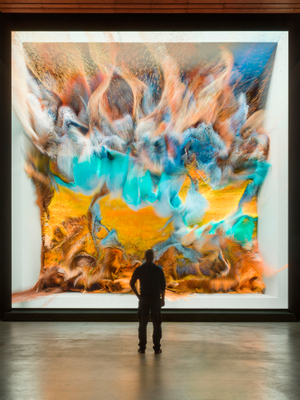
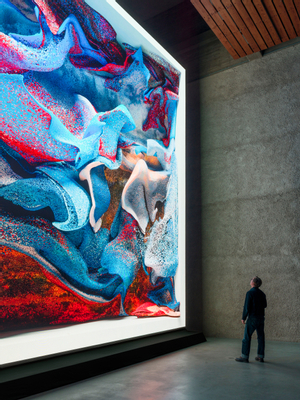
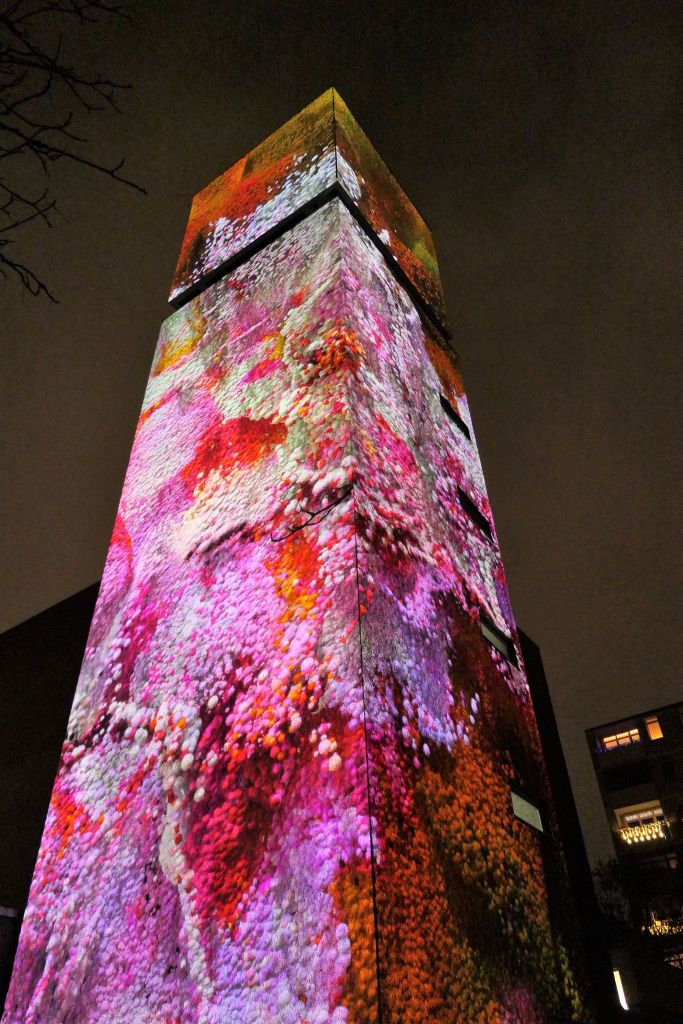
KÖNIG GALERIE presents MACHINE HALLUCINATIONS: NATURE DREAMS, Refik Anadol’s second large-scale solo exhibition in Germany. Almost two years after his site-specific installation LATENT BEING, the artist returns to Berlin to reveal the aesthetic outcomes of his research into the intersection of human consciousness, archives of nature, and machine intelligence.
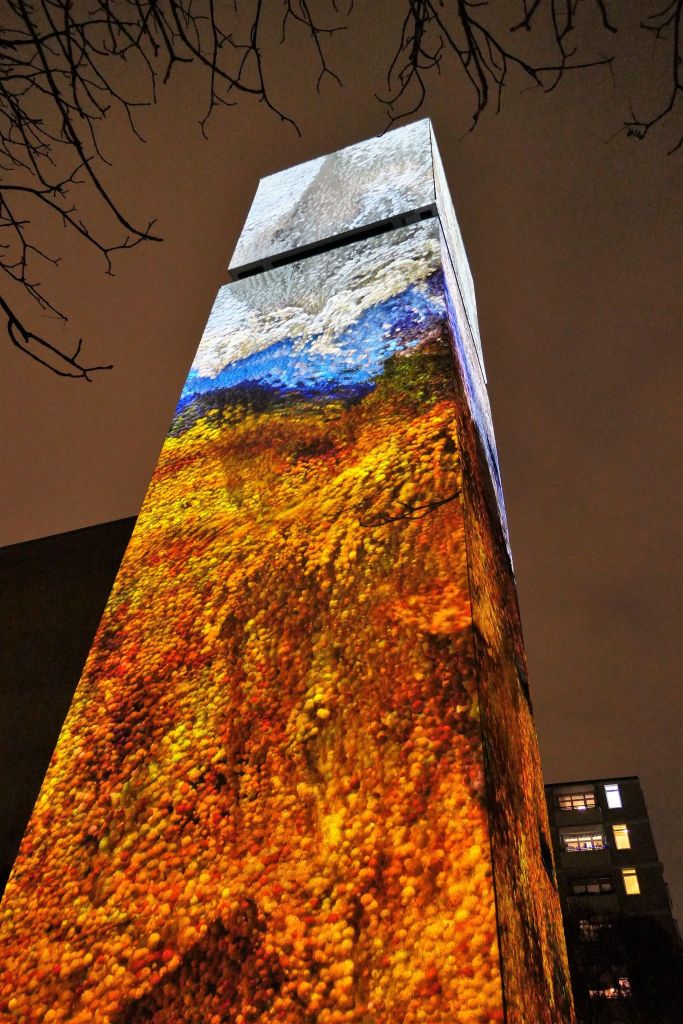
MACHINE HALLUCINATIONS: NATURE DREAMS, designed specifically for KÖNIG GALERIE, comprises three novel aesthetic approaches to a vast photographic dataset of nature: A giant data sculpture displaying machine-generated, dynamic pigments of nature titled NATURE DREAMS, four new series of data paintings, and WINDS OF BERLIN, a site-specific, public art projection on the tower of ST. AGNES which will be created based on environmental real-time data collected from the city.
Anadol is a pioneer in the world of rare digital art and crypto collectibles, minting the first fully immersive digital artwork NFT in September 2021. For KÖNIG GALERIE he creates unique NFT options: the AI data sculpture NATURE DREAMS, and his public projection, WINDS OF BERLIN, which will mark the first time a generative public artwork in Berlin to be offered in NFT form.
An architectural exhibition of synesthetic reality experiments based on GAN algorithms developed by artificial intelligence and inspired by fluid dynamics, NATURE DREAMS turns datasets into latent multi-sensory experiences to commemorate the beauty of the earth we share.
“I am very excited to be back in Berlin to transform the façade of the iconic ST. AGNES church into a data sculpture and showcase our most cutting-edge AI data paintings from the MACHINE HALLUCINATION series. Our studio’s exploration of digital pigmentation and light through fluid solver algorithms draws inspiration from nature-themed datasets, using the most innovative methods available to AI-based media artists.
Refik Anadol
MACHINE HALLUCINATIONS is an ongoing exploration of data aesthetics based on collective visual memories of space, nature, and urban environments. Since the inception of the project during his 2016 during Google AMI Residency, Anadol has been utilizing machine intelligence as a collaborator to human consciousness, specifically DCGAN, PGAN and StyleGAN algorithms trained on these vast datasets to reveal unrecognized layers of our external realities.
Anadol and his team collect data from digital archives and publicly available resources, then process the millions of photographic memories with machine learning classification models. The sorted image datasets are then clustered into thematic categories to better understand the semantic context of the data universe. This expanding data universe not only represents the interpolation of data as synthesis, but also becomes a latent cosmos in which hallucinative potential is the main channel of artistic creativity. As a thoroughly curated multi-channel experience, MACHINE HALLUCINATIONS offers a new form of sensational autonomy via cybernetic serendipity.
Refik Anadol is a media artist and pioneer in the aesthetics of machine intelligence, and the director of Refik Anadol Studio in Los Angeles. Since 2008, his works have explored the space among digital and physical entities by creating a symbiotic relationship between architecture, science, technology, and media arts. As an artist and a spatial thinker, he addresses the challenges, and the possibilities, that ubiquitous computing has imposed on humanity, and what it means to be a human in the age of AI.
Coining the terms “data painting” and “latent cinema”, Anadol has invited his audience to imagine alternative and dynamic realities by re-defining the functionalities of both interior and exterior architectural elements. He tackles this by moving beyond the integration of media into built forms and translating the logic of a new media technology into spatial design. Anadol’s site-specific three-dimensional data sculptures, liveaudio/visual performances, and immersive installations take many virtual and physical forms. Entire buildings come to life, floors, walls, and ceilings disappear into infinity, vivid aesthetics take shape from large swaths of data, and what was once invisible to the human eye becomes visible.
Foto Ela Kargol 25.11.2021 at 18:00
REFIK ANADOL STUDIO consists of artists, architects, data scientists, and researchers from diverse professional and personal backgrounds, embracing principles of inclusion and equity throughout every stage of production. While the studio is located in Los Angeles, its members originate from 10 different countries and are collectively fluent in 14 languages. Since 2014, REFIK ANADOL STUDIO’s site-specific public art projects comprised vast and multidimensional urban typologies, inspiring participation, interaction, and appreciation of art in diverse communities around the world. The members share Anadol’s vision of blurring the boundaries between art, science, and technology with a focus on creating new public spaces and screens by augmenting existing architectural elements and buildings facades.
Ela Kargol, Krystyna Koziewicz & Ewa Maria Slaska in front of church tower 25th of Nov 2021 at 18:00
BIO
Refik Anadol’s (b. 1985, Istanbul, Turkey) work has been shown worldwide in numerous institutional exhibitions including the Venice Architecture Biennale (2021); the National Gallery of Victoria 2020 Triennal, Melbourne (2020); MUTEK, Montreal (2020); Centre Pompidou, Paris (2020); National Museum of China, Beijing (2019); Fotografiska, Stockholm (2019); ZKM, Karlsruhe (2019, 2018); the Istanbul Biennal, Istanbul (2015); Marta Herford Museum, Herford (2010); the Contemporary Art Center – sentralistanbul, Istanbul (2008). Public audio-visual performances took place in locations throughout the world such as the Walt Disney Concert Hall, Los Angeles (2018, 2014); Ars Electronica, Linz (2017, 2011, 2010); the Arc de Triomf, Barcelona (2011); the European Capital of Culture, Essen (2010) and many others. The artist has been honoured with the Lorenzo il Magnifico Lifetime Achievement Award for New Media Art (2019); the German Design Award (2017); the Microsoft Research’s Best Vision Award (2013), amongst others.
Worldwide Screening: »The Dissident« von Bryan Fogel am 10. Dezember 2021
The international literature festival berlin [ilb] invites individuals, schools, universities, the media, and cultural institutions to participate in a Worldwide Screening of »The Dissident« by Bryan Fogel on 10 December 2021, the anniversary of the Universal Declaration of Human Rights proclaimed by the United Nations in Paris in 1948.
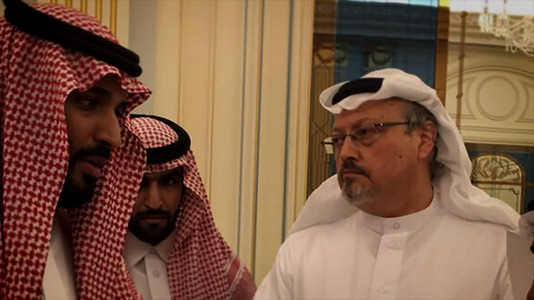
The documentary reconstructs the background of the murder of the Saudi Washington Post journalist and regime critic Jamal Khashoggi in 2018 and illuminates the geopolitical and power-strategic context of the case.
With the worldwide screening of Bryan Fogel’s film, we want to commemorate Jamal Khashoggi’s struggle for human rights and freedom of press and make sure that his commitment to an open, pluralistic Saudi Arabia is not forgotten.
With the film screening, we would also like to bring into focus the human rights violations in Saudi Arabia, especially the right to freedom of expression and freedom of the press. Saudi Arabia ranks fifth among countries that control the internet through spying techniques, censors and trolls. Dozens of journalists are currently imprisoned or beeing persecuted. Women and queer people who stand up for their rights are also imprisoned and tortured. In 2019, 184 people were executed in Saudi Arabia, more than ever before.
»The Dissident«: American documentary filmmaker and Academy Award winner Bryan Fogel spent two years researching for the film. The two-hour documentary analyses the course of events at the consulate in Istanbul and also sheds light on how those in power in Saudi Arabia suppress freedom of the press and manipulate public opinion with trolls and bots. Turkish investigators, journalists and opposition members in exile, Khashoggi’s fiancée Hatice Cengiz and the former CIA director John Brennan have their say.
Jamal Khashoggi (*1958 in Medina, Saudi Arabia) was the director of the Saudi daily newspaper Al-Watan. As of 2017, he was living in the USA. In his texts, he openly criticised the Saudi Arabian government and was a member of an oppositional Twitter network.
With the Worldwide Screening, the ilb continues the series of Worldwide Readings it has been organising since 2006 on various topics, mainly related to human rights, as well as the first two Worldwide Screenings from 2020.
We are calling for participation in the Worldwide Screening of »The Dissident«. This can be done privately in a cinema, in a cultural centre or theatre, a small circle or in a school. The film »The Dissident« is available as video on demand from various streaming providers in English and German and from August 2021 also as DVD in bookshops. Screening rights must be clarified individually with the distributor – we are happy to provide information about distributors.
Institutions and individuals who would like to participate with a screening on 10 December 2021 are asked to send us the following information by 15 November 2021: Organisers, venue, time, participating actors, event language, link to your website if applicable. The email address is: worldwidescreening@literaturfestival.com. The ilb will announce the events on the website and on social media.More
Weltweite Filmvorführung: »The Dissident« von Bryan Fogel Das internationale literaturfestival berlin (ilb) ruft Kinos, Schulen, Universitäten, Fernsehsender, Medien, kulturelle Institutionen und Individuen zu einer weltweiten Filmvorführung von »The Dissident« von Bryan Fogel am 10. Dezember 2021 auf, dem Jahrestag der durch die Vereinten Nationen im Jahr 1948 in Paris verkündeten Allgemeinen Erklärung der Menschenrechte.
Der Film rekonstruiert die Hintergründe der Ermordung des saudischen Washington Post Journalisten und Regimekritikers Jamal Khashoggi und beleuchtet die geopolitischen und machtstrategischen Zusammenhänge des Falls. Khashoggi wurde am 2. Oktober 2018 im saudischen Konsulat in Istanbul von einem 15-köpfigen saudischen Geheimdienstkommando getötet, als er dort Papiere für seine bevorstehende Hochzeit abholen wollte.Mit der weltweiten Vorführung des Films von Bryan Fogel erinnern wir an Jamal Khashoggis Kampf für Menschenreche und Pressefreiheit und möchten einen Beitrag dazu leisten, dass sein Einsatz für ein offenes, pluralistisches Saudi-Arabien nicht vergessen wird.
Mit der Filmvorführung wollen wir zudem die Menschenrechtsverletzungen in Saudi-Arabien, besonders das Recht auf Meinungs- und Pressefreiheit, in den Fokus rücken. Saudi-Arabien steht auf Platz fünf jener Länder, die mittels Spionagetechnik, Zensoren und Trollen das Internet kontrollieren. Dutzende Journalist*innen befinden sich aktuell in Gefangenschaft oder werden verfolgt. Auch Frauen und queere Personen, die sich für Ihre Rechte einsetzten, werden inhaftiert und gefoltert. 2019 wurden in Saudi-Arabien 184 Menschen hingerichtet, so viele wie nie zuvor.
»The Dissident«: Der amerikanische Dokumentarfilmer und Oscarpreisträger Bryan Fogel hat für den Film zwei Jahre recherchiert. Die zweistündige Dokumentation analysiert den Tathergang im Konsulat in Istanbul und beleuchtet daneben, wie Machthaber in Saudi-Arabien die Pressefreiheit unterdrücken und die öffentliche Meinung mit Trollen und Bots manipulieren. Zu Wort kommen türkische Ermittler*innen, Journalist*innen und Oppositionelle im Exil, die Verlobte Khashoggis Hatice Cengiz und auch der ehemalige CIA-Direktor John Brennan.
Jamal Khashoggi (*1958 in Medina, Saudi-Arabien) war Direktor der saudi-arabischen Tageszeitung Al-Watan. Ab 2017 lebte er in den USA. In seinen Texten kritisierte er offen die saudi-arabische Regierung und war Mitglied in einem oppositionellen Twitter-Netzwerk.
Das ilb knüpft mit dem Worldwide Screening an die Serie der weltweiten Lesungen an, die es seit 2006 zu verschiedenen Themen, vor allem auf Menschenrechte bezogen, veranstaltet sowie an die ersten beiden Worldwide Screenings aus dem Jahr 2020.Wir rufen zur Beteiligung an der weltweiten Filmvorführung von The Dissident auf. Dies kann privat in einem Kino, in einem Kulturzentrum oder Theater, einem kleinen Kreis oder in einer Schule erfolgen. Der Film »The Dissident« ist als Video on Demand bei verschiedenen Streaming-Anbietern auf Englisch und Deutsch und seit August 2021 auch als DVD im Buchhandel erhältlich. Die Vorführrechte sind individuell mit dem Verleih zu klären – gerne geben wir Auskunft über die Distributoren.
Institutionen und Personen, die sich mit einer Vorführung am 10. Dezember 2021 beteiligen möchten, werden gebeten, uns folgende Informationen bis zum 15. November 2021 zukommen zu lassen: Organisator*innen, Veranstaltungsort, Uhrzeit, teilnehmende Akteure, Veranstaltungssprache, ggf. Link zu Ihrer Webseite.
Die E-Mail-Adresse lautet: worldwidescreening@literaturfestival.com. Das ilb wird die Veranstaltungen auf der Webseite und in sozialen Medien ankündigen.Mehr
Byłyśmy z nimi zaprzyjaźnione, co roku odwiedzamy ich groby, myślimy o nich, piszemy, również tu, na blogu Ewa Maria & Friends.
Chcemy o nich jutro z Wami porozmawiać – zapraszamy do Galerii NaKole na Neukölln, którą prowadzi Wiesław Fiszbach, malarz.
Viki – odeszła 11 grudnia 2020 roku zabierając ze sobą pierwszą chanukową świeczkę, pół roku po swoich urodzinach 11.06.1945.
Była zawsze świetnie ubrana, mnóstwo podróżowała, wszystkich znała, napisała kilka książek. Słynęła z z ciętych wypowiedzi i ripost. Tu kilka z nich:
Każdy ma wrogów, nie warto się przejmować, po prostu trzeba mieć więcej przyjaciół niż wrogów. Uciekinierzy chcieliby mieć nasze problemy. Wolę nie zarabiać, niż użerać się Urzędem Skarbowym. Nie ma to, jak przygotować na kolację dla wegetarian porządną, soczystą pieczeń wieprzową. Jestem niewierząca w czterech religiach. Na zewnątrz mógł być sobie bardzo poważny i dramatyczny stan wojenny, ale ja wysyłałam moim przyjaciołom do Warszawy nie tylko leki, ale również staniki, majtki, prezerwatywy i podpaski – dla mnie to już na zawsze będzie “stanik wojenny”.
Joasia – zachorowała dwa lata temu, umarła przed rokiem – w myślach zawsze sobie mówię, że zabrał ją październik, bo i choroba, i śmierć nadeszły w tym miesiącu.
Była jedną z najaktywniejszych autorek tego bloga – pisała dużo, ciekawie, na różne tematy i nigdy nie nawalała – jak obiecała tekst, to on zawsze był. Jeśli chodzi o ilość opublikowanych wpisów w dziesięcioletniej historii tego bloga na pierwszym miejscu jestem (niestety) ja (bo muszę wypełniać wszystkie dziury), na drugim Zbigniew Milewicz (197 wpisów), na trzecim właśnie ona – 89 tekstów. Proza, eseje, reportaże z podróży. Dużo z mężem podróżowali, ostatnią wielką podróż odbyli do Peru. W ostatnim wpisie o tej podróży czytam niezwykłą wiadomość.
Następnego dnia wstajemy o świcie. Ronaldo czeka na nas przed bungalowem. W świetle latarki wspólnie pokonujemy drogę do miejsca postoju naszej łodzi. W ciemnościach odpływamy od brzegu, przez godzinę płyniemy przez pola mgły przy akompaniamencie odgłosów dżungli. Kiedy docieramy na miejsce, Ronaldo opowiada nam, że niedaleko stąd widział przed rokiem „uncontacted person”, czyli indygennego Indianina, który nie miał do tej pory żadnego kontaktu z naszą cywilizacją. „Co się w takim przypadku robi?”, pytam z ciekawością. „Nie wolno podejmować żadnych prób nawiązania kontaktu, Indianie mogą poczuć się zagrożeni i zareagować agresywnie. Należy niezwłocznie poinformować dyrekcję parku”. Ronaldo dodaje, że naukowcy szacują, że na terenie parku Manu mieszka od tysiąca do trzech tysięcy Indian, którzy nie mieli do tej pory żadnego kontaktu z naszą cywilizacją.
Wiedzieliście o tym? Bo ja nie, a w końcu studiowałam etnografię.
Irena – była taka młoda, miała 40 lat, jak odeszła. Ela Kargol zapamiętała ją, jak w ogrodzie wspięła się na drzewo, żeby zebrać śliwki. “Taka była młoda, szczupła, gibka.”
Życie boli. Boli inaczej jak głowa, zwichnięta noga, wyrwany ząb, albo rwa kulszowa. Nie pomoże pigułka. Życie jest lekoodporne.
Przyjeżdżałaś rowerem do naszego ogrodu, smukła, gibka, wysportowana. Sama jeżdżę rowerem, a więc za ten rower miałaś już u mnie dodatnie punkty i za góry. Zazdrościłam tobie twoich górskich wypraw. Bo ja też miłośniczka gór, ale bardziej w schronisku, przy gitarze i wódeczce. A ty naprawdę przemierzałaś alpejskie i tatrzańskie szlaki. Pamiętasz, jak obiecałyśmy sobie wysłać kartkę z wakacji? Wiem, że od ciebie dostałam, a ja swoją do ciebie wysłałam dopiero z Berlina.
Ewa – nie miała 60 lat, jak odeszła. Monika Wrzosek-Müller tak o niej napisała:
Była gorliwą czytelniczką, czytała książki z niesamowitym zapałem i zaparciem, dyskutowała żarliwie. Była kochającą matką, która uwielbiała swojego syna-przyjaciela. Była wspaniałą nauczycielką, którą uwielbiały generacje obcokrajowców przybywających do Berlina. Była towarzyska, lubiła życie codzienne, z kawą, papierosem i kieliszkiem czerwonego wina. Była towarzyszką dla wielu osób, którym było dane ją spotkać. Potrafiła słuchać i próbowała pomagać w rozwiązaniu problemów, zapominając często o swoich własnych.
Choroba przyszła niespodziewanie, walczyła z nią przez kilka lat, nie poddając się pesmistycznym diagnozom większości lekarzy.
Dla mnie odeszła moja bardzo bliska przyjaciółka, osoba wielkiej kultury i charyzmy.
Maryla – odeszła tak jak Ewa i Joasia, na raka, w wieku około 60 lat. W ciągu kilku lat z Berlina zniknęły trzy charyzmatyczne tłumaczki polsko-niemieckie, takie, które potrafiły nie tylko przetłumaczyć jeden język na drugi, ale też jeden z tych krajów przetłumaczyć mieszkańcom drugiego. I to w obu kierunkach.
Od wielu tygodni jej szwagierka, Magda, pisze dla nas, Czytelników bloga o Maryli. W ostatnim wpisie napisała:
Jesień coraz bardziej kolorowa, drzewa sypią żółto-czerwonym confetti, niedługo początek listopada. Naturalnie w tym czasie więcej myślimy o bliskich, którzy odeszli, jedziemy na cmentarz, trzeba uporządkować groby, zapalić znicze, położyć świeżą wiązankę. Coraz więcej wspomnień, tych zaduszkowych, z czasu, kiedy jeszcze przychodziliśmy na cmentarze z kimś, a nie do kogoś. Te polskie Zaduszki mają jedyny w swoim rodzaju, melancholijny, podszyty smutkiem nastrój, poważny, otwierający na eschatologię. Komercyjna, jarmarczna zabawa Halloween wprowadza jakiś dysonans, przełamuje smutek i religijną powagę, pozwala na śmiech, na kpinę ze śmierci, ma zapewne łagodzić lęk egzystencjalny. Według mnie Halloween po prostu nie pasuje do tych naszych świąt. Maryla była innego zdania. Może podobała jej się groteskowość Halloween, może też dlatego że w ogóle lubiła wszelkie poważne rozmowy zamykać żartem. Może w tym jej zwyczaju kryła się jakaś myśl o nietrwałości wszystkiego, może te żarty były rodzajem przypomnienia, że nie warto wszystkiego traktować tak bardzo serio, w końcu nic nie jest wieczne, wszystko się zmienia, a wreszcie kiedyś kończy. Może w tych żartach przejawiała się jej prywatna filozofia, zakładająca konieczność zachowania stoickiego dystansu wobec tego, co nieuchronne.
so eine schöne Nachricht können wir heute verkünden! Es ist soweit!
Ein unfassbares Hurra. Unsere Serie in 8 Teilen ist fertig! DAS PATENT!
Zweieinhalb Jahre haben wir das Erfinden erforscht und entdeckt. Wir haben Jahrhunderte durchreist und über Innovation nach Innovation gestaunt. Wir haben Laboratorien durchforstet und das Gehirn untersucht. Auf Entdeckungsreise zu den Erfindungen dieser Welt waren wir. Immer auf der Suche: wie geht es, dieses ominöse Erfinden?
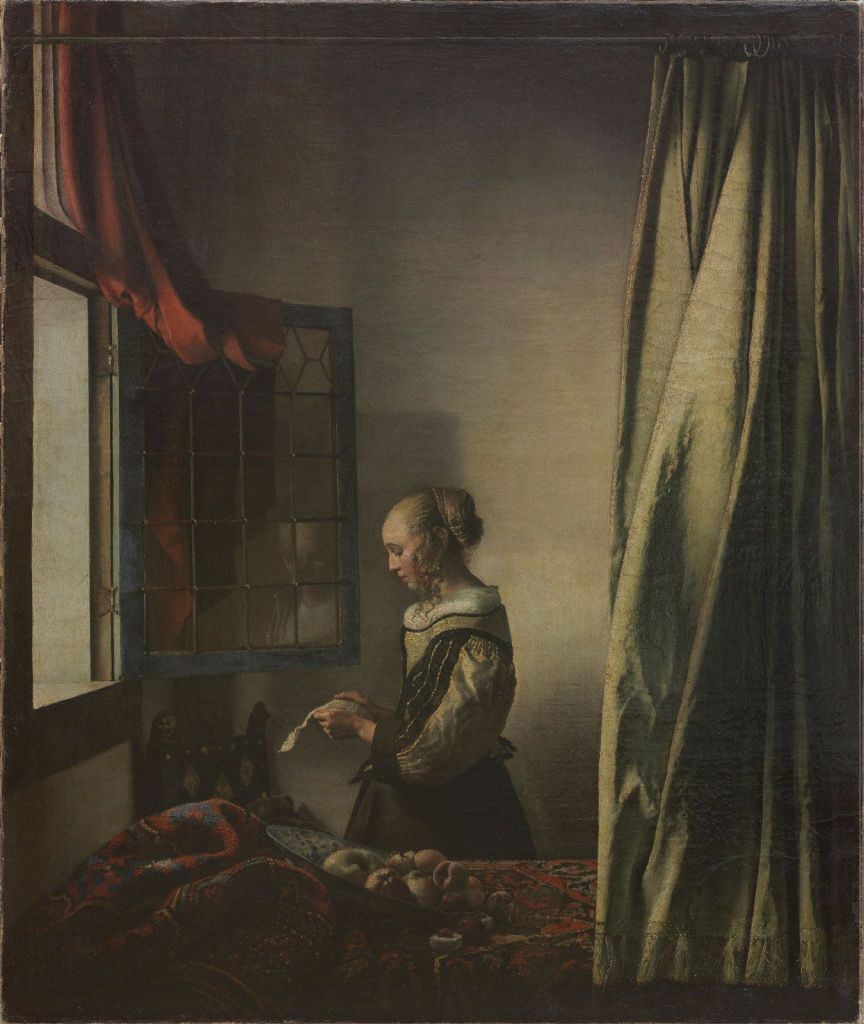
Art lovers get ready to be struck by Cupid’s arrow, as the first image of the completed restoration of Johannes Vermeer’s Girl Reading a Letter at an Open Window (around 1657-59) has been released today by Dresden’s Gemäldegalerie Alte Meister, fully revealing a hidden image of Cupid. The change to the composition in one of Vermeer’s most famous paintings is so great that the German museum is dubbing it a “new” Vermeer in publicity materials.
The painting has been in the museum’s collection for more than 250 years and the hidden Cupid had been known about since an x-ray in 1979 and infrared reflectography in 2009. It had been assumed that the artist himself had altered the composition by covering over the painting of Cupid.
But when a major restoration project began in May 2017, conservators discovered that the paint on the wall in the background of the painting, covering the naked Cupid, had in fact been added by another person. When layers of varnish from the 19th century began to be removed from the painting, the conservators discovered that the “solubility properties” of the paint in the central section of the wall were different to those elsewhere in the painting.
Following further investigations, including tests in an archaeometry laboratory, it was discovered that layers of binding agent and a layer of dirt existed between the image of Cupid and the overpainting. The conservators concluded that several decades would have passed between the completion of one layer and the addition of the next and therefore concluded that Vermeer could not have painted over the Cupid himself.
When the discovery was announced to the public in 2019, the senior conservator Uta Neidhardt said that it was “the most sensational experience of my career”. She added: “It makes it a different painting.”
The layer of overpaint was meticulously removed using a scalpel under a microscope, revealing the startlingly altered composition. The painting will go on show next month for the first time since the restoration as the star piece in a major exhibition titled Johannes Vermeer: On Reflection(10 September-2 January 2022) at the Gemäldegalerie in Dresden. The exhibition will include ten Vermeer paintings in total, making it one of the most significant shows on the Dutch Old Master in recent years (there are only around 35 extent Vermeer paintings).
Among the standout loans in the show are The Geographer (1669) from the Städel Museum in Frankfurt; View of Houses in Delft/The Little Street (around 1658) from the Rijksmuseum in Amsterdam; and A Young Woman standing at a Virginal (around 1670-72) from the National Gallery in London, which has a similar painting of Cupid in the background.
Im August dieses Jahres sind 61 Jahre vergangen seitdem man die Berliner Mauer errichtet hat. 28 Jahre später, am 9. November fiel sie.
Polinnen über die Berliner Mauer
Im Dezember 2020 haben Freunde von polnischer Aktivistin und Autorin, Joanna Trümner (1958-2020) beschlossen, ihr Andenken mit der Herausgabe eines Buches mit ihren Texten über die Berliner Mauer zu ehren.
Elżbieta Kargol und Joanna Trümner, zwei Autorinnen, die schon lange für diesen Blog (ewamaria.blog) schrieben, beschlossen schon 2019, mehrere Texte unter dem Titel »Vor 30 Jahren fiel die Mauer« zum Blog zu bringen.
Sie bereiteten diese Beiträge seit Mitte 2019 vor als ihr gemeinsames Werk, obwohl zuerst war es öfter so, dass Joanna Texte schrieb und Ela Fotos machte. Als Joanna erkrankte, übernahm sie das Schreiben der weiteren Texte. Kurz vor der Fertigstellung des Buches vervollständigte die Publikation Krystyna Koziewicz.
Die Texte und somit das Buch sind (eigentlich selbstverständlich) auf Polnisch entstanden – es waren doch alle Polinnen, diese Frauen, die sich das ganze ausgedacht und beschrieben haben. Auch die Gruppe, die sich zusammen getan hat, um das Buch herauszugeben, war lediglich weiblich.
Im Januar 2020, als das Buch auf Polnisch fertig war, organisierte Ewa Maria Slaska, eine polnische Bloggerin und Redakteurin des Buches, eine Spendenaktion über die Plattform GoFundMe. Die Ergebnisse dieser Aktion übertrafen alle Erwartungen. Es hat sich soviel Geld angesammelt, dass man Entscheidung getroffen hat, all die Texte ins Deutsche übersetzen zu lassen, um das Buch auch auf Deutsch herauszugeben. Die Übersetzung übernahmen zwei weitere Polinnen – Dorota Cygan und Elżbieta Jagiełło. Diese einmalige Frauenriege wurde erst an der Finale durch einen Mann noch, einen Dichter und Grafiker, K. Łamarz unterstützt, der den Satz und Layout vorbereitet und diesen wunderbaren Umschlag entworfen hat, mit dem Bild von Rainer Fetting, »Van Gogh und Mauer« (1978, Akryl auf Leinen, mit freundlicher Erlaubnis des Künstlers).
Wir laden ein! Zapraszamy!
PS. 1. Zbigniew Milewicz und ich (Ewa Maria Slaska) haben an diesem Abend auch Texte über New York gelesen, Fragmente eines anderen Buchprojekts.
PS. 2 Auf dem Bild: Rainer Fetting, »Van Gogh und Mauer« (1978, Akryl auf Leinen, mit freundlicher Erlaubnis des Künstlers)
Bitte beachten Sie die aktuellen Covid-19 Regelungen.
FHXB Friedrichshain-Kreuzberg Museum Adalbertstr. 95a 10999 Berlin fhxb-museum.de
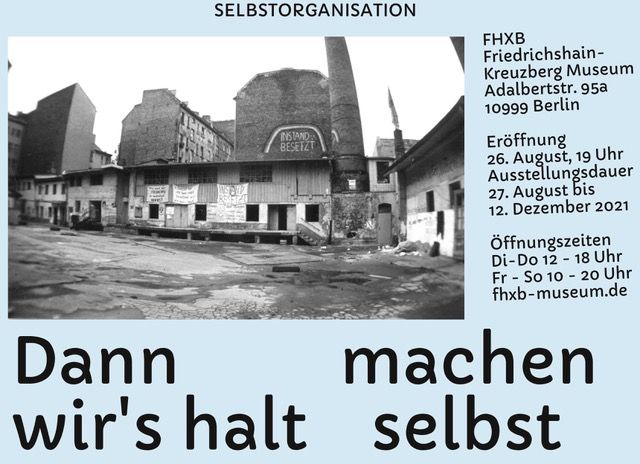
In selbstverwalteten Initiativen drücken wir unsere Wünsche und Hoffnungen auf eine Stadt für alle aus. Fünf selbstorganisierte Projekte blicken zurück auf ihre bewegte, manchmal auch noch sehr junge, Geschichte, auf interne Konflikte und die gesellschaftlichen Kämpfe, in denen sie sich positionieren. Mit “Dann machen wir’s halt selbst” fragen wir in Form einer Ausstellung, wie in dieser ökonomisch unter Druck geratenen Stadt selbstorganisierte Räume politische Möglichkeiten offenhalten.
Projektgruppe “Dann machen wir’s halt selbst”: Heike Böziger, Barbara Bohl, Anke Peterssen, Hermann Schlegel, Andy Wolff, Christine Ziegler Kuratiert von: Inga Zimprich Websitegestaltung: Judith Fehlau Ausmalbilder von: Burcu Türker Ausstellungsdesign: Inga Zimprich
“Dann machen wir’s halt selbst” wird unterstützt von Stiftung Menschenwürde und Arbeitswelt, Senatsverwaltung für Kultur und Europa Berlin, Bezirk Friedrichshain-Kreuzberg.
****
We’ll do it ourselves, then
– 40 years of self-organised spaces in Berlin
With: Casa Kuà, HeileHaus, Kinderbauernhof am Mauerplatz, Regenbogenfabrik, Schokofabrik
FHXB Friedrichshain-Kreuzberg Museum Adalbertstr. 95a 10999 Berlin fhxb-museum.de
In taking part in self-organised projects, we express our wishes and our hopes for a city belonging to all. Here five self-managed projects look back on their eventful, sometimes still very young, histories, on internal conflicts, and on the social struggles in which they position themselves. With “We’ll do it ourselves, then” we ask, in the form of an exhibition, how self-organised spaces keep political possibilities alive in a city under huge economic pressure.
*****
Zróbmy to zatem sami
– 40 lat samorządnych przestrzeni w Berlinie
Pięć projektów: Casa Kuà, HeileHaus, Kinderbauernhof am Mauerplatz, Regenbogenfabrik, Schokofabrik
Otwarcie: 26 sierpnia o godzinie 19 Czas ekspozycji: 27 sierpnia – 12 grudnia 2021 Godziny zwiedzania: Wt – Czw, 12 – 18 / Pią – Nie, 10 – 20
Prosimy o przestrzeganie aktualnie obowiązujących przepisów Covid-19.
FHXB Friedrichshain-Kreuzberg Museum Adalbertstr. 95a 10999 Berlin fhxb-museum.de
Biorąc udział w samorządnych projektach, dawaliśmy wyraz naszym potrzebom i nadziejom, że nasze miasto należy do wszystkich. Pięć takich samozarządzających się projektów ocenia swoją pełną wydarzeń historię, niekiedy całkiem niedawną, w której pomiędzy konfliktem wewnątrz grupy, a walką o realizację celów społecznych, kształtuje się ich osobowość. Poprzez wystawę “Zróbmy to zatem sami” próbujemy zastanowić się nad pytaniem, jak samorządne zarządzanie przestrzenią może wspierać politykę komunalną w mieście w czasach silnych nacisków ekonomicznych.
Stadt, die segelt, wenn der richtige Wind weht. Und heute weht der Wind vom Meer her.
Das ideale Wetter für die Segler.
Aber die Yachten liegen vor Anker an den Stettiner Kais noch bis Montag und zeigen sich den Betrachtern von ihrer besten Seite. Auch andere Attraktionen locken überall in der Stadt. Noch bis Sonntag dauern die Meerestage in Stettin.
Die Züge Berlin – Szczecin fahren wieder.
Szczecin ist immer einer Reise wert!
Wenn jemand mehr Ruhe braucht und auch andere Eindrücke, würde ich “Stettiner Venedig” oder die Besichtigung der Lentz-Villa empfehlen und auch die wunderbare Ausstellung im Nationalmuseum Stettin mit dem (irreführenden Titel) Stettin / Szczecin – eine Geschichte.
Jak zawsze – kliknąć w zdjęcie, a się powiększy / Wie immer: auf ein Foto klicken und es wird sich vergrößern
Szczecin, miasto nad Odrą (i prawie nad morzem).
Gdy wieje odpowiedni wiatr, miasto żegluje. A dziś wieje wiatr od morza.
Wspaniała pogoda na żagle.
Ale do poniedziałku jachty będą jeszcze stały przy nabrzeżu, pokazując się widzom od najpiękniejszej strony. W mieście w ogóle mnóstwo atrakcji. Jeszcze do niedzieli będą trwały Dni Morza w Szczecinie.
Pociągi na trasie Berlin – Szczecin znowu kursują.
Szczecin jest zawsze wart podróży!
Gdy ktoś woli ciszę, znajdzie ją na pewno w “Szczecińskiej Wenecji” albo odwiedzając świeżo odrestaurowaną willę Lentz. Można też polecić wspaniałą wystawę (choć o mylącym tytule) w Muzeum Narodowym: Stettin / Szczecin – jedna historia.