Pia Arndt (die in Reims war) & Ewa Maria Slaska (die dort noch nicht war, aber trotzdem ein paar Sachen von Reims wußte)
Kathedrale, Johanna und die AnderenEreignisse
Reims ist vor allem als die Kronungskathedrale der französichen Könige bekannt und eine Stadt, in der die heilige Johanna von Orlean ihren Triumph erlebte. Sonst fand da noch das Treffen von Konrad Adenauer und Charles de Gaulle vor der Kathedrale statt sowie der Besuch von Papst Johannes Paul II. Ein römischer Triumphbogen ist da und die Unterzeichnung der Kapitulation Deutschlands am 7. Mai 1945 fand dort statt.
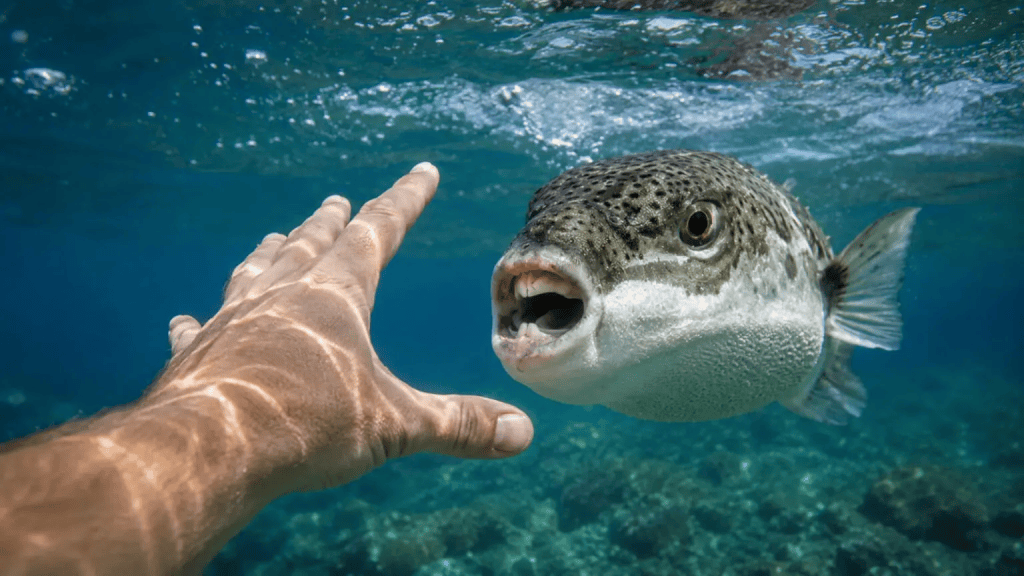
Uwaga od Adminki: we wpisie jest zdjęcie wstrętnej ryby!
Joasia Rubinroth
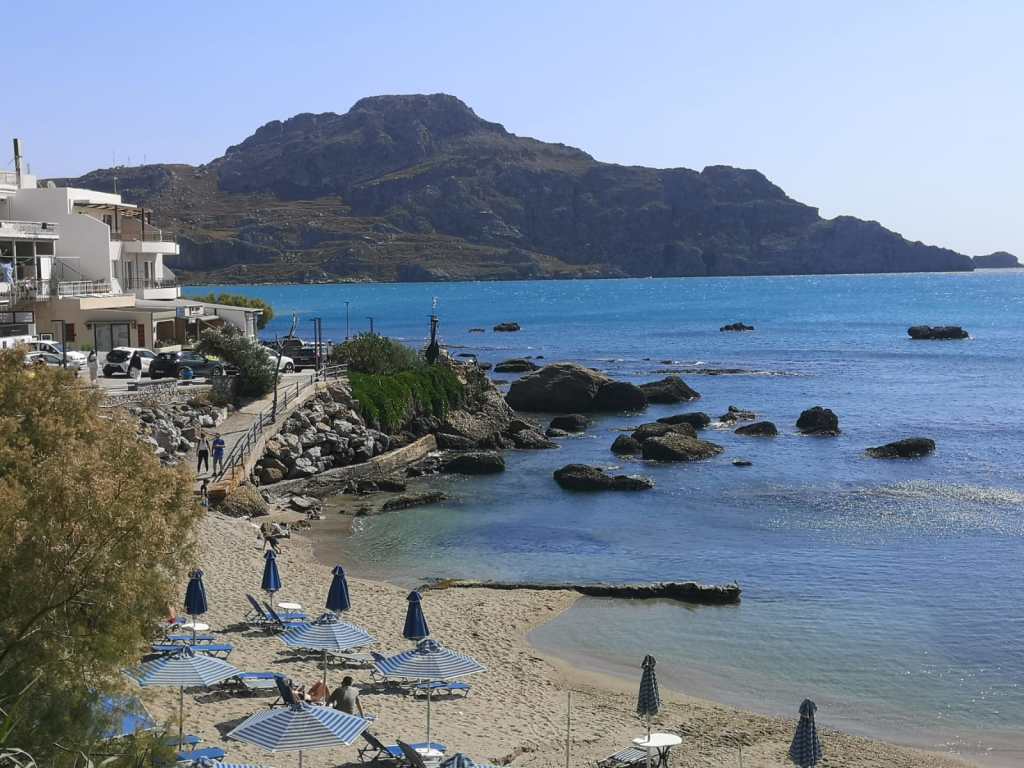
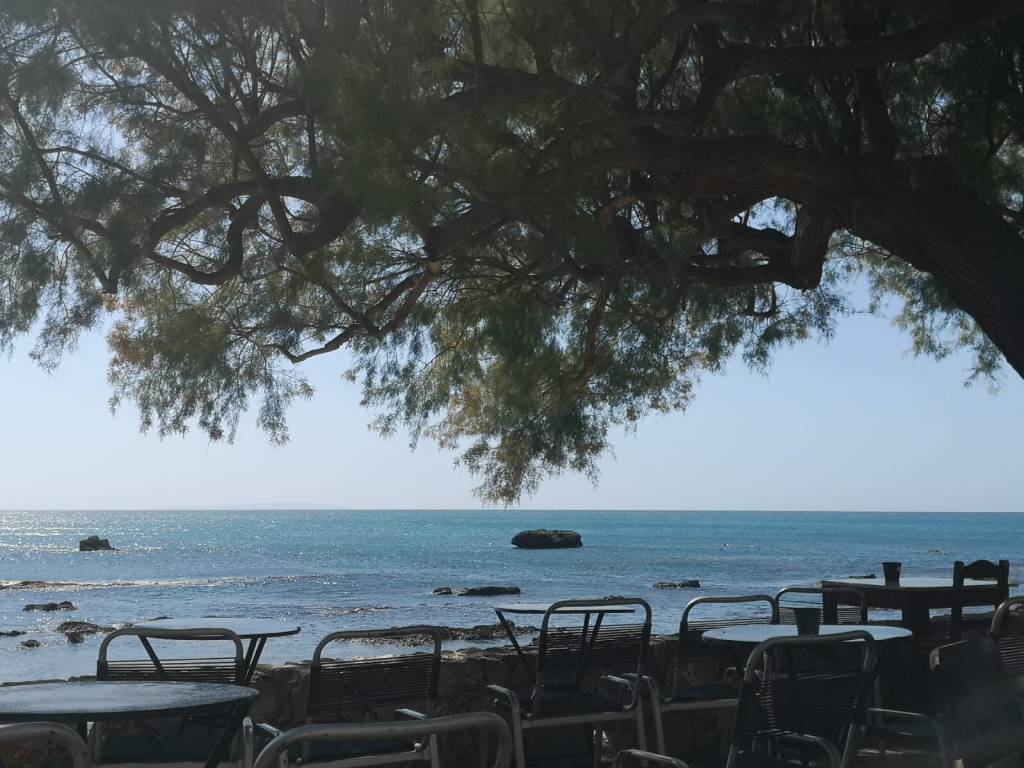
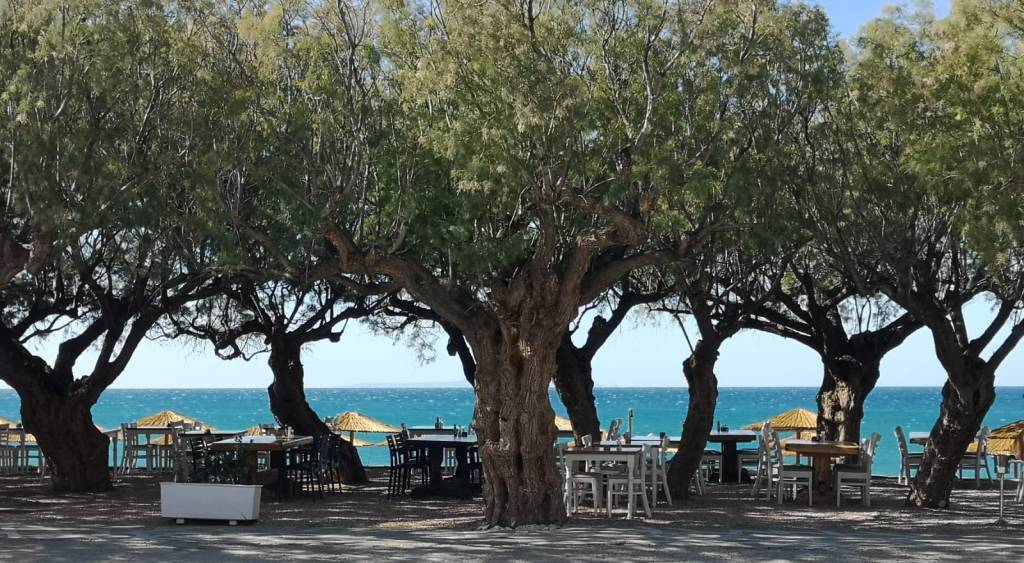
Kiedyś:
Dziś:
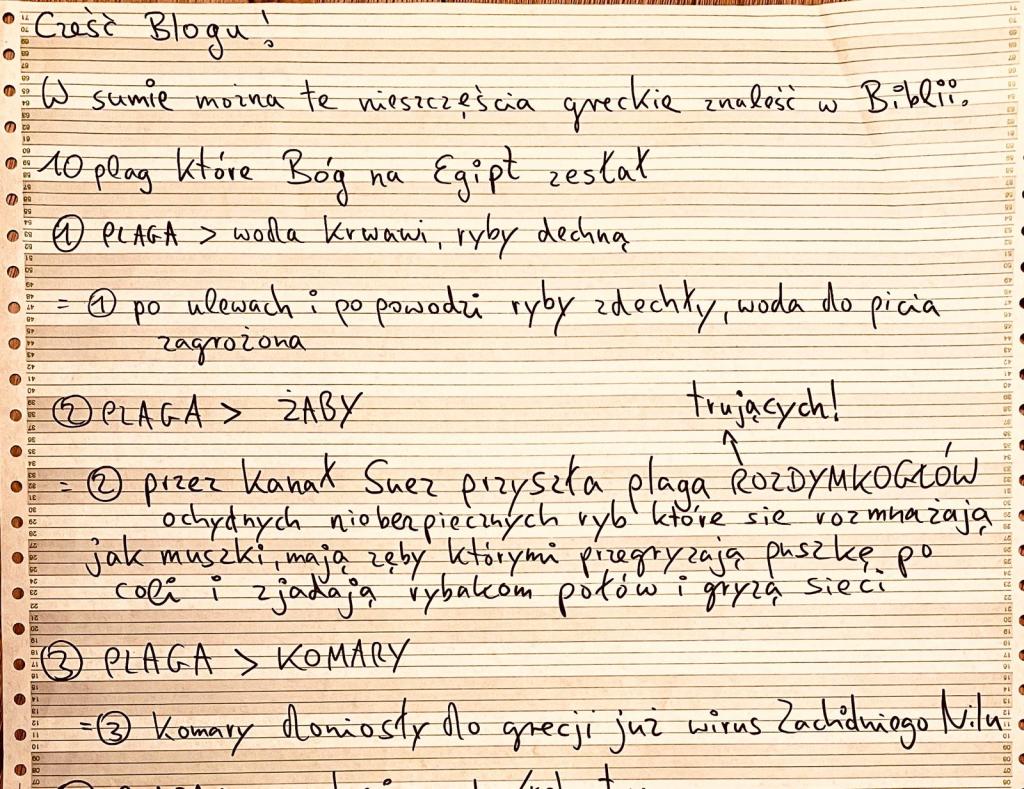
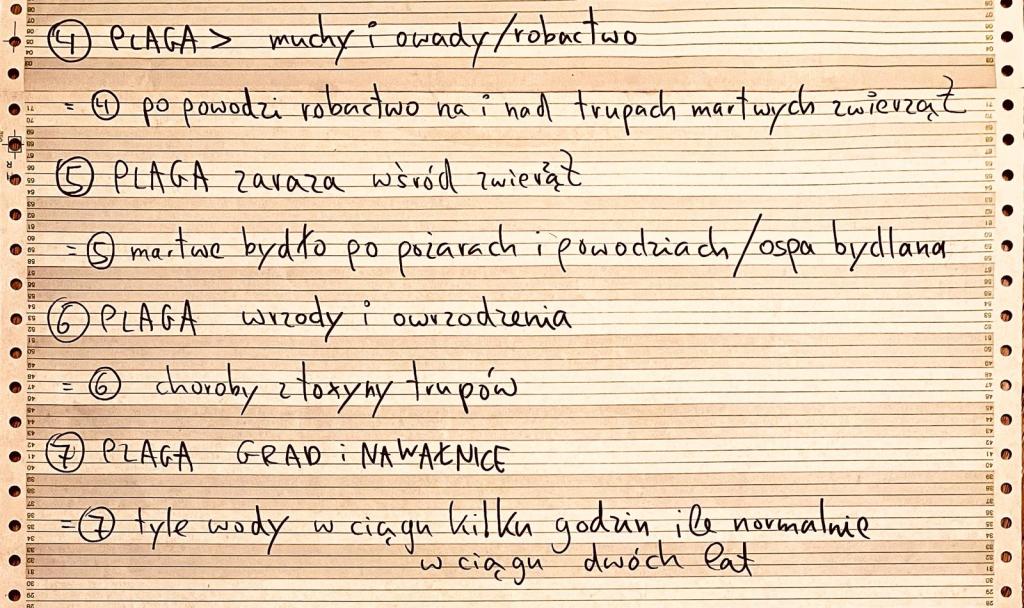
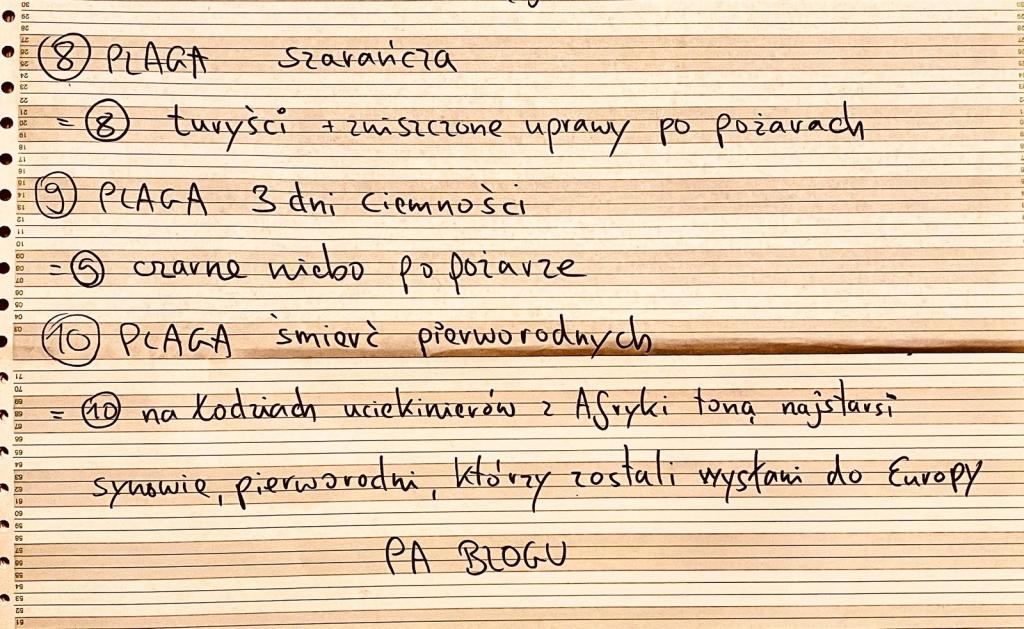
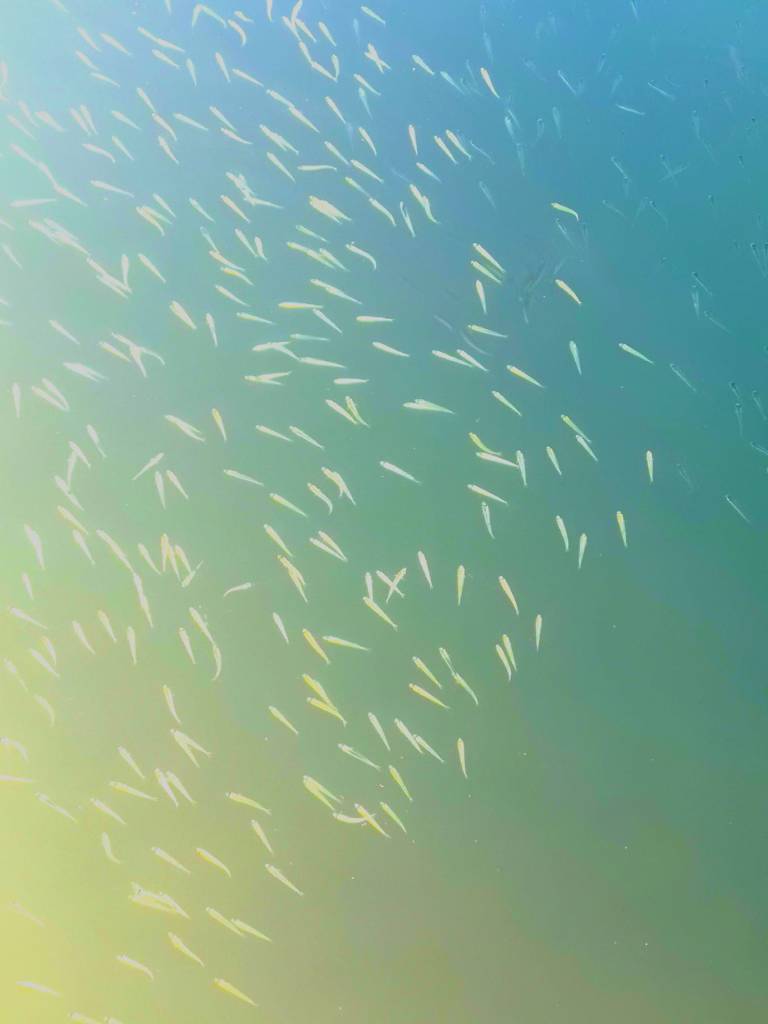
I “wstrętna ryba” – Kugelfisch, czyli rozdymka srebrzysta. Występuje w Grecji w 6 odmianach. Jest trująca, zawiera silną truciznę – tetrodotoksynę. Jej spożycie może prowadzić do śmierci. Rozdymka jest agresywna, porusza się stadami, atakuje rybaków i plażowiczów. Ale chociaż ugryzienia rozdymki nie powodują przedostania się trucizny do organizmu, są bardzo bolesne i wywołują silne krwawienia. Po raz pierwszy odnotowano ją w Grecji w roku 2013. Teraz jest już plagą.
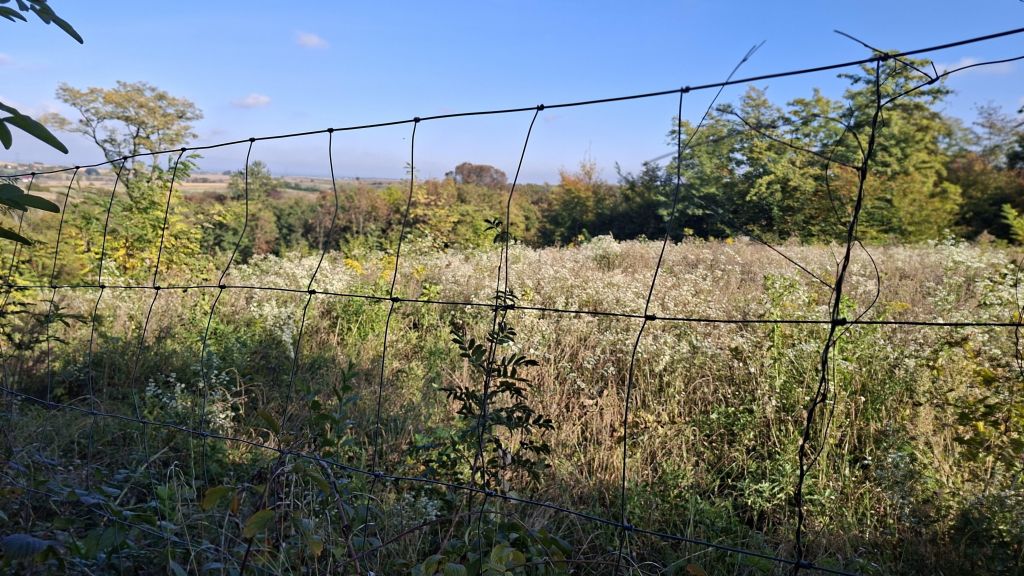
Rok 2026 – las w Cieszkowach ogrodzony drucianą siatką
Byt człowieka od zawsze związany był z lasem, przynajmniej na Ponidziu. Przez wieki las chronił ludzi przed niebezpieczeństwem, żywił ich, dostarczał drewna na budowę domostw oraz opału potrzebnego do przygotowywania strawy i ogrzewania pomieszczeń.
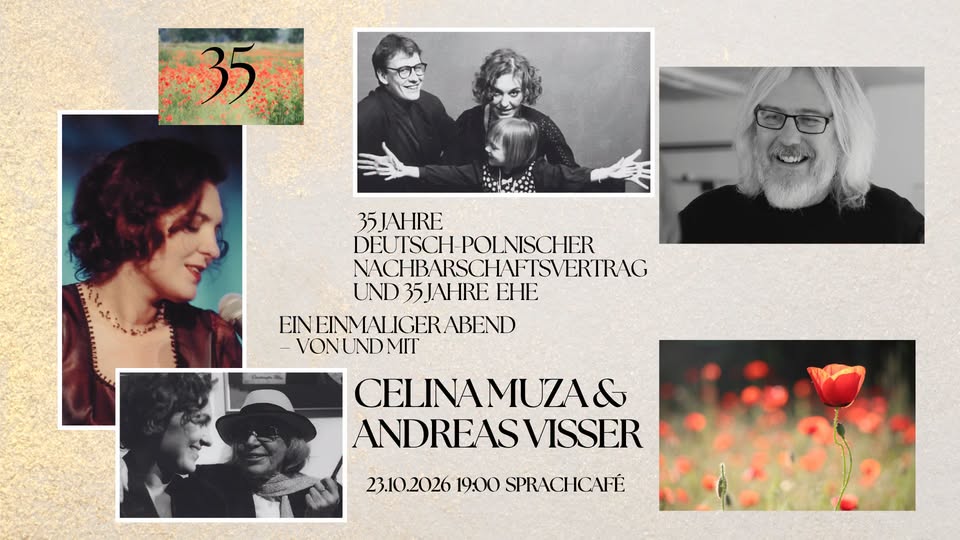
Eine polnische Musikerin und ein deutscher Regisseur schauen auf ihre 35 Jahre zusammen zurück. Sehr symbolisch, weil so lange ist’s auch her, dass Polen und Deutschland den berühmten Nachbarschaftsvertrag unterschrieben haben.
– Ein einmaliger Abend von und mit Celina Muza und Andreas Visser.
Celina wird singen!
***
35 lat małżeństwa i sąsiedztwa – humorystyczne, melancholijne i muzyczne spojrzenie wstecz na 35 lat niemiecko-polskiego traktatu o sąsiedztwie, no i oczywiście na 35 lat małżeństwa.
– Wyjątkowy wieczór w wykonaniu Celiny Muzy i Andreasa Vissera.
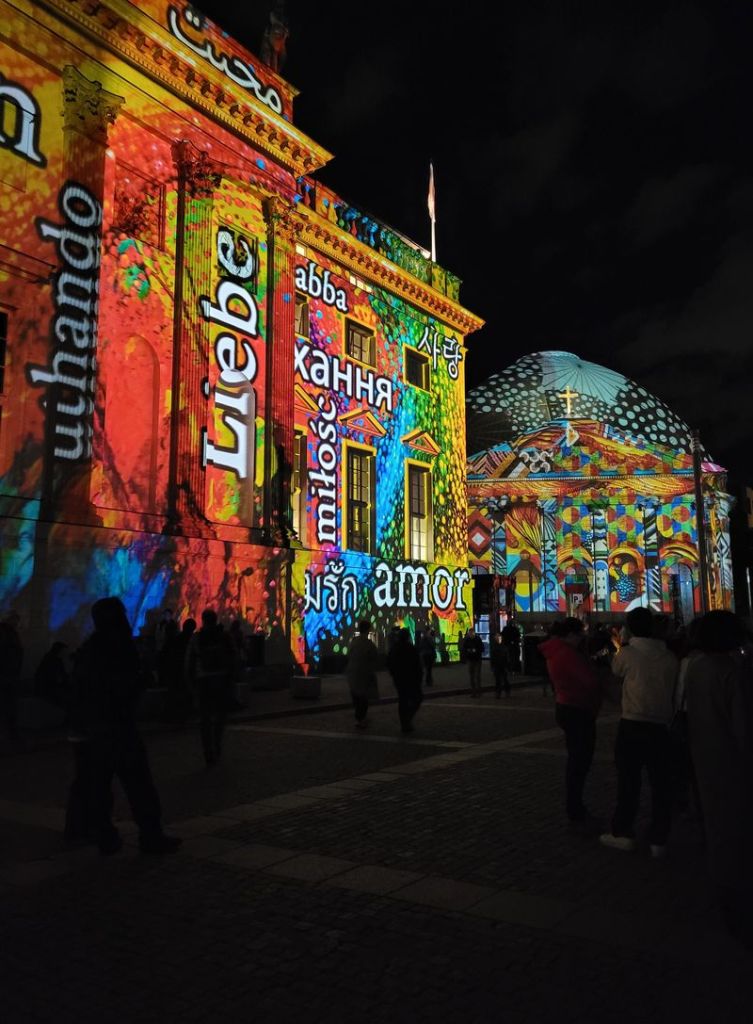
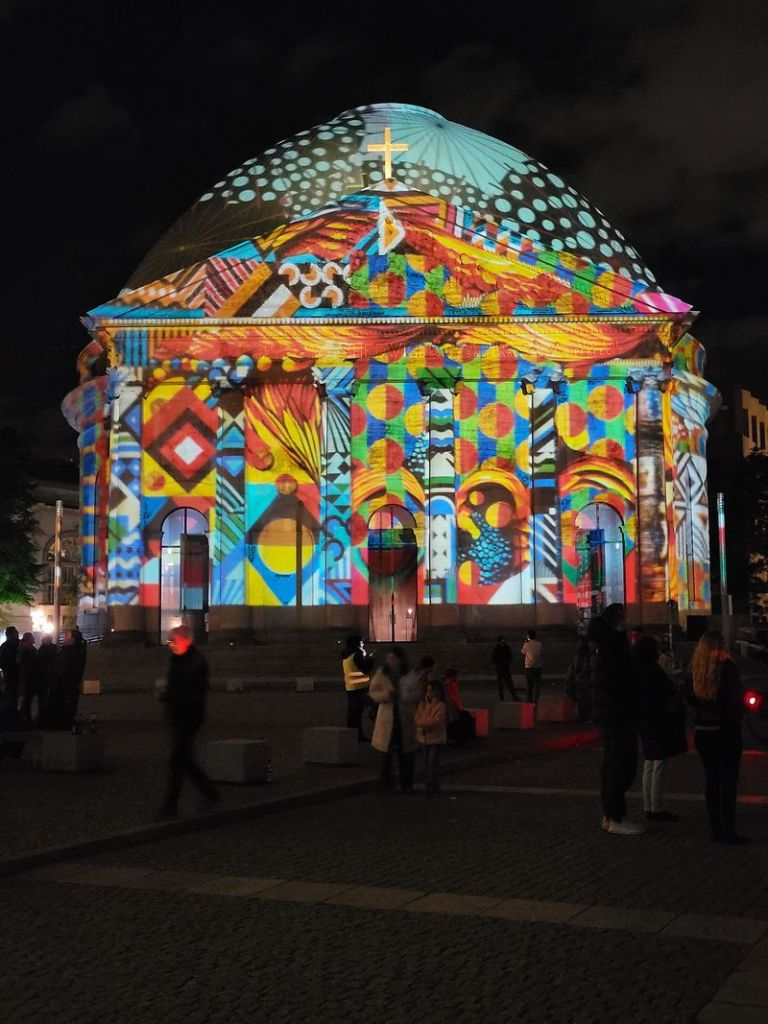
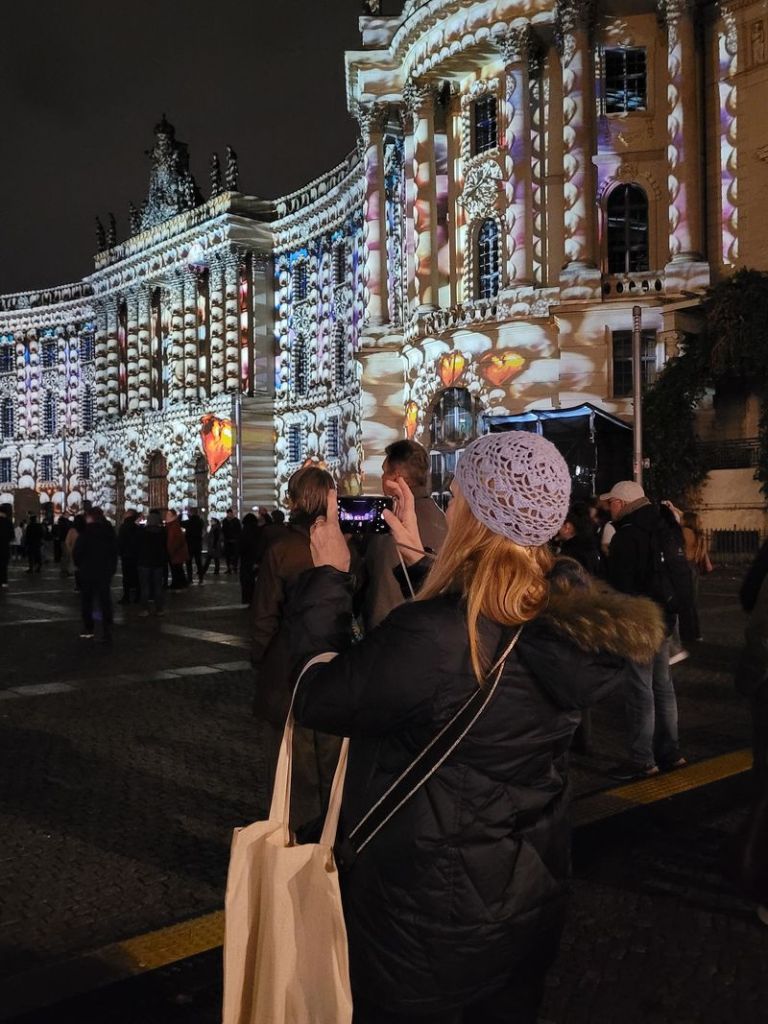
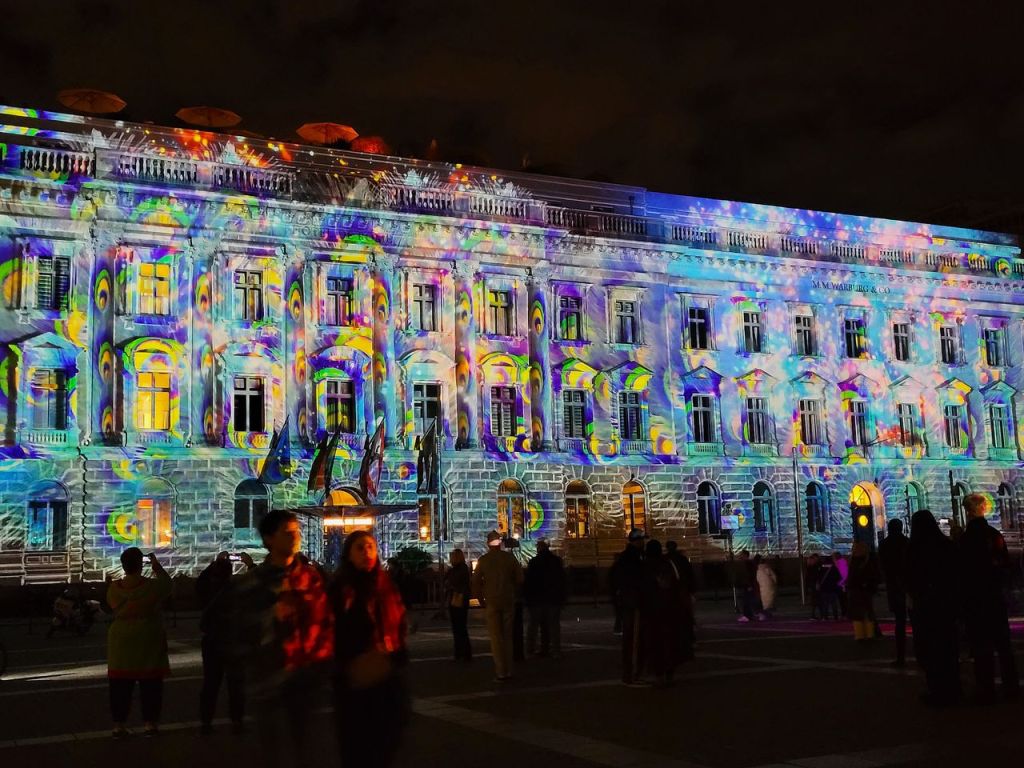
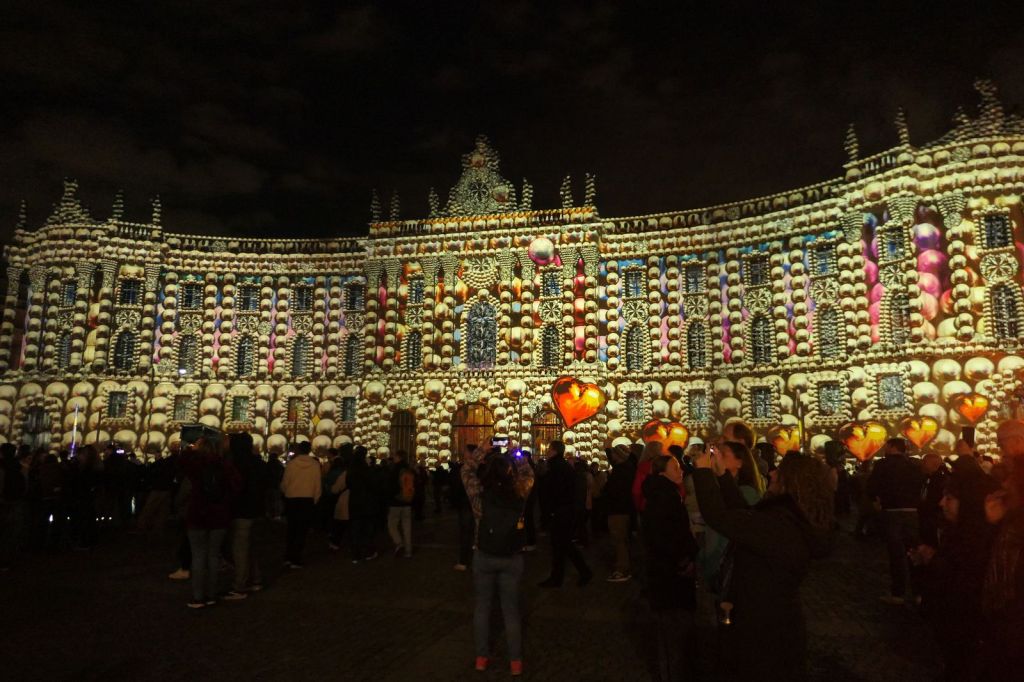
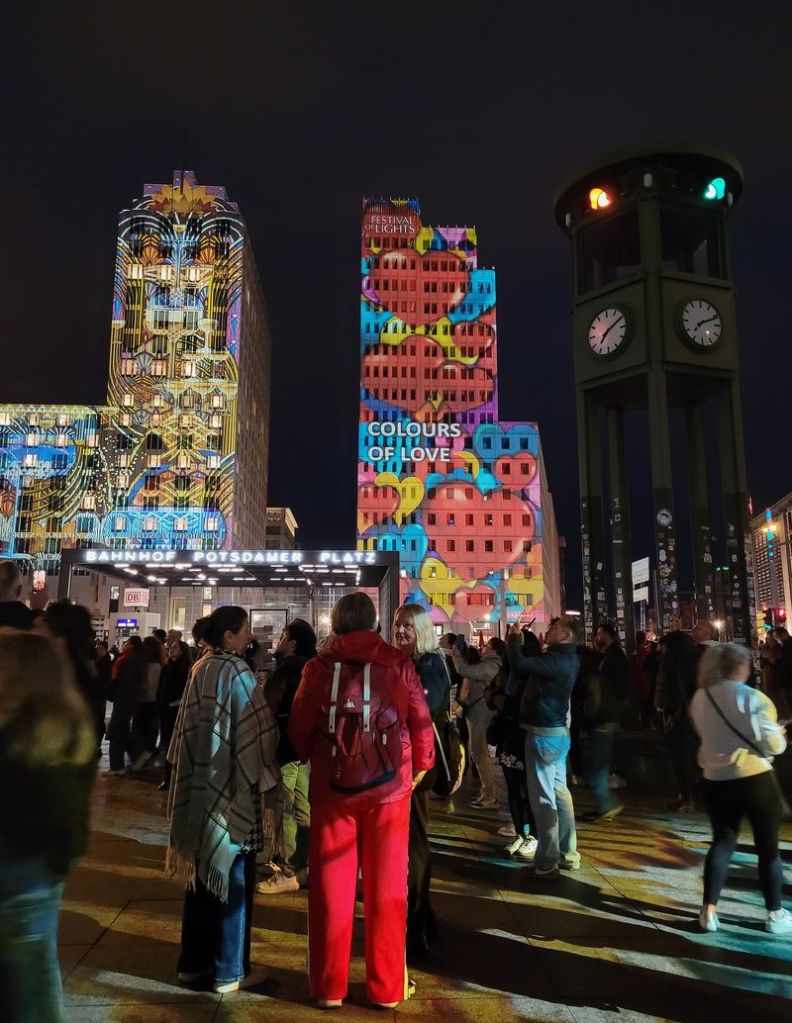
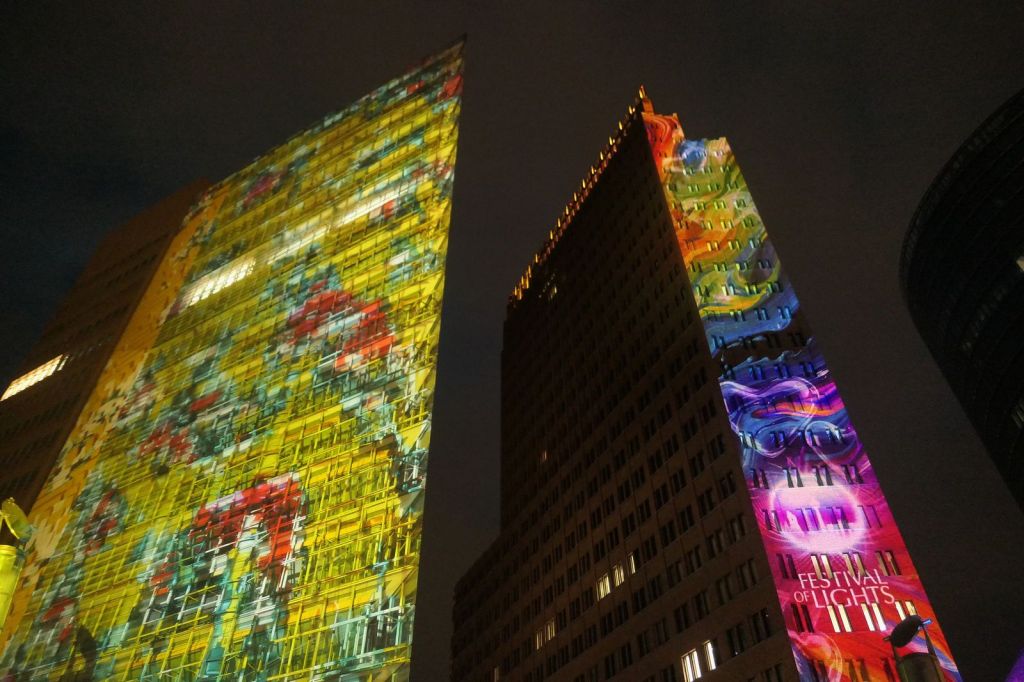
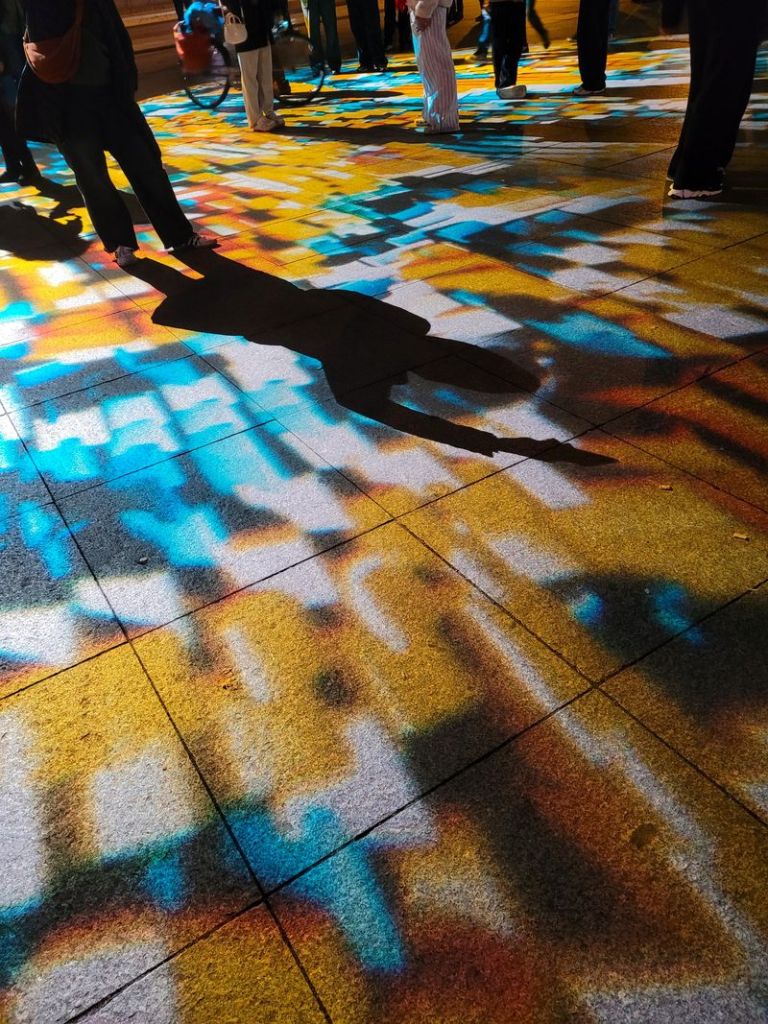
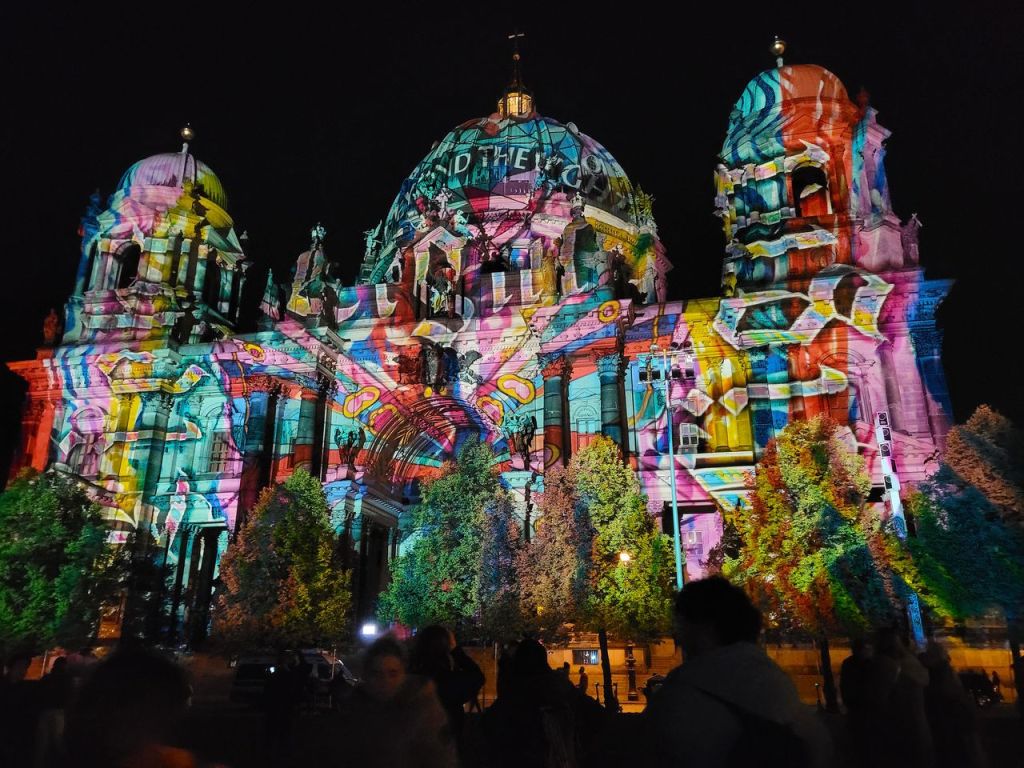
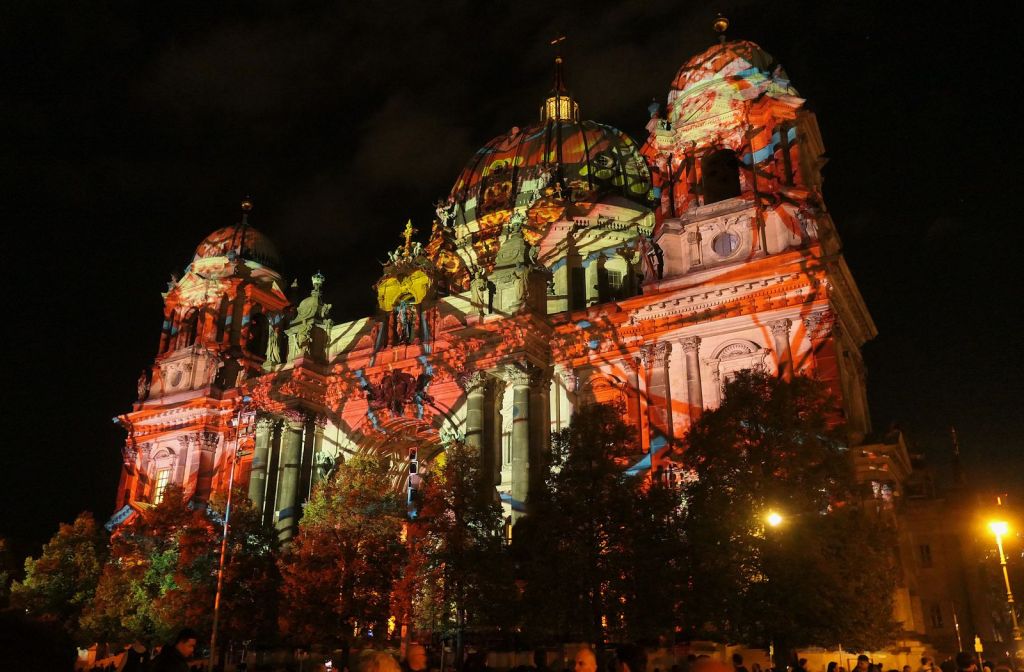
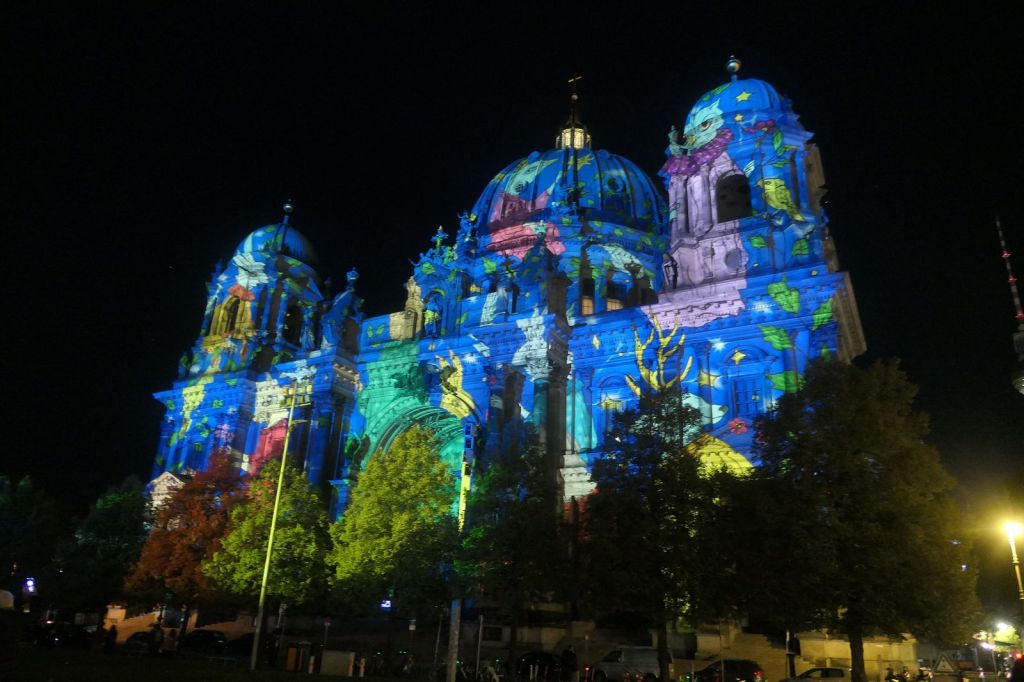
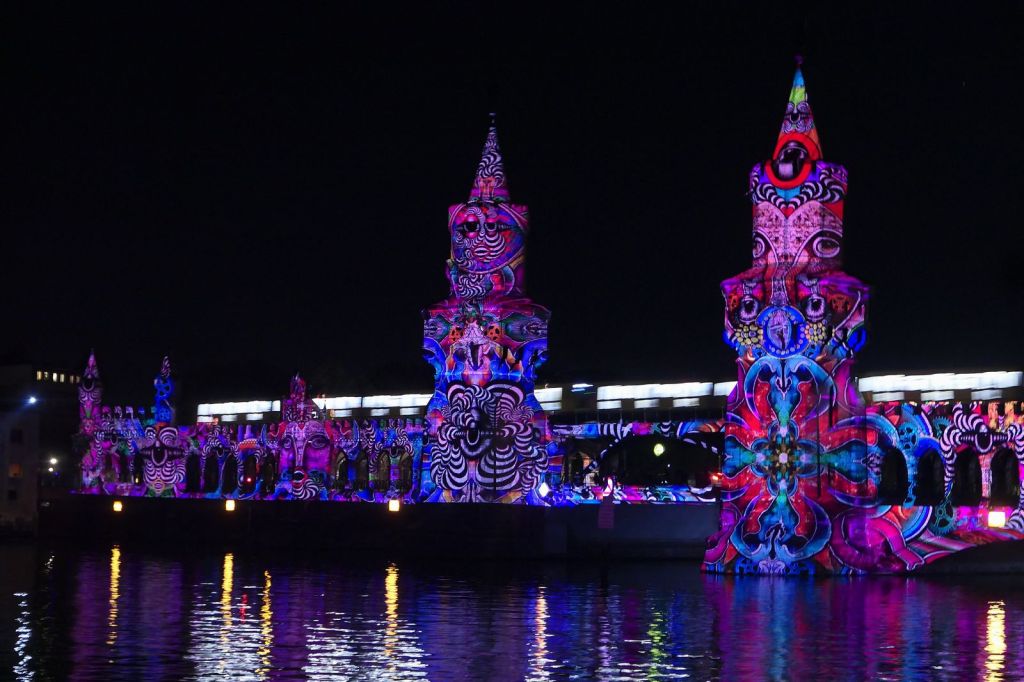
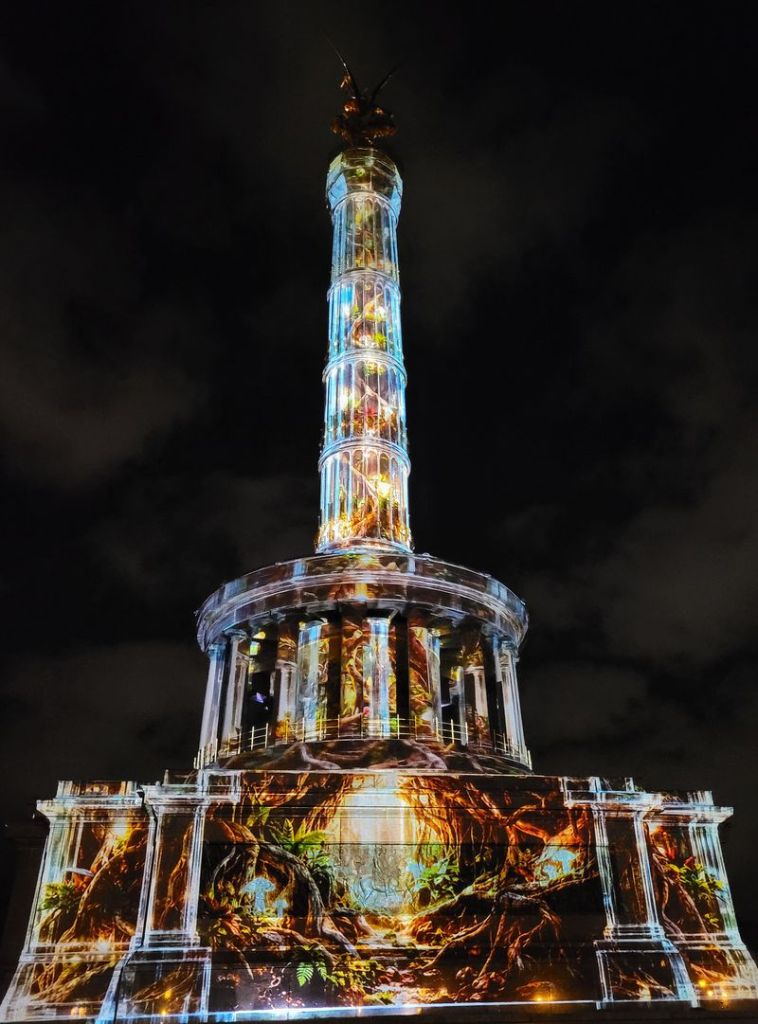
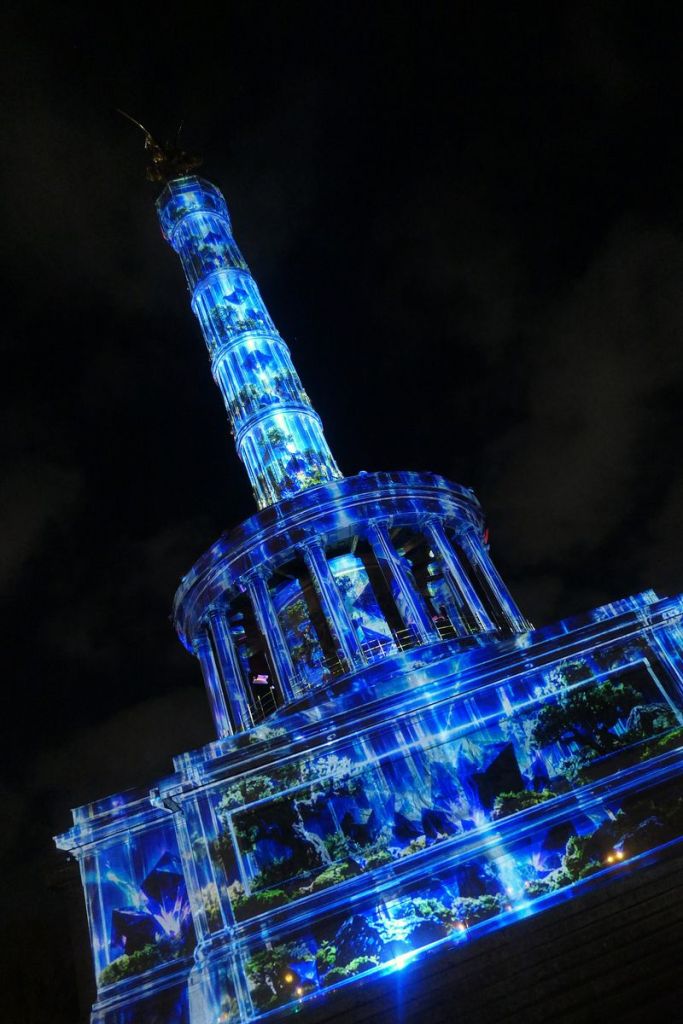
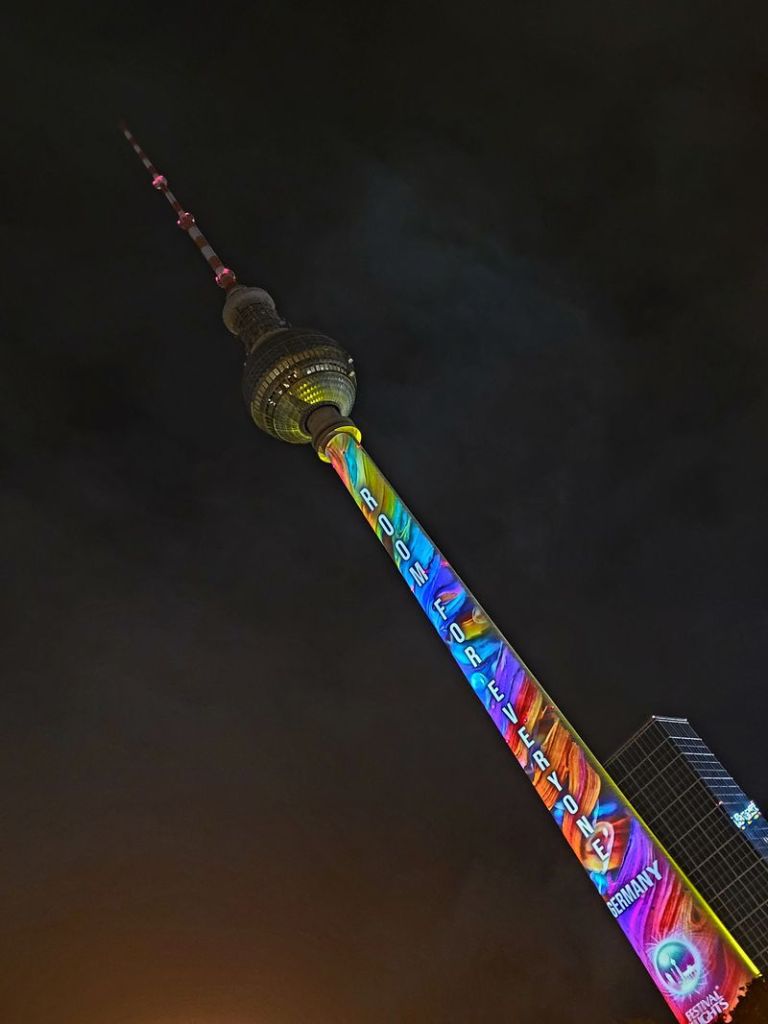
Zajaśniało, jak co roku, Kolorem, Światłem, Wiatrem.
Przybyło, Ubyło, Trochę mniej, I trochę więcej.
Mniej, Bo nie ma już pieniędzy. Więcej, Żeby wyglądało, Że się miasto postarało.
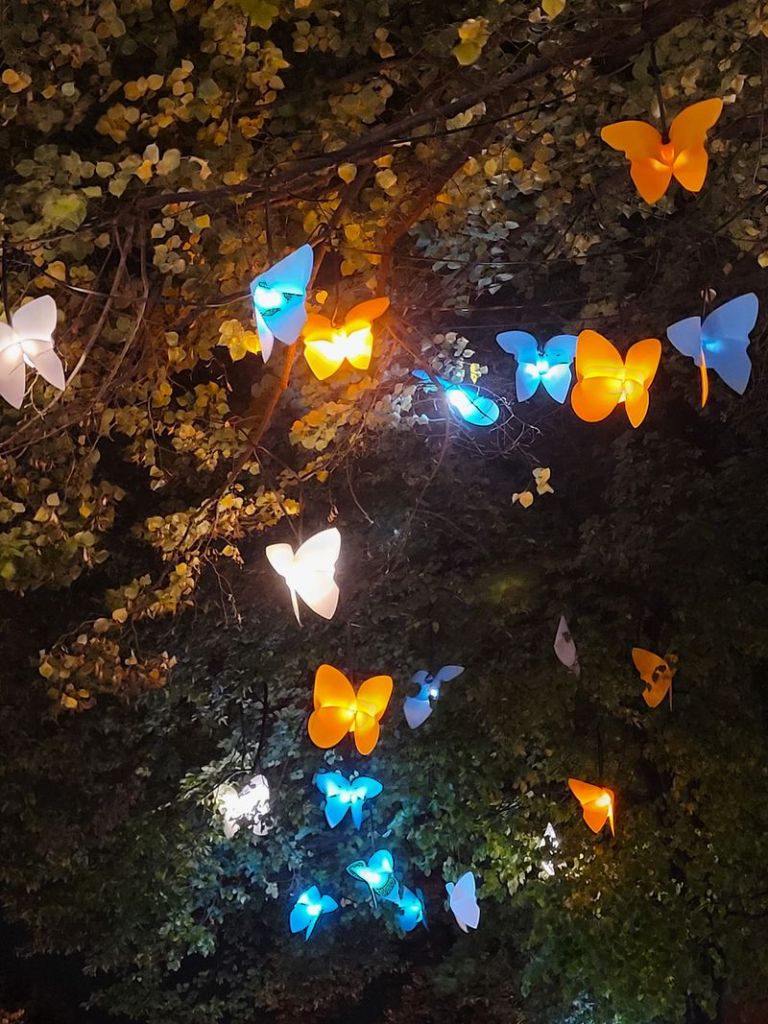
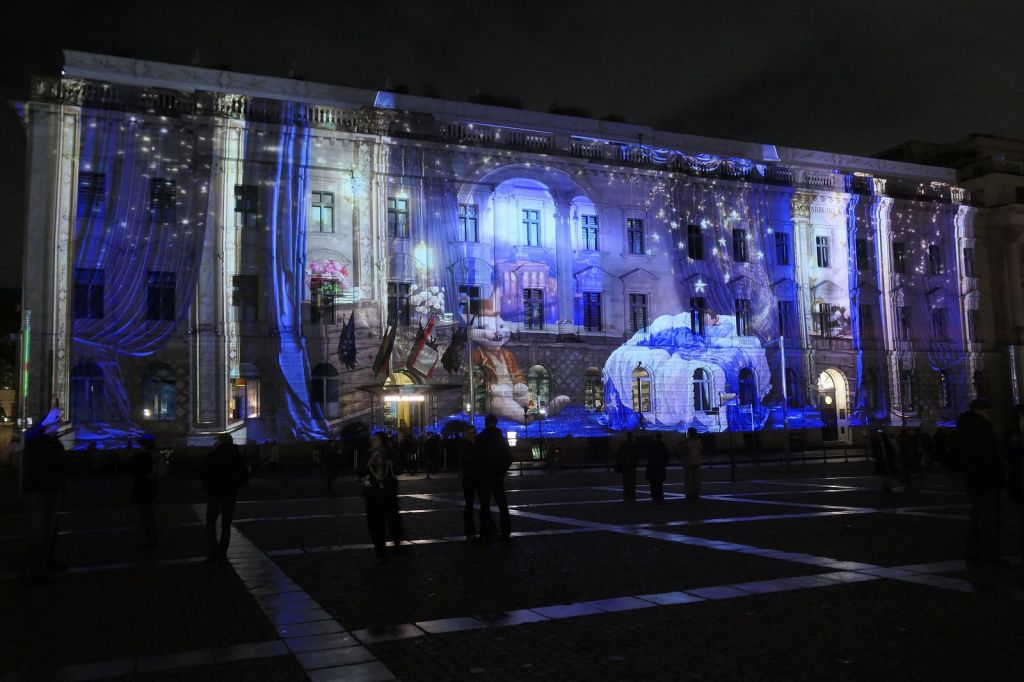
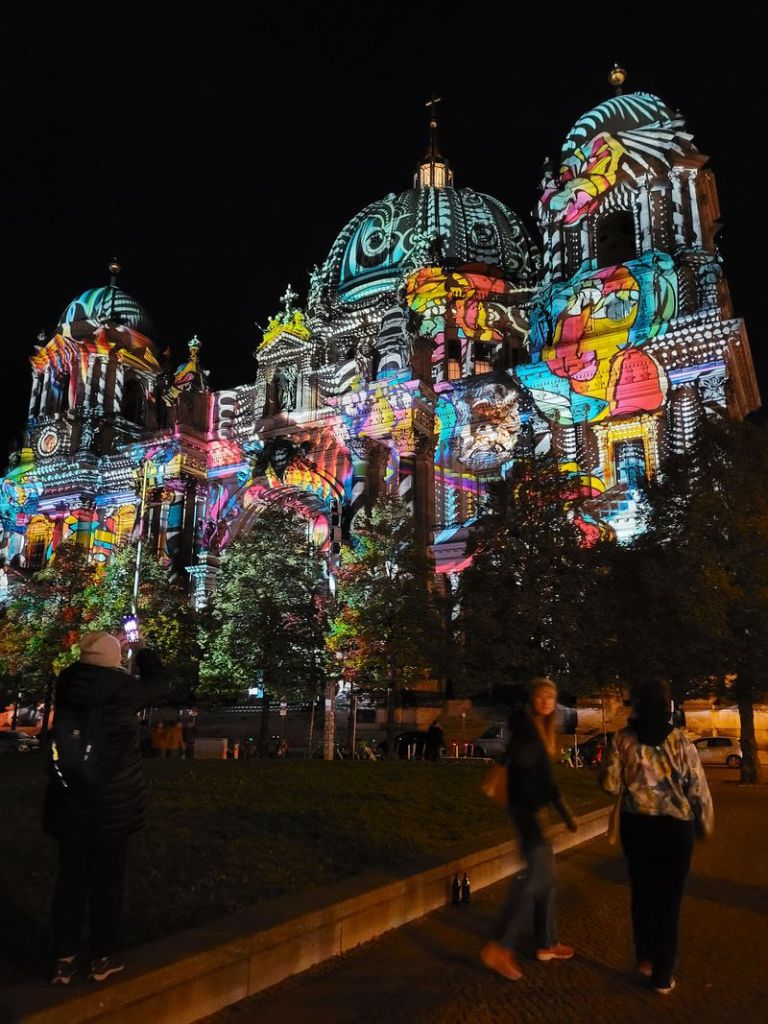
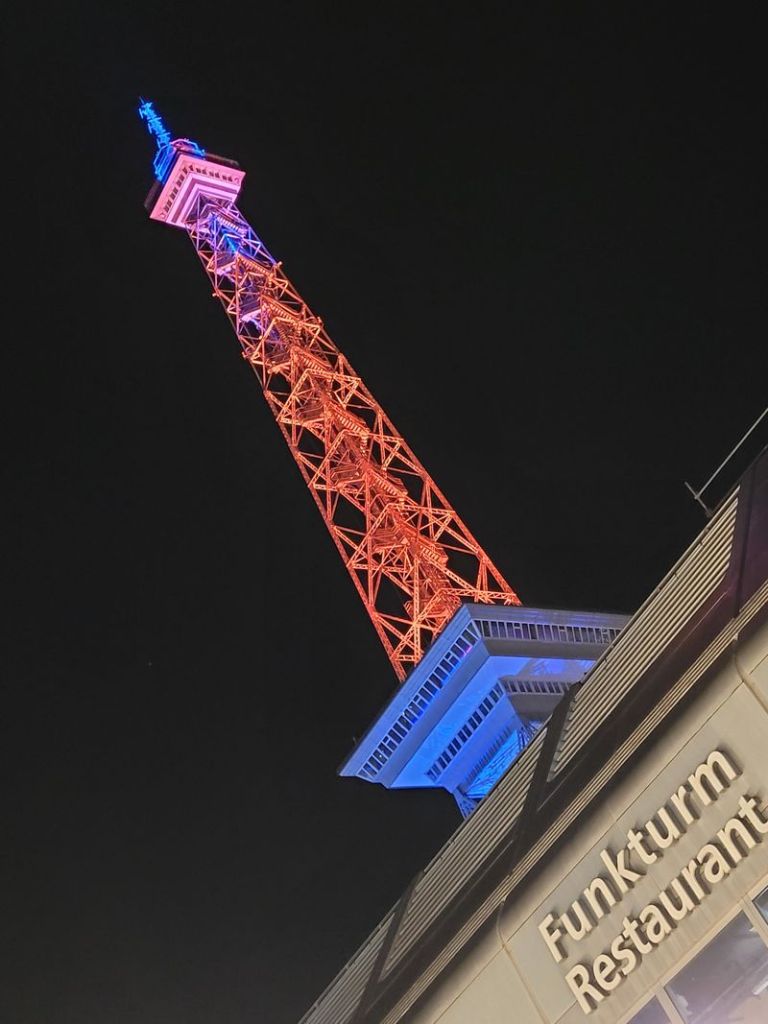
Obie wieże i kolumna, Kolumnady i Pergamon, Koncerthaus i dwie katedry, Stadion, brama, most i hotel, Na Poczdamskim przysiadł motyl. Ach, niejeden, jest ich wiele. No i trzmiele, Pośród kwiatów z projektora Gonią nie wiadomo za czym. Po fasadzie fruną w ciemność.
Pstryk. Zgasło światło z reflektora. Ogród w morze się zamienia. A w nim ryba rybę goni. Węże, pawie i króliki, Kolorowe fiki miki.
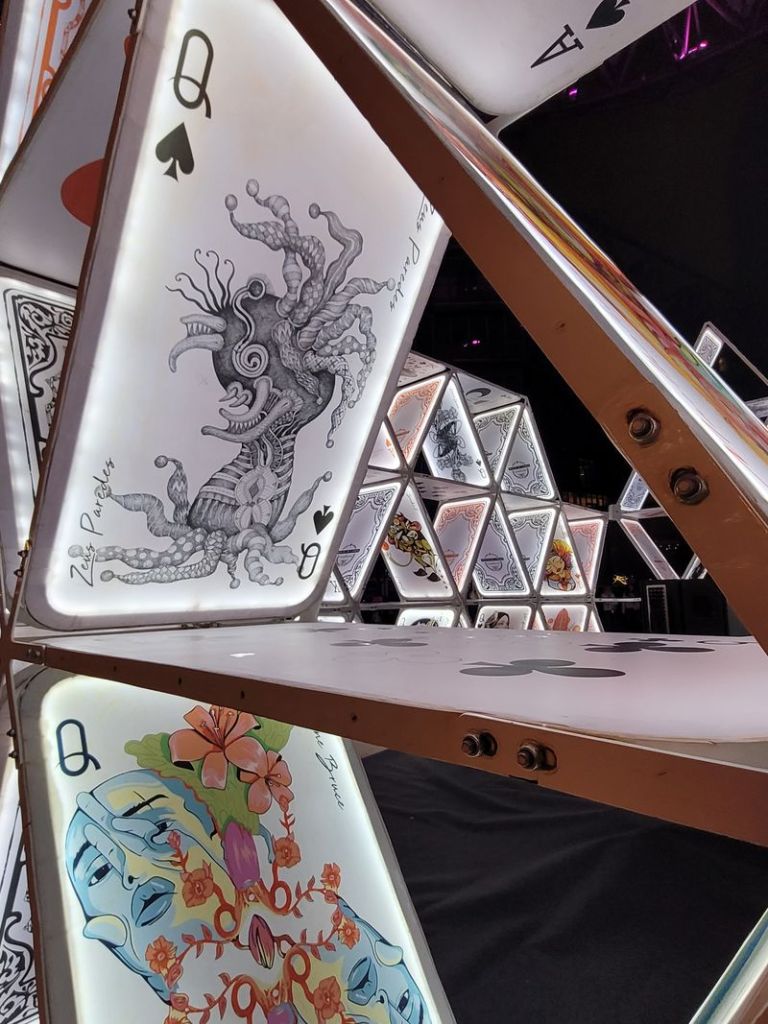
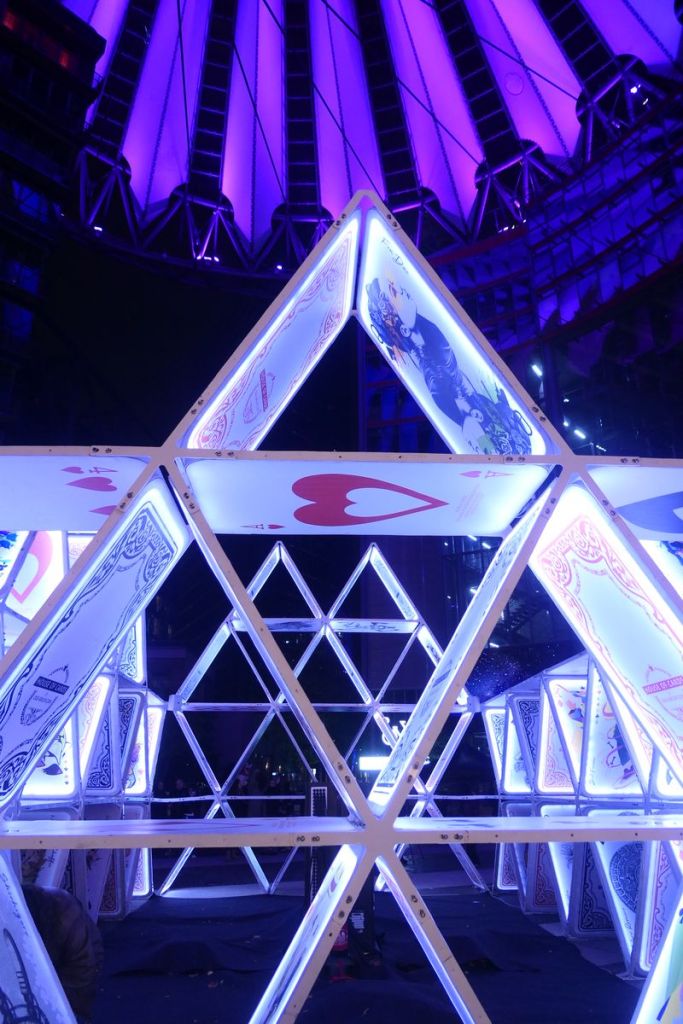
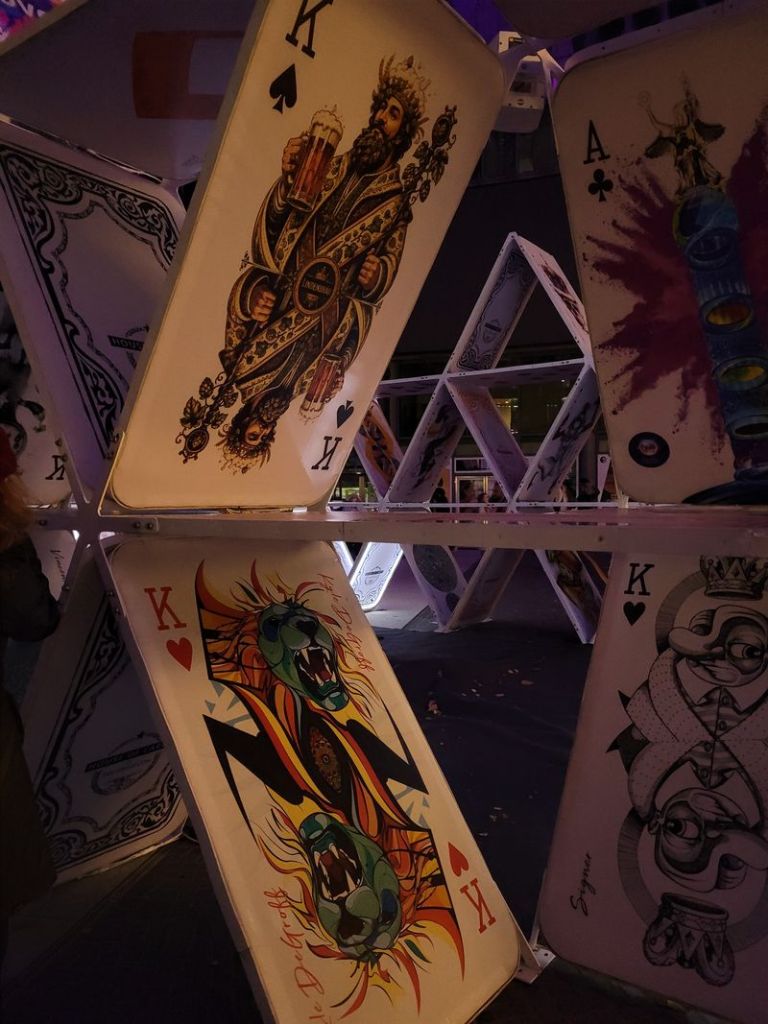
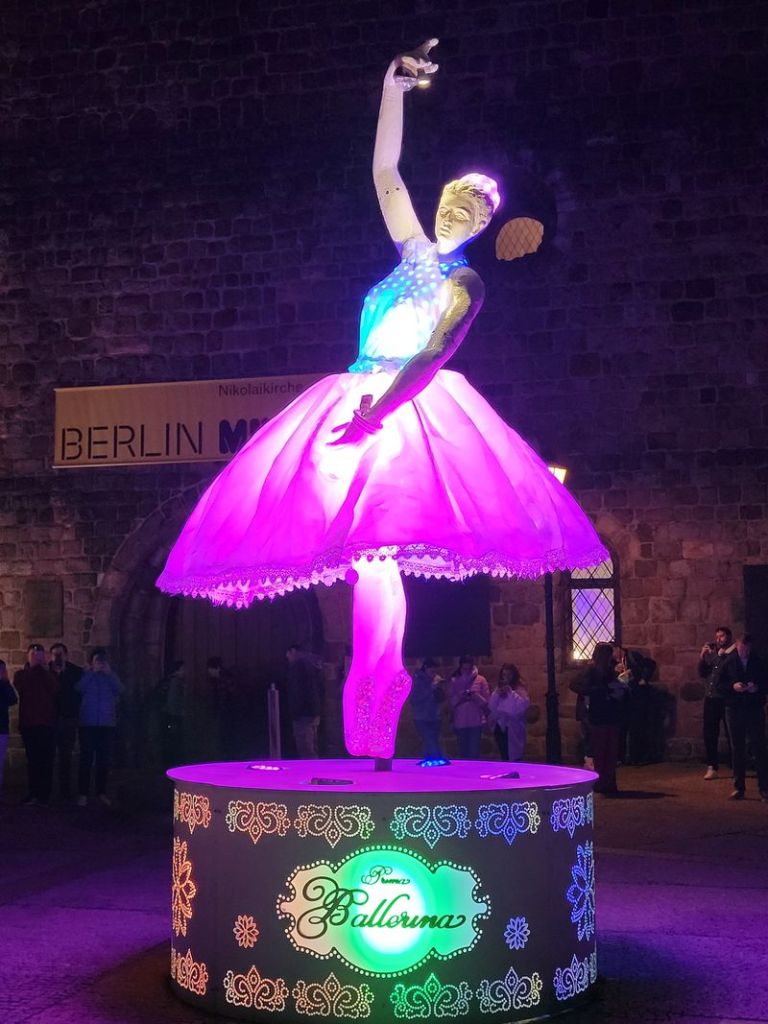
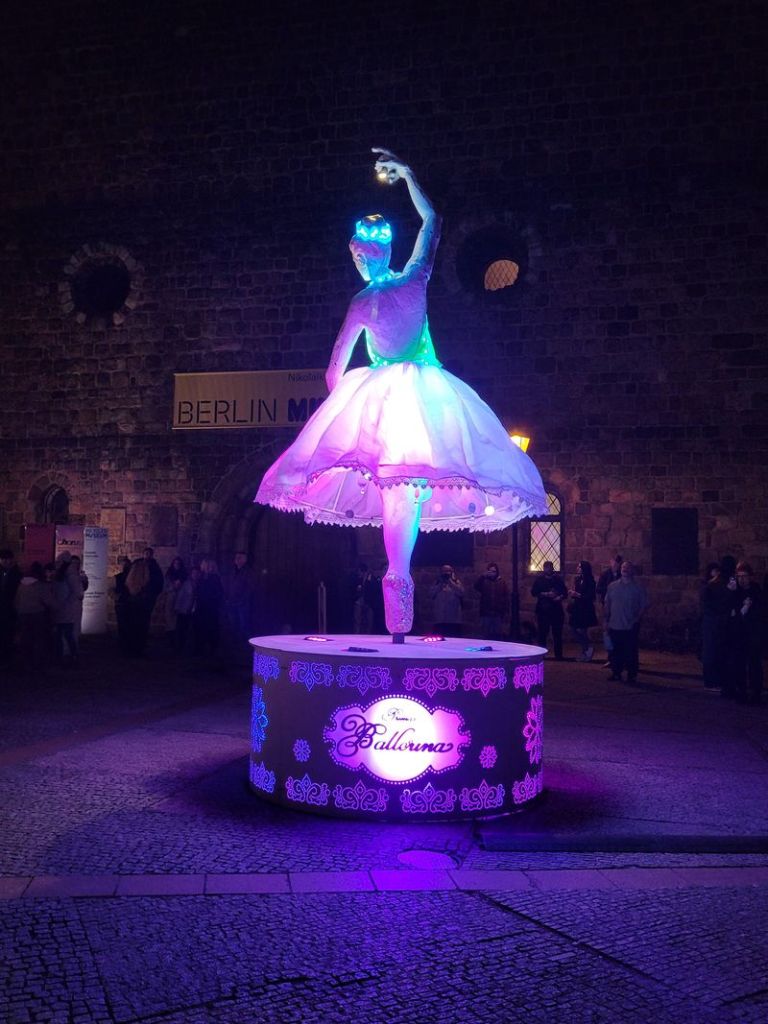
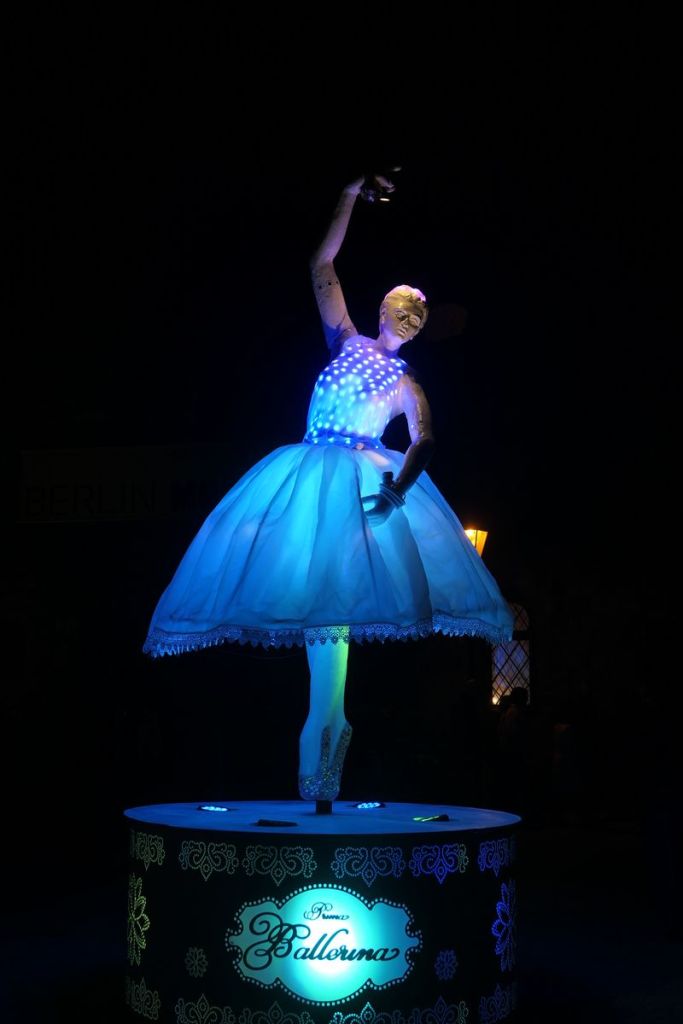
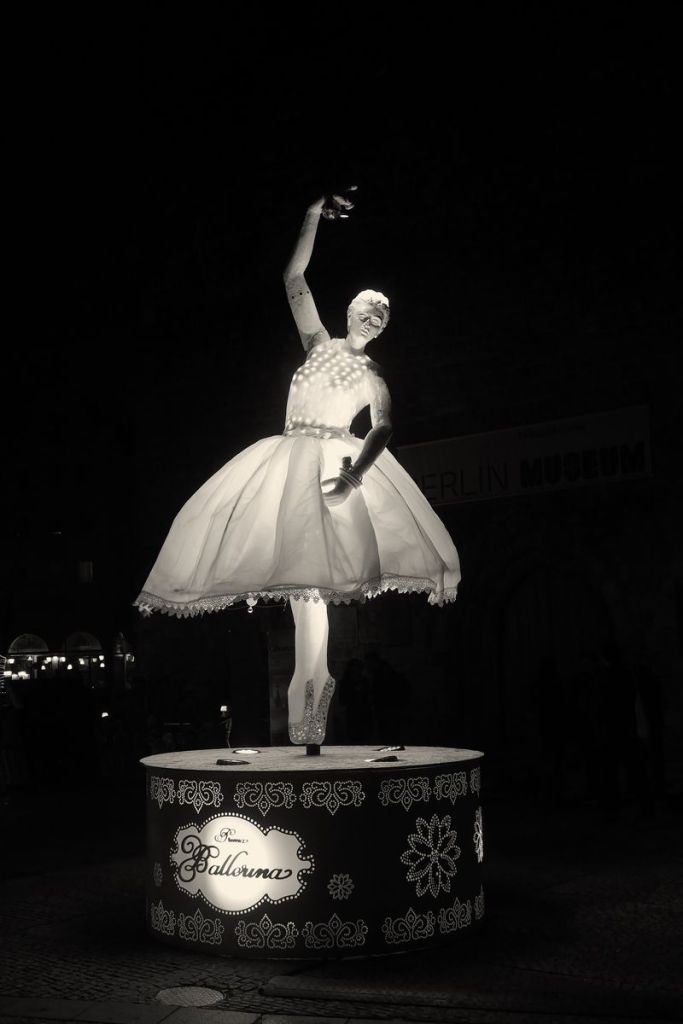
Domku z kart nie rusza wiatr, Baletnicy doda wdzięku, Liśćmi z drzew porusza czule, Jakby o miłości mówił i o sercu, co w rozterce, co to skacze Z miejsca w miejsce…
Kto nie widział, Nic nie stracił. A kto widział, Zyskał dużo. W światłokolor się zanurzył I w berlińską noc.
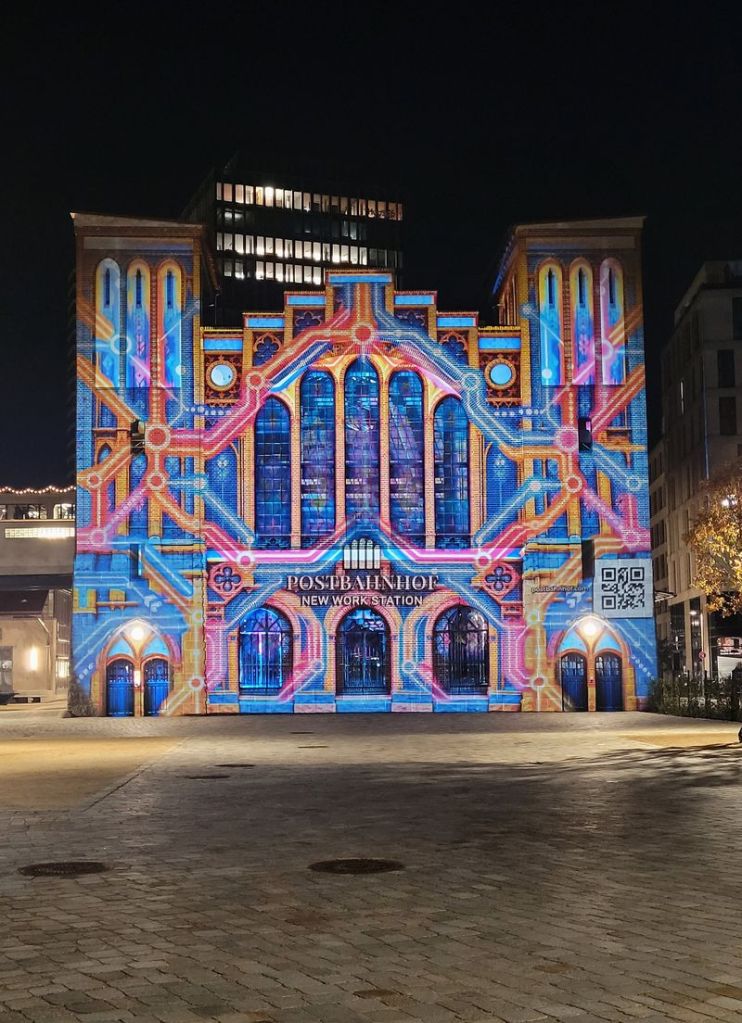
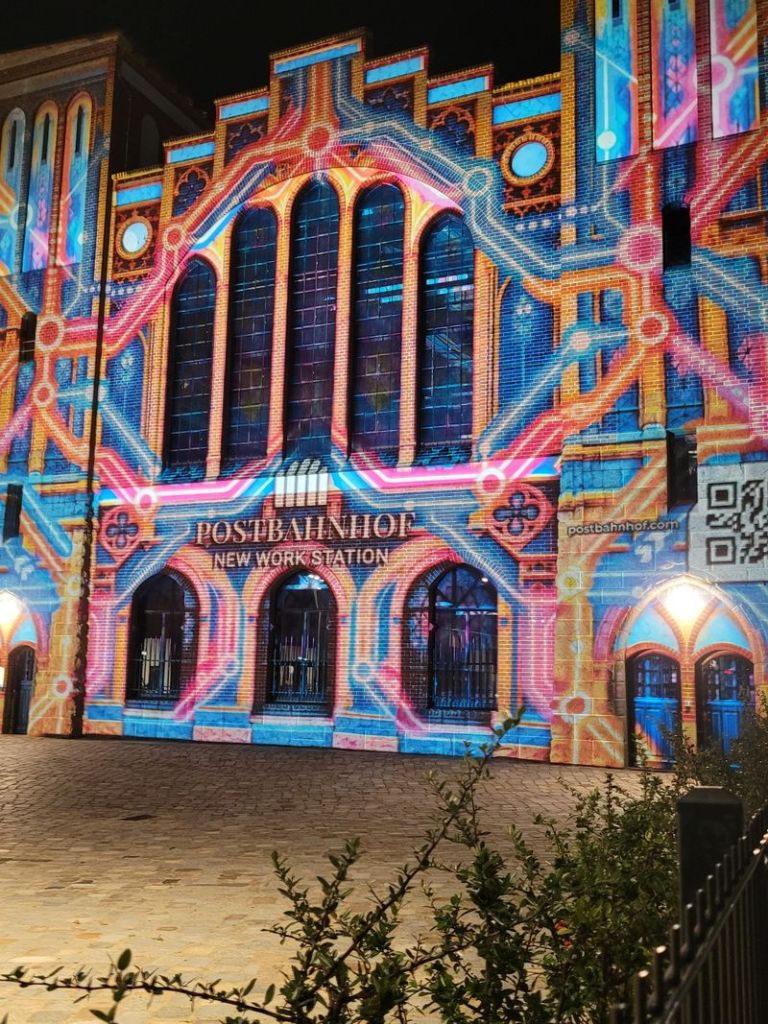
Zobaczyłam niemal wszystko, co mieniło się kolorami i rozbrzmiewało muzyką. W tej rymowance – wyliczance, nie znalazły się jednak wszystkie miejsca. Prawdziwym odkryciem okazał się dla mnie Dworzec Pocztowy, który od dawna nie pełni już funkcji dworca.
Dworzec Pocztowy
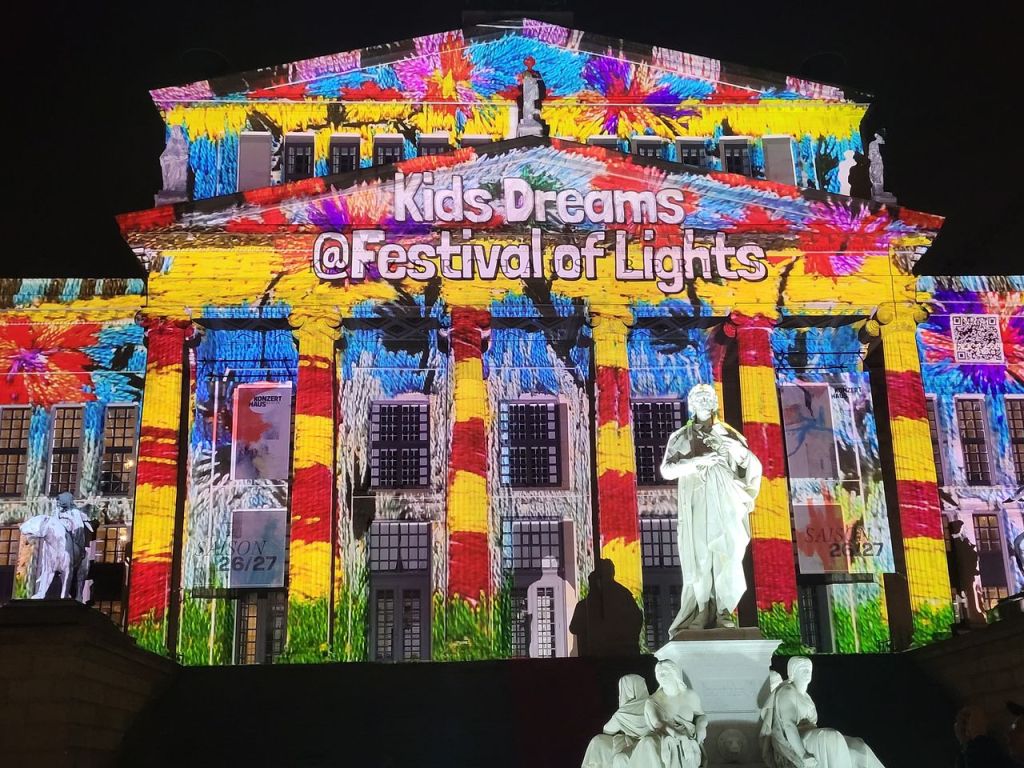
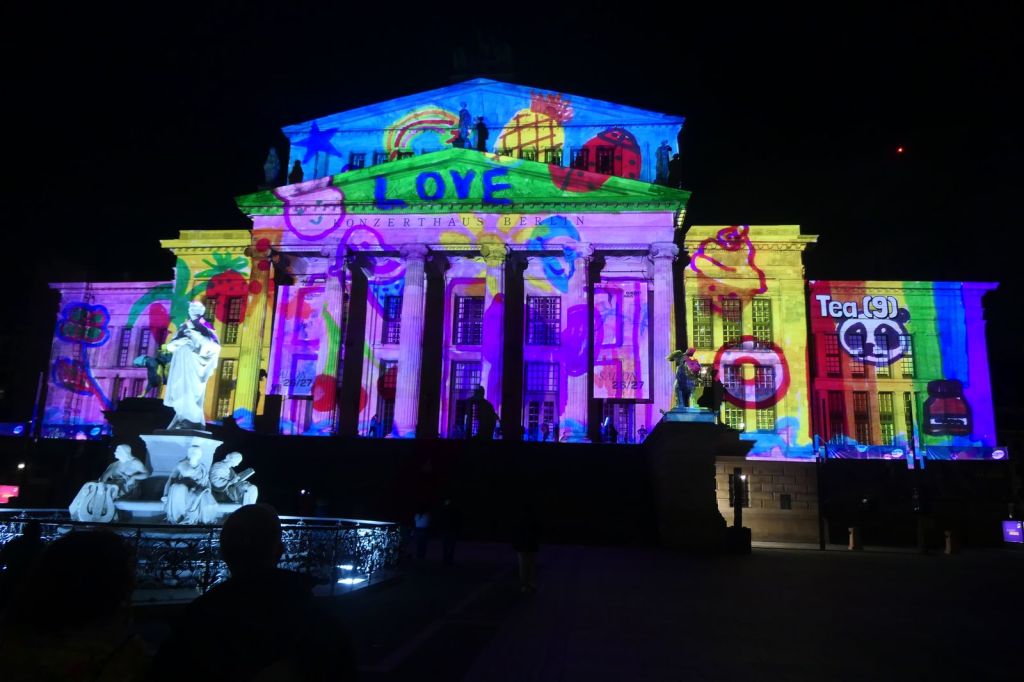
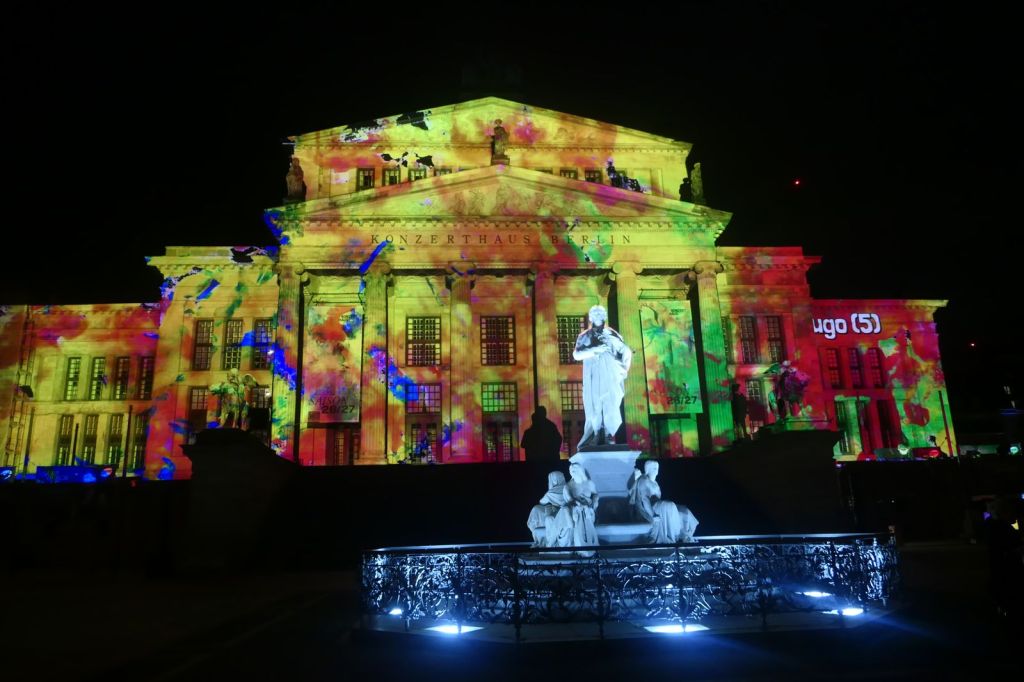
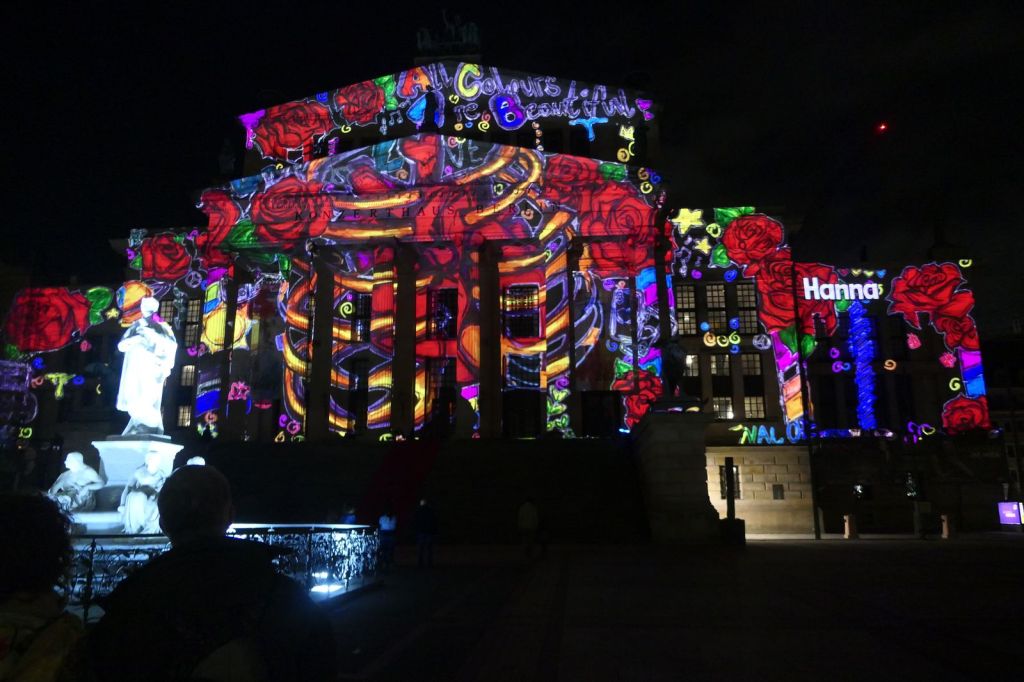
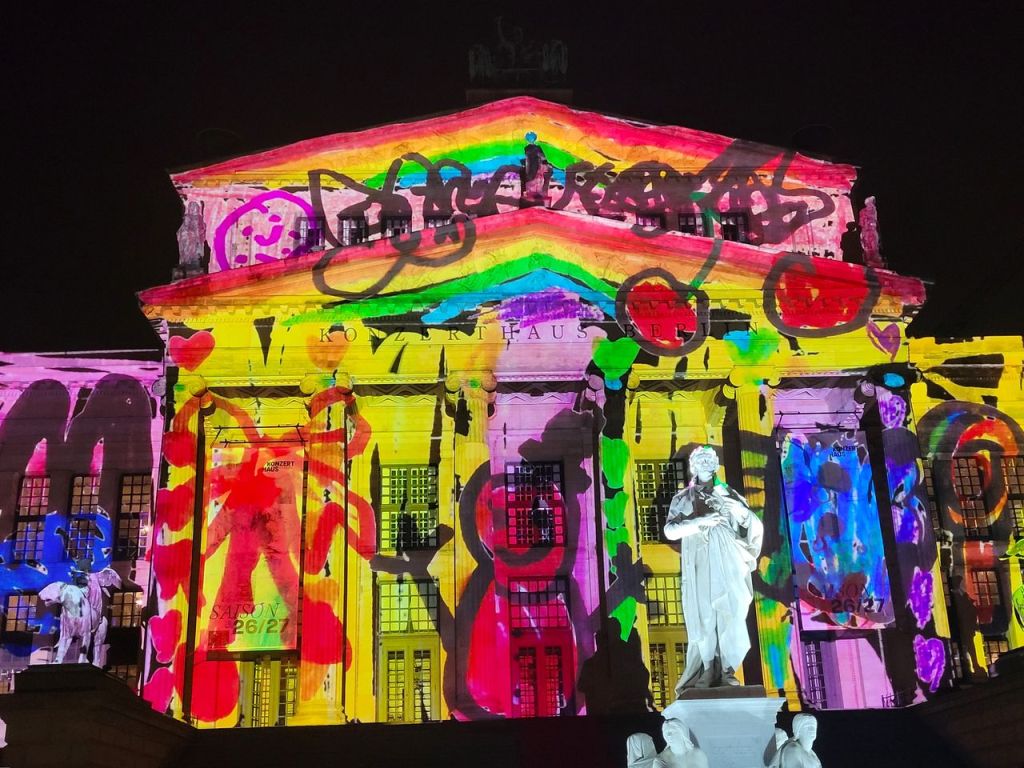
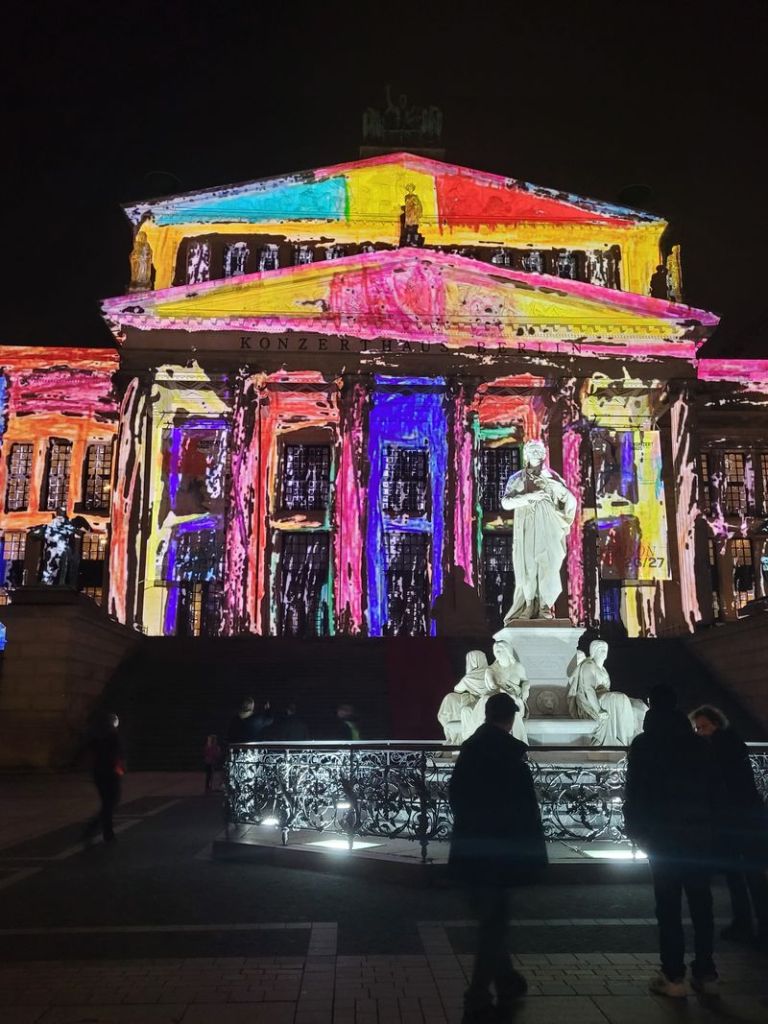
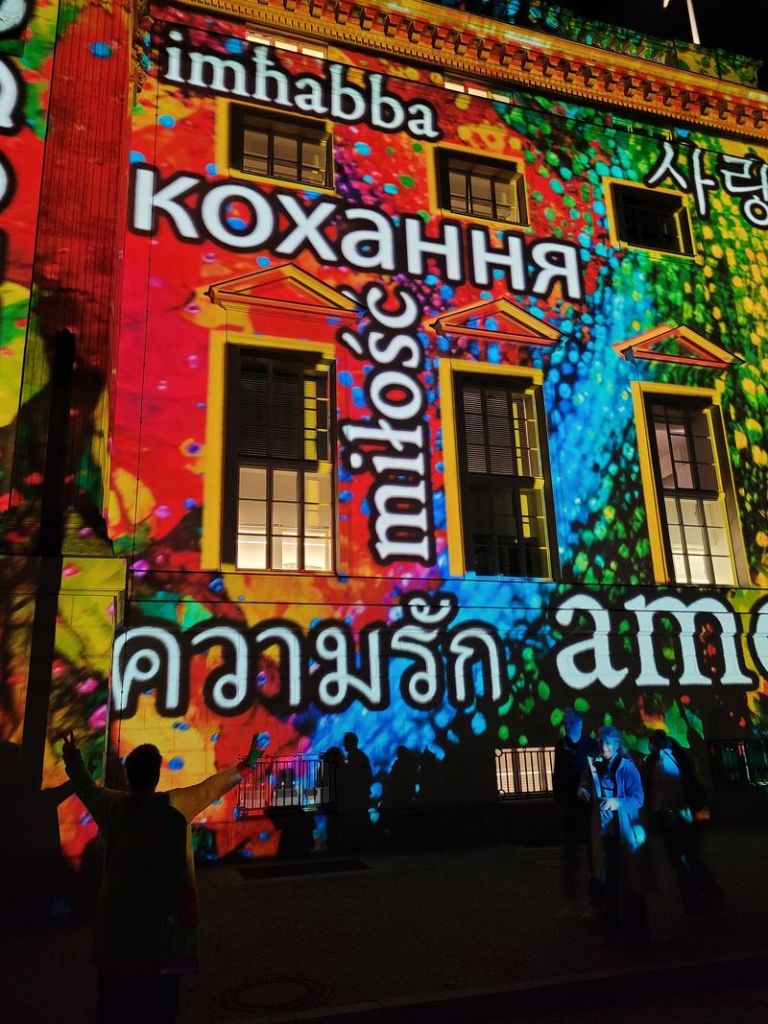
Największe wrażenie zrobił na mnie jednak Koncerthaus. Jego fasadę rozświetliły projekcje stworzone na podstawie rysunków wykonanych przez dzieci, wpisujące się w tegoroczne hasło festiwalu, którym była miłość.
Miłość
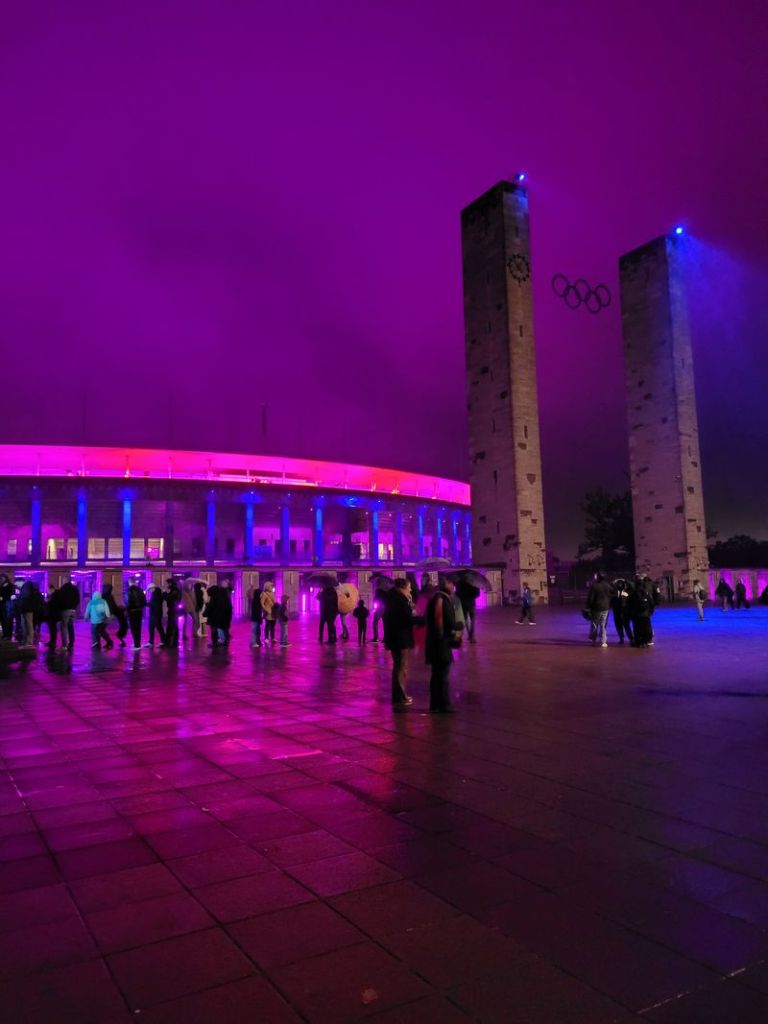
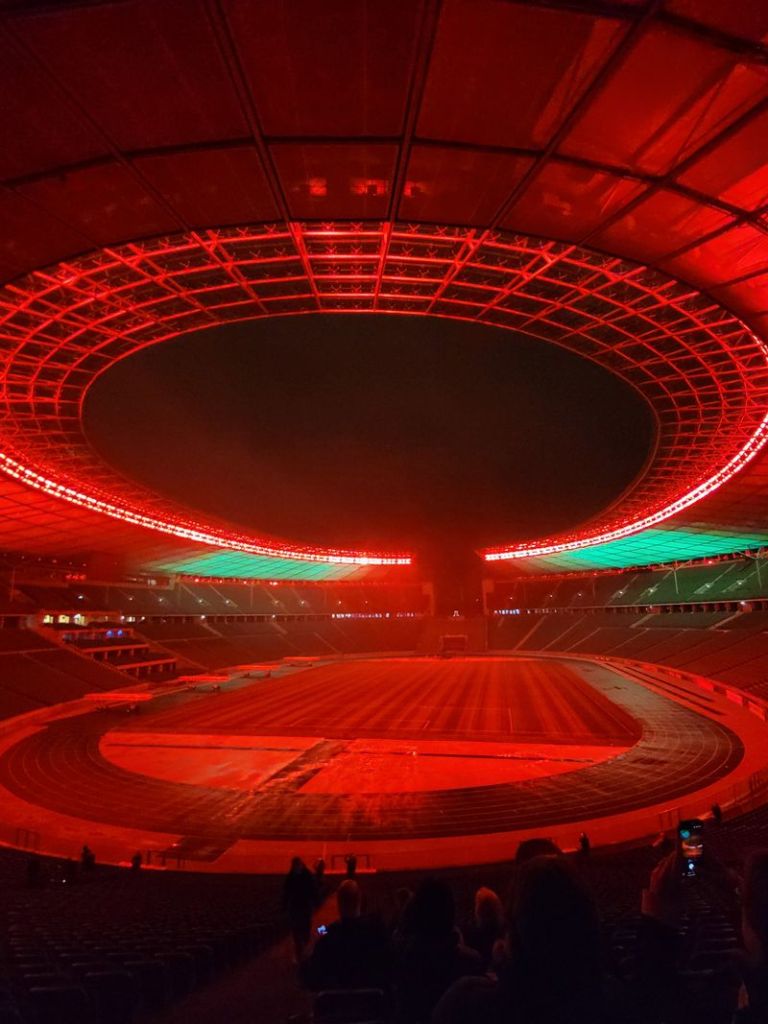
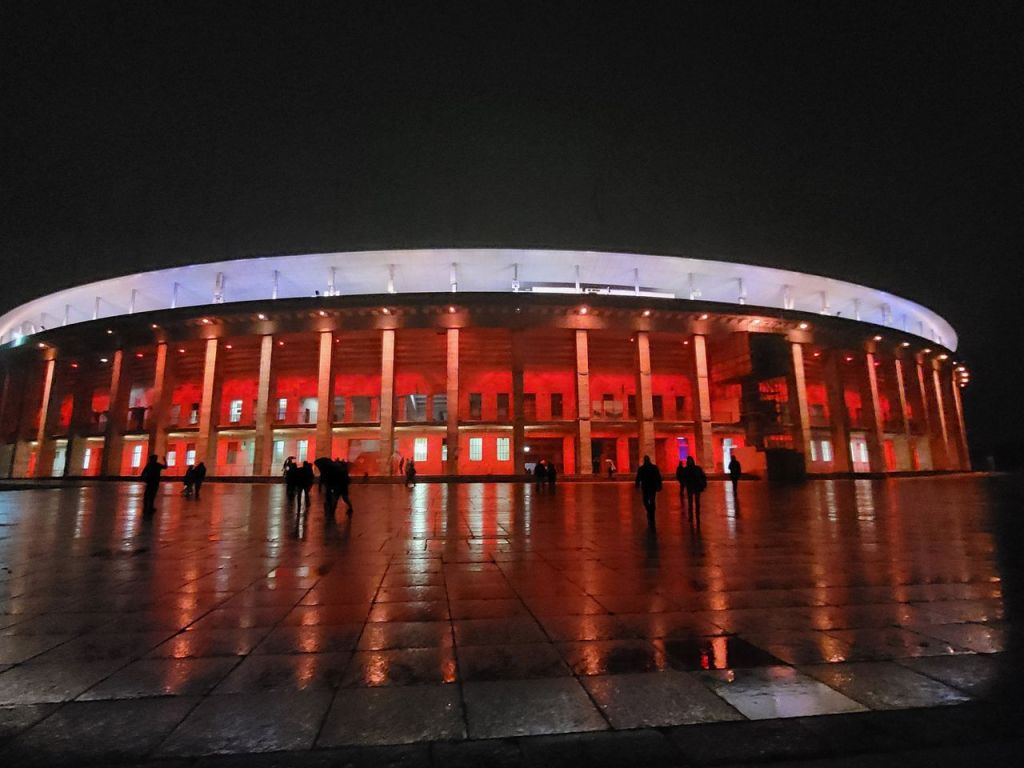
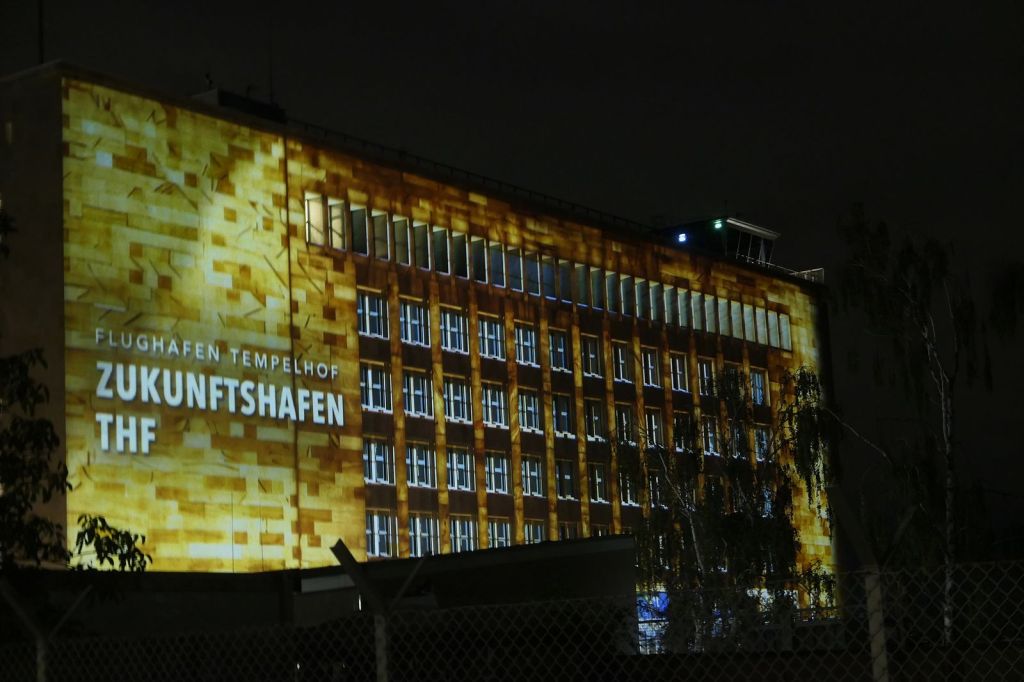
Stadion Olimpijski odwiedziłam w deszczu, a na budynek dawnego lotniska spoglądałam jedynie zza płotu (ostatnie zdjęcie poniżej).
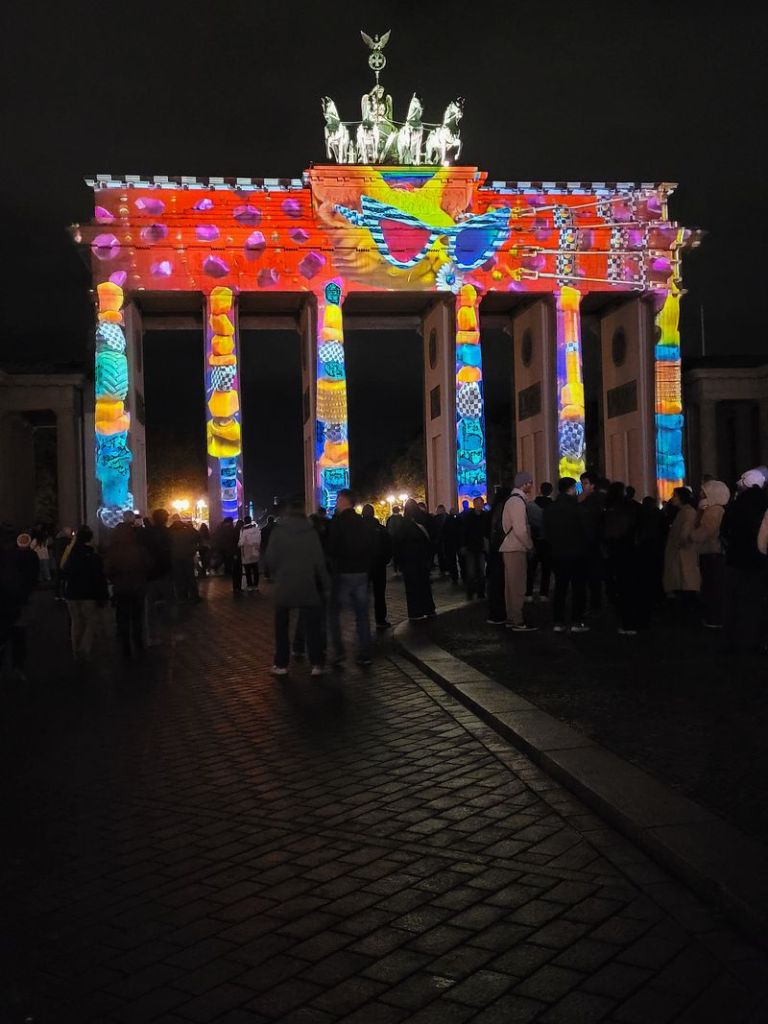
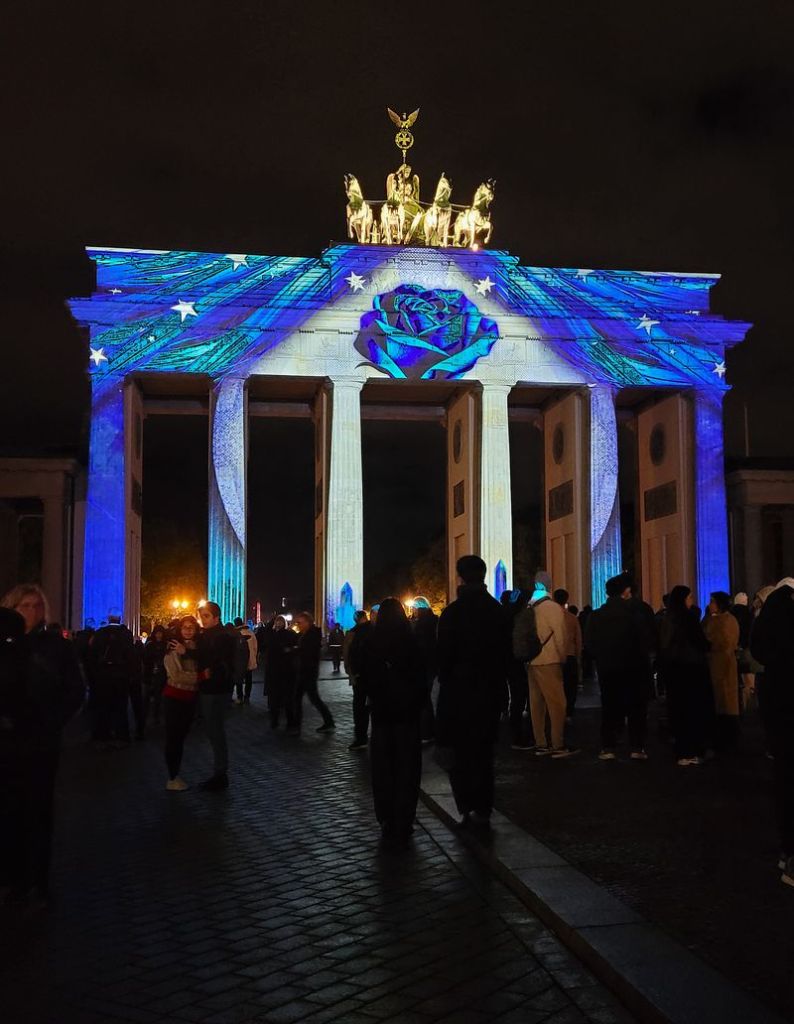
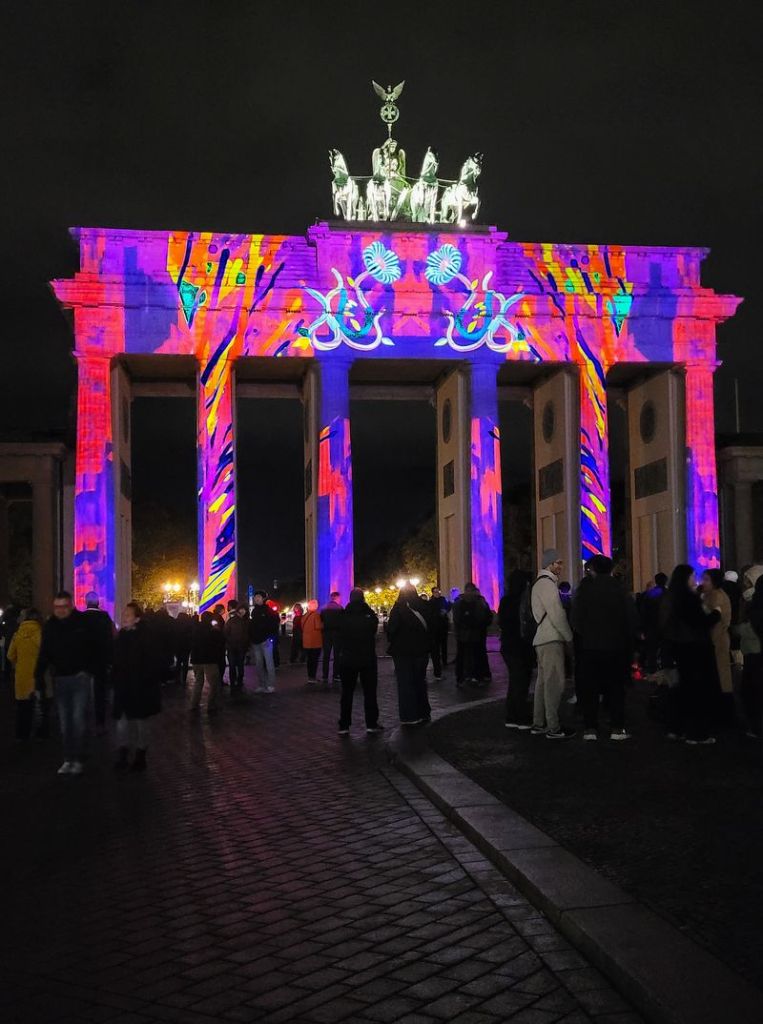
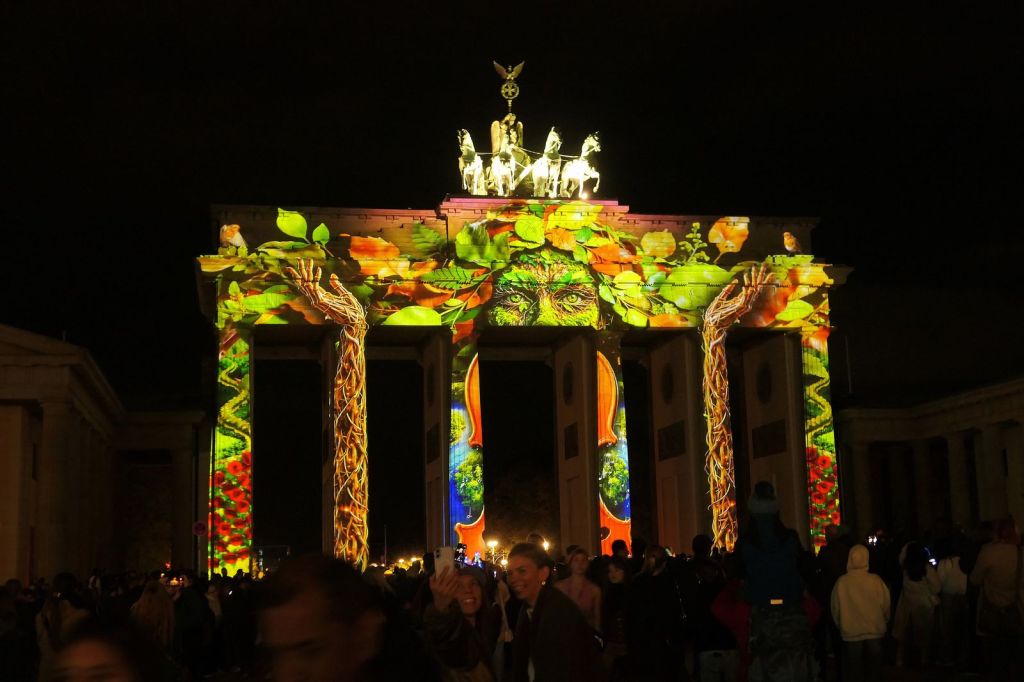
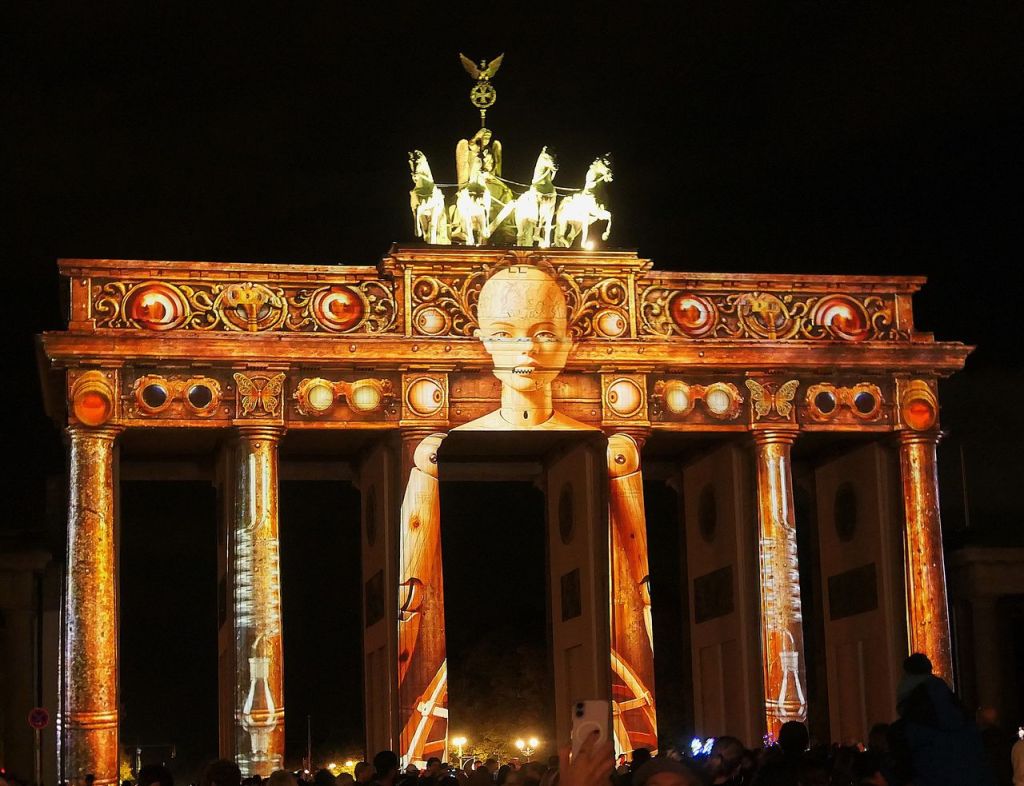
Brama Brandenburska
Potsdamer Platz, czyli Plac Poczdamski
Berliner Dom, czyli Katedra Berlińska
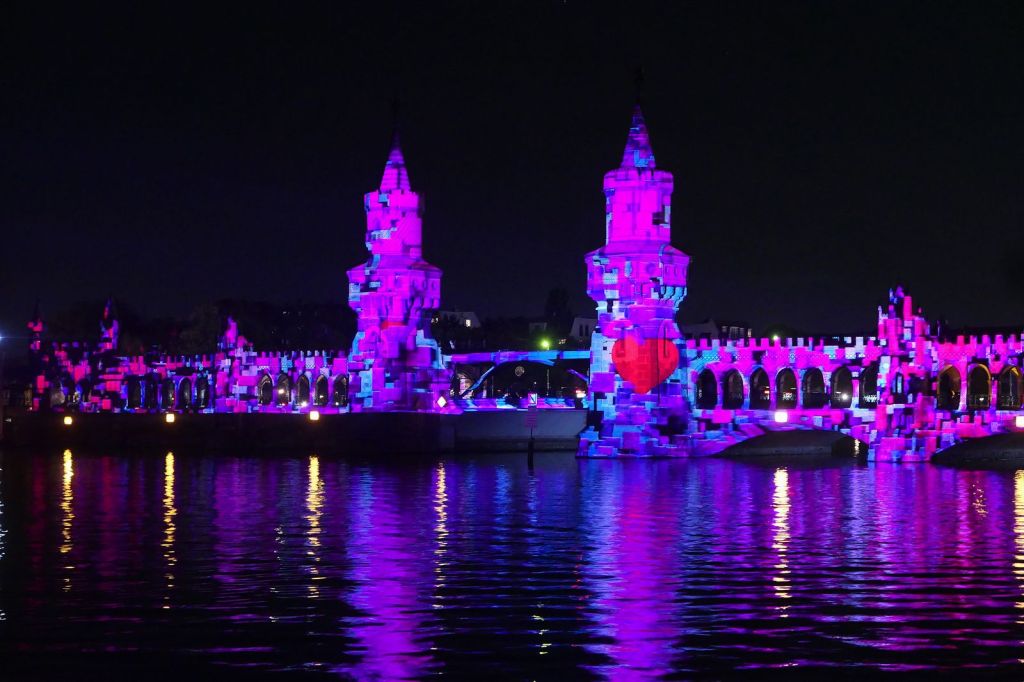
Most Górnokładny, czyli Oberbaum Brücke
Wieże
Domek z kart
Pisząc, że „ubyło”, miałam na myśli luksy, czyli jednostki odpowiadające za natężenie światła. Odniosłam wrażenie, że tegoroczny festiwal był nieco ciemniejszy niż jego wcześniejsze edycje. Jeśli rzeczywiście tak jest, to tylko z korzyścią dla środowiska. Jeśli nie, pozostaje mi przyjąć, że to mój wzrok zaczyna płatać figle.
szumu czasu, tej rzeki, gdzie nie wejdziesz już drugi raz…
***
Noc – firana senna na oczach, a w głowie przegląd
obrazów szybkich jak pociągi, lub wolnych jak żółwie…
***
Noc – filmowe sny z własnym rozdaniem Oskarów…
a czasem dość kiepskie, ze sobą w roli głównej…
…bez czerwonego dywanu…
Czas – niekiedy jak animator wspomnień, a niekiedy płaczka pogrzebowa nad nami…
***
Czym jest Jesień – tańcząca z latem Wojna – splątana z pokojem, Kłamstwo – udające prawdę, Radość – masująca duszę, Miłość- żonglująca ryzykiem Nienawiść – zabawa piromana.
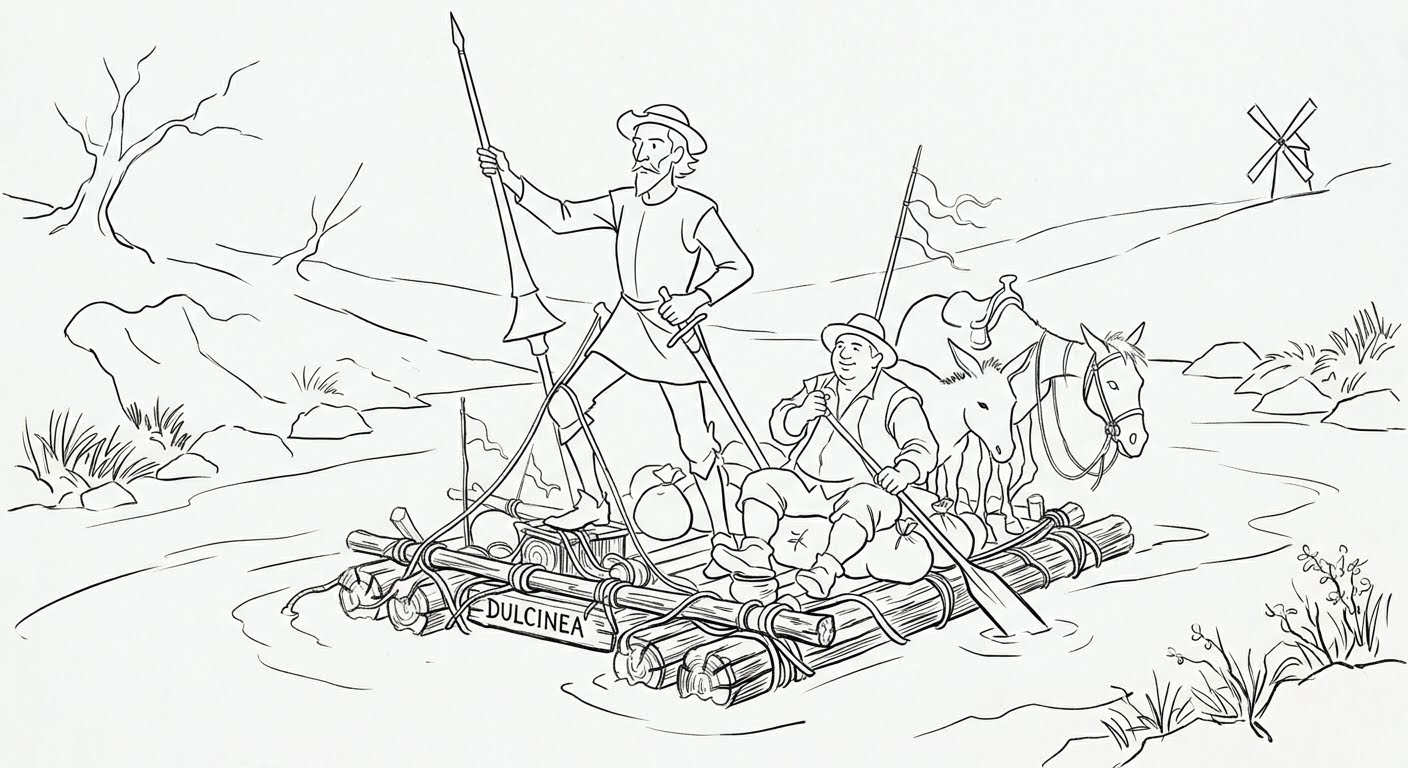
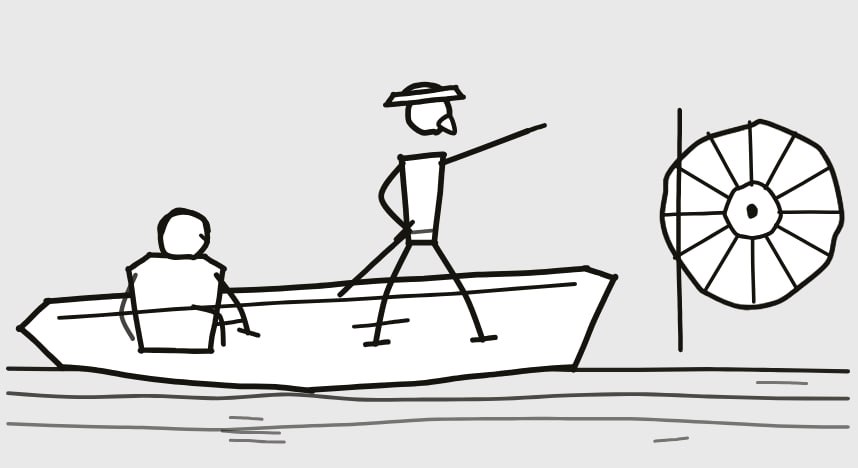
Don Kichot, Sancho Pansa, wiatrak i woda, ilustracja: Claude & Konrad
MORKA
W roku 1971 zostałem skierowany do na kurs sterników jachtowych i drużynowych drużyn harcerskich. Zostałem zwolniony z kilku ostatnich dni roku szkolnego i pojechałem do Wisły Wielkiej. Na miejscu się okazało, że zabrali nam DZ- etę, dwumasztową łódź, podstawę szkolenia na sternika jachtowego. By ratować kurs, adaptujemy jedną z szalup wiosłowych na żagle. Mamy mnóstwo bardzo starych żagli, masztów, lin, ale wszystko trzeba przerabiać. Zostaję mianowany bosmanem ośrodka. Kieruję wszystkimi pracami. Dziewczyny przeszywają żagle, Janek struga bukszpryt i specjalną ławkę dla sternika, ktoś zapłata liny stalowe. Potem pracujemy dzień i noc. Krótkie drzemki i do roboty. W pewnym momencie jestem tak przemęczony i przeziębiony, że trafiam do izolatki. Po tygodniu “Morka” schodzi na wodę. Stan jeziora jest bardzo niski, a port za płytki. “Morka” stoi na kotwicy przed portem. Patrzymy z dumą na nasze dzieło. Po drugiej stronie jeziora najpierw słup dymu a potem ognia. Wygląda na to, że płonie jakiś duży stóg siana. Wtedy przybiega Marek- kierownik ośrodka i krzyczy, że płonie rafineria w Czechowicach.