08.03.2023 Global Scream


Event by Polonijna Rada Kobiet and Dziewuchy Berlin

Berlin

Duration: 1 min

Public  · Anyone on or off Facebook


Global Scream / Aufschrei Global / Globalny Krzyk / El Grito Global

(DE unten, wersja polska poniżej)

Sisters*!

join us for the yearly traditional Global Scream on International Women’s Day, March 8th, 2023.
Wherever we are, whoever we are, whatever we believe in, we stand together in this shit. In all corners of the Globe, we fight for (basically) the same – freedom, women’s rights and justice. We can smash the patriarchy if we do it together.
We can change the World, from small steps, to big decisions and actions, from local voices to global choir.
In the post-pandemic world, torn by wars and conflicts, death and guns, borders and violence, capitalism and dictatorships, we all have similar problems, demands and agendas. Not always the same, but this variety is our strength. We are similar, we are different, we have the power! Women of the World, unite!
Once again, in order to unite us symbolically on a local and global scale, we are carrying out an action to which you are all cordially invited: at the same hour, we will scream for one minute.
Global Scream is a woman’s cry of rage, anger, grief – each of us knows these emotions, even if their causes are different. And any person can scream. We don’t even have to speak the same language to become one voice. The voice of women*.
Screaming becomes a kind of catharsis that releases emotions. Physically, screaming transforms our negative emotions into positive ones, and oxygen releases power and energy.
We are women*, we are angry, we are loud and we do not give up! Together!
Imagine – all over the city, on that day, you will hear a woman’s scream. When other countries join in, the wave of our voices will circle the planet, according to the change of time zones.
You can shout in a group, but also alone. The visual symbol of Global Scream is an exclamation point (or three).
The #GlobalScream action took place for the first time in 2019 in Berlin and other German cities, in some places in Poland, Denmark, Belgium or West Africa. In Berlin alone, 25,000 people shouted.
Global Scream will take place on March 8, 2022, International Women’s Day at a designated time of 4 p.m., or 6 p.m. – depending on your ability and plans for the day. In Poland, however, on Saturday, March 11th.

It’s just a minute for a woman, but a global scream for the women of the world! Let our diverse voices join together in one powerful scream.
We will be loud!
Join us!
Let us know about your local event in a comment or message.
Dziewuchy Berlin
Contact: info@dziewuchyberlin.org
*When we write “women*” we mean people who identify or who read as women, which includes, but is not limited to, women, gay women, intern, non-binary, and trans* people.
Herstory, meaning and origin of the artistic and political action “Global Scream” (in Polish and English):
https://www.dziewuchyberlin.org/herstoria-wspolczesna-o…/

*** DE ***

Schwestern*!

schließt euch uns für den jährlichen traditionellen Global Scream am Internationalen Frauentag, dem 8. März 2023, an.
Wo auch immer wir sind, wer auch immer wir sind, woran auch immer wir glauben, wir stehen zusammen in diesem Shit. In allen Ecken der Welt kämpfen wir (im Grunde) für das Gleiche – Freiheit, Frauenrechte und Gerechtigkeit. Wir können das Patriarchat zerschlagen, wenn wir es gemeinsam tun.
Wir können die Welt verändern, von kleinen Schritten zu großen Entscheidungen und Aktionen, von lokalen Stimmen zum globalen Chor.
In der Welt nach der Pandemie, zerrissen von Kriegen und Konflikten, Tod und Waffen, Grenzen und Gewalt, Kapitalismus und Diktaturen, haben wir alle ähnliche Probleme, Forderungen und Ziele. Nicht immer die gleichen, aber diese Vielfalt ist unsere Stärke. Wir sind ähnlich, wir sind verschieden, wir haben die Kraft! Frauen der Welt vereinigt euch!
Um uns auf lokaler und globaler Ebene symbolisch zu vereinen, führen wir wieder einmal eine Aktion durch, zu der Sie alle herzlich eingeladen sind: Zur gleichen Stunde werden wir eine Minute lang schreien.
Global Scream ist der Schrei einer Frau aus Wut, Zorn, Trauer – jeder von uns kennt diese Emotionen, auch wenn ihre Ursachen unterschiedlich sind. Und jeder Mensch kann schreien. Wir müssen nicht einmal dieselbe Sprache sprechen, um eine Stimme zu werden. Die Stimme der Frauen*.
Schreien wird zu einer Art Katharsis, die Emotionen freisetzt. Körperlich verwandelt das Schreien unsere negativen Emotionen in positive, und der Sauerstoff setzt Kraft und Energie frei.
Wir sind Frauen*, wir sind wütend, wir sind laut und wir geben nicht auf! Gemeinsam!
Stellen Sie sich vor – überall in der Stadt werden Sie an diesem Tag den Schrei einer Frau hören. Wenn andere Länder sich anschließen, wird die Welle unserer Stimmen den Planeten umkreisen, je nach dem Wechsel der Zeitzonen.
Man kann in einer Gruppe schreien, aber auch allein. Das visuelle Symbol von Global Scream ist ein Ausrufezeichen (oder drei).
Die #GlobalScream-Aktion fand 2019 zum ersten Mal in Berlin und anderen deutschen Städten statt, an einigen Orten in Polen, Dänemark, Belgien oder Westafrika. Allein in Berlin haben 25.000 Menschen geschrien.
Der Global Scream findet am 8. März 2022, dem Internationalen Frauentag, um 16 Uhr oder 18 Uhr statt – je nachdem, was man an diesem Tag vorhat. In Polen jedoch am Samstag, den 11. März.

Es ist nur eine Minute für eine Frau, aber ein globaler Schrei für die Frauen der Welt! Lasst unsere verschiedenen Stimmen sich zu einem kraftvollen Schrei vereinen.
Wir werden laut sein!
Schließt Euch uns an!
Informieren Sie uns über Ihre lokale Veranstaltung in einem Kommentar oder einer Nachricht.
Dziewuchy Berlin
Kontakt: info@dziewuchyberlin.org

¹ Wenn wir “Frauen*” schreiben, meinen wir Menschen, die sich als Frauen identifizieren oder lesen, was Frauen, schwule Frauen, interne nicht-binäre und trans* Menschen einschließt, aber nicht darauf beschränkt ist.
Geschichte, Bedeutung und Ursprung der künstlerischen und politischen Aktion “Global Scream” (auf Polnisch und Englisch):
https://www.dziewuchyberlin.org/herstoria-wspolczesna-o…/

**** PL *****

Siostry*!!!

dołączcie do nas na corocznym, tradycyjnym Globalnym Krzyku w Międzynarodowy Dzień Kobiet, 8 marca 2023 roku.
Gdziekolwiek jesteśmy, kimkolwiek jesteśmy, w cokolwiek wierzymy, stoimy razem w tym jazgocie. We wszystkich zakątkach świata walczymy o (w zasadzie) to samo – wolność, prawa kobiet i sprawiedliwość. Możemy rozbić patriarchat, jeśli zrobimy to razem.
Możemy zmienić Świat, począwszy od małych działań, po wielkie postanowienia i działania, od lokalnych głosów po globalny chór.
W post-pandemicznym świecie, rozdartym przez wojny i konflikty, śmierć i broń, granice i przemoc, kapitalizm i dyktatury, wszyscy mamy podobne problemy, żądania i agendy. Nie zawsze takie same, ale ta różnorodność jest naszą siłą. Jesteśmy do siebie podobne, jesteśmy różne, mamy potęgę! Kobiety świata, łączcie się!
By symbolicznie zjednoczyć nas w skali lokalnej i globalnej, przeprowadzamy akcję, na którą wszystkich serdecznie zapraszamy: o tej samej godzinie krzyczmy przez jedna minutę.
Global Scream to kobiecy krzyk wściekłości, złości, żalu – każda z nas zna te emocje, nawet jeśli ich przyczyny są różne. A krzyczeć może każda osoba. Nie musimy nawet mówić tym samym językiem, by stać się jednym głosem. Głosem kobiet*.
Krzyk staje się rodzajem katharsis, które uwalnia emocje. Fizycznie krzyk przekształca nasze negatywne emocje w pozytywne, a tlen uwalnia siłę i energię.
Jesteśmy kobietami*, jesteśmy wkurzone, jesteśmy głośne i nie poddajemy się! Razem!!!
Wyobraź sobie – w całym mieście, tego dnia, słychać kobiecy krzyk. Gdy dołączą inne kraje, fala naszych głosów okrąży planetę, zgodnie ze zmianą stref czasowych.
Można krzyczeć w grupie, ale także w pojedynkę. Wizualnym symbolem Global Scream jest wykrzyknik (lub trzy).
Akcja #GlobalScream odbyła się po raz pierwszy w 2019 roku w Berlinie i innych niemieckich miastach, w niektórych miejscach w Polsce, Danii, Belgii czy Afryce Zachodniej. W samym Berlinie krzyczało 25 tysięcy osób.
Global Scream odbędzie się 8 marca 2022 roku, w Międzynarodowy Dzień Kobiet o wyznaczonej godzinie 16.00, lub 18.00 – w zależności od możliwości i planów na ten dzień. W Polsce natomiast w sobotę, 11 marca podczas Manif.

To zaledwie minuta dla kobiety, przy czym jest to globalny krzyk dla kobiet na całym świecie! Niech nasze różnorodne głosy połączą się w jeden potężny krzyk.
Będziemy głośne!
Dołącz do nas!
Daj nam znać o swoim lokalnym wydarzeniu w komentarzu lub wiadomości.
Dziewuchy Berlin
Kontakt: info@dziewuchyberlin.org

*Kiedy piszemy “kobiety*”, mamy na myśli osoby identyfikujące się lub czytające jako kobiety, co obejmuje, ale nie ogranicza się do kobiet, gejów, internowanych, niebinarnych i osób trans*.

Herstoria, znaczenie i geneza akcji artystyczno-politycznej “Globalny krzyk” (w języku polskim i angielskim):
https://www.dziewuchyberlin.org/herstoria-wspolczesna-o…/

#weltfrauentag #frauenpower #frauentag #internationalwomensday #globalscream #AufschreiGlobal #gleichberechtigung #womensday #frauen #love #iwd #internationalerfrauentag #feminismus #frauenrechte #feminism #liebe #germany #women #worldwomensday #deutschland #starkefrauen #woman #girlpower #happywomensday #womansday #Frauenkampftag #DziewuchyBerlin #Berlin4choice #berlin #frau #womenempowerment #AmbasadaPolek #gleichstellung #przyjazn

***

Ausserdem / Ponadto:

Dazu noch eine kleine Erklärung:

Ihr Lieben, hier die Infos zum 8. März. Wir treffen uns 13.00 Invalidenpark (2. Plakat), gehen zum Bebelplatz, (1. Plakat) dort ist die Abschluß-Kundgebung. Soweit die Infos bis jetzt. lg Gisela
Dzień kobiet w nauce (reblog +)

Maria Gaetana Agnesi

Piotr Stanisławski w Gazecie Wyborczej

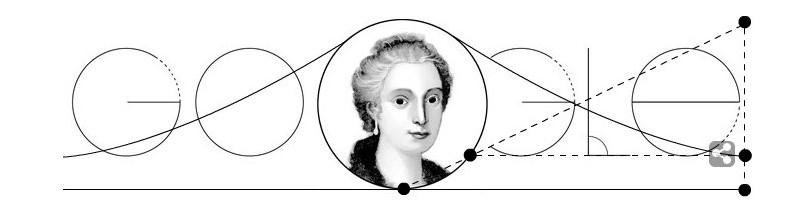
Maria Gaetana Agnesi, włoska lingwistka, matematyczka i filozofka, stała się 16.05.2014 bohaterką google doodle’a. Prawdę mówiąc, pisze Stanisławski, dziwne jest, że o tak niezwykłym człowieku tak rzadko pamiętamy.

Od tamtego dnia nie minęło nawet 10 lat, ale nasza świadomość uległa w tym czasie głębokim przemianom. Dziś napisalibyśmy tak: Była niezwykłą kobietą, a nikt o niej nie pamięta i nawet nas to nie dziwi.

Continue reading “Dzień kobiet w nauce (reblog +)” →

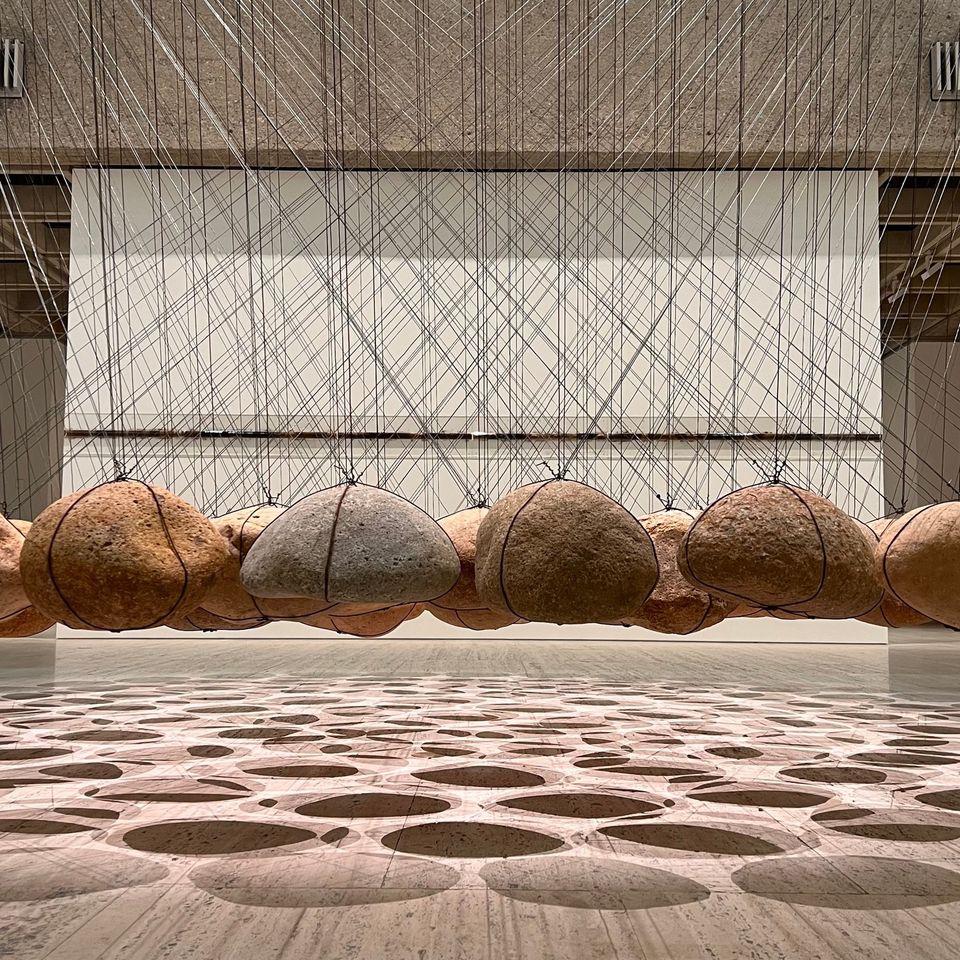
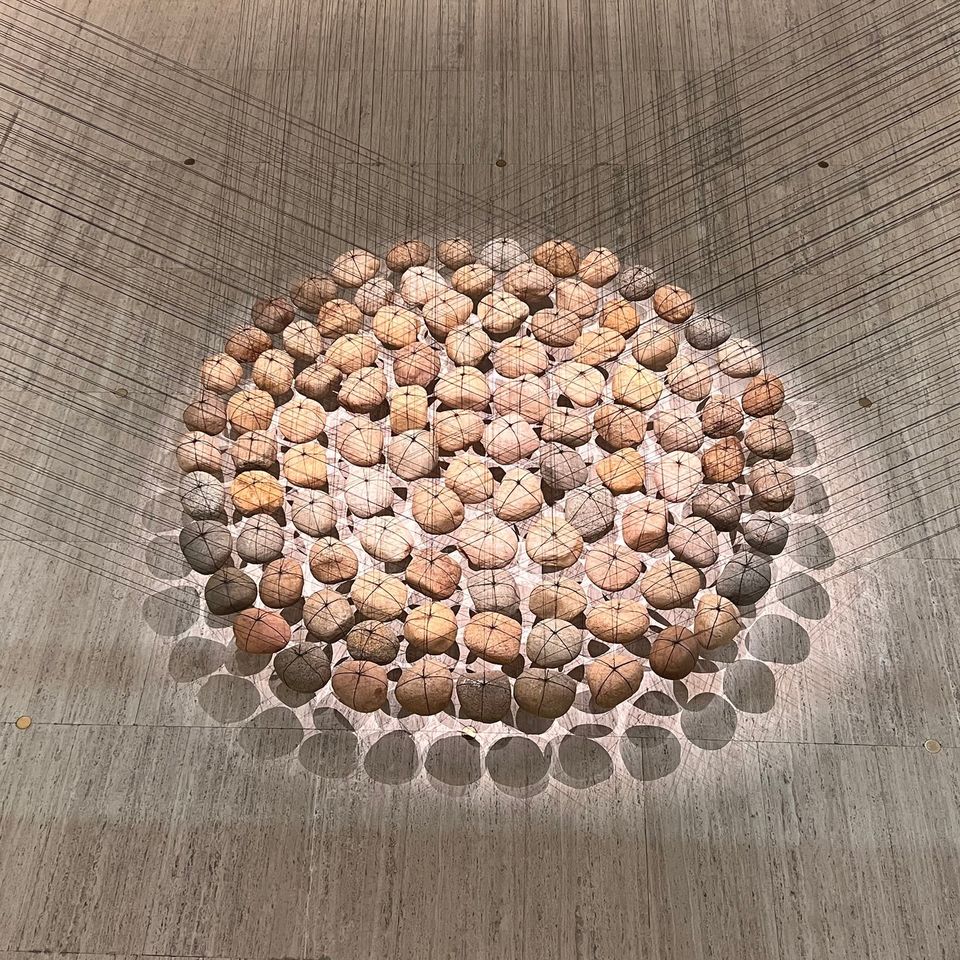
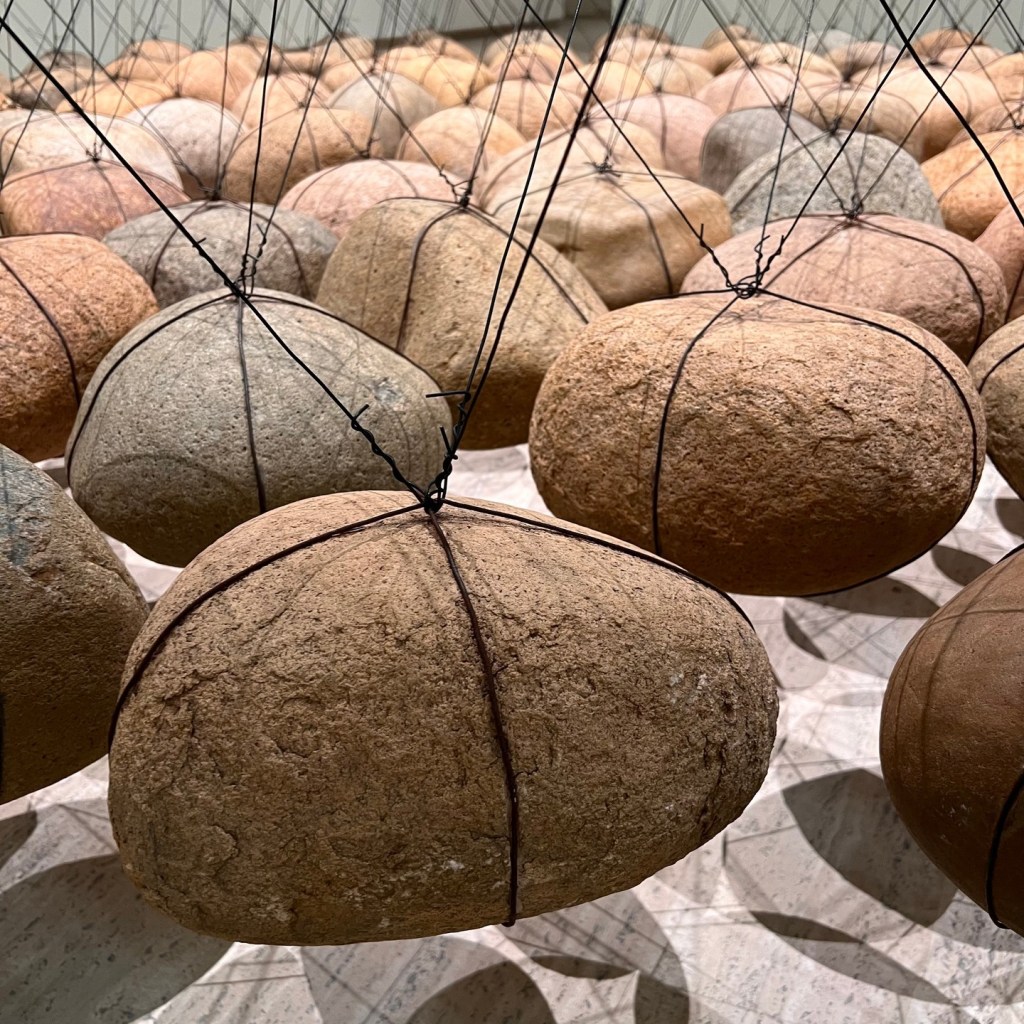
Kamienie i cienie / Stones and shadows / Steine und Schatten

Reblog

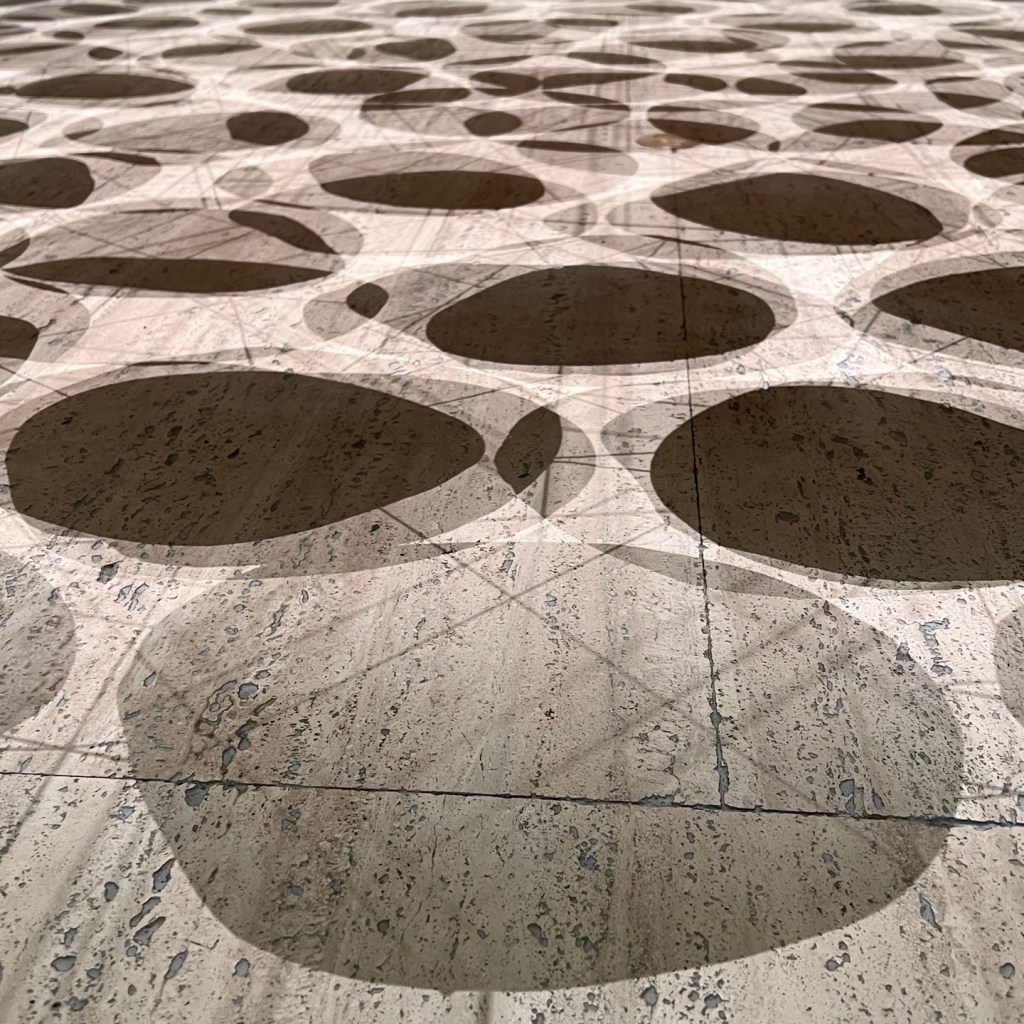
Stones and shadow; suspended moments overlapping in space…

The new installation of Ken Unsworth’s ‘Suspended stone circle II’ brings layered possibilities with every angle: from above and below, find textures of river rock and twisted wire; follow lines of light and tension.

Hold the weight of the stones in your mind, then release them back to their floating forcefield. Get lost in the thickets of wire – imagine yourself tied, bound on every side in perfect stillness – then let your gaze drop to swim through the pools of shadow underneath.

Ken Unsworth ‘Suspended stone circle II’ 1974–77 1988 #ArtGalleryNSW, purchased 1988 © Ken Unsworth

Watch the film: https://fb.watch/ijfuQkOAKV/

Don Quixote and Proust: A Horror Film

Konrad

I asked artificial intelligence (chatGPT) to create a film screenplay. Here is our conversation (all images were generated by another AI – Stable Diffusion):

Me: Develop a movie synopsis for a horror film about Marcel Proust and Don Quixote in this format:

TITLE:
Tagline:
Key characters:
Protagonists dark past:
Plot synopsis:
Plot twist:
Key locations:

AI: Sure, here is a possible movie synopsis for a horror film about Marcel Proust and Don Quixote:

Continue reading “Don Quixote and Proust: A Horror Film” →

Greta Thunberg goes Davos

World Economic Forum

  • The Annual Meeting 2023 will take place in Davos, Klosters from 16-20 January.
  • The theme of the meeting is ‘Cooperation in a Fragmented World’.
  • The meeting will bring together 2,700 leaders from 130 countries including 52 heads of state/government.

https://www.weforum.org/agenda/2022/11/annual-meeting-davos-2023/

Meanwhile / Tymczasem

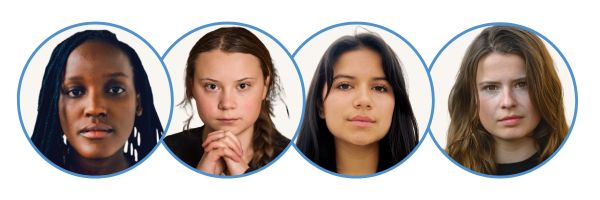
(Vanessa z Ugandy, Greta ze Szwecji, Helena z Ekwadoru i Luisa z Niemiec)

te młode dziewczyny mówią: wiedzieli i kłamali – niech przestaną kłamać

Continue reading “Greta Thunberg goes Davos” →

Sztuczna inteligencja: Don Kichot w Berlinie (2)

Konrad

Poprosiłem AI żeby napisało wiersz o Don Kichocie w Berlinie:

Don Quixote in Berlin, a knight so bold
In search of adventure and stories untold
In the city of culture and modern art
He's ready to battle and conquer his heart

He strides through the streets, with a twinkle in his eye
And a quickness to his step, as he moves on by
His sword by his side, he's ever so brave
Not caring if he's late, or if he misbehaves

He looks to the sky, and stops to behold
The beauty of the city, the buildings unfold
A city so free, the feel of the air
The culture and art, it's all so fair

He stands tall and proud, with a heart of steel
Determined to make his journey real
With a spirit so strong, and a mind so deep
He'll make his mark in this land so grand and keep

Don Quixote in Berlin, a knight so brave
With a heart so pure and a spirit so brave
He'll take on the challenges and stories untold
And make Berlin his very own, the tales will unfold.

Robi wrażenie, ale nie do końca mi się podoba, bo Berlin mógłby być w wierszu zamieniony z wieloma innymi miastami, i byłoby tak samo.

Poprosiłem też o wiersz o Don Kichocie po polsku: 

Don Kichot, mąż bez uczuć,
Oślepiony w wiecznej walce,
Szuka miłości wśród ruin,
Bez skutku, jak ślepy strzał.

Nie może uwierzyć, że istnieje,
Choć niewidzialne jak mgła,
Aż kiedyś, gdy słońce zajdzie,
Odkryje blask uczuć w ciemności.

***

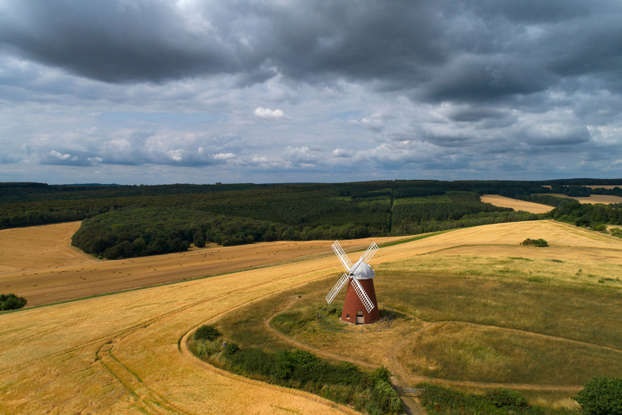
EMS: Na zakończenie inny temat baratarystyczny. Tym razem na zdjęciu widać prawdziwy wiatrak, a nie coś wyprodukowanego przez sztuczną inteligencję, tym niemniej obrazek i podpis zostały mi podsunięte przez jakiś system Microsofta, który co rano wybiera dla mnie nowe zdjęcie i codziennie pyta, czy podoba mi się to, co widzę. Ja grzecznie odpowiadam “Tak” (lub “Nie”), żeby system nie podrzucał mi jakiegoś badziewia, którego nie lubię, no i bang – bingo! Dostaję tylko to, co lubię, czym, jak sądzę, przyczyniam się do wzmocnienia wszechwładzy systemów.
Sama wkładam głowę w pętlę.
Halnaker, Anglia.

Ten wiatrak stojący na wzgórzu Halnaker o wysokości 128 m n.p.m., jest dobrze widoczny z dużej odległości. Został wybudowany w 1740 r. i stanowi zabytek klasy 2. W ostatnich latach przeszedł gruntowną renowację, ale jest ogrodzony i nie można go zwiedzać. Atrakcją samą w sobie jest malownicza droga do wiatraka, z której roztaczają się wspaniałe widoki na pobliskie wybrzeże.

Wiatrak jest ogrodzony, nie da się go zaatakować.

Proust and his (no)madeleine… (reblog for an anniversary of his death)

In search of lost toast: Paris show reveals origins of Proust’s madeleines

Thanks to Konrad for finding that text and producing some pictures

Previous versions of French novel featured stale bread, toast and biscuit as trigger for author’s childhood memories

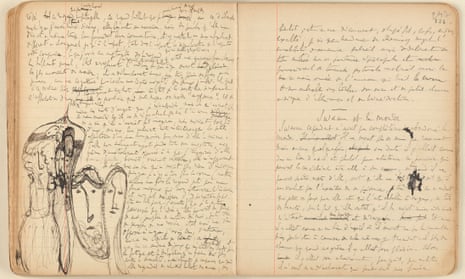
Proust's pages with drawings and writing
The exhibition traces the meticulous process through which Proust produced his monumental seven-volume novel. Photograph: supplied

Kim Willsher in Paris Mon 10 Oct 2022

Before Marcel Proust went into raptures over his petites madeleines he was waxing lyrical over a rusk-like biscuit and before that a piece of stale bread. The “episode of the madeleines” as it became known, is one of the most celebrated events in his seminal work À la Recherche du Temps Perdu (In Search of Lost Time), encapsulating its theme of involuntary memory.

Over the space of two years, however, the passage started with a very different flavour as the French author wrote various versions of his childhood recollection.

In 1907 when he was working on the first volume, Swann’s Way, it was the dunking of pain rassis, a piece of stale bread, into tea that provoked his elation. In the next version, it had become pain grillé, or toast, then some time around 1908 it was a biscotte, a kind of hard biscuit.

The rest, of course, is literary history.

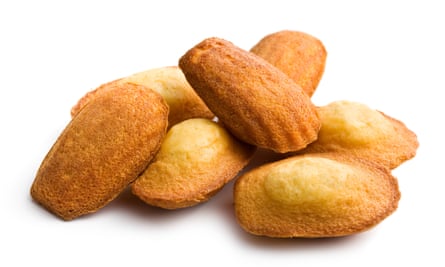
In the end, Proust settled on “those short, plump little cakes … which look as though they had been moulded in the fluted scallop of a pilgrim’s shell” to evoke the crumbs dipped in lime-flower tea his Aunt Léonie would feed him as a boy.

Madeleines.
Madeleines. Photograph: Hera Food/Alamy

A new exhibition to mark the 100th anniversary of the writer’s death opens in Paris and traces the meticulous process through which Proust produced his monumental seven-volume novel – the first tome of which appeared in 1913 and the last in 1937.

On display are almost 350 items; including never-before-seen documents, manuscripts, photographs, paintings, objects and costumes tracing and illustrating Proust’s creative process at the time he was writing from the late 19th century until his death in 1922.

Proust preferred to write with a fountain pen in bed, which was just as well as he was frequently ailing and spent the last three years of his life mostly confined to his bedroom, where he slept during the day and worked at night.

Among the most extraordinary exhibits at the François Mitterrand Library – part of the French National Library – are the many notebooks he filled with fluid and almost illegible cursive writing; the rough drafts on loose sheets of yellowing lined paper torn from those same books and the dozens of pages of handwritten and typed manuscripts, as well as publisher’s proof editions filled with editing marks, annotations and revisions.

They reveal a writer who was pedantic and a perfectionist; a tireless editor and reviser of his own work who would toil over a single word, whole sentences and even entire pages struck through with edits scrawled in the top, bottom and side margins. In a pre-computer version of cut-and-paste, Proust would physically cut out large passages of handwritten or typed text and glue them elsewhere.

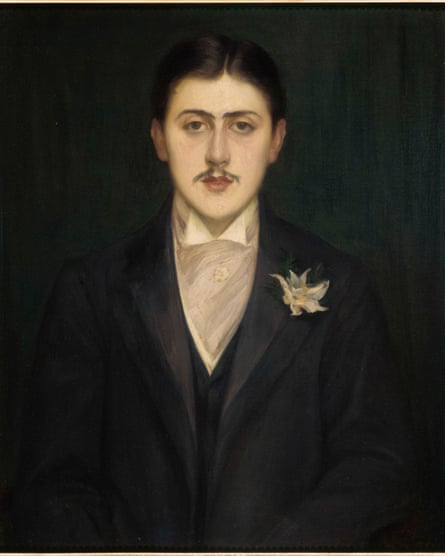
Portrait of Marcel Proust by Jacques-Emile Blanche (1861-1942).
Portrait of Marcel Proust by Jacques-Emile Blanche (1861-1942). Photograph: Hervé Lewandowski/supplied

Even the first sentence of the first volume, Swann’s Way, that has become one of the most instantly recognisable novel openings: Longtemps, je me suis couché de bonne heure (For a long time, I went to bed early) was written, mulled over, crossed out, then reinstated.

Nathalie Mauriac, one of the exhibition curators, said it had been “very complicated” to follow the order of Proust’s writing. “He wrote the first and last volume at almost the same time and made multiple changes in the organisation of the work,” she said.

“There is something disproportionate in the scope of Proust’s work, as evidenced by the very materiality of his manuscripts, starting with the famous paperoles (paper drafts), those accordions of fragments of paper folded and pasted into his notebooks.”

She said the huge number of corrected and changed manuscripts, and proofs were “very Proust” and were evidence of “the enormous amount of work he put into each book… and the evolution of each”.

In Search of Lost Time is a fictional autobiography in which Proust mirrors his own life, recounting it as a young boy and as an older man recalling his youth. A central theme is the role of memory and the notion that experiences are not lost but remain in the unconscious. The seven volumes eventually ran to more than 3,200 pages and featured more than 2,000 different characters, but the first was refused by several publishers forcing Proust to publish it at his own expense with Grasset. The work is frequently listed among the greatest books of all time.

“Proust was the greatest novelist of the 20th century, just as Tolstoy was in the 19th,” wrote the English novelist Graham Greene.

To the delight of literary historians, Proust kept most of his manuscripts. He was working on and revising the last three tomes of the novel the night before his death on the 18 November 1922, when he died of pneumonia and a pulmonary abscess, aged 50. His work and documents passed to his brother Robert, who ensured the posthumous publication of the three books – and in 1962 Robert’s daughter Suzy Mante-Proust handed all the documents to France’s National Library.

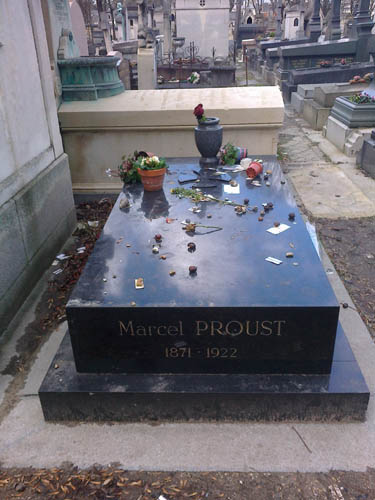
Proust is buried at the Père Lachaise cemetery in Paris.

  • The exhibition at the François Mitterrand Library runs until 22 January 2023.

Foto: EMS


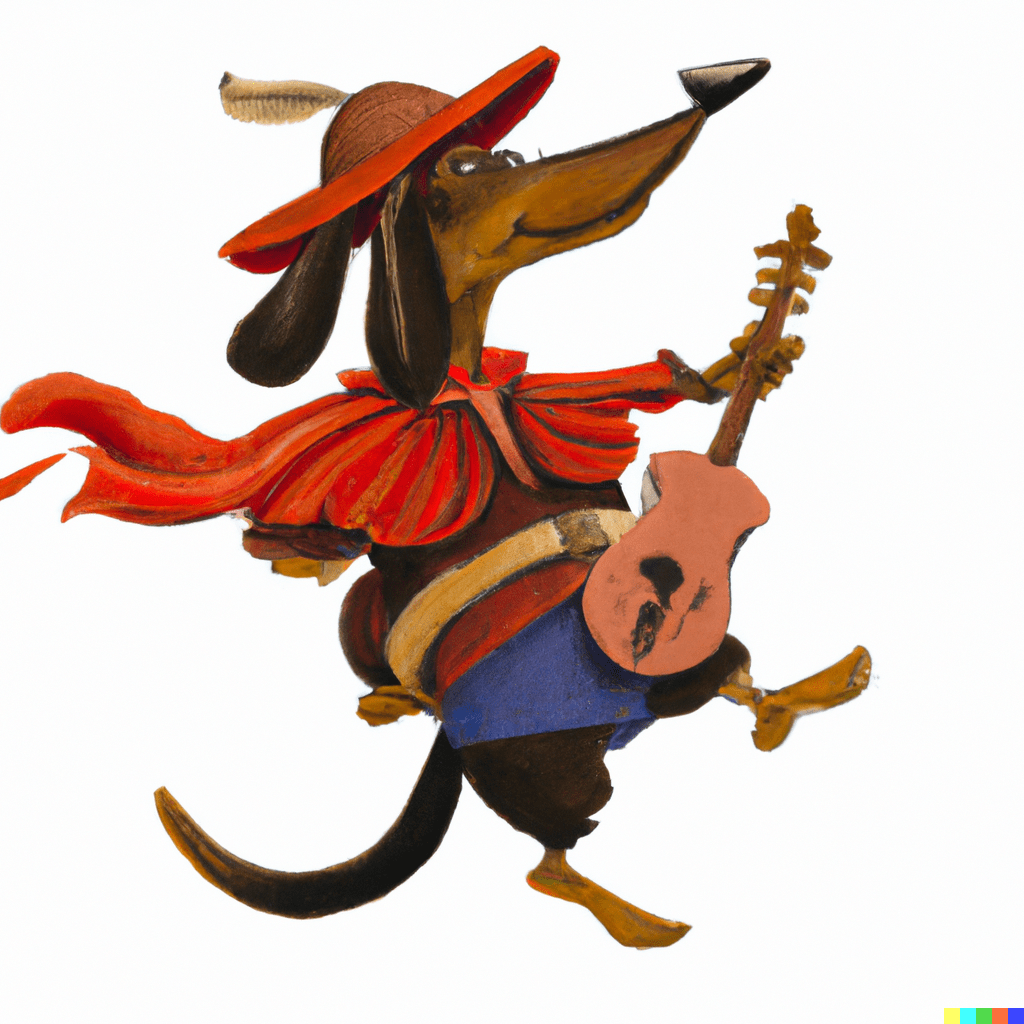
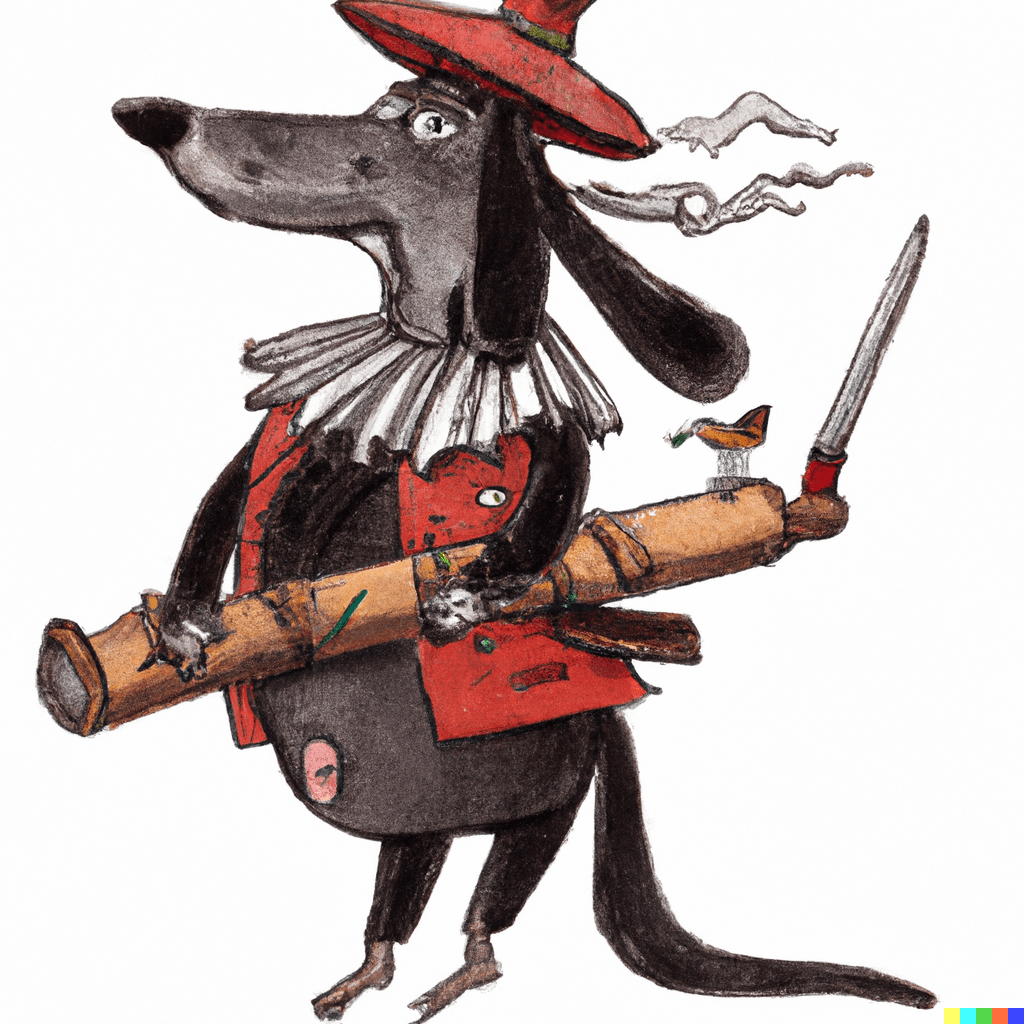
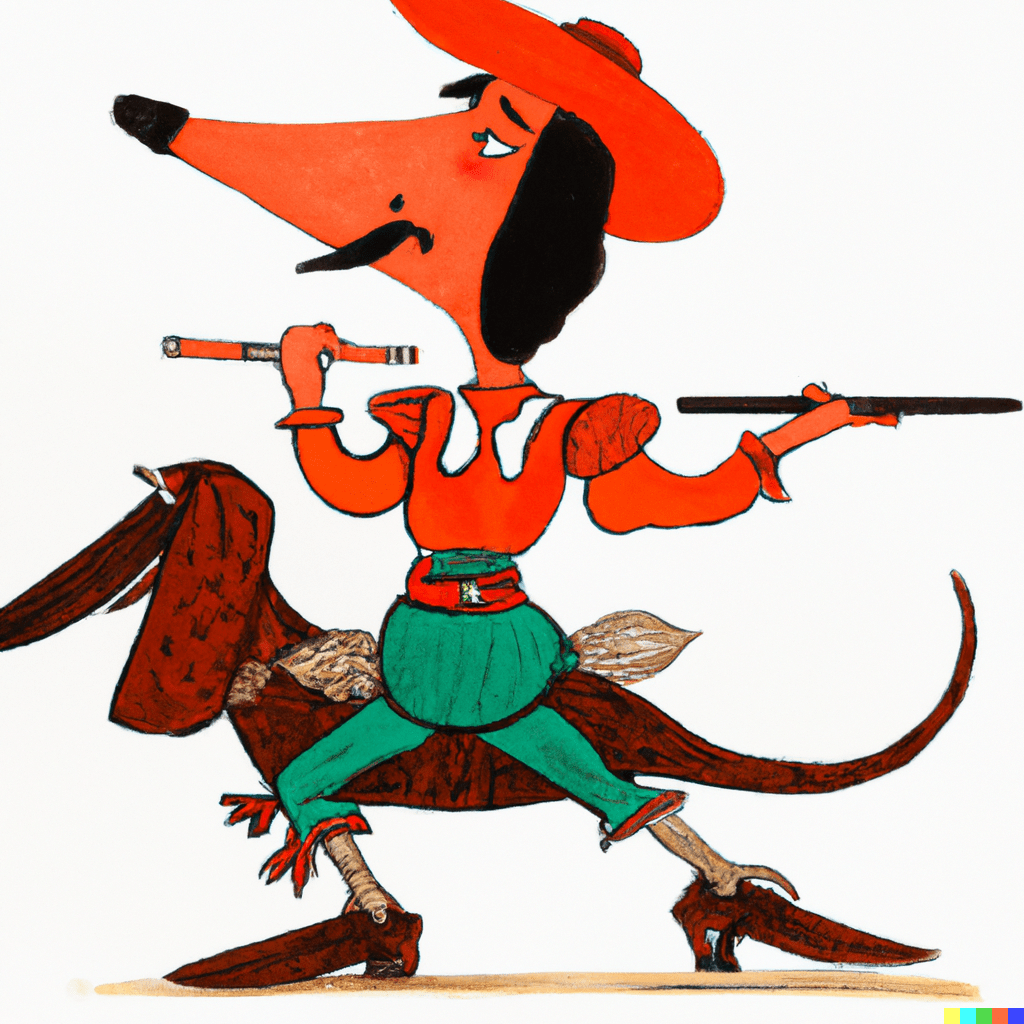
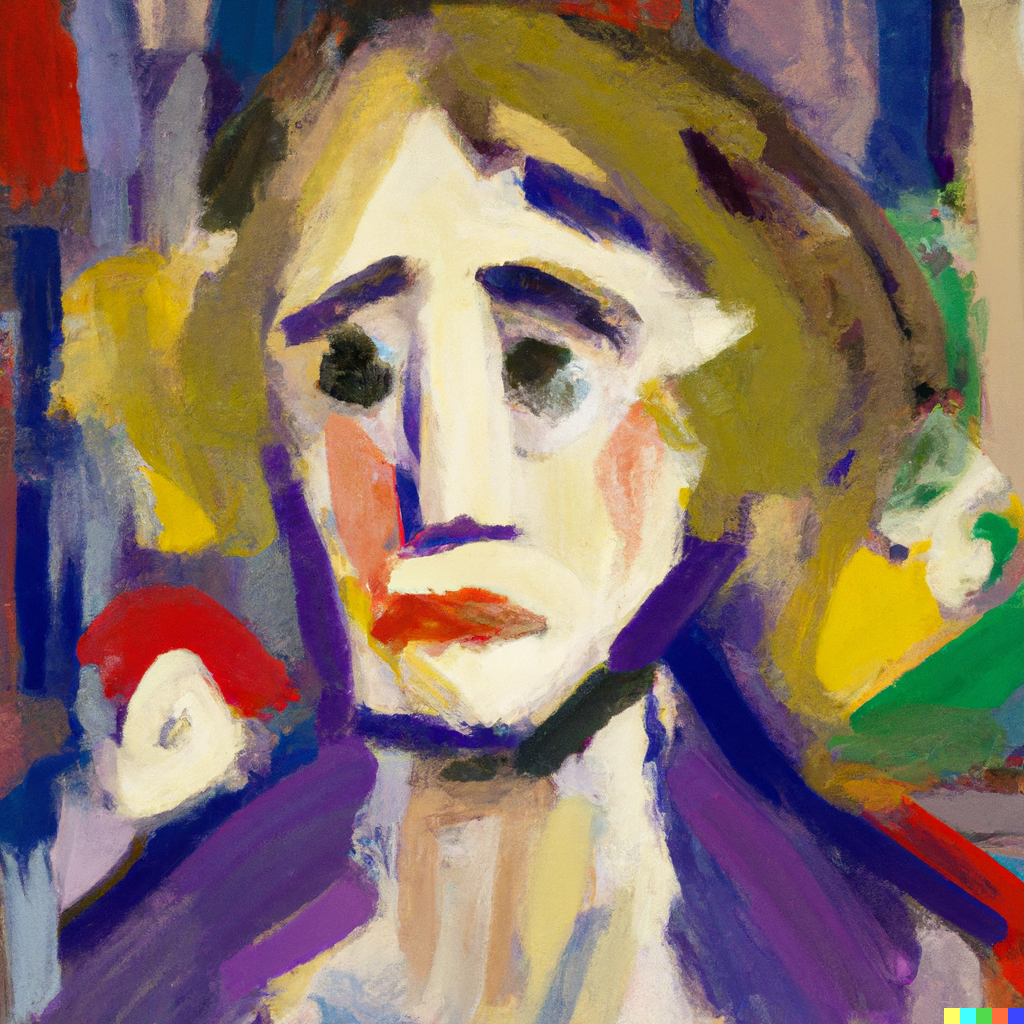
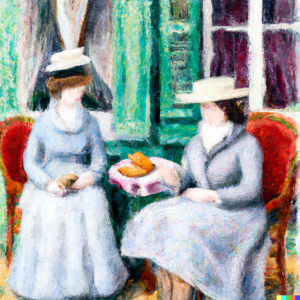
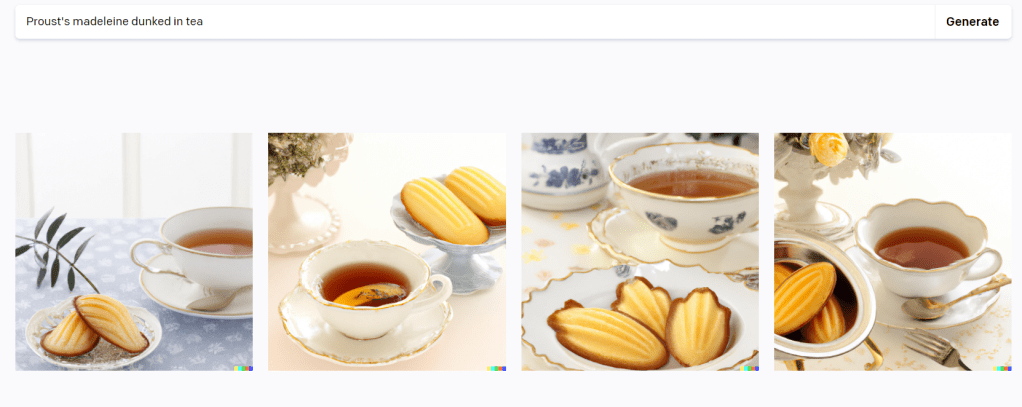
Konrad using the AI-Program DALL-E produced some pictures for the topic Proust and his (no)madeleine… Actually you can say, the program knows exactly what madeleine is (a woman AND a cake) but is ignorant in the question, who is Proust (a man AND a writer). Anyway a wonder!

Call for a »Worldwide Reading«

»Worldwide Reading« on September 29, 2022: Novels and Essays by Salman Rushdie

Sehr geehrte Damen und Herren,
liebe Freundinnen und Freunde,der Mordanschlag auf Salman Rushdie sitzt uns noch tief in den Knochen. Wir rufen hiermit zu einer »Weltweiten Lesung« des Werkes von Salman Rushdie auf, siehe unten. Viele Autor:innen aus allen Kontinenten unterstützen den Aufruf, so Adonis, Jennifer Clement, Andrei Kurkov, Wole Soyinka, Janne Teller, Bernard-Henri Levy, Peter Schneider, Amir Hassan Cheheltan, Robert Hass und Sergei Lebjedev. Die Autorin Madame Nielsen schlägt vor, dass wir bis zum 29. September überall im öffentlichen Raum »Die Satanischen Verse« mit uns tragen sollten, dass wir das Buch überall aufschlagen und lesen, in Cafés, Parks und der U-Bahn. Elfriede Jelinek regt Autor:innen an, Auszüge davon auf den eigenen Websites zu platzieren, falls die Rechte hierfür jeweils erworben werden können.
Herzlich
Ulrich Schreiber
Festivaldirektor und Programmleiter
internationales literaturfestival berlin
Ladies and gentlemen,
dear friends,The assassination attempt on Salman Rushdie still has us in shock. We are hereby calling for a »Worldwide Reading« of Salman Rushdie’s works. Please see below. Many authors from all continents support the call, including Adonis, Jennifer Clement, Andrei Kurkov, Wole Soyinka, Janne Teller, Bernard-Henri Levy, Peter Schneider, Amir Hassan Cheheltan, Robert Hass and Sergei Lebjedev. The author Madame Nielsen also suggested that we carry »The Satanic Verses« with us everywhere in public spaces until September 29, and that we open and read the book everywhere, in cafes, parks, subways. Elfriede Jelinek encourages authors to place excerpts on their own websites if the rights can be acquired.
Sincerely,
Ulrich Schreiber
Festival Director and Head of Program
international literature festival berlin
Das internationale literaturfestival berlin [ilb] lädt Einzelpersonen, Schulen, Universitäten, Kulturinstitutionen und Medien ein, am 29. September 2022 an einer »Weltweiten Lesung« aus Salman Rushdies Werken teilzunehmen – von »Mitternachtskinder«, »Die satanischen Verse«, »Joseph Anton« bis zu seinen neuesten Büchern »Sprachen der Wahrheit« und »Victory City«. Mit der Lesung soll ein Zeichen für die Freiheit der Literatur und des öffentlichen Wortes sowie für die Solidarität mit dem Autor gesetzt werden, der Opfer eines grausamen Attentats wurde.

Zu den Erst-Unterzeichner:innen zählen: Adonis [Syrien/ Frankreich], Breyten Breytenbach [Südafrika], Amir Hassan Cheheltan [Iran], Robert Hass [USA], Elfriede Jelinek [Österreich], Sergei Lebjedev [Russland/ Deutschland], Bernard-Henri Levy [Frankreich], Yang Lian [China/ Großbritannien], Alberto Ruy Sánchez [Mexiko], Peter Schneider [Deutschland], Wole Soyinka [Nigeria] und Janne Teller [Dänemark].Auch wenn die konkreten Hintergründe des Attentats und das Motiv des Täters noch nicht geklärt sind, scheint klar, worauf sie vermutlich zurückgehen: auf die Fatwa, die der iranische »Revolutionsführer« Ayatollah Khomeini 1989 gegen Rushdie erlassen hat. Sie forderte die Tötung des in Indien geborenen, britischen Schriftstellers, weil er mit den »Satanischen Versen« angeblich den Islam, den Koran und den Propheten Mohammed beleidigt habe. Bis heute hat das iranische Regime den Aufruf zur Ermordung des Autors nicht zurückgenommen, ebenso wenig wie das Kopfgeld, das es damals auf ihn ausgesetzt hatte. Die wichtigen Medien im Iran applaudieren derzeit dem Attentäter.

Salman Rushdie musste deshalb jahrelang unter intensivem Polizeischutz leben. Mehr als 20 Jahre lang ging man davon aus, dass keine Gefahr mehr für sein Leben bestehe. Doch diese Annahme hat sich durch das blutige Attentat in New York auf schockierende Weise als trügerisch erwiesen. Es macht deutlich, dass die Bedrohung der elementaren Menschenrechte und Freiheiten virulent ist. Der Anschlag auf Rushdie fällt in eine Zeit, in der die demokratische Welt von immer aggressiveren autoritären Mächten unterschiedlichster Prägung in die Defensive gedrängt, wenn nicht – wie in der Ukraine – durch offenen Krieg und ein unglaubliches Ausmaß an Gewalt mit Tod und Zerstörung überzogen wird.Es ist daher dringend geboten, entschlossen aufzustehen und Recht und Menschenwürde zu verteidigen. Mit der Lektüre seiner Romane und Essays können freiheitsliebende Menschen in aller Welt ein Zeichen setzen, dass sie sich von Gewaltandrohungen nicht einschüchtern lassen und sich keinem Versuch beugen, Gedanken in Wort, Schrift und Bild zu unterdrücken oder auszulöschen.

Die Lesungen können überall stattfinden, auch privat im kleinen Kreis, in einer Schule, in einer Kultureinrichtung oder im Radio. Personen und Institutionen, die sich mit einer Lesung am 29. September beteiligen möchten, werden gebeten, uns folgende Informationen zukommen zu lassen: Organisatoren, Ort, Zeit, teilnehmende Akteure, Veranstaltungssprache, ggf. Link zu Ihrer Website.
Die E-Mail-Adresse lautet: worldwidereading@literaturfestival.com.
Wir bitten die Veranstalter, die Rechte für Lesungen selbst zu klären.
ZUM AUFRUF
The international literature festival berlin [ilb] invites individuals, schools, universities, cultural institutions and media to participate in a »Worldwide Reading« of Salman Rushdie’s works – from »Midnight’s Children«, »The Satanic Verses«, »Joseph Anton« to his latest books »Languages of Truth« and »Victory City« – on September 29, 2022. The reading is intended to send a signal for the freedom of literature and public speech as well as the solidarity with the author, who was the victim of a horrific assassination attempt.

Among the first signatories of the call are: Adonis [Syria/ France], Breyten Breytenbach [South Africa], Amir Hassan Cheheltan [Iran], Robert Hass [USA], Elfriede Jelinek [Austria], Sergei Lebjedev [Russia/ Germany], Bernard-Henri Levy [France], Yang Lian [China/ UK], Alberto Ruy Sánchez [Mexico], Peter Schneider [Germany], Wole Soyinka [Nigeria] und Janne Teller [Denmark].
Even if the concrete background of the assassination attempt and the motive of the perpetrator have not yet been clarified, it is likely who seems responsible: It goes back to the fatwa that the Iranian »revolutionary leader« Ayatollah Khomeini issued against Rushdie in 1989. It called for the killing of the Indian-born, British writer because he had supposedly insulted the Islam, the Qur’an and the Prophet Muhammad with »The Satanic Verses«. To this day, the Iranian regime has not withdrawn the call to kill the author, just as it has not withdrawn the bounty it placed on his head at the time. The important media in Iran are currently applauding the attacker.

For years, Salman Rushdie therefore had to live under intensive police protection. For more than 20 years, it was assumed that there was no longer any danger to his life. But this assumption has been shockingly proven wrong by the bloody attack in New York. It makes it clear that the threat to elementary human rights and freedoms remains unbroken. Moreover, the attack on Rushdie comes at a time when the democratic world is being forced into the defensive by increasingly aggressive authoritarian powers of various kinds, if not – as in Ukraine – it is overrun with death and destruction through open war and an incredible range of violence.

It is therefore absolutely urgent to stand up firmly and defend law and human dignity. By reading Salman Rushdie’s novels and essays, freedom-loving people all over the world can send a signal that they will not be intimidated by threats of violence and will not bow to any attempt to suppress or annihilate thoughts expressed in speech, writing and images.

Readings can take place anywhere, even privately in a small circle, in a school, in a cultural institution or on the radio. People and institutions who would like to participate with a reading on September 29, 2022 are asked to send us the following information: Organizers, location, time, participating actors, event language, link to your website if applicable.
The e-mail address is: worldwidereading@literaturfestival.com.
We kindly ask organizers to clear the rights for readings on their own.
THE CALL