Reblog: Erich Loest

Was für eine schwarze Serie, zuerst Sławomir Mrożek, vor einer Woche Erich Loest, vorgestern Marcel Reich-Ranicki. Nur einen kannte ich persönlich. Oder andersum: Ich habe ihn kenengelernt: Erich Loest. Er nahm an Eröffnungsfeier des 5. Deutsch-Polnischen Poetendampfers teil, ein Projekt, das Hans Häußler, Sigrid Pohl-Häußler und ich als Vorsitzende des WIRs, Vereins zur Förderung der Deutsch-Polnischen Literatur, organisiert haben.

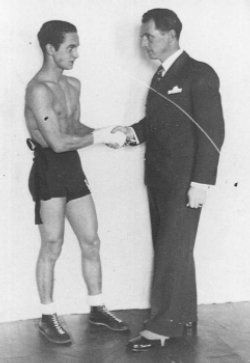
loestpoetendampferErich Loest und Stettiner Schriftsteller Artur Daniel Liskowacki
Deutsch-Polnischer Poetendampfer, Herbst 1999

Jetzt nahm er sich das Leben. Wir übernehmen einen Nachruf vom “Spiegel” und bedanken uns bei der Redaktion für Erlaubnis.
http://www.spiegel.de/kultur/literatur/schriftsteller-erich-loest-ist-tot-a-921995.html

spiegelleiste

Autor der deutsch-deutschen Geschichte: Schriftsteller Erich Loest ist tot

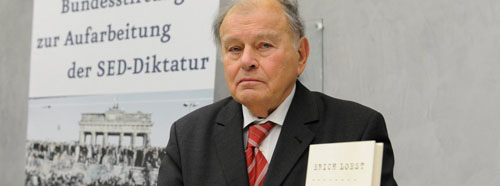
Erich LoestVorstellung seines letzten Buches: Autor Erich Loest ist tot

Er gehörte zu den bedeutendsten Autoren Ostdeutschlands: Mehr als 60 Jahre lang schrieb Erich Loest Dutzende Werke, die meisten mit Blick auf DDR, deutsche Teilung und Wiedervereinigung. Im Alter von 87 Jahren ist der Leipziger gestorben.

Weiter bei Spiegel-online: http://www.spiegel.de/kultur/literatur/schriftsteller-erich-loest-ist-tot-a-921995.html

Reblog: Jom Kippur

10. Tischrei 5773 / 13.-14. September 2013

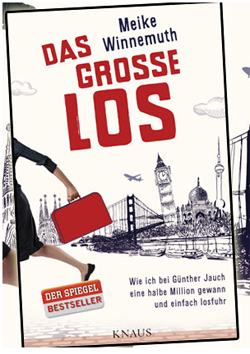
Dieser Tag ist der heiligste Tag im jüdischen Jahr. Im Buch von Meike Winnemuth fand ich die Beschreibung des Tages 2011. Es war so. 2010 gewann Meike bei Günter Jauch eine Halbe Million Euro und flog (fast) gleich los. Ihr Projekt für 2011 war: 12 Städte in 12 Monaten. Sydney, Buenos Aires, Mumbai… Im Oktober war sie in Tel Aviv.

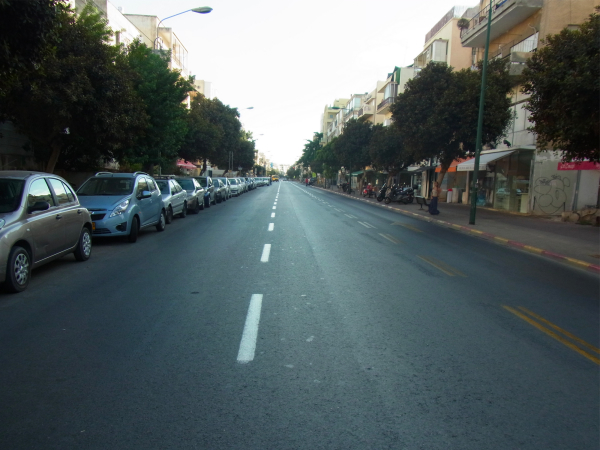
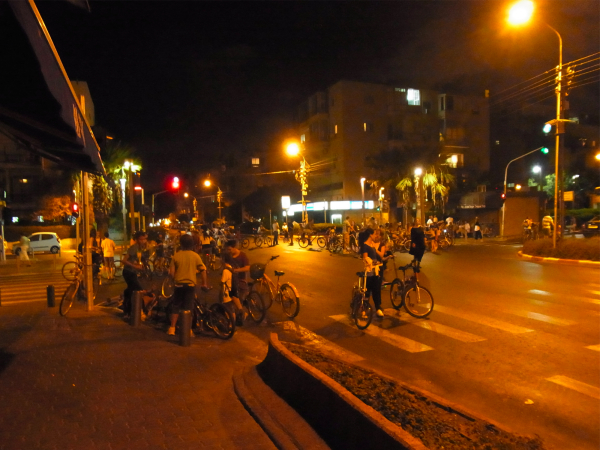
Gegen drei bin ich endlich aus dem Haus gekommen, ich musste noch was fertigschreiben. Morgen ist Jom Kippur, jetzt besser schnell noch was einkaufen, dachte ich. Und stand dann mit offenem Mund auf einer menschenleeren Straße vor verschlossenen Geschäften. Auf der Straße, denn Autos fuhren zu diesem Zeitpunkt in etwa so viele wie sonst gegen drei Uhr nachts.

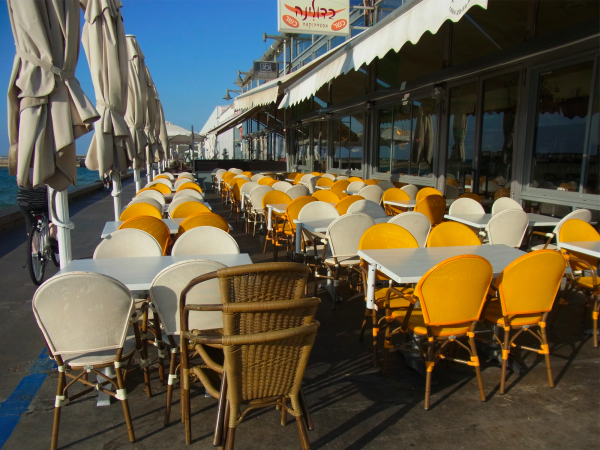
Straßen leer, Geschäfte zu, Restaurants geschlossen, selbst der Strand war verlassen – über diesem Freitagnachmittag, dem Vorabend zum höchsten jüdischen Feiertag, lag eine Stimmung wie frischgefallener Schnee. Die Welt ist wie ausgeknipst und in Watte gepackt, so leise. Ich glaube, ich hatte zuletzt 1973, am autofreien Sonntag während der Ölkrise, ein ähnlich entrücktes Gefühl mitten in einer Stadt.

Zu Jom Kippur hält das Land den Atem an. Selbst normalerweise nicht so Strenggläubige fasten für 25 Stunden und trinken nicht mal Wasser, es fahren keine Busse und Bahnen, das israelische Fernsehen stellt seinen Sendebetrieb ein, es ist der Tag der Ruhe und Reue, und er beginnt mit dem heutigen Sonnenuntergang. Weitere Regeln: kein Sex, keine Lederschuhe, weiße Kleidung. Der Tag wird in der Synagoge verbracht, mit einer Unterbrechung am Nachmittag für ein kleines Nickerchen.

Schon am normalen Sabbat befolgen viele das Gebot, am siebten Tag zu ruhen und nicht zu arbeiten. Gar nicht. Das bedeutete unter anderem früher: kein Feuer anzuzünden. Heute: kein Auto zu fahren (der Zündfunke), kein Licht anzumachen, nicht zu kochen. Ob Elektrizität erlaubt ist oder nicht, ob man einen Kühlschrank öffnen oder den Aufzug nehmen darf, also um alle Probleme, die alte Lehre in das moderne Leben zu übersetzen, darum gibt es viele – und viele lustvolle – Debatten.

Doch wie immer, wenn der offizielle Betrieb ruht, beginnt ein geheimes zweites Leben. Heute, am Vorabend von Jom Kippur, drangen Kinderrufe hoch in meine Wohnung. Irgendwas war auf der Straße los. Ich ging noch einmal hinunter. Und tatsächlich: Die Kinder erobern sich an diesem Abend auf Fahrrädern, Skateboards, Inlineskates die leeren Straßen zurück so wie wir damals die verlassenen Straßen von 1973. (Übrigens dem Jahr des Jom-Kippur-Kriegs, als Ägypten und Syrien die Feiertagsruhe nutzten, um Israel zu überfallen – aber das ist eine andere Geschichte.) Es ist die entspannte, verspielte, übermütige und überhaupt nicht leise, sondern lebensfrohe Variante von Ruhe, wie ich sie so liebe. Ich habe gerade gegoogelt, ob man am Sabbat eigentlich joggen darf, und die Antwort war: solange es ein Vergnügen ist und keine Anstrengung – ja. Eine Auslegung, mit der ich leben kann.

los-meikewinnemuthMehr über das Projekt von Meike Winnemuth: HIER
Und das Buch (Fragment einer Buchkritik):

Meike schreibt so enthusiastisch, humorvoll und unprätentiös, dass man sofort total mit hineingerissen wird in ihre Geschichten: Ausgelassenes Ukulele-Spielen in Sydney, demotivierender Tango in Buenos Aires, „Take That“ in San Francisco, Totes Meer in Tel Aviv. Von allem bekommt der Leser ein schmackhaftes Stück ab.

Es gibt so viele Stellen, an denen man der Autorin das pure Glück formlich „anliest“ – und auch einige, an denen man ihre Enttäuschung mitfühlt. Doch immer beschreibt sie diesen einen Grundgedanken: Dass jedem von uns die Welt mit all ihren Möglichkeiten offensteht, wenn wir uns nur trauen loszugehen. Und dazu muss man gar nicht bei „Wer wird Millionär?“ gewinnen, denn Meike stellte fest, dass sie die Reise auch ohne das Geld hätte machen können. Sie sei nur nicht mutig genug gewesen, es ohne dieses verrückte finanzielle Sicherheitsnetz zu wagen.

Und noch dazu

Jom Kippur: David Daor, tenor, modli się o przebaczenie / Gebet um Vergebung / Prayer for forgiveness

Reblogi: Sławomir Mrożek

zachod_slonca_w_litWczoraj rano, 15 sierpnia 2013 roku, w Nicei zmarł Sławomir Mrożek, dramatopisarz, prozaik i rysownik, autor m.in. “Tanga”. Miał 83 lata.

Więcej TU.

A tu jeszcze (za Facebookiem) fragment wywiadu, jaki Konrad Wojtyła, dziennikarz, redaktor i pisarz ze Szczecina przeprowadził z pisarzem wiosną tego roku: “Jestem Polakiem i umrę jako Polak. Tu nie ma nic do okazywania w kwestii patriotyzmu. Język ojczysty jest językiem najważniejszym. Polska się zmieniła, bo ludzie trochę wyjeżdżają i wracają. Potem układają sobie życie pozachodowemu. To dziwny stan. Polska mi obojętnieje trochę. Może wrócę, może nie. Teraz jestem w zasadzie sam. To znaczy z Suzanną, ale ona prawie nie mówi po polsku. Jak wrócę do Polski to zaraz zaczną się pytania, co myślę o Polsce. A ja nie chcę”.

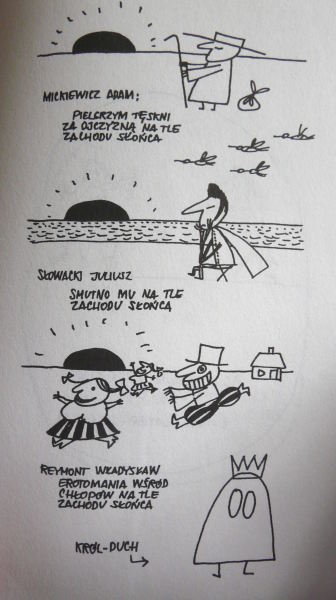
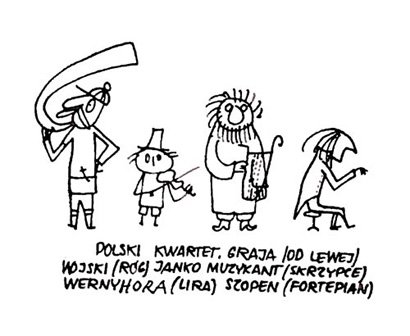
I rysunki. Ten na górze zatytułowany “Motyw zachodu słońca w literaturze polskiej”. A ten na dole (zajumany) z internetu (dziękuję zajumanej stronie):

polskikwartet

Reblog: Słowianie

slowiankaTekst, który tu rebloguję, znalazłam w sieci już jakiś czas temu.  Przeczytałam go i – wydawało mi się – że mi się nie spodobał. Uznałam, że jest nieprofesjonalny i świadczy o (naszej) słowiańskiej zarozumiałości. Mimo to wciąż myślę o tym, co napisał autor, skrywający się za ksywką “oculus”. Nie mamy się czego wstydzić, kiedyś podbijliśmy Chiny… Nie zachwycił mnie ten wywód, a przecież tekst uporczywie mi się przypomina. W końcu postanowiłam, że podzielę się z Wami i tym tekstem, i moimi wątpliwościami.

Słowianie – tajemniczy lud.

Reblog: Laura Makabresku i Aëla Labbé

Dorota Groyecka

„Wyglądasz, jak twoje zdjęcia” – fotografka Aëla Labbé słyszała wielokrotnie od zaskoczonych osób, gdy ją poznawały. Również Laurze Makabresku nieraz zadawano pytanie, jak wygląda jej prawdziwe życie, czy jest takie, jak na fotografiach?

laura1Mgliste analogowe zdjęcia dwóch młodych fotografek, Polki Laury Makabresku i Francuzki Aëli Labbé wiele łączy: baśniowość, klimat melancholii i grozy, często poruszany temat śmierci i istnienia fantastycznych postaci oraz sił nadprzyrodzonych. Ale przede wszystkim autentyczność, zgodność tworzonych obrazów z ich wizerunkami, z ich osobowościami, które wynurzają się z licznych autoportretów, zapisków codzienności oraz wywiadów. Makabresku powtarza za Kafką: „nie mam ze sobą nic wspólnego”, ma jednak wiele punktów wspólnych z historiami, które opowiada – strach, odosobnienie, wrażliwość i przede wszystkim ucieczka od rzeczywistości w baśniowość.

laura3podwojonaZarówno Makabresku, jak i Labbé, same nauczyły się sztuki fotografii. Kilka lat temu wpadł im w ręce aparat, początkowo głównie zapisywały codzienne wydarzenia, eksperymentowały, dziś tworzą złożone sesje zdjęciowe, każda z nich wypracowała swój własny, rozpoznawalny styl. Młode fotografki na początku zaczęły zdobywać popularność w internecie, obecnie mają już na swoim koncie pierwsze publikacje w prasie i pierwsze ważne imprezy – zdjęcia Makabresku zostały pokazane m.in. na zeszłorocznym Miesiącu Fotografii, a pod koniec stycznia jej prace ponownie zostaną wystawione w Krakowie w dużym formacie wzdłuż ulicy Koletek. Labbé w lutym weźmie udział w Międzynarodowych Targach Sztuki w Madrycie (Just Madrid International Art Fair).

I dalej:

Laura Makabresku i Aëla Labbé. Kolekcjonerki wspomnień, marzeń i snów – Magazyn O.pl.

Reblog za zgodą portalu Magazyn O.pl; wszystkie zdjęcia Laura Makabresku – za zgodą autorki, która zdjęcia z motylami opatrzyła opisem: fairy tale about a girl, who hanged herself in the attic. she was hanging there for so long, that her sweet scent enticed butterflies. these coated her livid body and now it looks like she was only a chrysalis, swayed calmly by a draught.

Reblog: Tanja Dückers, Über Schriftsteller, die immer ärmer werden

Carl_Spitzweg_-_Der_arme_Poet_(Neue_Pinakothek)

Das in Deutschland am besten bekannte Bild und früheste Meisterwerk des Malers: Carl Spitzweg, Der arme Dichter 1839, Neue Pinakothek (Wikipedia Commons)

Autoren am Rande des Existenzminimums

(Ursprungstext HIER)

Weniger Lesungen, gekürzte Stipendien, steigende Lebenshaltungskosten. Ein Großteil der Schriftsteller zählt zu den Geringverdienern und kann von materieller Sicherheit nur träumen.

Die derzeitigen Lebensbedingungen von Schriftstellern sind objektiv schwer zu ermitteln. Es scheint, als ob sich eine immer größere Kluft auftut zwischen wenigen Großverdienern und den »Prekären«, also der absoluten Mehrheit.
Zwar werden Schriftsteller stärker als je zuvor in den Medien als Stars inszeniert. Eine Handvoll von ihnen hat sogar eine eigene Fernsehsendung, wie Wladimir Kaminer oder Thea Dorn. Allerdings können immer weniger Schriftsteller vom Schreiben allein leben. Viele Autoren verdienen so wenig, dass sie kaum den monatlichen Beitrag zur Künstlersozialkasse entrichten können. Der Stern ging vor einiger Zeit der Frage nach, wie viel Schriftsteller denn nun verdienen. Das Ergebnis war niederschmetternd: Durchschnittlich waren es 955 Euro brutto monatlich. Das Einkommen eines Buchhändlers wurde dagegen mit immerhin 1 700 Euro brutto angegeben.
Nicht ohne Grund siedeln viele deutschsprachige Autoren in Länder um, in denen die Lebenshaltungskosten geringer sind. Offiziell heißt es dann zwar, der Autor möge vor allem die besondere Lebensart oder die schöne Landschaft. Nicht selten stecken dahinter aber wirtschaft­liche Zwänge.
Die Literaturagentin Karin Graf ist überzeugt, dass sich die Arbeits- und Lohnverhältnisse von Schriftstellern in den vergangenen zehn Jahren wesentlich verschlechtert haben. Das liegt auch an den insgesamt gestiegenen Lebenshaltungskosten, die es Geringverdienern immer schwerer machen, ein halbwegs passables Leben zu führen. Zum anderen fehlen die Einnahmen. Die Zahl der in Deutschland stattfindenden Lesungen hat sich beispielsweise innerhalb von zehn Jahren von 30 000 auf 10 000 verringert. Viele Buchhandlungen und Literaturcafés haben Lesereihen mit monatlichen Terminen abgesetzt und bieten sie nur noch vierteljährlich an. Fast jeder Autor, den ich kenne, sagt, er habe weniger Lesungsanfragen als früher. Da die Mehrzahl der Autoren nicht vom Buchverkauf allein leben kann, sondern sich maßgeblich durch Lesungshonorare finanziert, bedeutet dieser Rückgang enorme finanzielle Verluste.
Eine weitere wichtige Einnahmequelle für Autoren sind Stipendien und Arbeitsaufenthalte. Doch die Träger haben das Budget in den vergangenen Jahren zumeist gekürzt. So erhält ein Stipendiat des Künstlerhauses Lukas in Ahrenshoop an der Ostsee heutzutage die Hälfte dessen, was ein Stipendiat vor fünf Jahren erhielt: 500 statt 1 000 Euro – für einen gesamten Monat. Von dieser Summe muss schließlich auch die Miete für die eigene Wohnung daheim bezahlt werden. Ich erinnere mich an einen Aufenthalt in Flandern/Belgien, bei dem ich ein Stipendium über 600 Euro für einen Monat erhielt. Mit den Lesungen, die ich in dieser Zeit in Deutschland absagen musste, hätte ich mehr verdient. Zuweilen bieten Stipendien dem ­Autoren auch lediglich freies Wohnen, aber kein Geld.
Je älter die Autoren werden, desto schwieriger wird oftmals ihre wirtschaftliche Situation. Jüngere Schriftsteller erhalten häufiger Stipendien als ältere. Viele Stipendien werden ohnehin nur bis zu einer Altersgrenze von 35 Jahren vergeben. Auch können Jüngere eher noch auf familiäre Unterstützung zählen. Insbesondere den Schriftstellern, die in den kommenden Jahren das Rentenalter erreichen, steht ein Leben in Armut bevor. Da die Künstlersozialkasse erst 1983 gegründet wurde, können sie den vollen Versicherungszeitraum von 40 Jahren gar nicht abdecken. Falls sie sich nicht zuvor privat versichert haben, was wegen der geringen Einkommens bei den wenigsten der Fall sein dürfte, sind sie auf staatliche Transferleistungen angewiesen – es sei denn, dass sich doch noch ein umwerfender Erfolg einstellt.
Ein psychisches Problem vieler Schriftsteller ist, dass es ihnen oft an Selbstbewusstsein mangelt, was den Wert ihrer Arbeit angeht. Während niemand von einem Zahnarzt erwarten würde, dass er seinen Job umsonst macht, werden Schriftsteller dauernd gefragt, ob sie bereit seien, auch ohne Honorar aufzutreten, zu lesen, zu debattieren, zu unterrichten oder eine Geschichte zu schreiben. Der Münchener Schriftsteller Georg M. Oswald hat diese Haltung in einem Essay für die Welt beschrieben: »Ich bekam einen Preis für mein Buch, den Bayerischen Staatsförderpreis, dotiert mit 10 000 Mark, was den Gesamtbetrag meiner Einkünfte durch ›Das Loch‹ auf 42 000 Mark erhöhte. Auch heute noch finde ich, das ist eine stattliche Summe für ein erstes Buch. Rechnete man einen Stundenlohn aus, erschien sie allerdings weniger glänzend. Aber so habe ich die Sache nicht gesehen. Ich hätte die Geschichten ja auch geschrieben, wenn mir niemand Geld dafür gegeben hätte, und so sah ich jede Mark, die ich dafür bekam, als Gewinn an, als Belohnung.«
Leider sind viele Schriftsteller, ob aus purer Unkenntnis oder aus Abneigung gegen die Beschäftigung mit dem Thema Geld, nicht gerade geschickt darin, über ihre Honorare zu verhandeln. Manche delegieren diesen Teil der Arbeit an Literaturagenten, die jedoch weniger Aufgaben als etwa die Booking-Agenten im Musikbetrieb übernehmen und zum Beispiel keine Auftritte organisieren.
Weil Autoren meist Künstler, Manager, Rechercheur und Sekretär in Personalunion sind, müssen sie ständig zwischen verschiedenen Rollen wechseln. Die notwendige Bewältigung unglaublich vieler kommunikativer und administrativer Aufgaben verträgt sich überdies schlecht mit einem introvertierten, romantischen oder weltfremden Gemüt. Als 15jährige wollte ich Schriftstellerin werden, weil ich mir einbildete, dann in Ruhe zu Hause am Schreibtisch sitzen und all die verwirrenden Gedanken in meinem Kopf ordnen und zu Papier bringen zu können. Auch meine Generation ist letzlich noch von Spitzwegs Bild des Dichters im stillen Dachstübchen geprägt. Nie hätte ich gedacht, in welchem Maße der Schriftsteller eine öffentliche Person geworden ist. Der Alltag des Literaten ist geprägt von Lesungen, Fernsehauftritten, Podiumsdiskussionen, Debattenbeiträgen, Radiointerviews, Fotoshootings, Terminen beim Steuerberater, der Suche nach dem richtigen Agenten, Gesprächen mit Schülern oder Studenten und Reisen im In- und Ausland. Das Schreiben an fremden Orten, das ­Leben und Arbeiten mit einem »mobilen Büro« gehören dazu. All diese Anforderungen, die raschen Themen- und Ortswechsel, produzieren eine große Unruhe, die sich unmittelbar auf das Schreiben auswirkt und nicht gerade förderlich dabei ist, zu umfangreichen Epochenromanen auszuholen. Nur wenige Gutverdiener können es sich leisten, die Teilnahme an öffentlichkeitswirksamen Veranstaltungen auch einmal abzusagen, um sich ins berühmte Dachstübchen zurückzuziehen. Nicht wenige entdecken deshalb die kleine Form für sich, wandern in den Journalismus ab oder schreiben ein 80-Seiten-Büchlein, das eigentlich »Erzählung« genannt werden müsste, vom Verlag aber aus verkaufstechnischen Gründen mit der Gattungsbezeichnung »Roman« beworben wird. Manchmal, selten, wird solch ein Werk über Nacht ein Bombenerfolg. Judith Hermanns »Sommerhaus, später« (250 000 verkaufte ­Exemplare) war ein Kurzgeschichtendebüt von 107 Seiten. Ebenso überraschend werden gestandene Autoren von ihren Verlagen vor die Tür gesetzt, weil sich ihre letzten Bücher nicht gut verkauft haben. Dann bleibt das Unterrichten an Volkshochschulen oder das Taxifahren, wenn sich kein zahlungskräftiger Verlag mehr findet.
Der Schriftsteller Georg M. Oswald schließt seinen Essay mit den Sätzen: »Sie sehen, es gibt keinerlei erkennbare Gesetzmäßigkeiten, nach denen sich literarischer oder kommerzieller Erfolg voraussagen ließe. Zurück also zum Ausgangspunkt: Gibt es den Beruf des Schriftstellers überhaupt? Gegenfrage: Gibt es den Beruf des Lottospielers? Nein, es gibt nur Leute, die es nicht lassen können.«

Reblog: Woman’s work 2


Woman’s work: Columbia Journalism Review

A dark, rancid corner Borri says journalists have failed to explain Syria’s civil war because editors only want ‘blood.’ (Alessio Romenzi)

He finally wrote to me. After more than a year of freelancing for him, during which I contracted typhoid fever and was shot in the knee, my editor watched the news, thought I was among the Italian journalists who’d been kidnapped, and sent me an email that said: “Should you get a connection, could you tweet your detention?”

That same day, I returned in the evening to a rebel base where I was staying in the middle of the hell that is Aleppo, and amid the dust and the hunger and the fear, I hoped to find a friend, a kind word, a hug. Instead, I found only another email from Clara, who’s spending her holidays at my home in Italy. She’s already sent me eight “Urgent!” messages. Today she’s looking for my spa badge, so she can enter for free. The rest of the messages in my inbox were like this one: “Brilliant piece today; brilliant like your book on Iraq.” Unfortunately, my book wasn’t on Iraq, but on Kosovo.

People have this romantic image of the freelancer as a journalist who’s exchanged the certainty of a regular salary for the freedom to cover the stories she is most fascinated by. But we aren’t free at all; it’s just the opposite. The truth is that the only job opportunity I have today is staying in Syria, where nobody else wants to stay. And it’s not even Aleppo, to be precise; it’s the frontline. Because the editors back in Italy only ask us for the blood, the bang-bang. I write about the Islamists and their network of social services, the roots of their power— a piece that is definitely more complex to build than a frontline piece. I strive to explain, not just to move, to touch, and I am answered with: “What’s this? Six thousand words and nobody died?”

Actually, I should have realized it that time my editor asked me for a piece on Gaza, because Gaza, as usual, was being bombed. I got this email: “You know Gaza by heart,” he wrote. “Who cares if you are in Aleppo?” Exactly. The truth is, I ended up in Syria because I saw the photographs in Time by Alessio Romenzi, who was smuggled into Homs through the water pipes when nobody was yet aware of the existence of Homs. I saw his shots while I was listening to Radiohead—those eyes, staring at me; the eyes of people being killed by Assad’s army, one by one, and nobody had even heard of a place called Homs. A vise clamped around my conscience, and I had to go to Syria immediately.

But whether you’re writing from Aleppo or Gaza or Rome, the editors see no difference. You are paid the same: $70 per piece. Even in places like Syria, where prices triple because of rampant speculation. So, for example, sleeping in this rebel base, under mortar fire, on a mattress on the ground, with yellow water that gave me typhoid, costs $50 per night; a car costs $250 per day. So you end up maximizing, rather than minimizing, the risks. Not only can you not afford insurance—it’s almost $1,000 a month—but you cannot afford a fixer or a translator. You find yourself alone in the unknown. The editors are well aware that $70 a piece pushes you to save on everything. They know, too, that if you happen to be seriously wounded, there is a temptation to hope not to survive, because you cannot afford to be wounded. But they buy your article anyway, even if they would never buy the Nike soccer ball handmade by a Pakistani child.

With new communication technologies there is this temptation to believe that speed is information. But it is based on a self-destructive logic: The content is now standardized, and your newspaper, your magazine, no longer has any distinctiveness, and so there is no reason to pay for the reporter. I mean, for the news, I have the Internet—and for free. The crisis today is of the media, not of the readership. Readers are still there, and contrary to what many editors believe, they are bright readers who ask for simplicity without simplification. They want to understand, not simply to know. Every time I publish an eyewitness account from the war, I get a dozen emails from people who say, “Okay, great piece, great tableaux, but I want to understand what’s going on in Syria.” And it would so please me to reply that I cannot submit an analysis piece, because the editors would simply spike it and tell me, “Who do you think you are, kid?”—even though I have three degrees, have written two books, and spent 10 years in various wars, first as a human-rights officer and now as a journalist. My youth, for what it’s worth, vanished when bits of brain splattered on me in Bosnia, when I was 23.

Freelancers are second-class journalists—even if there are only freelancers here, in Syria, because this is a dirty war, a war of the last century; it’s trench warfare between rebels and loyalists who are so close that they scream at each other while they shoot each other. The first time on the frontline, you can’t believe it, with these bayonets you have seen only in history books. Today’s wars are drone wars, but here they fight meter by meter, street by street, and it’s fucking scary. Yet the editors back in Italy treat you like a kid; you get a front-page photo, and they say you were just lucky, in the right place at the right time. You get an exclusive story, like the one I wrote last September on Aleppo’s old city, a UNESCO World Heritage site, burning as the rebels and Syrian army battled for control. I was the first foreign reporter to enter, and the editors say: “How can I justify that my staff writer wasn’t able to enter and you were?” I got this email from an editor about that story: “I’ll buy it, but I will publish it under my staff writer’s name.”

And then, of course, I am a woman. One recent evening there was shelling everywhere, and I was sitting in a corner, wearing the only expression you could have when death might come at any second, and another reporter comes over, looks me up and down, and says: “This isn’t a place for women.” What can you say to such a guy? Idiot, this isn’t a place for anyone. If I’m scared, it’s because I’m sane. Because Aleppo is all gunpowder and testosterone, and everyone is traumatized: Henri, who speaks only of war; Ryan, tanked up on amphetamines. And yet, at every torn-apart child we see, they come only to me, a “fragile” female, and want to know how I am. And I am tempted to reply: I am as you are. And those evenings when I wear a hurt expression, actually, are the evenings I protect myself, chasing out all emotion and feeling; they are the evenings I save myself.

Because Syria is no longer Syria. It is a nuthouse. There is the Italian guy who was unemployed and joined al-Qaeda, and whose mom is hunting for him around Aleppo to give him a good beating; there is the Japanese tourist who is on the frontlines, because he says he needs two weeks of “thrills”; the Swedish law-school graduate who came to collect evidence of war crimes; the American musicians with bin Laden-style beards who insist this helps them blend in, even though they are blonde and six-feet, five-inches tall. (They brought malaria drugs, even if there’s no malaria here, and want to deliver them while playing violin.) There are the various officers of the various UN agencies who, when you tell them you know of a child with leishmaniasis (a disease spread by the bite of a sand fly) and could they help his parents get him to Turkey for treatment, say they can’t because it is but a single child, and they only deal with “childhood” as a whole.

But we’re war reporters, after all, aren’t we? A band of brothers (and sisters). We risk our lives to give voice to the voiceless. We have seen things most people will never see. We are a wealth of stories at the dinner table, the cool guests who everyone wants to invite. But the dirty secret is that instead of being united, we are our own worst enemies; and the reason for the $70 per piece isn’t that there isn’t any money, because there is always money for a piece on Berlusconi’s girlfriends. The true reason is that you ask for $100 and somebody else is ready to do it for $70. It’s the fiercest competition. Like Beatriz, who today pointed me in the wrong direction so she would be the only one to cover the demonstration, and I found myself amid the snipers as a result of her deception. Just to cover a demonstration, like hundreds of others.

Yet we pretend to be here so that nobody will be able to say, “But I didn’t know what was happening in Syria.” When really we are here just to get an award, to gain visibility. We are here thwarting one another as if there were a Pulitzer within our grasp, when there’s absolutely nothing. We are squeezed between a regime that grants you a visa only if you are against the rebels, and rebels who, if you are with them, allow you to see only what they want you to see. The truth is, we are failures. Two years on, our readers barely remember where Damascus is, and the world instinctively describes what’s happening in Syria as “that mayhem,” because nobody understands anything about Syria—only blood, blood, blood. And that’s why the Syrians cannot stand us now. Because we show the world photos like that 7-year-old child with a cigarette and a Kalashnikov. It’s clear that it’s a contrived photo, but it appeared in newspapers and websites around the world in March, and everyone was screaming: “These Syrians, these Arabs, what barbarians!” When I first got here, the Syrians stopped me and said, “Thank you for showing the world the regime’s crimes.” Today, a man stopped me; he told me, “Shame on you.”

Had I really understood something of war, I wouldn’t have gotten sidetracked trying to write about rebels and loyalists, Sunnis and Shia. Because really the only story to tell in war is how to live without fear. It all could be over in an instant. If I knew that, then I wouldn’t have been so afraid to love, to dare, in my life; instead of being here, now, hugging myself in this dark, rancid corner, desperately regretting all I didn’t do, all I didn’t say. You who tomorrow are still alive, what are you waiting for? Why don’t you love enough? You who have everything, why you are so afraid?

With the exception of Alessio Romenzi, the names in this article have been changed for reasons of privacy.


Jak to się czasem dziwnie składa; oba zdjęcia znalazłam podczas tej samej wizyty na Facebooku, choć wstawili je do FB zupełnie inni ludzie. /Wie sich manchmal die Dinge merkwürdig ergänzen; beide Bilder fand ich bei demselben Besuch im Facebook; sie wurden aber von verschiedenen Leuten gepostet.
vangogh-roslina
Obok portretu van Gogha cytat: “Normalność to wybrukowana ulica; dobrze się po niej chodzi – ale nie urosną tu rośliny”.

Kraj miotły i szczotki. Reblog.

krajszczotki

ramka

ZOFIA ZALESKA: Rembrandt i tulipany, wiatraki i kanały – nasz obraz Holandii sprowadza się zwykle do garści klisz i stereotypów. W swojej książce pisze pan o znikomej wiedzy na temat Holandii w Polsce i o powszechnym myleniu pojęć i terminów. Co nam się myli?

PIOTR OCZKO: Ignorancja na temat Kraju Nizin jest w Polsce wszechobecna, choć Warszawę i Amsterdam – to on jest stolicą Holandii, a nie Haga, jak można często przeczytać w wysokonakładowej prasie – dzieli jedynie 1096 kilometrów w linii prostej. Istnieją też rzekomo dwa odrębne języki, „holenderski” i „flamandzki”; ten rażący błąd powtarzają niemal wszyscy publicyści, a nawet niektórzy naukowcy i redaktorzy słowników języka polskiego. Język, którym mówi się w Holandii i w belgijskiej Flandrii to niderlandzki, mający dwie równoprawne odmiany lokalne. Nie ma języka „holenderskiego”, tak samo jak nie ma języka „austriackiego” czy nie było niegdyś „jugosłowiańskiego”. Mylne jest też myślenie o Holandii jako kraju wyłącznie protestanckim. Ewangelicyzm reformowany wpłynął znacząco na kulturę północno-zachodnich prowincji, ale większość ludności była i jest dalej katolicka. Kolejny obiegowy mit dotyczy równości i zamożności holenderskiego społeczeństwa w XVII wieku, Wieku Złotym. W rzeczywistości rozwarstwienie społeczne było wówczas ogromne i większość mieszkańców kraju żyła na granicy nędzy. Przekonanie o owym dobrobycie utrwala też holenderskie malarstwo, to z jego perspektywy postrzegamy często ten kraj.

Odbieramy je zbyt dosłownie?

Tak, tymczasem – wbrew temu, co wielu się wydaje – XVII-wieczne malarstwo holenderskie nie jest realistyczne. Pamiętam, jak się zdziwiłem, kiedy zobaczyłem na własne oczy zamek w Bentheim, który znałem z obrazu Jacoba van Ruisdaela. Namalował go na stromej, niedostępnej górze, z wieżami tonącymi w chmurach. W rzeczywistości zbudowano go na niewielkim wzniesieniu – artysta po prostu chciał dodać scenie dramatyzmu i uwznioślić temat, dosłownie i w przenośni. Z malarstwem holenderskim wiąże się także inny powszechny stereotyp – o tamtejszej sztuce często myślimy w elitarnych kategoriach wielkich mistrzów. Ostrożnie szacuje się, że w latach 1580-1720 powstało w Holandii co najmniej pięć milionów obrazów, ale większość z nich to dzieła, których raczej nie chcielibyśmy mieć na ścianach.

Skąd pomysł, aby kulturę holenderską badać poprzez obsesję porządku?

W dawnej holenderskiej literaturze i sztuce ciągle natrafiałem na wzmianki o porządku i sprzątaniu, których nie byłem w stanie zrozumieć, tym bardziej że obecnie w Holandii wcale nie jest aż tak czysto. Dziwiły mnie też miotły, nieustannie pojawiające się na obrazach, w grafice, a nawet na słynnych holenderskich flizach. Zacząłem szukać informacji, a gdy okazało się, że niewiele uwagi poświęcono temu zjawisku, sam zacząłem badania. Materiał, który zgromadziłem, zupełnie mnie przytłoczył, nie sądziłem, że będzie tego aż tyle! Ponad dwa tysiące mioteł w holenderskiej sztuce, a i tak to zapewne tylko ułamek. I dziesiątki tysięcy nawiązań do porządku w piśmiennictwie (komedie o sprzątaniu, XVII-wieczne poradniki dbania o schludność, niemal modlitwy o dobre sprzątanie, nawet piosenki o czystości). Dawni Holendrzy nie tylko potrafili kilka razy dziennie szorować mydlinami chodnik przed domem, ale łączyli sprzątanie z kwestiami moralności, patriotyzmu, tożsamości narodowej i religii. Opozycja pomiędzy brudem a czystością wpisała się też w ich kulturę i pojawiała się nieustannie, tak jak rozróżnienie pomiędzy złym a dobrym, ładnym i brzydkim czy dniem i nocą.

szczotka2
Czytaj dalej na stronie dwutygodnika: http://www.dwutygodnik.com/artykul/4531-kraj-miotly-i-szczotki.html

I dla kontrastu…
Janwillem van de Wetering “Siła wyższa” / „Het lijk in Haarlemmer Houttuinem“ / „Outsider in Amsterdam“:
“Jesteś jeszcze młody”, powiedział Grijpstra, “pewnie więc nie wiesz, ale to brud trzyma świat do kupy.”
“Du bist noch jung”, sagte Grijpstra, “und weißt das nicht, aber die Welt wird durch Dreck zusammengehalten.”

Volfee Reblogged: Czy bieda może się opłacać?

cropped-cropped-panorama-11-xxx

Posted on Czerwiec 4, 2013

Czy bieda może się opłacać?

Homeless man sits on side of a street in the port city of Aden

Fascynuje nas bieda, a to może być fatalne w skutkach…

Nie wiem czy słyszeliście, ale zarząd jednego z Łódzkich schronisk dla bezdomnych, wpadł na pomysł nietypowej akcji. Potrzebne jest 60tys. zł na remont dachu, jednak zwykłe zbieranie funduszy nie jest zbyt skuteczne. Żeby to zmienić, kilku mieszkających tam bezdomnych, zaoferowało swoje usługi jako przewodnicy po Łodzi.

Przewodnicy niezwykli, bo oprowadzają nie po tej ładnej Łodzi z przewodników (he he hex;)), tylko tej brzydkiej, brudnej i… „prawdziwej”. Dokładając cegiełkę do remontu i biorąc udział, zostajesz na 24h bezdomnym. Pod okiem prawdziwego bezdomnego, uczysz się jak przetrwać, gdzie spać, gdzie jeść i gdzie zarobić pieniądze. To wszystko bez komórki, portfela i pieniędzy. Ekstremalnie.

Podoba mi się ta akcja. Ciekawy pomysł, który w dzisiejszych czasach sprzeda się świetnie. Myślę, że potrzebne 60 tys. uzbiera się bardzo szybko. Szczególnie, że jak zapewniają władze schroniska, „pomysłem jest zainteresowanych już kilku biznesmenów i pracowników korporacji”.

Czytaj dalej bezpośrednio na stronie Volfee´go: http://volfee.wordpress.com/2013/06/04/czy-bieda-moze-sie-oplacac/ oraz – poniekąd też na temat – w artykule o Matce Teresie: http://kobieta.wp.pl/kat,65524,page,2,title,Matka-Teresa-z-Kalkuty-nie-taka-swieta,wid,15700947,wiadomosc.html

Moshe & Paula reblog

On 19th of April as I was looking for somebody who send me the report from the just opened Jewish Museum in Warsaw incidentally my friend Viola living in Sweden sent me a mail she got from Jewish Gen. It was announcing Eli Rabinowitz from Perth, Australia planned to visit Warsaw on 10th of Mai and to report about it in his blog. I wrote Mr Rabinowitz immediately and asked for permission to reblog his report here. Waiting for that day I searched his blogs and sites to find a lot of truly amazing stories.

I asked Eli for a permission to reblog one of his stories titled Moshe & Paula http://elirab.com/

The Amazing Story of Uncle Moshe and Paula Lichtzier
The Tale of Two Orla Families Reunited by Two Photos

Uncle Moshe Orla 1920 s Orla School 2, MCcue
1920 Photo of Orla Yiddisher Folk School with Moshe Rabinowitz, teacher, bottom left, sent to Wojciech Kononczuk by Eli Rabinowitz Australia in June 2011 1920 Photo of Orla Yiddisher Folk School with Moshe Rabinowitz, teacher, bottom left, sent to Wojciech Kononczuk by Eli Rabinowitz Australia in June 2011

The Story of these two photos taken in Orla in the early 1920s:

Eli’s great uncle Moshe Rabinowitz (after whom he is named) is born in Orla and in 1922 moves to South Africa.Paula Lichtzier and her family live in Orla.
Moshe proposes to Paula and arranges to bring her out to Cape Town, South Africa.
Moshe is killed in a motor accident six weeks before they are to be married.
Paula later marries Joseph Pinn, but Paula (Polly) remains close to the Rabinowitz family, until she passes away in 1976.In May 2011 Eli visits Orla, Poland.
Ten days later in Israel Eli is given the 1920 photo on the left by his aunt Sarah Stepansky, Moshe’s niece.
Eli emails the photo to Wojciech Kononczuk, who is researching the Jews of Orla for his book.
In July 2011 Wojciech emails Eli a similar photo which has been sent to him by another researcher interested in Orla.  She puts Eli in touch with Ray Hengy, Paula’s daughter, who lives in Freiburg, Germany.
Eighty years after Moshe is tragically killed and 35 years after Paula passes away, the two families are reunited through the amazing and fortuitous exchange of photos taken so many years ago in a shtetl called Orla!

Extract from memoirs written by Sylvia Kaspin, niece of Paula Lichtzier.
Sent to Eli in September 2011 by Ray Hengy, Paula’s daughter via Wojciech Kononczuk

Microsoft Word - Paula Lichtzier and Moshe (her fiancee) and hisPhoto by Best DSC!
Photo of Paula Lichtzier, her fiancee Moshe Rabinowitz and his sister Chana Rabinowitz; sent to Eli in July 2011 & The engagement ring that Moshe gave Paula

Extract from memoirs of Sarah Stepansky, niece of Moshe Rabinowitz and aunt of Eli Rabinowitz. Just completed Nov 2011