Mighty mighty mighty

Ewa Maria Slaska

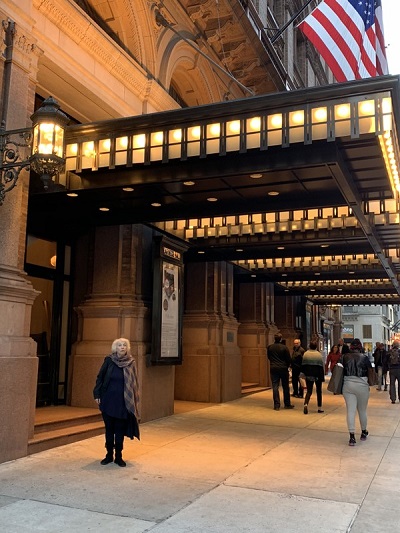
We went to New York to concert of Singing Men of Texas (120 of them!) in Carnegie Hall! Strange!

Me in Carnegie Hall. Strange! (Foto Iwona)

120 singing men. Strange!

Everything I saw last days in America reminded me an all American movies I’ve ever seen and all American book I’ve ever read.
The farmer in a red pic up, weather-beaten dude, but handsome, in red plaid shirt.
High school kids singing Sunday morning between booths on farmers market.
Suburb train taking every morning all the kings men to work in Manhattan.
Midget waiter in an Italian Trattoria where we have our pre theater dinner serving cold water and wine. At the table near to us two families, behind us a very young and pretty woman with a wrath of red flowers looking like Frida Kahlo.
Very nice but in the same time a somewhat spooky pastor who forget to comb his hair and his curly red haired women born in Poland, singing soprano in a church.
Very handsome, very black, very tall intellectual with squared glasses better looking than almost any other men in the whole Hall.
And so on.

They singed gospel in Carnegie Hall. 120 white men and one black pastor.

They also sang that sweet song of Mosie Lister, I am feeling fine. O yeah, I am feeling mighty fine.

A great star of Gospel music, Steve Green, was singing with them. I was not very fond of him, though I had to admit, he had really mighty voice. But then he sang a capella Martin Luthers Mighty Fortress, and I thought I have never heard that song singed so mighty…

It is one of the best known hymns by the German reformer Martin Luther. He wrote the words, a paraphrase of Psalm 46, and composed the melody sometime between 1527 and 1529. It has been translated into English at least seventy times and also into many other languages.

A Mighty Fortress
XXX
A mighty fortress is our God
A bulwark never failing
Our helper He amid the flood
Of mortal ills prevailing
For still our ancient foe
Doth seek to work us woe
His craft and power are great
And armed with cruel hate
On Earth is not his equal
Did we in our own strength confide
Our striving would be losing
Were not the right man on our side
The man of God’s own choosing
You ask who that may be
Christ Jesus, it is He
Lord Saboth His name
From age to age the same
And he must win the battle
XXX
And through this world with devils filled
Should threaten to undo us
We will not fear
For God hath willed His truth to
Triumph through us
The prince of darkness grim
We tremble not for him, his rage we can endure
For lo, his doom is sure
One little word shall fell him
XXX
That word above all earthly powers
No thanks to them, Abideth
The spirit and the gifts are ours
Through Him who with us sideth
Let goods and kindred go
This mortal life also
The body they may kill, God’s truth abideth still
His kingdom is forever
His kingdom is forever and ever
XXX
Translated by Steve Green
Ein feste Burg ist unser Gott
XXX
Ein feste Burg ist unser Gott,
ein gute Wehr und Waffen.
Er hilft uns frei aus aller Not,
die uns jetzt hat betroffen.
Der alt böse Feind
mit Ernst er’s jetzt meint,
groß Macht und viel List
sein grausam Rüstung ist,
auf Erd ist nicht seins gleichen.
XXX
Mit unsrer Macht ist nichts getan,
wir sind gar bald verloren;
es streit’ für uns der rechte Mann,
den Gott hat selbst erkoren.
Fragst du, wer der ist?
Er heißt Jesus Christ,
der Herr Zebaoth,
und ist kein andrer Gott,
das Feld muss er behalten.
XXX
Und wenn die Welt voll Teufel wär
und wollt uns gar verschlingen,
so fürchten wir uns nicht so sehr,
es soll uns doch gelingen.
Der Fürst dieser Welt,
wie sau’r er sich stellt,
tut er uns doch nicht;
das macht, er ist gericht’:
ein Wörtlein kann ihn fällen.
XXX
Das Wort sie sollen lassen stahn
und kein’ Dank dazu haben;
er ist bei uns wohl auf dem Plan
mit seinem Geist und Gaben.
Nehmen sie den Leib,
Gut, Ehr, Kind und Weib:
lass fahren dahin,
sie haben’s kein’ Gewinn,
das Reich muss uns doch bleiben.

PS. For those who do not know (I did not):

Mosie Lister (1921 – 2015) was an American singer and Baptist minister. He was best known for writing the Gospel songs “Where No One Stands Alone”, “Till the Storm Passes By”, “Then I Met the Master” and “How Long Has It Been?” As a singer, he was an original member in The Statesmen Quartet, the Sunny South Quartet, and the Melody Masters. In 1976 Lister was inducted into the Gospel Music Hall of Fame and the Southern Gospel Music Association in 1997. His songs have been recorded by nearly every Southern Gospel artist. And not only. Elvis Presley recorded three of his songs in the 60s: “Where No One Stands Alone” “He Knows Just What I Need” and “His Hand in Mine”.

Kosciasko… Kosciusco…

Ewa Maria Slaska

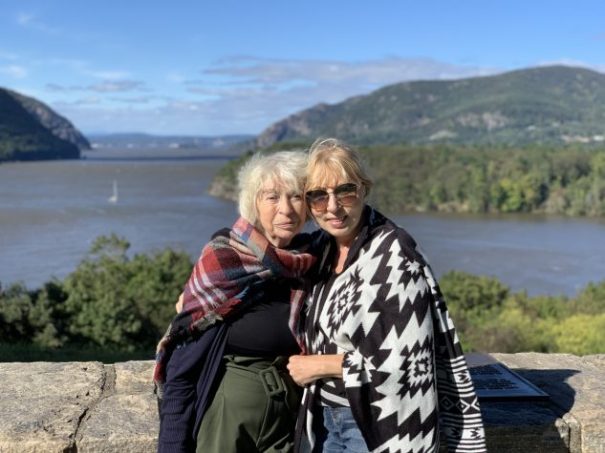
I was invited to America by my friend. Thank you Iwona! It is great to be with you here!

It is already my third day in America.
Yesterday I was told that today we will visit West Point.
Do you know what West Point is? Oh, I said, something military.
I visited USA 27 years ago so I was aware that Kosciuszko was involved in the  revolutionary war here.
I asked my friends “do Americans know that he was Polish?; they pronounce his name as Kosciusko?”  I was assured that Americans know that he was a Pole but I still had doubts.
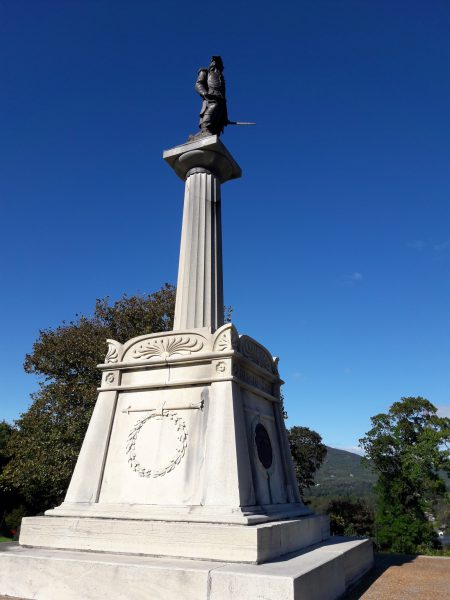
Shortly after we were in the United States Military Academy, also called West Point. Originally established as a fort, it is a national landmark full of historic monuments and buildings. Kosciuszko, military architect designed and managed construction of the West Point’s fortification. He even build tranquil Kosciusko Garden, overlooking stunning Hudson River, where he would retreat to relax and contemplate. Soon we approached his monument. I was proud to see how prominent Kosciuszko’s role was in Polish and American history.

Do you recognize him? Tadeusz Kościuszko!

From Wikipedia:
He was born 1746, died October 15, 1817. He was Polish-Lithuanian military engineer, statesman, and military leader who became a national hero in Poland, Lithuania, Belarus, and the United States. He fought in the Polish-Lithuanian Commonwealth’s struggles against Russia and Prussia, and on the U.S. side in the American Revolutionary War. He studied in Warsaw and Paris, then 1776 moved to America, where he took part in the American Revolutionary War as a colonel in the Continental Army. An accomplished military architect, he designed and oversaw the construction of state-of-the-art fortifications, including those at West Point, New York. In 1783, in recognition of his services, the Continental Congress promoted him to brigadier general. Upon returning to Poland in 1784, Kościuszko was commissioned as a major general in the Polish-Lithuanian Commonwealth Army in 1789. After the Polish–Russian War of 1792 resulted in the Second Partition of Poland, he organized an uprising against Russia in March 1794 (Powstanie Kościuszkowskie), serving as its Naczelnik (commander-in-chief). Russian forces captured him at the Battle of Maciejowice in October 1794. The defeat of the Kościuszko Uprising led to Poland’s Third Partition in 1795, which ended the Polish–Lithuanian Commonwealth’s independent existence for 123 years. In 1796, following the death of Tsaritsa Catherine the Great, Kościuszko was pardoned by her successor, Tsar Paul I, and he emigrated to the United States. A close friend of Thomas Jefferson’s, with whom he shared ideals of human rights, Kościuszko wrote a will in 1798 dedicating his U.S. assets to the education and freedom of U.S. slaves. He eventually returned to Europe and lived in Switzerland until his death in 1817. The execution of his will later proved difficult, and the funds were never used for the purpose he had intended.

***

My friends live in Ramsey, New Jersey, one of many bedroom communities close to New York City; 45 minutes by car or train. Ramsey is located  five minutes from the Appalachian  Mountains. On our way to West Point we drove through Seven Lakes – as name implies group of seven large and few small, picturesque lakes. Via curvy and steep Perkins Memorial Drive we reached the top of the Bear Mountain. It is breathtaking view of the Hudson Valley, Catskill Mountains.
It is sunny autumn day. We are surrounded by huge green forests. Some trees are already covered in a fall foliage, the whole landscape is shiny and golden.
We plan to visit this area in 2 weeks, hoping that Appalachian Trial and Bear Mountain  will be covered with vivid fall colors. We are stopping every now and then so I can take pictures. Once, far away behind river, lakes, forests and hills we see again skyline of New York City. I was thrilled that day.

Peru 4

Joanna Trümner

W kanionie Colca, coraz dalej od Nazca

Kolejnym etapem naszej podróży jest kanion Colca, drugi pod względem głębokości kanion świata (dwa razy głębszy od Wielkiego Kanionu Colorado). Czeka nas wielogodzinna podróż autobusem. Co prawda Arequipę i miasto Chivay, do którego mamy dotrzeć, w linii prostej dzieli tylko ponad sto kilometrów, ale droga prowadzi przez tak wysokie góry (startujemy z wysokości 2.300 metrów w Arequipie, a najwyższe wzniesienie na trasie to Przełęcz Wiatrów na wysokości 4.910 metrów), że na ich pokonanie potrzeba co najmniej sześciu godzin. Na pierwszym postoju nasza przewodniczka, Milagros, namawia pasażerów do kupienia suszonych liści koki i cukierków z koki. Tłumaczy, że liście koki są częścią peruwiańskiej kultury i najskuteczniejszym na świecie naturalnym środkiem na chorobę wysokościową. Kojarzenie liści koki z kokainą (zwaną w Peru „diabłem”) jest, jak twierdzi, kompletnym nieporozumieniem. Do produkcji tego narkotyku potrzebne są odpowiednie procesy chemiczne i mieszanki z innymi składnikami. Milagros robi z naszego pierwszego kontaktu z koką fajną zabawę, radząc nam żuć te niezbyt smaczne suche liście w takt melodii przeboju Despacito (Powoli, powoli). Po pół godzinie żucia przerzucam się na cukierki z koką, które w przeciwieństwie do liści są smaczne i nie mają nieprzyjemnego ziemistego smaku.

Autobus pnie się coraz wyżej, ubywa roślinności, a za oknem coraz częściej widać zaśnieżone wierzchołki gór (granica śniegu leży w Peru na wysokości 5.000 metrów).

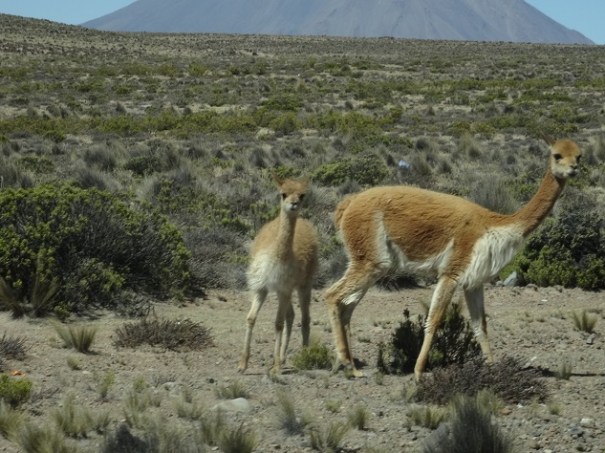
Dziwię się, że od czasu do czasu mijamy przypominające stepy polany, na których pasą się stada wikunii.  Te śliczne dzikie lamy żyją na wysokości powyżej 3.500 metrów.

O wartościach zrobionej z ich sierści wełny dowiedziałam jeszcze zanim zobaczy wikunii w naturze. W jednym z eleganckich sklepów w arkadach na rynku w Arequipie wpadło mi w oko beżowe ponczo na wystawie.  Weszłam do sklepu i wzięłam do ręki. Było tak przyjemne w dotyku i miękkie, że od razu zorientowałam się, że trzymam w ręku bardzo dobry i z pewnością drogi gatunek wełny.  Ponczo kosztowało ponad dwa tysiące dolarów, więc z żalem oddałam je z powrotem do rąk sprzedawczyni, która w chwilę później uświadomiła mi (z nieukrywaną wyższością w głosie),  że wełna z wikunii jest najlepszą gatunkowo i najdroższą wełną na świecie. Garnitur z wełny wikunii kosztuje przeciętnie od 10.000 do 20.000 dolarów, a płaszcze wykonane z tego materiału nosił między innymi Al Capone i Aristoteles Onasis. Te dzikie zwierzęta objęte są całkowitą ochroną i tylko dwóm peruwiańskim firmom wolno jest raz do roku schwytać je i ostrzyc. Następnie pod okiem dyżurnych weterynarzy zostaną wypuszczone na wolność.

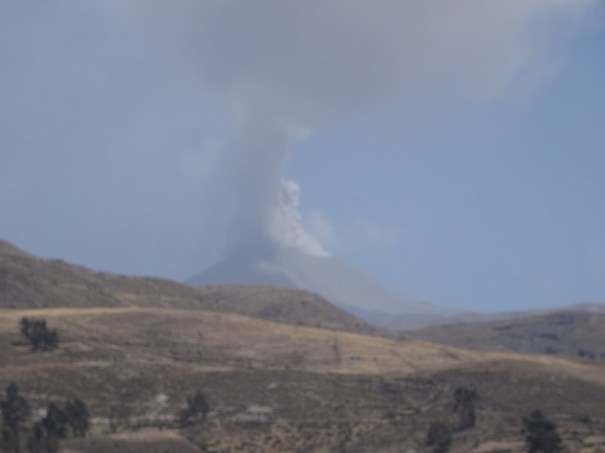
Po drodze robimy kilka przerw, wysiadamy z autokaru i rozprostowujemy nogi. Na każdym postoju widzimy wulkan Sabancaya (5976 m), z którego nieustannie wydobywa się dym. Po raz pierwszy w życiu widzę czynny wulkan i robi on na mnie tak niesamowite wrażenie, że przez chwilę zapominam o tym, że z godziny na godzinę czuję się coraz bardziej niewyraźnie.

Na najwyższym punkcie drogi, na Przełęczy Wiatrów, mój organizm buntuje się. Wyglądam jak trup, głowa mi pęka, mam poczucie nudności, a po wyjściu z autokaru nie mogę złapać oddechu. Po chwili za pomocą kierowcy wracam na swoje miejsce w autobusie i w duchu modlę się, żeby to się skończyło. Milagros bada mój puls i uspokaja, mówiąc, że w autokarze jest butla tlenowa i powinnam z niej skorzystać. „Poczekajmy dziesięć minut”, odpowiadam i koncentruję wszystkie siły na spokojnym, miarowym oddychaniu. Wiem, że jesteśmy na najwyższym punkcie drogi, że będziemy teraz zjeżdżać w dół i będzie, musi być coraz lepiej. W pół godziny później zaiste czuję się o wiele lepiej.

Któryś z pasażerów pyta przewodniczkę, jak mieszkańcy Andów, szczególnie ci starsi i dzieci radzą sobie z chorobą wysokościową. Jej odpowiedź jest zaskakująca – mieszkańcy Andów różnią się  budową ciała od mieszkańców nizin. Ich klatka piersiowa ma większą pojemność, serce jest o 20% większe od naszego, a co za tym idzie płuca są również większe, dzięki czemu są w stanie chłonąć z powietrza większe ilości tlenu. Mieszkaniec Andów ma dwa litry krwi więcej niż mieszkaniec nizin, struktura tej krwi jest odmienna, zawiera wiecej czerwonych ciałek i dwa razy więcej hemoglobiny. „Jeżeli zostaniecie na tej wysokości przez miesiąc, to też będziecie mieli taką krew”, komentuje Milagros, uśmiechając się do mnie.

Docieramy do miasteczka Chivay (3650 m n.p.m.), bramy do kanionu Colca.

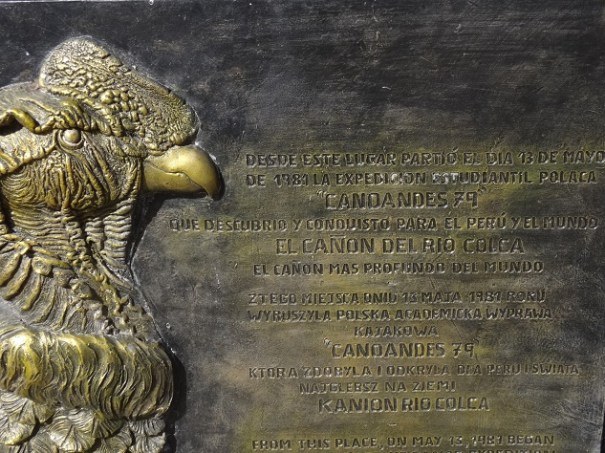
Zatrzymuję się przy tablicy pamiątkowej na głównym placu miasteczka. Z dumą czytam „Z tego miejsca dnia 13 maja 1981 roku wyruszyła polska akademicka wyprawa kajakowa Canoandes 79, która zdobyła i odkryła dla świata najgłębszy na ziemi Kanion – Rio Colca”. Kanion ma długość 120 kilometrów, a różnica poziomów pomiędzy jego wlotem a wylotem wynosi 2.200 metrów. Nie wiedzałam o tym odkryciu Polaków, może dlatego że uczestnicy tej wyprawy po ogłoszeniu stanu wojennego wyemigrowali na stałe z Polski. Do dziś mieszkają w Stanach.

Przed zapadnięciem zmroku docieramy do hotelu położonego w środku kanionu. W drodze do naszego bungalowu szczękam zębami z zimna. Z przerażeniem widzę, że w pokoju nie ma żadnego ogrzewania. Mimo to jest tu ciepło, wszystkie domki w ośrodku ogrzewane są podłogowo przez gorące źródła w okolicy. Po kolacji widzę ludzi w szlafrokach (mamy około pięciu stopni plus) w drodze do gorących źródeł na terenie hotelu. O dziewiątej i my siedzimy w  gorących basenach i wpatrujemy się w pełne gwiazd niebo, w Krzyża Południa. Co mniej więcej półtorej godziny na niebie widać światła Międzynarodowej Stacji Kosmicznej. Atmosfera jest niesamowita – pełna ciemność wokół mnie, rozświetlana jedynie gwiazdami, szum potoku i przyjemne ciepło gorących źródeł.

Z samego rana wyruszamy w drogę do Cruz del Condor (Krzyż Kondora). Kanion ma tutaj głębokość ponad tysiąca metrów i kondory czekają na prądy powietrza, które uniosą je w górę wąwozu. Zatrzymujemy się w Mirador Cruz del Condor (Punkt Widokowy Krzyża Kondora) i  już podczas, gdy kierowcę autobusu parkuje, widzę, że nie jesteśmy jedynymi osobami na świecie, które w tym miejscu chcą zobaczyć kondory. Nie da się opisać ilości ludzi rozmawiających we wszystkich językach świata (słyszałam również polski), czekających na pierwszego kondora. Do hałasu turystów dochodzą odgłosy sprzedawców napoi i jedzenia, pamiątek i nieodzownych koców z sierści lamy. W duchu dziwię się, że te ptaki w ogóle się jeszcze tutaj pokazują. Kanion jest przecież na tyle długi, że mogłyby znaleźć sobie spokojniejsze miejsce.  W kilka minut po przybyciu na miejsce widzimy kondory, jestem zachwycona ich majestatycznym lotem bez poruszania skrzydłami. Cieszę się, że to zobaczyłam i wstydzę się równocześnie za ten punkt widowiskowy (jeden z wielu po drodze) i ludzki hałas, który zakłóca im życie. Kondory nie mają wrogów naturalnych i żyją ponad sześćdziesiąt lat. „Ile jeszcze „miradorów” powstanie tutaj w ciągu sześćdziesięciu lat?”, myślę z przerażeniem.  W kanionie Colca spędzamy trzy dni.

Cdn


Biblioteka jednego wiersza

Tibor Jagielski

… albo poczta butelkowa

płonące ptaki
(21 lipca 356 p.n.e.)

sukces
za wszelką cenę sukces
powtarza sobie herostrates
każdego dnia
i rozgląda się po okolicy

na rynku kupuje koguta
widziano go jak w bibliotece przglądał stare pergaminy
– bogobojny człowiek – mówi przekupka
– głodny wiedzy – kiwa głową pisarz
nie raz siedział w sali do zachodu słońca,
aż trzeba go było wypraszać –

wreszcie podejmuje decyzję
i podpala świątynię miłości
przypadkowo czy nie
tego samego dnia rodzi się wojna
która grzebie stary świat

ostatni dzień września
jeden po drugim zapalają się
klony
to wszystkie odcienie czerwieni maszerują na skraju lasu przed
zmrokiem
po raz ostatni biegnie chłopiec z latawcem
budzi
gwiazdy
septembers letzter tag
einer nach dem anderen fangen die ahorne zu glühen an
alle farbtöne der röte marschieren am rande des waldes vor der
dämmerung
ein letztes mal läuft ein junge mit dem drachen
er weckt
die sterne

11.10.

o duszy kobiety

ukryła się
w krysztale górskim
proroczo

Monika Maas

Kai liebste
schau mir zu
Ich schlüpfe grade in deine Rolle
erforsche so wie Du
ob Nächte wach sind
oder
wie man ohne Wissen fällt
oder
andere brückenlos mich
in ein Dunkel ohne Bilder
schicken
und in mein Inneres
mit Licht und Messer dringen
und mit Blicken
zutiefst ungehörig
Meine Seele
hatte sich
in Bergkristall verborgen
hellsichtig
Endoskopie
19.05.2010
Kai ukochany
spójrz na mnie
wskakuję właśnie w twoją rolę
badam jak ty
czy noce nie śpią
albo
jak upada się bezwiednie
albo
jak inni wysyłają mnie bezpośrednio
w ciemność bez obrazów
i wdzierają się w moje wnętrze
ze światłem i nożem
i spojrzeniami
najgłębiej bezwstydnie
Moja dusza
ukryła się
w krysztale górskim
proroczoendoskopia
19.05.2010


herbst 18

Barataria 87 Terry Gilliam oder Don Quixote

Der Mann, der Don Quijote getötet hat (2018)

Ein Film von Terry Gilliam mit Jonathan Pryce und Adam Driver
Kinostart: 27. September 2018, 132 Min., Abenteuer, Fantasy, Komödie

Die Geschichte eines verwirrten alten Mannes, der überzeugt davon ist, er sei Don Quijote, und den Werbefilmer Toby für seinen treuen Knappen Sancho Panza hält. Vor den beiden liegt eine bizarre Reise, wobei der Film in der Zeit hin- und herspringt, zwischen dem 21. Jahrhundert und einem magischen 17. Jahrhundert. Wie der berühmt-berüchtigte spanische Ritter selbst wird Toby nach und nach von der Scheinwelt verzehrt und kann seine Träume irgendwann nicht mehr von der Realität unterscheiden. Wenn er letztlich und aus Versehen Don Kichote getötet hat, wird er selber Don Kichote werden, der in die Welt geht…

Sancho Pansa trifft die Fürstin, die ihm im Buch seine Insel (Insel auf dem Land) Barataria geschenkt hatte; im Vorfilm, Lost in La Mancha, kam es lediglich einmal zu Wort, dass Sancho Pansa einen Preis bekommt – er soll ein König werden. Im neuen Film bekommt er gar nicht und niemand verpricht ihm auch was. Auch diese Szene gibt es nicht mehr.

Der Film bekam sehr schlechte Kritiken, ich muss aber sagen, mir gefiel er sehr gut. Er ist verrückt, springt stets in sieben Dreiecken, nichts ist hier logisch und gerade das Bizarre im Film fesselt Einem erbarmungslos.

***
Die Geschichte der Filmentstehung ist selbst Don Kichote würdig und Terry Gilliam kann man ohne weiteren Windmülenkämpfer nenen. Schon vor 30 Jahren wollte er einen Film über Don Quixote machen.

Josef Grübl

Es gibt jene Regisseure, die bekannt sind für das, was sie gemacht haben. Die sich ihr Lebenswerk auf silberne Scheiben gepresst ins Regal stellen können, feinsäuberlich nach Titel, Genre oder Entstehungsjahr geordnet. Und dann gibt es noch die anderen Regisseure. Die sind für Filme berühmt, die sie nicht gemacht haben, die auf halber Strecke verloren gegangen sind und es nie ins Kino geschafft haben, geschweige denn ins Regal.

Terry Gilliam gehört eher zur zweiten Kategorie, trotz seiner vielen großartigen Regiearbeiten: Brazil, Der König der Fischer oder Die Ritter der Kokosnuss sind moderne Klassiker, letzterer entstand gemeinsam mit seinen Kollegen von der legendären Komikergruppe Monty Python. Das Filmfest zeigt diese Werke, man hat ihren Regisseur eingeladen und ehrt ihn mit dem Cinemerit Award. Doch für Gilliam geht es nicht so sehr ums Preisabholen, er hat einen neuen Film gemacht, den er in Deutschland vorstellen will. Dieser galt etwa 20 Jahre lang als der berühmteste nicht verfilmte Film aller Zeiten. Die Entstehungsgeschichte von The Man Who Killed Don Quixote ist lang und hat etwas mit Düsenjägern, Regenstürmen, Bandscheibenvorfällen und wackligen Finanzierungskonzepten zu tun. Einzeln hätte man die Probleme vermutlich lösen können, in ihrer Gesamtheit führten sie aber dazu, dass die im Jahr 2000 begonnen Dreharbeiten abgebrochen werden mussten. In den Jahren darauf versuchte der Regisseur immer wieder, das Projekt wiederzubeleben, mit neuen Partnern, überarbeiteten Drehbüchern, anderen Schauspielern als den ursprünglich vorgesehenen Stars Jean Rochefort und Johnny Depp. Doch nichts klappte, es war ein sprichwörtlicher Kampf gegen die Windmühlen – den übrigens auch schon Gilliams Regiekollege Orson Welles verloren hatte, der zwölf Jahre lang an einem Don-Quixote-Film drehte, ihn aber nie vollenden konnte.

In der legendären britischen Komikergruppe Monty Python war er der einzige Amerikaner

Doch Terry Gilliam gab nicht auf, er ist nicht nur kreativer Bilderstürmer, sondern auch unermüdlicher Kämpfer. Und so konnte er im Juni 2017 auf seiner Facebook-Seite den Abschluss der Dreharbeiten zu The Man Who Killed Don Quixote bekannt geben – fast 30 Jahre nach der ersten Idee zu diesem Film. Die Dreharbeiten verliefen angeblich ohne größere Komplikationen, doch ganz ohne Katastrophe ging es auch dieses Mal nicht: Kurz vor der Premiere bei den Filmfestspielen Cannes im Mai 2018 klagte ein portugiesischer Produzent auf Urheberrechtsverletzung, er war vor Jahren an dem Film beteiligt und wollte die Aufführung verhindern. Es hätte also gut sein können, dass Gilliams Herzensprojekt auf den letzten Metern doch noch gestoppt worden wäre – und so ganz in trockenen Tüchern ist es wohl immer noch nicht. Hinter den Kulissen tobt immer noch eine Anwaltsschlacht, die selbst ihm zu viel wurde. Wenige Tage vor Cannes erlitt er einen Schwächeanfall und musste ins Krankenhaus. Britische Medien spekulierten sogar über einen Schlaganfall des 77-Jährigen, was sich glücklicherweise nicht bestätigte. Und so konnte er doch noch nach Cannes, der Film wurde aufgeführt, der Regisseur zeigte sich gut gelaunt auf dem roten Teppich.

Sein Monty-Python-Kollege Terry Jones sagte einmal, dass Gilliam nur arbeiten könne, wenn er einen Gegner hätte. Erst dann laufe er zu großer Form auf. An Gegnern hat es ihm nie gemangelt, davon zeugen auch die Filme, die er nicht machen konnte: Er war J. K. Rowlings erste Wahl für den ersten Harry Potter-Film, auch Charlie und die Schokoladenfabrik oder die Comicverfilmung Watchmen sollten unter seiner Regie entstehen. Doch den jeweiligen Produzenten erschien Gilliams überbordende Fantasie als unkontrollierbar. Im Jahr 1993 arbeitete er an einem Hollywoodfilm namens The Defective Detective, Nicolas Cage und Robin Williams wollten die Hauptrollen spielen, es sah ziemlich lange ziemlich gut aus – doch irgendwann zog das Studio den Stecker. Genauso lief es bei der Dickens-Verfilmung A Tale of Two Cities mit Mel Gibson, danach hatte Terry Gilliam von Amerika die Nase voll.

Es war nicht das erste Mal in seinem Leben: 1940 im amerikanischen Minneapolis geboren, arbeitete er nach einem Studium in Los Angeles als Zeichner für ein New Yorker Satiremagazin. Ein junger Engländer, den er dort kennenlernte, vermittelte ihm einen Job bei der BBC. Sein Name lautete John Cleese, gemeinsam mit anderen Komikern gründeten sie Monty Python. Terry Gilliam war der einzige Amerikaner in der Gruppe, er kümmerte sich vor allem um die schrägen Animationen, die die Sketche in ihrer Fernsehserie Monty Python’s Flying Circus zusammenhielten. Im Jahr 1975 kam Die Ritter der Kokosnuss ins Kino, es war der erste Spielfilm der Pythons, Gilliam führte gemeinsam mit Terry Jones Regie. In den Jahren darauf arbeitete er neben den Monty-Python-Projekten auch schon an eigenen Filmen.

Die Liste an Leuten, die sich an dem Tischlersohn aus Minnesota aufgerieben haben, ist lang, sein Verhältnis zu John Cleese ist schwierig. 1988 brachte er den deutschen Produzenten Thomas Schühly mit gewaltigen Budgetüberschreitungen bei Die Abenteuer des Baron Münchhausen in finanzielle Schieflage, im Jahr 2005 legte er sich mit dem mächtigen Harvey Weinstein an: Dessen ständiges Einmischen habe den Film Brothers Grimm verhunzt, behauptete Gilliam später. Der längst in England sesshaft gewordene Regisseur war schon öfter in München zu Gast, 2009 eröffnete er mit Das Kabinett des Doktor Parnassus sogar das Filmfest. Auch bei diesem Film gab es große Probleme, Hauptdarsteller Heath Ledger starb während der Dreharbeiten – und Gilliam musste kämpfen. Wieder einmal.

Ledgers noch fehlende Szenen übernahmen die Hollywoodstars Johnny Depp, Colin Farrell und Jude Law. Das funktionierte wider Erwarten sogar, dementsprechend erleichtert zeigte sich der Regisseur am Eröffnungsabend. Er brachte sogar seine Produzentin mit, die Zusammenarbeit mit ihr sei einfach großartig gewesen, schwärmte er. Ein Zeichen von Altersmilde? Nicht wirklich: Amy Gilliam ist seine Tochter, sie war auch jetzt beim Don-Quixote-Projekt beteiligt. Die beiden wissen vermutlich sehr genau, was sie aneinander haben.

Ryszard Ka schrieb Fogendes für allocine:

Pour moi décidément le meilleur film de Gilliam après Brazil. Une aventure de deux heures que je n’ai pas vu passer. Une histoire ficelée de main de maitre qui sillonne la limite de l imaginaire et de la réalité. Celles ci s’entremelant a chaque séquences au gré de la folie du personnage avec plusieurs couches de lecture possible.. Mise en scene d un Don Quichote dans ce monde moderne aussi impitoyable que le moyen âge le plus sombre auquel le rêve fou d un idéal est le seul echapatoire. Le Don de Terry est aussi touchant que le personnage de Cervantes. Loin d etre un auto portrait, le réalisateur s’amuse à coller des épisodes de sa galère de 25ans pour produire ce qui a mon avis restera le film le plus complexe qu il a réalisé. J espère que le film aura son succès,il le mérite amplement.

Yddishland. Reblog from my own blog

because it is really worth of reblogging. Just so!

Dr Lidia Głuchowska

Yiddishland and the utopie of Avant-Garde

adler-berlewi-chagall-lissitzky(…) …„Yiddishland“, the patria of the new, secular Yiddish culture of the Central East European Diaspora. To its inhabitants or rather residents belonged pro-Russian Litvaks, sympathising with socialism and rooted in the misnagda tradition; pro-Austrian Galitsianers influenced by Haskala and open to assimilation; and Hasidic pious Polakes, loyal to the pre-partioned Poland. This population was subject to migration and urbanisation processes, which additionally differentiated it. The cultural revival of the “Yiddishland” depicts in an especially evident way the problem of the deterriorisation of the international avant-garde.The interdisciplinary and transborder Yiddish avant-garde was active mainly in the former “Ansiedlungsrayon” of the Russian Empire, which means in Poland, Ukraine and Belarus, but also in other parts of Central Europe – like in Latvia, Romania or Germany – and in the United States. Its representatives emphasised ties with the Yiddish language and culture – common among the inhabitants of these areas, so called Yiddishism. This movement was considered to be a conception opposite to the Haskala renaissance, the revival of Hebrew and Zionism, aiming at founding an independent Jewish state and based on the restitution of Hebrew as an official literary language.

The following essay presents the structure of Yiddish avant-garde within the universal network of international avant-garde consisting of such components as art groups, magazines exhibitions, cafés, cabaret and theatre, and communicating with its own lingua franca. (…)

The avant-garde network has been often compared with the Diaspora. A paradigmatic avant-garde artist was cosmopolitan, multilingual and mobile – acting in the transborder cultural space and the distribution radius of the avant-garde manifestos extending from Scandinavia to the Balkans, and from Paris to Moscow. Against this background, Central Eastern Europe, which could be geographically identified with the area of the utopian “Yiddishland“, was more specifically “a region of constant migration, immigration and emigration, of people arriving, departing and moving around”. “Nomadic modernism” was another essential phenomenon of artistic internationalism in this period. (…)

katznelson-golfaden-borderzon… it has to be pointed out, that while, in general, in looking for the realisation of the utopia of a borderless “new world”, most of the émigrés were outsiders acting as insiders, the members of the Yiddish avant-garde were always outsiders, acting in foreign national or international contexts.

According to the political limitations, for example after a period of the flourishing of the avant-garde tendencies in the Soviet Union, several Jewish artists felt pushed to emigration. As a consequence of less or more convenient political or economical conditions the process of the deterriorisation considered not only actors of the cultural process themselves, but also their works. A number of art journals also appeared initially at one, then at another place, sometimes abroad (…) or been published in the German Metropolis parallel in Yiddish and Hebrew and was addressed to the different competing fractions of the Jewish national-artistic movement, divided between the Yiddishists and Zionists. Lissitzky, Berlewi or Marc Chagall – who in opposition to his two colleagues did not explicitly support the idea of Yiddishism – were active in different countries and published their manifestoes in various languages.

The fact of a great relevance is that in a way, the Yiddish avant-garde was a Diaspora in a double sense. It participated in an avant-garde network on two levels. On an international level its members cooperated locally with Russian, Polish, Romanian or German groups in the singular national “household” countries and their representatives abroad. Simultaneously, on the national level they had several other local and cross-border contacts and were involved in the artistic life of their Yiddish-speaking communities. (…)

Some characteristics of the international avant-garde as a utopian borderless “new world” seem to fit to the Yiddish avant-garde in a particular way. The “Yiddishland” as a political utopia generated several images of the cultural transfer associated with its maps as a whole. (…) Such maps gave a glimpse of a major myth for a whole generation of artists, their collaborative project, a dream like imago mundi. Attempts in creating the artistic topography, sometimes in a comprehensive global way, sometimes on a smaller scale, were also the Panslavism, the zenitist aim of the Balkanisation of Europe or – much less researched idea of Yiddishism concerning the bigger part of Central-Eastern Europe. (…)

aronson-ravitch-markish-segalowiczThe echo of these historical maps or symbols of the cultural transfer are the schemes of the network, which correspond with the current historiographical concepts (…). While the first one seems to symbolize the stable construction of the right angled lines, the other one, through the usage of the diagonals, suggest the dynamic of the exchange-processes, a motion. (They are) not identical; this means on the one side that the Yiddish network has got partly other exchange centres, and, on the other side it also evaluated in the time. After the limitations of the artistic autonomy in the Soviet Union, the Yiddish avant-garde network became smaller and shifted to the West… (…)

In the past two decades, the avant-garde have been examined as an intellectual and spiritual alliance, as a model of a “new community” pursuing a “new world”, consisting of the interconnected locations of cosmopolitan artistic life in Central Europe such as Bucharest, Budapest, Łódź, Prague and Zagreb, with links to Amsterdam, Berlin, Dessau, Moscow, Paris, Vienna and many other cities in other parts of Europe and the world. In this way the newer narratives contribute to overcoming the previous dualistic approach to the European avant-garde, which divided the artistic map of the continent between Western “centres” and Eastern “peripheries”. The old canon has meanwhile been replaced by a more sophisticated approach, in which the geographical centre of the continent is no longer perceived as its periphery. In opposition to that the visualisations of the network of the Yiddish avant-garde, with its centres in Minsk, Kiev, Kharkov, Riga, Odessa, Saint-Petersburg, Odessa, Moscow, Vilna, Łódź and Warsaw, as well as in Berlin, Paris and New York, are of a much younger datum and the discussion on it in the more general, supranational context is still a desideratum of new cultural historiography.

Apart of the comparison of the imaginative maps of the avant-garde and Yiddish avant-garde universe, also a closer glance at another self-advertising strategy of the(se) movement(s), shows both interesting similarities and differences. One of their major media promoting the universal spirit of art were the little magazines, which all together contributed to a “worldwide network of periodicals”. (…)

Warsaw thereby acquired the status of a European centre for Yiddish literature, with Paris and Berlin serving as its satellites. (…) However, what has to be pointed out is that, even if Yiddish as a language was represented here, the magazine popularised not the idea of Yiddishism, but the opposite one – Zionism. (…)

Paradoxically, both in the case of the international avant-garde and the Yiddish one as its very specific case, their cartography, manifestos and the network of magazines presented a new sphere of the transborder artistic exchange, which can be seen as the anticipation of a future perfect, of modernisation projects characterised by new forms, frequently with an emphasis on ethics rather than aesthetics. In both cases they refer to a utopian community, neglecting the political reality of the period.

Almanac Yung-Yidish – Songs in word and image (…)

One of its innovative qualities was the breaking the rules of the Jewish tradition, such as the biblical ban on images. The typical avant-garde integration of word and image, (…) the domination of the forbidden image over the word was a kind of redefinition of a cultural code and its extension into the zone of taboo. (…) The three issues of Yung-Yidish were published on packing paper between February and December 1919 with a print-run of 350 to 500 copies. (…) Like most avant-garde periodicals, it was an ephemeral publication, even if it grew more interesting and bigger with each new issue. (…) Despite the advanced plans, the 4th issue, dedicated to the biblical Ruth, never came out because of financial reasons. (…)

The Yung-Yidish magazine, representing the main ideas of Yiddish avant-garde, set out its programme in two manifestos. The first, unsigned, in the periodical’s first issue, rebelled against the chaos and materialistic character of the present, and defended the eternal values of God, beauty, and truth. Yung-Yidish artists defined themselves as realists in a mystical faith, admiring art and both Jewish languages: the young one – Yiddish – and the ancient one – Hebrew – the language of the prophets. In the manifesto of the second issue, Broderzon stressed the ties of the Yiddish avant-garde with the millennium tradition of universal culture. Invoking the Bible, including the Psalms and “The Song of Songs”, and thus the tradition of Judaism, he once again pointed to the metaphysical concept of art. Adler too, in the same issue, evoked the Chasidic tradition in his “Prayer”. (…)

Historiography of the avant-garde, written by representatives themselves or by specialised scholars since World War II, often assumes that at the end of the first decade of the twentieth century an internationalist inclination superseded nationalist tendencies which had typified the nineteenth century, when art and architecture were instrumentalised as true manifestations of nationhood. In Central Eastern Europe the internationalist avant-garde conception of a “new world” had to compete with the predominance of conceptions of national modernisation and the idea of a national responsibility of the arts in the “new states”. (…) Internationalism, multiculturalism and multilingualism though not desired in the official life, belonged to the reality of art and present life. (…)

turkow-rotbaum-schwarz-weichertOne of the consequences of this process, intensified by the multilingualism and multiculturalism on a personal level, was the cultural syncretism both in the form and content of artistic production. Among others, this syncretism is apparent in a non-confessional religiousness which combined Christianity or Jewish religious conceptions, via theosophy, with Buddhism and other Eastern religions. (…) there was an explicit demand for a plurality of styles (…) and it was Futurism that played the key role in “new art”. (…)

The problem of the national awakening (…) concerns, however, not only the real existing “new” national states in Central Eastern Europe, but also (re)constructing the national consciousness and culture of the “Yiddishland” being in general the “underground structure” of the really existing political organisms in the interwar period, the same way as the literature of the Yiddish avant-garde was an exterritorial one, which but did not have any foundation in any specific national country.

Yiddish, which since the 1908 conference in Czernowitz was recognised as the language of Jewish culture on a par with Hebrew, was here the prime token of identity. In contrast to it, other languages like German, Russian and Polish, were the means of communication of assimilated Jews, whereas Hebrew, the language of religion, was unknown to the general Jewish population and was removed from its Central and Eastern European roots. The style of the poetry of the Yiddish avant-garde is characteristic of the entire literature of a community that survived the atrocities of World War I and a history of pogroms and revolutions. It expressed less the beauty than the horror. Its poetics bear the imprint of Yiddish Expressionism. (…)

In this context one has to maintain a paradoxical fact: not only as a literary but also as a communicative medium Yiddish often has to be constituted/restituted among the members of the Yiddishist movement. (…) And – which is not a well known fact – they mostly communicated in the languages of the “household” states (…). On the other hand, the Yiddish poets, like e.g. Peretz Markish, creatively used the polysemiotic senses of the Slavic languages, even in their programmatic manifestoes.

Yiddish as a language of the Diaspora which before World War II appealed to readers in most parts of Central Eastern Europe (…) …transgressed political borders, but at the same time had a national function. Because of that, with time however some of the representatives of the Yiddish avant-garde (…) looking for broader recognition decided to use mainly other languages and in a way lost this part of their identity, at least as a means of artistic expression. (…)

barcinski-kaminska-horowitz-nazoIn Central Eastern Europe the tensions between the universal and the particular, the international and national, were stronger than elsewhere on the continent. The modernisation impulse from the respective political centres in the single new states contributed to hybrid results privileging local materials, ornaments and themes. Artists tried (…) to transform foreign artistic patterns, creating local idioms of the international avant-garde code (…). Sometimes these permutations and hybridisations of Central European art are perceived as a consequence of the Jewish influence, with the affinity to richness and orientalism. Sometimes, however, both the whole (Central) Eastern European art and the new secular Jewish one being one of the main aims of the Yiddish avant-garde, has been associated with the hybrid components and the biomorphic metaphor of a world in statu nascendi (…)

In a special way, the avant-garde interest in new universal signs in the visual arts and design also resulted in a standardised typography. Innumerable examples which can be found in books, little magazines or posters, including collages or photomontages and especially exotic and impressive when printed in Cyrillic or Hebrew letters, established “a sort of international hieroglyph”. And often – only this one component of the Jewish identity, the language being, next to the culture and religion – Judaism a proof of “Jewishness”. In its written form it was used not only as and artistic medium, but also as a symbol of identity (…)

Efforts to create a universal style and an avant-garde corporate identity were crowned with an International Art Collection in Łódź in 1931, the first presentation of contemporary art to be permanently exhibited in a state museum in Europe. (…)

Jankel Adler in his article (1920) about expressionism which at that the time was still generally identified with the whole of progressive art stressed out its links with the sacral sphere: “We are the children of the 20th century. […] Stuffy air was our first breath. Our first walk are accompanied by the thousand fold by a choir of ringing trams, the staccato of horse-cabs, whimpering freight trains, speeding automobiles and a choir and noisy passages with criss-cross the streets with a thousand diagonals […] Art of the 20th century, the art of expressionism was born at that longing [after the God LG] and became the seventh day of the working week.”

Two years later his colleague Berlewi already after his return from Germany became a follower of the “new form” and meant: “I had to give up purely Yiddish problems completely and then I devoted myself to cubists and the constructivist’s experiments. Currently my task is to create something European”. (…)

lindenfeld-zarnower-aronson-altmanTo the general components of the avant-garde paradigm belongs the performative character of its manifests and manifestations. Regarding the Yiddish avant-garde, the most authentic and most long lasting emanations of its identity was, next to the programmatic texts and new secular visual art, the theatre, reflecting the every day life experience of the Yiddish population. In its carnival-like art (…) it appeared as especially attractive to a wide audience in Central Europe. In this sense, being even a mirror and mimicry of life and the part of life itself, it can be considered as the most and thus effective, performative manifesto of the Yiddish avant-garde.

Due to the hostility of orthodox religious communities it was formed relatively late, in 1876 in Jassy (Romania). The name of its founder, Graham Goldfaden, inspired the description of the whole genre, inspired by such folk songs and the traditions like the Purim-spiel of Biblical motifs. Between 1878 and 1905 the Tsar had forbidden the staging of performances in Yiddish, but Goldfaden’s theatre still used this “Jargon”. It was partly disregarded also among Jewish intellectuals, opting for the revival of Hebrew or the assimilation, concerning it as shund (garbage). (…) As an alternative to it several other theatre groups were grounded (…) (also) small artistic theatres and cabarets…(…), performances (…).

If internationalism is generally considered a conditio sine qua non of the avant-garde, the national question can be perceived as the contrasting intertext, as a negative point of reference for an international avant-garde ideology, or at least as a set of ideas which had to be addressed. The artists of the Yiddish avant-garde gathered e.g. around such magazines as Yung-Yidish or Yung-Vilne (…) deserve special attention. They were major platforms of Yiddishism, (…) unlike the rest of the Jewish artists who were often assimilated (…). They represented a second generation of new Jewish culture. Whereas the first one tried to create a European opening for Yiddish culture, the second, on the contrary, strove to introduce “the Jewish world” into European culture. As such, the Yiddish avant-garde operated “in-between”, addressing the issue of “the other” in a more poignant way than the rest of the avant-garde, provoking a deconstruction of the official conception of the “new state” as an ethnic and cultural monad, which they considered to be merely a political construct. As “universal others”, they were predestined to become spokespeople for an ‘inter-national’ avant-garde. The motivation for their stylistic choices was, however, not underpinned by a universal aesthetic based in an “escape from history”, but rather by a symbolic discourse of the marginalised in relation to the relevant national cultural context and historiography.(…)

shor-shifrin-ryback-ingerTheir common work and the three issues of Yung-Yidish over the previous two decades are treasured by a handful of libraries in the world as an imposing body of work by the Yiddish avant-garde, arriving at its dire epilogue in the Nazi Entartete Kunst (Degenerate Art) exhibition of 1937 and the Holocaust. (…)

Because of its national aims and structures, but possibly also a missing recognition from the outside, it can be, on the one hand perceived as a hermetic or maybe separate/isolated network, parallel to a universal one and not its subdivision. On the other hand, its exterritorial character and numerous transborder links predestined it to be even a model of the international network as its pars pro toto.

In opposition to the predominant meanings it was not isolated from the local context of the “household” countries. In contrary, following the own national aims, it also looked for the universal perspectives and acceptance in Central Eastern European “new states”, which in opposition to the “Yiddishland” became real political organisms. (…)

For the Yiddish avant-garde attempts of the transmission of their own heritage and ideological proposals were a difficult compromise. Often the transfer from the different “householders’” cultures appeared as dominant and the transmission turned out into cultural transgression. (…)

In fact, in a great scale, after the revolution in the Soviet Union the Yiddish avant-garde network became smaller and its idea of an independent national modern culture failed. It was misused by the propaganda and became “an art for the masses”. According to the Lissitzky’s conception it was the third stage of the transgression. The fourth one was represented by the stylistic turn of the Yiddish avant-garde, e.g. by his own pangeometry. (…)

Not only the idea of Jewish art, but also – in particular, the message transferred in the name of the prominent group of the Yiddish avant-garde – Jung Vilne – were perceived as oxymorons. The last one, created in the old centre of Jewish culture – the Jerusalem of the North ceased to exist much later than the other groups of the Yiddish avant-garde movement – in the Nazi time (…)

Arie Ben-Menachem created an album of photomontages Ghetto. Terra Incognita (…) Its title seems to define the status of the “Yiddishland” and its new secular art, as well as its little reception in the international avant-garde studies.

All the mentioned examples of the contradictory attitude towards the perspectives of the proper milieu for the development of their own identity stand on the one side for the tendency to transgress and as a consequence a compromise of partly assimilation and acculturation in the foreign context, and on the other side – for a strong opposition against it. In this sense the history of the Yiddish avant-garde is a document of both – plurality of Judaism on the one side and of the – (pre)modern liquid identity of Jewish artists in general – on the other one.

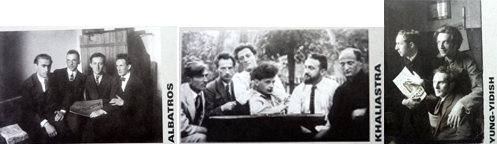
albatros-khalistra-jung-jidysz

Yiddishland Image captions:
Pola Lindenfeld with her sister Eugenia, Photo, courtesy S. Karol Kubicki, Berlin
Teresa Żarnower, c. 1920, Photo from: Andrzej Turowski, Budowniczowie swiata, Cracow 2000.
Other photos:
Nathalie Hazan-Brunet and Ada Ackerman (eds.): Futur antérieur: L’avant-garde et le livre yiddish (1914–1939), Paris 2009.
& Wikipedia Commons, http://www.ecoledeparis.org, http://www.infocenter.co, http://www.e-teatr.pl, http://www.rp.pl, US Holocaust Memorial Museum, http://www.museumoffamilyhistory.com, http://www.jewishgen.org

Full text version with footnotes published in: Lidia Głuchowska, From Transfer to Transgression. Yiddish Avant-Garde – a Network within the Universal Network of the International Movement or a Complementary One? In: Harri Veivo (ed.): Transferts, appriopriations et fonctions de l’avant-garde dans l’Europe intermédiataire et du Nord [Cahiers de la nouvelle Europe, hors serie], Paris 2012, pp. 143-168.
http://www.fabula.org/actualites/harri-veivo-sous-la-dir-de-transferts-appropriations-et-fonctions-de-l-avant-garde-dans-l_52704.php

Also to read: about „Jidyszland” in Polish press

Wieder eine Buchseite auf der Strasse

…am Tag der Deutschen Einheit in Berlin gefunden. Eine Seite auf der Strasse direkt vor meinem Haus liegend. Ich kann nicht umhin, jetzt muss ich einfach all diese aus den Büchren rausgerissenen Seiten IMMER aufheben und entdecken, was für ein Buch es ist. Es ist inzwischen eine Sucht geworden…

Ich bin schon geübt, ich weiss schon, was ich aus dem sorgfältig gelesenem text als Keywords herauspicken muss, um das Buch im Google zu identifizieren. Diesmal schrieb ich die Reihe nach alle Namen, die auf den beiden Seiten auftauchen in die Suchspalte: Travis Amy Leiche David George Frankie Craig. Die Antwort kam prompt:

Craig Morgenstern is a total scaredy cat, even with his reputation as such being well known amongst everyone. But as of late, things are looking up for Craig! He has moved to a new town and even saved a baby from being hurt in a car accident. Everyone is then considering Craig to now be very brave for what he did. Despite him falling off of his bike and nearly getting hit by the careening car. Not to mention, accidentally getting inside of it and managing to stop it. The car slows to a stop in front of his new school on his first day of classes, branding him a hero to the entire student body, save a few skeptical students. The mother of the baby rushes over to thank him, having accidentally left the car for just a moment while the baby was still inside.

Craig’s good fortune continues to escalate even higher! He befriended the cutest girl in school, Amy. Who is very impressed with his bravery. Unfortunately, her best friends Travis and Brad happen to be Craig’s harshest critics. They refuse to be won by the boys charms, even after he saves a bird’s nest. Other random lucky streaks happen to strike Craig also. Such as screaming in horror during a scary movie, which Amy agrees that it is fun to scream along with characters in films.

But jealous of all the attention Craig receives, Travis becomes obsessed with trying to prove that Craig is a scaredy cat. He then talks with a cousin, who happens to know about Scaredy Cat Craig from his previous town/school. So Travis shows up with a jar full of spiders and dares Craig to stick his hand in the jar for five minutes. Craig is goaded on by Amy and does so, only to be bitten so many times that he can’t even remove his swollen hand after five minutes are up. So Amy talks Travis into going double-or-nothing and Craig has to keep his hand submerged twice as long.

Travis pledges to go double or nothing again the following day. The bravery challenge this time will be to kiss a poisonous snake on the lips, but really what one boy does it pluck out a single eyeball of his own and shove it into Craig’s mouth. Craig comes out of this one looking brave by spitting out the eyeball and nobody is really surprised when they find it is a fake gag eyeball. They do not think this is enough to prove how brave Craig is however and Travis reveals that his father works at a funeral parlor. So now the newest bravery test involves Craig sneaking into the funeral home and sitting in a coffin.

But unfortunately for him, the coffin he chooses is occupied. His “friends” egg him on anyways, as a truly brave person would sit in a corpse-filled coffin no problem. The corpse then comes to life and tries to choke Craig, but Craig allows himself to be choked by the “corpse”. This shocks Travis, who had been the corpse in hopes of outing him. But then Amy challenges Travis to let Craig repeat the challenge again the next day. At some point, Craig comes clean with Amy, but Amy just thinks he is not only brave but sweet to not want to take Travis’ money by pretending to be afraid.

Sometime after then, Craig accidentally beats up Brad’s older brother! Once again everyone is at the funeral home when all of the corpses rise and begin to attack! Everyone runs away, but Craig stays to bravely defend those who abandoned him. Proving to them all that he really was brave all along.

It turns out that the corpses were all set up by Craig, with some help from Brad. Who felt bad about how devoted Travis was to proving Craig’s bravery. The zombies were actually Brad’s older brother (the one Craig “beat up”) and his friends. Brad’s brother walks in and apologizes for his friends not being able to make it to the cemetery, which results in Brad racing away to vomit in horror.

It turns out Brad’s brother just said that to get back at Brad! Craig walks home and remarks to the reader on how it turns out he really is brave… even if he is still afraid of the dark.

Reblog: Bizary i skurile w Szczecinie

Kochani czytelnicy/czki. Przepraszam, bo w tym wpisie nic już nie ma.  Minęły lata i zniknęły wszystkie zdjęcia, które tu kiedyś umieściłam. Gdzie są? 

Bizary… czy ktoś jeszcze pamięta w Polsce to słowo? My w Niemczech prędzej je zrozumiemy, nawet jeśli polskiego słowa wcale już nie znaliśmy, bo po niemiecku jak coś jest dziwaczne, to można o tym powiedzieć, że jest bizarr. A jak człowiek się zachowuje dziwacznie, to jego zachowanie może być określone jako skurril. Wydaje mi się, że tego słowa polszczyzna, również ta dawna, w ogóle nie miała, ale co tam. Byłam na wycieczce w Szczecinie i zobaczyłam taką ilość bizarów i skurili, że postanowiłam się z wami podzielić.

To Krzyżak ze Sztumu. W Szczecinie.

W restaracji “Na kuncu korytarza” w Zamku oferta obejmuje kacze biusty.

Ogłoszenie “Klubu śledziojadów”.  W tym Szczecinie oni wciąż tylko o jedzeniu.

Na zdjęciu (a raczej na plakacie) Anita, ongiś zakochana (“na zabój”) w Polaku ze Szczecina hinduska miss piękności, dziś dobrze prosperująca właścicielka kilku egzotycznych restauracji  w Szczecinie, które pozostają w rodzinnych rękach – bo syn poszedł w ślady rodziców.

O Anicie powstaje właśnie film w koprodukcji Film Polski – Bollywood. Rolę jej samej otrzyma siostra Anity, słynna aktorka bollywoodzka.

A jak nie o jedzeniu, to o piciu.Zanim Wyszak został piwowarem, był… piratem, ale – i teraz dopisek z kwietnia 2025 roku – umiał sobie załatwiać różne sprawy. Prawie 30 zdjęć zniknęło, a to jedno, jedyne zostało.

Pompy w Szczecinie nie są niestety czynne (w Berlinie są), ale za to mają zabójczy niebieski kolorek.

A tu święto dyni – i pomyśleć, że za czasów mojej młodości dynia znana była w Polsce tylko jako rodzaj pikli na słodko w occie (były paskudne).

Wszędzie można dojść, wszędzie blisko, i do podziemi i pod opiekę niebieską…

Artystyczny wyrzut śmieci

“Wkurw” – wersja rozbrajająco łagodna

Szklany sufit najpiękniejszej poczty na świecie. Przed wojną Szczecin miał więcej abonentów telefonicznych niż Berlin, choć był od stolicy Niemiec czterokrotnie mniejszy. Było 30 telefonistek i pracowały na dwie zmiany.

Orzech czarny, najstarsze drzewo w Szczecinie

W oddali para młoda, niestety więcej nie można było sfotografować. Panna młoda bacznie pilnowała RODO. A szkoda, bo miała ciekawą suknię, haftowaną złotem jak obrus na ołtarz.

Ciekawe ostro czerwone hydranty, aż się proszą, żeby nimi trochę poszarpać. No a jak się za mocno pociągnie, no to hydrant się rozpada – część ląduje na bruku, a część w kwiatkach

Na bruku lądują też serca, białe, być może niewinne

Bardzo ciekawe faktury

Ta firma ze Szczecina ma też swą filię w Berlinie na Kreuzbergu…

Idzie nowe…

Lub jedzie do pracy…

Plakat w Szczecinie zachęca Polki do pracy w Niemczech, ale coś się tłumaczowi pokręciło, nie zrozumiał co jest czym czego i teraz plakaty głoszą, iż w Niemczech zaopiekują się nami – szczecinianami – osoby starsze i godne zaufania. No to niech tam…

Peru 3

Joanna Trümner

Z Nazca dalej

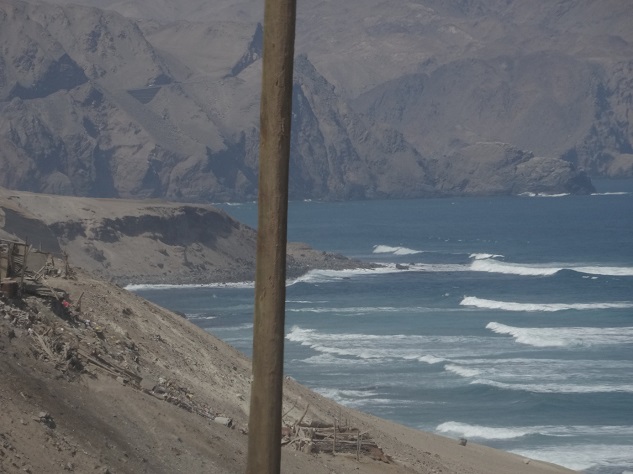
Z Nazca ruszamy bardzo wcześnie rano. Nasz kierowca, Daniel, uprzedza nas, że podróż do drugiego co do wielkości miasta Peru, Arequipy, zajmie nam cały dzień. Na dłuższą rozmowę z Danielem nie pozwala nasza znajomość hiszpańskiego, w duchu wściekam się na siebie, że zabrakło mi cierpliwości na dalszą naukę tego języka. Mamy do pokonania prawie 600 km Panamericaną. Pierwsza część podróży jest dosyć monotonna, otacza nas pustynia Atacama, w tej części kraju deszcz spada raz na kilka lat. Czasami monotonię obrazów za oknami samochodu przerywa widok na wzburzony Pacyfik.

Z nudów wczytuję się w ustawione co kilka kilometrów plakaty i hasła wyborcze. „Dla kogo te hasła ustawili, przecież tu nikt nie mieszka?”, zastanawiam się mijając kilometry drogi bez żadnych zabudowań (pomijając nieliczne kurze fermy). W październiku w Peru odbędą się wybory komunalne, do których startuje 16 partii. Większość z haseł jest dla nas, Europejczyków absurdem jak np. hasło „Un neuvo gallo por la region” („Nowy kogut dla regionu”) z mało sympatyczną twarzą kandydata jednej z partii lub też plakat, przekonujący wyborcę, że niejaki Hardin jest przyjacielem („Hardin, tu amigo”). Najwięcej kasy na kampanię wyborczą w tym regionie ma Alfredo Zegarra, jego nazwisko jest widoczne nie tylko na plakatach, lecz również na licznych przydrożnych kamieniach i słupach elektrycznych.

Daniel uśmiecha się pod nosem zza kierownicy – „Tenemos Hitler tambien” („Mamy też Hitlera”). O tym Hitlerze przebąkowiał też coś nasz przewodnik w Limie, Percy. Nie daje mi to spokoju i jeszcze tego samego wieczoru w hotelu dowiaduję się z internetu, że w wiosce Yungar, w andyjskiej prowincji Carhuaz, w wyborach startuje jako kandydat na burmistrza miasteczka… Hitler Alba. W wywiadach przekonuje, że jest „dobrym Hitlerem”. Dodaje, że w międzyczasie pogodził się z nadanym mu przez ojca imieniem i nie zamierza go zmieniać. W sąsiednim dystrykcie do walki politycznej ruszył … Lenin Vladimir Rodriguez Valverde.

W Peru istnieje obowiązek udziału w wyborach, nie stawienie się przed urną wyborczą ponosi za sobą poważne, zależne od zarobków, konsekwencje finansowe. „Największym złodziejem był Kuczynski”, mówi Daniel w drodze do Arequipy patrząc na przydrożne plakat. Nie chwalę się tym, że Pedro Pablo Kuczyński ma korzenie w Wielkopolsce. To już czwarty prezydent tego państwa uwikłany w korupcję, Peruwiańczycy powoli przestają wierzyć w demokrację i od dawna odnoszą wrażenie, że ich bogate w zasoby naturalne państwo, które mogłoby należeć do przodujących przemysłowo państw świata, jest rozkradane przez polityków.

Po pięciu godzinach w drodze robimy się głodni i prosimy Daniela, żeby się zatrzymał, chcemy podzielić się z nim dużą paczką z suchym prowiantem, którą rano dostaliśmy w hotelu w Nazca. Widać, że i naszemu kierowcy ta przerwa jest na rękę. Wyjmujemy cztery duże plastikowe pojemniki z sałatką, kurczakiem z ryżem, kanapki i owoce. W chwilę później stwierdzamy, że hotel zapomniał nam dać plastikowe sztućce. „Estupendo”, mówię na głos, dumna, że coś jeszcze zostało mi w głowie z nauki hiszpańskiego. I chociaż chciałam powiedzieć coś zupełnie innego („estupendo” znaczy „wspaniale” a ja chciałam powiedzieć „estupido” czyli „idiotycznie”), Daniel jest na tyle inteligentny, że w pierwszym małym miasteczku po drodze zatrzymuje się i kupuje plastikowe sztućce.

Druga połowa drogi to wspinanie się serpentynami w górę („Białe Miasto” Arequipa leży na ponad 2.300 metrów), cieszę się, kiedy zapada zmrok i nie muszę już dłużej oglądać licznych krzyży po drodze i spadzistych, niczym nie zabezpieczonych krawędzi. Do miasta docieramy około siódmej. Po rozlokowaniu się w hotelu, idziemy na główny plac, Plaza de Armas, który o tej porze tętni życiem. Kończymy dzień popijając pisco na balkonie restauracji z widokiem na przepiękną olbrzymią katedrę (cała starówka Arequipy jest na liście światowego dziedzictwa UNESCO).

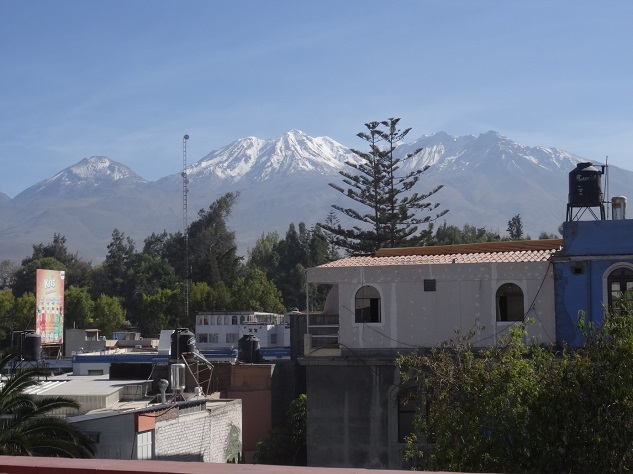
Dopiero następnego dnia zobaczę, jaki mamy widok z okna pokoju – trzy wulkany w tym jeden czynny – ten czynny to Misti, 5822 m, pozostałe to Chachani 6057 m i Picchu Picchu, 5665 m. Okolice Arequipy często nawiedzane są przez trzęsienia ziemi. Tutaj nasuwają się na siebie w tempie 77 milimetrów rocznie południowoamerykańska płyta tektoniczna z płytą Nazca. Całe Peru jest zresztą miejscem, regularnie nawiedzanym przez trzęsienia ziemi.

Naszą przewodniczką po Białym Mieście jest Gloria. Podczas miesięcznego pobytu w Peru była to jedyna nasza wpadka z przewodnikami, Gloria, podobnie jak wszyscy oprowadzający nas przewodnicy mówiła bardzo dobrym angielskim, ale przez cztery godziny chodzenia z nami po mieście prowadziła z małymi przerwami na powiedzenie nam kilku słów nieustannie rozmowy przez komórkę. Nie wiem, co się w tym dniu stało w jej życiu i przy pożegnaniu widziałam, że zdaje sobie sprawę z tego, że przesadziła z tymi rozmowami, niemniej jednak myślę, że lepiej byłoby zrezygnować z Glorii, pogrzebać w internecie i zwiedzić to przepiękne, stare miasto na własną rękę. Rozstajemy się z nią w klasztorze Świętej Katarzyny, który na szczęście ma własnych przewodników z wyłączonymi komórkami.

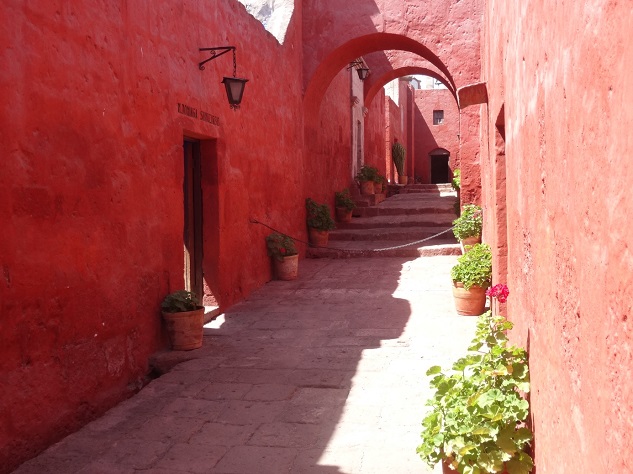
Klasztor został zbudowany przez Hiszpanów niedługo po podboju Peru, w 1580 r. i przez wiele lat służył jako szkoła z internatem dla córek z bogatych hiszpańskich rodzin, prowadzona przez siostry zakonne z zakonu im. Św. Katarzyny z Sieny. W tamtych czasach tradycją było, że druga córka lub drugi syn w rodzinie wstępował do klasztoru (pierwsza córka miała zgodnie z tradycją bogato wyjść za mąż, a pierwszy syn zrobić karierę w wojsku).

Santa Catalina przyjmowała do klasztoru wyłącznie kobiety z najbogatszych hiszpańskich rodzin z Arequipy i okolic, które przed wstąpieniem musiały zapłacić „wiano” w wysokości około 2.400 srebrnych monet oraz przynieść ze sobą liczne przedmioty, spisane na specjalnej liście. Zakonnice miały prawo posiadać służbę – po wyposażeniu cel widać, jak były zamożne. W jednej z cel widzę klawesyn.

Klasztor jest przepiękny, bardzo przypomina hiszpańskie miasteczka, których nazwę noszą ulicę w klasztorze. Powierzchnia całego kompleksu przekracza 20 tysięcy metrów kwadratowych – znajdują się tu cele zakonnic, kapela, ogród, pralnia, cmentarz, pomieszczenia gospodarcze. Obecnie w klasztorze mieszka kilkanaście sióstr.

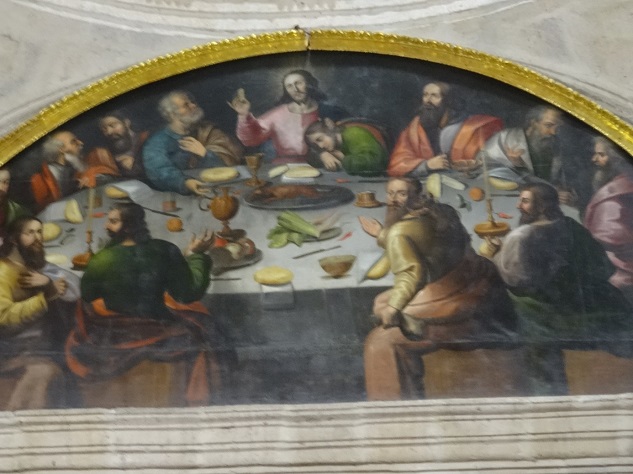
Po wizycie w klasztorze mamy wolny czas. Zaglądamy do małego kościoła niedaleko głównego placu (Iglesia La Compania). Oglądamy obraz ostatniej wieczerzy, z którego znany jest kościół. Przed Chrystusem na półmisku leży świnka morska, pozostałe dania to nieznane jeszcze wtedy w Europie chili i ziemniaki. Patrzący nam prosto w oczy Judasz, z którego promieniuje zło, ma twarz Francisca Pizarra.

Cdn.

Otto Müller Ausstellung & Buch / Wystawa & książka

Tekst po polsku na dole


MALER. MENTOR. MAGIER.

Otto Mueller
und sein Netzwerk
in Breslau

Der Expressionist Otto Mueller (1874–1930) ist als Mitglied der Künstlergruppe Brücke international bekannt. Kaum jemand weiß jedoch um seine über zehn Jahre andauernde
Lehrtätigkeit an der Staatlichen Akademie für Kunst und Kunstgewerbe in Breslau.
Vor allem in den 20er-Jahren beflügelte diese – aufgrund ihrer liberalen und weltoffenen
Atmosphäre – innovative Ideen in der Malerei. Besonders Otto Mueller genoss
enormen Einfluss in einem weitgespannten Netzwerk aus befreundeten Kunst- und
Kulturschaffenden. Zu seinem Kreis zählten Künstler und Künstlerinnen, Architekten,
Kunstkritiker, Schriftstellerinnen und Schriftsteller, Sammlerinnen und Sammler
sowie seine Studierenden.
Das Buch macht es sich zur Aufgabe, Muellers dreifache Rolle als Maler, Mentor und Magier aus unterschiedlichen Perspektiven zu beleuchten. Es ist das Ergebnis eines
deutsch-polnischen Ausstellungs- und Forschungsprojektes.


Otto Mueller, Selbstbildnis mit Pentagramm, um 1924 (Detail) © Von der Heydt-Museum Wuppertal / Foto: Antje Zeis-Loi, Medienzentrum Wuppertal

MALER. MENTOR. MAGIER.
Otto Mueller und sein Netzwerk in Breslau

12.10.2018 bis 03.03.2019
Hamburger Bahnhof – Museum für Gegenwart – Berlin

Die Ausstellung „MALER. MENTOR. MAGIER.“ stellt erstmalig den enormen Einfluss des ehemaligen Brücke-Künstlers und Expressionisten Otto Mueller (1874–1930) in den Mittelpunkt: Der Maler lehrte länger als zehn Jahre an der Staatlichen Akademie für Kunst und Kunstgewerbe in Breslau, die seinerzeit zu den fortschrittlichsten Kunstschulen in Europa zählte. Vor allem seit den 1920er Jahren – durch die zahlreichen Neuberufungen des damaligen Direktors Oskar Moll – genoss die Breslauer Akademie den Ruf von Weltoffenheit und Liberalität. Hier standen gleichberechtigt die vielfältigen Strömungen der modernen Malerei nebeneinander: der Expressionismus mit Otto Mueller, die französische Peinture der Académie Matisse mit Oskar Moll, die Neue Sachlichkeit mit Alexander Kanoldt und Carlo Mense sowie das Bauhaus mit Oskar Schlemmer, Georg Muche oder Johannes Molzahn.

Das Hauptaugenmerk der Ausstellung gilt der Malerei der Moderne: Otto Mueller und sein Netzwerk erlebten in Breslau eine schöpferische Phase, die sie angeregt durch Austausch und gegenseitige Einflussnahme als höchst produktiv beschrieben. Ersichtlich wird diese Beeinflussung der Maler-Kollegen untereinander durch thematische Übereinstimmungen und andere Querverweise: in Gemälden, Arbeiten auf Papier, schriftlichen Äußerungen oder Fotografien. Vor allem der charismatische, von Sehnsucht und Freiheitsdrang getriebene Otto Mueller hatte maßgeblichen Einfluss auf die Breslauer Kunstszene. Ein „Romantiker“ und sogar ein „Magier“ soll Otto Mueller nach Aussagen seines unmittelbaren Umfeldes, darunter auch Kunstkritiker und Schriftsteller, gewesen sein. Carl Hauptmann setzte ihm bereits in der Künstlerbiografie „Einhart der Lächler“ (1907) ein Denkmal – damit leistete der Dichter seinen entscheidenden Beitrag für die Grundsteinlegung eines „Künstler-Mythos“.

Muellers auffällige Erscheinung und sein unbürgerlicher Lebenswandel übten eine enorme Faszination auf seine Schüler und Schülerinnen an der Akademie aus. Sie schätzten dessen vollkommene Hingabe an die Kunst, dessen unkonventionelle Lehrmethode und Humor. Einige seiner Schüler – wie Alexander Camaro oder Horst Strempel – gingen von Breslau aus nach Berlin und erlebten hier den Höhepunkt ihrer Maler-Karrieren.

Eine Besonderheit des kuratorischen Konzeptes von „MALER. MENTOR. MAGIER.“ ist das Prinzip des „Gastes“: gemeint sind hiermit ausgewählte Bilder, durch die spotlightartig, epochenübergreifend und interkulturell, insbesondere im deutsch-polnischen Kontext, auf Gemeinsamkeiten und Unterschiede verwiesen werden kann. Das Einbeziehen „Polnischer Expressionisten“ ermöglicht einmalige Sehvergleiche und neue Zusammenhänge, zugleich verschränken sie die deutsch-polnische Ausrichtung dieser Ausstellung.

Die immense Wertschätzung von Otto Muellers Wirken – aus der Perspektive seines Künstlernetzwerks – reicht bis in die Nachkriegsmoderne: Ein wichtiges Kapitel deutsch-polnischer Kunstgeschichte wird unter besonderer Berücksichtigung der Wechselbeziehung zwischen den Städten Berlin und Breslau/Wrocław neu erzählt.

Denn auch die Beziehungen zwischen der Nationalgalerie in Berlin und dem ehemaligen Schlesischen Museum der bildenden Künste in Breslau (heute Muzeum Narodowe in Wrocław) waren durch intensiven Austausch und Zusammenarbeit charakterisiert. Paradigmatisch ist die Otto-Mueller-Gedächtnisausstellung, die 1931 – kurz nach dem Tod des bedeutenden Expressionisten – durch Direktor Erich Wiese in Breslau initiiert und noch im gleichen Jahr von Ludwig Justi, Direktor der Nationalgalerie, als Gedenk-Ausstellung nach Berlin übernommen wurde.

Die aktuelle Schau „MALER. MENTOR. MAGIER.“ nimmt den umgekehrten Weg. Erarbeitet in Berlin, wird sie danach in modifizierter Form in Breslau/Wrocław zu sehen sein. In Berlin setzt die Ausstellung die Folge von Präsentationen zur Klassischen Moderne fort, die während der Sanierung der Neuen Nationalgalerie im Hamburger Bahnhof – Museum für Gegenwart – Berlin gezeigt wurden: „Die schwarzen Jahre. Geschichten einer Sammlung. 1933–1945“, „Ernst Ludwig Kirchner. Hieroglyphen“ und „Rudolf Belling. Skulpturen und Architekturen“.

Künstler*innenliste: Jankel Adler, Alexander Archipenko, Isidor Aschheim, Henryk Berlewi, Alexander Camaro, Johnny Friedlaender, Grete Jahr-Queißer, Alexander Kanoldt, Ernst Ludwig Kirchner, Ludwig Peter Kowalski, Margarete Kubicka, Stanisław Kubicki, Wilhelm Lehmbruck, Carlo Mense, Oskar Moll, Marg Moll, Johannes Molzahn, Georg Muche, Otto Mueller, Żdzisław Nitka, Oskar Schlemmer, Willy Schmidt, Horst Strempel, Heinrich Tischler, Witkacy, u.a.

Zur Ausstellung erscheint ein gleichnamiger, umfangreicher Katalog im Kehrer Verlag, der von deutschen und polnischen Wissenschaftler*innen erarbeitet wurde. Herausgegeben von Dagmar Schmengler, Agnes Kern und Lidia Głuchowska. Zwei separate Sprachausgaben (deutsch und polnisch) sind ab Oktober 2018 erhältlich. Der Katalog wird realisiert durch: ZEIT-Stiftung, Ernst von Siemens-Kunststiftung

1. Station
12.10.2018-3.3.2019, Hamburger Bahnhof – Museum für Gegenwart – Berlin
2. Station
8.4.2019-30.6.2019, Nationalmuseum Wrocław, Breslau

Eine Ausstellung der Nationalgalerie, Staatliche Museen zu Berlin, in Zusammenarbeit mit der Alexander und Renata Camaro Stiftung und dem Muzeum Narodowe we Wrocławiu.

Die Ausstellung wird gefördert durch: Freunde der Nationalgalerie, Hauptstadtkulturfonds, Kulturstiftung der Länder, Ernst von Siemens-Kunststiftung, Stiftung für deutsch-polnische Zusammenarbeit, Stiftung Preußische Seehandlung

Im Rahmen von 100 Jahre Bauhaus.
Neue Galerie

Die Neue Galerie im Hamburger Bahnhof fungiert als Dependance für die Neue Nationalgalerie während der Dauer ihrer Sanierung. In wechselnden Präsentationen werden hier Ausschnitte aus der Sammlung zur Kunst des frühen 20. Jahrhunderts vorgestellt. Ganz bewusst und vor dem Hintergrund der Planungen für einen Neubau am Kulturforum dient die Neue Galerie dabei der Erprobung neuartiger Sichtweisen auf die „klassisch” gewordene Moderne.

Inhalt-Otto-Mueller

Otto Mueller, Zwei Mädchen, um 1925, Leimfarbe auf Rupfen (Detail) © bpk / Staatliche Museen zu Berlin, Nationalgalerie / Jörg P. Anders

MALARZ. MENTOR. MAG.
Otto Mueller a środowisko artystyczne Wrocławia

Od 12 października 2018 do 13 marca 2019
Wystawa w Hamburger Bahnhof w Berlinie

Jest to pierwsza wystawa, która skupia się na ogromnej sile oddziaływania Ottona Muellera (1874–1930), ekspresjonisty i artysty grupy Die Brücke. Przez ponad dziesięć lat był on wykładowcą w Państwowej Akademii Sztuki i Rzemiosła Artystycznego we Wrocławiu, która za jego czasów należała do najbardziej postępowych uczelni artystycznych w Europie. Od lat 20 ubiegłego wieku ówczesny dyrektor szkoły, Oskar Moll, sprowadzał tu licznych wykładowców, co sprawiło, że Wrocławska Akademia Sztuki cieszyła się opinią uczelni liberalnej i otwartej na świat. Na równi stały tam ze sobą różnorodne prądy współczesnego malarstwa: ekspresjonizm, reprezentowany przez Ottona Muellera, francuskie malarstwo Académie Matisse – przez Oskara Molla, Nowa Rzeczowość – przez Alexandra Kanoldta i Carlo Mensego oraz Bauhaus – przez Oskara Schlemmera, Georga Muchego i Johannesa Molzahna.

Wystawa poświęcona jest przede wszystkim malarstwu modernistycznemu. Otto Mueller przeszedł we Wrocławiu wraz ze swoim środowiskiem przez etap twórczości opisywany przez nich jako niezwykle produktywny, zainspirowany wymianą i wzajemnym oddziaływaniem. To, jak pracujący ze sobą malarze wpływali na siebie nawzajem pod względem artystycznym, ujawnia się w obrazach, pracach na papierze, w wypowiedziach pisemnych i na fotografiach. To właśnie charyzmatyczna, przepełniona tęsknotą i pragnieniem wolności postać Ottona Muellera miała największy wpływ na wrocławską scenę artystyczną. Był on „romantykiem” a nawet „magiem”, jak wynika z przekazów jego najbliższego otoczenia, do którego należeli również krytycy sztuki i pisarze. Carl Hauptmann już w 1907 r. upamiętnił malarza w biografii artystycznej „Einhart der Lächler” – przyczyniając się w znacznym stopniu do powstania „mitu artysty”.

Niezwykła powierzchowność Muellera i jego wolny od konwenansów styl życia budziły ogromną fascynację w jego uczniach i uczennicach na Akademii. Cenili oni jego całkowite oddanie sztuce, niekonwencjonalne metody nauczania i poczucie humoru. Niektórzy spośród jego uczniów – tacy jak Alexander Camaro czy Horst Strempel – z Wrocławia udali się do Berlina, gdzie ich kariera malarska sięgnęła szczytu.

Cechą szczególną kuratorskiej koncepcji wystawy MALARZ. MENTOR. MAG. jest wybranie obrazów wiodących, pozwalających dostrzec istotne podobieństwa i różnice, a także kontekst ponadepokowy i międzykulturowy, w tym polsko-niemiecki. Włączenie „polskich ekspresjonistów” daje wyjątkową szansę dokonania porównań i odkrywania nowych związków, a jednocześnie pozwala połączyć ze sobą polskie i niemieckie motywy przewodnie wystawy.

Ogromne uznanie dla twórczości Ottona Muellera – z perspektywy jego środowiska artystycznego – sięga aż do modernizmu powojennego, gdy ten ważny rozdział w polsko-niemieckiej historii sztuki napisano na nowo z uwzględnieniem wzajemnych powiązań między Berlinem a Wrocławiem, niegdyś Breslau.

Stosunki między Nationalgalerie w Berlinie a dawnym Śląskim Muzeum Sztuk Pięknych w Breslau [obecnie Muzeum Narodowe we Wrocławiu] charakteryzowały się bowiem również intensywną wymianą i współpracą. Najlepszym przykładem jest retrospektywa Ottona Muellera, zorganizowana przez dyrektora Muzeum we Wrocławiu, Ericha Wiese, w 1931 r., tuż po śmierci wybitnego ekspresjonisty, która jeszcze w tym samym roku została przeniesiona przez Ludwiga Justiego, dyrektora Nationalgalerie do Berlina.

Obecna wystawa MALARZ. MENTOR. MAG. podąża w odwrotnym kierunku. Opracowana w Berlinie, zostanie następnie pokazana w zmodyfikowanej formie we Wrocławiu.
W Berlinie wystawa stanowi kontynuację serii prezentacji na temat klasycznego modernizmu, które podczas renowacji Neue Nationalgalerie zostały pokazane w Hamburger Bahnhof – Museum für Gegenwart: „Die schwarzen Jahre. Geschichten einer Sammlung. 1933–1945” [Mroczne lata. Opowieści z kolekcji. 1933–1945], „Ernst Ludwig Kirchner. Hieroglyphen” [Ernst Ludwig Kirchner. Hieroglify] i „Rudolf Belling. Skulpturen und Architekturen” [Rudolf Belling. Rzeźby i architektury].

Lista artystów: Jankel Adler, Alexander Archipenko, Isidor Aschheim, Henryk Berlewi, Alexander Camaro, Johnny Friedlaender, Grete Jahr-Queißer, Alexander Kanoldt, Ernst Ludwig Kirchner, Ludwig Peter Kowalski, Margarete Kubicka, Stanisław Kubicki, Wilhelm Lehmbruck, Carlo Mense, Oskar Moll, Marg Moll, Johannes Molzahn, Georg Muche, Otto Mueller, Zdzisław Nitka, Oskar Schlemmer, Willy Schmidt, Horst Strempel, Heinrich Tischler, Witkacy i inni.

Wystawie towarzyszy obszerny katalog pod tym samym tytułem, opracowany przez polskich i niemieckich naukowców, wydany przez wydawnictwo Kehrer Verlag pod redakcją Dagmar Schmengler, Agnes Kern i Lidii Głuchowskiej. Katalog zrealizowany dzięki wsparciu: ZEIT-Stiftung, Ernst von Siemens-Kunststiftung

Wystawa Nationalgalerie, Staatliche Museen zu Berlin we współpracy z Alexander und Renata Camaro Stiftung i Muzeum Narodowym we Wrocławiu.

Sponsorzy wystawy: Freunde der Nationalgalerie, Hauptstadtkulturfonds, Kulturstiftung der Länder, Ernst von Siemens-Kunststiftung, Fundacja Współpracy Polsko-Niemieckiej, Stiftung Preußische Seehandlung