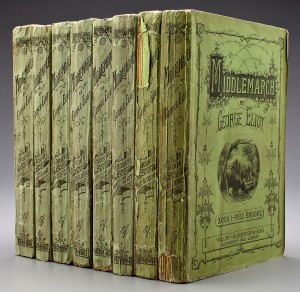
Widzicie, prawda, co dziś rebloguję? No! Dziękuję Pewnej Pannie, za to że mogłam jej wydrukować ten tekst i przy okazji zobaczyć, że jest to tekst z New York Timesa, że napisała go Joyce Carol Oates, bo to tak, jakby artykuł w Polityce napisał nie Dehnel, nie Witkowski i nie Masłowska, tylko, no, Szymborska.
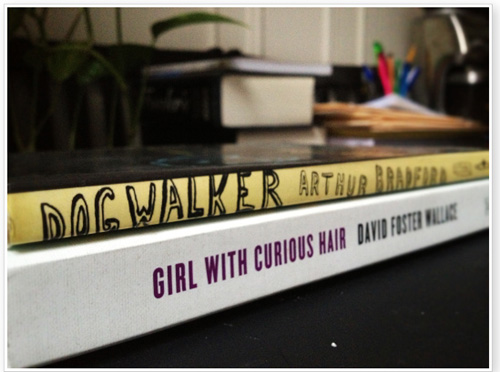
I jeszcze takie cudne zdjęcie.
To tam mieszkam. Za-mieszkam.
Joyce Carol Oates recenzuje książkę o tym jak autorkę Rebekę Mead (Rebecca Mead) zainspirowało czytanie innej autorki, piszącej, co oczywiście wszyscy wiemy, pod męskim pseudonimem:George Eliot. Zaczyna jednak od długiej i zabawnej listy innych książek opisujących czytanie innych książek.
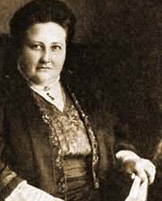
She “makes Middlemarchers of us all”: George Eliot, left, and her admirer Rebecca Mead. Photographs: Left, from London Stereoscopic Company/Getty Images; right, by Elisabeth C. Prochnik
Chodzi o książkę:
MY LIFE IN MIDDLEMARCH
By Rebecca Mead
293 pp. Crown Publishers. $25
zainspirowaną czytaniem książki Eliota Middlemarch:
XXX A oto fragment tekstu Joyce Carol Oates:
… Rebecca Mead’s “My Life in Middlemarch” is a beguilingly straightforward, resolutely orthodox and unshowy account of the writer’s lifelong admiration for George Eliot and for “Middlemarch: A Study of Provincial Life” in particular — the Victorian novel, first published in the early 1870s, that was described by Virginia Woolf as “one of the few English novels written for grown-up people.”
There is no irony or postmodernist posturing in Mead’s forthright, unequivocal and unwavering endorsement of George Eliot as both a great novelist and a role model for bright, ambitious, provincially born girls like herself, eager to escape their intellectually impoverished hometowns — “Oxford was my immediate goal, but anywhere would do.” At the age of 17, when Mead first reads “Middlemarch,” her identification with Eliot’s 19-year-old heroine, Dorothea Brooke, is immediate and unqualified, and it will last for decades. The book’s theme, “a young woman’s desire for a substantial, rewarding, meaningful life,” was “certainly one with which Eliot had been long preoccupied… And it’s a theme that has made many young women, myself included, feel that ‘Middlemarch’ is speaking directly to us. How on earth might one contain one’s intolerable, overpowering, private yearnings? Where is a woman to put her energies? How is she to express her longings? What can she do to exercise her potential and affect the lives of others? What, in the end, is a young woman to do with herself?”
Today such earnest questions are more likely to be found in young adult fiction, but Victorian writers took seriously their duties, as Mead puts it, to “instruct and enlighten.” Eliot’s “inspiring principle,” she adds, was to create work that would “gladden and chasten human hearts.” Nor are these questions likely to have been applicable to Victorian women of the working class: Dorothea Brooke is the daughter of a well-to-do family, and financial concern will not guide her life choices. Instead, not unlike Henry James’s equally idealistic, naïve and well-to-do young heroine, Isabel Archer, in “The Portrait of a Lady,” Dorothea makes a disastrous marriage guided by bourgeois Victorian marital expectations: “The really delightful marriage must be that where your husband was a sort of father, and could teach you even Hebrew, if you wished it.”
27 stycznia zmarł w wieku 94 lat Pete Seeger. W celu upamiętnienia tego wybitnego muzyka proponuję ogłosić na blogu plebiscyt na najlepszy cover Where have all the flowers gone. Przesłuchałem na youtube sporo wersji i zgłaszam następujące kandydatury:
Czuję, że istnieje jakaś piękna wersja hiszpańska, niestety te, które odnalazłem były dość słabe.
Warto wspomnieć jeszcze dwa słowa o powstaniu utworu. Niezawodna Wikipedia donosi, że Seeger zainspirował się kozacką pieśnią przytoczoną w Cichym Donie i połączył ją z tradycyjną rosyjską melodią. Ostateczny kształt angielskiemu tekstowi nadał Joe Hickerson w 1960 roku.
А где ж гуси?
В камыш ушли.
А где ж камыш?
Девки выжали.
А где ж девки?
Девки замуж ушли.
А где ж казаки?
На войну пошли …
Und wo sind die Gänse?
Sie liefen ins Schilf.
Und wo ist das Schilf hin?
Von Mädchen gemäht.
Und wo sind die Mädchen?
Verheiratet längst!
Und wo die Kosaken?
Sind fort in den Krieg!
Where are the geese?
They ran into the reeds.
Where have the reeds gone?
Gathered by the girls
Where are the girls?
They’ve all taken husbands.
Where are the men?
They have gone off to war.
Zwróciłem też uwagę na pewną różnicę w wymowie oryginału i polskiego przekładu. To niuans, ale wydaje mi się, że regularna budowa angielskiego tekstu bardzo mocno eksponuje wizję wojen, które powtarzają się cyklicznie dziesiątkując każde kolejne pokolenie. “Oh, when will they ever learn?” pyta podmiot liryczny, ale kwiaty porosły już mogiły tych, którzy mogli tę naukę wyciągnąć.
Polski przekład nie jest tak jednoznacznie antywojenny. Przeciwnie, można go potraktować jako piosenkę patriotyczną, a w każdym razie martyrologiczną. Szkoda, ale taka jest polska kultura – strasznie zmilitaryzowana. A jaki jest przekład niemiecki? Sądzę, że analiza innych tłumaczeń też okaże się interesująca i liczę na blogobywalców.
Gdzie są kwiaty z tamtych lat? Piękne kwiaty…
Gdzie są kwiaty z tamtych lat? – Czas zatarł ślad…
Gdzie są kwiaty z tamtych lat? Każda z dziewcząt wzięła kwiat…
Kto wie czy było tak… Kto wie czy było tak…
Gdzie dziewczęta z tamtych lat? Jak te kwiaty…
Gdzie dziewczęta z tamtych lat? – Czas zatarł ślad…
Gdzie dziewczęta z tamtych lat? Za chłopcami poszły w świat…
Kto wie czy było tak… Kto wie czy było tak…
Gdzie są chłopcy z tamtych lat? Dzielne chwaty…
Gdzie są chłopcy z tamtych lat? – Czas zatarł ślad…
Gdzie są chłopcy z tamtych lat? Na żołnierski poszli szlak…
Kto wie czy było tak… Kto wie czy było tak…
Gdzie żołnierzy naszych kwiat? Tych sprzed laty
Gdzie żołnierzy naszych kwiat? – Czas zatarł ślad…
Gdzie żołnierzy naszych kwiat? Tam gdzie w polu krzyża znak…
Kto wie czy było tak… Kto wie czy było tak…
Gdzie mogiły z dawnych lat? – Tam gdzie kwiaty…
Gdzie mogiły z dawnych lat? – Czas zatarł ślad…
Gdzie mogiły z dawnych lat? Tam gdzie kwiaty posiał wiatr…
Kto wie czy było tak… Kto wie czy było tak…
Pozdrowienia, Adam Slaski
EMS: Nie ma jakMarlena Dietrich!
Do Czytelników po 13 latach, czyli 10 stycznia 2026 roku: większości tych nagrań nie ma, w każdym razie nie pod tymi linkami, które znalazł autor. Bo jest tak, że mój blog istnieje nieprzerwanie od grudnia 2012 roku (pamiętajmy! co noc jeden wpis! ani jednej nocki przerwy!), a inne blogi, strony i portale dawno zniknęły, tak jak owe kwiaty z dawnych lat.
Urodziła się 9 lutego 1874 roku, równo 140 lat temu. Amy Lowell (1874 – 1925), jedna z najbardziej oryginalnych poetek amerykańskich, pochodziła z tak bogatej rodziny, że w jej rodzinnym mieście Brookline w stanie Massachusetts mieszkańcy mawiali, iż Cabotowie są tak bogaci, że przestają tylko z Lowellami, a Lowellowie – tylko z Bogiem. Była zaprzyjaźniona z Ezrą Poundem, który nazywał ją hippopoetess, poetką-hipopotamem. I rzeczywiście była ogromną ogromną dziwaczką. Sypiała codziennie do 13, w łóżku z 16 poduszkami (ani jednej mniej!), paliła cygara (i to dużo!), miała 7 psów i przyjaciółkę, Adę Dwyer Russell, aktorkę. Współczesne feministki twierdzą, że angażowała się w walkę o prawa kobiet, z kolei jej współcześni głoszą tezę wręcz przeciwną, że mianowicie nie znosiła feminizmu. Jej poezja, głównie wiersz wolny, należy do modernistycznego nurtu zwanego imaginizmem, o którym Pound mawiał, że w jej wydaniu jest to jednak raczej amyginizm.
Argentyński kompozytor Juan María Solare, który od lat mieszka w Niemczech, napisał w latach 2007-08 muzykę na śpiew i perkusję do cyklu wierszy Amy Lowell “Lacquer Prints” /”Obrazki z laki”. Były to wiersze naśladujące bądź interpretujące hokku, japońską poezją XVIII-wieczną, którą dziś znamy lepiej jako haiku, poezję zncznie bardziej niż hokku zdyscyplinowaną, uprawianą jednak dopiero od XIX wieku.
A ponieważ kilka dni temu był chiński, japoński i wietnamski Nowy Rok, rozpoczynający rok Konia, zacytuję tu hokku Amy Lowell na Nowy Rok
z tomu “Pictures of the floating world. Lacquer Prints and Chinoiseries”.
Again the New Year Festival
I have drunk your health
In the red-lacquer wine cups,
But the wind bells on the bronze lanterns
In my garden
Are corroded and fallen.
Wieder das Neujahrfest
Ich trank auf deine Gesudheit
Vom rot lackierten Becher,
Aber die Windglocken in den bronzenen Laternen
In meinem Garten
Sind gerostet und fallen runter.
Übersetzt von Ewa Maria Slaska
Es ist nicht ausgeschloßen, dass Amy Lowell dabei an das traditionelle japanische Glockenspiel dachte, das am Neujahrsvortag in den buddhistischen Tempeln veranstaltet wird, damit man die Sünden des alten Jahres von sich abschüttelt. Wenn also die Glocken runterfallen, wäre es, ganz privat, ein schlechtes Zeichen für das kommende Jahr.
I znowu Nowy Rok
Wypiłem twoje zdrowie
Z polakierowanego na czerwono kielicha,
Ale dzwonki zawieszone w brązowych latarniach
W mym ogrodzie
Zardzewiały i spadły.
Tłumaczyła Ewa Maria Slaska
Niewykluczone, że Amy Lowell nawiązuje tu do japońskiej tradycji uderzania w wigilię Nowego Roku 108 razy w dzwony w świątyniach buddyjskich, co pozwala wiernym zrzucić z siebie stare grzechy. Jeżeli zatem dzwonki zardzewiały i spadły, to jest to być może w mikro wymiarze zły omen.
For Begin of December / Dla godnego uczczenia grudnia
Nevermore by Alice Vegrova
Edgar Allan Poe The Raven
Once upon a midnight dreary, while I pondered, weak and weary,
Over many a quaint and curious volume of forgotten lore,
While I nodded, nearly napping, suddenly there came a tapping,
As of some one gently rapping, rapping at my chamber door.
‘Tis some visitor, I muttered, tapping at my chamber door-
Only this, and nothing more.
Ah, distinctly I remember it was in the bleak December,
And each separate dying ember wrought its ghost upon the floor.
Eagerly I wished the morrow;- vainly I had sought to borrow
From my books surcease of sorrow- sorrow for the lost Lenore-
For the rare and radiant maiden whom the angels name Lenore-
Nameless here for evermore.
And the silken sad uncertain rustling of each purple curtain
Thrilled me- filled me with fantastic terrors never felt before;
So that now, to still the beating of my heart, I stood repeating,
‘Tis some visitor entreating entrance at my chamber door-
Some late visitor entreating entrance at my chamber door;-
This it is, and nothing more.
Presently my soul grew stronger; hesitating then no longer,
Sir, said I, or Madam, truly your forgiveness I implore;
But the fact is I was napping, and so gently you came rapping,
And so faintly you came tapping, tapping at my chamber door,
That I scarce was sure I heard you- here I opened wide the door;-
Darkness there, and nothing more.
Deep into that darkness peering, long I stood there wondering, fearing,
Doubting, dreaming dreams no mortals ever dared to dream before;
But the silence was unbroken, and the stillness gave no token,
And the only word there spoken was the whispered word, Lenore!
This I whispered, and an echo murmured back the word, Lenore!-
Merely this, and nothing more.
Back into the chamber turning, all my soul within me burning,
Soon again I heard a tapping somewhat louder than before.
Surely, said I, surely that is something at my window lattice:
Let me see, then, what thereat is, and this mystery explore-
Let my heart be still a moment and this mystery explore;-
‘Tis the wind and nothing more.
Open here I flung the shutter, when, with many a flirt and flutter,
In there stepped a stately raven of the saintly days of yore;
Not the least obeisance made he; not a minute stopped or stayed he;
But, with mien of lord or lady, perched above my chamber door-
Perched upon a bust of Pallas just above my chamber door-
Perched, and sat, and nothing more.
Then this ebony bird beguiling my sad fancy into smiling,
By the grave and stern decorum of the countenance it wore.
Though thy crest be shorn and shaven, thou, I said, art sure no craven,
Ghastly grim and ancient raven wandering from the Nightly shore-
Tell me what thy lordly name is on the Night’s Plutonian shore!
Quoth the Raven, Nevermore.
Much I marvelled this ungainly fowl to hear discourse so plainly,
Though its answer little meaning- little relevancy bore;
For we cannot help agreeing that no living human being
Ever yet was blest with seeing bird above his chamber door-
Bird or beast upon the sculptured bust above his chamber door,
With such name as Nevermore.
But the raven, sitting lonely on the placid bust, spoke only
That one word, as if his soul in that one word he did outpour.
Nothing further then he uttered- not a feather then he fluttered-
Till I scarcely more than muttered, other friends have flown before-
On the morrow he will leave me, as my hopes have flown before.
Then the bird said, Nevermore.
Startled at the stillness broken by reply so aptly spoken,
Doubtless, said I, what it utters is its only stock and store,
Caught from some unhappy master whom unmerciful Disaster
Followed fast and followed faster till his songs one burden bore-
Till the dirges of his Hope that melancholy burden bore
Of ‘Never- nevermore’.
But the Raven still beguiling all my fancy into smiling,
Straight I wheeled a cushioned seat in front of bird, and bust and door;
Then upon the velvet sinking, I betook myself to linking
Fancy unto fancy, thinking what this ominous bird of yore-
What this grim, ungainly, ghastly, gaunt and ominous bird of yore
Meant in croaking Nevermore.
This I sat engaged in guessing, but no syllable expressing
To the fowl whose fiery eyes now burned into my bosom’s core;
This and more I sat divining, with my head at ease reclining
On the cushion’s velvet lining that the lamplight gloated o’er,
But whose velvet violet lining with the lamplight gloating o’er,
She shall press, ah, nevermore!
Then methought the air grew denser, perfumed from an unseen censer
Swung by Seraphim whose footfalls tinkled on the tufted floor.
Wretch, I cried, thy God hath lent thee- by these angels he hath sent thee
Respite- respite and nepenthe, from thy memories of Lenore!
Quaff, oh quaff this kind nepenthe and forget this lost Lenore!
Quoth the Raven, Nevermore.
Prophet! said I, thing of evil!- prophet still, if bird or devil!-
Whether Tempter sent, or whether tempest tossed thee here ashore,
Desolate yet all undaunted, on this desert land enchanted-
On this home by horror haunted- tell me truly, I implore-
Is there- is there balm in Gilead?- tell me- tell me, I implore!
Quoth the Raven, Nevermore.
Prophet! said I, thing of evil- prophet still, if bird or devil!
By that Heaven that bends above us- by that God we both adore-
Tell this soul with sorrow laden if, within the distant Aidenn,
It shall clasp a sainted maiden whom the angels name Lenore-
Clasp a rare and radiant maiden whom the angels name Lenore.
Quoth the Raven, Nevermore.
Be that word our sign in parting, bird or fiend, I shrieked, upstarting-
Get thee back into the tempest and the Night’s Plutonian shore!
Leave no black plume as a token of that lie thy soul hath spoken!
Leave my loneliness unbroken!- quit the bust above my door!
Take thy beak from out my heart, and take thy form from off my door!
Quoth the Raven, Nevermore.
And the Raven, never flitting, still is sitting, still is sitting
On the pallid bust of Pallas just above my chamber door;
And his eyes have all the seeming of a demon’s that is dreaming,
And the lamplight o’er him streaming throws his shadow on the floor;
And my soul from out that shadow that lies floating on the floor
Shall be lifted- nevermore!
Kruk
tłumaczenie: Zenon Przesmycki
Raz w północnej, głuchej dobie, gdym znużony siedział sobie
Nad księgami dawnej wiedzy, którą wieków pokrył kurz –
Gdym się drzemiąc chylił na nie, usłyszałem niespodzianie
Lekkie, ciche kołatanie, jakby u drzwi moich tuż.
“To gość jakiś – wyszeptałem. – Puka snadź przy drzwiach mych tuż.
Nic innego chyba już”.
Ach – pamiętam, jakby wczoraj – była przykra grudnia pora,
Głownie mrąc to cień rzucały, to blask jakichś krwawych zórz.
Tęsknom czekał, by świat biały błysł, bo księgi nie sprawiały
Ulgi w mej boleści stałej, odkąd znikł mój anioł stróż,
Dziewczę słodkie, które zwie Lenorą anioł stróż…
Tu bez nazwy ona już!
Strach zdejmował mnie nieznany, pełny grozy niezbadanej,
Kiedy u drzwi zaszeleścił purpurowy kotar plusz:
By ukoić serca trwogę, rzekłem sobie: “Pojąć mogę:
To podróżny – zgubił drogę – zbłąkał się wśród śnieżnych wzgórz…
W drzwi me puka, Zabłądziwszy pośród białych śnieżnych wzgórz…
Tak – nikt inny chyba już!”
Więc nabrawszy męstwa wstałem, z ugrzecznieniem mówiąc całem:
“Panie albo pani, błagam, nie obrażaj się ni chmurz,
Bo zasnąłem ze zmęczenia, a twe lekkie uderzenia
W drzwi mojego tu schronienia nie zbudziły mnie. Więc cóż
W tym dziwnego, żem nie słyszał?” Tu otwarłem drzwi – i cóż?
Ciemność w krąg – nic więcej już.
Patrząc w mrok ten na wsze strony, stałem trwożny i zdumiony,
Rojąc mary, jakich dotąd głąb nie znała ludzkich dusz.
Lecz milczenie głuche trwało, ciszy nic nie przerywało,
Tylko lekki szept nieśmiało drgnął: – “Lenora?” – gdzieś tuż, tuż.
Tom ja szepnął – i: “Lenora!” – wyszeptało echo tuż.
Tylko to, nic więcej już.
Powróciwszy do pokoju, w niesłychanym już rozstroju,
Posłyszałem znów stukanie, jakby gdzieś przy ścianie wzdłuż.
“Pewnie – rzekłem – coś kołacze w okno: wiatry snadź tułacze?
Zaraz, co to jest, zobaczę, nie bij, serce, ni się trwóż –
Wnet wyjaśnię tę zagadkę, serce, nie bój się ni trwóż.
Tak, to wiatr – nic więcej już!”
Otworzyłem okno zatem… Szumiąc skrzydły, z majestatem,
Wzleciał ciężko Kruk wspaniały, jakby czarny piekieł stróż.
Nie pozdrowił mnie ukłonem, okiem powiódł w krąg zamglonym
I siadł z pańskim jakimś tonem pośród dwóch kamiennych kruż –
Na Pallady biuście przy drzwiach, pośród dwóch kamiennych kruż.
Usiadł tam – nic więcej już.
Ptak ten sprawił, że przy całym rozsmętnieniu mym musiałem
Rozśmiać się z poważnej nader jego miny: “Tyś nie tchórz,
Widzę, stary, chmurny ptaku, co – choć piór już ani znaku
Na swym czubie – szukasz szlaku wśród posępnych nocy mórz?
Mów, jak zwą cię na plutonskim brzegu czarnych nocy mórz?”
Kruk rzekł na to: “Nigdy już!”
Zadziwiłem się nie lada, że ptak tak wyraźnie gada,
Choć żem jego odpowiedzi nie mógł pojąć ani rusz,
Boć to przyzna nawet dziecię, że nikt z ludzi dotąd w świecie
Nie oglądał chyba przecież ptaka przy drzwiach izby tuż.
Ptaka, co by przed nim usiadł na popiersiu przy drzwiach tuż.
Z takim mianem: “Nigdy już”.
Ale Kruk ten z łysą głową wyrzekł jedno tylko słowo,
Jak ci, którzy w jeden wyraz całą głąb wlewają dusz.
Potem milczał znów nieśmiele, Pióro mu nie drgnęło w ciele,
Aż gdym szepnął: “Przyjaciele opuścili mnie wśród burz.
I on też za dniem mnie rzuci, jak Nadzieje pośród burz”.
Ptak mi odrzekł: “Nigdy już!”
Zadziwiony niewymownie odpowiedzią tak stosownie
Wyrzeczoną: “Widać – rzekłem – umie tylko to. A nuż
Dar to pana, co w niewoli poznał tylko to, co boli,
I swe pieśni jął powoli echa kłaść przeżytych burz,
Aż pieśń każda w smętnej zwrotce brzmiała niby echo burz:
“Nigdy, nigdy, nigdy już!”
Lecz że w rozsmętnieniu całym wciąż się z Kruka śmiać musiałem,
Przysunąłem miękki fotel na wprost ptaka, do drzwi tuż,
I usiadłszy nań co żywo, jąłem myśli snuć przędziwo,
Co te stare, chmurne dziwo, czarne jakby piekieł stróż –
Co ten ptak złowróżbny, groźny, czarny jakby piekieł stróż –
Mniemał, kracząc: “Nigdy już!”
Myśląc, czego to oznaka, nie mówiłem ni do ptaka,
Który swe płonące oczy w serce wbijał mi jak nóż.
Tak siedziałem, wsparłszy głowę o poduszki fioletowe,
A blask lampy światło płowe lał na ich matowy plusz.
Ach, niestety, Ona o ten fioletowy, miękki plusz
Skroni swej nie oprze już!
Wtem powietrze się zamgliło, jakby wkoło się dymiło
Sto anielskich trybularzy, tchnących słodką wonią róż.
“Bóg na bóle, co trapiły serce, lek ci zsyła miły –
Zawołałem – zbierz swe siły i wspomnienia ciężkie zgłusz,
Wdychaj lek ten i wspomnienia o Lenory stracie zgłusz!”
Kruk zakrakał: “Nigdy już!”
“Zły wróżbiarzu – rzekłem – ptaku czy czarciego sługo znaku!
Czy cię szatan przysłał tutaj, czy pęd wściekły zagnał burz
Na brzeg smutku i boleści, gdzie żal tylko pustka mieści,
Gdzie noc każda zgrozę wieści – powiedz, błagam, wzrusz się, wzrusz!
Jestże, jestże balsam w Gilead? – powiedz, powiedz, wzrusz się, wzrusz!”
Rzekł Kruk na to: “Nigdy już!”
“Zły wróżbiarzu – rzekłem – ptaku czy czarciego sługo znaku!
Na to niebo, co nad nami, i na Pana ziemi, mórz
Powiedz duszy mej zbolałej, czy w Edenie szczęścia chwały
Znajdzie dziewczę, które biały zwie Lenorą anioł-stróż,
Dziewczę święte, słodkie, które zwie Lenorą anioł-stróż?”
Kruk mi odrzekł: “Nigdy już!”
“Niech to będzie pożegnanie – krzyknę – ptaku czy szatanie!
Precz na burzę, na plutońskie brzegi czarnych nocy mórz!
Niech mi żadne czarne pióro nie przypomni, jak ponuro
Mroczysz wszystko kłamstwa chmurą! Ruszże się z popiersia, rusz!
Wyjmij dziób z mojego serca – i rusz się z nade drzwi, rusz!
Kruk mi odrzekł: “Nigdy już!”
I kruk wcale nie odlata, jakby myślał siedzieć lata
Na Pallady biuście przy drzwiach, pośród dwóch kamiennych kruż,
Krwawo lśni mu wzrok ponury, jak u diabła spod rzęs chmury
Światło lampy rzuca z góry jego cień na pokój wzdłuż,
A ma dusza z tego cienia, co komnatę zaległ wzdłuż,
Nie powstanie – Nigdy już!”
Der Rabe Übersetzung: Carl Theodor Eben
Mitternacht umgab mich schaurig, als ich einsam, trüb und traurig,
Sinnend saß und las von mancher längstverklung’nen Mähr’ und Lehr’ –
Als ich schon mit matten Blicken im Begriff, in Schlaf zu nicken,
Hörte plötzlich ich ein Ticken an die Zimmerthüre her;
„Ein Besuch wohl noch,“ so dacht’ ich, „den der Zufall führet her –
Ein Besuch und sonst Nichts mehr.“
Wohl hab’ ich’s im Sinn behalten, im Dezember war’s, im kalten,
Und gespenstige Gestalten warf des Feuers Schein umher.
Sehnlich wünscht’ ich mir den Morgen, keine Lind’rung war zu borgen
Aus den Büchern für die Sorgen – für die Sorgen tief und schwer
Um die Sel’ge, die Lenoren nennt der Engel heilig Heer –
Hier, ach, nennt sie Niemand mehr!
Jedes Rauschen der Gardinen, die mir wie Gespenster schienen,
Füllte nun mein Herz mit Schrecken – Schrecken nie gefühlt vorher;
Wie es bebte, wie es zagte, bis ich endlich wieder sagte:
„Ein Besuch wohl, der es wagte, in der Nacht zu kommen her –
Ein Besuch, der spät es wagte, in der Nacht zu kommen her;
Dies allein und sonst Nichts mehr.“
Und ermannt nach diesen Worten öffnete ich stracks die Pforten:
„Dame oder Herr,“ so sprach ich, „bitte um Verzeihung sehr!
Doch ich war mit matten Blicken im Begriff, in Schlaf zu nicken,
Und so leis scholl Euer Ticken an die Zimmerthüre her,
Daß ich kaum es recht vernommen; doch nun seid willkommen sehr!“ –
Dunkel da und sonst Nichts mehr.
Düster in das Dunkel schauend stand ich lange starr und grauend,
Träume träumend, die hienieden nie ein Mensch geträumt vorher;
Zweifel schwarz den Sinn bethörte, Nichts die Stille draußen störte,
Nur das eine Wort man hörte, nur „Lenore?“ klang es her;
Selber haucht’ ich’s, und „Lenore!“ trug das Echo trauernd her –
Einzig dies und sonst Nichts mehr.
Als ich nun mit tiefem Bangen wieder in’s Gemach gegangen,
Hört’ ich bald ein neues Pochen, etwas lauter als vorher.
„Sicher,“ sprach ich da mit Beben, „an das Fenster pocht’ es eben,
Nun wohlan, so laß mich streben, daß ich mir das Ding erklär’ –
Still, mein Herz, daß ich mit Ruhe dies Geheimniß mir erklär’
Wohl der Wind und sonst Nichts mehr.“
Riß das Fenster auf jetzunder, und herein stolzirt’ – o Wunder!
Ein gewalt’ger, hochbejahrter Rabe schwirrend zu mir her;
Flog mit mächt’gen Flügelstreichen, ohne Gruß und Dankeszeichen,
Stolz und stattlich sonder Gleichen, nach der Thüre hoch und hehr –
Flog nach einer Pallasbüste ob der Thüre hoch und hehr –
Setzte sich und sonst Nichts mehr.
Und trotz meiner Trauer brachte er dahin mich, daß ich lachte,
So gesetzt und gravitätisch herrscht’ auf meiner Büste er.
„Ob auch alt und nah dem Grabe,“ sprach ich, „bist kein feiger Knabe,
Grimmer, glattgeschor’ner Rabe, der Du kamst vom Schattenheer –
Sprich, welch’ stolzen Namen führst Du in der Nacht pluton’schem Heer?“
Sprach der Rabe: „Nimmermehr.“
Ganz erstaunt war ich, zu hören dies Geschöpf mich so belehren,
Schien auch wenig Sinn zu liegen in dem Wort bedeutungsleer;
Denn wohl Keiner könnte sagen, daß ihm je in seinen Tagen
Sonder Zier und sonder Zügen so ein Thier erschienen wär’,
Das auf seiner Marmorbüste ob der Thür gesessen wär’
Mit dem Namen „Nimmermehr.“
Dieses Wort nur sprach der Rabe dumpf und hohl, wie aus dem Grabe,
Als ob seine ganze Seele in dem einen Worte wär’.
Weiter Nichts ward dann gesprochen, nur mein Herz noch hört’ ich pochen,
Bis das Schweigen ich gebrochen: „Andre Freunde floh’n seither –
Morgen wird auch er mich fliehen, wie die Hoffnung floh seither.“
Sprach der Rabe: „Nimmermehr!“
Immer höher stieg mein Staunen bei des Raben dunklem Raunen,
Doch ich dachte: „Ohne Zweifel weiß er dies und sonst Nichts mehr;
Hat’s von seinem armen Meister, dem des Unglücks finstre Geister
Drohten dreist und drohten dreister, bis er trüb und trauerschwer –
Bis ihm schwand der Hoffnung Schimmer, und er fortan seufzte schwer:
„O nimmer – nimmermehr!“
Trotz der Trauer wieder brachte er dahin mich, daß ich lachte;
Einen Armstuhl endlich rollte ich zu Thür und Vogel her.
In den sammt’nen Kissen liegend, in die Hand die Wange schmiegend,
Sann ich, hin und her mich wiegend, was des Wortes Deutung wär’ –
Was der grimme, finst’re Vogel aus dem nächt’gen Schattenheer
Wollt’ mit seinem „Nimmermehr.“
Dieses saß ich still ermessend, doch des Vogels nicht vergessend,
Dessen Feueraugen jetzo mir das Herz beklemmten sehr;
Und mit schmerzlichen Gefühlen ließ mein Haupt ich lange wühlen
In den veilchenfarb’nen Pfühlen, überstrahlt vom Lichte hehr –
Ach, in diesen sammtnen Pfühlen, überstrahlt vom Lichte hehr –
Ruhet sie jetzt nimmermehr!
Und ich wähnte, durch die Lüfte wallten süße Weihrauchdüfte,
Ausgestreut durch unsichtbare Seraphshände um mich her.
„Lethe“, rief ich, „süße Spende schickt Dir Gott durch Engelshände,
Daß sich von Lenoren wende Deine Trauer tief und schwer!
Nimm, o nimm die süße Spende und vergiß der Trauer schwer!“
Sprach der Rabe: „Nimmermehr!“
„Gramprophet!“ rief ich voll Zweifel, „ob Du Vogel oder Teufel!
Ob die Hölle Dich mir sandte, ob der Sturm Dich wehte her!
Du, der von des Orkus Strande – Du, der von dem Schreckenlande
Sich zu mir, dem Trüben, wandte – künde mir mein heiß Begehr:
Find’ ich Balsam noch in Gilead! ist noch Trost im Gnadenmeer?“
Sprach der Rabe: „Nimmermehr!“
„Gramprophet!“ rief ich voll Zweifel, „ob Du Vogel oder Teufel!
Bei dem ew’gen Himmel droben, bei dem Gott, den ich verehr’ –
Künde mir, ob ich Lenoren, die hienieden ich verloren,
Wieder find’ an Edens Thoren – sie, die throhnt im Engelsheer –
Jene Sel’ge, die Lenoren nennt der Engel heilig Heer!“
Sprach der Rabe: „Nimmermehr!“
„Sei dies Wort das Trennungszeichen! Vogel, Dämon, Du mußt weichen!
Fleuch zurück zum Sturmesgrauen, oder zum pluton’schen Heer!
Keine Feder laß zurücke mir als Zeichen Deiner Tücke;
Laß allein mich dem Geschicke – wage nie Dich wieder her!
Fort und laß mein Herz in Frieden, das gepeinigt Du so sehr!“
Sprach der Rabe: „Nimmermehr!“
Und der Rabe weichet nimmer – sitzt noch immer, sitzt noch immer
Auf der blassen Pallasbüste ob der Thüre hoch und hehr;
Sitzt mit geisterhaftem Munkeln, seine Feueraugen funkeln
Gar dämonisch aus dem dunkeln, düstern Schatten um ihn her;
Und mein Geist wird aus dem Schatten, den er breitet um mich her,
Sich erheben – nimmermehr!
Dziś w nocy obchodzimy 75 rocznicę pogromu ludności żydowskiej zwanego Nocą Kryształową. Dlatego publikuję tu słynną piosenkę Donna Donna, o cielaczku, który nie mógł być jaskółką. Każdy z nas to znał i śpiewał na rajdach lub przy ognisku. Ale czy każdy wiedział – bo ja nie wiedziałam – że podobnie jak Dance me to the end of love, również i ta piosenka była lamentem na śmierć milionów ofiar Shoah? Cielaczek, który nie ma skrzydeł i nie może cieszyć się wolnością jak jaskółka, to symbol żydowskiego losu. Piosenka powstała w czasie wojny, śpiewana była w musicalu Esterka, jej autorem był Aaron Zeitlin, muzykę skomponował Shalom Secunda. Donna Donna to inwokacja do Boga.
Adonai Adonai! Donna Donna! Panie!
Donna Donna (דאָנאַ דאָנאַ „Dana Dana“, דאָס קעלבל „Dos Kelbl“ oder „Dona Dona“) ist ein in weiten Teilen der Erde bekanntes Lied. Es handelt von einem Kälbchen, das sich nicht dagegen wehren kann, zur Schlachtbank geführt zu werden. Es ist abhängig wie ein Arbeitnehmer oder Knecht. Die Schwalbe hingegen bestimmt ihr Schicksal selbst, symbolisiert Eigenständigkeit und Selbstverantwortung. Sie ist die Freiheit. Das Lied ist entstanden in der Zeit des Dritten Reichs und reflektiert die Situation der Juden. Es wurde für das Musical Esterke (1940–1941) von den jüdischen Künstlern Aaron Zeitlin (Text) und Shalom Secunda (Musik) geschrieben. “Donna Donna” – auf hebräisch Donaj, Donaj – bedeutet Adonai, Gott.
Ich publiziere es heute am 75. Jahrestag der Kristallnacht.
Yiddish (transcription)
Dos Kelbl
Oyfn furl ligt dos kelbl
Ligt gebundn mit a shtrik
Hoykh in himl flit dos shvelbl
Freydt zikh, dreyt zikh hin un krik.
Chorus
Lakht der vint in korn
Lakh un lakht un lakht
Lakht er op a tog a gantsn
mit a halber nakht.
Hey Dona, dona, dona…
Shrayt dos kelbl, zogt der poyer
“Ver zhe heyst dikh zayn a kalb?
Volst gekert tsu zayn a foygl
Volst gekert tsu zayn a shvalb?”
Chorus
Lakht der vint in korn…
Bidne kelber tut men bindn
Un men shlept zey un men shekht
ver s’hot fligl, flit aroyf tzu
iz bay keynem nit keyn knekht
Chorus
Lakht der vint in korn…
Hebrew (transcription)
Egel rakh kashour bekhevel
al ha’agala moutal
velamala bashamayim
efroni mamri el al.
Rou’akh stav tzokhek lo
tzokhek ou mit’holel
tzokhek ou tzokhek miboker or
ve’ad khatzi halel.
Dona, Dona, Dona, Dona,
Dona, Dona, Dona, Don.
Dona, Dona, Dona, Dona,
Dona, Dona, Dona, Don.
Lama ze tige’e?
omer ikar la egel hamoutal
lou tzamakhta shte knafayim
vehimreta gam ata.
Rou’akh stav tzokhek lo
tzokhek ou mit’holel
tzokhek ou tzokhek miboker or
ve’ad khatzi halel.
Dona, Dona, Dona, Dona,
Dona, Dona, Dona, Don.
Dona, Dona, Dona, Dona,
Dona, Dona, Dona, Don.
Agalim bli da’at lama
el atevakh holkhim tamid
ve’asher libam lakhofesh
mamrim ke’efroni.
Rou’akh stav tzokhek lo
tzokhek ou mit’holel
tzokhek ou tzokhek miboker or
ve’ad khatzi halel.
Dona, Dona, Dona, Dona,
Dona, Dona, Dona, Don.
Dona, Dona, Dona, Dona,
Dona, Dona, Dona, Don.
Italo Calvino on Writing: Insights from 40+ Years of His Letters
“To write well about the elegant world you have to know it and experience it to the depths of your being… what matters is not whether you love it or hate it, but only to be quite clear about your position regarding it.”
Walter Benjamin: The Writer’s Technique in Thirteen Theses
“The more circumspectly you delay writing down an idea, the more maturely developed it will be on surrendering itself.”
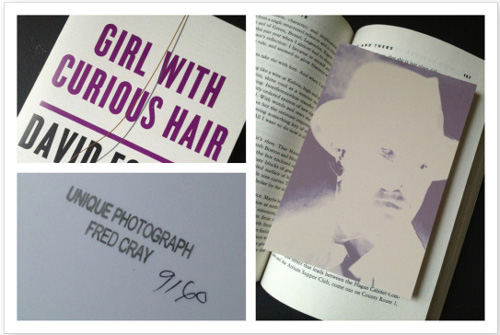
I wrote already here about founded books and even book sides, some month ago I wrote about founded photographs, but I suppose, I did not write yet about special objects founded in books. Sometimes I found or buy books with dedications for or from somebody I knew. Curious feeling. Maybe painful, when you see those dedicated books given to the book charity. But Alyx which posted the following story in Sunnyside Tuxedo founded something totally different. See it yourself.
But you will not find anything looking for that particular item of Alix’s blog Sunnyside Tuxedo. It vanished. Blogs vanished. Posts vanished. Links lost their linking. It happens.
I forget, what happend with that foto Alix found in her book. I can delete that post or I can try to find for you what was lost in blogging.
It was not so difficult at all. I found an answer just by 1st try.
In her book, probably found or bought at the bookinist, Alix found foto of Fred Cray, an Unique Photograph, who is hidding fotos all over New York since more than 15 years.
HERE you can read the whole unique story about Fred :-): Fred Cray
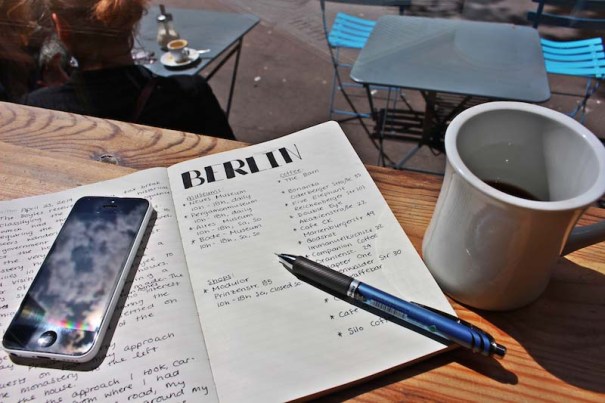
Meanwhile Alix, which was previously living in NY, moved to Paris, and one year later came back to NY. She also visited Berlin in May 2014:
As I mentioned on Sunday, I’m heading to Berlin this weekend for a quick visit. I’ve never been to Berlin before, so I’ve been consulting my friends, speed-reading travel guides in bookstores, and of course browsing Berlin’s corner of the internet. During the course of my research, I’ve stumbled across some fantastic Berlin-based blogs that I wanted to share with all of you. Some of them are literally about the things to do, see, and eat in Berlin, but some are just lovely blogs that capture that Berlin je ne sais quoi. So whether you are planning a trip to Germany’s trendiest city or not, these links are worth a click. Bonus: they are all written in English.
Stil in Berlin is run primarily by Mary Sherpe, a contributing writer and photographer for Vogue Germany, and has a little bit of everything. Shopping, eating, and sightseeing guides (I found this blog while searching for Berlin coffee spots), art reviews, street fashion, and more. The photography and design is beautiful and it’s been the perfect starting point for my research. If you’re heading to Berlin, I recommend checking out the many guides on the website. Even if you aren’t, a quick browse through this blog (although it won’t be quick — I get sucked in and read page after page) will give you a lovely glimpse of the city.
I was immediately drawn to Berlin Reified‘s title — who wouldn’t be? It’s creator is Sylee Gore, who was born in Mumbai and grew up in the United States before moving to Berlin in 2000. The blog is a perfect mix of Berlin recommendations and beautiful lifestyle photos. Each post reads like a mini personal essay that includes a bit of Sylee’s life and an interesting Berlin spot or two. This blog makes for a wonderful read no matter where you are.
Überlin‘s creators, Zoë and James, packed up their London life several years ago and moved to Berlin (Randomly picking up and moving to another country? Sounds like something I’d do…), where they now maintain a gorgeous blog. Überlin also has a little bit of everything for all kinds of readers. Some posts are Berlin-specific, like their food and drink section or their recommendations for things to do around the city. Other posts will appeal to everyone, like “Music Mondays” and their thoughts on living an expat life. And with archives going back to 2010, it’s easy to spend an afternoon reading post after post.
I can feel a Best Wishes from Berlinaddiction coming on. Jessica Jungbauer started Best Wishes in 2010 to document the lives of creative people living in Berlin. It’s now a magazine as well and there are Best Wishes from Amsterdam, Oslo, London, San Francisco, Melbourne, and Minneapolis. The short profiles on the website include recommendations for places to go and things to see in Berlin, but it’s also fascinating to learn about all these creative people and the projects on which they are currently working. Some of the subjects are expats living in Berlin and I love discovering which expat experiences we have in common and which are specific to Paris/Berlin.
Unlike Berlin City Guideis definitely oriented towards people living in or visiting Berlin, as it has comprehensive coverage of restaurants, bars, shops, art galleries, hotels, and other adventures (Unlike covers a host of other cities all over the world as well). It’s a bit overwhelming if you are like me and don’t know the city at all, but the great photographs and seemingly endless supply of information make it a great trip-planning resource. In fact, this website alone makes me wish I were going for much longer!
I hope this was interesting for you, even if Germany isn’t on your horizon. The first four of these websites have permanent spots in my RSS reader (Unlike Berlin is safely stowed in my “Berlin” Evernote folder in case I ever go back and need more tour guide-like information again). I’m even more excited for my Berlin getaway after scrolling through these blogs. Do you have any Berlin recommendations (online or in real life)?
Berlin. Ta piosenka pochodzi z albumu Berlin, który Lou Reed nagrał w 1973 roku, kiedy był młody i dziki. Byłam na jego koncercie w Tempodromie w czerwcu 2007 roku, kiedy prezentował tę płytę w 34 lata po jej nagraniu. Koncert był wypracowany do ostatniego szczegółu, nawet śmiesznego i żenującego zarazem, bo na końcu muzyk odtworzył jedną piosenkę ubrany w paczkę czyli tutu baletowej baleriny. Z koncertu najlepiej zapamiętałam chór dzieci w białych strojach. Zapamiętałam, bo sama myśl przyprawiała o ból. Przez dwie godziny dziewczynki i chłopcy stali zupełnie nieruchomo, niekiedy oblani jasnym światłem, niekiedy skryci w ciemności. Prawdziwe dzieci zamienione w nic nie czujące manekiny lub może raczej roboty, bo jednak od czasu do czasu śpiewały. Przypomniało mi to scenę z jakiegoś polskiego filmu o obozach koncentracyjnych. W nocy wygoniono kobiety na apel i kazano im stać. Nikt im nic nie zrobił, po prostu stały i była to straszna tortura.
Niech mi Lou Reed wybaczy, że zamiast odczuwać radość, że mogłam wziąć udział w koncercie na żywo, pamiętam o tych dzieciach…
To ponure wspomnienie, ale płyta też była ponura, mówiła o prostytucji, narkotykach, nieszczęściu, o dziewczynie, której urzędy odebrały dzieci… W latach 70 świat wciąż jeszcze tak widział Berlin. Reed nie był zresztą w Berlinie przed nagraniem tego albumu. Znał to miasto z opowieści Isherwooda, z obrazów Dixa, z Opery za trzy grosze. Berlin to nie była gombrowiczowska błyskotka (ostatnia) Zachodniej Europy, Berlin to było Jajo węża. Też znałam takie oblicze mojego miasta. Ostatni raz spotkałam dziewczynę, Murzynkę, której urzędy odebrały dziecko kilka lat temu. Skrzyczała synka na balkonie, sąsiedzi zadzwonili po służbę porządkową. Może zatem to tylko pozory, że Berlin się zmienia, że jest biedny, ale seksowny, bo chyba nie jest, albo już z powrotem nie jest, teraz jest miastem dla bogaczy, którym wolno z nami robić, co chcą, na przykład dać nam pracę za 1,5 euro na godzinę, odebrać nam dzieci lub ustawić nas na scenie, żebyśmy stali.
Nie znalazłam tłumaczenia piosenki Berlin na niemiecki ani polski, ale za to znalazłam wersję francuską. Polską przygotowałam sama. O niemiecką poprosiłam Dorotę Cygan.
Berlin
In Berlin, by the wall
you were five foot ten inches tall
It was very nice
candlelight and Dubonnet on ice
We were in a small cafe
you could hear the guitars play
It was very nice
it was paradise
You’re right and I’m wrong
hey babe, I’m gonna miss you now that you’re gone
One sweet day
Oh, you’re right and I’m wrong
you know I’m gonna miss you now that you’re gone
One sweet day
One sweet day
In a small, small cafe
we could hear the guitars play
It was very nice
candlelight and Dubonnet on ice
Don’t forget, hire a vet
he hasn’t had that much fun yet
It was very nice
hey honey, it was paradise
You’re right and I’m wrong
oh babe, I’m gonna miss you now that you’re gone
One sweet day
You’re right, oh, and I’m wrong
you know I’m gonna miss you now that you’re gone
One sweet day
One sweet day
One sweet day, one sweet day
oh, one sweet day
One sweet day, baby-baby, one sweet day
one sweet day, one sweet day
*** Berlin
À Berlin, près du Mur
Tu faisais 5 pieds et 10 pouces de haut
C’était très bien
La lumière des chandelles et le Dubonnet avec des glaçons
Nous étions dans un petit café
On pouvait entendre les guitares jouer
C’était très bien
C’était le paradis
Tu as raison et j’ai tort
Hé chérie, tu vas me manquer maintenant que tu es partie
Un beau jour
Oh, tu as raison et j’ai tort
Tu sais que tu vas me manquer maintenant que tu es partie
Un beau jour
Un beau jour
Dans un petit, petit café
Nous pouvions entendre les guitares jouer
C’était très bien
La lumière des chandelle et le Dubonnet avec des glaçons
N’oublie pas, engage un vétéran
Il n’a pas vraiment eu de plaisir jusqu’à maintenant
C’était très bien
Hé, mon chou, c’était le paradis
Tu as raison et j’ai tort
Oh chérie, tu vas me manquer maintenant tu es partie
Un beau jour
Tu as raison, oh, et j’ai tort
Tu sais que tu vas me manquer maintenant que tu es partie
Un beau jour
Un beau jour
Un beau jour, un beau jour
Oh, un beau jour
Un beau jour, bébé-bébé, un beau jour
Un beau jour, un beau jour
*** Berlin
W Berlinie w cieniu muru
byłaś wysoka – metr siedemdziesiąt pięć
Tak było miło
światło świec i dubonnet na lodzie
Byliśmy w kawiarence
mogłaś posłuchać dźwięków gitary
jak w raju
Masz rację a ja jej nie mam
hej baby odeszłaś, a ja zaczynam tęsknić
słodki dzień
Masz rację a ja jej nie mam
hej baby odeszłaś a ja zaczynam tęsknić
słodki dzień
słodki dzień
W małej małej kawiarence
mogliśmy posłuchać dźwięków gitary
tak było miło
światło świec i dubonnet na lodzie
Wynajmij weterana
żeby mu było wesoło
tak było miło
ach kochanie, było jak w raju
Masz rację a ja jej nie mam
hej baby odeszłaś a ja zaczynam tęsknić
słodki dzień
Masz rację a ja jej nie mam
wiesz, zaczynam tęsknić gdy odeszłaś
słodki dzień
słodki dzień
Słodki dzień słodki dzień
och jaki słodki dzień
Słodki dzień, baby baby, słodki dzień
słodki dzień, słodki dzień
tłumaczyła Ewa Maria Slaska
***
Berlin
In Berlin, an der Mauer
Du warst eins fünfunsiebzig groß
Es war so nett
Kerzenschein und Dubonnet on ice
Im kleinen Cafe
Gitarrenklänge
es war so nett
ein Paradies
Du liegst richtig und ich falsch, hey babe
jetzt wo du weg bist, vermiss ich dich
so ein reizender Tag
Du liegst richtig und ich falsch, hey babe
jetzt wo du weg bist, vermisse ich dich
ein reizender Tag
Im kleinen Cafe
Gitarrenklänge
es war so nett
Kerzenschein und Dubonnet on ice
Vergiss nicht einen Veteran anzuheuern
der hatte noch nicht so viel Spaß
es war super nett
Hey Süße, es war ein Paradies
Du liegst richtig und ich falsch
Ein reizender Tag
Du hast recht, ich irre mich
Ein reizender Tag
Ein reizender Tag
Ein reizender Tag, ein reizender Tag
oh, ein reizender Tag
reizender Tag, baby baby, reizender Tag
reizender Tag, reizender Tag
Opowiadała mi o niej nasza Mama – Irena Kuran-Bogucka – w czasach, kiedy nie było internetu, ani nawet nieskomplikowanego dostępu do książek i prasy na świecie. Nie znałam więc ani jednego jej wiersza, ale wiedziałam, że była argentyńską poetką i piękną kobietą, która popełniła samobójstwo, gdy zaczęła się starzeć i wiedziała, że już nie będzie obiektem miłości. Urodziła się w roku 1892 w Szwajcarii, zabiła się 25 października 1938 roku w Mar de la Plata. Miała 46 lat. Mama przetłumaczyła jej wiersze, kiedy ja już wyjechałam z Polski i nigdy mi nie pokazała tych tłumaczeń. Nawet nie wiedziałam, że były. Minęły dwie dekady – Mama w międzyczasie umarła – zanim po raz pierwszy przeczytałam wiersze Alfonsiny. Dowiedziałam się też, że w roku 1935 zachorowała na raka piersi, być może jest więc możliwa inna interpretacja jej samobójstwa niż ta, jaką podała mi Mama. Nie wiem. Tak jak nie wiadomo, czy poetka skoczyła do morza z wysokiego falochronu czy też weszła powoli coraz głębiej i głębiej zanurzając się w wodach oceanu.
Na zdjęciu pomnik Luisa Perlotti w Mar del Plata, upamiętniający samobójstwo Alfonsiny. Podobno zawsze leżą tam kwiaty. 22 października 1938 roku poetka napisała w pensjonacie w Mar del Plata wiersz „Voy a dormir“ (“Idę spać”). Zaniosła go na pocztę i wysłała do redakcji gazety La Nación, gdzie został opublikowany w dwa dni po jej samobójczej śmierci.
W tym sonecie w ostatniej zwrotce Alfonsina napisała: pozwól mi zasnąć w spokoju i proszę… jeśli on znów zadzwoni, powiedzcie mu, żeby nie nalegał, wyszłam…
Czyta Omar Cerasuolo
Alfonsina Storni, Voy a dormir
Dientes de flores, cofia de rocío,
manos de hierbas, tú, nodriza fina,
tenme prestas las sábanas terrosas
y el edredón de musgos escardados.
Voy a dormir, nodriza mía, acuéstame.
Ponme una lámpara a la cabecera,
una constelación, la que te guste,
todas son buenas, bájala un poquito.
Déjame sola: oyes romper los brotes.
Te acuna un pie celeste desde arriba
y un pájaro te traza unos compases
para que olvides. Gracias… Ah, un encargo:
si él llama nuevamente por teléfono
le dices que no insista, que he salido.
Wracam do ostatniego wiersza Alfonsiny. Znalazłam tłumaczenia na angielski i niemiecki.
I’m going to sleep
Teeth of petals, bonnet of dew,
handfuls of herbs, oh sweet nursemaid,
turn the earthly sheets down for me
and prepare my quilt of carded moss.
I’m going to sleep, my nursemaid—lay me down;
put a lamp on the nightstand for me,
or a constellation, whichever you like—
both are fine; turn the lights down a bit.
Now leave me alone and hear the buds break …
as you’re rocked by a heavenly foot from above,
and a bird zigzags you a path
so that you can forget … Thank you. Oh, a favor:
if he calls again
tell him not to insist, for I have gone away…
du mit den blumenzähnen, mit dem häubchen aus tau und händen aus kräutern, du zärtliche amme, bereite mir das erdige, kühle leintuch und das federbett aus zerpflücktem moos.
bald geh ich schlafen, meine amme, bette mich gut stell mir ein lämpchen ans kopfende, ein sternbild, irgendeins, das dir gefällt. sie leuchten ja alle. und neig es mir ein wenig zu.
lass mich allein: ich hör das aufbrechen der knospen, ein fuss des himmels wiegt mich leise, und ein vogel trillert mir ein paar takte,
damit ich vergesse… danke… ach, ein auftrag noch: falls er anruft, sag ihm, sein drängen sei umsonst, ich sei verreist..
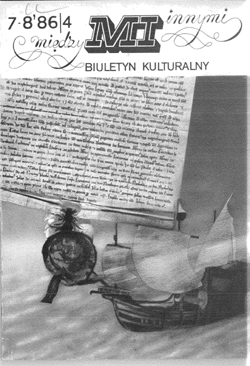
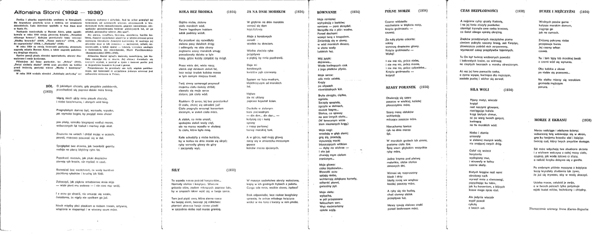
*** Niestety Mama nie przetłumaczyła tego ostatniego wiersza. Dowiedziałam się tego tworząc ten wpis. Znalazłam informacje, że te tłumaczenia ukazały się w Biuletynie Kulturalnym Między Innymi (w numerze 7/8 z 1986 roku), wydawanym przez Szczecińskie Towarzystwo Kultury, a ja otrzymałam ich skany dzięki nadzwyczajnej wręcz uprzejmości pracowników Czytelni Pomorzoznawczej Książnicy Pomorskiej w Szczecinie – www.ksiaznica.szczecin.pl.
Przepisuję tu więc inny jej wiersz, też z roku 1938, potwierdzający to, co mówiła Mama, opowiadając mi o tragedii kobiety, która przestała być atrakcyjna dla mężczyzn.
Czas bezpłodności (1938)
A najpierw cyfry ujarzały Kobietę,
i na jej łonie złożyły puzderko:
stamtąd trysnęła owa rzeka krwawa,
co świat obiega spiralą okrężną.
Znaków przedziwnych nieczytelne pismo
cieniem pokryło rzeczny brzeg, a Księżyc,
złowieszczo pośród nich zarysowany,
wyznaczał czasy przypływów tajemnych.
To on był twórcą wezbranych powodzi
i lodowatych losów, co widnieją
na ciepłych twarzach o wzroku strwożonym.
Aż raz jej łono porzuciła rzeka.
a żyzna wyspa, kwitnąca dla mężczyzn,
została pusta; i wicher się zerwał.
I suppose 2013 is a battle year. We already had here the battle of Vienna and the battle of Leipzig, now – the battle of Trafalgar (1805 – again Napoleon!) remembered by children inKenneth Grahame“Dream Days”.
THE TWENTY-FIRST OF OCTOBER
(…) At the time of Selina’s weird seizure I was unfortunately away from home, on a loathsome visit to an aunt; and my account is therefore feebly compounded from hearsay. It was an absence I never ceased to regret – scoring it up, with a sense of injury, against the aunt. There was a splendid uselessness about the whole performance that specially appealed to my artistic sense. That it should have been Selina, too, who should break out this way – Selina, who had just become a regular subscriber to the “Young Ladies’ Journal,” and who allowed herself to be taken out to strange teas with an air of resignation palpably assumed – this was a special joy, and served to remind me that much of this dreaded convention that was creeping over us might be, after all, only veneer. Edward also was absent, getting licked into shape at school; but to him the loss was nothing. With his stern practical bent he wouldn’t have seen any sense in it – to recall one of his favourite expressions. To Harold, however, for whom the gods had always cherished a special tenderness, it was granted, not only to witness, but also, priestlike, to feed the sacred fire itself. And if at the time he paid the penalty exacted by the sordid unimaginative ones who temporarily rule the roast, he must ever after, one feels sure, have carried inside him some of the white gladness of the acolyte who, greatly privileged, has been permitted to swing a censer at the sacring of the very Mass.
October was mellowing fast, and with it the year itself; full of tender hints, in woodland and hedgerow, of a course well-nigh completed. From all sides that still afternoon you caught the quick breathing and sob of the runner nearing the goal. Preoccupied and possessed, Selina had strayed down the garden and out into the pasture beyond, where, on a bit of rising ground that dominated the garden on one side and the downs with the old coach-road on the other, she had cast herself down to chew the cud of fancy. There she was presently joined by Harold, breathless and very full of his latest grievance. (…)
“D’you know what day it is?” said Selina presently, in a low voice, looking far away before her.
Harold did not appear to know, nor yet to care.
“It’s Trafalgar Day,” went on Selina, trancedly; “Trafalgar Day – and nobody cares!”
Something in her tone told Harold that he was not behaving quite becomingly. (…)
“Over there,” resumed Selina–she was gazing out in the direction of the old highroad” over there the coaches used to go by. Uncle Thomas was telling me about it the other day. And the people used to watch for ’em coming, to tell the time by, and p’r’aps to get their parcels. And one morning – they wouldn’t be expecting anything different – one morning, first there would be a cloud of dust, as usual, and then the coach would come racing by, and THEN they would know! For the coach would be dressed in laurel, all laurel from stem to stern! And the coachman would be wearing laurel, and the guard would be wearing laurel; and then they would know, then they would know!”
Harold listened in respectful silence, (…) had all the natural instincts of a gentleman; of whom it is one of the principal marks, if not the complete definition, never to show signs of being bored. Selina rose to her feet, and paced the turf restlessly with a short quarter-deck walk.
“Why can’t we DO something?” she burst out presently. “HE – he did everything – why can’t we do anything for him?”
“WHO did everything?” inquired Harold, meekly. (…)
“Why, Nelson, of course,” said Selina, shortly, still looking restlessly around for help or suggestion.
“But he’s – he’s DEAD, isn’t he?” asked Harold, slightly puzzled.
“What’s that got to do with it?” retorted his sister, resuming her caged-lion promenade.
Harold was somewhat taken aback. (… ) And now he was given to understand that the situation had not materially changed! He would have to revise his ideas, it seemed. Sitting up on end, he looked towards the garden for assistance in the task. Thence, even as he gazed, a tiny column of smoke rose straight up into the still air. The gardener had been sweeping that afternoon, and now, an unconscious priest, was offering his sacrifice of autumn leaves to the calm-eyed goddess of changing hues and chill forebodings who was moving slowly about the land that golden afternoon. Harold was up and off in a moment (…). Here was fire, real fire, to play with, and that was even better than messing with water, or remodelling the plastic surface of the earth. Of all the toys the world provides for right-minded persons, the original elements rank easily the first.
But Selina sat on where she was, her chin on her fists; and her fancies whirled and drifted, here and there, in curls and eddies, along with the smoke she was watching. As the quick-footed dusk of the short October day stepped lightly over the garden, little red tongues of fire might be seen to leap and vanish in the smoke. Harold, anon staggering under armfuls of leaves, anon stoking vigorously, was discernible only at fitful intervals. It was another sort of smoke that the inner eye of Selina was looking upon, – a smoke that hung in sullen banks round the masts and the hulls of the fighting ships; a smoke from beneath which came thunder and the crash and the splinter-rip, the shout of the boarding party, the choking sob of the gunner stretched by his gun; a smoke from out of which at last she saw, as through a riven pall, the radiant spirit of the Victor, crowned with the coronal of a perfect death, leap in full assurance up into the ether that Immortals breathe. The dusk was glooming towards darkness when she rose and moved slowly down towards the beckoning fire; something of the priestess in her stride, something of the devotee in the set purpose of her eye.
The leaves were well alight by this time, and Harold had just added an old furze bush, which flamed and crackled stirringly.
“Go ‘n’ get some more sticks,” ordered Selina, “and shavings, ‘n’ chunks of wood, ‘n’ anything you can find. Look here – in the kitchen-garden there’s a pile of old pea-sticks. Fetch as many as you can carry, and then go back and bring some more!”
“But I say, – ” began Harold, amazedly, scarce knowing his sister, and with a vision of a frenzied gardener, pea-stickless and threatening retribution.
“Go and fetch ’em quick! ” shouted Selina, stamping with impatience.
Harold ran off at once, true to the stern system of discipline in which he had been nurtured. But his eyes were like round O’s, and as he ran he talked fast to himself, in evident disorder of mind. The pea-sticks made a rare blaze, and the fire, no longer smouldering sullenly, leapt up and began to assume the appearance of a genuine bonfire. Harold, awed into silence at first, began to jump round it with shouts of triumph. Selina looked on grimly, with knitted brow; she was not yet fully satisfied.
“Can’t you get any more sticks?” she said presently. “Go and hunt about. Get some old hampers and matting and things out of the tool-house. Smash up that old cucumber frame Edward shoved you into, the day we were playing scouts and Mohicans. Stop a bit! Hooray! I know. You come along with me.”
Hard by there was a hot-house, Aunt Eliza’s special pride and joy, and even grimly approved of by the gardener. At one end, in an out-house adjoining, the necessary firing was stored; and to this sacred fuel, of which we were strictly forbidden to touch a stick, Selina went straight. Harold followed obediently, prepared for any crime after that of the pea-sticks, but pinching himself to see if he were really awake.
“You bring some coals,” said Selina briefly, without any palaver or pro-and-con discussion. “Here’s a basket. I’LL manage the faggots!”
In a very few minutes there was little doubt about its being a genuine bonfire and no paltry makeshift. Selina, a Maenad now, hatless and tossing disordered locks, all the dross of the young lady purged out of her, stalked around the pyre of her own purloining, or prodded it with a pea-stick. And as she prodded she murmured at intervals, “I KNEW there was something we could do! It isn’t much – but still it’s SOMETHING!”
The gardener had gone home to his tea. Aunt Eliza had driven out for hers a long way off, and was not expected back till quite late; and this far end of the garden was not overlooked by any windows. So the Tribute blazed on merrily unchecked. Villagers far away, catching sight of the flare, muttered something about “them young devils at their tricks again,” and trudged on beer-wards. Never a thought of what day it was, never a thought for Nelson, who preserved their honest pint-pots, to be paid for in honest pence, and saved them from litres and decimal coinage. Nearer at hand, frightened rabbits popped up and vanished with a flick of white tails; scared birds fluttered among the branches, or sped across the glade to quieter sleeping-quarters; but never a bird nor a beast gave a thought to the hero to whom they owed it that each year their little homes of horsehair, wool, or moss, were safe stablished ‘neath the flap of the British flag; and that Game Laws, quietly permanent, made la chasse a terror only to their betters. No one seemed to know, nor to care, nor to sympathise. In all the ecstasy of her burnt-offering and sacrifice, Selina stood alone. (…)
***
“The best of life is but intoxication;” and Selina, who during her brief inebriation had lived in an ecstasy as golden as our drab existence affords, had to experience the inevitable bitterness of awakening sobriety, when the dying down of the flames into sullen embers coincided with the frenzied entrance of Aunt Eliza on the scene…

 Widzicie, prawda, co dziś rebloguję? No! Dziękuję Pewnej Pannie, za to że mogłam jej wydrukować ten tekst i przy okazji zobaczyć, że jest to tekst z New York Timesa, że napisała go Joyce Carol Oates, bo to tak, jakby artykuł w Polityce napisał nie Dehnel, nie Witkowski i nie Masłowska, tylko, no, Szymborska.
 Joyce Carol Oates recenzuje książkę o tym jak autorkę Rebekę Mead (Rebecca Mead) zainspirowało czytanie innej autorki, piszącej, co oczywiście wszyscy wiemy, pod męskim pseudonimem: George Eliot. Zaczyna jednak od długiej i zabawnej listy innych książek opisujących czytanie innych książek.
 Chodzi o książkę: