Facebook is not what it used to be. There are almost no people we really know, but a lot of weird history. I did not want it, but I am able to appreciate, when there is one text I can really enjoy.
So:
Dr Irfan Hyder
They used to use urine to tan animal skins, so families used to all pee in a pot & then once a day it was taken & sold to the tannery. If you had to do this to survive you were “piss poor.”
But worse than that were the really poor folk who couldn’t even afford to buy a pot; they “didn’t have a pot to piss in” & were the lowest of the low.
She was called Phillis, because that was the name of the ship that brought her, and Wheatley, which was the name of the merchant who bought her. She was born in Senegal.
In Boston the slave traders put her up for sale: “She’s 7 years old! She will be a good mare!”
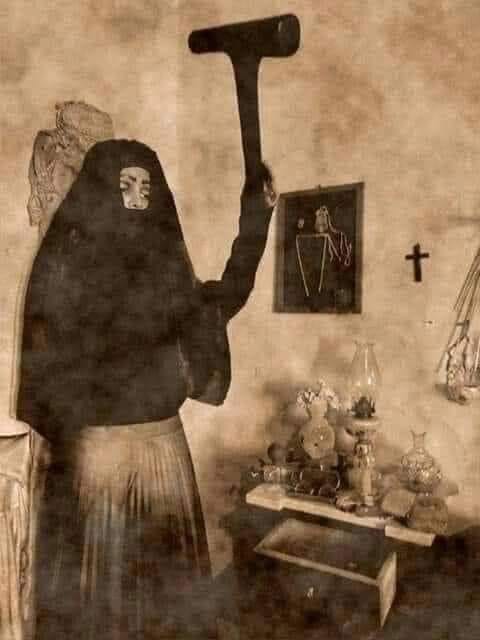
The character was a woman who, called by the terminally-stage man’s family, helped end his suffering. An act of mercy towards the dying but also an act necessary for the survival of loved ones, especially for the less wealthy social classes: in small countries far from doctors, (many days on horseback) it was necessary to avoid the long and atrocious final suffering of the sick.
„Hommage à Jan Buck” – MAMADA – piosenki dolno- i górnoserbołużyckie
W Dniu Kobiet z przyjemnością przedstawiamy 11-osobowy żeński zespół MAMADA pod kierownictwem Viktorii Korol, którego recital uświetnił podwójny wernisaż wystaw „Wszystko jest pejzażem. Serbołużycki malarz Jan Buck” oraz „Hommage à Jan Buck (IV): WSZĘDZIE – NIGDZIE – DOM”, a także stanowiące wprowadzenie do nich „Międzynarodowe sympozjum badawcze Hommage à Jan Buck – lubuskie i dolnośląskie konteksty: geografia, historia i sztuka” w Muzeum Ziemi Lubuskiej w Zielonej Górze (2.02.2024 r.)
Wystawy ku czci najsłynniejszego serbołużyckiego artysty Jana Buka/Bucka oglądać można do 5.05.2024 roku.
Wonderful developments have occurred in 2023 regarding our project aiming to digitally reunite the famous library of Yeshivas Chachmei Lublin. We have uncovered documents and press reports from the 1940s proving that the library of the Lublin Yeshiva – once the largest religious Jewish library in Poland holding around thirty thousand volumes – was not burned during the Second World War, as claimed by many sources, but rather scattered around the world.
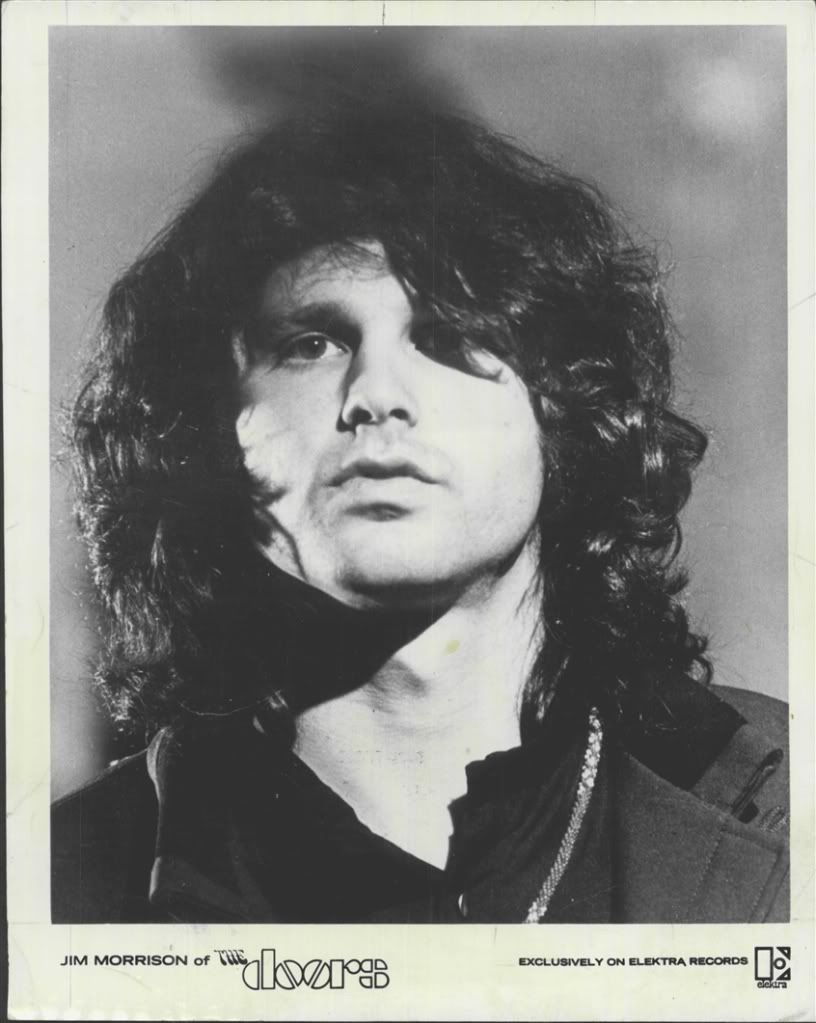
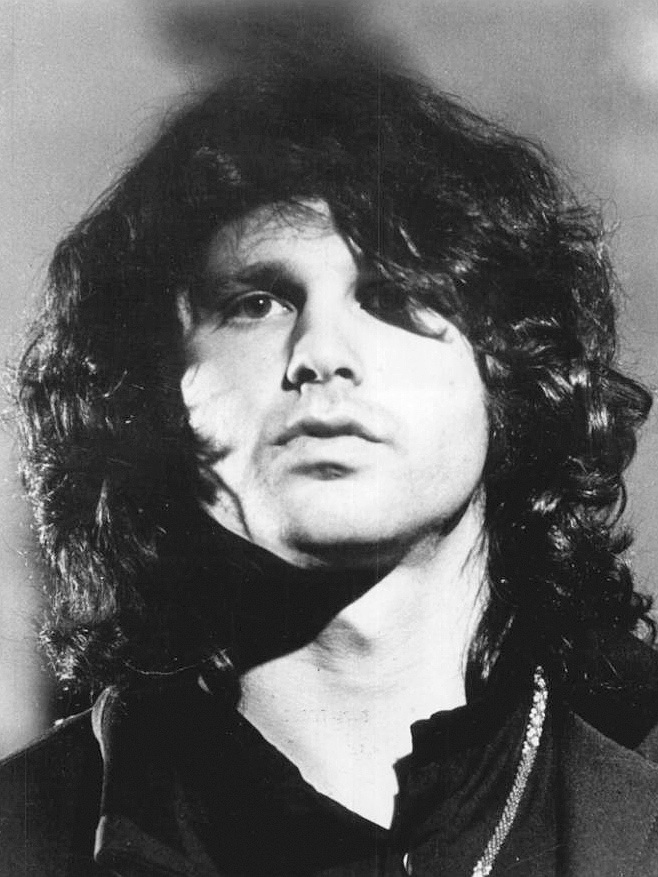
Morrison had an almost un-American attitude toward possessions. He never owned a house. While he owned a car for a time, he was often without one and most of the things he did own would have fit into a carryall bag. In his pockets one could find a key to the Doors’ office, a credit card, and his folded and torn California driver’s license. He was forever giving something away—money, books, clothes—with a natural generosity. No matter how successful he became, Morrison was always taking shelter from the “stumbling neon groves” of Hollywood in cheap motels because he felt their starkness was more real than the lavish suites his wealth could have commanded. No doubt their low profile was also an attraction. No one could find Jim Morrison when he didn’t want to be found. He enjoyed hanging around pool halls and cheap bars, listening to the jukebox and having a few beers.
Frank Lisciandro recalls: Jim didn’t seem to have any sense of ownership about anything. As an example, I said to him one day that I had to go buy some new boots; he said he probably needed some new boots too and he’d come along. So we went to a Western-wear store and both shopped for what we needed. Later I found Jim coming out of a dressing room. He had bought a completely new outfit right down to underwear and then he went over and bought a new pair of boots. It looked like he had changed his skin. And being more reptilian, he left his old clothes behind… didn’t take them… said to the guy at the store, ‘Burn ’em or throw ’em away or give ’em to somebody.’ We walked outside and I looked at him in the sunlight in front of the store and I realized at that instant that he could really live like a snake if he wanted to… shed his skin, have a new set of skin underneath, and walk away.
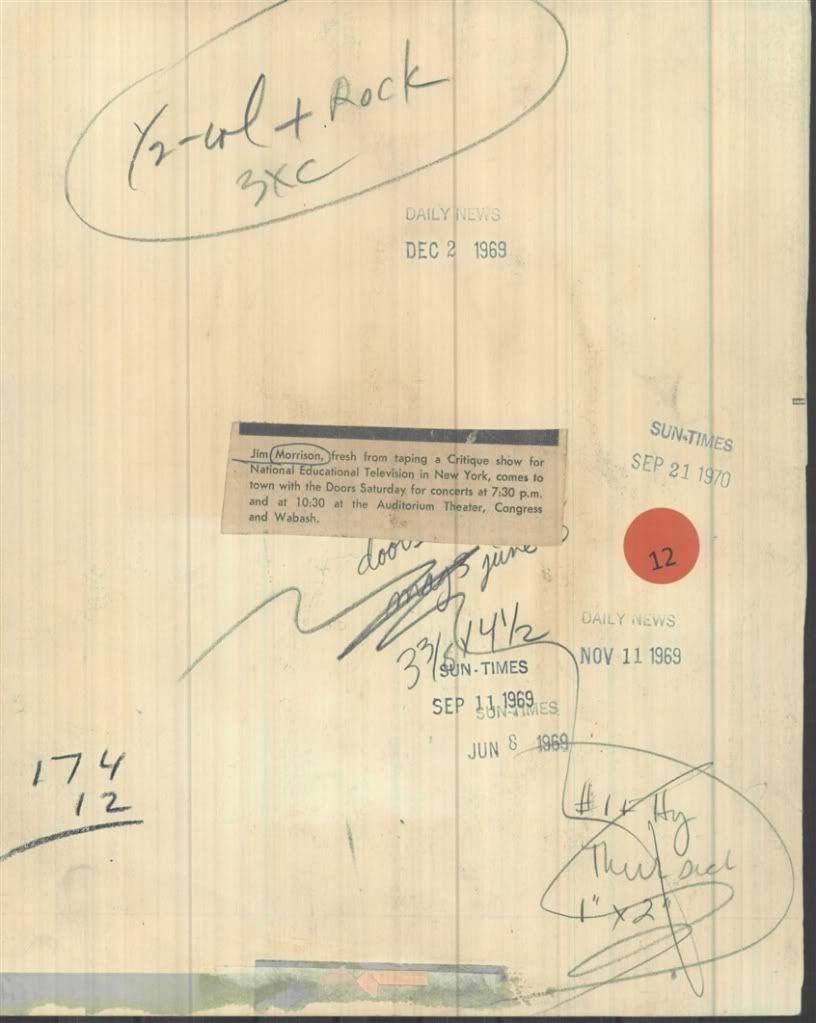
Text from “Break on Through: The Life and Death of Jim Morrison” by James Riordan & Jerry Prochnicky Foto: Elektra Records – eBay itemphoto frontphoto back
I saw Elaine Feinstein in the poetry tent at Latitude. An old lady then, she was touring her book ‘Portraits’. She was mesmerising.
The book is well worth the read. So many finely drawn portraits of friends, artists, other times and places, memory and loss. We are drawn into that vividly remembered world through her minds eye.
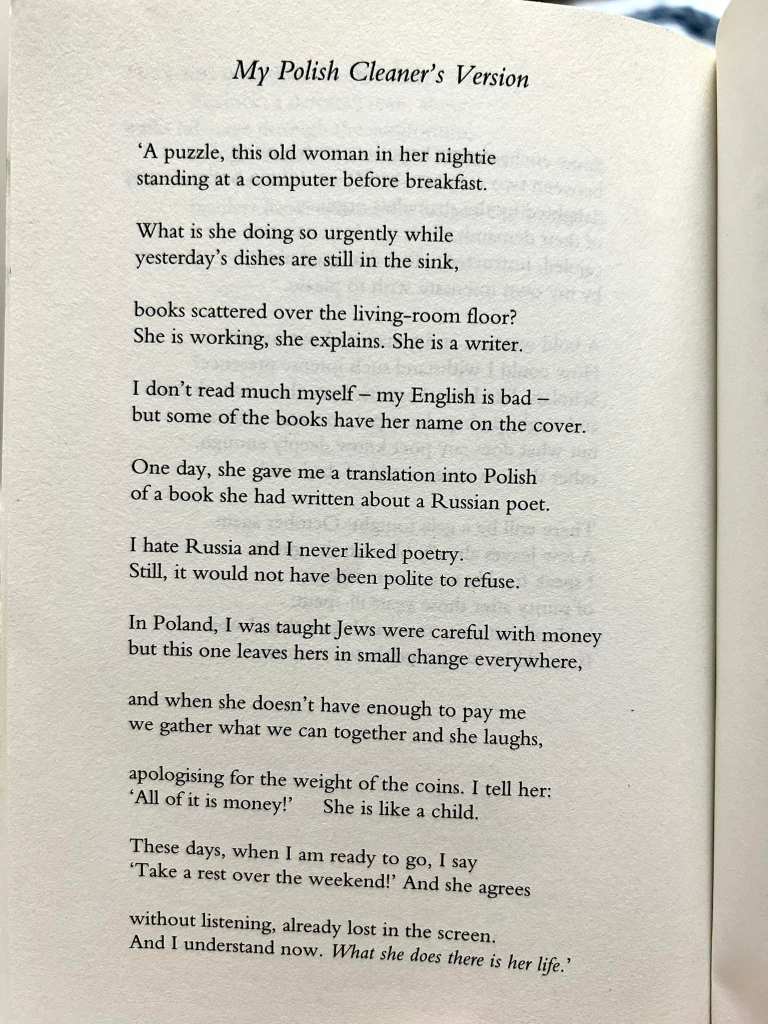
Towards the end of the book, she pulls out of the world of her mind, and writes as she imagines she is seen in ‘real life’, a portrait of her by her confused Polish cleaner.
I love that last line… And I understand now. What she does there is her life.
Nowojorska restauracja serwuje jedzenie przygotowywane codziennie przez inną babcię z innego kraju. Synu, dziękuję, że mi o tym opowiedziałeś.
Enoteca* Maria
Zaczęło się od tego, że włoski właściciel enoteki chciał przypomnieć potrawy, które gotowała jego babcia Dominika. Dziś w Enotece Maria gotują babcie z Japonii, Peru, Sri Lanki, Uzbekistanu, Egiptu, Taiwanu, Azerbejdżanu i wielu innych krajów.
Enoteca Maria na Staten Island serwuje zasadniczo dania kuchni włoskiej, ale od lat uzupełnia ofertę ulubionymi potrawami babć z całego świata.

:max_bytes(150000):strip_icc():format(webp)/TAL-nonna-maria-enoteca-maria-ENOTECAMARIA0223-243f6c365fb34b079a0389a98be1328a.jpg)