Poésie – Poesie – Poetry – Poezja / Le temps de Cerises

To, że dziś właśnie posłuchamy “Czasu wiśni” zawdzięczam(y) facebookowej grupie założonej przez Anatola Borowika: “Fani Bułata Okudżawy… łączcie się!” Grupa przypomina nie tylko Okudżawę, ale również i inne piękne utwory muzyczne i poetyckie. “Czas wiśni”, przypomniany przez Marynę Bersz Szturo Over, bez problemów znalazłam na youtubie po francusku i po niemiecku, z trudem, i tylko dzięki temu, że piosenka w wersji oryginalnej pojawia się w japońskim filmie “Szkarłatny pilot” w reżyserii Hayao Miyazaki, znalazłam angielską wersję tekstu. Polskiej nie ma. Ani w wersji muzycznej, ani słownej, co dziwne i ciekawe, bo “Le temps de Cerises” to jeden z najczęściej coverowanych utworów na świecie. Zrobiłam więc tłumaczenie sama…

Le temps de Cerises


Le Temps des cerises est une chanson de 1866, paroles de Jean-Baptiste Clément, musique d’Antoine Renard. Interprétation: Yves Montand.
Cette chanson est si fortement associée à la Commune de Paris que, dans les esprits, elle fut écrite pour elle. Pourtant elle fut écrite sous Napoléon III avant même la guerre de 1870.

Tak, ta zwykła prosta francuska piosenka o miłości, ludowy przebój o tym, że kocham, choć czas czereśni i miłości jest krótki i przemija, ja jednak kocham i nawet jeśli te czereśnie i ta miłość minęły, wiem, że kiedyś powróci następna miłość… Ta ludowa piosenka nabrała specjalnego znaczenia podczas rewolucji Komunardów w 1870 roku. Jak to opowiada podczas koncertu wieczny wojownik Wolf Bierman, którego interpretację przypominam poniżej, był to pierwszy w Europie moment, w którym to lud powiedział, czego chce. Komuna przegrała, ale komunardzi i ich zwolennicy wierzyli, że walka się nie skończyła, że będziemy walczyć i kiedyś zwyciężymy. I wtedy właśnie piosenka o miłości i czereśniach stała się symbolem tej wiary w zwycięstwo. Nie zmieniono w niej ani jednego słowa, to tylko śpiewający wiedzieli, że śpiewają o czymś innym.

Dziś, po czterech latach po opublikowaniu pierwszej wersji tego wpisu, w czerwcu 2017, dedykuję tę piękną piosenkę o lecie, czereśniach, miłości i zwycięstwie, nam wszystkim, Polakom, którzy wierzą (i wiedzą), że skoro pokonaliśmy zaborców, Hitlera i komuchów, to przetrwamy i szaleństwo Kaczyńskiego.

Le temps de Cerises

Quand nous chanterons, le temps des cerises
Et gai rossignol et merle moqueur
Seront tous en fête.
Les belles auront la folie en tête
Et les amoureux du soleil au coeur
Quand nous chanterons, le temps des cerises
Sifflera bien mieux le merle moqueur.

Mais il est bien court le temps des cerises
Où l’on s’en va deux cueillir en rêvant
Des pendants d’oreilles,
Cerises d’amour aux robes pareilles
Tombant sous la feuille en gouttes de sang.
Mais il est bien court le temps des cerises
Pendant de corail qu’on cueille en rêvant.

Quand vous en serez au temps des cerises
Si vous avez peur des chagrins d’amour
Evitez les belles!
Moi qui ne crains pas les peines cruelles
Je ne vivrai point sans souffrir un jour.
Quand vous en serez au temps des cerises
Vous aurez aussi des peines d’amour.

J’aimerai toujours le temps des cerises
C’est de ce temps là que je garde au coeur
Une plaie ouverte.
Et Dame Fortune en m’étant offerte
Ne pourra jamais fermer ma douleur,
J’aimerai toujours le temps des cerises
Et le souvenir que je garde au coeur.

Couplet ajouté pendant la guerre de 1871

Quand il reviendra le temps des cerises
Pendores idiots magistrats moqueurs
Seront tous en fête.
Les bourgeois auront la folie en tête
A l’ombre seront poètes chanteurs.
Mais quand reviendra le temps des cerises
Siffleront bien haut chassepots vengeurs.

Time of cherries

When we sing of the time of cherries,
gay nightingales and mocking blackbirds will celebrate,
pretty girls will have folly in their heads,
and lovers, sunshine in their hearts.
When we sing of the time of cherries,
the mocking blackbird will sing better.

But it is very short, the time of cherries,
where some go to gather earrings in a dream,
cherries of love in similar gowns
falling beneath the leaves like drops of blood.
But it is very short, the time of cherries,
coral pendants which one gathers in a dream.

When you are in the time of cherries,
if you fear the sorrows of love, avoid the pretty girls.
I, who do not fear the cruel distress,
I will never live a day without suffering.
When you are in the time of cherries,
you will also have the distresses of love.

I will always love the time of cherries,
it’s from those times that I hold in my heart an open wound,
and the offerings of lady luck
can never soothe my suffering.
I will always love the time of cherries,
and the memory I hold in my heart

***

Czas czereśni

Gdy śpiewamy o czasie wiśni a z nami
słowiki, i kosy i drozdy
śpiewają – w głowie
dziewczyny szaleństwo mają
a kochankowie słońce w sercu
Gdy śpiewamy o czasie wiśni a z nami
kosy i drozdy lepiej śpiewają

Ale tak krótko trwa czas wiśni ten czas
gdy zbieramy we śnie wiśnie
i czereśnie w podobnych sukienkach
spadające z gałęzi jak krople krwi
Ale tak krótko trwa czas wiśni ten czas
gdy koralowe korale zbieramy we śnie

Jeśli lękasz się bólu omijaj we śnie
dziewczyny, wiśnie i czereśnie,
Lecz ja, ja nie lękam się goryczy
bo każdy mój dzień nosi jej smak
Gdy żyjesz w czasie wiśni, strzeż się
bo miłość może ci poranić serce.

Jednak zawsze będę kochał czas wiśni,
choć z tamtych czasów krwawy pozostał ślad.
A to co dzisiaj daje miłość
Nie ukoi tego, czego wtedy było brak.
Jednak zawsze będę kochał czas wiśni,
i nosił pamięć o nim w sercu i w snach.

Tłumaczenie: Ewa Maria Slaska

Poetry – Poezja – Poesie / Coleridge

Najpiękniejszy angielski wiersz romantyczny – tajemniczy, oniryczny “Kublaj Chan”, zapis wizji opiumowej. Napisany (spisany) w roku 1798, opublikowany, za namową Byrona, w roku 1816.

Xanadu, Szanadu lub Cianadu to letnia stolica Kublaj Chana, mongolskiego władcy Chin (1215 – 1294), znanego nam przede wszystkim z opowieści Marco Polo, który odwiedził go w roku 1266. Czarna dziura na powierzchni Tytana, jednego z księżyców Saturna, została nazwana Xanadu. Tak zatytułowana jest też płyta Oliwii Newton John i tak nazwano pewien gatunek filodendrona i pewien – marihuany oraz sporo różnych hoteli na bajkowych plażach i wiele miejsc w opowieściach fantasy.

Wiersz Coleridge`a jest podobno jedynym dowodem na to, że po opium można mieć kolorowe wizje.

***
Kubla Khan was written in 1798, but it was first published in 1816. Coleridge was addicted to laudanum which brought him visions and agonies with constipation which he thought of as retribution. Laudanum addiction was common because people resorted to it to relieve toothache, which was a part of everyday life in those days.

Kubla Chan
Widzenie miane we śnie

W Xanadu Kubla Chan rozkazu mocą
Pałac rozkoszy wzniósł wspaniały
Gdzie rzeka Alph swe święte wody toczy
W grot głębi, gdzie się gubią ludzkie oczy
Ku morzu, które słońca nie zaznało.
Ziemi dwakroć mil pięć bogatej płodami
Otoczył krąg wyniosły murów z wieżycami.
W środku strumienie kręte na ogród blask lały
Gdzie kwitły mnogie drzewa kadzidlane
I odwieczne jak wzgórza lasy otaczały
Rozsłonecznione polany.

O! tu rozpadlina wskroś cedrów okrycie
Do głębi tnie zielone wzgórze romantycznie
O, dzikie miejsce! Tak święte i zaklęte
Jakby natchniona zanikiem księżyca
Kobieta łkała za kochankiem demonicznym.
Z przepaści, w której wrzawa wciąż w zamęcie trwała
Jakby ziemia powietrze łapczywie wdychała
Przepotężna fontanna co chwila wytryska
I pośród jej wybuchów nagłych, przerywanych
Odłamy skalne jak grad o ziemię miotany
Skaczą, jak omłot w spichrzu na klepisku
I pośród skał tych tańca bez końca, burzliwie
Wystrzela święta rzeka nurtem natarczywym
Pięć mil poprzez meandry i zakola kręte
Lasami, dolinami święte wody toczy
Wpada do grot, gdzie się gubią ludzkie oczy
Z łoskotem z morza martwym łączy się odmętem.
I słyszał Kubla z dali w łoskocie niespokojnym
Jak głosy przodków nową wieszczą wojnę!

Pałacu się unosił cień
Falami kołysany
I mieszał się fontanny dźwięk
Z dźwięcznymi pieczarami
I to był cud dotąd nie widziany
Słoneczny pałac z lodowymi pieczarami

Widzenie kiedyś miałem
Dzieweczki z Abisynii
I grała ona na cymbałach
O górze Abora śpiewała
O, niechaj mi się dziś przypomni
Jak cymbał brzmi, pieśni jej ton
To sprawi piękna radość nieprzytomna
Że razem z brzmieniem rozgłośnym jak dzwon
Wzniosę ten pałac powietrzem objęty
Słoneczny pałac! Jaskinie lodem ścięte!
Ci, którym dźwięki nie są obojętne
Ujrzą je i krzykną widokiem przejęci:
Włos jego falujący, źrenice ogniem zdjęte.
Po trzykroć kręgiem go jak wieńcem
Otoczmy. Niechaj zaćmi nasze oczy
Świętości lęk; bo rosy on utoczył
Miodowej, w Raju mleko pił zaklęte.

przełożył Ludwik Dorn

In Xanadu schuf Kublai Khan
ein Traumschloss, stolz und hehr,
Dort brach der Urquell Alph sich Bahn
durch Grotten, die kein Mensch ersann,
zum sonnenlosen Meer.

Wehrturm und Wall umringen stolz
zehn Morgen reiches Gartenland,
wo Fliederduft und Sandelholz
sich mischt mit Nachtigallenschlag
aus einem Hain, der dort schon stand,
im Licht vom ersten Schöpfungstag.

Im Zederndunkel teilt die Schlucht
den Hügel wie ein Schlangenleib
halb heiligend, halb wie verflucht,
als ob beim Sichelmond ein Weib
beschwört des Höllenliebsten Leib.

Aus dieser Schlucht, die ewig dröhnt
als ob das Land gleich Drachen stöhnt
schnellt sich ein Springquell hoch, erbricht
gezackten Fels und Kies ins Licht
der teils als Hagel auf die Welt,
teils wie die Spreu vom Flegel fällt.

Vom Tanz der Felsen unterm Dom
des Himmels fließt der heilge Strom
määndernd wohl fünf Meilen quer
durch Auen, Gärten, reichen Tann,
zu Grotten die kein Mensch ersann,
stürzt dann sich in ein totes Meer.
Und Kublai hört darin von weit
Kampf, den ein Vorfahr prophezeit.

Der Schatten des Palastes streicht
die Wogen sacht im Spiegelbild,
und Quell und Grotte mischt sich leicht
zum Lied des Wassers, murmelnd mild,
das leis verklingt mit Widerhall,
im Schloss aus Licht und Eiskristall.

In einer Vision ersah
ich dort bei süßem Harfenklang
aus fernem Abessinia
ein Mädchen sitzen und ihr Sang
erzählt vom Berge Abora.

Könnt ich zum Leben dieses Lied
in mir erneuern irgendwie
Musik und Stimme, Gras und Ried
dann ließe mich die Harmonie
das Schloss erbauen in der Luft
das Schloss aus Licht und Eiskristall
so dass es jeder sieht— und ruft:

Gebt acht auf ihn: Sein Lockenhaar
umwallt ihn dreifach und sein Blick
gleicht einer Flamme die versehrt
so weicht vor ihm zurück, zurück
den Honig wilder Bienen nährt
der Milch aus Edens Quellen trinkt.

Poezja – Poetry – Poesía / Llach

Lluis Llach

Najsłynniejsza piosenka Solidarności – “Mury” (A mury runą…) przetłumaczona i śpiewana przez Jacka Kaczmarskiego, została napisana za czasów dyktatury Franco przez Lluisa Llacha po katalońsku, ma mniej lub bardziej inną treść, a jej tytuł oznacza… “Słup”.

Poniżej wersja katalońska i hiszpańska, a pod spodem polska i angielska, która jest tłumaczeniem polskiej.

Czy wiecie, że wydźwięk tej piosenki jest strasznie pesymistyczny? Wydaje mi się, że nikt z nas nie chce tego pamiętać!

L’ESTACA

L’avi Siset em parlava
de bon matí al portal
mentre el sol esperàvem
i els carros vèiem passar.

Siset, que no veus l’estaca
on estem tots lligats?
Si no podem desfer-nos-en
mai no podrem caminar!

Si estirem tots, ella caurà
i molt de temps no pot durar,
segur que tomba, tomba, tomba
ben corcada deu ser ja.

Si jo l’estiro fort per aquí
i tu l’estires fort per allà,
segur que tomba, tomba, tomba,
i ens podrem alliberar.

Però, Siset, fa molt temps ja,
les mans se’m van escorxant,
i quan la força se me’n va
ella és més ampla i més gran.

Ben cert sé que està podrida
però és que, Siset, pesa tant,
que a cops la força m’oblida.
Torna’m a dir el teu cant:

Si estirem tots, ella caurà…

Si jo l’estiro fort per aquí…

L’avi Siset ja no diu res,
mal vent que se l’emportà,
ell qui sap cap a quin indret
i jo a sota el portal.

I mentre passen els nous vailets
estiro el coll per cantar
el darrer cant d’en Siset,
el darrer que em va ensenyar.

Si estirem tots, ella caurà…

Si jo l’estiro fort per aquí…

LA ESTACA

El viejo Siset me hablaba
al amanecer, en el portal,
mientras esperábamos la salida del sol
y veíamos pasar los carros.

Siset: ¿No ves la estaca
a la que estamos todos atados?
Si no conseguimos liberarnos de ella
nunca podremos andar.

Si tiramos fuerte, la haremos caer.
Ya no puede durar mucho tiempo.
Seguro que cae, cae, cae,
pues debe estar ya bien podrida.
Si yo tiro fuerte por aquí
y tú tiras fuerte por allí,
seguro que cae, cae, cae,
y podremos liberarnos.

¡Pero, ha pasado tanto tiempo así !
Las manos se me están desollando,
y en cuanto abandono un instante,
se hace más gruesa y más grande.

Ya sé que está podrida,
pero es que, Siset , pesa tanto,
que a veces me abandonan las fuerzas.
Repíteme tu canción.

Si tiramos fuerte…

El viejo Siset ya no dice nada;
se lo llevó un mal viento.
– él sabe hacia donde -,
mientras yo continúo bajo el portal.

Y cuando pasan los nuevos muchachos,
alzo la voz para cantar
el último canto que él me enseñó.

Si tiramos fuerte…

MURY

On natchniony i młody był, ich nie policzyłby nikt
On im dodawał pieśnią sił, śpiewał, że blisko już świt.
Świec tysiące palili mu, znad głów podnosił się dym,
Śpiewał, że czas by runął mur…
Oni śpiewali wraz z nim:

Wyrwij murom zęby krat!
Zerwij kajdany, połam bat!
A mury runą, runą, runą
I pogrzebią stary świat!

Wkrótce na pamięć znali pieśń i sama melodia bez słów
Niosła ze sobą starą treść, dreszcze na wskroś serc i głów.
Śpiewali więc, klaskali w rytm, jak wystrzał poklask ich brzmiał,
I ciążył łańcuch, zwlekał świt…
On wciąż śpiewał i grał:

Wyrwij murom zęby krat!
Zerwij kajdany, połam bat!
A mury runą, runą, runą
I pogrzebią stary świat!

Aż zobaczyli ilu ich, poczuli siłę i czas,
I z pieśnią, że już blisko świt szli ulicami miast;
Zwalali pomniki i rwali bruk – Ten z nami! Ten przeciw nam!
Kto sam ten nasz najgorszy wróg!
A śpiewak także był sam.

Patrzył na równy tłumów marsz,
Milczał wsłuchany w kroków huk,
A mury rosły, rosły, rosły
Łańcuch kołysał się u nóg…

Patrzy na równy tłumów marsz,
Milczy wsłuchany w kroków huk,
A mury rosną, rosną, rosną
Łańcuch kołysze się u nóg…

WALLS

He was inspired and young, they were a legion
He gave them strength with his song, singing that the dawn is near.
They’d light thousands candles for him, smoke rising over their heads,
He sang it was time for the wall to fall…
They sang together with him:

Pull the teeth of bars from the walls!
Tear off the chains, break the whip!
And the walls will fall, will fall, will fall
And will bury the old world!

Soon they knew the song by heart and just the melody without the words
Carried the old meaning, shivers through hearts and heads.
So they sung, clapped to the rhythm, their applause sounding like gunshots,
And the chain was a burden, the dawn was dawdling…
And he still sung and played:

Pull the teeth of bars from the walls!
Tear off the chains, break the whip!
And the walls will fall, will fall, will fall
And will bury the old world!

And they saw their numbers, they felt their strength and the time,
And singing that the dawn is near, they marched into the streets;
They destroyed monuments and uprooted pavements
— This one is with us! This one is against us!
Who’s alone is our worst enemy!
And the singer was also alone.

He looked at the steady march of the crowds,
Silent he listened to the thunder of their steps,
And the walls grew, grew, grew
The chain dangled at the feet…

He looks at the steady march of the crowds,
Silent he listens to the thunder of their steps,
And the walls are growing, growing, growing
The chain dangles at the feet…

Mama / Mutti / Mom

Wystawa Ireny 072Irena Kuran-Bogucka
Zdjęcia z wystawy – Fotos von einer Ausstellung – Exhibion´s Fotos
Dariusz Drapella

Wystawa Ireny 017

Wystawa Ireny 028Była graficzką i tłumaczką poezji, przede wszystkim hiszpańskiej, ale również i niemieckiej. / Sie war eine Graphikerin und Übersetzerin der spanischen und deutschen Dichtung. / She was graphic and translator of Spanish and German poetry.

Wystawa Ireny 035 Wystawa Ireny 031

lorca To widać – to mój zaczytany egzemplarz Lorki.

Man sieht es – das ist mein zerlesener Exemplar von Mamas Übersetzungen Lorcas.

It is my book of Mom´s translation of Lorca. One could see, that I red it and red it ever again.
Wystawa Ireny 040Wystawa Ireny 019Wystawa Ireny 022mama-dziewczynaWystawa Ireny 085 Wystawa Ireny 083 Wystawa Ireny 084Wystawa Ireny 073

Poesis – Poetry – Poesie – Poezja / Carl Orff

Carl Orff “Carmina Burana”

Carmina Burana is a scenic cantata composed by Carl Orff in 1935 and 1936. It is based on 24 of the poems found in the medieval collection Carmina Burana. Its full Latin title is Carmina Burana: Cantiones profanæ cantoribus et choris cantandæ comitantibus instrumentis atque imaginibus magicis (“Songs of Beuern: Secular songs for singers and choruses to be sung together with instruments and magic images.”) Carmina Burana is part of Trionfi, the musical triptych that also includes the cantata Catulli Carmina and Trionfo di Afrodite. The best-known movement is “Fortuna Imperatrix Mundi” (“O Fortuna”) that opens and closes the piece.
Carl Orff (July 10, 1895 – March 29, 1982) was a 20th century German composer, best known for his cantata Carmina Burana (1937). In addition to his career as a composer, Orff developed an influential method of music education for children.

FORTUNA IMPERATRIX MUNDI
O Fortuna
velut luna
statu variabilis,
semper crescis
aut decrescis;
vita detestabilis
nunc obdurat
et tunc curat
ludo mentis aciem,
egestatem,
potestatem
dissolvit ut glaciem.Sors immanis
et inanis,
rota tu volubilis,
status malus,
vana salus
semper dissolubilis,
obumbrata
et velata
michi quoque niteris;
nunc per ludum
dorsum nudum
fero tui sceleris.Sors salutis
et virtutis
michi nunc contraria,
est affectus
et defectus
semper in angaria.
Hac in hora
sine mora
corde pulsum tangite;
quod per sortem
sternit fortem,
mecum omnes plangite!
O Fortune
like the moon
you are changeable,
ever waxing
and waning;
hateful life
first oppresses
and then soothes
as fancy takes it;
poverty
and power
it melts them like ice.Fate – monstrous
and empty,
you whirling wheel,
you are malevolent,
well-being is vain
and always fades to nothing,
shadowed
and veiled
you plague me too;
now through the game
I bring my bare back
to your villainy.Fate is against me
in health
and virtue,
driven on
and weighted down,
always enslaved.
So at this hour
without delay
pluck the vibrating strings;
since Fate
strikes down the strong man,
everyone weep with me!
Fortune plango vulnera
stillantibus ocellis
quod sua michi munera
subtrahit rebellis.
Verum est, quod legitur,
fronte capillata,
sed plerumque sequitur
Occasio calvata.In Fortune solio
sederam elatus,
prosperitatis vario
flore coronatus;
quicquid enim florui
felix et beatus,
nunc a summo corrui
gloria privatus.Fortune rota volvitur:
descendo minoratus;
alter in altum tollitur;
nimis exaltatus
rex sedet in vertice
caveat ruinam!
nam sub axe legimus
Hecubam reginam.
I bemoan the wounds of Fortune
with weeping eyes,
for the gifts she made me
she perversely takes away.
It is written in truth,
that she has a fine head of hair,
but, when it comes to seizing an opportunity
she is bald.On Fortune’s throne
I used to sit raised up,
crowned with
the many-coloured flowers of prosperity;
though I may have flourished
happy and blessed,
now I fall from the peak
deprived of glory.The wheel of Fortune turns;
I go down, demeaned;
another is raised up;
far too high up
sits the king at the summit –
let him fear ruin!
for under the axis is written
Queen Hecuba.
O Fortuna!
Wie der Mond
So veränderlich,
Wachst du immer
Oder schwindest! –
Schmähliches Leben!
Erst mißhandelt,
Dann verwöhnt es
Spielerisch den wachen Sinn.
Dürftigkeit,
Großmächtigkeit
Sie zergehn vor ihm wie Eis.Schicksal,
Ungeschlacht und eitel!
Rad, du rollendes!
Schlimm dein Wesen,
Dein Glück nichtig,
Immer im Zergehn!
Überschattet
Und verschleiert
Kommst du nun auch über mich.
Um des Spieles
Deiner Bosheit
Trag ich jetzt den Buckel bloß.Los des Heiles
Und der Tugend
Sind jetzt gegen mich.
Willenskraft
Und Schwachheit liegen
Immer in der Fron.
Drum zur Stunde
Ohne Saumen
Rührt die Saiten! –
wie den Wackeren
Das Schicksal
Hinstreckt; alle klagt mit mir!Die Wunden, die Fortuna schlug,
Beklage ich mit nassen Augen,
Weil sie ihre Gaben mir
Entzieht, die Widerspenstige.
Zwar, wie zu lesen steht, es prangt
Ihr an der Stirn die Locke,
Doch kommt dann die Gelegenheit,
Zeigt sie meistens ihren Kahlkopf.Auf Fortunas Herrscherstuhl
Saß ich, hoch erhoben,
Mit dem bunten Blumenkranz
Des Erfolges gekrönt.
Doch, wie ich auch in der Blüte stand,
Glücklich und gesegnet:
Jetzt stürze ich vom Gipfel ab,
Beraubt der Herrlichkeit.Fortunas Rad, es dreht sich um:
Ich sinke, werde weniger,
Den anderen trägt es hinauf:
Gar zu hoch erhoben
Sitzt der König auf dem Grat:
Er hüte sich vor dem Falle!
Denn unter dem Rade lesen wir:
Königin Hecuba.
O Fortuno
niby Księżyc
nieustannie zmienna,
ciągle rośniesz
lub zanikasz
ciemna lub promienna.
Życie podłe
wciąż kapryśnie
chłodzi nas lub grzeje,
niedostatek
lub bogactwo
jak lód w nim topnieje.Kołem toczy
się Fortuna
zła i nieżyczliwa,
nasze szczęście
w swoich trybach
miażdży i rozrywa,
z twarzą szczelnie
zasłoniętą
często u mnie gości,
by na kręgach
mego grzbietu
grać swe złośliwości.Los zbawienia,
cnót zasługi
przeciw mnie są teraz,
w mej słabości
albo woli
wspierały mnie nieraz.
A więc zaraz
nie mieszkając
uderzajcie w struny
i użalcie
się nade mną,
ofiarą Fortuny!Rany od Fortuny ciosów
opłakuję łzami
nigdy zresztą mnie nie psuła
skąpymi łaskami.
Wprawdzie mówię, że jej czoło
zdobią pukle złote,
lecz czas spod nich też obnaży
łysiny sromotę.Na Fortuny złotym tronie
siedziałem wyniosły,
zdobny w wieniec powodzenia
z wszystkich darów wiosny.
Lecz choć stałem u zenitu
o swe szczęście wsparty,
nagle spadłem z wszystkich darów
do szczętu obdarty.Obróciło się Fortuny
koło nieżyczliwe,
innego już po mnie wznosi
na szczyty zdradliwe,
król im wyżej nad tłum siędzie,
tym pewniejsza zguba,
gdyż na kole tym czytamy:
“Królowa Hekuba”.

Reblog: Woman’s work 2


Woman’s work: Columbia Journalism Review

A dark, rancid corner Borri says journalists have failed to explain Syria’s civil war because editors only want ‘blood.’ (Alessio Romenzi)

He finally wrote to me. After more than a year of freelancing for him, during which I contracted typhoid fever and was shot in the knee, my editor watched the news, thought I was among the Italian journalists who’d been kidnapped, and sent me an email that said: “Should you get a connection, could you tweet your detention?”

That same day, I returned in the evening to a rebel base where I was staying in the middle of the hell that is Aleppo, and amid the dust and the hunger and the fear, I hoped to find a friend, a kind word, a hug. Instead, I found only another email from Clara, who’s spending her holidays at my home in Italy. She’s already sent me eight “Urgent!” messages. Today she’s looking for my spa badge, so she can enter for free. The rest of the messages in my inbox were like this one: “Brilliant piece today; brilliant like your book on Iraq.” Unfortunately, my book wasn’t on Iraq, but on Kosovo.

People have this romantic image of the freelancer as a journalist who’s exchanged the certainty of a regular salary for the freedom to cover the stories she is most fascinated by. But we aren’t free at all; it’s just the opposite. The truth is that the only job opportunity I have today is staying in Syria, where nobody else wants to stay. And it’s not even Aleppo, to be precise; it’s the frontline. Because the editors back in Italy only ask us for the blood, the bang-bang. I write about the Islamists and their network of social services, the roots of their power— a piece that is definitely more complex to build than a frontline piece. I strive to explain, not just to move, to touch, and I am answered with: “What’s this? Six thousand words and nobody died?”

Actually, I should have realized it that time my editor asked me for a piece on Gaza, because Gaza, as usual, was being bombed. I got this email: “You know Gaza by heart,” he wrote. “Who cares if you are in Aleppo?” Exactly. The truth is, I ended up in Syria because I saw the photographs in Time by Alessio Romenzi, who was smuggled into Homs through the water pipes when nobody was yet aware of the existence of Homs. I saw his shots while I was listening to Radiohead—those eyes, staring at me; the eyes of people being killed by Assad’s army, one by one, and nobody had even heard of a place called Homs. A vise clamped around my conscience, and I had to go to Syria immediately.

But whether you’re writing from Aleppo or Gaza or Rome, the editors see no difference. You are paid the same: $70 per piece. Even in places like Syria, where prices triple because of rampant speculation. So, for example, sleeping in this rebel base, under mortar fire, on a mattress on the ground, with yellow water that gave me typhoid, costs $50 per night; a car costs $250 per day. So you end up maximizing, rather than minimizing, the risks. Not only can you not afford insurance—it’s almost $1,000 a month—but you cannot afford a fixer or a translator. You find yourself alone in the unknown. The editors are well aware that $70 a piece pushes you to save on everything. They know, too, that if you happen to be seriously wounded, there is a temptation to hope not to survive, because you cannot afford to be wounded. But they buy your article anyway, even if they would never buy the Nike soccer ball handmade by a Pakistani child.

With new communication technologies there is this temptation to believe that speed is information. But it is based on a self-destructive logic: The content is now standardized, and your newspaper, your magazine, no longer has any distinctiveness, and so there is no reason to pay for the reporter. I mean, for the news, I have the Internet—and for free. The crisis today is of the media, not of the readership. Readers are still there, and contrary to what many editors believe, they are bright readers who ask for simplicity without simplification. They want to understand, not simply to know. Every time I publish an eyewitness account from the war, I get a dozen emails from people who say, “Okay, great piece, great tableaux, but I want to understand what’s going on in Syria.” And it would so please me to reply that I cannot submit an analysis piece, because the editors would simply spike it and tell me, “Who do you think you are, kid?”—even though I have three degrees, have written two books, and spent 10 years in various wars, first as a human-rights officer and now as a journalist. My youth, for what it’s worth, vanished when bits of brain splattered on me in Bosnia, when I was 23.

Freelancers are second-class journalists—even if there are only freelancers here, in Syria, because this is a dirty war, a war of the last century; it’s trench warfare between rebels and loyalists who are so close that they scream at each other while they shoot each other. The first time on the frontline, you can’t believe it, with these bayonets you have seen only in history books. Today’s wars are drone wars, but here they fight meter by meter, street by street, and it’s fucking scary. Yet the editors back in Italy treat you like a kid; you get a front-page photo, and they say you were just lucky, in the right place at the right time. You get an exclusive story, like the one I wrote last September on Aleppo’s old city, a UNESCO World Heritage site, burning as the rebels and Syrian army battled for control. I was the first foreign reporter to enter, and the editors say: “How can I justify that my staff writer wasn’t able to enter and you were?” I got this email from an editor about that story: “I’ll buy it, but I will publish it under my staff writer’s name.”

And then, of course, I am a woman. One recent evening there was shelling everywhere, and I was sitting in a corner, wearing the only expression you could have when death might come at any second, and another reporter comes over, looks me up and down, and says: “This isn’t a place for women.” What can you say to such a guy? Idiot, this isn’t a place for anyone. If I’m scared, it’s because I’m sane. Because Aleppo is all gunpowder and testosterone, and everyone is traumatized: Henri, who speaks only of war; Ryan, tanked up on amphetamines. And yet, at every torn-apart child we see, they come only to me, a “fragile” female, and want to know how I am. And I am tempted to reply: I am as you are. And those evenings when I wear a hurt expression, actually, are the evenings I protect myself, chasing out all emotion and feeling; they are the evenings I save myself.

Because Syria is no longer Syria. It is a nuthouse. There is the Italian guy who was unemployed and joined al-Qaeda, and whose mom is hunting for him around Aleppo to give him a good beating; there is the Japanese tourist who is on the frontlines, because he says he needs two weeks of “thrills”; the Swedish law-school graduate who came to collect evidence of war crimes; the American musicians with bin Laden-style beards who insist this helps them blend in, even though they are blonde and six-feet, five-inches tall. (They brought malaria drugs, even if there’s no malaria here, and want to deliver them while playing violin.) There are the various officers of the various UN agencies who, when you tell them you know of a child with leishmaniasis (a disease spread by the bite of a sand fly) and could they help his parents get him to Turkey for treatment, say they can’t because it is but a single child, and they only deal with “childhood” as a whole.

But we’re war reporters, after all, aren’t we? A band of brothers (and sisters). We risk our lives to give voice to the voiceless. We have seen things most people will never see. We are a wealth of stories at the dinner table, the cool guests who everyone wants to invite. But the dirty secret is that instead of being united, we are our own worst enemies; and the reason for the $70 per piece isn’t that there isn’t any money, because there is always money for a piece on Berlusconi’s girlfriends. The true reason is that you ask for $100 and somebody else is ready to do it for $70. It’s the fiercest competition. Like Beatriz, who today pointed me in the wrong direction so she would be the only one to cover the demonstration, and I found myself amid the snipers as a result of her deception. Just to cover a demonstration, like hundreds of others.

Yet we pretend to be here so that nobody will be able to say, “But I didn’t know what was happening in Syria.” When really we are here just to get an award, to gain visibility. We are here thwarting one another as if there were a Pulitzer within our grasp, when there’s absolutely nothing. We are squeezed between a regime that grants you a visa only if you are against the rebels, and rebels who, if you are with them, allow you to see only what they want you to see. The truth is, we are failures. Two years on, our readers barely remember where Damascus is, and the world instinctively describes what’s happening in Syria as “that mayhem,” because nobody understands anything about Syria—only blood, blood, blood. And that’s why the Syrians cannot stand us now. Because we show the world photos like that 7-year-old child with a cigarette and a Kalashnikov. It’s clear that it’s a contrived photo, but it appeared in newspapers and websites around the world in March, and everyone was screaming: “These Syrians, these Arabs, what barbarians!” When I first got here, the Syrians stopped me and said, “Thank you for showing the world the regime’s crimes.” Today, a man stopped me; he told me, “Shame on you.”

Had I really understood something of war, I wouldn’t have gotten sidetracked trying to write about rebels and loyalists, Sunnis and Shia. Because really the only story to tell in war is how to live without fear. It all could be over in an instant. If I knew that, then I wouldn’t have been so afraid to love, to dare, in my life; instead of being here, now, hugging myself in this dark, rancid corner, desperately regretting all I didn’t do, all I didn’t say. You who tomorrow are still alive, what are you waiting for? Why don’t you love enough? You who have everything, why you are so afraid?

With the exception of Alessio Romenzi, the names in this article have been changed for reasons of privacy.


Jak to się czasem dziwnie składa; oba zdjęcia znalazłam podczas tej samej wizyty na Facebooku, choć wstawili je do FB zupełnie inni ludzie. /Wie sich manchmal die Dinge merkwürdig ergänzen; beide Bilder fand ich bei demselben Besuch im Facebook; sie wurden aber von verschiedenen Leuten gepostet.
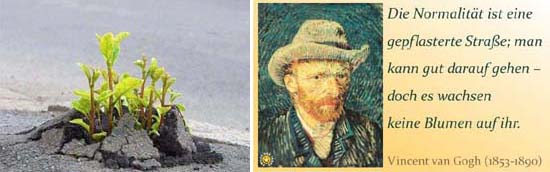
vangogh-roslina
Obok portretu van Gogha cytat: “Normalność to wybrukowana ulica; dobrze się po niej chodzi – ale nie urosną tu rośliny”.

Miasta w sezonie / Städte in Saison

Das Rätsel wurde von Anne Schmidt gelöst: Das Städtchen heißt Köpenick, das Buch von Carl Zuckmayer – “Hauptmann von Köpenick. Ein deutsches Märchen in drei Akten” und der wahre Held der Geschichte – Friedrich Wilhelm Voigt.

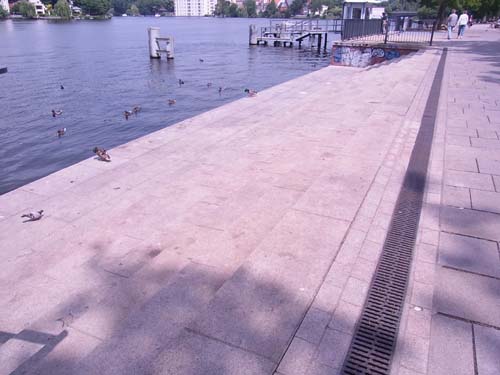
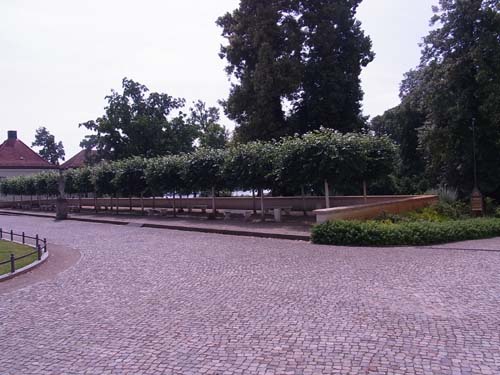
Jest początek lipca 2013 roku. Godzina 12 w południe. Piękna pogoda. Słońce, ciepło, ale nie upalnie, lekki wietrzyk. Pojechałam służbowo do małego miasteczka nad jeziorem.
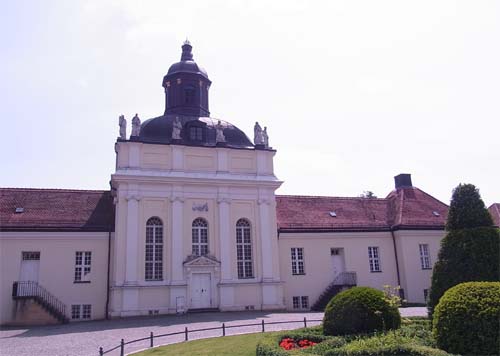
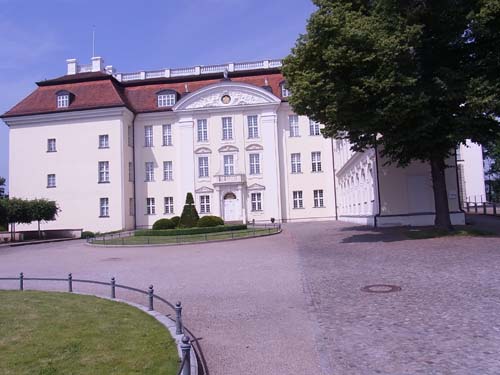
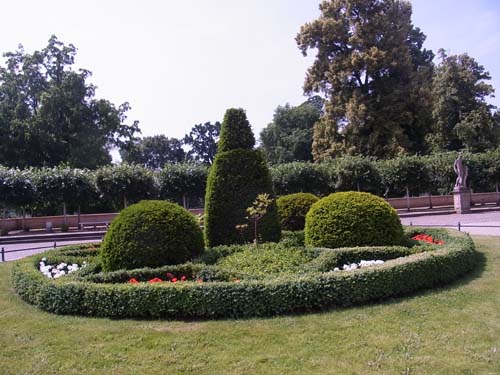
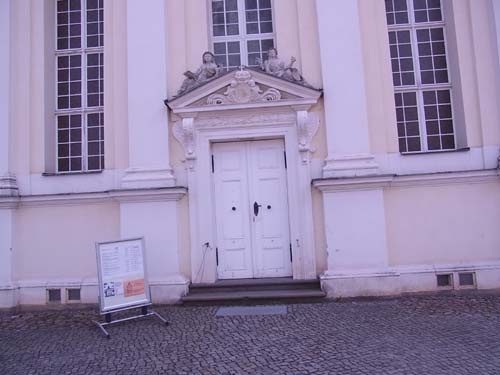
W miasteczku jest kompleks ładnych budynków barokowych położonych na wyspie w pięknym parku.

I jest pusto. pusto. Pusto. Pusto….

Co to za miasteczko? Was ist das für ein Städtchen?

puste10 puste01 puste02 puste03 puste04 puste05 puste05a puste05b puste05c puste06 puste07 puste08
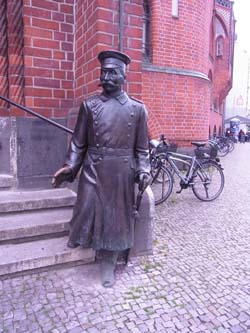
hauptmannW tym miasteczku stoi pomnik pewnego bohatera literackiego, który wzorowany był na losach pewnej autentycznej postaci.

er

Kto to? Wer ist es? Friedrich Wilhelm Voigt.
Co zrobił? Was hat er gemacht? Am 16. Oktober 1906 hat er als Hauptmann verkleidet einen Überfall auf das Rathaus der Stadt Cöpenick bei Berlin organisiert;  mit einem Trupp gutgläubiger Soldaten drang er ins Rahaus ein, verhaftete den Bürgermeister und raubte die Stadtkasse.
Kto o nim napisał? Wie hieß der Autor? Carl Zuckmayer
Jak się nazywała książka o nim? Wie hieß das Buch?
– “Hauptmann von Köpenick. Ein deutsches Märchen in drei Akten” (1931); es war nicht das erste (und nicht das letzte) Theaterstück über Voigt, dafür aber das berühmteste.

I notatka dla polskich czytelników: http://pl.wikipedia.org/wiki/Kapitan_z_K%C3%B6penick

Poezja – Poesie – Poetry – Poésie / Baudelaire

It is a virtual movie of the legendary French poet Charles Baudelaire (1821 — 1867) reading his poem L’Albatros” The Albatros. Kind Regards Jim Clark All rights are reserved on this video recording copyright Jim Clark 2011

Charles Baudelaire L’Albatros / Albatros / Albatross / Der Albatross 1861

L’Albatros

Souvent, pour s’amuser, les hommes d’équipage
Prennent des albatros, vastes oiseaux des mers,
Qui suivent, indolents compagnons de voyage,
Le navire glissant sur les gouffres amers.

À peine les ont-ils déposés sur les planches,
Que ces rois de l’azur, maladroits et honteux,
Laissent piteusement leurs grandes ailes blanches
Comme des avirons traîner à côté d’eux.

Ce voyageur ailé, comme il est gauche et veule!
Lui, naguère si beau, qu’il est comique et laid!
L’un agace son bec avec un brûle-gueule,
L’autre mime, en boitant, l’infirme qui volait!

Le Poëte est semblable au prince des nuées
Qui hante la tempête et se rit de l’archer;
Exilé sur le sol au milieu des huées,
Ses ailes de géant l’empêchent de marcher.

Albatros

Czasami dla zabawy uda się załodze
Pochwycić albatrosa, co śladem okrętu
Polatuje, bezwiednie towarzysząc w drodze,
Która wiedzie przez fale gorzkiego odmętu.

Ptaki dalekolotne, albatrosy białe,
Osaczone, niezdarne, zhańbione głęboko,
Opuszczają bezradnie swe skrzydła wspaniałe
I jak wiosła zbyt ciężkie po pokładzie wloką.

O jakiż jesteś marny, jaki szpetny z bliska,
Ty, niegdyś piękny w locie, wysoko, daleko!
Ktoś ci fajką w dziób stuka, ktoś dla pośmiewiska
Przedrzeźnia twe podrygi, skrzydlaty kaleko!

Poeta jest podobny księciu na obłoku,
Który brata się z burzą, a szydzi z łucznika;
Lecz spędzony na ziemię i szczuty co kroku –
Wiecznie się o swe skrzydła olbrzymie potyka.

Tłumaczyła Bronisława Ostrowska

Albatross

Often, to amuse themselves, the men of a crew
Catch albatrosses, those vast sea birds
That indolently follow a ship
As it glides over the deep, briny sea.

Scarcely have they placed them on the deck
Than these kings of the sky, clumsy, ashamed,
Pathetically let their great white wings
Drag beside them like oars.

That winged voyager, how weak and gauche he is,
So beautiful before, now comic and ugly!
One man worries his beak with a stubby clay pipe;
Another limps, mimics the cripple who once flew!

The poet resembles this prince of cloud and sky
Who frequents the tempest and laughs at the bowman;
When exiled on the earth, the butt of hoots and jeers,
His giant wings prevent him from walking.

Translated by William Aggeler

Der Albatros

Oft kommt es dass das schiffsvolk zum vergnügen
Die albatros • die grossen vögel • fängt
Die sorglos folgen wenn auf seinen zügen
Das schiff sich durch die schlimmen klippen zwängt.

Kaum sind sie unten auf des deckes gängen
Als sie • die herrn im azur • ungeschickt
Die grossen weissen flügel traurig hängen
Und an der seite schleifen wie geknickt.

Er sonst so flink ist nun der matte steife.
Der lüfte könig duldet spott und schmach:
Der eine neckt ihn mit der tabakspfeife
Ein andrer ahmt den flug des armen nach.

Der dichter ist wie jener fürst der wolke
Er haust im sturm • er lacht dem bogenstrang.
Doch hindern drunten zwischen frechem volke
Die riesenhaften flügel ihn am gang.

Übersetzt von Stefan George