Autor wpisu sprzed tygodnia o tym, co się zdarzyło (i nadal zdarza) w śródmieściu pewnego dużego polskiego miasta (TU). Tym razem jako autor piosenek.
Szymon Dominiak-Górski
Ja (czyli ten po prawej) i ten w głębi sceny (Michał Kłos – basista) gramy na gitarach zrobionych przez mojego przyjaciela Jacka Kobylskiego, który struga takie gitki pod nazwą Nexsus. To legenda polskiej sceny – ten od Nexusa oczywiście 😉 Na jego wiosłach grają wszyscy znani basiści (a jak nie grają, to przynajmniej słyszeli o tym lutniku). Ten ciemnobrązowy bas jest zrobiony z hebanu – nie ma takiej drugiej gitary.
Drugi gitarzysta, Marcin (po lewej stronie sceny), odszedł z kapeli; gra na Gibsonie SG (ale chyba nie oryginalnym). Garowy – Marek Radkowiak gra ze mną od 30 lat – strasznie się kłócimy. No i na wokalu Monika Jar. Świetny głos, choć mało rockowy – to żona generała Korpusu NATO ze Szczecina z Niemiec. Fajni ludzie 🙂
Te piosenki pisałem jakieś 30 lat temu (są też nowe oczywiście). Są zbyt liryczne na muzykę rockową i zbyt rockowe na poezję śpiewaną czy coś tam ;), więc tak se gramy po festynach. Często do pustej widowni. Mamy radochę, bo to fajne. Mieliśmy, bo po pandemii nie wróciliśmy do prób.
Wysłane z iPhone’a
Pisane na kanapie
W lovcie

w lovcie
w pokoście
po kostki
w nagości
zapodziani
na bani
piliśmy odurzenie
o smaku malin

palce błądziły
na oślep
skrwawione

bit złośnik huczał basem
już dawno uschły kwiaty

krwawe guzy
na bongu
wygrzewał mózg chory

duszno było od złudzeń
któreśmy milcząc ssali
a jęk tylko wówczas
wybuchał w otchłani
gdym kłamał sam sobie
że o to właśnie chodzi
Zielono-rude panowanie

Lato
zaborcze
powoli już
odchodzi,
pakując
spory kufer
swych zalet
też i wad...

I już widać
nieśmiałe
wejście
jesieni...
zachwyca
rozkładem
kolorowych
sztalug.

Władzę
corocznie
wymieniając
dyskutują,
"i co dalej?"
niestety,
...za naszymi
plecami...
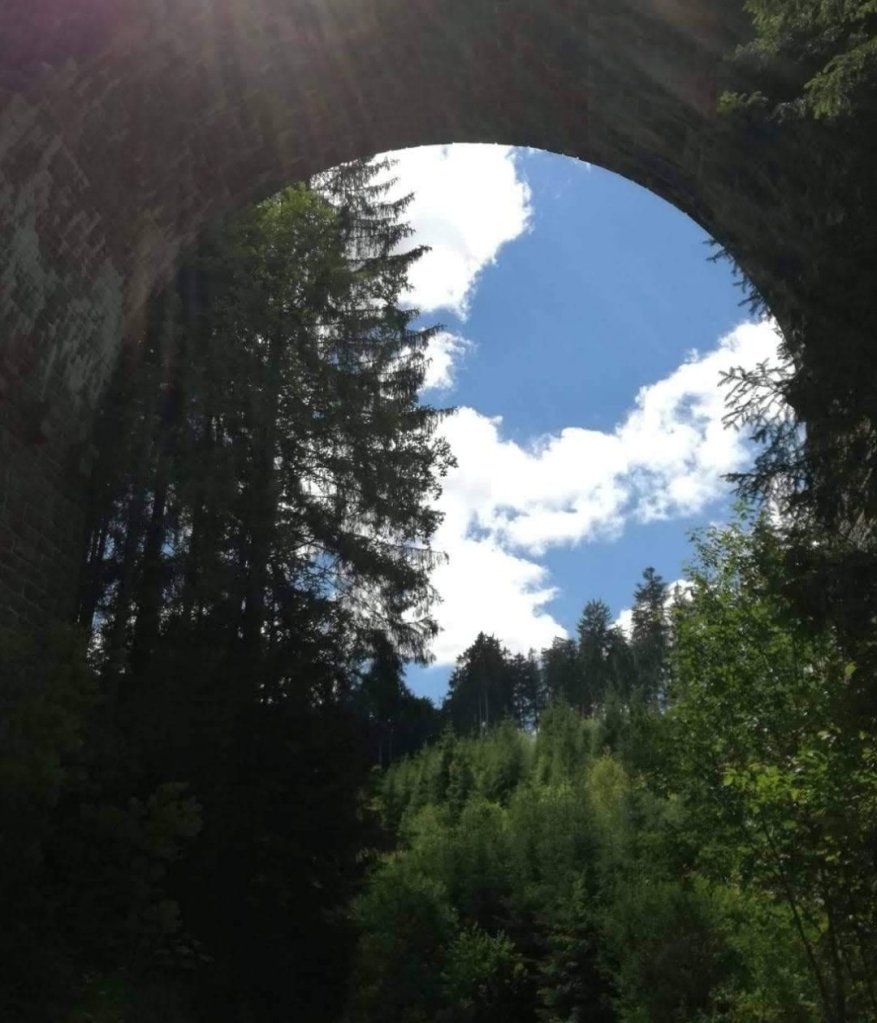
Błękit myśli

Niekiedy,
w gęsto
utkanym
istnieniu,

zadziwiają
nagle
widoki
w prześwitach

...na
aksamitnie
błękitne
niebo...

taki inny,
beztrosko
niebieski...
...świat.
Wiersz taki, że mogła go 80 lat temu napisać nasza wrześniowa protagonistka, Irena Bobowska.
Autorka specjalnie namalowała tę winietę do dzisiejszego wpisu i dopisała serdeczne życzenia. Dziękuję!
ZACHWYT

Od dziś –
nie będziesz miał słońca, powietrza, swobody
nie będziesz miał nieba i kwiatów i wody
nie będziesz oglądał czerwieni, błękitu
nie będziesz oglądał zachodu i świtu
odbieram ci jasność, pogodę, wytchnienie
daję ci za to – ból i kamienie
niepewność, strach, ciężar, smutek i szarość
chłód, niespełnienie, słabość i małość
żelazo i stal, pociski, zasieki
błoto i doły, piach pod powieki
lecz –
dam ci nadzieję
gdy mocno ją chwycisz
przeniesie cię tu – gdy
- się zachwycisz
9-euroticket

am abend
schnitten sie die holunderfrüchte ab
(den eimer haben sie mitgebracht)

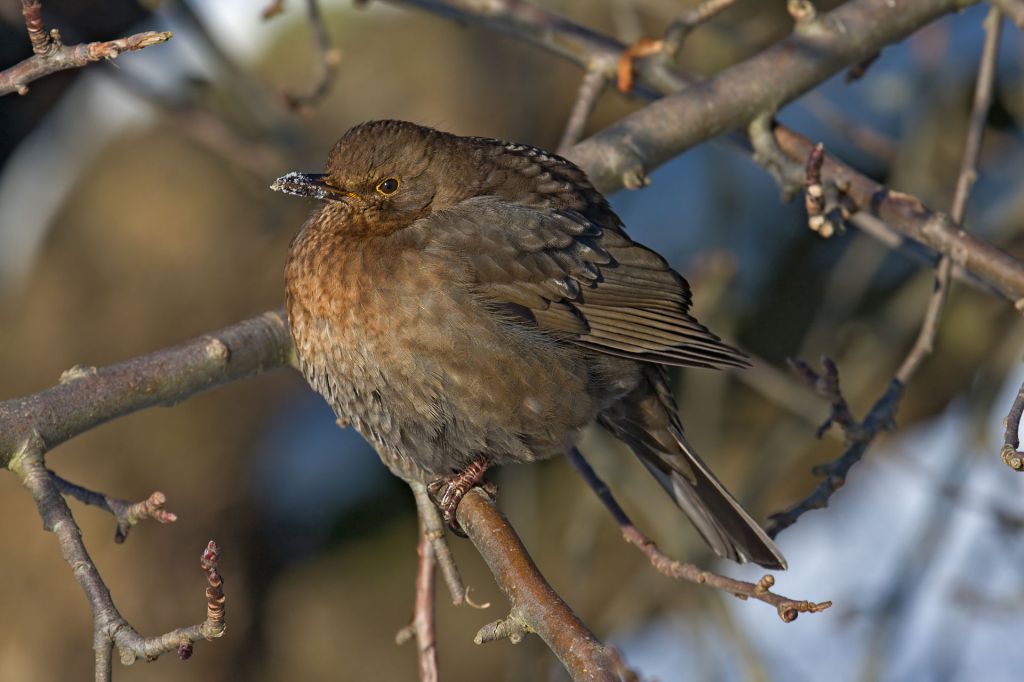
die alte amsel
flog hoch
und fiel sichtlich überrascht
herunter

sie begriff ( oder auch nicht)
das die früchte
oder ihre welt
nicht mehr existierten

- wir machen einen saft oder ein gelle draus -
sagten  die zwei hocherfreuten 9 - euroticket geniesser

die  amsel kletterte noch auf den kahlen busch
und erstarrte
für immer *)

-----------------------------------------------------

*) am nächsten morgen begrub ich sie
unter den wurzeln
eines baumes

tibor,
sommer 2022
THE VISITORS OR GOD CREATED HUMAN

nach 3 jahren in takoma park
kommt sie mit zwei kindern zum besuch
nach old europe
(deutschland, schweiz, italien, frankreich)

frisch gepierct
(was für ein schnäppchen!)
aber noch nicht tatowiert
setzen sie sich in der
eher sparsam von mir angerichteten
tafelrunde

zu guter letzt
verwickelt sie mich in das gespräch
(beim abräumen des geschirrs
- ich habe auch essen gekocht und serviert)
in ein vortrag über ganz neue 6 geschlechter - religion
(na immerhin besser als eine diskussion über die alten haubitzen)
und bindet mir doch noch einen bären an die nase
(die erschrockenen kinder erfrieren fast von angst
 weil mir  tatsächlich die tatzen wachsen - ja!)

- zwei geschlechter? das ist doch wie in rußland! -

doch ich fühle mich
wie ein alter, morscher knochen
den man/frau/divers
in die ecke geworfen hat

eine abgenagte
durch die zähne des saturnus
evas rippe


https://commons.wikimedia.org/wiki/William_Blake?uselang=de#/media/File:William_Blake-Europe_Supported_By_Africa_and_America_1796.png

tibor, sommer 2020
Wieczorem

Już wieczór;
granatowo
opada powoli
jak mgła,
gdzie niegdzie
zapala świeczki,
wygasza światła.

Otwarta
przestrzeń;
twórczości,
tajemniczości,
romantyzmu
intymności,
miłości...

a niektórym,
...w pełni
księżyca
jak w wodzie,
odbija się
bezbarwna
samotność.
Jeszcze i już

Jeszcze delikatny zapach
świeżej nocy potrąca
mój wrażliwy węch.

Unoszę się na nim,
wciągam powietrze
pokonując przestrzenie.

I już powoli świta,
wilgoć poranka
rozpyla się wokoło.

Tęsknota za znanym
i nieznanym porywa
mnie we wspomnienia,

...oby stały
się znów
jutrem...
Ballada o miłości

W mroku w lęku, ostrożnie
tylko  nocą, lasami,
On pierwszy, śmielej a
Ona
kilka kroków za nim
W dzień  się schowali
na plaży, od ludzkiego oka
Plaża tu była dzika
a fala wysoka
Najpierw spali na wydmie skryci w srebrnych trawach
bo trawy się nie znają na rasowych sprawach
A potem stali przy sobie
na głębokiej wodzie
Czarnooka Żydówka
lat 20, śliczna
On Niemiec, oczy niebieskie, czupryna pszeniczna
trzymali się za ręce
nikt ich  nie widział więcej
lato jeszcze choć tleje
tęskni do jesieni
mchem w lesie siwieje
wrzosem się rumieni

życie biegnie
lato już się starzeje
srebrnym mchem się mieni
i tylko  ma nadzieję
doczekać jesieni
wiatr  wcześniej tak leniwy
 teraz fale wznosi
 targa  za mokre grzywy
i piasek unosi
a słońce do południa tak snuje się jak ty
bez kawy senne jesienne
w sukience z rannej mgły
Kochanek wiatr

Słyszysz jak nad jeziorem
szumi trzcina płowa?
To jest pieśń o miłości
wiatru do sitowia
co raz lekko, raz mocniej
czułe struny szarpie
Gra trzcinom kołysankę
na anielskiej harfie
Raz po raz je ustami
słodkiej fali muska
bo fale to są wiatru
nad jeziorem usta
Trzciny, nimfy zaklęte
kiedy harfę słyszą
przytulają się, tańczą
biodrami kołyszą
a wiatr im włosy układa
rozczesuje,
głaszcze
i zaklina że kocha,
że tak będzie zawsze
..szedł drogą pewien
człowiek
tylko z myślami w głowie
samotnie i prosto jak pręcik
jak   taki słupek bez rtęci
jak dzwonnica bez dzwonu
jak Albania bez schronów
 szedł człowiek
bez telefonu !!
na spacer z myślami w głowie
szedł kiedyś taki człowiek?
czy jesz czy śpisz
oddychasz, drżysz
kiedy po jabłko sięgasz
to już przed tobą robił ktoś
a ktoś opisał w księgach
bo to co będzie  było
i ktoś przed tobą
był
i to co ci się śniło
przed tobą ktoś już śnił
Było już? nic nie znaczy
bo ty...
Ty śnisz inaczej...
EMS: Kiedyś na bazarze Wielkiej Orkiestry Świątecznej Pomocy kupiłam białą koronkową parasolkę. Starą, albo udającą starą. Jest piękna. Jak parasolki u Spitzwega.
Carl Spitzweg, Spacer latem, olej na desce, 1841 / Muzeum w Salzburgu
Albo jak w tym fragmencie u Prousta, kiedy Elstir wypowiada się o parasolkach. Elstira, którego pierwowzorem był Manet, a może Renoir, bardzo interesowały “umbrelki”, które kazał “za szalone pieniądze” specjalnie zamawiać dla swojej żony. Pewnego dnia Marcel, Albertyna i Elstir poświęcili umbrelkom długą rozmowę. Zaczął Elstir, mówiąc:
“Bardzo jest zresztą mało kobiet umiejących się ubrać, ale niektóre są bajeczne. Na wyścigach panna Lea miała biały kapelusik i białą umbrelkę – coś czarującego! Nie wiem, co bym dał, żeby mieć taką białą umbrelkę“. Szalenie byłbym ciekaw (skomentował w myśli Marcel), czym się ta umbrelka różniła od innych: z przyczyn mieszczących się w sferze kokieterii kobiecej Albertyna była ciekawa tego jeszcze bardziej. – To było– powiadał Elstir – całkiem małe, okrągłe, jak chiński parasol. Przytoczyłem umbrelki, pisze dalej Marcel, niektórych kobiet, ale to nie było to. Elstir uznał wszystkie te umbrelki za ohydne. Ten człowiek o wybrednym i wykwintnym smaku mieścił w odcieniu – który był wszystkim – różnicę między tym, co nosiła większość kobiet i co go przejmowało wstrętem, a ładną rzeczą, która go czarowała i która (gdy ja, przeciwnie, odczuwałem wszelki zbytek jako coś wyjaławiającego) podniecała jego żądzę malowania, “aby się starać zrobić coś równie ładnego”. (Marcel Proust, W cieniu zakwitających dziewcząt, strona 542).
Nigdy nie chodziłam z moją “umbrelką”, czasem używałam jej podczas instalacji i dekoracji.
Teraz na facebooku znalazłam rzeźbę.
Nie wiem co, kto, gdzie i jak. Podpis brzmiał jakoś najzwyklej w świecie, coś w rodzaju “rzeźba z drutu”. Ale nawet ta informacja mi zniknęła. Ale to nie jest rzeźba z drutu, to ja.
Po czym Ewa Karbowska napisała na tymże facebooku: Że asocjacji zero? Ale za to z przeprosinami dla Ciebie, za podebranie jednej z ilustracji bez pytania.
No i dała dwie foty obok siebie:
I wiersze:
UWALNIANIE OD SKOJARZEŃ, STOPNIOWO
/także tych na bazie pewnej ilustracji od Ewy Marii/
kiedy powtarzam że STRACONE ZŁUDZENIA
to przeważnie
już nie kombinuję z powieścią Honoré de Balzaca
*
nie rozpatruję również wygód i niedogodności stroju
dam z jego czasów
całych na biało i w koronkach, czy raczej z koronek
*
(dodam, że równie mało zajmują mnie
treny u ich sukien
oraz kapelusze, torebki i parasolki)
*
nie rozwodzę się nad losem
swoim i lalki - szmacianki
nieoddanej mi kiedyś przez kumpelę z piaskownicy
*
i próbuję nie płakać na kubełkiem
pełnym surowca na babkę
zresztą tego samego, który wykorzystuje się do budowy zamków
*
nie wspominam też facetów
„własnych"
a „cudzych" tym bardziej
*
bo jakaż?, bo czyjaż? to własność
w danym konkretnym przypadku
oraz tak w ogóle

~ek~ 12.08.2022
Sorry, szukałam innego zdjęcia, bez sprzedajemy.pl, ale w domu mam inne wydanie
NIESPODZIANIE
zmienią?
gęby i oblicza
po lekturze Gombrowicza
*
zdemaskują?
syna, córkę
zrozumiawszy Ferdydurke
*
a z próżności i w potrzebie
mogą zacząć
też od siebie
*
względnie
nabrać się na kanty
zasiedlając Transatlantyk
*
wyuzdańcom się przytrafi
test z dziedziny ortografii
bo się zająć nie potrafią pornografią
*
wejdą
lekko po omacku
w odnośników literackość
*
i rozwalą
tyłek?, głowę
o coś co cynamonowe
*
kupią bułkę bądź krogulca
w przykurzeniach
w sklepach Schulza
*
a bigotom?
niespodzianka
w całkiem nowych wyliczankach
*
tutaj znajdą
chama?, bożka?
z Emigrantów, więc już z Mrożka

~ek~ 3.08.2022
MAM POPORCJOWANE ORAZ
pojemnik na gniew i na sól
słoiczki
na ten mniejszy ból
*
woreczki
w nich ryż albo miłość
/coś z dwojga się właśnie skończyło/
*
cylinder z dziurkami na pieprz
na błędy
- o części z nich wiesz -
*
kwalifikacje na żonę
dwa grzyby do barszczu
suszone
*
łyżeczkę lub trzy intelektu
łyk maggi
do dania na ciepło
*
wbrew
albo i zgodnie z nadzieją
też flaszkę, bądź ze dwie, oleju
*
- tu aspekt zupełnie nienowy
że w sam raz
do sałat, do głowy
*
plus
w ramach skojarzeń łańcuszka
by rozlać go mogła Anuszka
*
raz pierwszy?, kolejny?, czy który?
te kąski...
literatury -
*
w zapale dokładam od już
kasetkę
z płatkami róż
*
zbiór pęknięć na charakterze
i tego
mi nikt nie odbierze

~ek~ 14.08.2022
Letnie party

Lato,
wdzięczysz
się do człowieka
jak jakiś podlotek,

wyśpiewujesz mu
szlagiery ptasie,
mamisz zapachami,

malujesz codzienność
setkami barw kwietnych,
aromatycznych wielce,

zapraszasz na wielką zabawę
z tłumami różnych gości,
chciwych wielkich przygód,

jesteś  tak wyczekiwane,
prawie już wymodlone,
pachniesz niewiadomą.

Lato,
a czy nie zapomniałeś
o słońcu, pławiącym się
w złocie próżnym bożku,

spalającym powoli
na popiół ciebie,
i twoich gości,
rozwalając ci
z chichotem
to ziemskie
party???
Okno

Myśl, jak kot
wślizgnęła się
przez otwarte okno,

trochę nieśmiało
rozejrzała się
w mojej głowie,

a co ze sobą
zrobić przyjdzie,
wciąż nie wie...

przykucnęła więc
przy gorącym
dziwnym lecie,

powoli dopełzła
do wiadomości
wszechobecnych;

do podłości ludzkiej
względem zwierząt,
do koszmaru wojen,

też i do piękna świata,
geniuszu ludzkiego,
wspaniałości natury...

złapała się za głowę
przyznając bezsilność,
myśli wślizgującej się

przez otwarte
letnią porą okno...
... byłoby  chyba lepiej

legalnie
jak każdy,
wchodzić
drzwiami,
i pozostać
na dłużej...
IRENA BOBOWSKA
(geb. 3.9.1920, Poznań; gest. 27.9.1942, Berlin-Plötzensee)

Eine  junge Frau. Eine hochbegabte Malerin und Dichterin. Eine Schwerbehinderte im Rollstuhl. Eine Pfadfinderin, Aktivistin der Posener Waffen Organisation, dh. Militärorganisation im Westen Polens (Großpolen). Mitgründerin und Mitherausgeberin der Untergrund-Zeitschrift “Pobudka” (Weckruf). Sie sammelte die Informationen aus der Funküberwachung und bereitet sie zum Ausdrucken vor. Sie transportierte die konspirative Dokumente versteckt in ihrem Rollstuhl. Wegen ihrer Untergrundarbeit wurde sie von der GESTAPO verhaftet. Sie verbrachte zwei Jahre im Gefängnis (Fort VII in Poznań, Gefängnis in Wronki, Gefängnis Alt-Moabit, Gefängnis Barnimstraße und schließlich Gefängnis Berlin-Plötzensee). Sie wurde gefoltert und gedemütigt und fand ihren Ausweg im Schreiben von Gedichten und im Zeichnen.
Sie wurde am 27. September 1942 im Morgengrauen im Gefängnis Berlin-Plötzensee hingerichtet.

Das Gedicht “Weil ich lerne …”, geschrieben in Fort VII in Posen, wurde von ihrer Tante Stanisława Kwiatkowska, die aus dem Gefängnis in Wronki entlassen wurde, in einem Schuh aus dem Gefängnis gebracht. Dieses Gedicht, voller Schmerz und Hoffnung, verbreitete sich anonym in Gefängnissen und Konzentrationslagern. Es wurde von weiblichen Gefangenen in Oświęcim, von weiblichen Gefangenen im Nachkriegs-Fordon gelesen. Das von Ewa Maria Slaska ins Deutsche übersetzte Gedicht wurde u.A. anlässlich des Internationalen Frauentags am 8.3.2021 vom Kollektiv Dziewuchy Berlin während der Performance “We are relevant” auf dem Nettelbeckplatz in Berlin vorgetragen.
mehr: DEMO Wir sind Widerstand.

Wir erinnern an sie. Weil sie war und ist – relevant.

Im Rahmen des Projekts wurden die acht gefundenen Gedichte ins Deutsche übersetzt von: Agnieszka Dębska (2022), Elżbieta Jagiełło (2022),  Elżbieta Kargol (2022), Ewa Maria Slaska (2021), Monika Wrzosek-Müller (2022), Anja Witzel (2022). Das Gedicht “Lass ich meinen Gruß nach Hause tragen” wurde 1995 von Bettina Eberspächer übersetzt und in der Publikation “Poetki z ciemności / Dichterinnen aus dem Dunkel” (WIR Nr. 2, Berlin 1995), herausgegeben von Ewa Maria Slaska, veröffentlicht.

IRENA BOBOWSKA
(Urodzona 3 września 1920 r. w Poznaniu, stracona 26 września 1942 r. w Berlinie-Plötzensee)

Młoda kobieta. Niezwykle utalentowana rysowniczka i poetka. Osoba z niepełnosprawnościami, poruszająca się na wózku inwalidzkim. Harcerka, działaczka Poznańskiej Organizacji Zbrojnej, tj. organizacji wojskowej w zachodniej Polsce (Wielkopolska). Współzałożycielka i współredaktorka podziemnego pisma “Pobudka”. Zbierała informacje z monitoringu radiowego i przygotowała je do druku. Dokumenty konspiracyjne przewoziła ukryte w swoim wózku inwalidzkim. Z powodu swojej pracy konspiracyjnej została aresztowana przez GESTAPO.  Dwa lata spędziła w więzieniu (Fort VII w Poznaniu, więzienie we Wronkach, więzienie Alt-Moabit, więzienie Barnimstraße i wreszcie więzienie Berlin-Plötzensee). Torturowana i poniżana, ucieczkę znalazła w pisaniu wierszy i rysowaniu. Została stracona o świcie 27 września 1942 roku w więzieniu Berlin-Plötzensee.

Najbardziej znany wiersz Bobowskiej, “Bo się uczę…”, napisany w Forcie VII w Poznaniu, przyniosła w bucie z więzienia zwolniona z więzienia we Wronkach ciotka Stanisława Kwiatkowska. Wiersz ten, pełen bólu i nadziei, rozchodził się anonimowo w więzieniach i obozach koncentracyjnych. Był czytana przez więźniarki w Oświęcimiu, przez więźniarki w powojennym Fordonie. Na niemiecki wiersz przetłumaczyła Ewa Maria Slaska, odczytywany był przez kolektyw Dziewuchy Berlin między innymi w ramach obchodów Międzynarodowego Dnia Kobiet (8.3.2021) podczas performance “Jesteśmy istotne” na Widerstandsplatz (Nettelbeckplatz) w Berlinie. więcej: DEMO Wir sind Widerstand.

Pamiętamy o niej. Bo była i jest – istotna.

W ramach projektu znalezione osiem wierszy na niemiecki przetłumaczyły: Agnieszka Dębska (2022),  Elżbieta Jagiełło (2022), Elżbieta Kargol (2022), Ewa Maria Slaska (2021), Monika Wrzosek-Müller (2022), Anja Witzel (2022). Wiersz “Ostatnie pozdrowienie” przetłumaczony był przez Bettinę Eberspächer w 1995 roku i opublikowany w publikacji “Poetki z ciemności / Dichterinnen aus dem Dunkel” (WIR Nr. 2, Berlin 1995) pod redakcją Ewy Marii Slaskiej.

Ostatnie pozdrowienie

Przez gwiazdy i księżyc i słońca promienie,
Przez wszystkie blaski istniejące,
Zasyłam w dom mój pozdrowienie,
I moje serce tęskniące.

Przez drzewa i krzewy i przez wiatru tchnienie,
Przez wszystko, co kwitnie i rośnie,
Zasyłam w dom mój pozdrowienie,
I moje sny o wiośnie.

Przez świeżą zieleń, przez błękit nieba,
Przez grę kolorów tęczową, lśnienia,
Zasyłam w dom mój pozdrowienia,
Tchnące miłością purpurową.

Przez bicie dzwonów, przez ptaszęce pienia,
Przez wszystkie śpiewy i dźwięki,
Zasyłam w dom mój pozdrowienia,
W tonach żałosnej piosenki.

Przez sny złote i srebrne marzenia,
I poprzez myśli tęsknych roje…
Zasyłam w dom mój pozdrowienia,
Przyślijcie Wy mi serca swoje.
(Alt-Moabit, 1941?)

Lass ich meinen Gruß nach Hause tragen

Von Mond und Sternen, von Sonnenstrahlen,
Von allem Lichtschein der Welt,
Lass ich meinen Gruß nach Hause tragen
Und mein sehnendes Herz.

Von allen Bäumen und Sträuchern, des Windes Atem,
Von allem, was wächst und was blüht
Lass ich meinen Gruß nach Hause tragen
Und meinen Frühlingstraum.

Von Himmelsblau und von frischem Grün,
Vom Glanz, von des Regenbogens Spiel der Farben
Lass ich meinen Gruß nach Hause tragen
Von purpurner Liebe behaucht.

Von Vogelgesängen, von der Glockenschlägen,
Von allem, was tönt und was singt
Lass ich meinen Gruß nach Hause tragen,
Der wie ein Klagelied klingt.

Von goldenen Träumen, silbernen Verlangen,
Von der Sehnsuchtsgedanken Spiel
Lass ich meinen Gruß nach Hause tragen
– Schickt Ihr euer Herz zu mir

(übersetzt von Bettina Eberspächer, 1995)

***

Modlitwa

Za wszystkie dobre z Bożej ręki wzięte
Za skarby wiary, za pociechy święte
Za trudy, prace i trudów owoce
Chwile szczęścia i długie niemoce
Za spokój, walkę
Za chwile szczęścia i dni żałoby

(23.4.194?)

Das Gebet

Für all das Gute aus Gotteshand erfasste
Für Glaubensschätze, für die heiligen Troste
Für Arbeit, Mühen und deren Gewinn
Die Glücksmomente und Tage ohne Sinn
Für Kampf und Frieden weltweit
Für Glück und für die Trauerzeit.

(übersetzt von Elżbieta Kargol, 2022)

***

Wszystko będzie dobrze,
Jasne przyjdą dni.
Słońce nam zaświeci,
Otworzą Fortu drzwi.
O szczęściu i swobodzie
Gromada więźniów śni.
Wszystko będzie dobrze,
Jasne przyjdą dni.
Wszystko będzie dobrze,
Wolności błyśnie dzień,
Więzienne znikną mury,
Fortecy zniknie cień.
I radość znów zagości
Wśród śmiechu jasnych śnień.
Wszystko będzie dobrze,
Wolności błyśnie dzień.
Wszystko będzie dobrze,
W rodzinny wrócim próg.
Hasłem naszym będzie:
Rodzina, kraj i Bóg.
Ochoczo chwycim w dłonie
Młot twardy, miecz i pług.
Wszystko będzie dobrze,
W rodzinny wrócim próg.

(194?, Fort VII, Poznań)

Alles wird gut
Und helle Tage kommen
Die Sonne scheinen
Die Tore der Festung sich öffnen
Von Glück und Freiheit
Träumen die Gefangenen.
Alles wird gut
Und helle Tage kommen
Alles wird gut
Der Tag der Freiheit kommt
Die Gefängnismauer verschwindet
Der Schatten der Festung auch.
Die Freude wird einziehen
Im Lachen heller Träume
Alles wird gut
Der Tag der Freiheit kommt
Alles wird gut
Wir kehren heim
Unser Schlagwort heißt
Familie, Vaterland und Gott
Mit Freuden greifen wir
Zu Hammer, Schwert und Pflug
Alles wird gut
Wir kehren heim.

(übersetzt von Monika Wrzosek-Müller, 2022)

***

Kochanej Mamusi w dniu imienin 15.5.

Ach tak bym chciała dziś pod stopy Twoje,
jak wonnych kwiatów, rzucić marzeń roje,
życzeń tysiące.

Ale są chwile, gdy nie można w słowa
oblec tych uczuć,
które w sobie chowa
serce bijące…

Ale są chwile, gdy wielkie wzruszenie
zamienia rwący się okrzyk – w milczenie
i głos tamuje…

Matuś, wiesz dobrze, że Twoja pieszczocha
Z całego serca prawdziwie Cię kocha.
Ty wiesz, co czuję…

Nenia dla Matuli

(1942)

Der geliebten Mama zum Namenstag 15.5.

Ach, wie gern würd ich dir heute
Hände voller Träume und lauter gute Wünsche
wie duftende Blüten auf deinen Weg streuen!

Aber es gibt Zeiten, in denen die Gefühle,
die das schlagende Herz in sich verbirgt,
keine Worte finden können…

Es gibt Zeiten, in denen der innere Aufruhr
den Schrei, der sich lösen will, in Schweigen verwandelt
und die Stimme lähmt…

Mami, du weißt genau, dass dein Schatz
dich von ganzem Herzen liebt.
Du weißt, was ich fühle…

Nenia für Mutti

(übersetzt von Anja Witzel, 2022)

***

Ktoś po klawiszach palcami wodzi
O struny skrzypiec czyjaś ręka trąca
Jakaś melodia z dala nadchodzi –
Chcę ją spamięta, lecz tony się mącą –

Śni mi się w nocy nasze pianino –
Czarne i lśniące stoi pod ścianą –
I na mnie czeka, gdy dni szare miną
Wrócę do niego – gdy wolna zostanę…

Na razie śnię tylko i rymy układam
Czasem – choć rzadko – łzy leje
I bajki sobie opowiadam,
I do snów moich się śmieję

Buduję przyszłość promienną, jasną
Podkłady daję z dobroci
I wtedy cela przestaje być ciemną
Przez kraty słońce ją złoci –

A w słonecznej jasnej strudze
W blasku prawdziwych urojeń
Dusza się kąpie jak w strudze
I lżej oddycha serce moje

(1941, Wronki)

Sanfte Finger berühren die Tasten,
Jemand anders zupft die Geigensaiten
Und ich höre ein Lied von ganz Weitem –
Doch der Klang lässt sich nicht festhalten –

Nachts im Traum mein Klavier mir erscheint –
An der Wand glänzend schwarz wartet dort –
Ist das Gräuliche vorbei, bin ich wieder daheim.
Kehre ich zurück, werd‘ ich wieder frei sein…

Bis es soweit ist, kommt ein Traum, kommt ein Reim
Manchmal wein‘ ich, doch zugegeben: selten
Kindheitsmärchen erzähle ich mir
Schaffe es, meinen Träumen zuzulächeln

Eine Zukunft mir baue, eine strahlende, helle
Ihr Fundament ist Güte
Dann weicht das Dunkel der Zelle
Die Sonne dringt ein durch die Gitter

In dem breiten Sonnenstrahl
Phantombilder wirken wahr
Und meine Seele badet wie in einem Bach
Und mein Herz atmet leichter, fast wirklich leicht

(übersetzt von Elżbieta Jagiełło, 2022)

***

Serce me
w złudnym śniepogrążone było.
Przyszedł dzień
Zniknął sen
Szczęście się prześniło.
Tylko myśl
Jeszcze dziś
Przypomina sny.
Dawne piosnki
Budzą troski
Przywołują łzy.

(Moabit, 20.1.1942)

Mein Herz
war vertieft
in Träumerei.
Mit dem Tag
schwand der Traum
das Glück war vorbei.
Heut erinnert
ein Gedanke
an des Traumes Glück
Alte Lieder
bringen Kummer
und Tränen zurück

(übersetzt von Agnieszka Dębska, 2022)

***
Ja lubię sobie wyobrażać
Że jestem z bajki taką dobrą wróżką
Przedziwne cuda mogę stwarzać
Mą czarodziejską różdżką.

I wtedy chodzę i sieję po świecie
Taki radosny, dźwięczny śmiech.
Śmiech, który wszystko zło wymiecie,
Przed którym umknie wszelki grzech.

W takt mojej różdżki tańczą dzieci
Kłonią się kwiaty, szumią drzewa
Gdy zechcę, wiatr swawolny leci
I na mój rozkaz słowik w parku śpiewa.

W dzień wodzę w górze słońce ogniste
I co noc gwiazdy zapalam,
I mgły na łąkach snuję srebrzyste,
I księżycowi świecić pozwalam.

Rankiem rozpylam perliste rosy,
Zawrotnych woni udzielam ziołom,
Rok rocznie złocę pszeniczne kłosy
I deszcz spragnionym zsyłam siołom.

Dzień i noc oraz 4 pory roku
Elfy, chochliki, wszystkie kwietne duszki
I nimfy z łąki przy potoku,
Syreny w morzu – też są moje służki.

(Moabit, 24.12.1941)

Ich stelle mich gerne so vor
Als gute Fee, vorm Märchentor
Mit einem Zauberstab in meiner Hand,
die große Wunder bewirken kann.

So gehe ich freudig durch die Welt
Mit meinem Lachen, das fröhlich klingt
Und all das Böse was im Wege steht
Und jede Sünde vertreiben wird.

Zum Takt meines Zauberstabs tanzen die Kinder
Durch meinen Willen befreie ich Winde.
Die Nachtigal zum Singen ich bezwinge,
Die Blumen zum Grüßen, die Bäume zu Schwingen.

Tagsüber befehle ich der Sonne zu wandern,
Nachts zünde ich Sterne am Himmel an,
Silbrige Nebel lasse ich auf Wiesen landen,
und den Mond leuchten, solange er kann.

Am Morgen sprühe ich perlenden Tau
Betörende Düfte schenke ich den Kräutern
Die Weizenähren bestreue ich mit Gold
Und sende Regen den durstigen Orten.

Der Tag und die Nacht und die Jahreszeiten
die Elfen, Kobolde, jegliche Blumengeister
und all die Nymphen und Wasserjungfrauen
auch die sollen mir ihre Dienste leisten.

(übersetzt von Elżbieta Kargol, 2022)

***

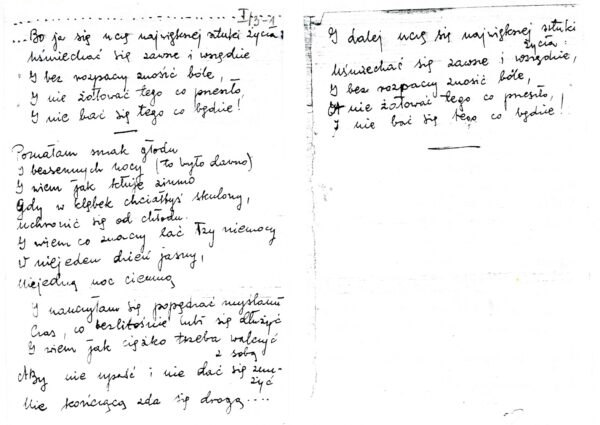
Bo ja się uczę…

Bo ja się uczę największej sztuki życia:
Uśmiechać się zawsze i wszędzie
I bez rozpaczy znosić bóle,
I nie żałować tego co przeszło,
I nie bać się tego co będzie!

Poznałam smak głodu
I bezsennych nocy (to było dawno)
I wiem jak kłuje zimno,
Gdy w kłębek chciałbyś skulony,
Uchronić się od chłodu.
I wiem co znaczy lać łzy niemocy
W niejeden dzień jasny,
Niejedną noc ciemną.

I nauczyłam się popędzać myślami
Czas co bezlitośnie lubi się dłużyć
I wiem jak ciężko trzeba walczyć z sobą,
Aby nie upaść i nie dać się znużyć
Nie kończącą zda się drogą…

I dalej uczę się największej sztuki życia:
Uśmiechać się zawsze i wszędzie
I bez rozpaczy znosić bóle,
I nie żałować tego co przeszło,
I nie bać się tego co będzie!

(Wronki, 1941)

Weil ich lerne…

Weil ich die größte Kunst des Lebens lerne:
Jederzeit und überall zu lächeln
Und den Schmerz ohne Verzweiflung zu ertragen,
Und nicht zu bereuen, was vergangen ist,
Und keine Angst haben vor dem, was sein wird!

Ich kenne den Geschmack von Hunger
Und schlaflose Nächte (das ist lange her)
Und ich weiß, wie kalt es sticht
Wenn du dich zu einem Ball
zusammenrollen möchtest
Dich vor Kälte schützen.

Und ich weiß, was es bedeutet,
Tränen der Hilflosigkeit zu vergießen
An vielen hellen Tagen
Und einer dunklen Nacht.

Und ich habe gelernt, die Zeit voran zu treiben,
Die sich gnadenlos hinzieht,
Und ich weiß, wie hart man sich selbst bekämpfen muss
Um nicht zu fallen und nicht zu ermüden,
Dass der Weg endlos zu sein scheint…

Und ich lerne immer noch die größte Kunst des Lebens:
Jederzeit und überall zu lächeln
Und den Schmerz ohne Verzweiflung zu ertragen,
Und nicht zu bereuen, was vergangen ist,
Und keine Angst zu haben vor dem, was sein wird!

(übersetzt von Ewa Maria Slaska, 2021)
Z Archiwum Generał Elżbiety Zawackiej
Rysunek Ireny Bobowskiej / Zeichnung von Irena Bobowska (Foto: “Nenia” / Stowarzyszenie Przyjaciół Dąbrówki)
Gołąb z ulicy Chopina

Dziś przyleciał
gołąb poranny,
z ulicy Chopina,
moje dzieciństwo.

Gruchnął znów,
z jakąś skargą,
w zaciśniętym
dziobie jak wtedy.

Zagłuszał inne
ptaki, psy i koty
biadoleniem tępym,
nieprzetłumaczalnym.

I nagle
dzwony
kościelne,
w czystym
powietrzu
poranka,
odebrały
od niego
tę skargę...
Dziwne lato

Lato,
wyśpiewane ptakami,
od lasów po balkony.

Lato,
przepięknie kolorowe,
rozsłonecznione niebiesko.

Lato,
grzmiące z nienawisci,
miotające piorunami.

Lato,
prażące gorącem ziemię,
jakby kawę kolumbijską.

Lato,
goniące ludzi dla ochłody
w wody rzek i basenów.

Lato,
całe lądy na wiór suszące,
kradnąc wodę, paląc lasy.

Lato,
cierpiące na
niestabilność,
jak człowiek,
co kocha
...i zabija.