Die Wurzeln der Fotografiegeschichte liegen weiter zurück, als wir annehmen: Bereits im 4. Jahrhundert vor Christus beschrieb Aristoteles die Camera Obscura. Hierbei wird ein Bild in das Innere der Lochkamera projiziert. Durch eine kleine Öffnung sieht man die auf dem Kopf stehende Projektion der Außenwelt. Die Camera Obscura gilt als Urstein fotografischer Verfahren – sie ebnete den Weg für weitere revolutionäre Erfindungen.
Wer erfand die Fotografie?
Joseph Nicéphore Niépce (auch Nièpce oder Niepce) und Louis Daguerre gelten als die Erfinder der Fotografie:
1826 gelang es JosephNicéphore Niépce, das erste beständige Bild aufzunehmen. Dafür belichtete er eine mit Asphalt beschichtete Zinnplatte – und das 8 Stunden lang! Nièpce wählte ein naheliegendes Motiv: den Ausblick aus seinem Arbeitszimmer im französischen Saint-Loup-de-Varennes.
Der Maler Louis Jacques Mandé Daguerre war so begeistert von der Errungenschaft, dass er Nièpces Partner wurde. Er tüftelte weiter an der Technik und entwickelte ein Verfahren mit Kupferplatten und Quecksilberdämpfen, welches eine deutlich kürzere Belichtungszeit ermöglichte.
Damit fand Daguerre 1839 mit der nach ihm benannten Daguerreotypie einen Weg, Fotografie erstmals kommerziell für Portraits zu nutzen. Hier begann die bahnbrechende Erfolgsgeschichte der Fotografie.
William Henry Fox Talbot entwickelte wenige Jahre später das Negativ-Positiv-Verfahren. Mit seiner Hilfe konnten Fotografen nun ihre Bilder durch Negativabzüge vervielfältigen.
Fotografie Geschichte damals wie heute: Selfies und „sex sells“
Bevor Fotografie zur eigenständigen Kunstgattung aufstieg, dominierte insbesondere Malerei die Kunstszene. Noch im 19. und Anfang des 20. Jahrhunderts wurden Fotografen von Künstlern als minderwertige Rivalen angesehen. Traditionell ließ man sich zu dieser Zeit von Malern porträtieren, die nun um ihre Daseinsberechtigung fürchteten. Dennoch integrierten die ersten Künstler Fotografie in ihren Arbeitsprozess.
Das erste “Selfie” der Geschichte nahm 1839 der amerikanische Lampenhersteller und Fotografie-Enthusiast Robert Cornelius auf: mit Hilfe der Daguerreotypie. Geschäftstüchtige Fotografen erkannten sofort den kommerziellen Mehrwert der Reproduzierbarkeit der Bilder.
Aktfotografen wie Alexis Gouin oder Bruno Braquehais produzierten in den 1850er Jahren mit ihren erotischen Darstellungen die Vorläufer klassischer Pin-up-Fotos. Diese fanden reißenden Absatz, was nicht verwunderlich ist: „Sex sells“ – daran hat sich auch heute nichts geändert. Nach wie vor gehören Aktbilder zum festen Repertoire vieler Fotografen, doch nur wenige finden den schmalen Grat zwischen Ästhetik und Erotik.
______________
Aber es ist alles nicht so eine simple story, wie man sie hier, im rebblogten Text und beigefügten Film(chen) darstellt, weil eben die Camera Obscura schon in der Antike bekannt war und den findigen und pfiffigen Künstler dies zu tun ermöglichte, was von der Welt als schier Unmögliches, ergo – Wunder, ergo – Schwarz Magie, klasifiziert wurde. Eine solche Geschichte erzählt ein deutscher Schriftsteller, Mathias Gatza in seinem faszinierendem Roman Der Augentäuscher (siehe oben). Ich werde Euch nicht erzählen, worum es in diesem Buch geht. Es ist so lustig, ironisch, gesellschaftskritisch und interessant, dass Ihr es einfach lesen musst.
I am a clown … and I collect moments. – Heinrich Böll, The Clown (1963)
The first thing I linger over, when I upturn the box onto my bedsheet, is an overexposed photograph of two skinny boys. It depicts me, aged 19, with a collegial arm slung over the shoulders of Ed, an old friend from school. The pair of us are crouched on a boulder on a beach in western Thailand, in the ungainly repose of people who have just hurried into position after setting a camera timer. The image is shot at an angle from below, and the purplish sky overhead prefigures a gathering storm. The rapturous look on my face suggests that I was either unbothered or that I hadn’t noticed. Whatever the case, I was having a good day.
The photo is one of a thousand odds and ends inside a box – specifically, a Reebok shoebox – that long ago became a reliquary for the stash of mementoes I brought home from my first independent trip abroad. It was the sort of journey that was a rite of passage for kids of a certain milieu at the turn of the 20th century, when Gap Year culture was the rage. I’m not sure what propelled me and the two friends I travelled with, beyond some vague cultural determinism; this was just what a lot of British teens did in the hiatus between school and university. Other than the starting point, Cairns, and the return flight from Bangkok, I had little idea of where we were going, or what we could expect to find when we got there.
When I arrived home – 30 pounds lighter, with a penchant for wearing baggy trousers emblazoned with a Chinese dragon, and no doubt insufferable – I transferred the trove of knick-knacks I’d accumulated in my rucksack into a plastic carrier bag from a Bangkok 7-Eleven. Then I crammed it into this shoebox and shoved it in the attic. It’s taken me 20 years to revisit the contents.
It’s anodyne stuff, mostly. There are a few banknotes and coins; street maps of obscure Vietnamese and Cambodian towns; a dozen flyers for backpackers’ bars. Emptied onto a bed, it looks like anyone else’s trash. But to me it memorialises a graduation. By the time I stashed away this box, I think I already knew that I had found an obsession, and a counteragent, potentially, for the fidgety discontent I’d carried through school.
Home, increasingly, had begun to feel like a malaise; away seemed like an instant antidote. It was the escape hatch I’d been searching for.
Sitting at a desk in London 20 years on, those rudderless months in Australia and Southeast Asia belong to an expired world.
I guess it was inevitable, as the pandemic dragged on, that many of us would be plunged into nostalgia for the journeys we took in the past. For while it may be glib to bemoan a lack of adventure in a period of global bereavement and anxiety, the drastic contraction of international movement is likely to be one of COVID-19’s most momentous cultural and economic ramifications. The old way it was practised, at vast scale, and across increasingly porous borders, has begun to look like it might be a terminal casualty. At the time of writing, there are only memories, and the work of reorienting ourselves to a more inert and less hospitable world.
The author in Chilean Patagonia in 2004
I began travelling independently with that trip in 2000, and in the period since I’ve travelled a lot, certainly more than is usual. In hindsight, the best word to describe my compulsion to move isn’t wanderlust but dromomania, because the second word better hints at its obsessive dimensions. It wouldn’t be unfair to think of it as an addiction. A consuming fixation, unthinkable for the vast span of human history, that even today, after months of immobility, I struggle to imagine living without.
Recalling those travels now, it is tempting to view them as having straddled travel’s golden age. In the first 20 years of the millennium, international tourism arrivals more than doubled, from 700 million in 2000 to almost 1.5 billion in 2019. Over that period, travel, for those of us lucky enough to enjoy it, has become synonymous with wellbeing, a vital adjunct of a fulfilling life.
As I determined to write an elegy to this era, however, I was surprised to find myself feeling not just nostalgia but also ambivalence – at once reeling from the cessation of global travel and quietly resigned to the idea that the breakneck experientialism of the pre-COVID world had to be derailed. Why, for me and others, did the desire to experience other places – to feel the joy animating my face in that old photo – evolve into such a burning need? Was there more at play than simply the decadent joy-seeking of a generation who could? Or was it merely a selfish moment in time, one that we now see, in the stark light of a pandemic’s recalibration of our priorities, for the indulgence it always was?
It seems hard to credit, in a society so utterly reconfigured by the digital revolution that was to come, but, for curious kids growing up in the late 1980s and early ’90s, the world still seemed a depthless prospect. Borders were impermeable; the nations they concealed were incomprehensibly varied and vast. It was a world that could only be glimpsed and never surveyed, in which encyclopaedias and atlases hinted at a planet still rife with mystery.
In elementary school, my favourite books were the Adventure series by Willard Price. Published between 1949 and 1980, the 14 slim novels followed the exploits of two brothers, Hal and Roger Hunt, as they travelled the globe collecting rare animals for their father’s Long Island zoo.
Hal, the elder, was the archetypal travelling hero: 17 years old, adept, absurdly brave, ‘as tall and strong as his father’. But I identified more with the younger brother, Roger, who was eager, but green and accident-prone. The stories were surreal in their eventfulness, each chapter opening on another shoot-out or dangerous animal encounter, as the boys careened from one escapade to the next. In Amazon Adventure (1949), the first book in the series, shy and rare jungle creatures – tapirs, anacondas, jaguars – materialise at their feet each time they step ashore. Together, the boys wrestle this temperamental fauna into submission and stuff it aboard a boat they anoint The Ark, upon which they drift down South America’s great river, pursued all the while by the bullets and arrows of psychopathic rivals and head-hunting ‘Indians’.
Reading it back now, it’s tempting to laugh at the narrative’s unlikelihood. We can only wonder at the rationale of the boys’ father, John Hunt, a man of presumably lunatic irresponsibility and questionable ethics, as he dispatches two teenage sons to pilfer endangered species from the four corners of the world.
However, for all their far-fetched plotlines, it occurs to me in hindsight that the books encapsulated much about the life that I, a fatherless kid, easily bored, would grow to covet. The cinematic, event-filled life. The mythic, shadow father. Hal, the surrogate, surmounting every challenge. The boy, feigning courage. It was a pulp fiction allegory for my state of mind. On page 84 of Amazon Adventure: ‘The truth is the kid was scared to death.’
For the time being, my own adventures, and indeed the mainstreaming of adventurous travel, were far in the future. During childhood, I went overseas a handful of times. But we never left Europe, and whatever happiness I found in those trips was transitory, overshadowed as they often were by my mum’s melancholy. It was on such occasions, when convention ordained that life should be at its most pleasurable, that she most felt her solitude. More often, we camped in Devon, or stayed in Welsh caravan parks. And I cajoled my mum into letting me bring friends along, so that we could spend the week sneaking off to smoke cigarettes and weed, and persuading sympathetic hippies to buy us flagons of potent West Country cider.
The truth was that foreign travel as it would grow to be enjoyed was yet to make its full debut. My parents’ generation had Interrailed around Europe. Since the early 1960s, when the first charter flights unlocked the Mediterranean’s mass tourism market, a growing cohort of British holidaymakers had started to venture south for an annual summer vacation. The bourgeoisie had discovered the joys of Alpine skiing. But as far as most Brits were concerned, the far-off places beyond western Europe could stay that way. The geopolitical volatility of the late Cold War, which presented the countries of Africa, Asia and Latin America as theatres of conflict, famine and totalitarianism, didn’t suit the brochures.
Bouncing from bus to border post, I felt restored because I also felt autonomous
Nevertheless, the seeds of my own itinerancy were germinating. It’s interesting to note that, in the argot of the time, a compulsion to travel was often described in chronic terms. A person who loved to go overseas was said to have contracted ‘the travel bug’. A person stuck at home, dreaming of foreign climes, had ‘itchy feet’. What would, within two short decades, grow into a universal pursuit was once analogous to a fungal infection. In my case, the allusion would be fitting, because my compulsion to travel was forged in pathology, even if, in the euphoria of my earliest journeys, I was enjoying myself too much to notice.
Long before it appeared in passport stamps, my itch manifested in a maudlin temper, and a deep-seated dissatisfaction with life at home. In my teenage years, I often found myself gripped by a crushing cynicism that seemed all the more unshakeable as the 21st century arrived with its oil wars, dumb politics and global warming. I had a beatnik disdain for the status quo and often felt stifled by its orthodoxies. Why aim for Oxbridge, start a pension, consider a long-term career path? In some inchoate way, I was convinced I would never harvest the spoils.
Initially, these nihilistic tendencies manifested in typical adolescent misbehaviour, in petty crime, and bongs, and street-corner booze. However, arguably the most peculiar symptom, and perhaps its most consequential, was what I can only describe as an allergy to the familiar, a reluctance to retrace intellectual or physical ground I’d covered before. Anything that was reminiscent of chapters I had already closed – driving past my old school, for instance, or bumping into an old acquaintance I’d once called a friend – made me feel stuck and panicky. After university, as I fell sideways into temporary office jobs of limited utility, sliding my knees under a desk felt like an act of submission. For a spell, walking down to the shops from my mum’s house became a source of despair.
One unfortunate offshoot of this unease was that I often felt ill. All manner of psychosomatic symptoms – that is, the physical presentation of psychological pain – afflicted me throughout my 20s. I’d already become prone to exaggerating the severity of bugs and viruses, wallowing in hypochondriac self-pity with the onset of whatever small malady. But now even minor health complaints would transmute into blue-light medical emergencies: each headache, a brain tumour; each off-colour piss, a harbinger of diabetes; each aching limb, the leading edge of some autoimmune degeneration. Still other ailments were entirely imagined.
The link between emotional anxiety and physical wellbeing was often embarrassingly explicit. I was once working in an office where a colleague related a weekend horror story about her boyfriend having to rush to Accident and Emergency with an ‘impacted testicle’. Two days later, I limped pathetically into the doctor’s office, pleading for someone to investigate an imaginary pang in my own bollock, thinking all the while that I was losing my mind.
It sounds absurdly self-aggrandising to speculate that a few months in Southeast Asia might have presented itself as a cure for this emotional maelstrom. All I can tell you is that, on the move, miraculously, the aches and anxieties would disappear.
Bouncing from bus to border post, I felt restored because I also felt autonomous. The enemy was futility, and my vulnerability was tied to it epidemiologically, like vector and disease. Only by going away, and in so doing defying society’s stifling expectations, could I evade the predestiny clawing at my back. Immobility was a capitulation, a figurative death. So I sought to be untethered.
At home, now, as I pick through the relics of that first, naive journey at the turn of the millennium, each item triggers floods of reminiscence. There’s a cut-out scrawl of a dolphin, drawn by my six-year-old sister, which she handed to me bawling as I shouldered my backpack to leave. A piece of plastic brake handle, which snapped off a hired moped when I lost control of it in a Malaysian alleyway. A page on ‘post-holiday blues’, rudely torn from a discarded Lonely Planet guidebook, which I read in a Khao San Road flophouse on the day we flew home: ‘Life on the road is challenging, exciting and fulfilling while life back home can appear bleak, boring and dreadfully lacking in meaning…’
In many ways, I had stumbled into the arena of international travel at a pivotal moment, just as the New Age backpacker culture that had lured hippies east on a cloud of mysticism and hashish smoke was being fully co-opted by the mainstream.
To be continued in one week
***
Henry Wismayer is a writer based in London. His essays and features have appeared a.o. in The New York Times Magazine, The Atlantic, The Washington Post Magazine, The Guardian and The Wall Street Journal.
Lucy i księżyc Pewnego wieczoru, gdy Lucy siedziała na ganku, wzszedł księżyc i zalśnił tak jasno, jak nigdy. – Oho! – pomyślała wielka mistrzyni – czy jestem już oświecona? Ale szybko przegoniła tę myśl, jako zbyt przemądrzałą. Lucy zastanawiała się długo, ale nie potrafiła znaleźć przyczyny tej niezwykłej jasności i rozejrzała się bezradnie dookoła, aż jej wzrok padł na małe, kaczątko pod korzeniem kasztana, napuszone w obronie przed nocnym chłodem. – Ha! – roześmiała się Lucy – dziękuje ci księżycu! Podniosła zagubione pisklę i zaniosła je do kaczej matki w kaczej chatce na podwórku, podczas gdy księżyc rozgościł się na białej chmurce.
Vollmond
Lucy i reinkarnacja
Podczas gdy Lucy krzątała się w sadzie przy jabłoniach, odwiedził ją słynny uczony (a podobno bliski oświecenia) mistrz i powiedział: – Jestem pewien, że szlachetna pani mistrzyni posiada tak wysoki stopień wiedzy, iż jest w stanie przepowiedzieć, gdzie po śmierci dojdzie do pani kolejnej reinkarnacji? – Trudno mi to przewidzieć – odpowiedziała Lucy, zrywając dorodne jabłko – co się ze mną po śmierci stanie, ale w każdym razie nie miałabym nic przeciwko temu, aby narodzić się robakiem w tym smacznym owocu z mojego ogrodu.
Vogelgrippe
Dziennik Lucy
Zapytana, dlaczego nie prowadzi dziennika, w którym zapisywałaby swoje przemyślenia, Lucy odpowiedziała: – Moje mądre kaczki kwaczą nieustannie, natomiast ja staram się każdego dnia pożegnać z myślami i pozostawić za sobą rzeczy niepotrzebne, to odróżnia mędrca od głupka, bo mądrość jest wśród myśli tak samo rzadka jak diament na żwirowisku.
Lucy, moja Muza…
urodziła się 80 lat temu, pracowała jako nauczycielka w szkole dla dzieci niepełnosprawnych; jest matką trojga dzieci i babcią sześciorga szczęśliwych wnuków.
Dwukrotnie przed świętami spotkałam się z Don Kichotem w Berlinie – raz w operze i raz w teatrze, przypomniałam też słuchowisko i grafiki Czesława Tumielewicza. Jeśli myślicie, że to koniec, to zapewniam Was, że nie, to nie koniec.
W zakupach przedświątecznych znalazła się butelka białego hiszpańskiego wina La Mancha i wierzcie mi, nie szukałam specjalnie. Była w zwykłym sklepie.
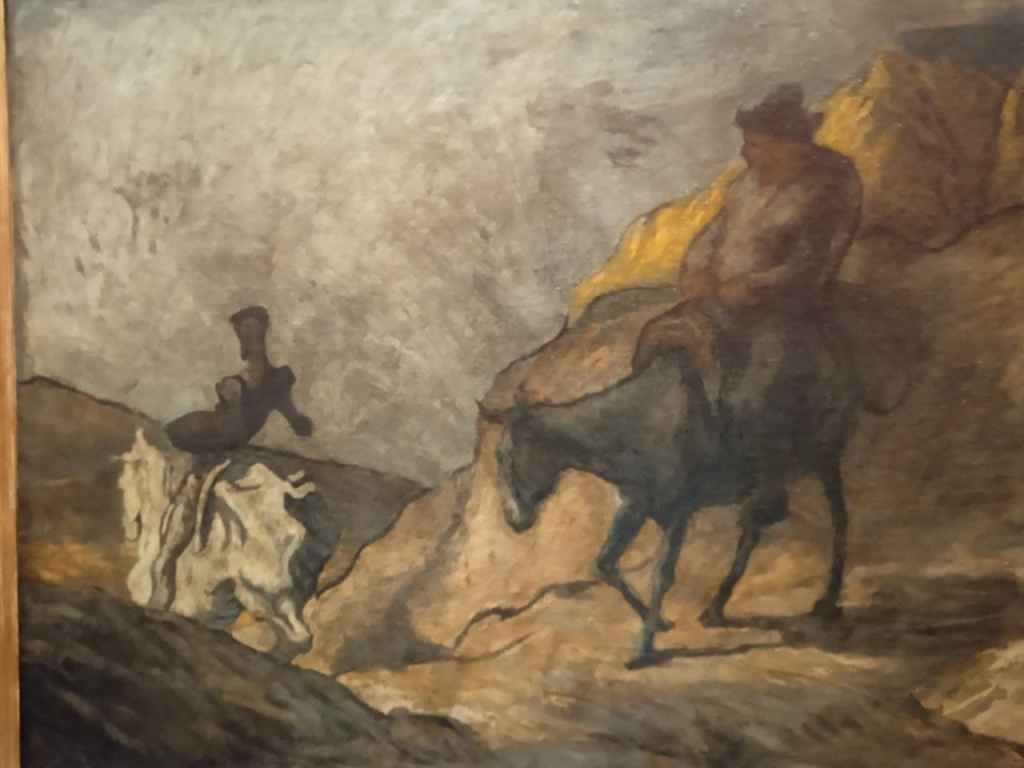
Podczas świątecznej wizyty w muzeum zobaczyliśmy wiatrak van Gogha z roku 1886 (to ten słynny Wiatrak La Galette na Montmartrze, malowany również przez innych malarzy, w tym najsłynniejszy – Renoira) i obraz Honore Daumiera Don Kichot z Sancho Pansą z 1866 roku.
W świątecznej lekturze znalazła się natomiast taka oto informacja z Wikipedii:
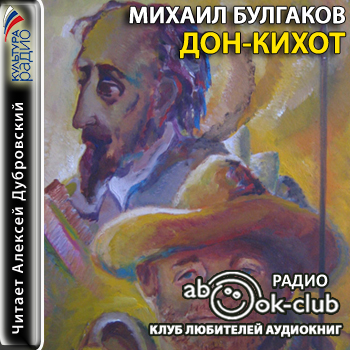
Дон Кихот (Don Kichot) 4-aktowa sztuka teatralna wg Cervantesa autorstwa sowieckiego pisarza Michaiła Bułhakowa, autora kultowej powieści Mistrz i Małgorzata. Bułhakow ukończył pisanie Don Kichota 18 grudnia 1938 roku. Bułhakow znał hiszpański, czytał Cervantesa w oryginale i kochał Don Kichota. Jednak nie doczekał wystawienia swojej sztuki. Umarł 10 marca 1940 roku, a premiera odbyła się 15 marca 1941 roku w Teatrze Alexandrinskim w Leningradzie.
Jak każda współczesna wersja Don Kichota, również wersja Bułhakowa jest znacznie skrócona, zostaje oczywiście walka z wiatrakami, jeden lub dwa napady na podróżnych, które nieodmiennie kończą się wybatożeniem lub pobiciem błędnego rycerza i jego giermka oraz wizyta u księcia i księżnej, którzy mianują Sancho Pansę gubernatorem wyspy (остров Баратария). Podobnie jak u Cervantesa, giermek okazuje się sprawnym i sprawiedliwym sędzią i wyznającym ideały demokracji prawodawcą, rezygnuje jednak z funkcji i wraca do swojego pana. Natomiast oryginalnym pomysłem Bułhakowa jest wprowadzenie do akcji siostrzenicy rycerza, Antonii, która przebiera się za księżniczkę i udaje się na poszukiwanie wujaszka. Towarzyszy jej w tym przedsięwzięciu Szymon Carasko, bakałarz, który podaje się za rycerza i wyzywa Don Kichota na pojedynek. Don Kichot natychmiast się zgadza, Carasko głosi bowiem, że najpiękniejszą damą jest jego wybranka, księżniczka Antonia, podczas, gdy oczywiście tytuł ten należy się Dulcynei z Toboso. Carasko umawia się, że ten kto zwycięży, ma prawo zadecydować o dalszych losach pokonanego przeciwnika. Carasko zwycięża, Antonia zajmuje się wujem, zdradza mu, kim jest i zabiera go do domu. Po drodze Don Kichot przyznaje Antonii, że jest jednak ładniejsza niż Dulcynea.
***
No i ostatnia wiadomość przedświąteczna z Baratarii (tu):
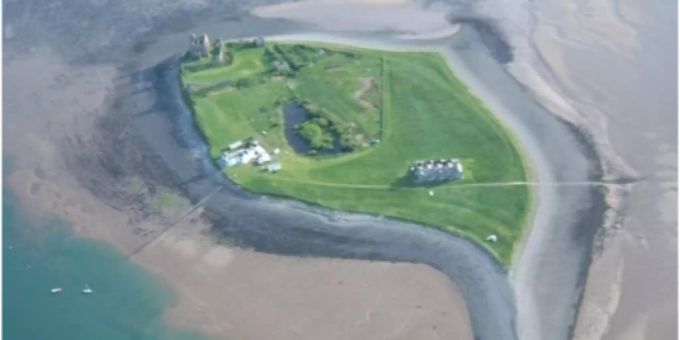
Wyspa Piel (Poel) w Anglii (nieopodal wyspy Man) na morzu pomiędzy Anglią a Irlandią poszukuje nowego zarządcy, który musi również prowadzić pub i otrzyma tytuł… króla! Podczas intronizacji na głowę króla wylana zostanie beczka… piwa.
Wyspa ma 20 hektarów powierzchni i nikt na niej nie mieszka oprócz króla i turystów.
A TU jeszcze lektura dla osób polskojęzycznych, nie całkiem na temat, ale trochę. O moich tatarskich korzeniach i znaczeniu liczby 40.
Inspiration für diesen Beitrag kam von Christine Ziegler. Danke!
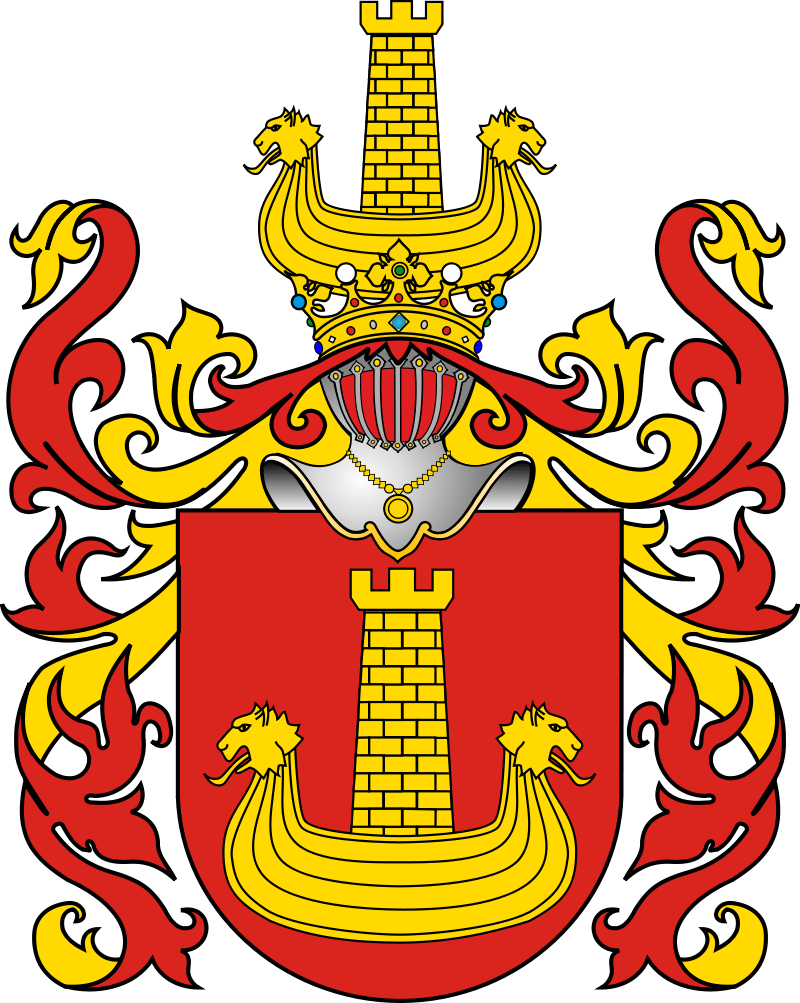
Mein Vater stammte aus einer tatarischen Familie, die Krynicki, die aber schon längst polonisiert wurde. Seine Vorfahren kamen nach Polen in 17. Jahrhundert und dienten der neuen Heimat als Soldaten. Einer von ihnen war mutig und 1648 kämpfte heldenhaft mit den Kosaken in den (verlorenen!) Schlachten an den Żółte Wody und Korsuń. Dafür wurde er vor dem König Władysław IV veradelt (ein berühmter polnischer Dichter Wacław Potocki schrieb sogar einen Pean zu seiner Ehre). Wie es damals gang und gäbe war, hat man für ihn keinen neuen Wappen gefertigt, sondern er wurde von einer polnischen Familie “zum Wappen eingenommen”. Im Falle meiner familie war es Einnahme in den Wappen Korab, dh. Kogge, eine alte Schiffart.
Projekt von Tadeusz Gajl, veröffentlicht in: Herbarz polski: od średniowiecza do XX wieku, Gdańsk 2007
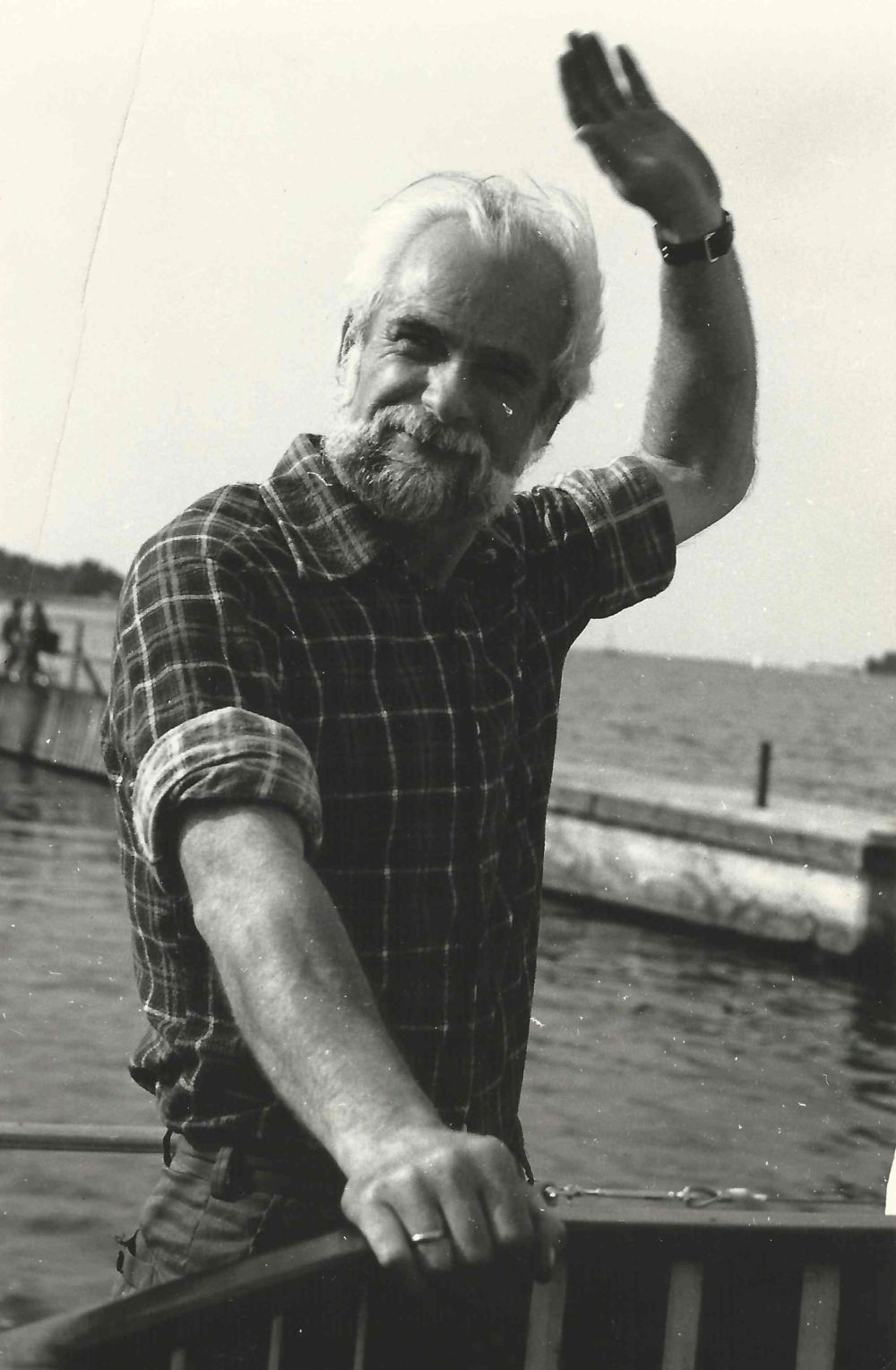
Die Familie siedelte sich in Südpolen an, in Krynica, daher war der Wappen mit einem Schiff jahrhundertelang ein bißchen bizzar, bis mein Vater gleich nach dem Krieg nach Danzig einzog, um Schiffsbau zu studieren. Dann wurde er nicht nur Ingenieur des Schiffsbaus, sondern auch ein Polarsegler und der Familienwappen hat sich endlich bewahrheitet.
Dariusz BoguckiDariusz Bogucki
Das ist mein Vater und nach ihm bin ich wie eine Tatarin zäh, stehe früh auf, mag ich wandern, was ich als Ersatz des Pferdreitens betrachte, und habe einen mongolischen Fleck.
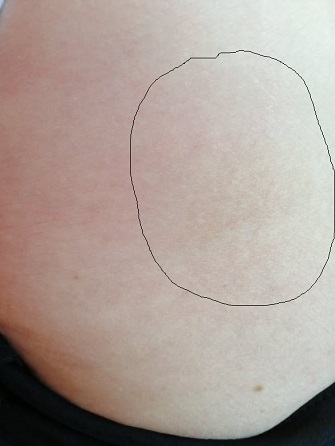
Das wußte ich nicht bis ich nicht angefangen habe, Archäologie zu studieren. Während des Studiums haben wir auch Seminar in Anthropologie, dh. Wissenschaft vom Menschen (ich erkläre es, weil wir heute mit dem Wort Anthropologie vor allem die Kulturwissenschaft verstehen und als ich studiert habe, war es in Polen nicht so.) Eines Tages sollten wir zur Unterricht mit dem Badeanzug unter den Klamotten erscheinen. Wir wurden alle genau gemessen und noch genauer betrachtet. Dabei entdeckte der Dozent, dass ich eben am rechten Hüften einen hellen mongolischen Fleck habe.
Foto Krystyna Koziewicz 18.12.2021
Er war begeistert! – Woher?! schrie er fast. – Wir sind halt eine tatarische Familie, antwortete ich ohne großer Aufregung. Ich sah es nicht als eine Besonderheit. Der Dozent aber schon. Mein Fleck wurde abgezeichnet, fotografiert und beschrieben und soweit ich weiß, ging er auch in die wissenschaftliche Annalen. Also insgesamt besser als ich selber.
Seitdem wußte ich, was es ist – ein milchkaffee-farbiger blasser Fleck an Hüften oder Pobacken der Nachkommen der Tataren. Schluß, ich habe es nie weiter befragt. Bis…
Bis eines Tages, 40 Jahre später wollte ich jemandem in Deutschland erklären, dass wir alle es haben, die Ur-urenkel von Tschingis-Khan. Ich schaute in die Wikipedia, was wir doch immer alle machen, wenn wir etwas finden und zeigen wollen, und fand etwas abscheuliches: Der Mongolenfleck (auch kongenitale dermale Melanozytose, Asiatenfleck, Sakralfleck, Steißfleck, Hunnenfleck) bezeichnet ein oder mehrere unregelmäßige bläuliche Muttermale meist am Rücken, Gesäß oder Kreuzbein eines Kindes. BILD
“Mein” mongolischer Fleck, helle, beige schönaussehender Fleck, überhaupt nicht krankhaft, ist im Internet entweder nie gewesen oder inzwischen gänzlich verschwunden. Was blieb, ist etwas Unangenehmes.
So verschwinden schöne Legenden unserer Kindheit und Jugendzeit. Nur… ich habe den Fleck immer noch. Es bleibt dann die Frage, was ist es? Und was hat meinen Anthropologiedozenten so begeistert?
Tekst Anny Alboth z Guardiana (patrz link powyżej) został przetłumaczony na polski przez Jacka Pałasińskiego i opublikowany na Drugim Obiegu, jego codziennych facebookowych doniesieniach na temat polityki polskiej i światowej. Doniesienia te są wspaniałym dziełem; reblogowałam tu już kilka z nich i zachęcam wszystkich do podjęcia próby zaprzyjaźnienia się z panem Jackiem na Facebooku, po to, żeby móc prawie codziennie czytać rzetelną “prasówkę”, pełną faktów nieznanych szerszemu ogółowi i wspaniałych, ciętych, a zarazem pełnych najgłębszej empatii komentarzy.
Piszę, “spróbujcie się zaprzyjaźnić”, bo możliwe, że się to nie uda. Jacek Pałasiński ma 4999 przyjaciół na Facebooku i wygląda mi to na liczbę nieprzekraczalną.
Wesołych świąt, moi mili, nie zapomnijmy postawić na stole pustego talerza dla bezdomnego, chorego i głodnego uciekiniera, bo może uda mu się do nas dotrzeć. Pan Jacek też o to prosi, choć brzmi w tej prośbie inny ton niż w tym, co ja tu napisałam, choć słowa są te same. Zresztą sami zobaczcie.
Anna Alboth with refugees in Narewka, Poland, near the Belarus border. ‘We cannot take people with us or drive them to a safe place. That would be a criminal act.’ Photograph: Jana Cavojska/SOPA/Rex/Shutterstock
Jacek Pałasiński, Drugi Obieg, Facebook, czwartek, 16 grudnia 2021
„Guardian” publikuje dramatyczny artykuł Anny Alboth, wolontariuszki z Grupy Praw Mniejszości. Przeczytajcie!
Anna Alboth
W mojej głowie ciągle trwa myśl: „Mam w domu dzieci, nie mogę iść do więzienia, nie mogę iść do więzienia”. Polityka jest poza moim zasięgiem i poza zasięgiem ofiar na granicy polsko-białoruskiej. To ironia losu, że na tej granicy zgromadziło się ponad 50 ekip medialnych, ale Polska jest jedynym miejscem w UE, gdzie dziennikarze nie mogą swobodnie relacjonować. Tymczasem zbliża się sroga północnoeuropejska zima, a moje palce marzną w ciemne, śnieżne noce. Sytuacja graniczna pokazuje przepaść między tym, co legalne, a tym, co moralne. Przebija wysiłki tych, którzy działają na rzecz ratowania życia. Jedyne, co możemy zrobić my, aktywiści w lasach na granicy polsko-białoruskiej, to zanieść wodę, żywność i ubrania zdesperowanym ludziom. Jednak wykonanie tego podstawowego aktu humanitarnego wymaga ukrycia. Musimy się ukrywać i przekradać przez lasy. Zwrócenie uwagi straży granicznej, policji czy wojska wymusiłoby kolejne przegnanie. Wśród drzew spotkałam różne grupy: rodziny, matki z dziećmi, ojców z niepełnosprawnymi dziećmi, osoby starsze i osoby z najsłabszych mniejszości świata – etnicznych, religijnych i LGBTQ+. Szukali wolności, ale od sierpnia są wypychani na Białoruś 5, 10, a nawet 15 razy. Na nocne spacery mam na sobie duży plecak pełen termosów z ciepłą zupą, skarpetek, butów, kurtek, rękawiczek, szalików, czapek, plastrów, lekarstw i powerbanków. Chodzę w ciemności i chowam się za drzewami, gdy słyszę helikoptery lub widzę reflektory policji. Słyszę plusk zupy w pojemnikach na plecach, słyszę mój oddech – nikt nie nauczył mnie skradania się i niewidzialności, jak zawodowego żołnierza. Od lat zajmuję się prawami człowieka, odwiedziłam większość granic UE i obozy dla uchodźców, ale nigdy nie bałam się, że podczas poruszania się trzeszczą gałązki pod moimi stopami ani tym, że szeleszczą drzewa nad moją głową. Z osobistych historii i dowodów zebranych przez Minority Rights Group International wraz z kolegami z Grupy Granica, sojuszu 14 polskich organizacji społeczeństwa obywatelskiego reagującego na kryzys, wiemy, że co najmniej 5000 osób było w lasach i że obecnie jest tam co najmniej 1000. Jesteśmy w kontakcie ze wszystkimi: zdesperowanymi ofiarami obrzydliwej gry o władzę między państwami. Za każdym razem, gdy odpowiadamy na telefon od kogoś w potrzebie, jego matki wciąż w Iraku lub Afganistanie, albo kuzyna z Berlina, zabieramy plecaki na ramiona i ruszamy. Dzień i noc – długo po tym, jak świat stracił zainteresowanie. Czasami szukamy ludzi godzinami. Czasem, ze względów bezpieczeństwa, wielokrotnie zmieniają miejsce pobytu. Czasem starsze babcie lub małe dzieci, które nie mają już sił na chodzenie, utknęły na polskich bagnach. Teraz, gdy lasy pokrywa śnieg, a ludzie nie mogą do nas dzwonić, bo ich telefony zostały zniszczone przez polską armię, używamy kamer termowizyjnych. Spotykamy przerażone oczy, wycieńczone twarze, ciała zniszczone zimnem, rozpaczliwie pozbawione odporności po tygodniach spędzonych w lodowatym, wilgotnym lesie. Zamarznięci, spragnieni, głodni ludzie. Nie miałam pojęcia, co oznacza głód. Dawałam kawałek czekolady moim dzieciom, kiedy narzekały przed obiadem. Czytałam statystyki ubóstwa i podręczniki do historii. Nic nie wiedziałem o głodzie. Ludzie na granicy polsko-białoruskiej nie jedli od tygodni. Co kilka dni, po gwałtownym odepchnięciu ich od zasieków z drutu kolczastego, mogą dostać starego ziemniaka od białoruskiego żołnierza, jeśli mają pieniądze. Podzielą się tym z dziećmi. Od wielu dni nie mają nic do picia. Albo piją wodę bagienną lub deszczową, która powoduje skurcze żołądka i ogłuszający ból głowy, jeszcze bardziej ich osłabiając. Pozostawienie im wystarczającej ilości jedzenia i wody na kilka dni jest niemożliwe: nikt nie ma siły, by tyle dźwigać. Nie możemy zabrać ze sobą ludzi ani odwieźć ich w bezpieczne miejsce. To byłby czyn przestępczy. Ale pozostawienie tych ludzi na pastwę powolnej śmierci nie jest przestępstwem. Gdzie jest Czerwony Krzyż, Organizacja Narodów Zjednoczonych ds. Migracji i agencja ONZ ds. uchodźców? Te organizacje, które działają nawet w strefach wojennych? Czyż zabiera się żywność i wodę najbardziej niebezpiecznym przestępcom? Czy 5-letnia Elina jest bardziej niebezpieczna, kiedy jest mniej godna? Ma epilepsję, ale nie ma lekarstwa. Spotkałam ją w lesie z dziewięcioma innymi Kurdami, wszyscy bez butów. Przetrwali wojny i naloty w ojczyźnie, ale mogą zamarznąć na śmierć w polskim lesie. Podczas każdego odepchnięcia polscy i białoruscy oficerowie zabierają im wszystko: pieniądze, ubrania i obuwie. Jesteśmy w kontakcie. Jeśli uda im się ukryć swoje telefony, możemy się komunikować. Dzielą się zdjęciami i filmami białoruskich psów. Pokazują mi kąsane rany, jeśli spotkamy się po polskiej stronie. Płaczą. Proszą o radę. Nie chcą opowiadać swoim rodzinom o swojej trudnej sytuacji, ale potrzebują kogoś, z kim mogą porozmawiać. „Piąty push-back. Przy szóstym się zabiję”. „Straciłem syna, ma astmę. [Ostatni raz, kiedy dzwonił to [było] trzy dni temu. Wiesz gdzie on jest?” “Kiedy przyjdziesz? Czy masz wodę? Nawet kroplę?” Poddani kampanii dezinformacyjnej uchodźcy otrzymują sprzeczne doniesienia służb białoruskich, które rozpowszechniają formularze o osiedleniu się w Polsce lub Niemczech. Budzi to nadzieje na bezpieczną podróż. Ale prawdziwym celem jest rozbicie ich na polskiej granicy, aby wywierać presję na UE. Niektóre niepokojące doniesienia sugerują, że migranci są zmuszani do udziału w przemocy w ramach białoruskich prób prowokowania polskich funkcjonariuszy. Ryzykując eskalację przemocy, my, aktywiści w lasach, pragniemy przypomnieć światu, że uchodźcy nie są agresorami. Są zakładnikami reżimu Łukaszenki, który wykorzystuje ich do swoich celów. Polacy przysyłają mi wiadomości: „Gdzie mam wysłać ciepłe i ciemne ubrania?” „Jaka jest sytuacja na granicy? Media pokazują nam tylko filmy autorstwa polskiego ministerstwa lub władz białoruskich”. „Płaczę, kiedy kładę dzieci do snu. Proszę, napisz coś, co może pomóc”. Dunja Mijatović, komisarz Rady Europy ds. praw człowieka, spędziła cztery dni w Polsce i przyjechała z nami w teren. Powiedziała: „Największą siłą ruchu pomocy uchodźcom i uchodźcom z pogranicza polsko-białoruskiego są mieszkańcy okolicznych miejscowości – w strefie zagrożenia i przy niej. To ich współczucie i empatia przedłuża życie ludzi w lesie. Ich odwaga i bezinteresowność. Ich dobro ratuje życie”. Oczywiście inni widzą to inaczej: ludzie pomagający na granicy to „wrogowie narodu”, „agenci Łukaszenki”, „winni niszczenia wartości europejskich”, „ci, którzy zapraszają tu terrorystów”. Jesteśmy winni, że spragnionym zostawiamy w lesie bukłaki z wodą. Jesteśmy winni dzielenia się zupą. Wkładania butów na zmarznięte stopy, które nie mogły się już ruszyć. Jeśli pomaganie jest nielegalne, czy w ogóle rozumiemy, czym jest przestępstwo”?
*** Cóż może dodać autor Drugiego Obiegu, piszący o sobie D.O.?
Wesołych świąt Bożego Narodzenia, klerze! Wesołych świąt, katolicy! Spokojnych i radosnych świąt, bardzo religijne sfery partyjno-państwowe! Pogodnych, rodzinnych świąt Polacy! Nie zapomnijcie o dodatkowym talerzu na wigilijnym stole!
***
Przypominam:
Tu można wpłacać pieniądze, które naprawdę dotrą do tych, niosących pomoc tam na granicy: Grupa Granica.
Wpłacajcie! Do zakończenia aktualnej zbiórki zostało jeszcze 7 dni! To dzięki naszym wpłatom osoby w terenie, ale też prawnicy, psycholodzy i cała armia dobrych ludzi może robić to, co robi. Dziękuję: https://zrzutka.pl/8br4cy
Liebe Ela, liebe Ewa, liebe LeserInnen, eine Freundin schickte mir einen Artikel zu der Flüchtlingssituation in Kreuzberg im 18. Jahrhundert, in voller Länge unten. Flüchtlinge damals waren Hugenotten und Böhmische Brüder. Daraus ein kleiner Abschnitt:
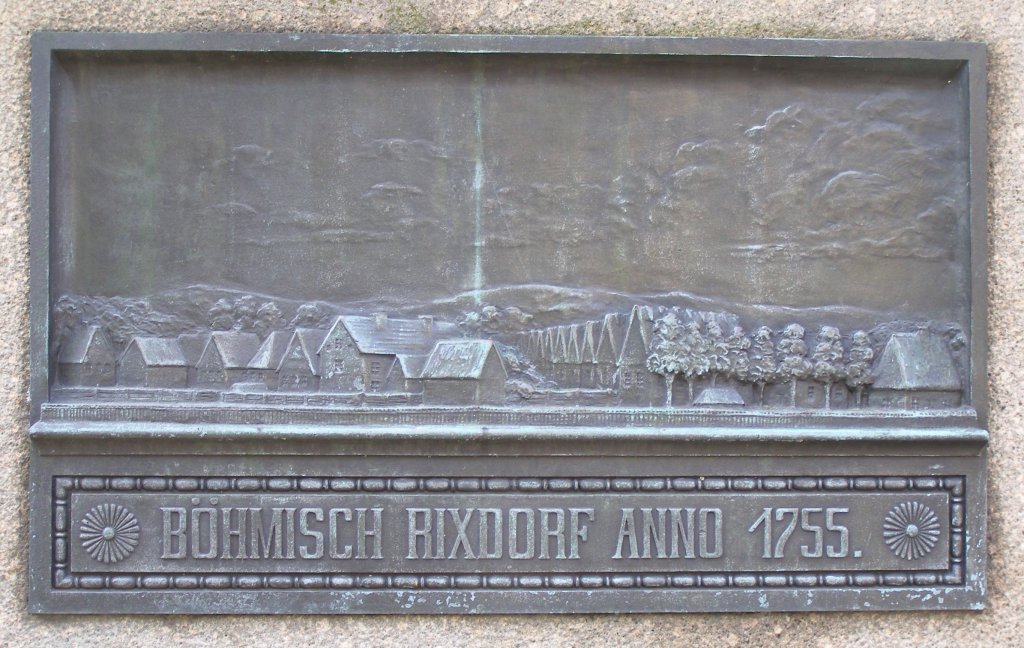
Rixdorf Erinnerungstafel (Wikipedia)
Trotz Androhung schwerer Strafen flüchteten zwischen 1710 und 1760 tausende Böhmen in die sächsische Oberlausitz, nach Groß-Hennersdorf und Herrnhut, sowie nach Gerlachsheim (heute Grabiszyce) in Schlesien. Das Städtchen Herrnhut hatte Nikolaus Ludwig Graf von Zinzendorf und Pottendorf eigens für die “Exulanten”, wie sich die böhmischen Glaubensflüchtlinge selbst nannten, gegründet. Die Gegend war aber zu arm, um ihnen dauerhaft Asyl zu gewähren. So machen sich Anfang Oktober 1732 etwa 500 Böhmen unter der Führung ihres Predigers Jan Liberda zu Fuß auf den Weg nach Berlin. Ihre Ankunft am Halleschen Tor wurde jedoch vom König, von den Behörden und den Berlinern vollkommen ignoriert. Die Böhmen nagten am Hungertuch, hatten weder Bleibe noch Dolmetscher und kampierten unter freiem Himmel. Er brauche nur nützliche Menschen und keine Bettler, ließ Friedrich-Wilhelm verkünden – dabei waren unter den Böhmen durchaus Fachkräfte vor allem aus der Textilverarbeitung.
Nach über zwei Jahren besann sich der allergnädigste König eines Besseren und fing an diese Glaubensflüchtlinge zu unterstützen, siedelte sie in Rixdorf (Neukölln) an. Die damaligen Berliner Einheimischen sahen die Neuankömmlinge mit Misstrauen – anderer Glauben, andere Sprache, Konkurrenten… – ein typischer Reflex, wenn Flüchtlinge hereinströmen.
Der ganze Artikel, geschrieben vom ehemaligen Direktor des Kreuzbergs Museums, Martin Düspohl, HIER:
Jedes Jahr diesselbe Frage. Und 2021 habe ich Entscheidung getroffen, Euch dabei ein Bißchen zu helfen.
Als erste kommt Berliner Schokolade mithergestellt und mitgepromotet von einer bekannten Berliner Schriftstellerin.
Tanja Dückers
Preussisch süß – Berliner Stadtteilschokolade ist wieder da
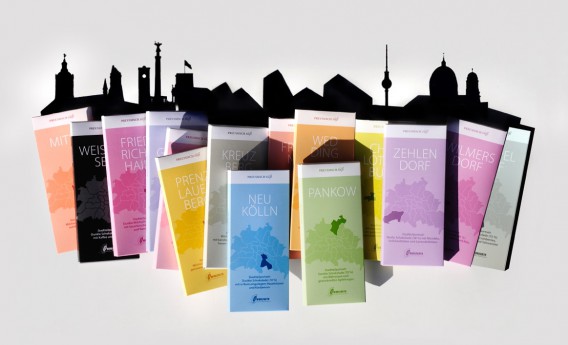
Ich freue mich, Ihnen mitteilen zu können, dass die beliebten, von Slow Food ausgezeichneten Preussisch süß – Berliner Stadtteilschokoladen wieder lieferbar sind. Bedingt durch die derzeitige Ressourcenknappheit (Papier!) haben wir lange auf unsere Verpackungen warten müssen.
Wir haben die Wartezeit jedoch genutzt und neben den 23 schon vorhandenen Stadtteilen zwei neue Sorten kreiert: „Treptow“ und „Wilhelmsruh“. Alle Tafeln werden von der Berliner Schokoladen Manufaktur 31° (Belyzium) handgefertigt und sind bio- und Fair-Trade-zertifiziert.
Die Zutaten der Preussisch süß – Berliner Stadtteilschokoladen sind nicht beliebig ausgewählt, sondern Ergebnis einer Recherche über den jeweiligen Stadtteil. Jeder Stadtteil wird „in Schokolade“ portraitiert. Preussisch süß versteht sich als künstlerisches interdisziplinäres Projekt. Wie schmeckt Kreuzberg, wie schmeckt Mitte, wie schmeckt Zehlendorf oder Lichtenberg? Mit solchen Fragen hat sich die Schriftstellerin und Journalistin Tanja Dückers lange beschäftigt und dann mit dem Berliner Chocolatier Christoph Wohlfarth ab 2017 gemeinsam die Rezepturen entwickelt. „Treptow“ und „Wilhelmsruh“ wurden nun gemeinsam mit der Chocolatiere Katharina Zeilinger (Berliner Schokoladen Manufaktur 31 °) kreiert.
Tanja Dückers wurde in Tempelhof geboren, ist in Charlottenburg und Wilmersdorf aufgewachsen, hat in Schöneberg, Kreuzberg, Wedding und lange in Neukölln gelebt und wohnt nun seit einigen Jahren im Prenzlauer Berg. Kleine Texte auf der Rückseite geben Auskunft über das Zusammenspiel von Rezeptur und Stadtteil. Klischees werden hierbei bewusst zitiert, Humor darf sein.
Unser neuer Shop ist sehr schön geworden, überzeugen Sie sich selbst: (preussisch-suess.shop)
Natürlich werden unsere Tafeln auch weiterhin in ausgesuchten Buchläden sowie in Konfiserien und Schokoladen- / Kaffee-Fachgeschäften verkauft.
Noch ein Hinweis: Am 21. November erscheint Tanja Dückers‘ Buch „Das süße Berlin“ (Insel / Suhrkamp) . Darin beschäftigt sie sich mit der süßen Historie Berlins und stellt viele schöne, interessante, köstliche und kuriose „süße Orte“ in der Hauptstadt vor: https://www.suhrkamp.de/buch/tanja-dueckers-das-suesse-berlin-t-9783458364702
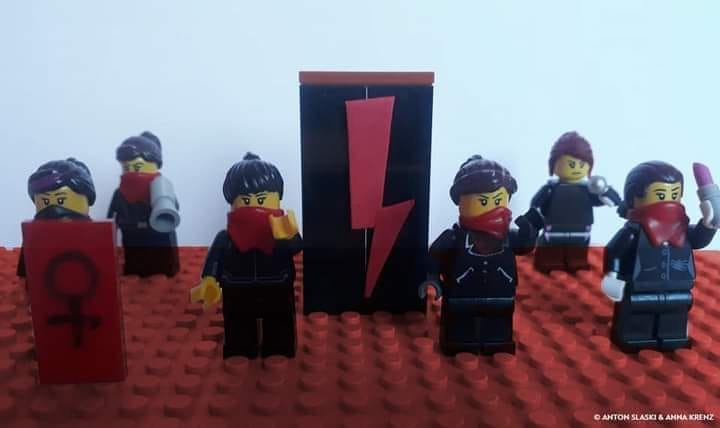
Kobiecy stan wojenny – praca Anny Krenz i Antona Lee Slaskiego
Dzisiaj rocznica wprowadzenia stanu wojennego, z tej okazji Mury, być może najsłynniejsza piosenka tamtych czasów i jej rodowód.
Lluis Llach, zwolennik i piewca autonomii w czasach reżimu generała Franco, stworzył w roku 1968 piosenkę l’Estaca, która szybko stała się hymnem ruchu niepodległościowego Katalonii. W dekadę później, przetłumaczona, czy raczej zinterpretowana przez Jacka Kaczmarskiego piosenka pod tytułem Mury, stała się hymnem Solidarności. Jednak obie piosenki różnią się znacznie od siebie.
Po pierwsze, Mury zmieniają metaforę użytą do przestawienia zniewolenia – Llach śpiewał o owcach przywiązanych do pala, u Kaczmarskiego rosną mury, bliższe nam kulturowo za sprawą murów warszawskiej cytadeli, jak i nieodległego muru berlińskiego.
Po drugie, Kaczmarski rozwinął historię przedstawioną w utworze, dopisując do niej pesymistyczną pointę. W katalońskim oryginale rewolucja nie wybucha – w ostatniej zwrotce śpiewający pieśń starzec odchodzi, pieśń natomiast trwa, podchwycona przez podmiot mówiący. U Kaczmarskiego doczekujemy rewolucji, i orientujemy się z rozczarowaniem, że nie rozwiązała ona problemów które rozwiązać miała: mury rosną, rosną, rosną, łańcuch kołysze się u nóg.
On natchniony i młody był Ich nie policzył by nikt On dodawał pieśnią sił Śpiewał, że blisko już świt
Świec tysiące palili mu Znad głów unosił się dym Śpiewał że czas by runął mur Oni śpiewali wraz z nim
Wyrwij murom zęby krat Zerwij kajdany połam bat A mury runą, runą, runą I pogrzebią stary świat
Wyrwij murom zęby krat Zerwij kajdany połam bat A mury runą, runą, runą I pogrzebią stary świat
Wkrótce na pamięć znali pieśń I sama melodia bez słów Niosła ze sobą starą treść Dreszcze na wskroś serc i głów
Śpiewali więc, klaskali w rytm Jak wystrzał, poklask ich brzmiał I ciążył łańcuch, zwlekał świt On wciąż śpiewał i grał
Wyrwij murom zęby krat Zerwij kajdany połam bat A mury runą, runą, runą I pogrzebią stary świat
Wyrwij murom zęby krat Zerwij kajdany połam bat A mury runą, runą, runą I pogrzebią stary świat
Aż zobaczyli ilu ich Poczuli siłę i czas I z pieśnią, że już blisko świt Szli ulicami miast
Zwalali pomniki i rwali bruk “Ten z nami, ten przeciw nam!” “Kto sam ten nasz najgorszy wróg!” A śpiewak także był sam
Patrzył na równy tłumów marsz Milczał wsłuchany w kroków huk A mury rosły, rosły, rosły Łańcuch kołysał się u nóg
Patrzy na równy tłumów marsz Milczy wsłuchany w kroków huk A mury rosną, rosną, rosną Łańcuch kołysze się u nóg
Po trzecie wreszcie, Kaczmarski, zmieniając postać starcananatchnionego śpiewakaktóry po wybuchu rewolucji pozostaje sam, uczynił z piosenki utwór autotematyczny, pieśń opisującą losy… pieśni, podchwyconej przez ruch masowy, jakim były ruch walki o niepodległość Katalonii jak i polska Solidarność. Autotematyczny charakter piosenki podkreślał jej wczesny tytuł – Ballada o pieśni.
Kaczmarski wiele lat później powróci do wątku utraty kontroli nad pieśnią przez autora, pisząc: zostały jeszcze pieśni, one – czy chcę, czy nie chcę – nie są moje.
***
Za ciekawe i częściowo nieznane mi informacje dziękuję autorowi poniższej strony:
Miguel de Cervantes‘ berühmte Romanfigur zieht es vor, im krisengeschüttelten, feudalen Spanien die Wahrheit seiner alten Ritterromane zu leben. Der „Ritter von der traurigen Gestalt“ konstruiert sich eine fast perfekte eigene Welt.
Don Quijote mit Sancho Panza vor einer Windmühle (picture-alliance / dpa / Antonius)
Don Quijote macht sich auf, um Abenteuer zu erleben, die ihm in seinem maroden Kaff versagt sind. Auch im Hörspiel und nach 500 Jahren scheint seine Geschichte eine verheerende Wirkung zu haben. Infiziert von einer neuen Ausstrahlung der Taten des heldenhaften Ritters werfen hunderte Hörer ihre bürgerliche Identität über Bord, stülpen sich die Maske des Don Quijote über und ziehen in die Schlacht unter dem Motto: „Die Welt ist veränderbar!“
Und das alles spielt sich in Berlin ab. Die Autor*innen des Hörspiels fanden sogar einen “wahren” Don Quijote in Berlin, der sich nur auf dem Pferd bewegt und dem gängigen System, den wir im Allgemeinen Rattenwettrennen nennen, den Rücken kehrt. Der wurde für das Hörspiel gar interviewed, aber leider ist dieses Hörspiel nicht nur Reblog, dh. leider nicht “mein Ding”, sondern auch Wiederholung vom Jahre 2014. Nach sieben Jahren gibt es in Berlin keinen auffindbaren Don Quijote. Nur Kneipen.
Reihe: Busch-Funk Don Don Don Quijote – Attackéee Von Hans Block Regie: Hans Block Mit: Stefan Kolosko, Lisa Hrdina, Jan Breustedt, Matthias Mosbach, Max Meyer-Bretschneider, Alexander Höchst u.a. Ton und Technik: Albrecht Panknin, Studio Zpiao Mentorin: Elisabeth Panknin Produktion: Deutschlandfunk in Kooperation mit der Schauspielschule Ernst Busch 2014 Länge: 46‘02 Eine Wiederholung vom 24.06.2014
Hans Block, geboren 1985 in Berlin, arbeitet als Theater- und Filmregisseur, Musiker, sowie Hörspielautor und -regisseur. Das Hörspiel „Don Don Don Quijote – Attackéee“ wurde 2015 mit dem Grand Prix Marulić ausgezeichnet.











 Ewa Maria and Friends
