
Lech Milewski
W zeszłym tygodniu obchodziliśmy 8 Marca – Święto Kobiet.
Mój ulubiony program radiowy ABC Classic uczcił ten dzień nadając wyłącznie muzykę skomponowaną przez kobiety. Zapowiadano ten dzień dużo wcześniej. Słuchając tych wszystkich wyjaśnień przypomniałem sobie swoją szkołę podstawową
Ciekawa była to szkoła – Prywatna Szkoła Ogólnokształcąca Stopnia Podstawowego im. Królowej Jadwigi w Kielcach bez praw publiczności – pogrubienie moje.
Lata 1947-1954 – wokół stalinizm a moja szkoła prowadzona przez siostry Nazaretanki, bardzo bogaty progam religijny, wszyscy nauczyciele z przedwojennym stażem. Gdy w 1956 roku przyszła odwilż, szkołę upaństwowiono.
Jednak 8 marca – tu nasi przedwojenni nauczyciele byli nieco bezradni. Pamiętam jak w przeddzień Święta Kobiet dyktowali nam, pewnie z instrukcji otrzymanej z wydziału oświaty, co roku ten sam tekst: W 1910 roku Klara Zetkin i Eugenia Cotton zaproponowały obchody Międzynarodowego Dnia Kobiet…
Rok 1910 – oddaję głos radiu ABC.
W tym roku do ruchu angielskich sufrażystek dołączyła kompozytorka Ethel Smyth. W swoim dorobku miała już trzy opery. Obecnie uważana jest za najwybitniejszego angielskiego kompozytora w czasach od Henryka Purcella (1659-1695) do Benjamina Brittena (1913-1976).
Kompozytora?
Takie są pułapki płciowej klasyfikacji rzeczowników. Gdybym napisał “kompozytorki” to nie znaczyłoby to nic, gdyż chyba nikt nie zna żadnej wybitnej angielskiej kompozytorki. Purcell i Britten to co innego.
Otóż Ethel Smyth poświęciła dwa lata muzycznej kariery dla ruchu sufrażystek, kierowanych wówczas przez Emmelinę Pankhurst. Napisała dla nich hymn – The March of the Women.
Pani Pankhurst w 1912 roku zaleciła swoim towarzyszkom wybijać okna w domach polityków, którzy nie poparli prawa głosu dla kobiet. Ethel Smyth została zatrzymana podczas akcji i aresztowana wraz z 108 towarzyszkami.
Jej przyjaciel, słynny dyrygent, sir Thomas Beecham odwiedził ją w więzieniu, gdzie właśnie z okna swej celi dyrygowała aresztowanymi śpiewającymi ten hymn. Jako batuty używała szczoteczki do zębów.
W związku z powyższym jako akompaniament do dalszej lektury proponuję Marsz Kobiet – TUTAJ – w wykonaniu chóru wyposażonego w szczoteczki do zębów.
Muzyka jest rodzaju żeńskiego – tutaj nie ma już takich pułapek jak w przypadku kompozytor(ów/ek) – jest rodzaju żeńskiego i basta.
Inspirowany programem radiowym ABC Classic zastanowiłem się – które kompozytorki tkwią na stałe w mojej pamięci?
Właśnie o nich wspomnę w tym wpisie.
Będzie to wybór całkiem subiektywny. Uzupełniając wiadomości o wybranych osobach natrafiłem na kilka wątków ubocznych. Niektóre z nich również tutaj wspomnę.
 1. Zacznę od historii – jaki najwcześniejszy twórca muzyki jest mi znany? Nie mam wątpliwości – Hildegarda von Bingen (1098-1179) – KLIK.
Poprawka – przez długie lata uważałem, a autorytety to potwierdzały, że muzyka zaczyna się od Monteverdiego (1567-1643). Dopiero kilkanaście lat temu ruch feministek wprowadził Hidegardę do panteonu muzyki – chwała mu za to.
To von w nazwisku i to imię z opowieści o błędnych rycerzach skłoniło mnie do przypuszczeń, że była to osoba pochodząca z wyższych sfer, doskonale wykształcona, która wybrała karierę zakonną. Pewnie ufundowała klasztor, w którym była przeoryszą i tam w spokoju oddawała się swojej muzycznej pasji.
Nic błędniejszego. Pochodziła z ubogiej rodziny szlacheckiej, jej rodzice służyli na dworze lokalnego księcia. Hildegarda była chorowitym dzieckiem, do tego miała religijne wizje. Gdy miała osiem lat rodzice oddali ją na służbę bożą w zakonie Benedyktynów w Bingen i to stąd owo von przy imieniu – po polsku zresztą nazywa się ją “z Bingen”.
Przez kilka lat była tam pod opieką nieco starszej dziewczyny – Jutty. Nie otrzymała żadnej edukacji. W listach twierdziła, że wszystko zawdzięcza Jutcie, ale z dostępnych źródeł wynika, że Jutta nie potrafiła czytać ani pisać.
Motorem rozwoju duchowego i intelektualnego Hildegardy były wizje, w których widziała sceny z Biblii i Ewangelii oraz bardziej ogólne wizje na temat miejsca człowieka w świecie i w boskim dziele zbawienia. Przez długi czas bała się i nie chciała mówić o swoich wizjach. Przysparzały jej one również wiele rozterek i bólu fizycznego.
W początkowym okresie pobytu w zakonie pracowała w ogrodzie, wykonywała robótki ręczne i opiekowała się chorymi. To ostatnie dało jej kontakt z muzyką. Śpiewała chorym, prawdopodobnie nauczyła się grać na psałterionie (rodzaj harfy). Szczęśliwym zbiegiem okoliczności jej spowiednikiem był benedyktyński mnich Volmar, który prawdopodobnie nauczył ją podstaw muzycznej notacji. W późniejszych latach stał się jej przyjacielem, powiernikiem i sekretarzem.
Ale miało być o muzyce.
Hildegard von Bingen skomponowała szereg utworów liturgicznych, muzyczną sztukę umoralniającą – Ordo Virtuo – opartą na jej wizjach oraz kilkadziesiąt kompozycji do własnych tekstów poetyckich.
Generalnie jej muzyka mieści się w kanonie muzyki gregoriańskiej.
Uwaga: zakładam, że czytelnicy nadal słuchają Marsza Kobiet, a więc wszelkie linki do youtuboteki znajdują się w przypisach.
Pisząc o Hildegardzie von Bingen nie można jednak ograniczyć się tylko do muzyki.
Poza kompozycjami muzycznymi i związanymi z muzyką tekstami poetyckimi, napisała kilka dzieł opartych na swych wizjach, a prócz tego dwie obszerne prace naukowe: Physica – 9 tomów opisów właściwości roślin i minerałów oraz Causae et Curae (300 rozdziałów) – analiza ciała ludzkiego i jego miejsca w otaczającym go świecie, czego następstwem są wskazówki jak zachować równowagę funkcji organizmu w otaczającym człowieka środowisku. To holistyczne podejście do zdrowia zjednało jej ogromne uznanie w środowiskach New Age Thinking.
Mało?
Hildegard von Bingen pracowała również nad sztucznym językiem – Lingua Ignota. Język ten posiadał swój własny alfabet. Słownictwo ocenia się na ponad 1000 słów, z czego większość pochodziła z łaciny.
Nie jest jasne, co było jej celem. Istnieją przypuszczenia, że zamierzała wprowadzić ten język w swoim klasztorze w celach integracyjnych. Być może chciała stworzyć język uniwersalny, prekursor Esperanto?
2. Muzyka średniowieczna kojarzy mi się z dwoma środowiskami – klasztory i trubadurzy.
To drugie to oczywiście mężczyźni, najczęściej dość niskiego pochodzenia.
Znalazłem jednak wyjątek – Trobairises – kobiety-trubadurzy – KLIK.
 Dlaczego taka dziwna nazwa?
Bo to w języku oksytańskim. Używa się go w Oksytanii – flaga po lewej.
Oksytanii? Taką nazwą określa się tereny, których mieszkańcy posługują się językiem oksytańskim – KLIK.
Logiczne.
Obecnie posługuje się tym językiem około 800,000 osób.
Trobairises – w przeciwieństwie do swoich męskich odpowiedników pochodziły zazwyczaj z klas wyższych. Żeby nadać im ludzką twarz posłużę się jednym przykładem – Garsende de Sabran (1180-1242) – KLIK. Dziedziczna księżniczka hrabstwa Forcalquier, przez małżeństwo z Alfonsem II stała się władczynią Aragonii, Catalonii i Prowansji. Te właśnie krainy tworzyły rdzeń Oksytanii.
Była patronką koła poetów i sama pisała poezje wykorzystane w pieśniach – patrz youtuboteka.
3. Anna Magdalena Bach (1701-1760).


Tu przemawiają moje sentymenty sprzed lat. Uczyłem się kiedyś gry na pianinie i szczytem moich możliwości wykonawczych były właśnie Zeszyty Muzyczne Anny Magdaleny Bach. Z prawej oryginał strony tytułowej.
Druga żona Jana Sebastiana, matka trzynaściorga jego dzieci. Przed małżeństwem była śpiewaczką. Jako żona wielkiego kompozytora zajmowała się kopiowaniem i sprzedażą jego dzieł uzupełniając w ten sposób budżet rodziny. Mąż doceniał muzyczne zainteresowania żony i jej dedykował dwa zeszyty łatwych utworów muzycznych.
Australijczykom było tego mało i kilka lat temu profesor Martin Jarvis z uniwersytetu w tropikalnym Darwin zaczął głosić teorię, że była ona autorką sześciu suit wiolonczelowych i współautorką Wariacji Goldbergowskich.
Niepotwierdzona to teoria. Mnie osobiście odpowiada tradycyjny wizerunek Anny Magdaleny – KLIK.
4. Fanny Mendelssohn (1805-1842) – KLIK.
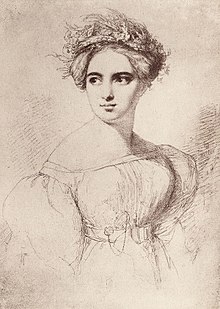
Feliks i Fanny Mendelssohn byli dziećmi bankiera Abrahama Mendelssohna i Lei Salomon. Od najmłodszego wieku wykazywali oboje ogromne umiejętności muzyczne. Ich nauczyciel muzyki, Carl Friedrich Zelter, wspominał o ich talencie Johannowi Wolfgangowi Goethe, przy czym wyżej oceniał talent pianistyczny Fanny.
Ojciec mocno popierał karierę kompozytorską syna i gdy ten miał kilkanaście lat, miał do dyspozycji prywatną orkiestrę.
Jeśli chodzi o córkę, to ojciec co najwyżej tolerował jej kompozytorskie próby. Gdy miała 15 lat, ojciec napisał do niej w liście: …muzyka stanie się prawdopodobnie zawodem Feliksa, w Twoim zaś przypadku może, i musi, pozostać tylko ornamentem.
Brat miał podobną opinię: …na ile znam Fanny, to mogę powiedzieć, że nie ma ona ani skłonności ani powołania do kompozycji. Jest za bardzo tym wszystkim czym kobieta powinna być. W pierwszym rzędzie myśli o domu i swoich w nim obowiązkach. Pisanie muzyki tylko jej w tym przeszkodzi i nie popieram tego.
Nie przeszkodziło mu to jednak podpisywać swoim imieniem i nazwiskiem wielu utworów utalentowanej siostry. Nie promował również twórczości Fanny. Nie miał takich oporów w przypadku Klary Wieck (później Schumann) i dyrygował wykonaniem jej koncertu fortepianowego, w którym występowała również jako solistka.
W wieku 24 lat Fanny wyszła za mąż za malarza Wilhelma Hensela, który okazał się bardzo rozumnym i kochającym mężem. Stale dbał o to, aby jego żona miała czas i warunki do kompozycji. Rezultat – ponad 460 utworów.
Bardzo znamienny jest los napisanej w 1829 roku sonaty fortepianowej A dur – Sonaty Wielkanocnej. Sonata ta nie została opublikowana za jej życia, lecz Fanny wspominała o niej w listach do rodziny.
W 1970 roku rękopis sonaty znaleziono we Francji. Był podpisany: F. Mendelssohn więc uznano, że autorem jest Feliks. Dopiero w 2010 roku pani Angela Mace Christian dotarła do oryginału i udowodniła, że autorką jest Fanny Mendelssohn.
Premiera sonaty przywróconej właściwej autorce odbyła się 8 marca zeszłego roku.
5. Klara Wieck-Schumann (1819-1896) – KLIK.

Klara Wieck urodziła się w bardzo muzykalnej rodzinie. Jej ojciec, Friedrich, był uznanym nauczycielem muzyki, matka słynną śpiewaczką. Nieustępliwy charakter ojca sprawił, że żona uciekła od niego z kochankiem. Klara miała wtedy pięć lat.
Ojciec szkolił ją na cudowne dziecko a Klara spełniała jego oczekiwania. W wieku dziewięciu lat Klara spotkała dwa razy starszego od niej Roberta Schumanna, który pobierał lekcje muzyki u jej ojca. Zrobiła na nim takie wrażenie, że porzucił studia prawnicze i postanowił poświęcić się muzyce. Na początek wynajął pokój w domu ojca Klary.
Po dziewięciu latach, gdy Klara miała lat 18, Robert Schumann oświadczyl się i został przyjęty. Ojciec Klary kategorycznie nie zgadzał się na ten związek i młoda para musiała w sądzie walczyć o pozwolenie na małżeństwo. Sprawę wygrali w 1840 roku i 12 września, w przeddzień jej 21 urodzin, pobrali się.
W tym czasie Klara miała już za sobą wyjątkowo udaną karierę pianistyczną. Niezwykle pochlebnie wyrażali się o niej Chopin i Liszt, Paganini wyraził chęć wspólnego występu. Zbierała laury w najlepszych salach koncertowych i na cesarskich i królewskich dworach.
Trzynaście lat małżeńskiego życia było tragiczne. Większość jej ośmiogra dzieci zmarła w młodym wieku. Przeżyły ją tylko dwie córki – Eugenia, która mieszkała w Londynie ze swą lesbijską partnerką, i Maria, która zajmowała się rodzinnym domem.
Jeszcze gorzej potoczyło się życie Roberta Schumanna. W wieku 43 lat zaczął wykazywać objawy choroby umysłowej, która była prawdopodobnie następstwem nabytego w młodym wieku syfilisu. W lutym 1854 roku próbował popełnić samobójstwo i został umieszczony w klinice psychiatrycznej. Niechętni Klarze twierdzą, że dość szybko doszedł do siebie, ale Klara nie wykazywała chęci przyjęcia go do domu. Skazany na pozostawanie pod opieką sadystycznych pielęgniarzy, zagłodził się na śmierć.
Choroba męża zmusiła Klarę, a raczej pozwoliła jej, na powrót na muzyczne sceny. Nadal odnosiła wielkie sukcesy, szczególnie na scenach angielskich.
Twórczość. Kompozycji nauczył ją ojciec. Sprawiała jej ona wielką przyjemność. Już w wieku lat 14 napisała koncert fortepianowy, który wykonała dwa lata później w lipskim Gewadhaus, dyrygentem był Feliks Mendelssohn.
Obowiązki rodzinne bardzo ograniczyły jej twórczość – Kiedyś wierzyłam, że posiadam talent twórczy, ale odrzuciłam tę ideę; kobiecie nie wolno tego pożądać, jeszcze ani jednej się to nie udało.
Więcej o niespokojnym życiu Klary Schumann TUTAJ.
6. Nadia Boulanger (1877-1979) – KLIK .

Córka francuskiego pianisty i rosyjskiej księżniczki Raisy Myszeckiej.
W wieku dziewięciu lat rozpoczęła studia kompozycji w konserwatorium. Gdy miała 13 lat zmarł jej ojciec, co ukierunkowało jej zainteresowania muzyczne na nauczanie, gdyż musiała włączyć się w utrzymanie domu.
Mimo to była bardzo płodną kompozytorką – jednak jej utwory nigdy nie otrzymały pierwszej nagrody w konkursach.
Tu więcej szczęścia miała jej młodsza siostra Lili – KLIK, która, jako pierwsza kobieta, wygrała konkurs Prix de Rome.
Nadia Boulanger przejdzie jednak do historii jako pedagog. Lista jej uczniów liczy ponad 200 nazwisk, wśród nich Aaron Copland, Filip Glass, Gian Carlo Menotti, Astor Piazzola, Burt Bacharach.
George Gershwin był bardzo dumny z tego, że Nadia Boulanger odmówiła mu lekcji uznając, że nie może go już niczego nauczyć.
Na liście jej ucznów można znaleźć wiele polskich nazwisk – KLIK.
7. Grażyna Bacewicz.

Urodziła się w rodzinie polsko-litewskiej. Jej ojciec i jeden ze starszych braci uważali się za Litwinów i używali nazwiska Bacevičius. Grażyna i pozostała dwójka rodzeństwa uważała się za Polaków.
Studiowała w warszawskim konserwatorium kompozycję i grę na skrzypcach. W 1932 roku otrzymała stypendium od Ignacego Paderewskiego i studiowała kompozycję u Nadii Boulanger.
W 1935 roku otrzymała I wyróżnienie w konkursie skrzypcowym im. Henryka Wieniawskiego. Następnie współpracowała z Orkiestrą Polskiego Radia i często występowała. W 1945 roku podjęła pracę w Państwowym Konserwatorium w Łodzi.
Mnie jest znana jako wspaniała kompozytorka. Udało jej się pisać świetną, nowoczesną muzykę bez wprowadzania tonalnych eksperymentów.
8. Elena Kats-Chernin (1957 -) KLIK.

Urodzona w Taszkencie, w 1975 roku przeprowadziła się do Australii i tutaj rozwija bardzo bogatą jakościowo karierę kompozytorską.
Kibicuję jej z wielką sympatią
Mam nadzieję, że Marsz Kobiet dobiegł końca, proszę więc posłuchać arii z baletu Wild Swans – KLIK
Youtubo-teka:
Hildegard von Bingen – O Frodens Virga.
Hildegard von Bingen – O Vis Aeternatis.
Tribairises – Cansos de Trobairitz.
Pieśń z tekstem autorstwa Garsendy de Sabran – KLIK.
J.S. Bach – Zeszyty Muzyczne Anny Magdaleny Bach – Menuet.
Fanny Mendelssohn – Easter Sonata.
Klara Schumann – Koncert fortepianowy.
Nadia Boulanger – Fantazja na fortepian i orkiestrę.
Grażyna Bacewicz – Oberek – w wykonaniu kompozytorki.
Grażyna Bacewicz – Muzyka na skrzypce, trąbkę i perkusję – dyryguje Krzysztof Penderecki.



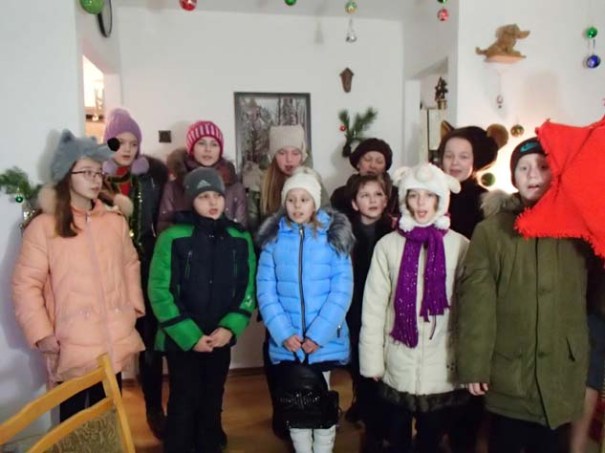
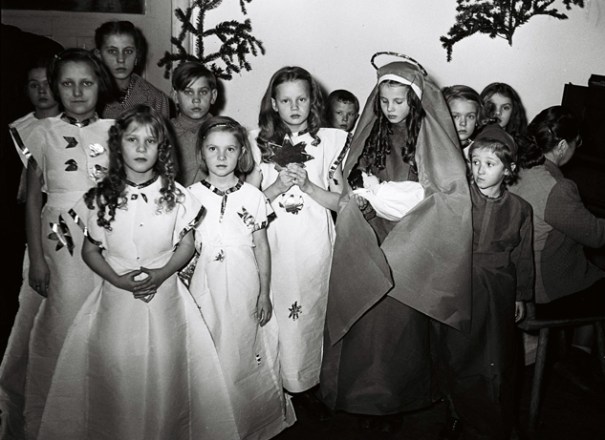 Rok 1947, obóz przejściowy dla Polaków w Ludwigsburgu. Jasełka w wykonaniu polskich dzieci.
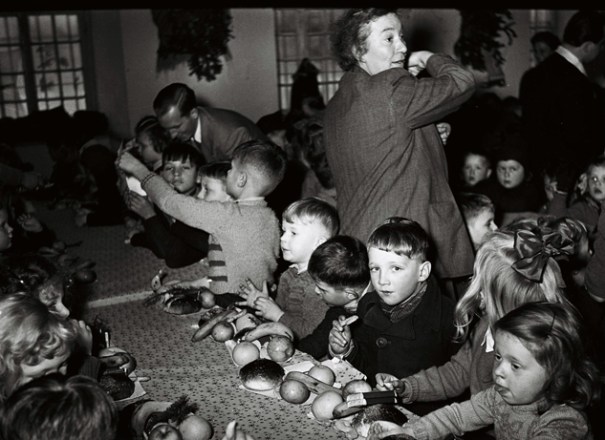
 Rok 1967. Ludwigsburg-Grünbühl – Polska Misja Katolicka – Parafialne spotkanie opłatkowe.











 Ewa Maria and Friends