Summer day in Berlin

Ewa Maria Slaska

Poetry on flea market Boxhagener Platz

We have about half a hundred flea markets in Berlin and every week it is some more of them. After a party in one of more or less thousand clubs and nearby to breakfast (till 5 pm!) and making photos together in photo booth, maybe even better  than going to the beach cafe in a big noisy city, is shopping tour in a flea market a new must have been done while visiting German Metropole. For us people living here it is a reason for not doing it at all. It is so touristic… But sometimes while not having better idea for spending some hours alone but among many we go there anyway…

I am coming to the flea market Boxhagener Platz. It is a big square surrounded by maybe hundred of booths. In the middle of it there are two playgrounds for children and a big lawn for laying or picnicking.

Flea market is not only looking, buying, selling. It is a lot of life around. Street food of course, coffee in paper cups, meeting friends, finding things lost or left, street art of any kind.

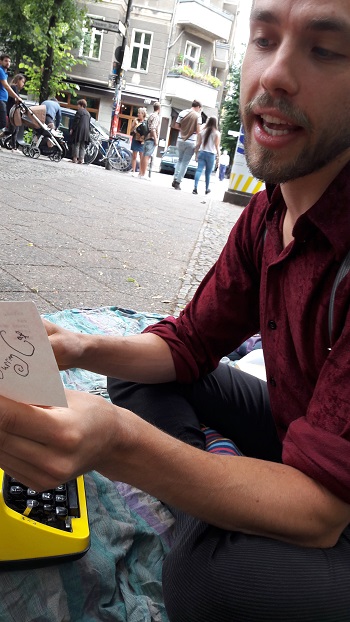
I see him seating on the street with his small yellow typewriter already by coming to the square.
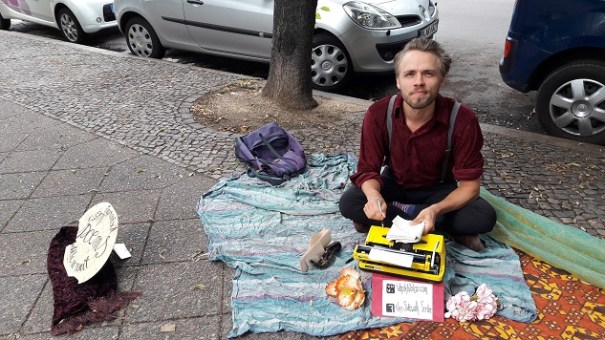
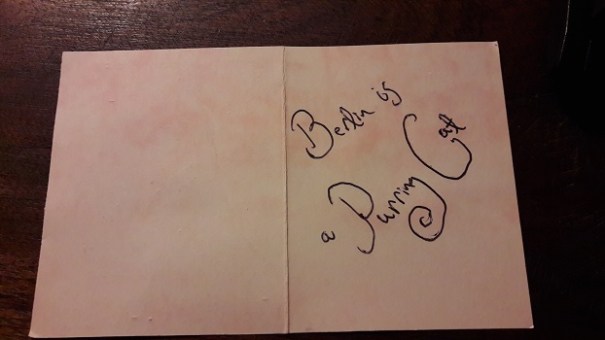
He offers to write a poem for you after giving him some key words. My words are Anton, grandson, cat, Berlin, love, summer. And it is what comes:
Berlin is a purring cat
free to roam,
but whenever she comes by
watching me with ever-changing faces,

I caress it behind the
ears with curious questions
Berlin is a purring cat
capricious, but always there
when you need a nudge

Always new, Berlin
follows me through the years
its fur as colorful as
decades ago;
Berlin is a purring cat,
and my grandson will learn
to take care of her too

Vinski Valos
– the sidewalk scribe
Berlin July 16. – 17


He is from Finland, 24 years, living in Friedrichshain als let say it like that: poetry worker. His fanpage on Facebook is full of surprises from the very begin: bespoke poetry and wordy workshops. OK, OK, bespoke poetry, typewriter poet,  sidewalk scribe (all him). He organises workshops and teach you to learn one unknown or forgotten English word per day called Vinski’s WotD. The WotD 13 is WHIRLIGIG. And when you are sure, he just invented it, he informs you:

whirligig, noun

  1. Anything (often a toy) that spins or whirls around, as a top, pinwheel or windmill
  2. One of the winged seed pods of certain trees, such as the maple, which hover down in a whirly manner. (Also called samaras)
  3. A process or an event characterized by restlessness and constant change…And so on and so on…

He also has his own Homepage, with blog, prose and poems.

The first example of his writing, without looking for anything special:

“Kalervo’s fingers traced unswervingly the contours of the body, stroking the skin, not straying before the wounds.”

Scroll down or die

You see, what I mean.

***
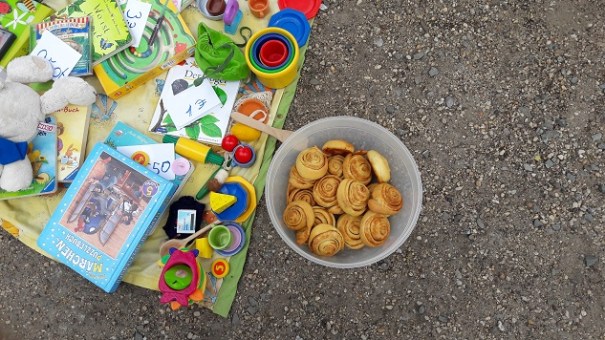
I buy some yummy cookies by children flea market. It is a very nice summer Berlin custom, the children selling their old toys and books at the beginning of vacation. The things are chip and you know, even if they are already growed off, they had times of being loved. You simply see it. The cookies were backed by a Mom.
***
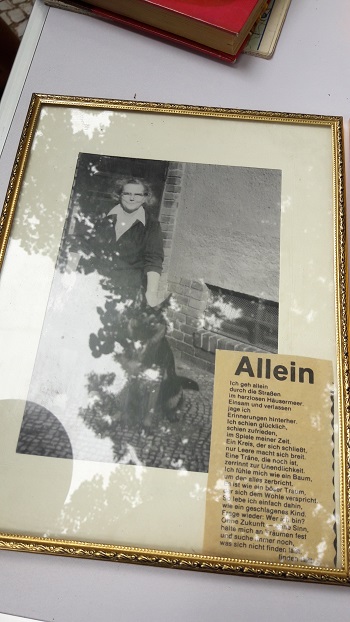
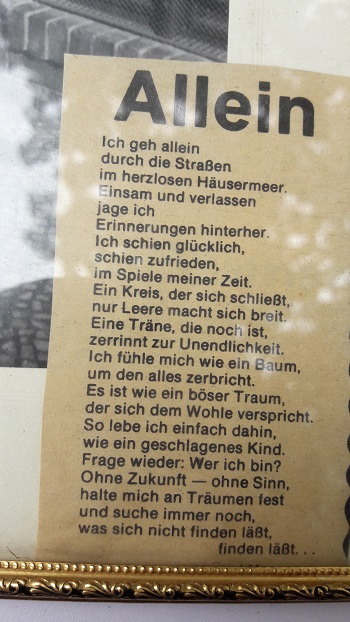
Strolling soon I find another piece of poetry, in a both of old photos. The woman on the pic looks pleased, she smiles a bit and her gaze comes directly to us. But somebody gave her picture a poem cutted off from a daily. Maybe she herself, who knows…

Alone

I go alone
through the streets
in the sea of houses
without hearts
Alone and lost
I hunt down
memories.
I seemed happy
I seemed pleased
on a play of my time.
A circle which closed
itself,
only vacuum ist bigger.
A tear which is here
still
runs into infinity.
I feel like being a tree
around which everything
breaks.
It is like a nightmare
which promises itself
something good.
So I am living
just living further
like a beaten child.
I ask who am I?
With no future
and with no sense,
I keep to my dreams
and look for something
what I never find
never find…

***

Of course at home I try to find an author of that poem in internet, but no, no way… I find the verses, o yeah, once or twice, somebody knew them and used them to express their own feelings, but no, he or she didn’t notice who had wrote them…

I know, there is the name just beneath a poem, directly under the frame. Making photos I did not see it, but now I know, it is there. Tomorrow is sunday again, I go to the flea market to see, if I still find the photo…

Have a nice weekend if you are from happy new world of UE :-), have a lot of power if you are in Poland or Turkey, we send it to you…


Liu Xiaobo and Liu Xia

Wczoraj przygotowałam ten wpis, i wczoraj Liu Xiaobo umarł
I prepared that post yesterday. Yesterday Liu Xiaobo died.
Ich habe diesen Beitrag gestern vorbereitet. Gestern ist Liu Xiaobo gestorben.

R.I.P.

Aufruf an die Chinesische Regierung bezüglich Liu Xiaobo und seiner Frau Liu Xia

Appeal to the Chinese government concerning Liu Xiaobo and his wife Liu Xia

Nobel Peace Prize Laureat Liu Xiaobo has been diagnosed with liver cancer. His wife, Liu Xia, who has been under house arrest for several years, is also gravely ill. They have the wish to travel to Germany so they can receive medical care. Their wish to leave China is so strong that Liu Xiaobo has stated that – if he is to die – he does not want to do so on Chinese soil. Liu Xia also no longer wishes to live there. Time is running. We urge the Chinese government to grant Liu Xiaobo and Liu Xia the freedom to leave the country!

Der Friedensnobelpreisträger Liu Xiaobo ist an Leberkrebs erkrankt. Er und seine Frau Liu Xia haben hat den Wunsch geäussert, nach Deutschland auszureisen, um medizinische Hilfe für beide zu bekommen – denn auch Liu Xia, die seit Jahren unter Hausarrest steht, ist schwer erkrankt. Der Wunsch der beiden geht soweit, dass Liu Xiaobo sagt, er möchte – selbst wenn er sterben muss – nicht in China sterben. Und Liu Xia sagt, dass sie nicht länger in China leben möchte. Die Zeit ist knapp. Wir appellieren dringend an die chinesische Regierung: geben sie diesen beiden Menschen die Freiheit, das Land zu verlassen!

The poem “You Wait for Me with Dust” by Liu Xiaobo in Chines, English, German and Polish. Other languages (Afrikaans, Arabic, Bosnian, Dutch, Finnish, French, Hebrew, Kurdish, Komi,  Portuguese, Romanian, Russian, Slovenian, Spanish, Swedish, Welsh) you find here.

和灰尘一起等我–给终日等待的妻

你一无所有,只能
和家里的灰尘一起等我
它们一层层
积满了所有角落
你不愿拉开窗帘
让阳光惊扰它们的安宁


书架上的字迹被灰尘掩埋
地毯的图案吸满了灰尘
你喜欢在给我写信时
笔尖吸住几粒灰尘
让我的眼睛有些刺痛


你终日端坐
不想随意走动
生怕自己的脚踩痛了灰尘
你尽量平稳地呼吸
用沉默编写一个故事
在这令人窒息的岁月
灰尘们献出仅有的忠诚


灰尘浸满了
你的目光、呼吸、时间
在你的灵魂深处
日复一日的修筑坟墓
从脚底一寸寸堆积
直到胸口直到喉咙


你知道,坟墓
是你最好的归宿
在那里等我
不会有任何惊扰
你就是对灰尘情有独衷
在黑暗中在安静中在窒息中
等我等我


和灰尘一起等我
拒绝阳光和空气的流动
让灰尘彻底埋葬自己
让自己在灰尘中睡去
直到我回来
你才苏醒
揩净皮肤和灵魂的灰尘
如同死而复活的奇迹

晓波1999.4.9

You Wait for Me with Dust

nothing remains in your name, nothing
but to wait for me, together with the dust of our home
those layers
amassed, overflowing, in every corner
you’re unwilling to pull apart the curtains
and let the light disturb their stillness

over the bookshelf, the handwritten label is covered in dust
on the carpet the pattern inhales the dust
when you are writing a letter to me
and love that the nib’s tipped with dust
my eyes are stabbed with pain

you sit there all day long
not daring to move
for fear that your footsteps will trample the dust
you try to control your breathing
using silence to write a story.
At times like this
the suffocating dust
offers the only loyalty

your vision, breath and time
permeate the dust
in the depth of your soul
the tomb inch by inch is
piled up from the feet
reaching the chest
reaching the throat

you know that the tomb
is your best resting place
waiting for me there
with no source of fear or alarm
this is why you prefer dust
in the dark, in calm suffocation
waiting, waiting for me
you wait for me with dust

refusing the sunlight and movement of air
just let the dust bury you altogether
just let yourself fall asleep in the dust
until I return
and you come awake
wiping the dust from your skin and your soul.
What a miracle – back from the dead.


April 9th 1999

translated by Zheng Danyi, Shirley Lee and Martin Alexander

Warte auf mich mit dem Staub

Es bleibt dir nichts übrig,
als mit dem Staub auf mich zu warten.
Schicht um Schicht füllt er die Ecken.
Du lässt die Vorhänge zu,
Die Sonne soll den Staub nicht stören.

Auf den Bücherregalen verschwinden die Zeichen im Staub,
die Muster im Teppich, vom Staub vollgesogen.
Wenn du mir schreibst, tauchst du den Stift gern in den Staub,
die Staubkörner stechen dann in meinen Augen.

Du sitzt den ganzen Tag da und willst nicht umhergehen,
damit deine Füße den Staub nicht verletzen.
Du atmest ganz ruhig, schreibst mit deinem Schweigen
eine Geschichte in dieser erstickenden Zeit.
Nur der Staub bleibt dir noch treu.

Der Staub erfüllt dir den Blick,
den Atem, die Zeit.
In deiner Seele baut er Tag um Tag ein Grab,
Zoll um Zoll, angefangen bei den Füßen
bis zur Brust und bis zur Kehle

Du weißt, das Grab ist deine beste Zuflucht.
Niemand stört dich, wenn du dort auf ich wartest.
Du hast eben eine besondere Beziehung zum Staub
der Dunkelheit in der erstickenden Stille, warte,
bitte wart auf mich.

Warte auf mich mit dem Staub
verweigre die Sonne, die Strömung der Luft,
bis der Staub dich ganz begräbt.
Lass dich einschlafen im Staub bis du erwachst,
wenn ich zurück bin,
wischt du den Staub von der Haut,
von der Seele und stehst auf
wie durch ein Wunder.

ÜbersetzungxMartinxWinter

Czekaj mnie w kurzu

cała jesteś tylko czekaniem na mnie
czekaniem w kurzu naszego domu
gdy jego warstwy gromadzą się
narastam w każdym kącie
czekasz niezdolna odsunąć zasłony
i pozwolić światłu by wygnało kurz

na półkach z książkami
porastają kurzem notatki wzory dywanu
wchłaniają kurz gdy piszesz do mnie list
dobrze, że stalówka jest nieoczyszczona
bo moje oczy dźga ból

cały dzień siedzisz
nie mogąc się ruszyć ze strachu
by twoje kroki nie wznieciły kurzu
starasz się płytko oddychać
gdy korzystając z ciszy piszesz
w takich chwilach duszący pył
jest zadziwiająco wierny

X

twoje spojrzenie, oddech i czas pozwalają
bym prochem wrastał po trochu coraz głębiej
w głąb duszy dusząc rósł od stóp do gardła

X
ty wiesz, że w tym grobie
można najlepiej wypocząć
czekając na mnie bez lęku
i nie niepokojona
dlatego pył jest dobry
w ciemności cicho dusi czekając,
czekając na mnie

X

czekasz przykryta kurzem
bez słońca i bez powietrza
pozwalasz by pochował cię pył
zasypiasz przyprószona zanim powrócę
i przebudzisz się
otrząśniesz proch ze skóry i duszy
cóż za cud – powstać ze zmarłych

9.04.1999

przełożyła Anna Nasiłowska

Barataria 24 Civil Marsch for Aleppo

We had already here some posts about marching for Aleppo, as I also took (though very shortly) a part in it, in Berlin, in Chech and in Greece. Now it become an Odyssee of wandering from island to island. I think they are now real Baratarians…

Janusz Ratecki

Civil March for Aleppo’s shape has certainly changed. Prolonged waiting period for the permission for going through Turkey made us first to go to Bulgaria and now to visit Greek Islands. CMFA chose the symbolic – Lesbos and smaller, troubled Chios and Samos. We are not marching any more, but instead we meet with NGOs, refugees and local people. So we basically returned to the „roots”, which was showing the solidarity with refugees on our way. I have mixed feelings about what we do now, and how we do it, but in the reality, its effect of our previous decisions and actions (or lack of it). Sometimes we collect information as journalists, but we are not them. We help as volunteers, but we are also not volunteers! We are marchers, that dont march, because local conditions are full of risks. And I think that we shouldnt put anyone at risk, in the first place.

So what do we do now? Who we are? We are lost like Ulisses, experiencing night, sleeping with open eyes, under the Greek sky. We are the last on the ground, hoping that cmfa is still worth of time and effort. Or maybe we are just blind? Anyway we will continue to sail toward Syria.

#civilmarchforaleppo#cmfa#greece#chios#lesbos#refugees#peace#lost#night#stars#habibti

Ratecki March (reblog)

Tomorrow I fly to Thessaloniki to join the March for Aleppo for some talking (and not walking) days. I do not know what we shall talk about but I will suppose it will be that…

Janusz Ratecki

Since 26th december I have been marching for peace with #CivilMarchForAleppo. We started in Berlin, and daily, with only small stops in big cities, we crossed many borders, met thousends of people. The march is 4+ months old and certainly it has reached its maturity. After 4 months of non disrupted travel I decided to return to Poland, to work, to take a deep breath, to see the situation from the oustide. I will return on 26/27 May to Greece to continue my journey.

At home, the questions about the identity of the march appeared with a double intensity. Why do I march? What is our purpose? Do I (we) march for Aleppo or to Aleppo? Or both? What can we change with our marching and which of our plans can we realise?

 Civil March For Aleppo 03.03.2017 Photo Janusz Ratecki

People used to ask me the same questions all the time. Why do you want to enter the war zone? Is it possible? And what if someone is hurt or injured? Do you think you can change someting? There are hundreds of those questions, and even though we discucssed it on the march, on daily basis, we havent reached yet a common decision. Nor we achieved peace in our small group.

If you feel that I am complaining, well I am not. I am hoping. I hope this march will change again, as it changed many times before. I wish this march will get a proper leader who will take the responsibility of taking the crucial decisions. I hope this march will, once more, gain the spirit, the energy and the global audience it deserves.

Foto Marek Kowalczyk

I hope we will share the peace message instead of run. Running, to be as fast as possible, to a yet unknown destination is kind of desperate. I hope no one will suffer in the march group because other people force their ideas. I hope we will reach peace to share it among others. I hope we will not leave anyone behind.
Last but not least, I wish we will find a good ending to our project.

Hope dies last.

Author is a freelance photographer interested in human rights. At the moment taking part in #civilmarchforaleppo

Berlin, you are so wonderful

Since April 1st, 2017

For Jacek with many thanks for telling me about

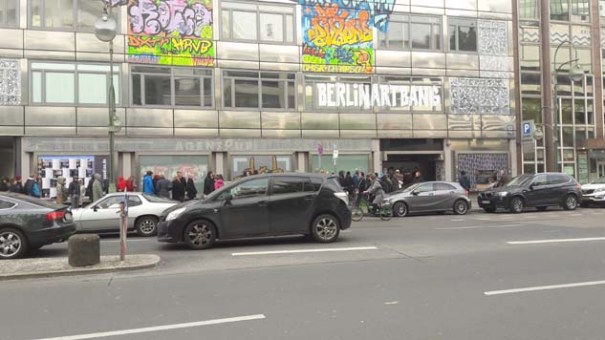
It is how The Haus is looking now. And do not think, I do not know how to write the house. I know. It is it’s name: The Haus.

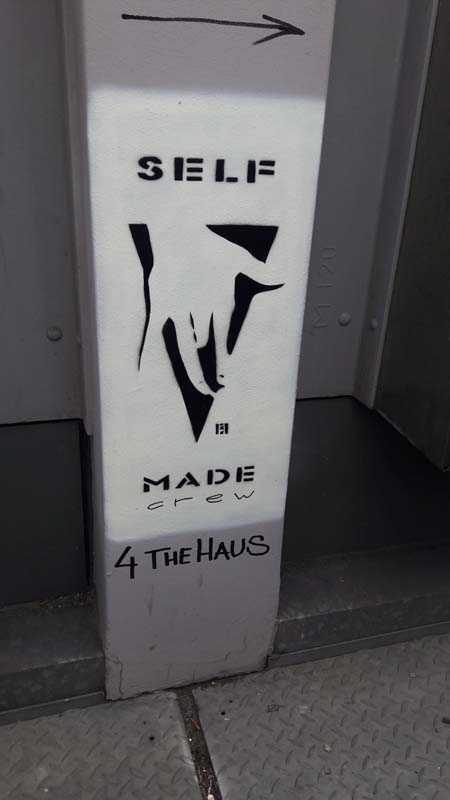
It was given to the artists and artist’s groups for doing what they like all over the house. In every room and space in the entire building. Five floors. Staircases, corridors, toilets, ceilings, walls, windows, rooms.

108 dope artworks (spaces) are waiting to be seen, to be experienced and to be memorized by you. Every single piece is created by one of the 165 artists from Berlin and all over the world. But be aware that THE HAUS is created to be destroyed – in the end of May the gallery is going to close and the wrecking ball will follow.

Visit!

THE HAUS – BERLIN ART BANG
Nürnbergerstrasse 68/69
10787 Berlin – Germany

 Visit it now because later will be to late!

THE PHOTOS

Please do not take any pictures in THE HAUS. Enjoy the art, the atmosphere and the moment. Look through your eyes and not through the screen of your phone. Every visitor gets a bag for his or her phone at the entrance. Cameras are not allowed. Please respect the artists and this rule – it’s totally worth it.

 So I did pics only from outside. For the other pictures just look HERE: making the art – or HERE: pieces of art – or HERE: the crew.

It is how The Hause will be look like.

THE OPENING HOURS

 Tuesday to Sunday  // 10.00 am to 8.00 pm – last entrance between 18.30-19.00

THE LIMITATION

Only 199 persons can visit THE HAUS at the same time – please note that you maybe have to wait.

O yeah! I waited 2 hours. And it was so cold in Berlin! 6 degree and icy wind! And please notice the line in front of the building.

THE ENTRY

Pay what you can and what you’d like to – THE HAUS is a place for everybody who wants to know how to experience art in a proper way.

I spend 2 hours visiting all spaces in The Hause. It is just a big big playground for street artists. A lot of graffiti. What I liked? Everything, but especially:

The room made of moos with the white table staying there with a laptop on it – author: Senor Schnu.
The room od mirrors by Wizet.
The room made by Notes of Berlin with so many funny or sad notes founded in Berlin and just taken or photographed.
And a wonderfull she artist – Anna Bengard – with blue hair, who made the room number 301. Her art is a horror, I mean, she pictures horror, and it is a big deep black hole between her looking like and that what she is creating…


Hi stranger

Hi stranger ist ein Kunstprojekt von Kerstin Lepore, amerikanischer Filmanimatorin, wurde schon von 1,5 Milionen Zuschauer angeklickt. Das geschlechtlose Knetwesen von Lepore sieht wie ein Wurm aus. Ist es ekelhaft oder androgyn modern?

Hi stranger to projekt artystyczny amerykańskiej autorki filmów animowanych Kerstin Lepore. Biała bezpłciowa istota z modeliny wygląda jak blada gąsienica i jest (chyba) odrażająca, ale może raczej wyraża nasze marzenia o androgynicznej ponadpłciowej równości. W każdym razie film obejrzało już 1,5 miliona widzów.

Civil March in Sarajevo

Civil March for Aleppo has reached an important milestone. We are in Sarajevo now.

It is a very special time here. The city is about to commemorate 25 anniversary of the siege. We decided to pay a tribute to the victims in a symbolic way, leaving our footprints on the ground.

#CivilMarchForAleppo

Der Zivile März für Aleppo hat einen wichtigen Meilenstein erreicht. Wir befinden uns jetzt in Sarajevo.

Es ist eine sehr besondere Zeit hier. Die Stadt wird etwa 25 Jahrestag der Belagerung begehen. Wir haben beschlossen, die Opfer auf symbolische Weise zu würdigen und unsere Spuren auf dem Boden zu hinterlassen.

Reblog: Breakfast in the literature

 And please do not tell me every year the same that you hate Valentine’s Day, because… just read HERE if you can (it is in Polish), but anyway look for Valentine’s Day by Samuel Pepys, Shakespeare (Hamlet) and Picknick at the Hanging Rock to know better…

Waverley, by Sir Walter Scott At the home of Baron Bradwardine, Waverley enjoys a true Scottish breakfast: “The table loaded with warm bread, both of flour, oatmeal, and barleymeal, in the shape of loaves, cakes, biscuits, and other varieties, together with eggs, reindeer ham, mutton and beef ditto, smoked salmon, and marmalade.” There’s porridge with cream and buttermilk too.

Ulysses, by James Joyce Leopold Bloom sees breakfast in the butcher’s shop window. “A kidney oozed bloodgouts on the willowpatterned dish: the last.” We see and smell it cooking in butter and pepper, almost burnt when it goes upstairs to his wife, but just saved. “He tossed it off the pan on to a plate and let the scanty brown gravy trickle over it.”

(we also wrote about that breakfast)

Crotchet Castle, by Thomas Love Peacock The Rev Dr Folliot expresses his breakfast preferences. “Chocolate, coffee, tea, cream, eggs, ham, tongue, cold fowl, all these are good, and bespeak good knowledge in him who sets them forth: but the touchstone is fish.” The divine then composes his spirits “by the gentle sedative of a large cup of tea, the demulcent of a well-buttered muffin, and the tonic of a small lobster.”

From Russia with Love, by Ian Fleming James Bond’s breakfast, supposed to demonstrate his fine taste, is a memorable exercise in prissiness. Coffee from De Bry in New Oxford Street, toast with Norwegian heather honey from Fortnum’s, a single brown egg from a French Marans hen.

Och no, dear Guardian, let’s have it a bit longer:

When in London, Bond maintains a simple routine. Sitting down to The Times, he breakfasts on two large cups of “very strong coffee, from De Bry in New Oxford Street” brewed in a Chemex coffee maker and an egg served in a dark blue egg cup with a gold ring round the top, boiled for three and a third minutes. There is also wholewheat toast, Jersey butter and a choice of Tiptree ‘Little Scarlet’ strawberry jam, Cooper’s Vintage Oxford marmalade and Norwegian Heather Honey from Fortnum and Mason, served on blue Minton china. Breakfast is prepared by May, his Scottish housekeeper, whose friend supplies the speckled brown eggs from French Marans hens.

Yeah, an English breakfast is what Fleming knew, but when he wrote that Tatiana Romanova,  Russian she agent, eat in Moscow yoghurt for supper, you could see, he had no idea at all, what was eaten in Moscow in fifties i.e. in communistic time; for sure no yoghurt as American girls was doing those times.

However In Russia with love Bond will have also a Turkish breakfast:

The yoghourt, in a blue china bowl, was deep yellow and with the consistency of thick cream. The green figs, ready peeled, were bursting with ripeness, and the Turkish coffee was jet black and with the burned taste that showed it had been freshly ground.

The Hobbit, by JRR Tolkien Bilbo spends much of his adventure lamenting the lack of a decent breakfast, while the only real morning feast is consumed by Gandalf: “Two whole loaves (with masses of butter and honey and clotted cream) and at least a quart of mead,” finished off, of course, with a delicious breakfast pipe of tobacco.

(well sure, we also wrote about delicious eating by Tolkien)

Jane Eyre, by Charlotte Brontë On Jane’s first morning at Lowood School, the pupils are served basins of something hot, which “sent forth an odour far from inviting”. “I devoured a spoonful or two of my portion without thinking of its taste . . . burnt porridge is almost as bad as rotten potatoes; famine itself soon sickens over it”.

(times are changing, burnt eating is “in” 2017, at least in Berlin 🙂 look HERE)

“Filboid Studge, the Story of a Mouse that Helped”, by Saki A ghastly breakfast cereal called Pipenta is rebranded as Filboid Studge, with an irresistible ad campaign. “One huge sombre poster depicted the Damned in Hell suffering a new torment from their inability to get at the Filboid Studge”. Soon it is every Puritan’s breakfast.

Jeeves Takes Charge, by PG Wodehouse Bertie’s relationship with Jeeves begins when the new valet arrives to find his employer badly hungover and offers him a concoction of egg yolk, Worcestershire sauce, cinnamon oil, cognac and other mystery ingredients. The restorative effect is immediate and a partnership is sealed.

Gravity’s Rainbow, by Thomas Pynchon Pirate Prentice’s flat fills with “the fragile, musaceous odour of Breakfast, permeating, suprising, more than the color of winter sunlight”. He serves up banana waffles, banana croissants, banana kreplach and banana jam. In a giant crock he has bananas fermented with honey and Muscat raisins to make banana mead.

The Warden, by Anthony Trollope Just one of the ecclesiastical morning feasts detailed in Trollope’s fiction: “there were eggs in napkins, and crispy bits of bacon under silver covers; and there were little fishes in a little box, and devilled kidneys frizzling on a hot-water dish”. As well as the best tea, the blackest coffee, and the thickest cream, on top of every kind of bread and muffin and crumpet.

(Thank you, Guardian!)

Ubranie i śniadanie – wpis pozbierany

civil-march-for-aleppo
Julita Bielak i Ewa Maria Slaska

Najpierw był mail od Julity, a w nim zdjęcie:

buty-i-skarpety

Była to odpowiedź Julity na podawane przez Facebooka informacje o tym, że przez kilka dni brałam udział w obywatelskim marszu dla Aleppo.

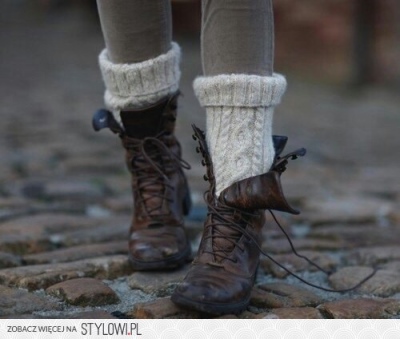
I taki podpis: Nie czapka, nie szalik, ale buty, jakie Ewa Maria założyła buty, jak nogi, jak stopy, myślałam.

Zachwyciło mnie to zdjęcie. Tak! Tak zawsze się chciałam ubierać, taka być! Nieporządna i przygotowana do maszerowania w momencie, gdy wstałam z łóżka i odgarnęłam z oczu potargane włosy. Trochę tylko szkoda, że teraz stylistka może tak wystylizować dziewczynę, która może wcale nie lubi być nieporządna i wcale nie jest, jak to określał mój były mąż, “lekka w nogach”.

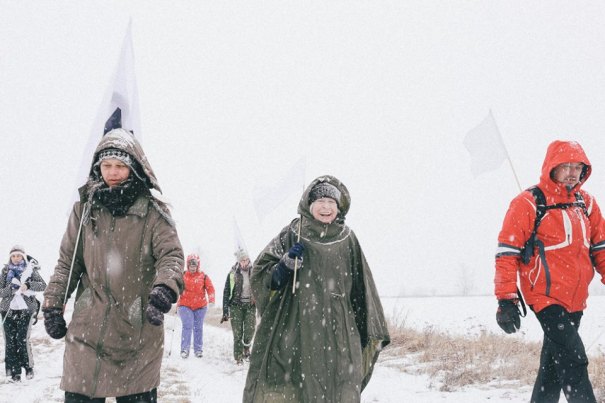
Niestety ja nie wyglądałam tak stylowo. No, ale padał śnieg i wiał wiatr. Nikt z nas nie wyglądał fajnie.

jawpelerynie

1 lutego 2017. Droga do Pohorelic na Morawach. Foto Janusz Ratecki

Na zdjęciu od lewej Anka, ja, Krzysztof, z tyłu, między Anką a mną, Darwina i Jacek. Nie jestem pewna, ale może być, że dziewczyna idąca samym skrajem zdjęcia po lewej to Magda  Benbenek.  Wspaniali ludzie, i akurat, przez przypadek (?), ci o których chcę coś napisać, będę pisać przez kilka tygodni i publikować tu w soboty – bo soboty będą teraz na blogu przez jakiś czas “marszowe”.

buty-ewyWróćmy więc do pytania Julity, buty, jakie buty i skarpety?

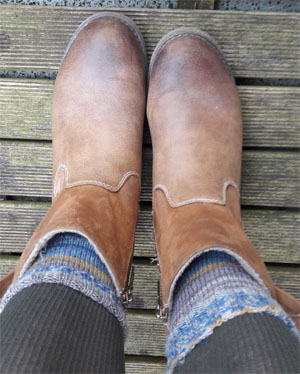
Buty firmy St. Oliver, skórzane, ciepłe, na futerku. Dobre buty, nogi w nich nie przemakają, no, chyba że się, jak ja ostatniego dnia, wejdzie w zaspę lekkiego puszystego śniegu, taką po kolana. Ten lekki śnieg lekko wpadnie za cholewki, przemoczy skarpety i rajstopy, i na to nie ma już żadnej rady, trzeba maszerować z mokrymi nogami. Buty zwykłe, dobre, firmowe, nowe, mocne, kupione kilka tygodni wcześniej z myślą o marszu.

Skarpetki natomiast są całkowitą odwrotnością, są stare, specjalne, oryginalne i robione właśnie dla mnie.  Kilka lat temu dostaliśmy z wnukiem takie skarpetki w partner look. Były tak zachwycające, że o nich wtedy napisałam na blogu.

…na zdjęciu stópki Antosia i moje (choć – czy dorośli mają “stópki”?) w skarpetkach z zakresu… historii sztuki. Zrobiła je dla nas znajoma pani, która korzystała przy tym z włóczki niemieckiej firmy Opal, produkującej wełnę na swetry i skarpetki już w kłębkach wielokolorową, a inspiracją doboru kolorów i ich kolejności są dzieła sztuki. To co my mamy na stopach, Antoś i ja, to… obraz Van Gogha “Gwiaździsta noc”…

Reszta też została opisana w mailu do Julity:

rajstopy thermo z pobliskiego sklepu z cebulą i chlebem (wiec to jasne, że jak poszłam po jajka, to kupiłam rajstopy)
spodnie stare z lumpeksu, ostatniego dnia się podarły, wyrzuciłam w hotelu w wiedniu – szare wełniane
sweter ogromny szary wełniany z lumpeksu, się na szczęście nie podarł
kurtka stara puchowa od koleżanki – koleżanka wyrzuciła kurtkę, a kurtka wyrzucała z siebie maleńkie piórka i przyczepiała je do swetra, przez co zapewniała masę kontaktów międzyludzkich, bo wszyscy mnie skubali
peleryna przeciwwiatrowa i przeciwdeszczowa – jeszcze z trasy do santiago de compostela, zapomniana w aucie ostatniego dnia  i na odległość przekazana innej osobie, dalej wędrującej w śniegu
no i najlepsze – sukienczyna, 5 lat temu była nowa, kupiłam ja za całe 10 euro, bawełniana długa czarna z długimi rękawami prosta, nosiłam w piątek świątek i niedzielę, jako małą czarną do opery, w potrzebie jako koszulę nocną, często jako okryjbidę na wędrówki, czasem jest ręcznikiem, czasem szalikiem, czasem poduszką, podarta w 17 miejscach, ale wciąż jej używam, najlepszy zakup na świecie

No a na to Julita odpowiedziała tak zaskakująco, że już dziś nie będzie więcej o marszu, zapraszam na następne soboty, dziś będzie jeszcze tylko o ubraniach i śniadaniach;

Dziękuję, Ewo Mario.

Przyjęłam list jak wielki dar, wspaniały prezent.

Aż się prosi, aby treść listu ująć we wpis, może i Twój niedzielny, może ważny codzienny. Bo ubranie, jak śniadanie, bywa literackie: /…/Dopiero po jakimś czasie zrozumiał, że Ania nie jest ubrana jak inne dziewczęta. Przypomniał sobie, że Maryla zawsze szyła dla Ani sukienki z ciemnych materiałów i według jednego fasonu. Widząc Anię w otoczeniu koleżanek, uznał, że dziewczynka powinna mieć choć jedną ładną sukienkę. Postanowił kupić jej ubranie w podarunku na Gwiazdkę. Obawiając się, że Maryla skrytykuje jego pomysł, poszedł po pomoc do pani Linde. Małgorzata zgodziła się uszyć sukienkę dla Ani według najświeższej mody. W wigilię pani Linde zjawiła się na Zielonym Wzgórzu, przynosząc prezent dla Ani. Maryla pobłażliwym tonem stwierdziła, że sukienka jest zbytkiem, który rozbudzi próżność Ani. Parę minut później z facjatki zbiegła Ania, radosnym głosikiem życząc wszystkim wesołych świąt. Mateusz niezręcznie rozwinął z papieru sukienkę i podał ją dziewczynce. Ania wpatrywała się z prezent w uroczystym milczeniu i nagle rozpłakała się.   

Płakałam i ja.

Nabokow, który studentom kazał opisywać zawartość torebki Anny Kareniny, co jego zdaniem było kluczowe dla zrozumienia postaci.

Stare porzekadło mówi “pokaż swoją torebkę, a pokażę ci, kim jesteś”. Ta sama maksyma mogłaby śmiało tyczyć się artystów baletu, którzy przez cały dzień prób nie rozstają się ze swoim przepastnym workiem bądź torbą. “Skarby”, które w nich ukrywają, mają czasem bardzo nieoczywiste zastosowanie. – Tancerze noszą w nich m.in. różnego rodzaju taśmy, małe piłeczki do rozmasowania mięśni, rolki do pracy nad stopą, ochraniacze, ogrzewacze na kostki, wodę, plastry, igłę z nitką, żeby móc zszyć coś przy baletkach czy pointach – wylicza Sokołowska-Boulton.

Na zakończenie dołączam jeszcze znaleziony u Łukasza Szopy (szefa KODu w Berlinie), poety, wiersz o zimie i śniadaniu oraz śniadaniowe zdjęcie z marszu. Ta z kubkiem to ja. Mam na sobie wszystkie opisane powyżej elementy stroju marszowego plus kolorową torbę płócienną, też zapomnianą w samochodzie do Wiednia.

sniadanienatrawie

Krzysztof Nowak, Śniadanie na trawie 🙂

William Carlos Williams

BREAKFAST

Twenty sparrows
on

a scattered
turd:

Share and share
alike.

Sara Teasdale

Andrzej Rejman

Kobieta i Poetka

84 lata temu, w niedzielę 29 stycznia 1933 roku zmarła w swoim apartamencie w Greenwich Village przy Piątej Alei w Nowym Jorku poetka Sara Teasdale. Jak się potem okazało przyczyną śmierci mogło być przedawkowanie środków nasennych.

sara-teasdale1Jak podaje dzień później The New York Times Sara Teasdale wróciła do Nowego Jorku z podróży do Anglii już chora na zapalenie płuc, a jej stan nerwowy pozostawiał wiele do życzenia. Od dawna cierpiała na chroniczną depresję, i, mimo iż w tym okresie była jedną z najbardziej znanych amerykańskich poetek, jak podają jej biografowie – nie czuła się szczęśliwa.
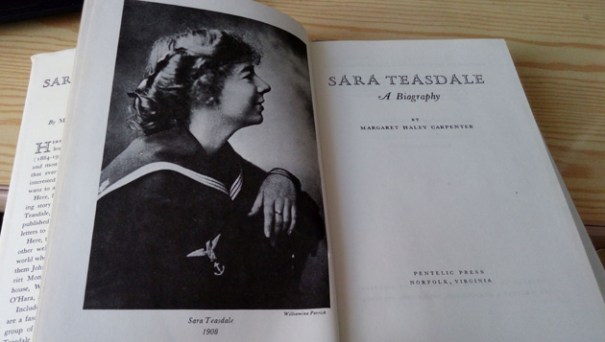
“Woman and Poet” – taki tytuł ma książka Williama Drake’a wydana przez Harper & Row Publishers w San Francisco w 1979 roku.
Jest to jedna z dwu ważnych biografii książkowych Sary Teasdale, uzupełniająca niejako wcześniej wydaną biografię Margaret Haley Carpenter (Sara Teasdale, A Biography, M.H.Carpenter, Pentelic Press, Norfolk, Virginia, 1960)

sara-teasdale2
Sara Teasdale miała w swojej epoce rzesze wiernych czytelników, a jej impresyjna poezja była i jest wciąż źródłem wielu inspiracji dla twórców muzyki.
Z poezją Sary Teasdale zetknąłem się w roku 2004, poszukując materiału do nowego projektu poetycko muzycznego. Zajrzałem wówczas głębiej do zasobów amerykańskiej poezji kobiecej z wczesnych lat XX wieku. Nie chciałem ograniczać się jedynie do pięknych ale i trudnych wierszy Emily Dickinson, które ze względu na esencjonalny ładunek filozoficznej treści powinny być pozostawione niejako “samymi sobie”.

W tym czasie współpracowałem z Jerzym Menelem*, tłumaczem, poetą, twórcą piosenek.
Był to poliglota, człowiek barwny, niezwykle pracowity i aktywny. Wieczorami, po powrocie z całodziennych tłumaczeń w warszawskich korporacjach, zajmował się do późna w nocy pracą twórczą, tłumacząc, śpiewając i grając, nieustannie porządkując archiwa i tworząc następne…

Dla Ewy Górskiej, utalentowanej słuchaczki jednego z warszawskich studiów piosenki przetłumaczył dwa wiersze Sary.

NASTROJE
Przekład/adaptacja: Jerzy Menel

Deszczową jestem kroplą,
Zmęczoną zniżam skroń,
Bądź dla mnie kwietną łąką,
Zieloną ziemią bądź!

Stęsknionym jestem ptakiem,
W błękitu płynę toń,
Obłokiem stań się dla mnie,
Świetlistym niebem bądź!

tak śpiewa tę piosenkę Ewa Górska (muz. Andrzej Rejman)

https://www.reverbnation.com/widget_code/html_widget/artist_1513797?widget_id=55&pwc%5Bsong_ids%5D=8628124&context_type=song

MOODS

I am the still rain falling,
Too tired for singing mirth–
Oh, be the green fields calling,
Oh, be for me the earth!

I am the brown bird pining
To leave the nest and fly–
Oh, be the fresh cloud shining,
Oh, be for me the sky!

LEPIEJ TO ZAPOMNIEĆ
Przekład/adaptacja: Jerzy Menel

Lepiej to zapomnieć, ogień zwolna też zagaśnie,
Jak odchodzi w dal więdnący kwiat,
Lepiej to zapomnieć na dobre, na zawsze,
Czas – przyjaciel nasz, z nim przybywa lat.

I gdy spyta ktoś, mów: przeszło, minęło,
Skrył to deszcz i grad –
Jak kwiat, jak ogień, nad ziemią mgła,
Odbity w śniegu ślad…

LET IT BE FORGOTTEN

Let it be forgotten, as a flower is forgotten,
Forgotten as a fire that once was singing gold,
Let it be forgotten for ever and ever,
Time is a kind friend, he will make us old.

If anyone asks, say it was forgotten
Long and long ago,
As a flower, as a fire, as a hushed footfall
In a long forgotten snow.

Sarę Teasdale tłumaczyły potem także Maria Hoffman oraz Anna Ciciszwili.

KRÓTKA CHWILA
tłum. Anna Ciciszwili

To krótka chwila i mnie już nie będzie,
Lecz w moich pieśniach przetrwa życie moje,
Jak krucha piana wzdyma się i przędzie
Z odejściem fali, która w morzu tonie.

Te dni i noce w pieśni płonąć będą,
Jasną kruchością piany napuszonej,
Żyjąc światłością zanim nie odejdą,
By wrócić w nicość, która jest ich domem.

A LITTLE WHILE

A little while when I am gone
My life will live in music after me,
As spun foam lifted and borne on
After the wave is lost in the full sea.

A while these nights and days will burn
In song with the bright frailty of foam,
Living in light before they turn
Back to the nothingness that is their home.

TAM NA KOŃCU ŚWIATA
tłum. Maria Hoffman

Opustoszałe wybrzeża świata, to nasze samotnie
Plaże bez owoców, jałowe bez kwiatów
Tam z trawami morskimi, znękanymi od wiatrów,
Tam też godzin życia odmierzanie taktów..

Nikt nie będzie nam więcej zazdrościł bogactwa
Tam na końcu świata, nie zadba o resztę
Ślady stóp ostatnie, zagubione w piaskach
Niespokojne morze, pochłonie i zetrze.

WORLD’S END

The shores of the world are ours, the solitary
Beaches that bear no fruit, nor any flowers,
Only the harsh sea-grass that the wind harries
Hours on unbroken hours.

No one will envy us these empty reaches
At the world’s end, and none will care that we
Leave our lost footprints where the sand forever
Takes the unchanging passion of the sea.


* Jerzy Menel
Studiował chemię, mechanikę, aeronautykę, potem arabistykę, iberystykę, a ponadto ekonomię, handel zagraniczny, dziennikarstwo… Przede wszystkim jednak był tłumaczem. Potrafił przekładać niezwykle skomplikowane teksty techniczne, jak i poetyckie. Mówił biegle po francusku, angielsku, hiszpańsku, niemiecku, arabsku. Tłumaczył oczywiście z tych i na te języki, ale także z portugalskiego i włoskiego. Przełożył na polski dzieła wszystkie Brassensa i niezliczone piosenki Jacques’a Brela, Edith Piaf, Serge’a Gainsbourga, Charles’ a Treneta, Borisa Viana. Ale również Boba Dylana, Leonarda Cohena, Paula Simona, Jamesa Taylora, Paolo Conte. Był też autorem przekładów wielu polskich piosenek na francuski. Odszedł 30 listopada 2006 roku w Brukseli, skąd miał właśnie wracać do Polski po Międzynarodowym Kongresie Wynalazców, na którym pracował jako tłumacz.