Zasadniczo zakładam, że każdy zna i wie, o co chodzi. Na wszelki wypadek przypominam bardzo ogólnie (opierając się tylko na dziurawej pamięci), że:
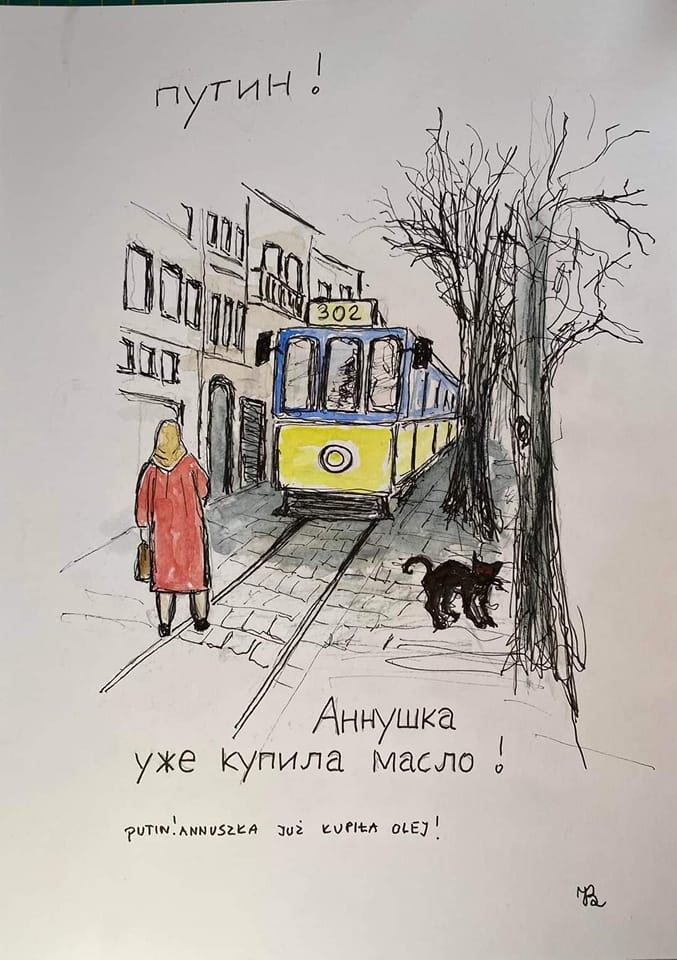
To zdanie pojawia się na początku powieści Mistrz i Małgorzata Michaiła Bułhakowa. Annuszka kupiła olej, olej się wyleje. Zebranie się nie odbędzie.
A było tak:
W Moskwie (w Związku Radzieckim) pojawił się Szatan. Na Patriarszych Prudach spotyka się z dwoma pisarzami, którzy próbują go przekonać, że Boga nie ma. Ale Annuszka już kupiła olej. I go wylała. Jeden z pisarzy, Berlioz, poślizgnie się na rozlanym na torach tramwajowych oleju. Kobieta-motorniczy szarpnęła elektryczny hamulec, wagon osiadł z nosem przy ziemi, potem błyskawicznie podskoczył, z brzękiem i łoskotem posypały się z okien szyby. I wtedy w mózgu Berlioza ktoś rozpaczliwie krzyknął: »A jednak!«
Tramwaj obciął Berliozowi głowę.
“Annuszka wylała olej” znaczy, że wydarzyło się coś bardzo ważnego dla historii. Motyl ruszył skrzydłami w puszczy nad Amazonką. Nawet jeśli Annuszka o tym nie wie, to cała opowieść o szalonym pobycie Szatana, jego pomagiera i kota Behemota w Moskwie (oraz o śmierci Jezusa) zaczęła się właśnie od tego.
Więc Putin niech uważa, bo Annuszka już kupiła olej. Kaczyński zresztą niech też uważa.
foto Malwina Kozłowska / Poznań
Zresztą, co ja tu będę opowiadać, skoro mam wszystko napisane na karteczce:
– Wiem mniej więcej dokładnie, co będę robił dziś wieczór, powiedział Berlioz. Oczywista, jeśli na Bronnej nie spadnie mi cegła na głowę… – Cegła – z przekonaniem przerwał mu nieznajomy (Szatan, zwany u Bułhakowa Wolandem) – nigdy nikomu nie spada na głowę ni z tego, ni z owego. W każdym razie panu, niech mi pan wierzy, cegła nie zagraża. Pan umrze inną śmiercią. – A może wie pan, jaką? – Utną panu głowę! – A któż to zrobi? Wrogowie? Interwenci? – Nie – odpowiedział cudzoziemiec. – Rosjanka, komsomołka. – Hm… – zamruczał zdegustowany żartem nieznajomego Berlioz. – No, pan daruje, ale to mało prawdopodobne. – I ja proszę o wybaczenie – odpowiedział cudzoziemiec – ale tak właśnie będzie. Czy mógłby mi pan powiedzieć, jeśli to oczywiście nie tajemnica, co pan będzie robił dziś wieczorem? – To żadna tajemnica. Teraz wpadnę do siebie, na Sadową, a potem o dziesiątej wieczorem w Massolicie odbędzie się zebranie, któremu będę przewodniczył. – To się nie da zrobić – stanowczo zaprzeczył obcokrajowiec. – A to dlaczego? – Dlatego że Annuszka już kupiła olej słonecznikowy, i nie dość, że kupiła, ale już go nawet rozlała. Tak więc zebranie się nie odbędzie.
I się nie odbyło.
__________________
W czasie tej wojny Annuszka i jej olej nasuwają się nam wszystkim. Tak, Putin, pagadi. Annuszka kupiła już olej.
Simon Underwin (Szymon Podwin) napisał o niej wiersz (Marek Defee dziękuję za informację!):
Annuszka

Więc stanie się, co stać się musi
Nieuchronna to losu kolej
Krwi plama na mapy obrusie
Annuszka rozlała już olej

Władimir pod nosem zanuci
Poniosą się echem czastuszki
Za późno już, żeby zawrócić
Rozlany już olej Annuszki

Krew spłynie jak armia - czerwona
W łez błoto na ziemskim padole
Niejeden Leonid tu skona
Annuszka rozlała już olej

Przekroczą nad ranem granice
I staną w płomieni opałach
Wyrzutnie, platformy, haubice,
Annuszka już olej rozlała

I zacznie się bal, śmierci taniec
I pójdzie Wołodia w niewolę
I skończy jak papa w Afganie
Annuszka rozlała już olej

Nim zamkną na klucz okrążenie
Pandory otworzy się puszka
I ześle na wszystkich cierpienie
Rozlała już olej Annuszka

I zwali się Iwan w czarnoziem
Wyrośnie mu kwiat w oczodole
A matka się nawet nie dowie
Annuszka rozlała już olej

Światowym kryzysem zaiskrzy
Zapłonie znów Wołyń, Podole
Lecz zajmie się Kreml od tej iskry
Rozlała Annuszka już olej

Noc z 14 na 15 marca 2022
Wrocław
Widziałam się z nią pewnie 25 lat temu. Wyjechała, straciłam ją z oczu. Aż przysłała maila:
Dear All, I am very happy to tell you that our film will have the North American premiere on February 25th. Here is the article that appeared today in DEADLINE 🙂 Love, Bo
A pod spodem mailowa wizytówka: Bo(zenna) Intrator producer, writer
Gravitas Ventures has acquired North American rights to the WWII-era romantic drama I’ll Find You from director Martha Coolidge (Valley Girl, Real Genius). The Anthem Sports & Entertainment company plans to release the title starring Adelaide Clemens (To the Stars), Leo Suter (Sanditon, Beecham House), Stephen Dorff (Old Henry, Deputy), Connie Nielsen (Zack Snyder’s Justice League, Wonder Woman 1984) and Stellan Skarsgård (Dune, Chernobyl) in theaters and on demand on February 25.
Inspired by true stories of Polish musicians from the 1930s and 1940s, I’ll Find You centers on the tender, music-infused relationship between Robert (Suter) and Rachel (Clemens) that is forged when the pair meet as music school students – he, a promising singer and she, a violin prodigy. While Robert is torn away from Rachel following the German invasion of Poland, he vows to find her, no matter the cost.
David S. Ward (Flyboys, Sleepless in Seattle) and Bozenna Intrator (The Magic Stone, The Bait) penned the script for the film, which was shot on location in Poland and New York. Intrator also produced it alongside Lukasz Raczynski, Zbigniew John Raczynski and Fred Roos, with Alexander Roos exec producing.
“I’LL FIND YOU is a beautiful romance film set against the harsh background of World War II,” said Gravitas Ventures’ Manager of Acquisitions, Brett Rogalsky. “What director Martha Coolidge was able to do with these elements is truly impressive, and we’re excited to be able to bring this film to the public.”
“From the beginning I loved the theme in this film that music has an almost magical power to heal,” added Coolidge, “and that it can inspire and move all people even those at opposite ends of the ideological spectrum.”
Coolidge is an Emmy nominee and DGA Award winner who has previously directed films including Material Girls, The Prince and Me, Angie, Lost in Yonkers, Rambling Rose, Plain Clothes, Real Genius and Valley Girl, along with episodes of such series as Siren, Angie Tribeca, Madam Secretary, The Night Shift, Psych and Weeds.
Gravitas Ventures was founded in 2006 and sold to multi-platform media company Anthem Sports & Entertainment in November. Recent releases from the company include Michael Lembeck’s Queen Bees; Gabriela Cowperthwaite’s Our Friend, starring Casey Affleck, Dakota Johnson, and Jason Segel; Vanguard, directed by Stanley Tong and starring Jackie Chan; and Andy Tennant’s The Secret: Dare to Dream, starring Katie Holmes. Gravitas has also recently acquired titles including Adrian Martinez’s feature directorial debut iGilbert; the Kathy Bates drama Home, from writer-director Franka Potente; family adventure film The King’s Daughter, starring Pierce Brosnan; Jason Pollock’s doc Finding Kendrick Johnson; and The Accursed, a horror film marking the feature directorial debut of writer-directors Elizabeta Vidovic and Kathryn Michell.
Reblog z wpisu opublikowanego 21.09.2020 na Facebooku
Ten wpis to absolutna gratka dla antropolożek kultury, ale innychteż zafascynuje
Patryk Matuła
Takich przykładów pewnie da się znaleźć więcej
1. Amerykański standard szerokości torów kolejowych (odstępu szyn) wynosi 4 stopy, 8,5 cala. Prawda, że to dziwaczna liczba? A czy wiesz dlaczego taki właśnie standard się stosuje?
2. Ponieważ w ten sposób buduje się linie kolejowe w Anglii, a właśnie angielscy przybysze budowali amerykańskie linie kolejowe. Dlaczego jednak Anglicy budowali je właśnie tak?
3. Ponieważ pierwsze linie kolejowe, budowali ci sami ludzie, którzy budowali wcześniej linie tramwajowe, a tam właśnie stosowano ten standard. Dlaczego jednak stosowano tam ten standard?
4. Ponieważ ludzie, którzy budowali linie tramwajowe, używali tych samych szablonów i narzędzi, jakich używali przy budowie wagonów tramwajowych, które miały taki odstęp kół. W porządku! Ale dlaczego wagony miały taki właśnie dziwaczny odstęp kół?
5. No cóż, gdyby próbowali zastosować jakiś inny odstęp, łamaliby pewną starą zasadę budowy dalekobieżnych dróg angielskich, ponieważ mają one taki właśnie odstęp kolein na koła. Któż to budował te starodawne drogi z koleinami?
6. Pierwsze dalekobieżne drogi w Europie (i Anglii) zbudowało Imperium Rzymskie dla swoich legionów. Drogi te są w użyciu dotychczas. Ale skąd te koleiny?
7. Pierwotne koleiny uformowały rzymskie rydwany wojenne; każdy inny użytkownik tych dróg musiał się dostosować do nich, gdyż inaczej uszkodziłby koła swoich pojazdów. Ponieważ rydwany były wykonywane dla Imperium Rzymskiego, były one wszystkie do siebie podobne jeśli idzie o rozstęp kół.
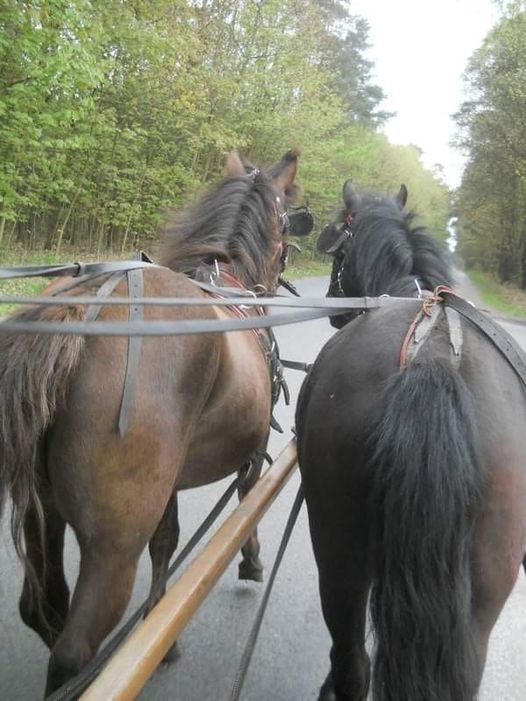
Jak widać amerykański standard odstępu szyn kolejowych: 4 stopy i 8,5 cala, pochodzi od parametrów technicznych rzymskich rydwanów bojowych. A biurokracja jest wieczna. A więc następnym razem, kiedy dostaniesz do ręki jakąś dokumentację techniczną i zaczniesz podejrzewać, że może ona mieć coś wspólnego z końską dupą, będziesz mieć absolutną rację, ponieważ rzymskie rydwany wojenne były konstruowane tak, aby ich szerokość była dostosowana do sumarycznej szerokości zadów dwu koni bojowych.
A teraz małe rozwinięcie tematu…
Kiedy spoglądasz na kosmiczny wahadłowiec na stanowisku startowym, widzisz dwie duże rakiety startowe przymocowane po bokach głównego zbiornika paliwa. Są to rakiety na paliwo stałe, w skrócie: SRB, produkowane w firmie Thiokol, w Utah, w U.S.A. Inżynierowie, którzy projektowali SRB woleliby, aby były one nieco grubsze, ale… SRB transportuje się z wytwórni na stanowisko startowe koleją. Tak się złożyło, że linia kolejowa biegnie na pewnym odcinku przez tunel wydrążony w górze. Rakiety muszą się zmieścić w tym tunelu. Tunel jest tylko odrobinę szerszy niż linia kolejowa, a linia ta, jak już wiesz, ma szerokość dwu końskich tyłków. Tak więc jeden z głównych szczegółów konstrukcyjnych kosmicznego wahadłowca, być może najbardziej zaawansowanego systemu transportowego na świecie, został zdeterminowany ponad dwa tysiące lat temu przez szerokość końskiej dupy.
Wszyscy wiemy, jak i po co zmieniano przeszłość u Orwella. Przeszłość nie istniała, istniały tylko aktualne wytyczne polityczne, które decydowały o tym, jak miała wyglądać przeszłość. Na tym polegała praca Winstona.
Winston Smith był bowiem pracownikiem Departamentu Archiwów w Ministerstwie Prawdy. Codziennie zmieniał dokumenty archiwalne w taki sposób, żeby nikt nigdy nie mógł zarzucić partii kłamstwa. Dzięki tym zabiegom rząd mógł manipulować przeszłością, teraźniejszością i przyszłością.
Motto przyświecające reżimowi Wielkiego Brata brzmiało: Kto rządzi przeszłością, w tego rękach jest przyszłość; kto rządzi teraźniejszością, w tego rękach jest przeszłość.
Wszystko rozmywało się we mgle. Przeszłość wymazywano, o fakcie wymazania zapominano, i kłamstwo stawało się prawdą.
A jest tak, bo tak naprawdę nie ma ani przeszłości, ani przyszłości, jest tylko ta wąska szczelina pomiędzy dwoma potężnymi nieistniejącymi blokami – trzysekundowa teraźniejszość. Reszta dzieje się w głowach. Wszystko dzieje się w głowie, twierdzi Orwell. A co dzieje się w głowach wszystkich, dzieje się naprawdę.
Oczywiście, moglibyśmy powiedzieć, że istnieje pamięć indywidualna, nasze wspomnienia. Ludzie inteligentni wiedzą więc, że przeszłość została przekręcona, bo przestała zgadzać się z ich wspomnieniami. Tym niemniej system znakomicie nadal funkcjonuje, ludzie nieinteligentni są nieinteligentni i jest wszystko jedno, co myślą. Bez protestu akceptowali nawet najjaskrawsze wypaczenia rzeczywistości, bo nie rozumieli w pełni potworności tego, czego od nich żądano, a ponadto zbyt mało interesowali się aktualnymi wydarzeniami, aby zdawać sobie sprawę z grozy sytuacji. Niewiedza pozwalała im zachować zdrowe zmysły. Przełykali wszystkie kłamstwa, i to bez najmniejszego dla siebie uszczerbku, bo przelatywały przez nich – nie strawione – niczym kamyki przez układ pokarmowy ptaka.
Inteligenci natomiast odkryli dwójmyślenie – umiejętność wyznawania dwóch sprzecznych poglądów i wierzenia w oba naraz. Partyjny inteligent wie, kiedy powinien zmienić swoje wspomnienia, a zatem w pełni się orientuje, że przekręca fakty; równocześnie jednak, dzięki dwójmyśleniu, święcie wierzy, iż prawda nie została pogwałcona.
Wiedzieć i nie wiedzieć; mieć poczucie absolutnej prawdomówności, a jednocześnie wygłaszać umiejętnie skonstruowane kłamstwa; wyznawać równocześnie dwa zupełnie sprzeczne poglądy na dany temat, i mimo świadomości, że się wzajemnie wykluczają, wierzyć w oba; używać logiki przeciwko logice;(…)zapominać wszystko, czego nie należy wiedzieć, po czym przypominać sobie, kiedy staje się potrzebne, a następnie znów szybko wymazywać z pamięci.
Niestety, Winstonowi przydarzyła się miłość, a to sprawiło, że utracił umiejętność wyznawania dwóch sprzecznych poglądównaraz. I wtedy poczuł się zupełnie sam. Przeszłość była martwa, przyszłość niewyobrażalna.
Uświadomił sobie jednak, że to nieprawda. Przyszłość i przeszłość istniały, myśl była wolna, ludzie różnili się między sobą i nie żyli samotnie. Przyszłość i przeszłość to były czasy, kiedy istnieje prawda, a tego, co się stało, nie można zmienić, a dziedzictwo kulturowe istniało tylko dlatego, że on, Winston, nie dał się ogłupić i nie uwierzył w wyniki własnej pracy. Zmieniał przeszłość, tak, zmieniał ją z dnia na dzień, czasem wręcz z minuty na minutę, prawda stawała się kłamstwem, kłamstwo prawdą, a oba były bez znaczenia, dopóki on, choćby sam, choćby jedyny na świecie, myślał i wiedział, że BYŁO INACZEJ.
Za (a może jednak też przeciw): Jacek Dehnel (Facebook, luty 2022)
Z okazji dyskusji o przekładzie Jerzy Jarniewicz wkleił wczoraj bardzo ciekawy fragment ze swoich esejów, postulujący tłumaczenie klasyki literatury staropolskiej „z polskiego na nasze”. Myśl powabna, acz rodzi całe mnóstwo spekulacji.
Wziąłem sobie na warsztat wiersz Sępa Szarzyńskiego Epitafium Rzymowi, o tyle łatwiejszy, że to też przecież przekład, i tak sobie przerobiłem:
Nagrobek dla Rzymu
Ty, który przyjechałeś, turysto, pielgrzymie, I, chcąc w Rzymie Rzym znaleźć, nie widzisz go w Rzymie, Patrz na zburzone termy, rozwalone mury, Koloseum, świątynie, złamane kolumny:
Oto Rzym. Po bogatym trupie, choć nieżywy, widać, że był za życia ogromnie szczęśliwy. To miasto, świat podbiwszy, siebie pokonało, By nic niezwyciężonego w świecie nie zostało.
Dziś w pokonanym Rzymie Rzym niepokonany leży jak trup we własnym cieniu pogrzebany. Zmieniło się w nim wszystko z tym jednym wyjątkiem:
Tyber jak dawniej płynie do morza spokojnie. Takie żarty los robi: znikło to, co stało, tylko to, co się rusza, jeszcze ocalało.
A tu oryginał:
Epitafium Rzymowi
Ty, co Rzym wpośród Rzyma chcąc baczyć, pielgrzymie, A wżdy baczyć nie możesz w samym Rzyma Rzymie, Patrzaj na okrąg murów i w rum obrócone Teatra i kościoły, i słupy stłuczone:
To są Rzym. Widzisz, jako miasta tak możnego I trup szczęścia poważność wypuszcza pierwszego. To miasto, świat zwalczywszy, i siebie zwalczyło, By nic niezwalczonego od niego nie było.
Dziś w Rzymie zwyciężonym Rzym niezwyciężony (To jest ciało w swym cieniu) leży pogrzebiony. Wszytko się w nim zmieniło, sam trwa prócz odmiany
Tyber, z piaskiem do morza co bieży zmieszany. Patrz, co Fortuna broi: to się popsowało, Co było nieruchome; trwa, co się ruchało.
*
I oczywiście jest jakiś szkolny plus w tym, że nauczyciel nie będzie musiał słuchać salw śmiechu przy “trwa, co się ruchało.” Ale przecież nawet gdyby zrobić to lepiej (to jakaś wersja na kolanie zupełnie machnięta for the sake of argument), nie wiem, czy to coś daje? Bo uwspółcześnione niekoniecznie jest ciekawe, nawet jeśli zrozumiałe. Równocześnie przestawki marnują różne udane zabiegi oryginału (choćby brzmieniowe). Pewnie można wywalić rymy i zrobić z tego w ogóle biały wiersz – ale czy dźwignie go nieco przebrzmiały manierystyczny koncept? Czy wystarczy, żeby zachwycić?
Dziś jedno z jej kilkudziesięciu świąt, jakie się obchodzi – wspomnienie Matki Boskiej, która objawiła się małej Bernadetcie w grocie w Lourdes na południu Francji, w pobliżu granicy z Hiszpanią. Uczyniła to kilkanaście razy pomiędzy 11 lutego a 16 lipca 1858 roku.
Bernadetta była pasterką. Miała wtedy 14 lat. To delikatny wiek. Różności się marzą. Piękna dama w białej sukni, przepasana niebieską szarfą.
Tak naprawdę Matka Boska jest ok, jest w końcu jedną z niewielu kobiet w boskim panteonie starych brodatych facetów. Jest znacznie ważniejsza niż “zwykła” święta. Urodziła Boga. Mogłaby być naszą, kobiecą orędowniczką i patronką. Nie jest. Szkoda. W przeciwieństwie do Ewy, która się sprzeciwiła i Bogu, i mężowi, Maria potulnie się na wszystko zgadzała. Otom ja, służebnica Pańska.
Berthold Furthmeyr (1478-1489), Psałterz z Salzburga
Szkoda też, że polityka tak nią sobie wyciera pyski i łapy. To nie jej wina, ale przez to stała się współcześnie, jak wszyscy i wszystko, materiałem na mema. I nie jest to nawet szarganie świętości, raczej tylko pobłażliwe jej prześmiewanie.
O memach była tu już mowa. Konrad o nich napisał (koniecznie przeczytajcie, są tam bardzo ważne informacje), a ja przez kilka odcinków pokazywałam tu różne ciekawskie memy, Monę Lisę, van Gogha, śniadanie na trawie. Teraz przyszła kolej na nią, Matkę Boską Królową Polski.
Ta była chyba najważniejsza. Matka Boska Tęczochowska, skomponowana przez Elżbietę Podleśną.
Podleśna (ur. 1968) – polska psycholożka, psychoterapeutka, działaczka społeczna oraz aktywistka na rzecz praw człowieka; autorka przeróbki obrazu Matki Boskiej Częstochowskiej w tęczowej aureoli, za co została zatrzymana przez policję i oskarżona o obrazę uczuć religijnych. Matka Boska w Tęczowej Aureoli została umieszczona w kwietniu 2019 roku w Płocku – był to protest przeciwko kościelnej wystawie z okazji Wielkanocy, w której LGBT i gender przedstawione zostały jako grzechy.
Wikipedia pisze, że 13 stycznia 2021 odbyła się w Płocku rozprawa Elżbiety Podleśnej i dwóch innych aktywistek. 2 marca 2021 roku wszystkie trzy zostały uniewinnione. Sąd uznał, że kobiety nie miały zamiaru nikogo obrazić, a jedynie zwracały uwagę na dyskryminację osób LGBT. Ich protest mieści się, zdaniem sądu, w granicach wolności słowa. Sąd podkreślił, że osoby nieheteronormatywne mają swoje miejsce w Kościele. Sędzia przywołała też listy katolików, którzy pisali, że nie czują się obrażeni przez połączenie wizerunku Matki Boskiej Częstochowskiej i tęczy.
Potem Marta Frey dodała jej do towarzystwa Matkę Boską od Czarnej Parasolki.
Jest Królową Polski i można powiedzieć, że ma pełne ręce roboty. Ciągle jej ktoś coś zawierza. Najdziwaczniejsze było zawierzenie jej w listopadzie 2021 roku zatruwającej środowisko kopalni Turów na granicy polsko-czeskiej. Z kolei 3 lutego 2022 roku marszałka Sejmu RP, Elżbieta Witek podczas pielgrzymki do Częstochowy zawierzyła opiece NMP sejm polski.
Na pociechę powiem, że nadal ostały się przyjemne wizerunki Maryi Królowej Polski. Przed Bożym Narodzeniem dość często przypomina się, że Matka Boska z Dzieciątkiem jest chrześcijańską wersją wizerunku Izydy piastującej Horusa.
Domena publiczna
2 lutego, w święto Matki Boskiej Gromnicznej facebookowicze przypomnieli, że jest to Matka Boska z Wilkami, czyli starożytna bogini, Pani Zwierząt; też o tym TU pisałam kilka lat temu.
A ostatnio znalazłam na Facebooku Matkę Boską, słynną pisarkę 🙂
PS, wiemy oczywiście, że tu chodzi o Boska, a Polską rządzi jego matka.
Schrecklich dieser Krieg, es wird keine Sieger geben
Tibor Jagielski, der sich diesen Beitrag ausgedacht hat
Jürgen Kaube (reblog)
Drei Wörter, sagt Filmemacher Raoul Peck in der FAZ, fassen die gesamte Historie der Menschheit zusammen: Zivilisation, Kolonisation und Vernichtung. Kurz danach sagt er, ein einziger Satz fasse die Geschichte der westlichen Welt und des europäische Kontinent zusammen. Er stammt aus Joseph Conrads Herz der Finsternis, wird dort von einem Kolonialverbrecher gesagt und lautet „Rottet die Bestien aus!“ Peck zufolge, gibt es stets die Gewissheit einer überlegenen Rasse, stets wird aus ihr das Recht abgeleitet, die Unterlegenen zu bekriegen, umzusiedeln, zu bestehlen, zu missionieren, zu töten oder sterben zu lassen. In den Spielszenen ist es immer derselbe Schauspieler, der die Grausamkeit repräsentiert, vom Mord an der Seminolen um 1815 über den Oberkongo 1895 bis in die Gegenwart. Einen geschichtlichen Fortschritt weg von diesem so selbstbewussten wie grausamen Rassismus kann der Film nicht finden. Den Abscheu gegenüber dem Schrecklichen behandelt er als Einstellung Weniger, zu denen auch er selbst gehört. Deswegen spricht er wiederholt seine Biographie und seine vorigen Filme an. Sätze wie Die bloße Existenz dieses Films ist ein Wunder, klingen selbstgefällig. Wichtiger aber ist, dass Peck den Eindruck erweckt, wir lebten nach wie vor oder demnächst wieder im neunzehnten Jahrhundert, in der Zeit der totalitärer Massenmorde und einer allgemeinen Überzeugung, es gebe sterbende Nationen, denen man Sterbehilfe leisten dürfe. Einmal stellt er die Frage, was jemals großartig an Amerika gewesen sei. Der Eintritt in den Zweiten Weltkrieg fällt ihm nicht ein.
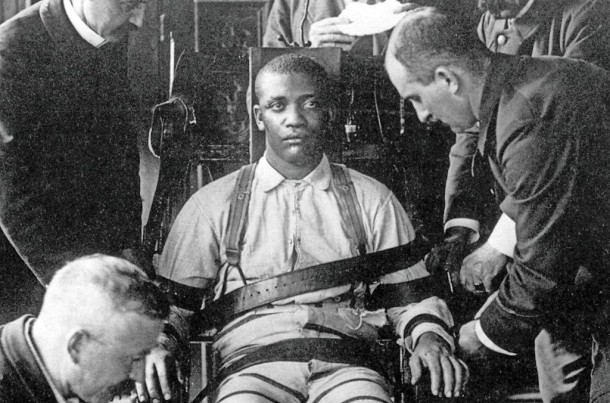
Ein zum Tode Verurteilter auf dem elektrischen Stuhl des Gefängnisses „Sing Sing“ im Bundesstaat New York
Der Film Rottet die Bestien aus! von Raoul Peck erzählt die Verbrechensgeschichte des Westens. Dabei schert er sich nicht um die Unterschiede zwischen Kolonialismus und Judenvernichtung.
Rottet die Bestien aus! alle vier Teile sind momentan bei Arte zu sehen: https://www.arte.tv/de/videos/RC-022134/rottet-die-bestien-aus/ —————————————————————————————————– Tibor Jagielski sagte dazu noch: In einem Punkt hat Peck sicherlich recht: Wir funktionieren mental im 19. Jahrhundert, und wenn wir nicht aufpassen, werden wir nach der nuklearen Nacht auf das Niveau der Steinzeit zurückfallen.
Ich erinnerte mich dabei daran, dass ich einmal, 1997, in einem Theater ein Faultier gespielt hatte. Die Role war schrecklich, aber was sollte es, die Bezahlung stimmte und drum ging es… Die ganze Vorstellung über hing ich eigentlich nur an einem Ast, pfiff ab und zu oder kratzte mich unter den Achseln und erst am Ende des dritten, letzten Aktes warf ich mich auf eine Piratin. Ich zertrümmerte ihren Schädel und aß ihr Hirn (es war Vanillepudding mit Erdbeersoße), wobei ich versuchte, nicht zu schmatzen, weil während der Probe einer der Zuschauer in Ohnmacht fiel und die Regisseurin mir verbot, die hochtrabenden Ideen des Stücksschreibers zu expressionistisch zu interpretieren.
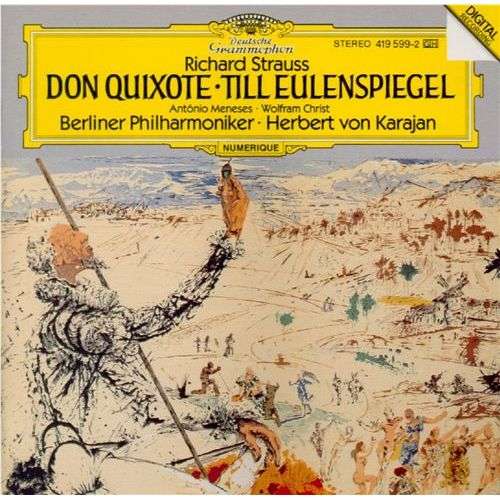
1988 Berliner Philharmoniker / Dirigent Herbert von Karajan. Bild auf dem Umschlag – Salvador Dali. I got that wonderful vinyl plate from A. Thank you!
Don Quixote, Op. 35 is a tone poem by Richard Strauss for cello, viola, and orchestra. Subtitled Phantastische Variationen über ein Thema ritterlichen Charakters (Fantastic Variations on a Theme of Knightly Character), the work is based on the novel Don Quixote de la Mancha by Miguel de Cervantes. Strauss composed this work in Munich in 1897. The premiere took place in Cologne on 8 March 1898.
Richard Strauss (1898) by Fritz Erler
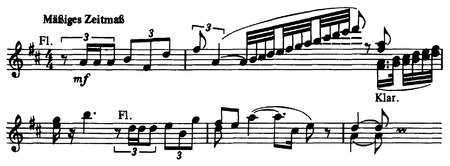
The score is 45 minutes long and is written in theme and variations form, with the solo cello representing Don Quixote, and the solo viola, tenor tuba, and bass clarinet depicting his squire Sancho Panza. The second variation depicts an episode where Don Quixote encounters a herd of sheep and perceives them as an approaching army. Strauss uses dissonant flutter-tonguing in the brass to emulate the bleating of the sheep, an early instance of this extended technique. Strauss later quoted this passage in his music for Le bourgeois gentilhomme, at the moment a servant announces the dish of “leg of mutton in the Italian style”.
Introduction: Mäßiges Zeitmaß. Thema mäßig. “Don Quichotte verliert über der Lektüre der Ritterromane seinen Verstand und beschließt, selbst fahrender Ritter zu werden” (“Don Quixote loses his sanity after reading novels about knights, and decides to become a knight-errant“)
Theme: Mäßig. “Don Quichotte, der Ritter von der traurigen Gestalt” (“Don Quixote, knight of the sorrowful countenance”)
Maggiore: “Sancho Panza”
Variation I: Gemächlich. “Abenteuer an den Windmühlen” (“Adventure at the Windmills”)
Variation II: Kriegerisch. “Der siegreiche Kampf gegen das Heer des großen Kaisers Alifanfaron” (“The victorious struggle against the army of the great emperor Alifanfaron”) [actually a flock of sheep]
Variation III: Mäßiges Zeitmaß. “Gespräch zwischen Ritter und Knappen” (“Dialogue between Knight and Squire”)
Variation IV: Etwas breiter. “Unglückliches Abenteuer mit einer Prozession von Büßern” (“Unhappy adventure with a procession of pilgrims”)
Variation V: Sehr langsam. “Die Waffenwache” (“The knight’s vigil”)
Variation VI: Schnell. “Begegnung mit Dulzinea” (“The Meeting with Dulcinea”)
Variation VII: Ein wenig ruhiger als vorher. “Der Ritt durch die Luft” (“The Ride through the Air”)
Variation VIII: Gemächlich. “Die unglückliche Fahrt auf dem venezianischen Nachen” (“The unhappy voyage in the enchanted boat”)
Variation IX: Schnell und stürmisch. “Kampf gegen vermeintliche Zauberer” (“Battle with the magicians”)
Variation X: Viel breiter. “Zweikampf mit dem Ritter vom blanken Mond” (“Duel with the knight of the bright moon”)
Finale: Sehr ruhig. “Wieder zur Besinnung gekommen” (“Coming to his senses again” – Death of Don Quixote)
*** The first and second variations are featured in the soundtrack of The Lobster, a 2015 film directed by Yorgos Lanthimos.
Die längste Zugstrecke der Welt führt von Portugal nach Singapur
Ein paar Eisenbahn-Nerds haben errechnet, dass man dank der neuen Eisenbahn zwischen Laos und China nun von Portugal nach Singapur durchgehend mit dem Zug reisen kann.
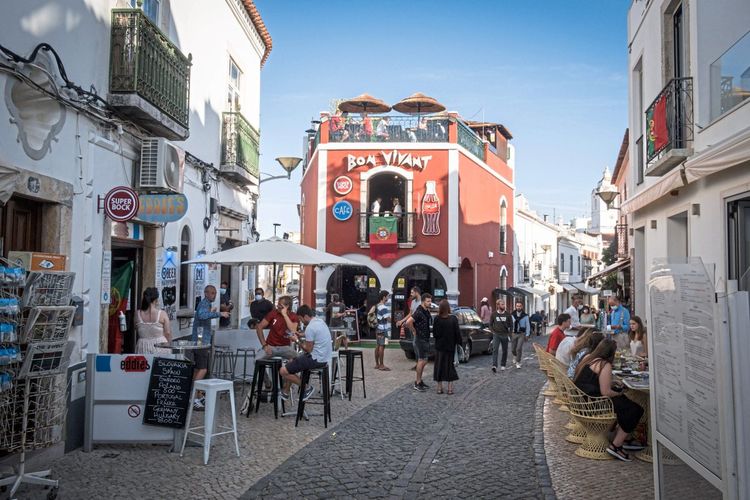
Von Lagos im Süden Portugals ist es jetzt möglich, bis nach …… Singapur in Südostasien mit dem Zug zu reisen. Dauert halt ein bisschen länger.Möglich ist dieser Megatrip, weil Anfang Dezember 2021 China die erste Teilstrecke der “Neuen Seidenstraße” durch Südostasien eröffnet hatte.
18.755 Kilometer in 21 Tagen, von Südeuropa bis an die Südspitze der Malaiischen Halbinsel, alles mit dem Zug: Nach Ansicht von Experten wurde ein neuer Rekord für die längste ununterbrochene Bahnfahrt aufgestellt. Selbstverständlich handelt es sich dabei nicht um eine Direktverbindung.
Möglich ist dieser Megatrip, weil Anfang Dezember 2021 China die erste Teilstrecke der “Neuen Seidenstraße” durch Südostasien eröffnet hatte. Nach fünf Jahren Bauzeit wurde der rund 400 Kilometer lange Streckenabschnitt zwischen der laotischen Hauptstadt Vientiane und der chinesischen Stadt Kunming fertiggestellt: Über den Grenzbahnhof Boten werden Vientiane und Kunming über 242 Tunnel und Brücken durch bergiges Terrain verbunden.
Mehrere Zwischenstopps
Die Anbindung von China an Laos ermöglicht nun die wohl längste Zugverbindung der Welt, wie es Reddit-Nutzer gemeinsam mit dem britischen Eisenbahn-Enthusiasten Mark Smith ausgerechnet haben: Start der Rekordreise ist die Stadt Lagos in der Algarve im Süden Portugals. Weiter geht es über das französische Hendaye im Baskenland und über Paris nach Moskau.
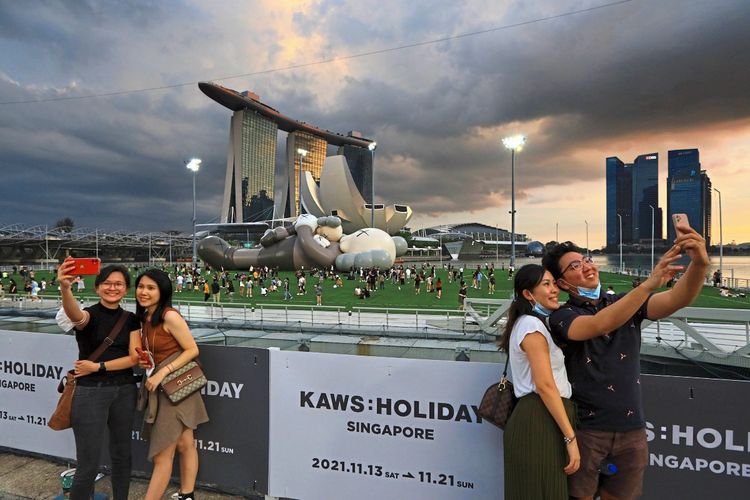
Mit der berühmten Transsibirischen Eisenbahn geht’s weiter bis nach Peking. Kurzer Zwischenstopp in Kunming – der Hauptstadt der chinesischen Provinz Yunnan –, und weiter geht die Reise in die laotische Hauptstadt Vientiane. Über Bangkok und die drei malaysischen Städte Padang Besar, Penang und Kuala Lumpur erreicht man schlussendlich nach mindestens dreiwöchiger Reisedauer Singapur.
Auf der Route müssen Reisende in Lissabon, Madrid und Paris jeweils einmal und in Moskau und Peking zweimal übernachten, um die weiteren Anschlusszüge zu bekommen. Bei fünf so spannenden Hauptstädten sind diese Stopps aber wohl eher als eine Bereicherung zu sehen.
Die Kosten für eine Fahrt auf der längsten Bahnstrecke der Welt belaufen sich laut “Daily Mail” auf etwa 1.200 Euro – in eine Richtung.
A month before I boarded the plane to Cairns, Fox Studios had released The Beach (2000) into cinemas. Based on the bestselling 1996 novel by Alex Garland, and directed by Danny Boyle, the film follows Richard (played by Leonardo DiCaprio) on a backpacking journey to Thailand. After drinking some snake blood, he finds his way to a secret island, where an idyllic community lives beside a pristine island lagoon. There he finds joy and love to the ambient strains of Moby’s ‘Porcelain’ (2000), then fucks it all up, and goes insane.
I’d watched the film in a bar in Bali. In those days, backpacker bars throughout Southeast Asia would often show flickering, pirated copies of the latest cinema releases. But I didn’t pay much heed to its allegorical warnings about the dangers of surrendering to serendipity, or its blunt moral that paradise could only ever be ephemeral. I was 19 years old, and preoccupied with finding my own.
‘Mine is the generation that travels the globe and searches for something we haven’t tried before,’ says Richard. ‘So never refuse an invitation, never resist the unfamiliar, never fail to be polite and never outstay the welcome. Just keep your mind open and suck in the experience.’
New experiences have a mnemonic quality – they create a more lasting imprint in the brain
At the end of my own first brush with this zeitgeist, I came home armed with what amounted to a Proustian epiphany: I had come to realise, with a certainty that brooked no contradiction, that fresh experiences emblazoned themselves in the mind at a higher definition, palpably lengthening time. If memories of home-life often seemed diffuse, its events overlapping and abbreviated by familiarity, the ones I carried back from Bangkok were pin-sharp.
Would it make sense if I told you that I can conjure every hump and hollow of that Thailand beach? I can tell you the sand was the colour of bleached coral, that it was fringed with a tangle of low-slung mangroves. I remember that we had just descended from that boulder when it began to rain, and that we hopscotched around washed-up flotsam, drenched to the skin. I can recount how the frothing ebb tide had left dozens of jellyfish stranded every few yards, some of which we attempted to flick back into the surf with a stick, an act which I now realise probably looked thuggish to any bystanders, though I promise it was charitably intended. Later that day, we sat on the beach and watched lightning fork across the sky, except on the horizon, where the dusk broke through in a fan of sunbeams, making silhouettes of the container ships far out to sea.
Possible explanations for the pellucid nature of such recollections are not confined to the philosophical. In recent years, neuroscientists have discerned a clear correlation between novelty and memory, and between memory and fulfilment. Their findings suggest that new experiences have a mnemonic quality – they create a more lasting imprint in the brain. It didn’t seem an unreasonable leap of logic to assume that this might come to be seen as retrospective proof of a person’s rich and happy life.
I recently happened across a multinational study, undertaken in 2016, which investigated the link between novel experiences and the potency of memory. The authors set up an experiment in which mice were introduced to a controlled space and trained to find a morsel of food concealed in mounds of sand. Under normal conditions, researchers found that the mice were able to remember where the food was hidden for around one hour. However, if the environment was altered – in this case, the mice were placed in a box with a new floor material – they could still find the food up to 24 hours later. The introduction of new conditions appeared to magnify the creatures’ power of recall.
Employing a technique known as optogenetics, the study attributed this phenomenon to activity within the locus coeruleus, a region of the mammalian brain that releases dopamine into the hippocampus. Novel experiences, the results seemed to indicate, trigger happy chemicals, which in turn help to produce more indelible engrams, the biochemical traces of memory.
It was with an intuitive version of this self-knowledge that I forged out into the world: a mouse forever in search of a new floor. I spent the years after university shaping my ambitions around overseas adventures, and the months in between desperately saving for the next. Travel writing seemed an obvious alibi, a means of camouflaging my experiential hunger with a veil of purpose. But, in reality, I was engaged in a personal mission to see everything, and I was in a hurry.
My travelling assumed a frantic cadence, as if movement between map pins was a competitive sport. I would travel to the limits of my courage and energy, crisscrossing remote hinterlands, clambering from one clapped-out bus to another, often on no sleep. If I had any particular travelling sensibility it approximated Robert Louis Stevenson’s epigram: ‘I travel not to go anywhere, but to go. I travel for travel’s sake. The great affair is to move.’ It was never my intent to check off a list of sights and animals; this wasn’t some Instagrammer-style process of acquisition and display, at least not explicitly so. More, it was born of a will to reset the view, like an impatient child hitting the lever on a 1980s View-Master, desperate to change the slides.
Ironically, this often placed me in harm’s way. In the Brazilian Amazon, for instance, I was almost killed by a four-year-old child. A hunter had left a loaded shotgun in a dugout canoe, its muzzle resting on the bow, only for his daughter to mistake it for a plaything and pull the trigger. I can still remember the sensation of the buckshot wafting past my abdomen, and wondering out loud, minutes later, how far it might have been to the nearest hospital. (‘Eight hours by outboard motor,’ our teenage guide replied gravely.)
In 2010, I contracted typhoid, dengue fever and bilharzia, in the space of six months. The last of these, a parasitic disease endemic to the Great Lakes region of central Africa, didn’t make itself known until four years later, when streaks of blood in my urine betrayed the Malawian stealth invaders that had been loitering and multiplying in my bladder all that time.
But the perils inherent in my reckless movement always receded after the fact. Often, the close shaves themselves became rose-tinted in the retelling, as if every misadventure was further evidence of my enviable, halcyon life. The perils burnished the story I was writing. It was all part and parcel of the experientialist’s covenant. Again, from Richard in The Beach: ‘If it hurts, you know what? It’s probably worth it.’
As travel democratised, a consensus grew that a storied life must necessarily be a well-travelled one
My symptoms may have been specific and acute, but my choice of remedy for existential anguish was by no means mine alone. In hindsight, I realise I was merely a fanatical disciple of a widespread impulse. For me and many other cynical agnostics, novelty had become the stuff of life. As organised religion waned and we turned away from metaphysical modes of being, experience presented itself as a surrogate for enchantment.
The Western democracies were set on their trajectory: more consumption, more capitalism, more privatisation, which for most people seemed to promise a half-life on a treadmill of work, anxiety and inflexible social norms. But the outside world offered a way out. Only by fleeing the geographical constraints of that staid order was it possible to apprehend its shortcomings – to discover the ways that our own status quo, in its hubristic embrace of what we deemed progress, might have been haemorrhaging precious truths. The Western traveller’s existential epiphany – that pastoralists in the foothills of some impoverished Asian hinterland seemed more at peace with the world than whole avenues of London millionaires – may have been hackneyed and condescending. But to a 20-something in the early 2000s it felt profound. And so we came to see a full passport as a testament, not just to a life well lived, but to some essential insights into the human condition.
Of course, the travel itself had become so easy. The proliferation of new long-haul airlines, often subsidised by vain Middle Eastern plutocrats with bottomless pockets, ensured that transcontinental fares got lower by the year. The no-frills revolution, pioneered by the likes of Easy Jet and Ryanair, transformed the once fraught and expensive decision of whether to go abroad into a momentary whimsy. A weekend in Paris? Rome? Vilnius? Now $60 return.
For my generation, this revolution of affordability and convenience was providential, coinciding with a time in life when we had the paltry wages and an absence of domestic responsibility to exploit it. The collapse of the old Eastern bloc, and its constituent nations’ subsequent tilt towards consumer capitalism, opened up the half of my continent where the beaches weren’t yet overcrowded and the beers still cost a dollar. In the meantime, the communications revolution meant that organising such trips had never been more straightforward. One spring, I arranged for a few friends to climb a Moroccan mountain over a long weekend. We flew to Marrakesh on the predawn flight from Stansted Airport in London, where a dozen stag dos, bound to exact a very British carnage on Europe’s sybaritic capitals, were sculling tequila shots at 5am. Twelve hours later, we were 10,000 feet up in the High Atlas, readying ourselves for a 1am summit assault of Jebel Toubkal. I remember lying in the base-camp dormitory, giggling at the music of our farts brought on by the rapid change of air pressure, in a state of exultation. This kind of instant adventure, unimaginable just a decade earlier, was now just a couple of days’ wages and a few mouse clicks away.
As travel democratised, and became a component of millions more lives, a consensus grew that a storied life must necessarily be a well-travelled one. Holidays were no longer an occasional luxury, but a baseline source of intellectual and emotional succour. This idea of travel as axiomatic – as a universal human right – was a monument to an individualist culture in which the success or otherwise of our lives had become commensurate to the experiences we accrue.
And I was there, an embodiment of this new sacrament, and its amanuensis. In the proudest version of my self-image, I was a swashbuckling, bestubbled wayfarer, notebook in hand. ‘The mass of men lead lives of quiet desperation,’ wrote Henry David Thoreau. Not me, no sir. Because I was a man who had been to 100 countries. Who knew what wonder was, and where to find it.
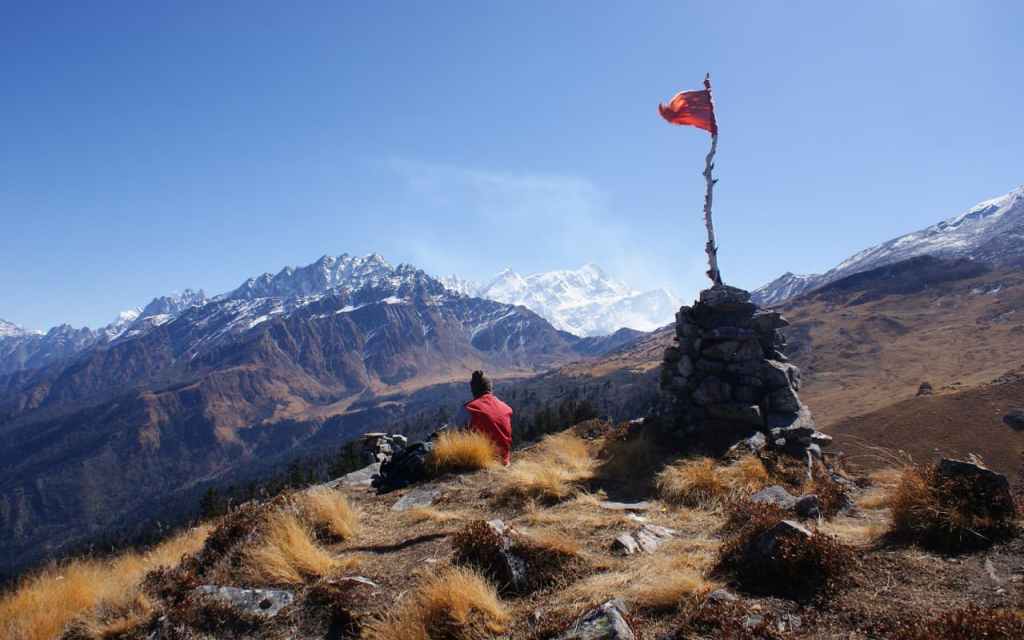
A decade or so ago, when I was approaching my 30th birthday, I went on a writing assignment to the Indian Himalayas, where I trekked for two weeks through the most beautiful countryside I have seen, before or since. I had a guide, a gentle man called Biru, and we spent most of the days walking in each other’s bootprints, chatting about the geography, the culture of the Bhotia people we encountered in the foothills, and the contrasts between our disparate lives. But one afternoon, on the approach to a 14,000-foot saddle called the Kuari Pass, I felt buoyed by some hitherto untappable energy, and I left Biru far behind.
As I ran, zigzagging up the mule trails, I suddenly became gripped with an extraordinary lucidity. It felt as if only now, with the last vestiges of civilisation 12 miles down the mountainside, did I have the solitude with which to grasp the true splendour of my surroundings. As I clambered from joy into reverie, a vision kept entering my consciousness – of a broad-shouldered man, beckoning me forward.
He sat on the pass, back propped against a hump of tussock grasses. He was just as the most precious family photos recalled him: the same age I was now, lean and smiling, in faded jeans and the threadbare grey T-shirt he wore on a sunny day in a south London park before he fell ill. He looked strong – not ghostly, but corporeal – and I remember being struck that he could look so beatific up there, seemingly inured to the brittle wind whipping up from the valleys below. I had a vague sense that if only I could get there, to the pass, we could stand shoulder to shoulder, and all the secret knowledge I had been denied – of how to live the life of a good man, of how to live unafraid – would flow from him into me.
At dusk, encamped at the base of the final approach to the pass, I felt hollowed out, bereft. After we pitched our tents, I walked a mile back down the trail and found a peaceful spot in a glade of tall deodar cedars, where I wept about my dad for the first time in years.
My most distressing childhood memories were, in fact, lurid dramatisations of events I’d never witnessed
In his book The Interpretation of Dreams (1899), Sigmund Freud described the death of a father as ‘the most important event, the most poignant loss in a man’s life’. I don’t know if that’s true. But I think I have always known that the first waymarker on my trip around the physical world was the same moment that upended my private one. According to the death certificate, that was at 10:30pm on 13 March 1985, when my father succumbed to non-Hodgkin’s lymphoma in a London hospital, at the age of 32. Right from the start, the trauma of this event corrupted the way I processed and recalled experiences. Henceforward, my hippocampus would be a faulty and elastic device. I was four years old at the time of my father’s death. But I have no concrete memories between then and the age of eight.
The author, aged three, with his father on Loch Lomond in 1984
Only in more recent years, in conversations with my mum, would I come to realise that my most distressing childhood memories – that is to say, those of my dad’s actual demise – were, in fact, recurring nightmares, lurid dramatisations of events I’d never witnessed. In the most indelible, I walk into a room of starkest white, my childish rendition of a hospital. Over in a corner, he lies dead and shrunken on a plinth. He has big purple welts over his eyes, like a melancholic clown. I can conjure this image with crystal clarity, yet my mum insists I was never exposed to his diminishment at the end, let alone his body when the fight was done.
Of the man as he was in life there is next to nothing. Just a sonorous voice, impossibly deep, my recollection of which is tactile as much as aural: a muscle memory of a reverberation I felt as I clung to his knees. What image I have stored has always been a spare composite, moulded around the gauzy recollections of those who loved him best. His friends and relatives would tell me: ‘Everyone adored Peter.’ And: ‘You are the spitting image of him,’ though this last wasn’t entirely true for, while I am tallish, he was a giant: 6 foot, 6 inches and broad, with feet so large he had to go to a specialist shop to buy his shoes. He was a sportsman, though one too laconic to take sports that seriously, and he was a talented artist, given to scrawling note-perfect caricatures on request. A self-possessed man, he had rebelled against the austere mores of a disciplinarian Maltese household, growing up to be kind, generous, egalitarian and wise. Oh, and he was also handsome, smart and preternaturally charming. An early death does not lend itself to balanced valediction, you see. Nonetheless, I was convinced of his perfection. Remember your dad: the fallen god.
This tendency to deify the absent parent – hyperidealisation – had left a haunting question unanswered: if the god was so mighty yet still succumbed, what hope was there for me? By all accounts, my perfect father had wanted nothing more than to live. It was fate, not choice, which had denied him that wish, and so I couldn’t trust fate at all.
I was in my mid-20s when I became convinced of the imminence of my death.
It would be too neat a story to suggest that I was always conscious of a direct causation between this dark fatalism and my early bereavement. As a child, fatherlessness was just the way of things, an ineluctable state of being which I accepted with the outward stoicism of one who knew no different.
However, as I neared the age he was when he died, I became transfixed by the expectation that my father’s destiny was mine as well. Just as I had internalised my relatives’ exhortations to step into his shoes – to be ‘man of the house’, custodian of my surviving family – I also expected to emulate his attenuated life-curve.
My days became backtracked by a hum of worry. I never saw anyone about it, and seldom if ever mentioned it to friends or loved ones. But reading around the edges, I suppose it resembled post-traumatic stress disorder, a miasma of intrusive thoughts, and vivid, almost hallucinatory, anxieties. At my most vulnerable, I felt hunted. Somewhere on the near horizon was a sickness, something to expose the weakness invisible to everyone but myself. I wasn’t sure what shape this chimera would adopt (probably cancer, in keeping with family tradition). But I knew it would be something enervating and rapid – a desperate withering. And I knew that I would make no peace with it, that I would endure every downward step in terror and the keenest fury at the injustice of it all.
Denied my precious years of formative complacency, knowing that it is all anguish and heartbreak in the end, I’d lit out to engrave my brain with random people and places, as if this alone were a barometer of self-worth. I might have kidded myself that it was just the pursuit of happiness. But, in reality, what I was embarking on was a project of temporal elongation, forestalling my death by bleeding each hour of moments. It just seemed like the best compensation for the years I was predestined to lose.
For the time that I lived in thrall to this self-inflicted prophecy, my overseas journeys provided respite for my restless mind. But the theatre of travel was changing, fast.
The paradigm shift made itself known in a new idiom: the ‘selfie’, bringing with it a disconcerting atmosphere of self-absorption to every tourist attraction and viewpoint in the world. ‘Digital nomadism’ debuted as an aspirational ideal, marketing the promise of professional success unconstrained by the geographical manacles of conventional, office-based work. The influencers hashtagged their way to fame and fortune. But somehow the transparency of their narcissism embarrassed whatever countercultural affect people like me were trying to cultivate. The retiree’s humble dream of saving for a ‘holiday of a lifetime’ had evolved into a ‘bucket list’, a life’s worth of checkable, brag-worthy aspirations. A poll in 2017 found that the most important factor for British 18- to 33-year-olds in deciding where to go on holiday was a destination’s ‘Instagrammability’.
Youth hostels that had once seemed like entrepôts of cultural exchange had instead come to feel like solipsistic hives, inhabited by people cocooned in the electric glow of phone and laptop screens. Travel had become egocentric, performative and memeified.
This new vulgarity appeared in tandem with travel’s exponential growth. The globalisation of English as a lingua franca was removing the enriching incentive to learn the local language. Smartphone maps meant you no longer had to ask strangers for directions. Sparking the locus coeruleus – triggering that synaptic lightning storm invoked by new experiences – had always been contingent on surprise. But now a glut of foreknowledge and the ease of forward planning was acting like a circuit breaker. What once seemed impossibly remote and enigmatic had been demystified. Pleasure cruises plied the Northwest Passage.
These reductive trends, both technological and cultural, were conspiring to dull the joy of visiting other places. The planet’s riches, which I’d once thought inexhaustible, seemed diminished, whittled down to a list of marquee sights, natural and human-made. Everything was too goddam navigable. Hell, perhaps I had just coloured in too much of the map.
It is perhaps indicative of my reluctance to plumb the origins of my travel addiction that it was only recently – while searching for some way to frame this idea of accumulating experience to fill a void – that I came across the work of Daniel Kahneman. An Israeli psychologist and Nobel laureate, Kahneman is renowned as the father of behavioural economics. The writer Michael Lewis calls him a ‘connoisseur of human error’. Some of his most intriguing theories have been in the field of hedonic psychology, the study of happiness.
Over decades of research and experimentation, Kahneman identified a schism in the way people experience wellbeing. In his bestselling memoir, Thinking, Fast and Slow (2011), he articulates this dichotomy in terms of the ‘experiencing self’ and the ‘remembering self’. The experiencing self describes our cognition as it exists in the ‘psychological present’. That present, Kahneman estimates, lasts for around three seconds, meaning an average human life comprises around 600 million of such fragments. How we feel in this three-second window denotes our level of happiness in any given moment.
The remembering self, by contrast, describes how the mind metabolises all of those moments in the rear-view mirror. The sensation resulting from this second metric would be best described, not as happiness, but rather ‘life satisfaction’.
Kahneman’s crucial observation was that the way we recall events is invariably divorced from the experience itself. One might expect the memory of, say, witnessing the Northern Lights to directly correlate with our feelings at the time – to comprise an aggregation of the experiencing self’s emotional responses to sensory stimuli. Instead, the remembering self is susceptible to all kinds of ‘cognitive illusions’. In its urge to weave discrete experiences into a desirable narrative, the memory will edit and elide, embellish and deceive. The actual sensations, and, by extension, our true sense of how we felt, are lost forever. We are left with only an adulterated residue. ‘This is the tyranny of the remembering self,’ Kahneman wrote.
The narcissistic atmosphere of the selfie age had exposed the solipsism of my own quest
This revelation held import for all manner of human experience. (Kahneman’s most famous illustration of the divergence was an experiment involving colonoscopies, which I will refrain from describing.) But it seemed to have particular implications for the valence of holidaymaking, and the travel-oriented ambitions I and others had opted to pursue.
For years, I’d been convinced that the mnemonic quality of novel experiences presented a route to happiness. The philosophy that I had come to live by – that chasing new horizons produced a more colourful tapestry in the mind, and that this could be cashed in for contentment – had seemed self-evident. But, according to Kahneman’s hypothesis, the calculus was at least partly illusory. Was experientialism a legitimate route to wellbeing? Or was it just a function of my storytelling impulse, my urge to portray my life as a battle to outrun a prophecy, and thereby prone to novelistic biases that I was helpless to regulate?
In the meantime, I knew, other important sources of happiness had been neglected. I had let friendships lapse. I had scorned any inclination to sustain a sense of belonging at home. I had driven my partner, Lucy, to distraction with my pathological need to shape the calendar, not to my mention my mood, around coming foreign capers. Yet I was no longer sure that I had been honest with myself about how necessary it had all been. I suspected that one of the reasons I was so disconcerted by the narcissistic atmosphere of the selfie age was that it had exposed the solipsism of my own quest. For while I balked at ‘influencer’ superficiality, I also appreciated that my travel writing was just a more sophisticated version of the same tendency. I wondered how many other people might have been using travel in a similar, medicinal way – to curate a narrative, sometimes at the expense of subjective joy.
It didn’t help that tourism was assuming more ethical freight. Renewed calls to decolonise the Western mind called into question the rich world’s entitlement to tramp through poorer lands. The relationship between travel and ecological destruction solidified. Air travel, in particular, dwarfed almost every other activity in terms of individual carbon emissions. Suddenly, there seemed to be an irreconcilable hypocrisy about someone who yearned to see the world, but whose actions contributed to its devastation.
By the time COVID-19 interrupted the trajectory, it was no longer possible to sustain the masquerade that travel was, by definition, an ennobling endeavour. The traveller had mutated from a Romantic ideal of human curiosity into something tawdrier: a selfish creature pursuing cheap gratification at the cost of everything. A mammal that fondled the coral reefs while driving the ocean acidification that could wipe them out. The desire to see foreign places had come to seem like just another insatiable and destructive human appetite, its most feverish practitioners a dilettante horde, pilgrim poseurs at the end of time.
There was no way to avoid a reckoning with the egotistical underpinnings of my own itinerancy. After all, what was I if not the archetype of the vainglorious traveller, a moment collector for whom learning and pleasure were incidental to my quest for affirmation? And, of course, I was an agent of the demystification and cultural homogenisation I deplored, writing about places that might have been better off left alone. (By this time, the Thai island where they filmed The Beach, a magnet for tourists after the film’s release, had been closed to visitors, a scene of ruin.) Journeys that once felt carefree were now tainted with remorse, as I realised that my dromomania could so easily be reframed as a kind of consumerist greed.
‘Every time I did these things, a question arose about the propriety of doing what I was doing,’ wrote Barry Lopez in Horizon (2019), his recent meditation on travel and natural communion. ‘Shouldn’t I have just allowed this healing land to heal? Was my infatuation with my speculations, my own agenda, more important? Was there no end to the going and the seeing?’
There seems no way of divining what will become of our compulsion to wander
Of course, there was an end, or at least a pause. A pandemic saw to that. The coronavirus lockdown, which came into force in my home country of England on 26 March 2020, precipitated the most static period of my adult life. But by then, truth be told, my manic period of travelling was already behind me.
If death had been the poisonous kernel of my fatalism, new life would provide a cure. My daughter, Lily, was born in 2012; a son, Ben, followed three years later. It is counterintuitive, I suppose, that the rise in stakes that attends a child’s dependence should have pulled me clear of anxiety. But then, too, parenthood brought with it an obligation to prioritise other lives over my quixotic search for self-validation. These years, during which I surpassed the age my father had been at the time of his death, provided milestones of a more meaningful escape.
Travel became less essential. I began to revisit places I loved and reconciled myself to the idea that there were places I would never see. I no longer slept with an envelope of travel documents – passport, bank notes, immunisation certificate – at my bedside. In this way, lockdown was a coda to a process of divorce already underway.
The urge to move still lingers. Even as personal choice and external circumstance steer me towards domesticity, some fragment of my character will always be that scared mouse, a novelty junkie struggling to replicate the circumstances of my early highs, forever burdened with the unfortunate knowing of someone who has seen his first everything. But the imperative has lost its desperate edge. In the wake of a pandemic, which torpedoed the various overseas assignments I had on the slate, this has transpired to be no small relief.
For the time being, there seems no way of divining what will become of our compulsion to wander, no clear indication of whether this pause represents an eclipse or an extinguishment of travel as it was before. If there is any lesson to glean from my journey, it is that a fixation on experience is like so many other addictions: gratifying, intermittently euphoric, but ultimately forlorn. Travelling is wonderful, don’t get me wrong. But it is not the same as contentment.
This Reebok shoebox, I think, as I place the miscellany back inside it, is a treasure chest of an innocence that may never be recaptured. And that may not be the worst thing for the planet, or the priorities of the people who cherish it.




 .
.










 Ewa Maria and Friends