Filmmaking is a medium that needs a firm hand on its narrative structure, and as a result, on its narrative technique. A filmmaker needs to control how the story flows, what message it gives, how viewers perceive it, and even which feeling they take away after the movie is over.
One way to create a lasting impact is at the movie’s ending. More precisely, through the last frame, which becomes the creative workshop. There are many cinematic techniques, such as last visual, freeze-frame, character expressions, shot transition, and the final dialogue.
Final lines are quite the powerhouses. The line appears after the story is over and tells us how we should feel about the movie. Sounds kinda unfair, doesn’t it? Well, it shouldn’t. This final line is pretty much the crux of all the events that have happened, and it carries the movie’s thematic weight. In other words, it’s the essence of the movie distilled into one line.
What sets these 11 lines apart is the fact that they hit the mark without being loud. They wrap their films with confidence, clarity, and just the right amount of whatever the movie’s key ingredient is.
Finisaż wystawy w Humboldt Forum „Freiheit, Gleichheit, Solidarność“
Finissage der Freifläche „Freiheit, Gleichheit, Solidarność“
pl / de
Finisaż z fanfarami i nowym miejscem dla białej, wyszczerbionej filiżanki KPM. Tuż obok niej na talerzyku leżą trzy czerwone kostki cukru. Dlaczego czerwone, skoro cukier jest biały? Bo gdyby były białe, filiżanka musiałaby być czerwona. A przecież chodzi właśnie o tę grę bieli i czerwieni. O to, że czasem trudno nam się porozumieć, nam sąsiadom, których dzieli i łączy Odra, wspólna historia, a może i coś jeszcze.
Nach fast zwei Jahren erfolgreicher Laufzeit laden wir Sie herzlich ein, gemeinsam mit uns den Abschluss der Freifläche zu begehen. Im Programm Lesung von Ewa Maria Slaska Performance von Sinus_3 (Anna Krenz und Marzena Zajączkowska) Recital von Jemek Jemowit Polish Future Retro-Konzert von Duxius
BERLIN GLOBAL im Humboldt Forum Freifläche im Raum „Vergnügen“ Einlass ab 18:00 Uhr Eintritt frei Das Programm und weitere Informationen finden Sie hier. Wir freuen uns auf Sie.
Ihr Team des Stadtmuseums Berlin
Finissage – Open Space “Liberty, Equality, Solidarność” Invitation
After almost two years, we look forward to celebrating the success of this project together with you. Starting at 6:30 PM, the programme will feature performances by Ewa Maria Slaska, Sinus_3 (Anna Krenz and Marzena Zajączkowska) and Jemek Jemowit, as well as a Polish Future Retro concert by Duxius.
Finissage
Fri, 13 March 2026, 6:30 – 9:30 PM
BERLIN GLOBAL at the Humboldt Forum
Open Space in the room “Entertainment”
Free admission from 6 PM
Please find the full programme and further information here. We look forward to welcoming you.
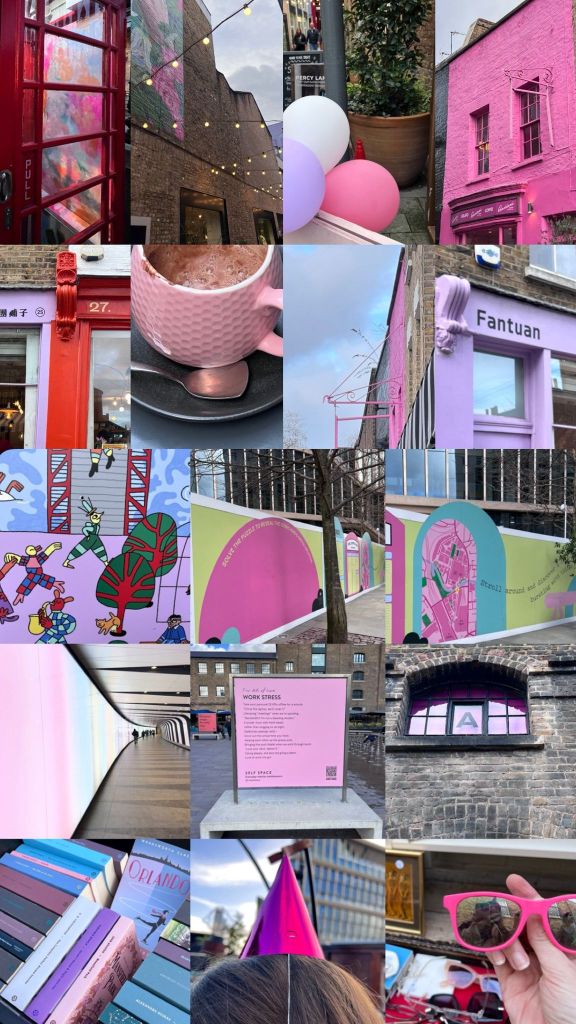
I had an opportunity to observe an original birthday party – a scavenger hunt around London! It was a joint birthday too (two friends who celebrated their birthdays together). Let me tell you about it.
I didn’t participate in the hunt itself (I came around later in the evening), thus I didn’t see how the teams fulfilled their tasks. What you see here then is my deduction – comparing the list of tasks with pictures.
But first, what is a scavenger hunt?
Typically, a team building scavenger hunt requires participants to find a series of items or places or complete a series of challenges. These can be completed in any order and a winner is determined by how many items were found or collected and/or how quickly everything on the list has been completed.
The idea for the hunt was crafted by A. (the birthday girl)
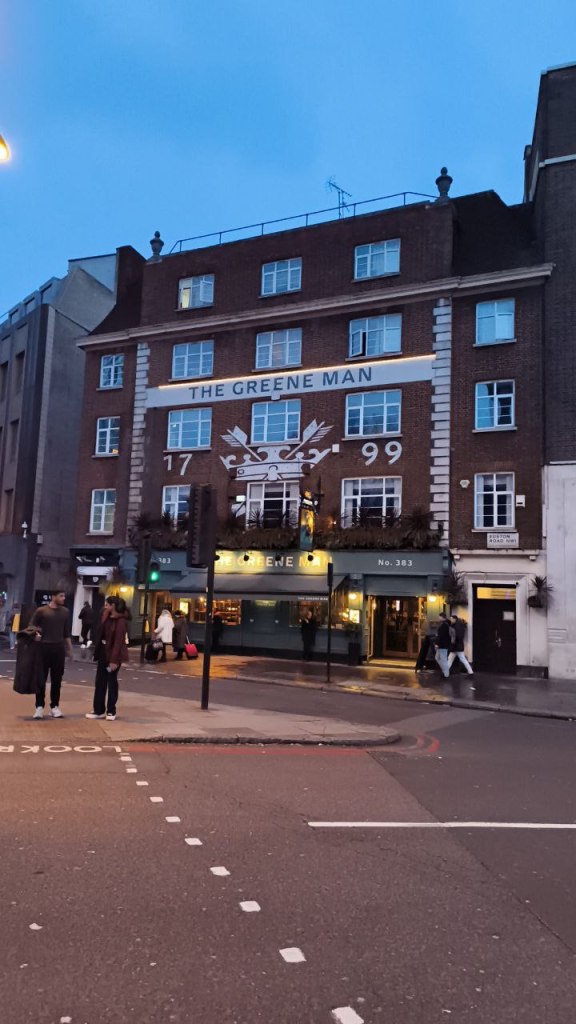
“Hi everyone, For those who are coming for the scavenger hunt, we’re meeting tomorrow 12:50 pm at St Pancras Station by the entrance. Those who aren’t coming can join us later in the Greene Man Euston pub from 6 pm onwards (we’ll most likely be in the basement :)) Super excited to see you all tomorrow 😃”
The plan:
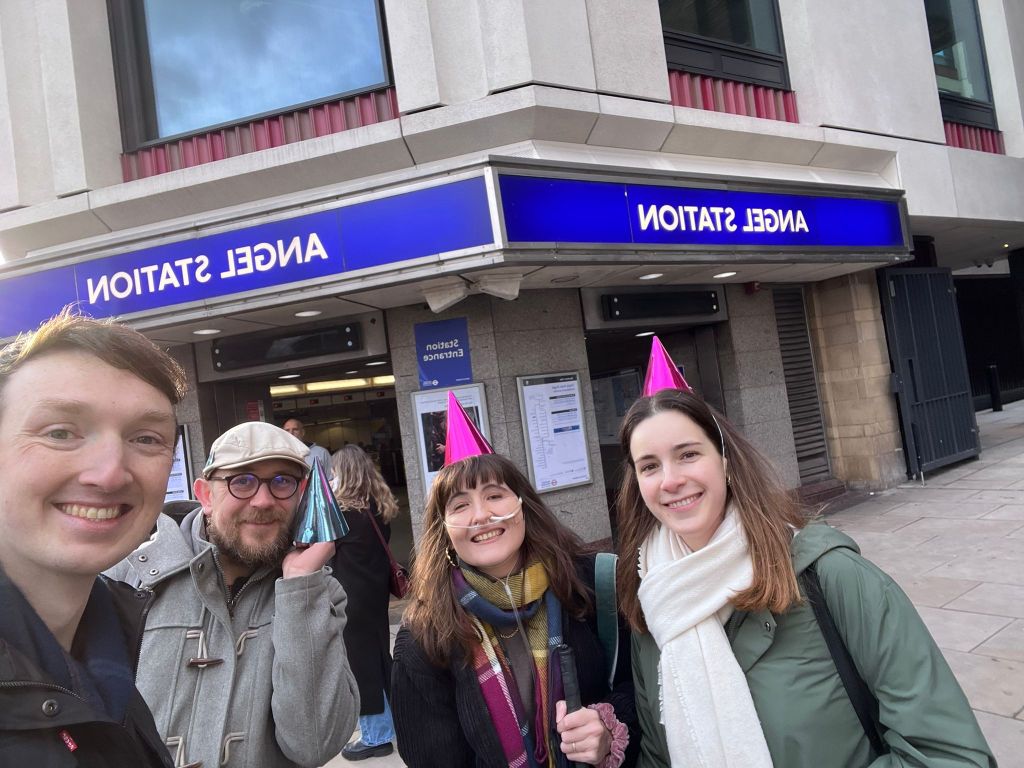
Pop on your party hats and let the hunt begin. Don’t forget to read the extras on the checklist – don’t want to miss before it’s too late. P.S no obligation to purchase things, but if you don’t, take a photo as proof you went there). Also, blank birthday card for strangers to fill. And before the teams part ways, spin the colour wheel (on my phone) – whatever colour you land on, take photos of anything that colour along the way).
How it played out:
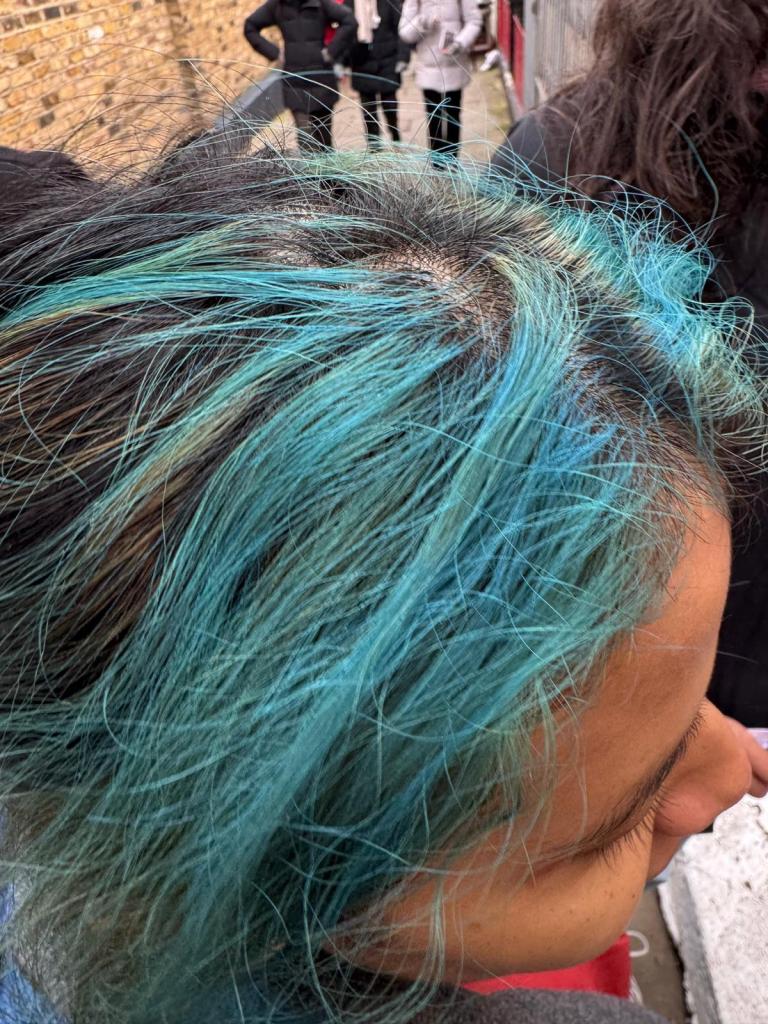
Colors: A’s Team – pink, K’s Team – greenish blue
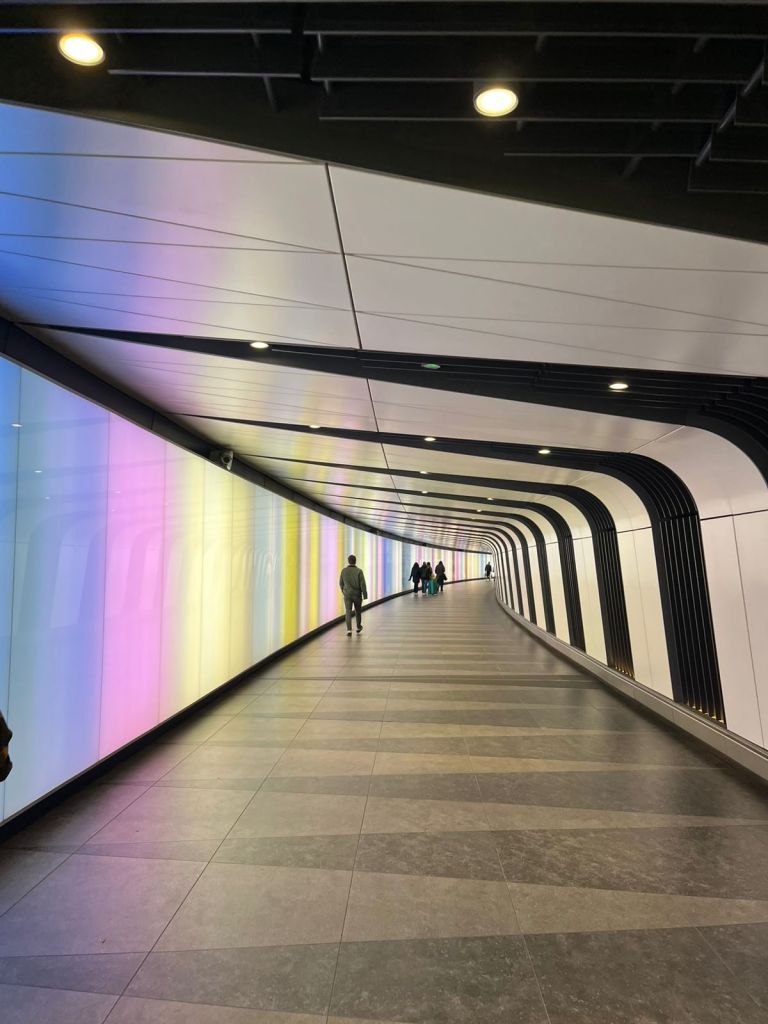
– First, head towards Granary Square via rainbow tunnel
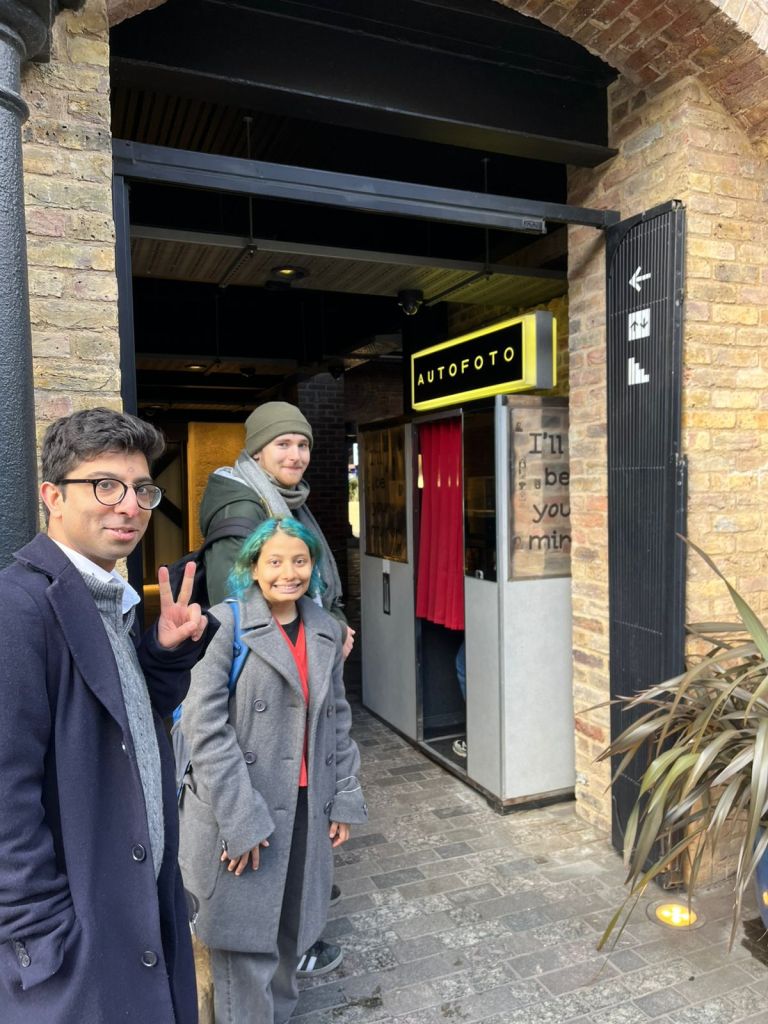
– Find the photo booth (in Coal Drops Yard). How many people can fit in one booth?!
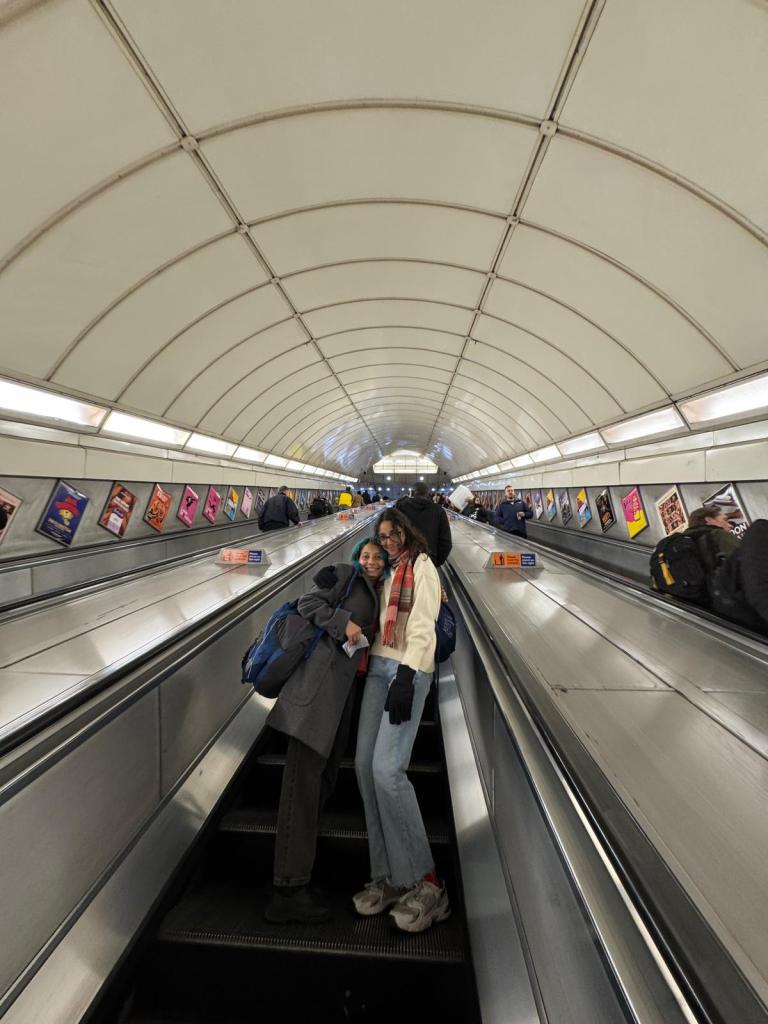
– Head to Angel St to ride the longest escalator on TfL.
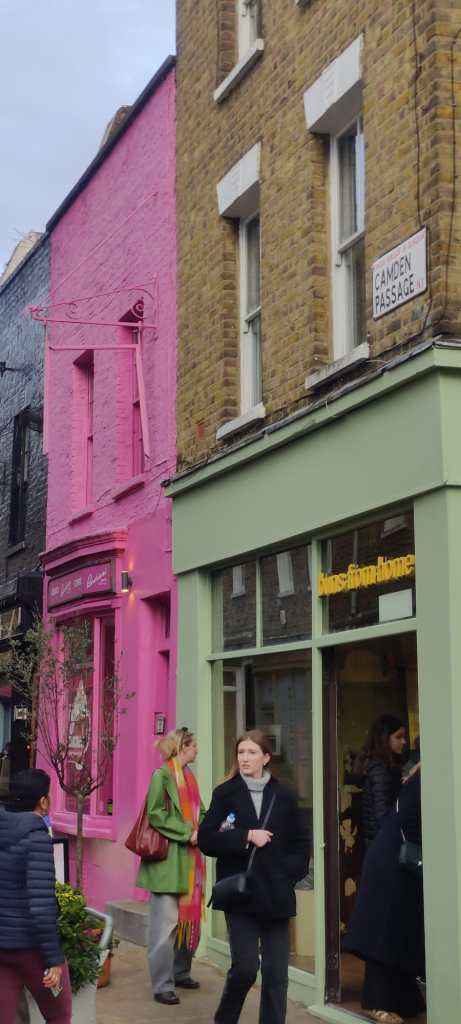
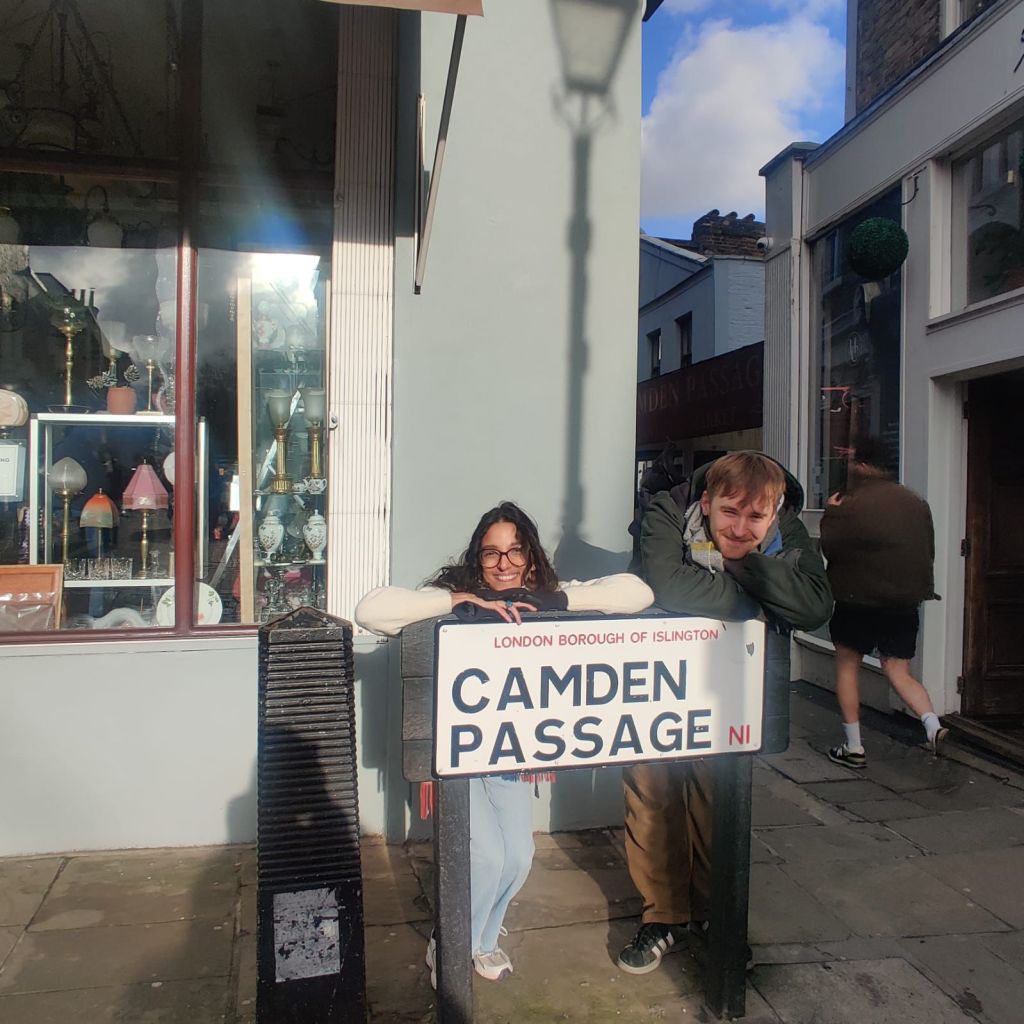
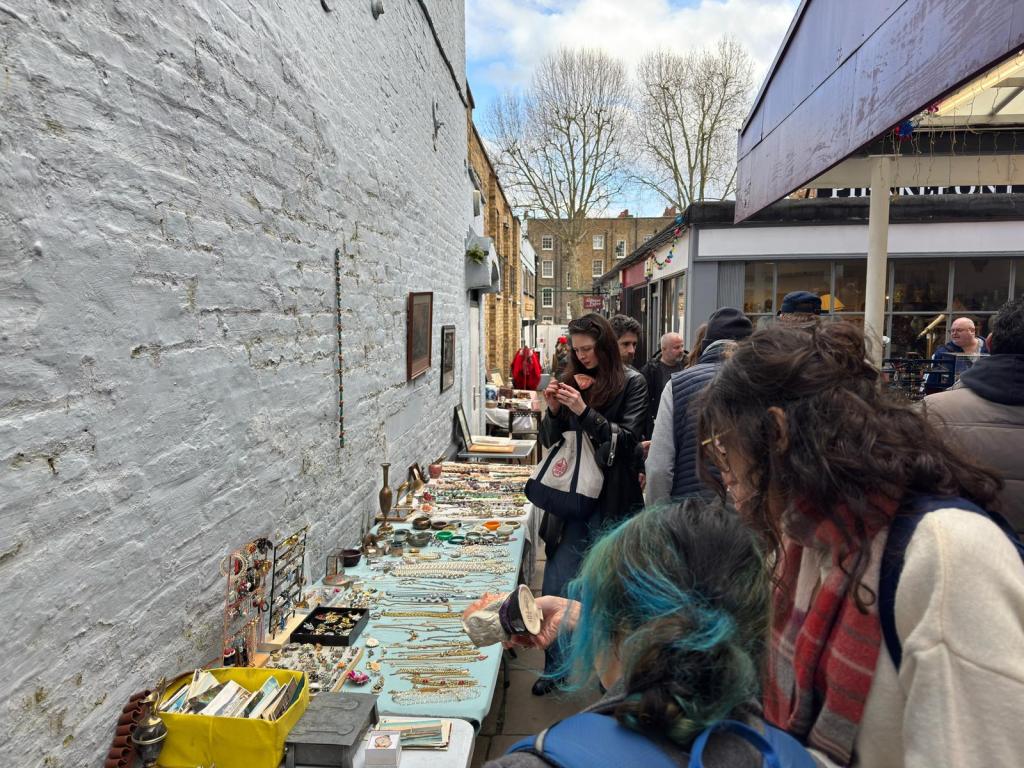
– Head to Camden Passage. This is where our two groups split up for a bit of friendly competition.
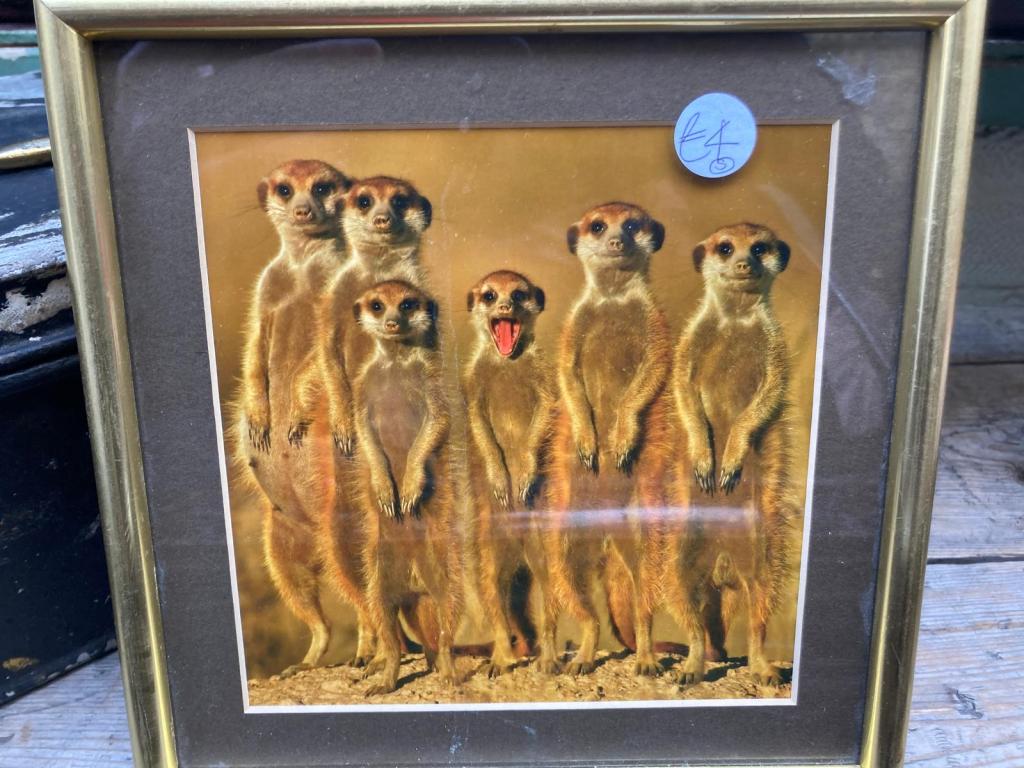
– Weirdest item you can find in the antiques market.
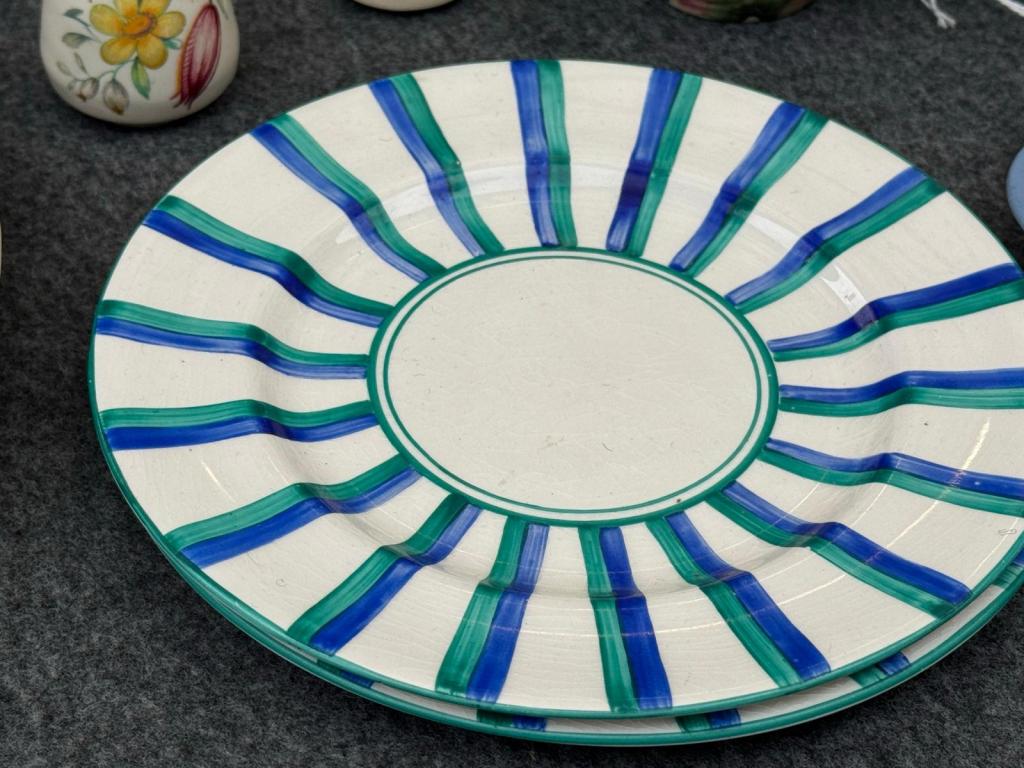
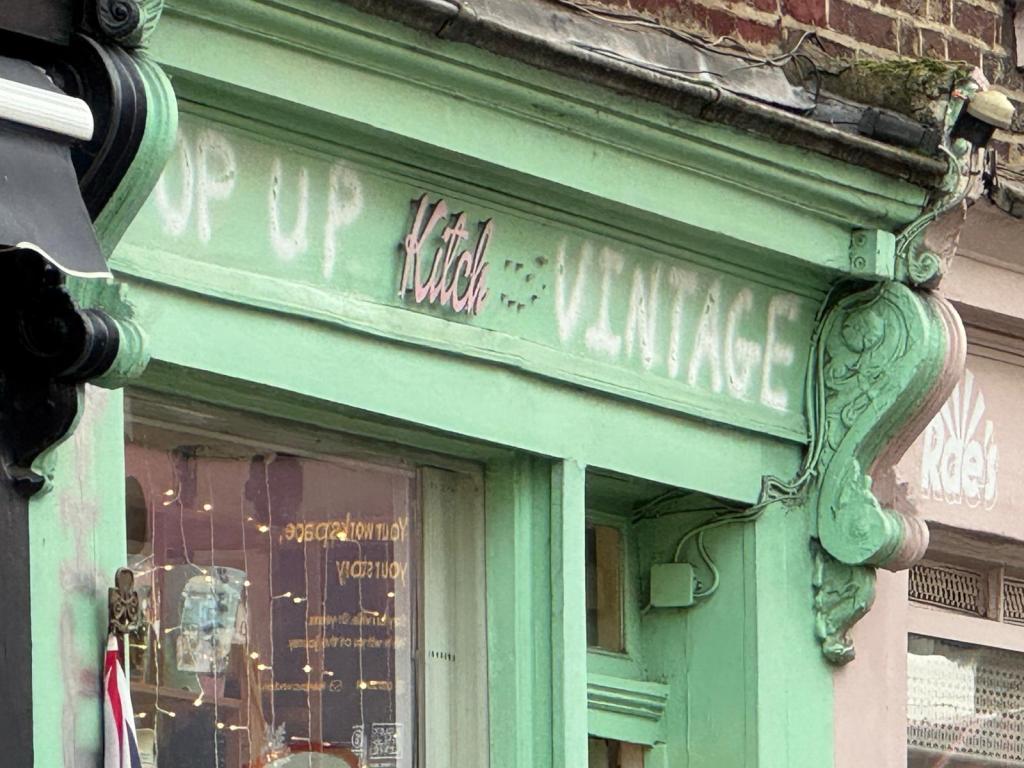
– Browse the shops and find an object beginning with the first letter of your team leader’s name.
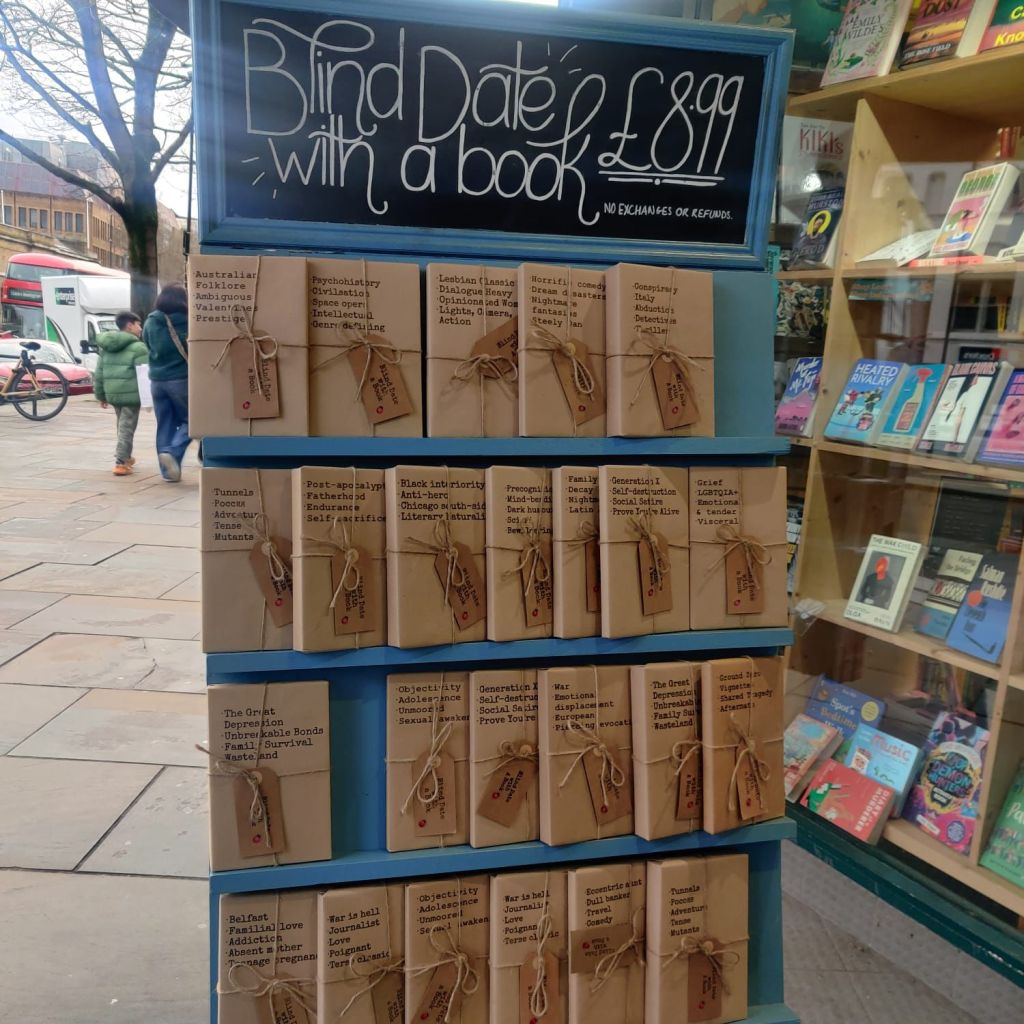
– Blind date with a book- you won’t know the title til you unwrap the package (upper street bookstore).
– British Patagonia bakery (vegan to please an entire crowd)
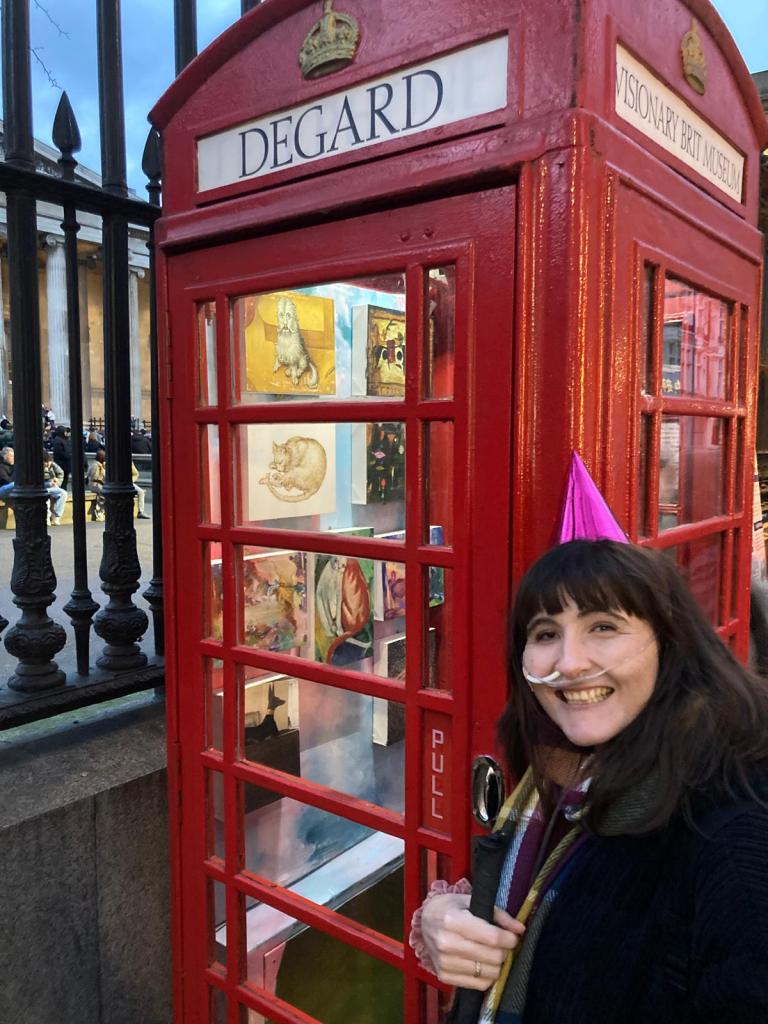
– Now to find the most unassuming art gallery. Set inside an iconic London structure (telephone boxes!), not far from the British Museum. (Russell Square)(Visionary Brit Museum)
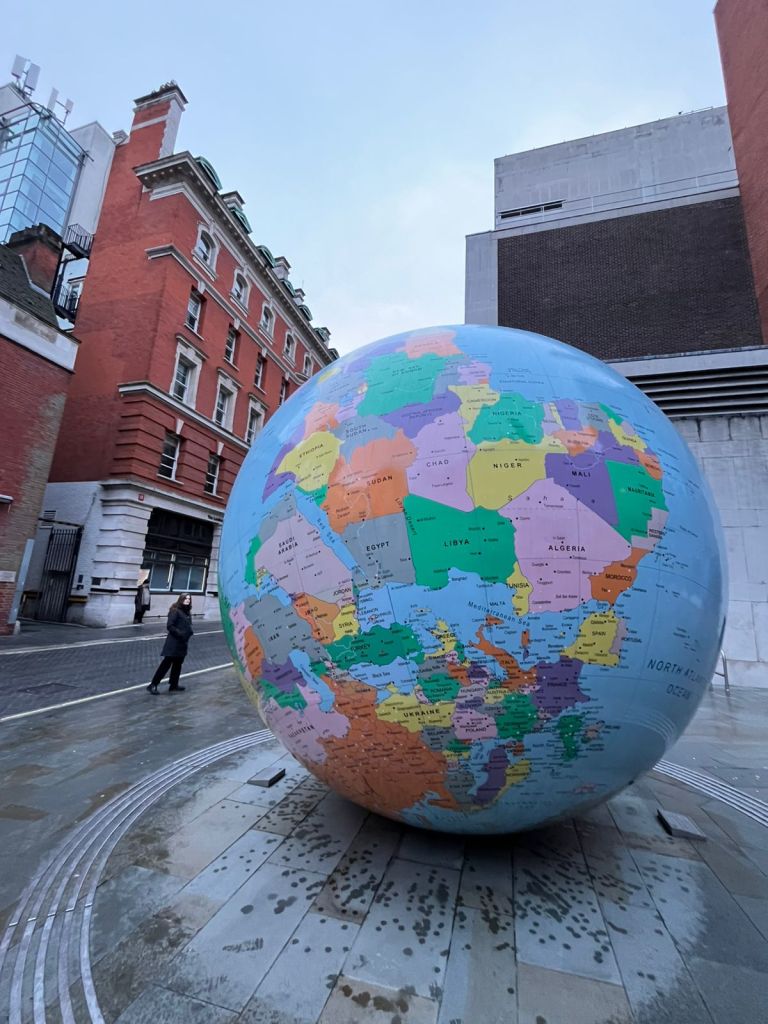
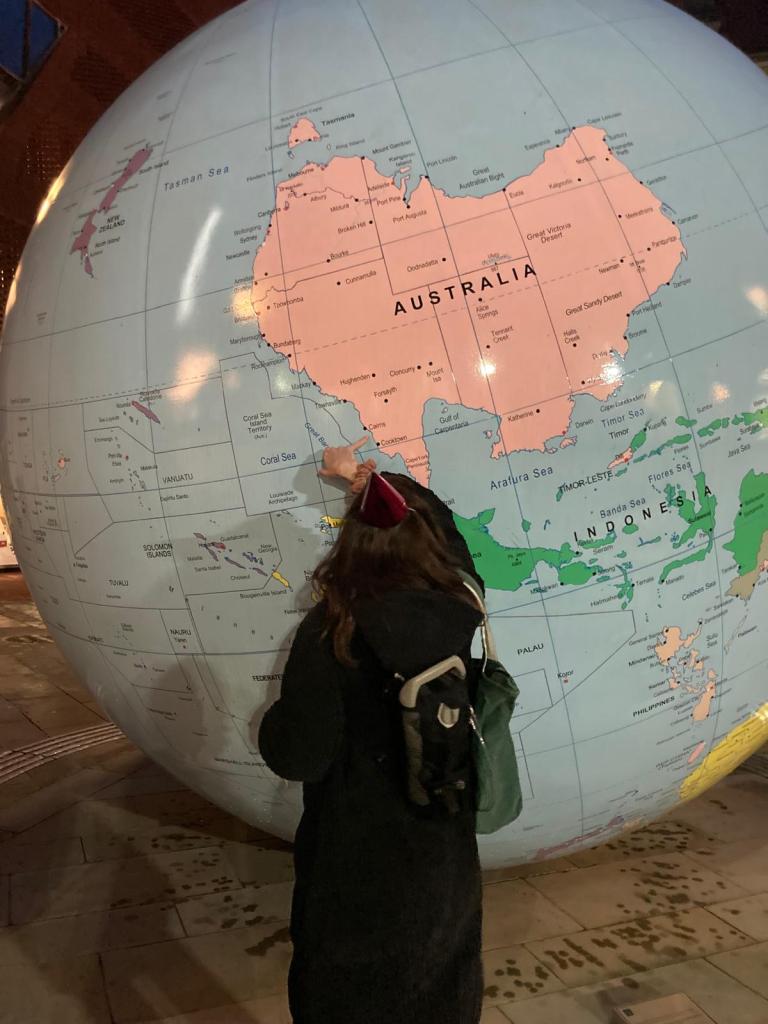
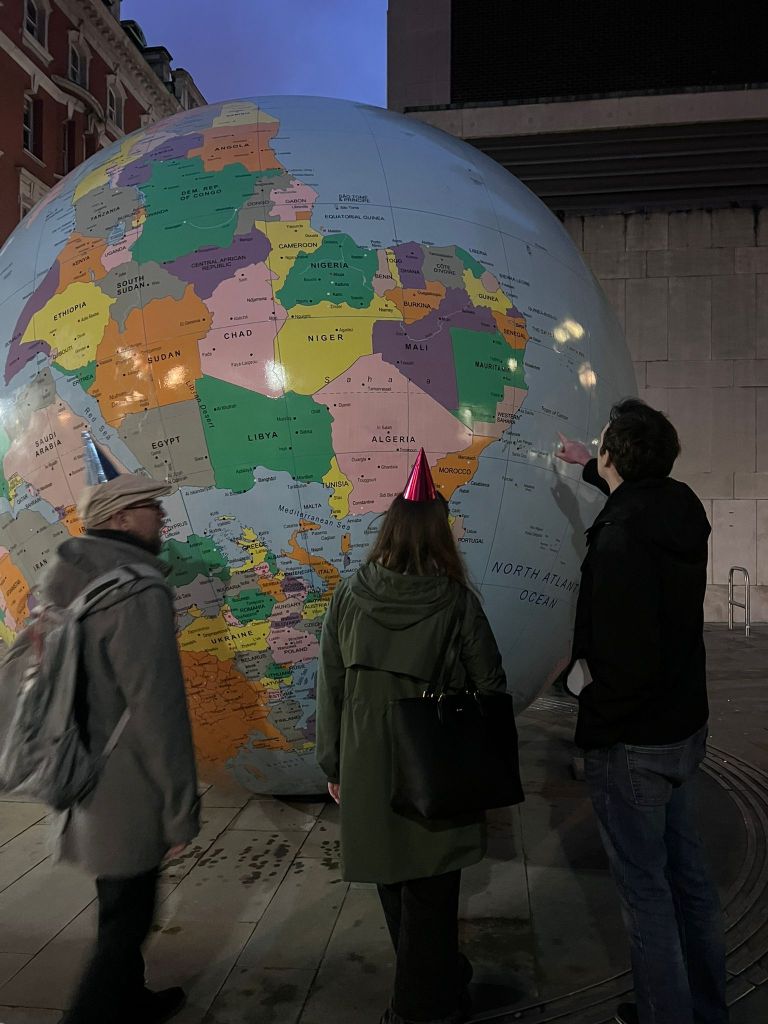
– Now off to another unusual piece of art. Worldwide theme tucked besides the campus of LSE (Holborn). (The World Turned Upside Down). Portugal St.
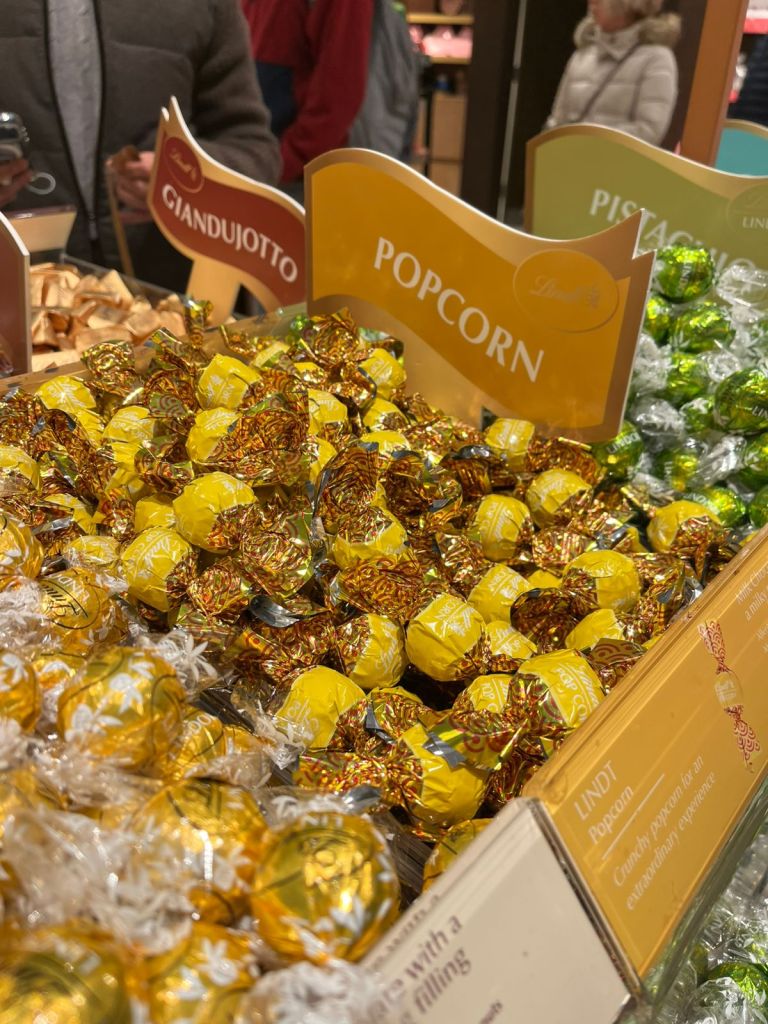
– What’s the weirdest chocolate flavour you can find in Lindt’s flagship store? (Piccadilly circus). Not obliged to buy anything though.
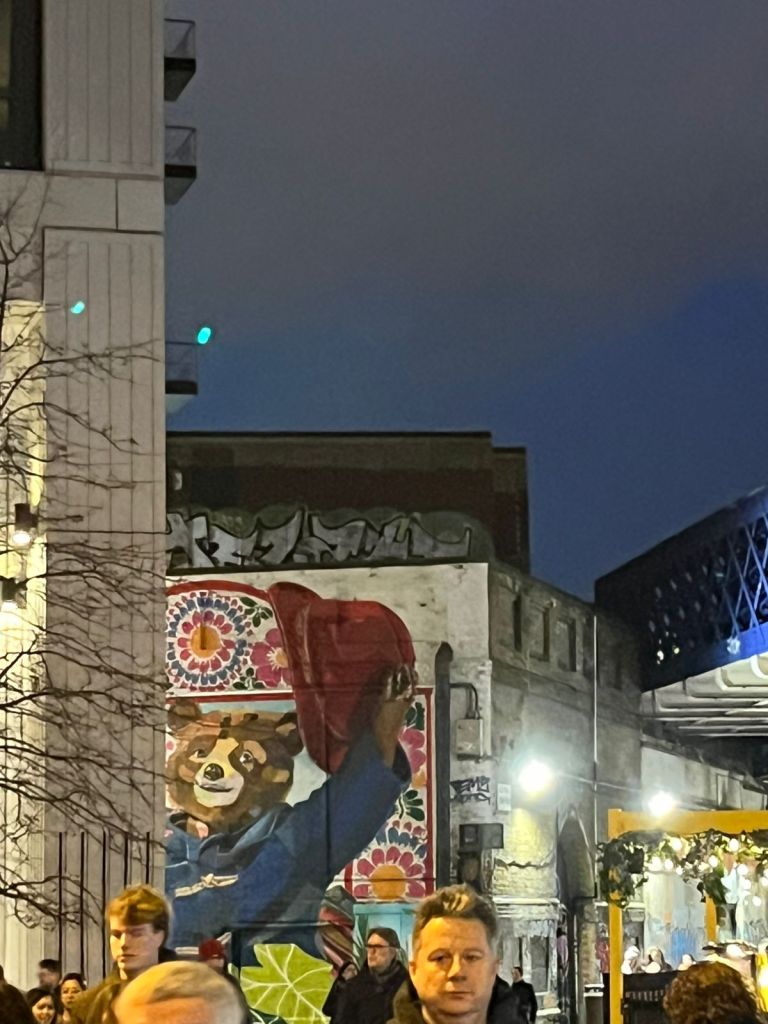
– Next underground stop is named after an ABBA song (Waterloo). Here, look for a giant mural of London’s favourite bear.
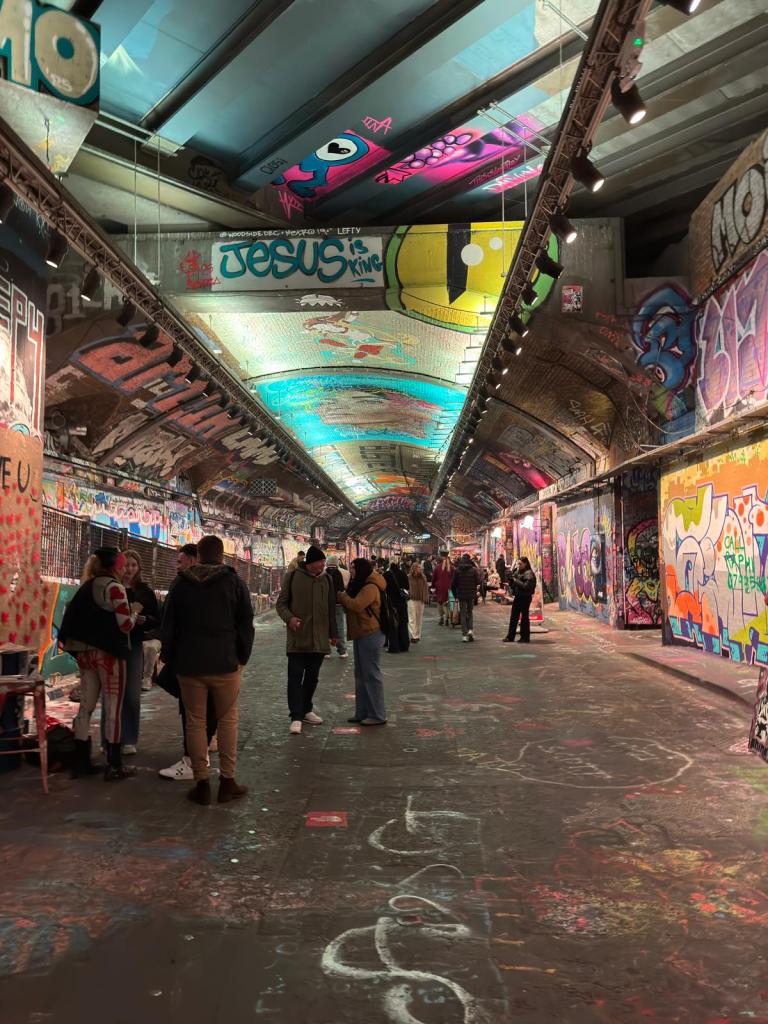
– Head underground to find a tunnel full of legal graffiti (Leake Street Arches)
– Borough Market if peckish. Either way, be at the final meeting point for 5.25pm – an old haunt and hangout of Shakespeare’s to soak up the food with a drink. At the Greene Man Pub Euston
Extra points:
– Take a photo outside a pub named after a famous British figure (eg monarch, prime minister etc).
– Take a photo outside of London’s resident animal (the pigeon!)
– Take a selfie in front of a tube stop starting with the same letter as the team leader’s name (A and K)
***
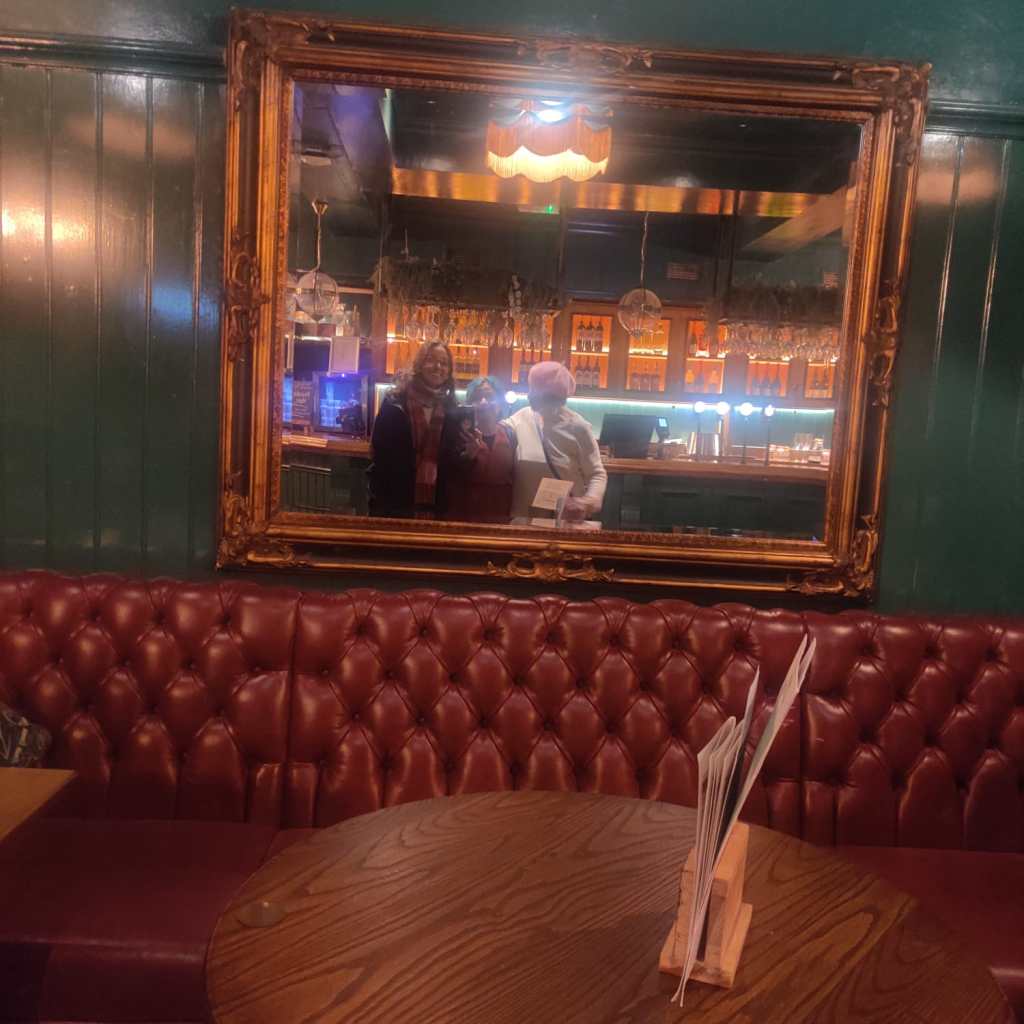
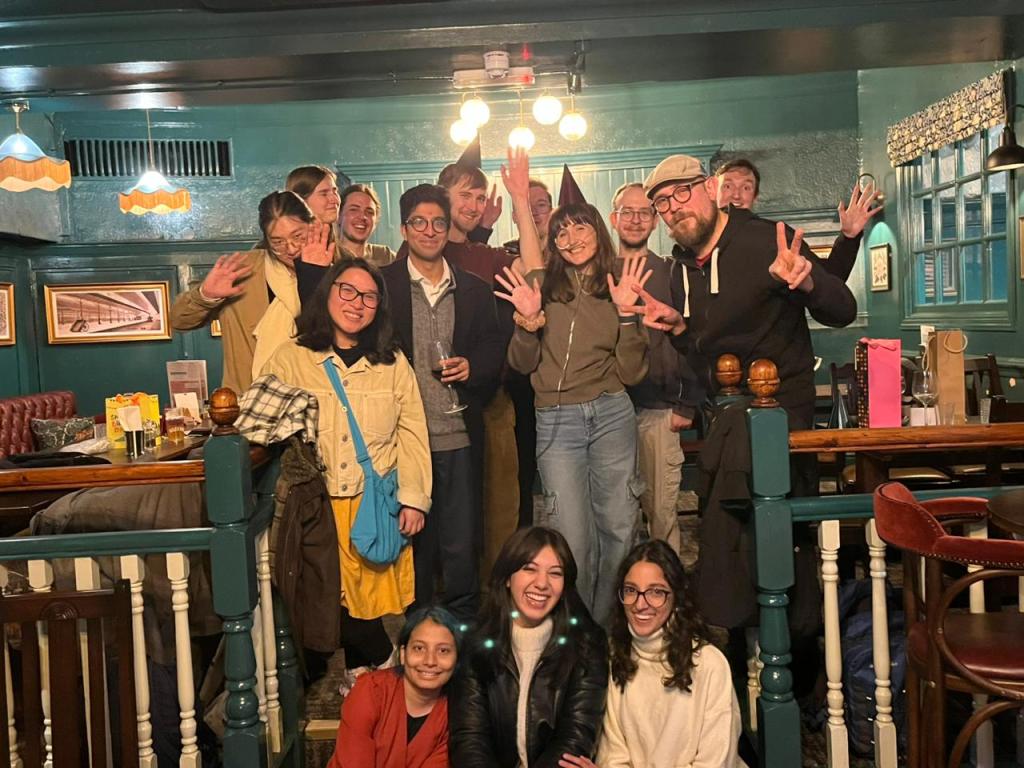
In Greene Man Pub in Euston after the hunt:
***
Some of the enthusiastic comments after the Scavenger Hunt:
really great day A & K 🩷💚 brilliant day yesterday- thanks all for the fun & happy birthday A & K! mutual Birthday Party!🥳🥳 It was an absolute pleasure to meet you all wonderful people! So lovely to meet you
In Berlin winter is already gone. All snowmen rode to Antarktis. In Austria in February is still winter, exactly as it should be in February. As it was still winter. But in Berlin Nevermore. As in that famous poem of Edgar Allan Poe. Nevermore.
Я специально пишу это по-русски. Не потому что «так привычнее». А потому что так дойдёт. До тех самых русскоговорящих русских в России, которые любят говорить: «Мы тут ни при чём», «Это политика», «Мы вне войны». Так вот — вы при чём.
Я выживу, потому что у меня есть работа и хоть какие-то деньги. Потому что да, я могу пойти в спортлайф и отогреть тело под горячим душем. Потому что да, я могу съесть тёплый бургер в Макдональдсе и сделать вид, что жизнь продолжается.
Именно поэтому мне особенно мерзко писать этот текст. Многие не орут и не жалуются.
Но, су..а, как же холодно.
Это не «ой, зима». Это не «надень свитер». Это холод, от которого некуда спрятаться. Он в стенах. В полу. В пальцах. В голове. Он не уходит, даже когда ты ложишься под три одеяла и делаешь вид, что спишь.
Черновцы. Центр Европы. Шахеды почти не летают . спасибо, конечно. Зато 19 часов без света. Генераторы не тянут, потому что, сюрприз, их тоже надо заряжать. Отопления нет, потому что квартира на электрике. Электрики нет, потому что война.
Я всегда знала, что бабло решает. Но вот это — новый уровень: украинцы замерзают в Европе. В то время как кто-то разрешает нас бомбить, кто-то считает геополитику, кто-то делит бюджеты, а наши мужчины умирают уже четвёртый год подряд.
Я почти уверена, что я выживу. Я доживу. Я найду тёплый душ, еду, розетку, угол.
Но мне страшно не за себя. Мне страшно за тех, кто не напишет. Кто просто сидит в холодной квартире и думает: «Главное дотянуть до утра». Старики, мамочки с младенцами на руках.
У меня есть термос с чаем. У меня есть бутылки с горячей водой в кровати. Я прижимаю сина к себе покрепче. Я делаю всё правильно, как в инструкциях по выживанию. Но свет выключают на шесть часов. Потом дают на час. И за этот час ты не успеваешь вернуть тепло
Сегодня кто-то умрёт от холода. Не на фронте. Не от ракеты. Просто в своей квартире. Тихо. Без свидетелей.
Прошло восемьдесят лет после Второй мировой. Мир говорил «никогда снова». Люди говорили «мы изменились». Ничего не изменилось. Люди — всё те же звери.
Я вижу, как это устроено. Кто-то воюет. Кто-то сидит в тёплом кабинете и считает деньги. Кто-то теряет сына. Кто-то получает очередную звёздочку сидя в тилу
И может позволить себе издеваться над женщиной с ребёнком, потому что у него власть.
Я смотрю на всё это и понимаю: нас не считают за людей. Нас считают за гной. За что-то, что может терпеть. Что можно не замечать. Что можно списать.
Типа: ну украинцы… ну потерпят…
Сука. Мы в центре Европы.Не в средневековье. Не на краю карты.В центре. И мы замерзаем.
Мне страшно за стариков, которые не напишут пост, не выйдут в эфир, просто лягут и будут ждать утра.
Если вы это читаете, то знайте: это происходит прямо сейчас. Не как метафора. Не как «трагедия где-то там».
И если миру всё равно — значит, он всё ещё такой же, как восемьдесят лет назад.
И вот это — настоящий пиздец.
I am writing this in Russian on purpose. Not because I’m “so used to it”. And because it will come. To the most Russian-speaking Russians in Russia, who like to talk: “We’re here for nothing,” “It’s politics,” “We are out of war.” So what are you up to. I will survive because I have a job and at least some money. Because yes, I can go to sportslife and warm up my body in a hot shower. Because yes, I can eat a warm burger at McDonald’s and pretend life goes on. That’s why I’m particularly disgusted with writing this text. Many do not yell and do not complain. But, they are.. Oh how cold it is. This is not “oh, winter.” It’s not “wear a sweater.” It’s cold with nowhere to hide. It’s within the walls. In the floor. In the finger tips. In the head. He doesn’t go away, even when you lay under three blankets and pretend you’re asleep. Chernivtsi. The centre of Europe. Shaheds hardly fly. thank you, of course. That’s why 19 hours without light. Generators don’t pull because, surprisingly, they also need to be charged. There is no heating because the apartment runs on electricity. No electricity because of war. I’ve always known that a woman decides. But this is a new level: Ukrainians are freezing in Europe. While someone allows us to be bombed, someone considers geopolitics, someone divides budgets, and our men have been dying for the fourth year in a row. I’m pretty sure I will survive. I am going to live long. I’ll find a warm shower, food, an outlet, a corner. But I’m afraid not for myself. I’m afraid for those who won’t write. Who just sits in a cold apartment and thinks: “The main thing is to make it to the morning.” Old people, mothers with babies in their arms. I have a thermos with tea. I have hot water bottles in bed. I’m holding my son closer. I’m doing everything right, like in the survival instructions. But the lights are turned off for six hours. Then they give it for an hour. And during this hour you don’t have time to get the heat back. Someone will freeze to death today. Not on the front lines. Not from a rocket. Just at the apartment. Quiet. Without any witnesses. Eighty years have passed after World War II. The world said “never again”. People used to say we changed. Nothing has really changed. Humans are all the same beasts. I can see this being done. Someone is at war. Someone is sitting in a warm office and counting money. Somebody is losing their son. Somebody is getting another star sitting in the back And he can afford to abuse a woman with a child because he has power. I see it all and understand: we are not considered as humans. We are being counted as manure. For something that can be endured. The things you may overlook. What can I write off. Like: Well, the Ukrainians… Well, they’ll be patient… Bitch. We are in the center of Europe. Not in the Middle Ages. Not at the edge of the map. In the center. And we are freezing. I’m afraid for the old people who will not write a post, will not go on air, they will just lie down and wait for the morning. If you are reading this, know: this is happening right now. Not as a metaphor. Not like “a tragedy is out there.” And if the world doesn’t care – so, he’s still the same, like eighty years ago. And now this is the real fuck up.
Z podziękowaniami dla Konrada, który przysłał mi tę informację na Instagramie
🥁🇯🇵🇰🇷 Japanese PM Sanae Takaichi surprised South Korean President Lee Jae Myung with a drumming session after summit talks, playing 2 K-pop songs — Dynamite by BTS and Golden from KPop Demon Hunters.
“When I met him at APEC, he told me playing the drums was a dream of his, so I set this up as a surprise,” said Ms Takaichi, who used to drum in a heavy metal band.
Nie zapominajmy, że Japonia i Korea Południowa były w czasie II wojny śmiertelnymi wrogami, a ponieważ oba kraje przez ostanie 80 lat niewiele albo wcale pracowały nad pojednaniem i wybaczeniem, ta przyjemna jam session ma niezwykły wymiar polityczny.
(I think this is a pretty important article so I’d appreciate you sharing and restacking it—thanks!)
There are lots of people who say of themselves “I’m vegan except for honey.” This is a bit like someone saying “I’m a law-abiding citizen, never violating the law, except sometimes I’ll bring a young boy to the woods and slay him.” These people abstain from all the animal products except honey, even though honey is by far the worst of the commonly eaten animal products.
The BBC is now going through a very difficult period. Its many enemies, spearheaded by Trump, are in a jubilant mood, its support in the political class and among the public is steadily eroding. Nonetheless I shall attempt a plaidoyer for dear old auntie Beeb, a plea based on a personal recollection of a somewhat misguided political venture undertaken by me more than fourty years ago in Warsaw.
EMS: Each monday in Blackpool I went to workshop of reflektives writing. You get one so called prompt (short imperativ) and have 15 minutes to write about it in your personally experience. It was voluntarily. You were not obliged to do it.



 Ewa Maria and Friends