W zeszłym tygodniu zapytałam siebie i nas, czy Wielki Filozof, a miałam na myśli Sørena Kierkegaarda, o to, czy mucha…?
Więc co z tą muchą? Kierkegaard napisał o chłopcu, który dręczy muchę. Możliwe, że w innych pismach (szukałam, nie znalazłam) filozof odwoła to zdanie, w tym jednak, co zacytowałam, chłopiec dręczy muchę, bo nudzi się na lekcji, a autor nie uznaje tego za naganne.
Przez tę nieszczęsną muchę Kierkegaard będzie teraz czas jakiś patronował tej luźnej serii rozważań o etyce i współczesności.
Tak, o współczesności. Bo oto zacytowałam to zdanie Kierkegaarda z wyraźną intencją – nie podoba mi się, że filozof bezkrytycznie pozwala dręczyć muchę i chciałabym…
Po tym “i chciałabym…” pojawiają się różne możliwości.
Można by ten tekst sprzed prawie dwustu lat skomentować: w dzisiejszych czasach dręczenie muchy jest naganne. Jest to reakcja autorytarna, zakłada, że dziś wiemy lepiej. Poza tym nuda i moralizowanie.
Można ten tekst usprawiedliwić. Takie były czasy.
Można też przeinterpretować: nie chciał tego powiedzieć, nie to miał na myśli, ba, on właściwie nawet nie krytykując, krytykuje.
Można ten tekst poprawić. Nie chce mi się nawet myśleć, jak, ale na pewno jakoś można ten tekst poprawić. Choć może ten akurat rzeczywiście nie da się poprawić, ale inne teksty, czy obrazy, miliony tekstów o przeszłości, które mówią o nas w przeszłości niedobre rzeczy, można zmienić.
Można wreszcie napisać wszystko od nowa. Pal diabli Kierkegaarda. Niech żyje minister Czarnek. Nie używamy słowa rodzice, piszemy ojciec i matka. To tylko jedna z wielu mądrości ministerialnych. W świecie poza Polską ten proces obywa się bez ministra Czarnka i został nazwany netfliksyzacją.
Gdy spojrzymy na rzeczywistość roku 2022, zobaczymy, że mucha Kierkegaarda jest okrutnym symbolem wszystkich naszych wysiłków etycznych. Cokolwiek robimy, głosimy, uznajemy za słuszne, jest po gombrowiczowsku podszyte ową muchą. Wciąż się z nią borykamy, wciąż się borykamy z przeszłością, wciąż przypinamy jej nowe gęby. Wciąż i bez przerwy.
Wszystko co mówimy my (my, a nie nasi przeciwnicy) jest na zawsze słuszne! Tak słuszne, że nie wolno Wam z tym dyskutować. A jeśli dyskutujecie, zaprzeczacie słuszności naszych przekonań, a zatem opowiadacie się po stronie przemocy, gwałtu, rasizmu, opresji i niesprawiedliwości.
Czy nie jest tak?
Pozwólcie, że nie ustalając żadnej hierarchii, wymienię tu kilkanaście najważniejszych trendów nt. etyki z ostatnich kilku lat, tych które sięgają w przeszłość. W ciągu tych lat normy na szczęście się zmieniły. Ideałem, miarą i wzorcem przestał być stary biały dziad. Teraz tę funkcję może pełnić dziecko, młody człowiek, istota odrzucająca płeć, niehetoronormatywny. To bardzo dobrze, ale ja nie o tym. Poniższa chaotyczna lista pokazuje, że to, co aktualnie przyjęliśmy za normę, automatycznie przenosimy w świat sprzed 50, 100 czy dwustu lat. Jest oczywiste, że jesteśmy przeciwni niewolnictwu, czy paleniu czarownic. Już wiemy, że nie tylko Indianie, ale nawet kobiety i dzieci mają duszę i właśnie walczymy o uznanie, że zwierzęta też mają duszę, a już dążąc w przyszłość spieramy się o to, czy może być, iż duszę (świadomość) ma wszystko, a więc również Ziemia i ziemia, woda, kamień, roślina.
Ale uznając słuszność tego, co napisałam powyżej, musimy jednak pamiętać, że świat, który minął opierał się na innych przekonaniach, innych prawach i innych normach. Dziwimy się może, że ludzie się na nie zgadzali, możemy ocenić, że byli ignorując prawa innych, okrutni i bezwzględni, ale nie możemy oczekiwać, że tego nie było!
Bo było!
Przy okazji, prawie że mimochodem, opowiadamy się za dosłownym traktowaniem tego, co dotarło do nas z tamtego świata. Nie interesuje nas, co “było”, ani co “autor miał na myśli”. Metafora, ironia, satyra, symbolizm, groteska, przejaskrawienie – co nas obchodzi, że to chwyty artystyczne? Przekazują niesłuszne treści. Biada! Precz.
Tu więc moja chaotyczna lista spraw, w której okazujemy anachroniczne wymagania, żeby nie było tego, co było.
I uwierzcie mi, nie jestem przeciwna tym tezom, ale wścieka mnie zaprzeczanie faktom, że to, co zwalczamy BYŁO i mieściło się w normach społecznych i prawnych, a etyka, która, jak się okazuje, jest córką czasu, przyzwalała na to, żeby się działo, jak się działo. Czyli że można było dręczyć muchę!!!!!
# metoo (mężczyźni nie mają prawa wykorzystywać swojego stanowiska; właśnie zaczynamy im to wybijać z głowy, biada, jeśli, zanim zaczęłyśmy naszą krucjatę, robili to, bo myśleli, że tak jest ok. Biada, jeśli nie wiedzieli, że nie jest ok.) # czarna kobieta jako James Bond (kolor skóry nie ma znaczenia, płeć nie ma znaczenia) # zakaz wystawiania trzeciej części powieści Astrid Lindgren o Pippi w Kraju Taka Tuka (nie traktujemy egzotycznego świata patriarchalnie, nie patronujemy mu, przyznajemy mu prawa odrębności) # krytyka pierwszej sceny Blaszanego bębenka Güntera Grassa (babka Anna Brońska, udziela młodemu uciekinierowi schronienia pod swoim spódnicami, a on ją wykorzystuje seksualnie; krytyka feministyczna nie zauważa, że jest to metafora i symbolizm) # dyskusja o LGBT+ (dawniej nie rozróżnialiśmy tych liter? tym gorzej dla dawniej) # biada jeśli nie umiesz rozróżnić tych liter i użyjesz nieodpowiednich zaimków, biada jeśli mówisz o kobietach a nie o osobach z macicą # Humboldt Forum w Berlinie jest symbolem kolonizacji, bo mieści się w nim Muzeum Etnograficzne, a etnografia była instrumentem kolonizacji (czy nie mieszamy tu płaszczyzn rzeczywistości? co ma budynek to przeszłości kolonialnej?) # Oczywiście należy tu też lista antysemickich patronów ulic, sporządzona przez pewnego berlińskiego profesora na zamówienie władz Berlina. Pisałam już o tym, tu więc tylko przypomnę, że antysemitą jest na tej liście również Byron. # Ania z Zielonego Wzgórza w wersji dla Netflixa przyjaźni się z Indianką, a Gilbert Blythe oddaje swoje gospodarstwo czarnoskóremu Afroamerykaninowi (że takie rzeczy nie zdarzały się w XIX wieku? tym gorzej dla XIX wieku) # Po poprawieniu produkcji muzycznych i filmowych netflixyzacja objęła właśnie gry wideo # Brytyjskie uniwersytety ostrzegają studentów, że klasycy literatury mogli pisać rzeczy, które nie są kompatybilne z dzisiejszą (oficjalną!) wizją świata, a zatem głosić seksizm, rasizm, antysemityzm, antycyganizm, klasizm, lookizm, nietolerancję, pochwalać używanie narkotyków i alkoholu. I tak dalej.
Zastanawiam się nad tymi przykładami. Sztuka pokazywała do jakich podłości zdolny może być człowiek. Uczulała odbiorcę na Zło otaczającego go świata. Uczyła jak je rozpoznać i jak się chronić. Pokazywała, ilu podziałom podlegaliśmy i co nas ograniczało. Piętnowała intersekcjonalizm i mikroagresje. Zachęcała do samodzielnej oceny i osobistego przeciwstawienia się temu, co nas uciska i ogranicza. Prowadziła.
Teraz zamiast artystów będą nas prowadzili pracownicy “urzędu do spraw uczynienia świata na zawsze różowym”, a główną formą poznawania świata stanie się mem lub filmik na youtubie.
Greek Necropolis Outside Naples to Open to Visitors for First Time Ever
By Patricia Claus
A Medusa stares out from the wall, scaring away all those who might mean harm to the spirits of the people buried in the Greek necropolis near Naples. The sculpture has only been seen by a handful of people in the centuries between its abandonment in Roman times until now. Credit: Alessandra Calise Martuscelli /CC BY-SA 4.0
A spectacular Greek necropolis complex at Sanita, just outside Naples, will open to the public later this year, when the world will finally be able to see the stunning tombs that were carved into the volcanic tufa rock by the ancient Greeks who colonized the area.
Just outside the walls of Naples — originally named Nea polis, or New City, by the Greeks — the tombs were first discovered by accident in the 1700s. Since that time they have variously been forgotten, partially uncovered and then opened to a very small number of people who were friends of the aristocratic family who owned the palace that was built atop them.
Now, however, they are being systematically excavated and restored, thanks to a woman who married into the family, who petitioned for the site to be overseen by Italy’s Central Institute for Conservation (ICR).
A bed carved out of solid rock is part of a necropolis outside Naples, Italy that will open to the public this Summer. Credit: Screenshot/Youtube video/Discovery Campania
According to a report in Smithsonian Magazine, workers most likely discovered the tombs way back in the 1700s, when a hole they made in the Palace’s garden above destroyed the dividing wall between two of the necropolis’ chambers.
Lying forgotten again for another century, they were rediscovered in 1889, when Baron Giovanni di Donato, the ancestor of the current owner of the Palace, excavated his property to try to tap into a water source for his garden.
The necropolis had been used by the Romans after the time of the Greeks, but the area was subject to flooding and it was eventually buried in feet of sediment. The sarcophagi the Baron found in the 1800s lie 40 feet below street level now.
The spectacular necropolis contains dozens of rooms that are cut as one piece into the volcanic tufa — the same stone which the Roman catacombs were carved out of.
Two years ago, Luigi La Rocca took the reins at the Soprintendenza, a government department which oversees Naples’ archaeological and cultural heritage. The Greek necropolis was one of the first places he visited. From that time onward, he has made it his mission to open up the spectacular Greek necropolis to the public.
“The tombs are almost perfectly conserved, and it’s a direct, living testament to activities in the Greek era,” La Rocca adeclares, adding “It was one of the most important and most interesting sites that I thought the Soprintendenza needed to let people know about.”
Just as they did elsewhere, the Romans revered Greek culture to the point that they allowed the Greeks whose ancestors had settled the area to continue their lives and practice their culture in every way.
These Greeks built stunningly ornate family tombs, placing multiple bodies in each tomb, presumably all the individuals belonging to one family.
Archaeologists at the Soprintendenza believe that the necropolis was in use from the late fourth century BC to the early first century AD. With its discovery and restoration, La Rocca says that it is now “one of the most important” archaeological sites in Naples.
Another Greek funerary complex, at the nearby Greek colony of Posidonia — later called Paestum by the Romans — also features spectacular artwork, including the only known representational fresco to survive from the time of Ancient Greece, showing the deceased as a young man diving into the sea.
Of course, the area is also not far from the sites of Pompeii and Herculaneum, which were covered by feet of ash in the eruption of Mt. Vesuvius in 79 AD.
The Gorgon Medusa is the only free-standing sculpture in the Greek necropolis in Sanita, outside Naples – everything else was sculpted out of the bedrock. Credit: Alessandra Calise Martuscelli –CC BY-SA 4.0
The Via dei Cristallini, the Neapolitan street on which the aristocratic di Donato family’s 19th-century palace was built, gives its name to the necropolis, which is referred to as the “Ipogeo dei Cristallini.”
Each tomb has an upper chamber, where funerary urns were placed in niches above benches that were carved into the rock for mourners. The bodies of the dead were placed in the lower burial chamber. But both chambers were richly decorated, with statues — which archaeologists believe may have been of ancestors — as well as sculpted eggs and pomegranates, which are both symbols of new life and resurrection.
Astonishingly, the names of the dead themselves may also be preserved on the walls of the tombs, with the ancient Greek writing still clearly visible.
“The incredible thing about this site is that it was all ‘scavato’ — excavated,” says Melina Pagano, one of the restorers of the necropolis. “They didn’t take the (stone) beds and put them there — they carved (the room and its contents) from the hillside.”
Perhaps most incredibly of all, the beds that the bodies once lay on had integral carved stone pillows that look completely lifelike, as if they are made of down.
Unlike the Roman catacombs, which were carved out of the tufa by ordinary people in an effort to make a suitable burial place for the early Christians, the tombs of the necropolis at Ipogeo dei Cristallini were expertly carved by skilled professionals and boast a wealth of colorful frescoed garlands, and even trompe l’oeil paintings.
One jaw-dropping view greets visitors to the necropolis when they enter one room, which is presided over by the Gorgon Medusa, whose job it is to scare off all the evil spirits who might disturb the souls of the deceased.
The survival of the necropolis complex is for the most part due to the care of the di Donato family, whose scion first had the necropolis excavated in the 1800s — at which time many of the objects found were removed and taken to the Museum National Archaeological Museum of Naples (MANN) and the Soprintendenza.
Numbering approximately 700, they have been displayed at the Museum ever since that time. Some other objects from the necropolis are also in the collection of the family as well.
It was the Baron who had the staircase built that takes visitors down into the necropolis; at the time, he invited local historians to survey the site and record descriptions of the tombs’ frescoes, which have tragically deteriorated since they were discovered.
This was also when the skeletons of the dead were removed from the necropolis — although there are pieces of bones there even today in some areas; these will undergo study before the remains are respectfully interred elsewhere.
After the flurry of activity in the 1800s, the ancient Greek necropolis once more became lost to the world outside of the sphere of the di Donato family; for 120 years they lay untouched behind a locked door in the Palace’s courtyard. No one from the general public ever knew about or was allowed to enter the area.
But that all changed, courtesy of Alessandra Calise Martuscelli, who married into the family.
“Twenty years ago,” she tells interviewers from the Smithsonian, “we went to the MANN to see ‘our’ room (where the Cristallini finds are exhibited), and I was overcome with emotion. It was clear that it was important to open it.”
Calise, who is a hotelier, and her husband Giampiero Martuscelli, an engineer, successfully applied for regional governmental funding and oversight for the necropolis in 2018. Federica Giacomini who supervised the ICR’s investigation into the site, is effusive regarding the priceless frescoes in the necropolis, stating “Ancient Greek painting is almost completely lost — even in Greece, there’s almost nothing left.
“Today we have architecture and sculpture as testimony of Greek art, but we know from sources that painting was equally important. Even though this is decorative, not figurative painting, it’s very refined. So it’s a very unusual context, a rarity, and very precious.”
Paolo Giulierini, the director of the MANN, who is also responsible for the priceless treasures at Pompeii, is keenly appreciative of the immeasurably important Greek cultural heritage of Neapolis as a whole. Despite the historical riches of Pompeii and Herculaneum he believes that Neapolis was “much more important” than they ever were, as a center of Hellenic culture that “stayed Greek until the second century CE.”
Moreover, the museum director believes that the Ipogeo dei Cristallini tomb complex compares only to the painted tombs that were found in Macedonia, the home of Philip II and Alexander the Great; he states that he believes they were “directly commissioned, probably from Macedonian masters, for the Neapolitan elite.
“The hypogeum teaches us that Naples was a top-ranking cultural city in the (ancient) Mediterranean,” Giulierini adds.
Tomb C is the most spectacular of all the four chambers which will open to the public this year. With fluted columns flanking its entrance, the steps leading down to its entrance are still painted red. Six sarcophagi, carved out of the bedrock in the shape of beds, feature “pillows” that still have their painted stripes, in hues of yellow, violet and turquoise; incredibly, the painter even added red “stitches” in the “seams” of the pillows.
The pigments used in these elegant sarcophagi are remarkable in themselves, says restoration expert Melina Pagano, pointing out the Egyptian blue and ocher used on the pillows, as well as the red and white painted floors and legs of the sarcophagi.
Pagano and her team at the ROMA Consorzio used a laser to clean small sections of the stone pillows.
While the only object not carved out of solid rock in the chambers is the life-sized head of Medusa, made from a dark rock, possibly limestone, and hung on a wall opposite the door, it is perhaps the most stunning individual object of them all in the necropolis, looking out on us today with a fearsome gaze across the millennia.
Ela Kargol / Krystyna Koziewicz / Ewa Maria Slaska
W piątek 21 stycznia o godzinie 18.30 w VHS Mitte na Antonstraße 37 (sala 207) zaprezentujemy nasze książki / Am Fr 21. Januar um 18.30 Uhr in der VHS Mitte Antonstraße 37 (Saal 207) werden wir unsere Bücher präsentieren.
Czyli dziś. / Dh. heute.
Czekają nas normalne aktualnie rygory pandemiczne – trzeba mieć dwa szczepienia plus test, albo być ozdrowieńcem plus test. Potrzebne są też oczywiście maski.
Es gelten übliche Anti-Covid-Bedingungen – man muss zwei Impfungen vorweisen oder genesen sein, dazu noch Test (also 2G+). Selbstverständlich muss man auch Masken haben.
Zastanawiałam się, co mam tu opublikować, żeby Was zachęcić do przyjścia na nasze dzisiejsze spotkanie i po dłuższym namyśle wybrałam wiersz o kościele wysadzonym w powietrze z powodu budowy Muru Berlińskiego. To piękny wiersz. Pisała o nim Ela Kargol – TU:
Milly Hilgenstock (1961)
Die Kirche steht leer und verlassen
Milly Hilgenstock /tłum. Ewa Maria Slaska (2019)
Cichy jest kościół, opuszczony
Es liegt an der Bernauer Straße Inmitten der Stadt Berlin Die Kirche, die jetzt verlassen, Es steht eine Mauer darin. Es mahnten so viele Stunden Versöhnungsglocken die Stadt. Sie klagten über die Wunden Die Krieg uns geschlagen hat. Nun sind die Glocken verklungen, Vermauert die Kirchtür, das Tor. Und wo Lieder gesungen Schweigt jetzt Gemeinde und Chor. Die Uhr am Kirchturm blieb stehen Bevor es Mitternacht schlug. Wohin Herr sollen wir gehen? Wann ist des Wartens genug? Was will der Zeiger uns sagen, Der fünf vor 12 blieb stehn? Die Mauer hat uns zerschlagen, wir können uns nicht mehr sehn. Wir grüßen drüben die Brüder, Die jetzt durch die Mauer getrennt. Wir wissen, wir sehen uns wieder, Der Herr die Seinen doch kennt. Die Kirche steht leer und verlassen, Kein Licht, kein Orgelton mehr. Und an der Bernauer Strasse Die Steine klagen so schwer. Die Zeit mag das Kreuz verhöhnen, Es bleibt, wenn die Mauer zerfällt. Dann wird uns wieder versöhnen Gott über den Mauern der Welt.
Ulica Bernauer w Berlinie, Linia co środkiem miasta bieży, Cichy tu kościół, opuszczony Mur, wieża i dzwony na wieży. Te dzwony od tylu brzmiały lat na cześć i chwałę pojednania Obiecywały szczęśliwy świat, I koiły wojenne rany. Teraz przebrzmiały dzwonów tony, Zamurowany kościół i drzwi. A gdzie pieśnią dźwięczały dzwony Milczy nawa i niemy jest chór. Zatrzymał się zegar na wieży, zanim północ wybiła w mroku. Pokąd Panie trzeba nam wierzyć? I czekania czas kiedy minie? Co mówią wskazówki zegara, Zatrzymane tuż przed północą? Mur nam się spotkać nie zezwala Mur nas wypędził na krawędź dnia. Nasi bracia, siostry czekają, martwy nas od nich mur oddzielił. Wiemy, kiedyś się znów spotkamy, Pan pozna swoich, nie traćmy nadziei. Cichy jest kościół, opuszczony, Nie ma blasku świec i organów. Na ulicy wiodącej do Bernau Płaczą kamienie i kraczą wrony. Lecz przyjdzie czas, że krzyż urośnie, Doczekamy, strwożeni, słabi. Bóg pojedna nas z sobą radośnie I niech moc znowu będzie z nami.
Aus unseren Bücher suchte ich für Euch ein Gedicht, geschrieben als die Berliner Mauer errichtet wurde – 1961. Die polnische Übersetzung fertigte ich, als Ela Kargol mit Joanna Trümner auf diesem Blog über die Mauer schrieben; der Beitrag über Versohnungskapelle, in dem auch dieses Gedicht seinen Platz fand, wurde veröffentlicht am 13. August 2019 zum Jahrestag der Errichtung der Mauer.
Właściwie to jest na blogu stała strona na temat Polkopedii, taka, na którą można wejść z każdego miejsca i wpisu na blogu, ale niestety nic się z nią nie dzieje, a przecież liczę na Was, drogie Czytelniczki i drodzy Czytelnicy, liczę na to, że będziecie mieli pomysły, sugestie i ochotę, żeby przygotować do Polkopedii kolejne wpisy o Polkach…
A zatem postanowiłam zaprezentować tu mój / nasz nowy pomysł.
Polkopedia (Encyklopedia Polek Za Granicą)
Drodzy Czytelnicy i drogie Czytelniczki tego bloga, od dłuższego czasu mnie i moje przyjaciółki i przyjaciół zajmuje problem pamięci społecznej o kobietach, Polkach, które od XVII wieku działały w Berlinie i które znikają w zapomnieniu. Nie tylko te, które żyły dawno, ale również te, które były naszymi koleżankami i odeszły kilka lat, a nawet kilka miesięcy temu.
Konrad Kozaczek przygotował platformę, którą poświęciliśmy upamiętnieniu Polek w Berlinie, a która docelowo będzie mogła rozszerzać swój zasięg terytorialny – liczymy na to, że kiedyś powstanie platforma nt. Polek za granicą; będziemy się zajmować kobietami, które już nie żyją, tymi, które miały osiągnięcia, zasługują na pamięć, ale nie są powszechnie znane.
Logo: Konrad Kozaczek
Nazwaliśmy tę platformę – Polkopedią. Ma, zresztą nie tylko nazwą, przypominać Wikipedię, ma też jej strukturę, ale na pewno w założeniu jest znacznie bardziej osobista. We wpisach na temat kolejnych naszych bohaterek znalazły się nie tylko udowodnione fakty, ale również wspomnienia, historie z życia, nasze odczucia.
Chcemy tu stworzyć Encyklopedię Polek. Dodajmy od razu dwa ograniczenia – interesują nas Polki, które żyły i działały poza Polską, i – to widać już w gramatycznej formie tego zdania – te, które były i odeszły. Oczywiście nie oznacza to, że nie doceniamy Polek w Polsce ani na całym świecie tych, które szczęśliwie wciąż jeszcze żyją. Ale gdybyśmy nie wprowadzili takich ograniczeń, projekt okazałby się niemożliwy do zrealizowania. Przyznajmy się zresztą – być może i tak nas przerasta. Lecz cóż, Wieszcz miał rację, mierzmy siły na zamiary, a nie zamiar podług sił.
Zaplanowaliśmy Polkopedię jako stronę, która ma zbierać wiadomości o Polkach aktywnych za granicą, które jednak już odeszły na Łagodne Łąki. Zaczynamy od Berlina, ale mamy w planach rozszerzenie naszej encyklopedii na wszystkie miejsca, gdzie Polki zapisały się w pamięci powszechnej lub swoich lokalnych społeczności. Dlatego nie możemy prowadzić tej strony sami i musimy liczyć na współpracę z Wami. Zasadniczo chcemy zapisywać / zatrzymywać pamięć o kobietach mniej znanych, czyli przypominać będziemy raczej Ewę Bielską, tłumaczkę z Berlina, niż Polę Negri (Apolonię Chałupiec), aktorkę z Hollywood, ale ponieważ liczymy na to, że w przyszłości to Wy będziecie wspólnie z nami współtworzyli / ły tę encyklopedię, nie możemy dziś przewidzieć, jak się ta nasza współpraca rozwinie i w którym kierunku poprowadzą nas Wasze poszukiwania i Wasze wpisy.
Projekt jest naszą prywatną inicjatywą, nie mamy instytucjonalnego wsparcia i nikt nam nie płaci za to, co robimy, nie mamy też reklam ani zasobów finansowych. Nie zarabiamy pieniędzy i w związku z tym nie możemy też nikomu płacić.
To chyba wszystko, co na początku chcielibyśmy Wam powiedzieć i bardzo się ucieszymy jeśli się do nas zgłosicie – jako autorki i autorzy, ale też jako osoby, które chciałyby razem z nami redagować i ulepszać Polkopedię.
Zapraszamy
Ewa Maria Slaska, redaktorka i Konrad Kozaczek, administrator
Zaczynamy
TU przejdziesz na stronę, na której znajdziesz “nasze Polki”, czyli pierwsze hasła w Polkopedii (jeśli nie widać linka, podpowiemy – kliknij w słowo TU)
A tu jeszcze kilka informacji
Jeśli masz ochotę budować razem z nami Polkopedię, prosimy o przestrzeganie kilku prostych zasad
Przysyłajcie nam mniej lub bardziej gotowy wpis, który potem można uzupełniać
Pozwólcie, że w celu ujednolicenia Polkopedii będziemy dokonywali zmian gramatycznych, stylistycznych i in.; jeżeli będą on dotykały spraw istotnych – skonsultujemy się z Wami
Nie wydawajcie nam poleceń, tylko zróbcie samodzielnie wszystko, co możecie – interesują nas wpisy oryginalne
Nie przysyłajcie tekstów reklamowych ani kopii wpisów w Wikipedii lub innych źródeł – pamiętajcie, że w dzisiejszych czasach łatwo jest wyśledzić plagiat, a oskarżenie o plagiat może zniweczyć cały projekt
Zaopatrzcie wpis w przypisy, linki i zdjęcia
Ale nie zapominajcie też o osobistych odczuciach – w przeciwieństwie do Wikipedii – jesteśmy bardzo zainteresowani wspomnieniami i osobistą refleksją
Jeśli masz ochotę finansowo wesprzeć Polkopedię, też prosimy byś zechciał(a) zaakceptować nasze zasady
Nie piszemy na zamówienie
Jeśli ktoś ofiaruje Polkopedii wsparcie finansowe, nie może to decydować o treści wpisów
Prosimy o wsparcie dla pomysłu, a nie dla reklamy konkretnej osoby, nawet najbardziej zasłużonej
Nie reklamujemy sponsora, ale na życzenie umieścimy w odpowiedniej rubryce podziękowanie dla osoby lub instytucji
Aktuelle Studienlage – Wie ich mich auf Omikron einstelle
Bild: dpa/Julian Stratenschulte
Milder als vorherige Varianten – aber auch so ansteckend, dass womöglich alle sich anstecken werden. Haluka Maier-Borst hat die neuesten Erkenntnisse zur Omikron-Variante gesammelt und versucht, für seinen Alltag Schlüsse daraus zu ziehen.
A: “Was machen wir eigentlich, wenn einer von uns Omikron kriegt?” H: “Dann haben wir es wohl sowieso alle. Was sollen wir dann zu dritt in Quarantäne machen?” J: “Makrame-Schaukeln für unsere Pflanzen?”
Nach fast zwei Jahren Pandemie hat sich in meiner WG die Erschöpfung und der Fatalismus breit gemacht. Wieder ein Winter, in dem die Zahlen steigen. Wieder ein Winter, in dem Clubs zu sind und Konzerte ausfallen. Dazu die Aussicht, dass es noch schwieriger wird, das Virus aus den eigenen vier Wänden zu halten. So geht es uns, aber auch vielen anderen.
Vielleicht reicht es darum nicht, nur den Stand der Forschung zusammenzufassen. Vielleicht ist es wichtig, mögliche Schlüsse für den eigenen Alltag zu skizzieren. Weil aber Überschriften wie “Was Sie jetzt beachten sollten” manchen schnell zu lehrerhaft vorkommen und teilweise regelrecht triggern, funktioniert dieser Text anders. Es sind schlicht meine Schlüsse für die nächsten Wochen, basierend auf den aktuellen Studien. Sie sind sicher nicht perfekt. Sie sind nur eine erste Idee.
Es ist klar: Die Chance, dass ich Omikron bekomme, ist hoch
Die nahezu senkrecht steigenden Kurven für Großbritannien, Dänemark, Australien, die USA, Kongo, Angola… all das zeigt, dass die Omikron-Variante viel mehr Menschen ansteckt als zuvor. Das zeigt eindrücklich diese Sammlung an Grafiken des britischen Datenjournalisten John Burn-Murdoch [twitter.com].
Nichts deutet darauf hin, dass uns in Deutschland das erspart bleiben könnte. Im Gegenteil. Inzwischen zeichnet sich dieser Trend auch in Berlin ab, nachdem sich die Meldelücke der Feiertage langsam geschlossen hat. Und das wird sich wahrscheinlich weiter verschärfen.
In England war in der ersten Jahreswoche schätzungsweise eine von 15 Personen positiv [ons.gov.uk]. In London war es gar eine von zehn. Wir als WG stellen uns inzwischen auch darauf ein, dass es uns erwischen könnte. Heißt: Der Kühlschrank ist voll und fiebersenkende Medikamente sind zur Hand.
rbb/datawrapper Corona-Grafiken | Berliner Ampel – Das sind die aktuellen Fallzahlen in Berlin und Brandenburg Die Corona-Pandemie in Berlin und Brandenburg: Wie viele Neuinfizierte gibt es? Wie hoch ist die Sieben-Tage-Inzidenz? Und wie viele Menschen sind geimpft? Alle wichtigen Erkenntnisse in ständig aktualisierten Grafiken. Von Haluka Maier-Borst, Jenny Gebske, Arne Schlüter und Sophia Mersmann
Aber die Chance auf einen schweren Verlauf ist geringer als vor einem Jahr
In meinem konkreten Fall (31 Jahre alt, keine bekannten Vorerkrankungen) sprach aber schon am Anfang der Pandemie eher wenig für einen schweren Verlauf, ganz unabhängig vom Impfstatus. Und bei Omikron scheint es so zu sein, dass grundsätzlich die Infektion weniger schwer die Lunge angreift [spektrum.de]. Auch das Risiko auf einen schweren Verlauf selbst bei Ungeimpften ist wohl um etwa ein Viertel geringer als bei Delta [imperial.ac.uk].Allerdings muss man dabei mehrere Dinge beachten.
– Auch ein leichter Verlauf könnte immer noch bedeuten, dass ich ins Krankenhaus muss, nur eben ohne Beatmung. – Auch nach leichtem Verlauf kann man mitunter noch lange oder gar dauerhaft unter Atemnot und dergleichen leiden. – Nach wie vor ist bei Geimpften das Risiko auf einen Krankenhausaufenthalt nochmal deutlich mehr verringert als bei den Ungeimpften.
Wenn ich aber ins Krankenhaus muss, könnte meine Versorgung schlechter sein als vor einem Jahr
Das wirkt auf den ersten Blick verwirrend. Trotz Rekord-Inzidenzen sterben deutlich weniger Menschen an Covid als vor einem Jahr. Die neue Variante scheint zudem milder zu verlaufen. Wieso sollte ich also in der Klinik eine schlechtere Situation vorfinden? Der Grund dafür ist, dass durch die höhere Übertragbarkeit mehr Menschen gleichzeitig das Virus haben werden, wenn es so weiter geht. Die Belastung für das System als Ganzes ist damit höher.
Nimmt man mal für ein simples Rechenbeispiel an, dass bei 1.000 Infektionen mit Delta 100 davon ins Krankenhaus müssen und es bei Omikron 75 sind, Omikron sich aber doppelt so schnell verbreitet wie Delta. Dann wären es bei einer im Fall von Delta unter Kontrolle stehenden Entwicklung so, dass auch in der nächsten Woche sich wieder 1.000 Menschen neu infizieren und davon 100 schwer. Bei Omikron dagegen sind es in der folgenden Woche schon 2.000 und 150. In der dritten Woche sind es dann schon bei 4.000 Neuinfektionen 300 neue schwere Fälle. Sprich das Gesundheitssystem würde selbst bei derselben Kapazität schneller an seine Grenze stoßen. Erkrankte würden potenziell schlechter versorgt.
Hinzukommt aber noch, dass – ausgebrannt durch die früheren Wellen – weniger Personal in den Kliniken zur Verfügung steht und von diesem Personal sich auch einige anstecken und in Quarantäne gehen müssen. Kurzum: Wer in den nächsten Wochen auf die Intensivstation muss, könnte noch mehr in Konkurrenz zu anderen Fällen stehen. Entsprechend hat es Sinn, das eigene und das Risiko anderer vor einem schweren Verlauf möglichst gering zu halten. Und das geht mit bekannten Mitteln.
Was hilft: Boostern – oder, wenn noch nicht geschehen, erste Impfung abholen.
Die Studienlage zu den Booster-Impfungen hat sich in den vergangenen Wochen deutlich gefestigt. Relativ klar ist, dass ein Booster mit den mRNA-Impfstoffen wirkt und auch Infektionen mit Omikron verhindern kann. Konkret liegt die Wirksamkeit gegen symptomatische Infektionen wohl laut britischen Daten irgendwo zwischen 65 und 75 Prozent [gov.uk].Eine andere frühere Studie hatte ähnliche Werte gefunden [khub.net.]. Das ist nicht so gut wie gegen den Wildtyp oder auch Delta, wo kurz nach der Impfung der Wert bei rund 90 Prozent lag. Aber es ist auch deutlich besser als die Mindestmarke von 50 Prozent, die für eine Zulassung für Impfstoffe angesetzt wurde.
Überhaupt hat es mir geholfen, gewisse Sachen noch mal in verschiedene Verhältnisse zu setzen und auch durchzurechnen. So zeigte zum Beispiel diese dänische Studie, dass Geboosterte sich bei Omikron drei Mal häufiger anstecken als bei Delta [medrxiv.org]. Auf den ersten Blick könnte man denken, dass also gegen Omikron-Infektionen die Impfstoffe gar keinen Schutz bieten. Das stimmt aber nicht.
Nehmen wir mal die Zahlen zur Wirksamkeit aus Großbritannien. So bedeutet die Wirksamkeit von 65 Prozent Folgendes: Von 100 Menschen, die sich ganz ohne Impfung mit Omikron angesteckt hätten, stecken sich trotz drei Impfungen dann 35 immer noch an. Bei Delta waren es dagegen von den besagten 100 nur etwa 10. 35 durch 10, das ergibt 3,5 und ist in etwa der Wert der dänischen Studie. Es heißt aber eben auch, dass etwa zwei Drittel derer, die ohne Impfung sich angesteckt hätten, geschützt sind. Dieser Wert sieht gewissermaßen nur so schlecht aus, weil gegen Delta die Booster-Impfung hervorragend gewirkt hat.
Außerdem ist inzwischen auch klar, wie gut die Wirksamkeit gegen Krankenhausaufenthalte ist. Hier reden wir sogar vor einer Wirksamkeit von ungefähr 90 Prozent. Selbst die Spätentschlossenen mit momentan nur einer Impfung oder mit zwei Impfungen, die aber mehr als sechs Monate zurück liegen, haben schon einen gewissen Schutz. Das Risiko auf einen schweren Verlauf mit Klinikbehandlung ist bei ihnen halb so groß wie ohne Impfung. Selbst wenn man sich also geimpft anstecken kann, sind die Folgen vollkommen andere.
Insgesamt muss ich darum sagen: Wenn mir kurz nach der ersten Welle jemand einen Impfstoff mit einer Wirksamkeit von 65 Prozent versprochen hätte, wäre ich heilfroh gewesen. Klar, ein an Omikron angepasster Impfstoff wäre noch besser, aber das eigene Risiko minimiert sich dramatisch mit der Impfung.
Auch imperfekte Tests können das Risiko minimieren
Immer wieder wird berichtet, dass die Schnelltests nicht anschlagen. Wir haben unter Kollegen und Kolleginnen oft auch darüber gesprochen. Gleichzeitig haben immer wieder Forscherinnen und Forscher berichtet, dass in Labortests sehr wohl die Antigen-Tests auf Omikron anschlagen. Was ist also das Problem?
Omikron ist ansteckender, auch weil wohl weniger Virusmenge nötig ist, um eine Person zu infizieren. Die meisten Schnelltests schlagen aber erst bei einer großen Virusmenge positiv aus. Das heißt: Eine Person kann mit Omikron infiziert und womöglich ansteckend sein, ohne dass der Schnelltest ausschlägt. Das Problem bestand schon bei der Delta-Variante des Coronavirus, hat sich durch Omikron aber verschärft.
PCR-Tests müssen wohl ebenfalls ein wenig mit Vorsicht interpretiert werden. Auch sie schlagen womöglich am ersten Tag einer Omikron-Infektion nicht sofort an, weil noch nicht genügend Viren und damit genügend Virus-Erbgut da ist, damit der Test anschlägt, wenngleich PCR-Tests um ein Vielfaches sensibler sind als Schnelltests.
Der Epidemiologe Michael Mina aus Boston fasst die Sachlage darum mit folgendem Fazit zusammen [twitter.com]: “Wenn Sie Symptome haben, gehen Sie erstmal davon aus, dass Sie positiv sind – egal was der Test sagt. Aber seien Sie sich auch sicher: Die Tests können Omikron finden – nur nicht unbedingt an Tag 1.” Entsprechend haben wir ein paar Tests zu Hause, lassen uns regelmäßig bei der örtlichen Apotheke in der Nase bohren und wissen auch, wo die öffentliche PCR-Teststelle in der Gegend ist.
Für alles Weitere gilt: Abwägen
Ja, es gibt die Einzelberichte von Menschen [cnn.com], die sich in der Quarantäne womöglich über einen Hotelflur hinweg mit Omikron angesteckt haben. Und es wird sicher auch Menschen geben, die sich selbst umgeben von Erkrankten in einem gut besetzten Auto nicht angesteckt haben. Am Ende ist alles Biologie. Es gibt nichts, was es nicht gibt. Aber eben mit unterschiedlichen Wahrscheinlichkeiten.
Der Wissenschaftsjournalist Lars Fischer hat das schon vor einer Weile ganz gut zusammengefasst, nämlich mit einem Vergleich der Infektion zum Würfeln einer bestimmten Zahl. Das eine ist das Risiko der einzelnen Situation, in der man anderen Menschen begegnet. Das ist gewissermaßen die Anzahl an Seiten, die der Würfel hat. Je weniger Seiten der Würfel hat, desto eher würfelt man eine Eins und infiziert sich. Das andere ist die Frage, wie oft man sich trifft beziehungsweise würfelt. Je häufiger man würfelt, desto eher erwischt man eine Eins. Und dann ist da noch der Effekt der Impfung, die Fischer gewissermaßen mit einem Extrawurf vergleicht. Sprich nur wenn man bei einem Wurf eine Eins gewürfelt hat und dann auch beim Extrawurf der Impfung eine Eins hat, ist man angesteckt.
Doch klar ist auch: Das Leben ist nicht nur ein Infektionsrisiko. Wir brauchen andere Menschen, wir brauchen Gemeinschaft. Entsprechend verstehe ich die, die sich mit ihren Freunden treffen wollen, und noch mehr die Eltern, die ihre Kinder nicht wieder im Distanzunterricht sehen wollen. Aber beim einen ist vor allem die Frage, wie oft man würfelt (muss ich drei Mal die Woche in die Kneipe mit den Kumpels?). Und beim anderen, wie man das Risiko der einzelnen Situation mindert (Könnte man mit Tests, Lüfter, Masken im Unterricht, kürzeren Unterrichtsstunden entgegenwirken?). Kompromisse zu schließen, kann das Infektionsrisiko senken und gleichzeitig dafür sorgen, dass man in diesem zweiten Corona-Winter nicht vor Einsamkeit eingeht.
Und vor allem wichtig: nicht an einfache Gewissheiten klammern
Eine letzte Sache ist vielleicht aber am wichtigsten in der Pandemie – und die hat wenig mit Impfstoffen, Tests und Masken zu tun. Es ist die Art zu denken.
Da ist zum einen das Akzeptieren der Tatsache, dass es keine einfachen Gewissheiten und Lösungen gibt. Ja, es stimmt: Mehr Kinder, mehr Erwachsene waren 2021 von Depressionen betroffen als in Vorjahren. Das ist eine Tragödie. Aber die Alternative ist eben nicht ein normaler Berufs- und Schulalltag ohne Maßnahmen, wie wir ihn vor Corona kannten.
Zu glauben, dass zum Beispiel Kinder glücklich sind, während eine Pandemie durchs Land schwappt, solange sie nur in die Schule können, ist für mich eine absurde Idee. Die Frage ist eher, wie man angesichts dieser Umstände am besten so etwas wie Normalität etabliert. Wie man testet, schützt und Menschen in Krisen psychisch unterstützt. Wie man körperliche und geistige Gesundheit von allen in der Gesellschaft so gut es geht austariert.
Gleiches gilt auch für den Umgang mit Prognosen, Modellen, Szenarien. Nur weil sie nicht eins zu eins eintreten, heißt das nicht, dass da lauter Ahnungslose am Werk sind, so wie es gerne ein paar meinungsstarke Lautsprecher erklären. Es zeigt vielmehr, dass es verdammt schwierig ist, das Verhalten eines neuen Erregers bei Millionen von Menschen mit unterschiedlichem Impfstatus, verschiedenem Verhalten und unterschiedlichen Einflussfaktoren abzuschätzen. Und trotzdem kann die grobe Abschätzung, was als nächstes kommt, dabei helfen, richtig zu reagieren.
Der andere Teil dieses “pandemischen Denkens” ist aber der Wille, sich zu korrigieren und zu lernen. Als die ersten Fälle in Bayern auftauchten, waren einige von der Akribie der Ärzte vor Ort beeindruckt. Man hatte nachvollzogen, dass Patient Null den anderen einen Salzstreuer gegeben hatte und vermutete, das er darüber diese angesteckt hatte [reuters.com].
Zwei Jahre später wirkt das natürlich geradezu absurd, Man weiß inzwischen, dass sich der Erreger über die Luft überträgt. Wer welchen Salzstreuer in der Hand hielt, ist vollkommen egal. Nur das heißt eben nicht, dass die Leute vor zwei Jahren dumm waren. Sie wussten es nicht besser – und das ist ein feiner Unterschied.
Ich habe vor ein paar Wochen geschrieben, dass man eher auf Dänemark als auf Großbritannien schauen sollte, wenn es um die Pandemiebekämpfung geht. Rückblickend war das zu einfach formuliert. Denn ja, die Informationspolitik der Dänen war sicher besser als hierzulande. Aber das Fallenlassen von allen Maßnahmen war zu früh. Eine Pandemie endet nicht von einen auf den anderen Tag. Man erreicht nicht die Herdenimmunität und dann endet der Spuk schlagartig.
Selbst die besten Forscherinnen und Forscher, die besten Politiker und Politikerinnen haben sich geirrt und werden sich irren, selbst wenn sie sich so gut es geht informieren und ihre Arbeit so gut es geht tun. Das größere Misstrauen sollte man nach zwei Jahren Corona-Achterbahn gegenüber denen haben, die sich kein einziges Mal korrigiert haben.
Mir soll keiner Nicht-Jude sagen, was Antisemitismus ist
Im Dezember hat der Berliner Antisemitismus-Beauftragte Samuel Salzborn ein Dossier (PDF-Dokument) vorgelegt, das 290 Straßennamen mit antisemitischen Bezügen auflistet. Angefertigt hat es in Salzborns Auftrag ein Historiker, dieser schlägt bei rund 100 Namen eine Umbenennung vor. Getilgt werden soll etwa der Name Martin Luther, aber auch der des Komponisten Richard Wagner. Barrie Kosky, der Intendant der Komischen Oper Berlin, ist Jude. Was sagt er zu der Debatte?
Wer ist Richard Wagner für Sie?
Richard Wagner ist einer der wichtigsten Künstler aller Zeiten, das ist keine Frage. Er ist genauso bedeutend wie Bach. Er hat die Musik revolutioniert. Gleichzeitig ist der Mann unerträglich und seine Stücke sind hochkomplex und widersprüchlich. Das macht ihn so interessant. Ich werde von Wagner angezogen wie eine Motte vom Licht.
Er war auch Antisemit. Ist diese Haltung in seine Musik eingeflossen?
Ja, auch wenn es Leute gibt, die sagen, seine Opern stünden für sich. Die sagen, c-Moll könne nicht antisemitisch sein. Ich sage: c-Moll kann antisemitisch sein. Und Wagner hat ja nicht nur Musik geschrieben, sondern Musiktheater. Das heißt, es gibt Text, Worte. Und diese Worte haben Kontext. Man muss schon komplett die Realität verleugnen, wenn man nicht sehen will, dass es antisemitische Elemente und Tendenzen in seinen Opern gibt.
Trotzdem haben Sie 2017 die „Meistersinger“ in Bayreuth inszeniert, als erster jüdischer Regisseur.
Ich sage ja auch nicht, dass man diese Opern wegschmeißen soll, weil Wagner Antisemit war. Absolut nicht! Aber meine erste Antwort an Katharina Wagner war nein. Dann hat sie mir ein halbes Jahr Zeit gegeben. Und wenn ich Wagners Blut rieche, fällt es mir tatsächlich sehr schwer, das nicht zu machen. Die einzige Möglichkeit war, in die Tiefe dieses Stücks zu gehen, einen kritischen Blick darauf zu werfen, aber es auch zu zelebrieren, mit Humor, Ironie und ein paar provokativen Momenten, in denen man Salz in die Wunde gibt. Ich kann die Zuschauer nicht sechs Stunden da sitzen lassen und ihnen die ganze Zeit zeigen, wie furchtbar Richard Wagner ist.
In einem von dem Berliner Antisemitismus-Beauftragten Samuel Salzborn in Auftrag gegeben Gutachten zu Straßennamen mit antisemitischen Bezügen wird empfohlen, den Namen Richard Wagners von Plätzen und Straßen zu tilgen. Was halten Sie davon?
Ich finde es lächerlich. Meine erste Reaktion war wirklich schallendes Gelächter. Das kommt mir vor, als sei das aus einem Film von Mel Brooks darüber, wie der Deutsche im 21. Jahrhundert mit Richard Wagner und Antisemitismus umgehen soll. Meine zweite Reaktion war Wut.
Es gibt ja eine ganze Liste von Namen, die aus dem Straßenbild getilgt werden sollen, etwa 100.
Ich finde es grauenhaft, dass jemand im Deutschland des 21. Jahrhunderts Listen macht. Wir haben im 20. Jahrhundert genug von deutschen Listen gesehen. Nicht nur in der Nazi-Zeit, sondern auch in der DDR. Im Deutschland des 21. Jahrhunderts sollte es ein Listenverbot geben. Listen sind gefährlich. Künstlerisch, politisch und gesellschaftlich. Und diese Liste ist nicht wirklich wissenschaftlich, sie ist eine dilettantische Provokation.
Ein Historiker hat sie im Auftrag Salzborns angefertigt.
Ja, natürlich. Und ich meine auch nicht, dass er als Historiker dilettantisch ist. Ich denke, dass er das Herz am rechten Fleck hat. Aber diese Liste ist dilettantisch. Man sagt nicht: Hier ist eine Liste und jetzt lasst uns diskutieren. Die Debatte muss zuerst kommen, und dann guckt man, was dabei herauskommt. Diese Liste differenziert nicht zwischen einem Politiker, einem Künstler, einem Autor. Es gibt keine Grauzone. Es kommt mir vor, als basiere diese Liste auf einer Wikipedia- und Google-Recherche, um diese Namen zu finden. Wenn man Samuel Salzborns fragwürdigen Ansatz zu Ende denkt, müsste man eigentlich alle Kirchen schließen.
Warum?
Wagner hat den Juden in Deutschland viel weniger Probleme gemacht als die katholische und protestantische Kirche 2000 Jahre lang. Die Kirchen haben mehr jüdisches Blut an den Händen als all die 300 Menschen auf der Liste zusammen. Ich kenne Herrn Salzborn nicht, aber ich möchte nicht schon wieder von einem nicht-jüdischen Mann hören, was antisemitisch ist. Ich glaube, viele Juden in Deutschland haben genug davon. Deutsche Juden, Juden aus Israel. Genug ist genug!
Zurück zu Richard Wagner. Was macht Sie so wütend?
Dass jemand sagt, der Richard-Wagner-Platz muss weg. Auch wenn er antisemitische Sachen geschrieben hat – damit geht man durch eine Tür, durch die man nicht zurückkommen kann.
Was sollte man stattdessen tun?
In Salzburg gibt es einen Karl-Böhm-Saal. Es hat zunächst einen Aufruhr gegeben, dass nach Karl Böhm mit seiner Nazi-Vergangenheit ein Saal benannt wird. Deshalb gibt es nun neben seinem Namensschild ein zweites Schild mit dem historischen Kontext. Genauso könnte man am Richard-Wagner-Platz einen Kontext geben. Den Namen einfach zu tilgen, hilft niemandem und rettet kein einziges jüdisches Leben. Stellen wir uns vor, dass Herr Salzborn Erfolg hat: Richard Wagner wird gestrichen, es kommt Giacomo Meyerbeer dorthin. Und es gibt keinen Dialog mehr, keine Auseinandersetzung über Wagner. Das finde ich hochproblematisch.
Andere Straßen in Berlin werden ja auch umbenannt. Die Mohrenstraße zum Beispiel.
Das ist ein ganz anderer Fall. Ich weiß, dass es Menschen gibt, die gegen die Umbenennung der Mohrenstraße sind, die behaupten, der Name habe nichts mit Rassismus zu tun und weise nur darauf hin, dass hier einmal schwarze Menschen gewohnt haben. Aber der Name diente als Warnung: Aufpassen, hier wohnen keine deutschen Menschen. Ganz genau wie bei den Judengassen in deutschen Städten. Die dienten nicht dazu, jüdische Kultur zu zelebrieren. Es war eine Warnung, dass hier schmutzige, dreckige Juden wohnen. Das Gespräch über Hautfarbe, Sklaverei, Kolonialismus ist anders als ein Gespräch über einen Künstler oder einen Schriftsteller. Ganz anders. Und wichtiger, viel wichtiger! Und noch etwas: Sollte es einen Goebbels-Platz geben? Nein! Sollte es einen Göring-Platz geben? Nein! Politiker sind wieder etwas ganz anderes.
Inwiefern?
Ein Politiker, der furchtbare Dinge getan oder gesagt hat, hat einen ganz anderen Einfluss und eine ganz andere Verantwortung als Richard Wagner. Und ich finde es wirklich interessant, fast grotesk, dass ich eine flammende Rede für den Erhalt des Richard-Wagner-Platzes halte. Dass ich jetzt auf einem Podium stehe und rufe: Save our Richard-Wagner-Platz.
Gut, dass Sie auf diese Absurdität hinweisen.
Es ist total absurd. Mir ist sehr bewusst, dass ein Antisemitismus-Beauftragter eine schwierige Position hat. Dieser Mann muss seinen Job machen, also erstellt er eine Liste mit 300 Namen und alle reden über ihn. Das ist keine ernsthafte Debatte, it’s marketing. Ich nehme es jedenfalls nicht ernst. Und ich denke, ein Großteil der Bevölkerung rollt ebenfalls mit den Augen. Aber es gibt natürlich etwas, worüber diskutiert werden muss.
Worüber denn?
Zum Beispiel über das Humboldt-Forum. Diese Katastrophe! Das Kreuz! Die Inschrift! Was das bedeutet. Da muss es einen richtigen Dialog geben, eine Lösung für die Konfusion an historischen und kulturellen Fragestellungen. Das Humboldt-Forum ist für mich eine Metapher für den schrägen Diskurs über diese Themen in Deutschland. Ich sage auch nicht, dass alle Namen auf der Liste unproblematisch sind. Überhaupt nicht. Aber lasst uns das mit den Mitteln der Bildung und des Dialogs angehen. Und nicht, indem man sagt: Alles weg. Discussion, not denial!
Salzborn hat die Liste als Diskussionsgrundlage bezeichnet.
Ja, aber er legt mit der Veröffentlichung der Liste doch schon das Vorgehen fest. Wir müssen auf die Liste reagieren und können nicht in einen offenen Dialog treten. Menschen wie Samuel Salzborn und Felix Klein führen dieses Gespräch in einer Form, die die Debatte über wirklich wichtige Themen schwächt und alles schwarz-weiß macht. Sie lassen gar nicht die Möglichkeit, unterschiedliche Meinungen zu haben. Das ist sehr gefährlich. Kein deutscher Politiker und keine deutsche Institution kann politisch etwas gegen Israel sagen. Wir sind in der absurden Situation, dass Samuel Salzborn und Felix Klein (Antisemitismus-Beauftragter der Bundesregierung, Anm. d. Redaktion) deutsche und israelische Juden kritisieren, wenn sie etwas machen oder sagen, das nicht in ihre politische Agenda passt. Aber man muss Judentum und Israel trennen. Und man kann und sollte politische Entscheidungen Israels als problematisch bezeichnen können. Israels Politik zu kritisieren hat nichts mit Antisemitismus zu tun. Aber in Salzborns und Felix Kleins Augen schon.
Denken Sie dabei auch an die BDS-Resolution des Bundestags? *
Genau. Und ich sage: Aufpassen, Deutschland! Natürlich hat das Land eine besondere Verantwortung für jüdische Kultur und Juden und Israel. Das alles steht in einer hochkomplexen Beziehung zueinander. Aber unter guten Freunden muss man es sagen können, wenn etwas falsch läuft. Angesichts von zwei Millionen Menschen in dem Gefängnis Gaza, muss man den Mut haben, zu sagen, das geht nicht! – Und zwar ohne als Antisemit abgestempelt zu werden. Das Israel-Palästina-Problem zu lösen, ist viel wichtiger, als zu sagen, der Richard-Wagner-Platz muss weg.
1988 Berliner Philharmoniker / Dirigent Herbert von Karajan. Bild auf dem Umschlag – Salvador Dali. I got that wonderful vinyl plate from A. Thank you!
Don Quixote, Op. 35 is a tone poem by Richard Strauss for cello, viola, and orchestra. Subtitled Phantastische Variationen über ein Thema ritterlichen Charakters (Fantastic Variations on a Theme of Knightly Character), the work is based on the novel Don Quixote de la Mancha by Miguel de Cervantes. Strauss composed this work in Munich in 1897. The premiere took place in Cologne on 8 March 1898.
Richard Strauss (1898) by Fritz Erler
The score is 45 minutes long and is written in theme and variations form, with the solo cello representing Don Quixote, and the solo viola, tenor tuba, and bass clarinet depicting his squire Sancho Panza. The second variation depicts an episode where Don Quixote encounters a herd of sheep and perceives them as an approaching army. Strauss uses dissonant flutter-tonguing in the brass to emulate the bleating of the sheep, an early instance of this extended technique. Strauss later quoted this passage in his music for Le bourgeois gentilhomme, at the moment a servant announces the dish of “leg of mutton in the Italian style”.
Introduction: Mäßiges Zeitmaß. Thema mäßig. “Don Quichotte verliert über der Lektüre der Ritterromane seinen Verstand und beschließt, selbst fahrender Ritter zu werden” (“Don Quixote loses his sanity after reading novels about knights, and decides to become a knight-errant“)
Theme: Mäßig. “Don Quichotte, der Ritter von der traurigen Gestalt” (“Don Quixote, knight of the sorrowful countenance”)
Maggiore: “Sancho Panza”
Variation I: Gemächlich. “Abenteuer an den Windmühlen” (“Adventure at the Windmills”)
Variation II: Kriegerisch. “Der siegreiche Kampf gegen das Heer des großen Kaisers Alifanfaron” (“The victorious struggle against the army of the great emperor Alifanfaron”) [actually a flock of sheep]
Variation III: Mäßiges Zeitmaß. “Gespräch zwischen Ritter und Knappen” (“Dialogue between Knight and Squire”)
Variation IV: Etwas breiter. “Unglückliches Abenteuer mit einer Prozession von Büßern” (“Unhappy adventure with a procession of pilgrims”)
Variation V: Sehr langsam. “Die Waffenwache” (“The knight’s vigil”)
Variation VI: Schnell. “Begegnung mit Dulzinea” (“The Meeting with Dulcinea”)
Variation VII: Ein wenig ruhiger als vorher. “Der Ritt durch die Luft” (“The Ride through the Air”)
Variation VIII: Gemächlich. “Die unglückliche Fahrt auf dem venezianischen Nachen” (“The unhappy voyage in the enchanted boat”)
Variation IX: Schnell und stürmisch. “Kampf gegen vermeintliche Zauberer” (“Battle with the magicians”)
Variation X: Viel breiter. “Zweikampf mit dem Ritter vom blanken Mond” (“Duel with the knight of the bright moon”)
Finale: Sehr ruhig. “Wieder zur Besinnung gekommen” (“Coming to his senses again” – Death of Don Quixote)
*** The first and second variations are featured in the soundtrack of The Lobster, a 2015 film directed by Yorgos Lanthimos.
Die längste Zugstrecke der Welt führt von Portugal nach Singapur
Ein paar Eisenbahn-Nerds haben errechnet, dass man dank der neuen Eisenbahn zwischen Laos und China nun von Portugal nach Singapur durchgehend mit dem Zug reisen kann.
Von Lagos im Süden Portugals ist es jetzt möglich, bis nach …… Singapur in Südostasien mit dem Zug zu reisen. Dauert halt ein bisschen länger.Möglich ist dieser Megatrip, weil Anfang Dezember 2021 China die erste Teilstrecke der “Neuen Seidenstraße” durch Südostasien eröffnet hatte.
18.755 Kilometer in 21 Tagen, von Südeuropa bis an die Südspitze der Malaiischen Halbinsel, alles mit dem Zug: Nach Ansicht von Experten wurde ein neuer Rekord für die längste ununterbrochene Bahnfahrt aufgestellt. Selbstverständlich handelt es sich dabei nicht um eine Direktverbindung.
Möglich ist dieser Megatrip, weil Anfang Dezember 2021 China die erste Teilstrecke der “Neuen Seidenstraße” durch Südostasien eröffnet hatte. Nach fünf Jahren Bauzeit wurde der rund 400 Kilometer lange Streckenabschnitt zwischen der laotischen Hauptstadt Vientiane und der chinesischen Stadt Kunming fertiggestellt: Über den Grenzbahnhof Boten werden Vientiane und Kunming über 242 Tunnel und Brücken durch bergiges Terrain verbunden.
Mehrere Zwischenstopps
Die Anbindung von China an Laos ermöglicht nun die wohl längste Zugverbindung der Welt, wie es Reddit-Nutzer gemeinsam mit dem britischen Eisenbahn-Enthusiasten Mark Smith ausgerechnet haben: Start der Rekordreise ist die Stadt Lagos in der Algarve im Süden Portugals. Weiter geht es über das französische Hendaye im Baskenland und über Paris nach Moskau.
Mit der berühmten Transsibirischen Eisenbahn geht’s weiter bis nach Peking. Kurzer Zwischenstopp in Kunming – der Hauptstadt der chinesischen Provinz Yunnan –, und weiter geht die Reise in die laotische Hauptstadt Vientiane. Über Bangkok und die drei malaysischen Städte Padang Besar, Penang und Kuala Lumpur erreicht man schlussendlich nach mindestens dreiwöchiger Reisedauer Singapur.
Auf der Route müssen Reisende in Lissabon, Madrid und Paris jeweils einmal und in Moskau und Peking zweimal übernachten, um die weiteren Anschlusszüge zu bekommen. Bei fünf so spannenden Hauptstädten sind diese Stopps aber wohl eher als eine Bereicherung zu sehen.
Die Kosten für eine Fahrt auf der längsten Bahnstrecke der Welt belaufen sich laut “Daily Mail” auf etwa 1.200 Euro – in eine Richtung.
A month before I boarded the plane to Cairns, Fox Studios had released The Beach (2000) into cinemas. Based on the bestselling 1996 novel by Alex Garland, and directed by Danny Boyle, the film follows Richard (played by Leonardo DiCaprio) on a backpacking journey to Thailand. After drinking some snake blood, he finds his way to a secret island, where an idyllic community lives beside a pristine island lagoon. There he finds joy and love to the ambient strains of Moby’s ‘Porcelain’ (2000), then fucks it all up, and goes insane.
I’d watched the film in a bar in Bali. In those days, backpacker bars throughout Southeast Asia would often show flickering, pirated copies of the latest cinema releases. But I didn’t pay much heed to its allegorical warnings about the dangers of surrendering to serendipity, or its blunt moral that paradise could only ever be ephemeral. I was 19 years old, and preoccupied with finding my own.
‘Mine is the generation that travels the globe and searches for something we haven’t tried before,’ says Richard. ‘So never refuse an invitation, never resist the unfamiliar, never fail to be polite and never outstay the welcome. Just keep your mind open and suck in the experience.’
New experiences have a mnemonic quality – they create a more lasting imprint in the brain
At the end of my own first brush with this zeitgeist, I came home armed with what amounted to a Proustian epiphany: I had come to realise, with a certainty that brooked no contradiction, that fresh experiences emblazoned themselves in the mind at a higher definition, palpably lengthening time. If memories of home-life often seemed diffuse, its events overlapping and abbreviated by familiarity, the ones I carried back from Bangkok were pin-sharp.
Would it make sense if I told you that I can conjure every hump and hollow of that Thailand beach? I can tell you the sand was the colour of bleached coral, that it was fringed with a tangle of low-slung mangroves. I remember that we had just descended from that boulder when it began to rain, and that we hopscotched around washed-up flotsam, drenched to the skin. I can recount how the frothing ebb tide had left dozens of jellyfish stranded every few yards, some of which we attempted to flick back into the surf with a stick, an act which I now realise probably looked thuggish to any bystanders, though I promise it was charitably intended. Later that day, we sat on the beach and watched lightning fork across the sky, except on the horizon, where the dusk broke through in a fan of sunbeams, making silhouettes of the container ships far out to sea.
Possible explanations for the pellucid nature of such recollections are not confined to the philosophical. In recent years, neuroscientists have discerned a clear correlation between novelty and memory, and between memory and fulfilment. Their findings suggest that new experiences have a mnemonic quality – they create a more lasting imprint in the brain. It didn’t seem an unreasonable leap of logic to assume that this might come to be seen as retrospective proof of a person’s rich and happy life.
I recently happened across a multinational study, undertaken in 2016, which investigated the link between novel experiences and the potency of memory. The authors set up an experiment in which mice were introduced to a controlled space and trained to find a morsel of food concealed in mounds of sand. Under normal conditions, researchers found that the mice were able to remember where the food was hidden for around one hour. However, if the environment was altered – in this case, the mice were placed in a box with a new floor material – they could still find the food up to 24 hours later. The introduction of new conditions appeared to magnify the creatures’ power of recall.
Employing a technique known as optogenetics, the study attributed this phenomenon to activity within the locus coeruleus, a region of the mammalian brain that releases dopamine into the hippocampus. Novel experiences, the results seemed to indicate, trigger happy chemicals, which in turn help to produce more indelible engrams, the biochemical traces of memory.
It was with an intuitive version of this self-knowledge that I forged out into the world: a mouse forever in search of a new floor. I spent the years after university shaping my ambitions around overseas adventures, and the months in between desperately saving for the next. Travel writing seemed an obvious alibi, a means of camouflaging my experiential hunger with a veil of purpose. But, in reality, I was engaged in a personal mission to see everything, and I was in a hurry.
My travelling assumed a frantic cadence, as if movement between map pins was a competitive sport. I would travel to the limits of my courage and energy, crisscrossing remote hinterlands, clambering from one clapped-out bus to another, often on no sleep. If I had any particular travelling sensibility it approximated Robert Louis Stevenson’s epigram: ‘I travel not to go anywhere, but to go. I travel for travel’s sake. The great affair is to move.’ It was never my intent to check off a list of sights and animals; this wasn’t some Instagrammer-style process of acquisition and display, at least not explicitly so. More, it was born of a will to reset the view, like an impatient child hitting the lever on a 1980s View-Master, desperate to change the slides.
Ironically, this often placed me in harm’s way. In the Brazilian Amazon, for instance, I was almost killed by a four-year-old child. A hunter had left a loaded shotgun in a dugout canoe, its muzzle resting on the bow, only for his daughter to mistake it for a plaything and pull the trigger. I can still remember the sensation of the buckshot wafting past my abdomen, and wondering out loud, minutes later, how far it might have been to the nearest hospital. (‘Eight hours by outboard motor,’ our teenage guide replied gravely.)
In 2010, I contracted typhoid, dengue fever and bilharzia, in the space of six months. The last of these, a parasitic disease endemic to the Great Lakes region of central Africa, didn’t make itself known until four years later, when streaks of blood in my urine betrayed the Malawian stealth invaders that had been loitering and multiplying in my bladder all that time.
But the perils inherent in my reckless movement always receded after the fact. Often, the close shaves themselves became rose-tinted in the retelling, as if every misadventure was further evidence of my enviable, halcyon life. The perils burnished the story I was writing. It was all part and parcel of the experientialist’s covenant. Again, from Richard in The Beach: ‘If it hurts, you know what? It’s probably worth it.’
As travel democratised, a consensus grew that a storied life must necessarily be a well-travelled one
My symptoms may have been specific and acute, but my choice of remedy for existential anguish was by no means mine alone. In hindsight, I realise I was merely a fanatical disciple of a widespread impulse. For me and many other cynical agnostics, novelty had become the stuff of life. As organised religion waned and we turned away from metaphysical modes of being, experience presented itself as a surrogate for enchantment.
The Western democracies were set on their trajectory: more consumption, more capitalism, more privatisation, which for most people seemed to promise a half-life on a treadmill of work, anxiety and inflexible social norms. But the outside world offered a way out. Only by fleeing the geographical constraints of that staid order was it possible to apprehend its shortcomings – to discover the ways that our own status quo, in its hubristic embrace of what we deemed progress, might have been haemorrhaging precious truths. The Western traveller’s existential epiphany – that pastoralists in the foothills of some impoverished Asian hinterland seemed more at peace with the world than whole avenues of London millionaires – may have been hackneyed and condescending. But to a 20-something in the early 2000s it felt profound. And so we came to see a full passport as a testament, not just to a life well lived, but to some essential insights into the human condition.
Of course, the travel itself had become so easy. The proliferation of new long-haul airlines, often subsidised by vain Middle Eastern plutocrats with bottomless pockets, ensured that transcontinental fares got lower by the year. The no-frills revolution, pioneered by the likes of Easy Jet and Ryanair, transformed the once fraught and expensive decision of whether to go abroad into a momentary whimsy. A weekend in Paris? Rome? Vilnius? Now $60 return.
For my generation, this revolution of affordability and convenience was providential, coinciding with a time in life when we had the paltry wages and an absence of domestic responsibility to exploit it. The collapse of the old Eastern bloc, and its constituent nations’ subsequent tilt towards consumer capitalism, opened up the half of my continent where the beaches weren’t yet overcrowded and the beers still cost a dollar. In the meantime, the communications revolution meant that organising such trips had never been more straightforward. One spring, I arranged for a few friends to climb a Moroccan mountain over a long weekend. We flew to Marrakesh on the predawn flight from Stansted Airport in London, where a dozen stag dos, bound to exact a very British carnage on Europe’s sybaritic capitals, were sculling tequila shots at 5am. Twelve hours later, we were 10,000 feet up in the High Atlas, readying ourselves for a 1am summit assault of Jebel Toubkal. I remember lying in the base-camp dormitory, giggling at the music of our farts brought on by the rapid change of air pressure, in a state of exultation. This kind of instant adventure, unimaginable just a decade earlier, was now just a couple of days’ wages and a few mouse clicks away.
As travel democratised, and became a component of millions more lives, a consensus grew that a storied life must necessarily be a well-travelled one. Holidays were no longer an occasional luxury, but a baseline source of intellectual and emotional succour. This idea of travel as axiomatic – as a universal human right – was a monument to an individualist culture in which the success or otherwise of our lives had become commensurate to the experiences we accrue.
And I was there, an embodiment of this new sacrament, and its amanuensis. In the proudest version of my self-image, I was a swashbuckling, bestubbled wayfarer, notebook in hand. ‘The mass of men lead lives of quiet desperation,’ wrote Henry David Thoreau. Not me, no sir. Because I was a man who had been to 100 countries. Who knew what wonder was, and where to find it.
A decade or so ago, when I was approaching my 30th birthday, I went on a writing assignment to the Indian Himalayas, where I trekked for two weeks through the most beautiful countryside I have seen, before or since. I had a guide, a gentle man called Biru, and we spent most of the days walking in each other’s bootprints, chatting about the geography, the culture of the Bhotia people we encountered in the foothills, and the contrasts between our disparate lives. But one afternoon, on the approach to a 14,000-foot saddle called the Kuari Pass, I felt buoyed by some hitherto untappable energy, and I left Biru far behind.
As I ran, zigzagging up the mule trails, I suddenly became gripped with an extraordinary lucidity. It felt as if only now, with the last vestiges of civilisation 12 miles down the mountainside, did I have the solitude with which to grasp the true splendour of my surroundings. As I clambered from joy into reverie, a vision kept entering my consciousness – of a broad-shouldered man, beckoning me forward.
He sat on the pass, back propped against a hump of tussock grasses. He was just as the most precious family photos recalled him: the same age I was now, lean and smiling, in faded jeans and the threadbare grey T-shirt he wore on a sunny day in a south London park before he fell ill. He looked strong – not ghostly, but corporeal – and I remember being struck that he could look so beatific up there, seemingly inured to the brittle wind whipping up from the valleys below. I had a vague sense that if only I could get there, to the pass, we could stand shoulder to shoulder, and all the secret knowledge I had been denied – of how to live the life of a good man, of how to live unafraid – would flow from him into me.
At dusk, encamped at the base of the final approach to the pass, I felt hollowed out, bereft. After we pitched our tents, I walked a mile back down the trail and found a peaceful spot in a glade of tall deodar cedars, where I wept about my dad for the first time in years.
My most distressing childhood memories were, in fact, lurid dramatisations of events I’d never witnessed
In his book The Interpretation of Dreams (1899), Sigmund Freud described the death of a father as ‘the most important event, the most poignant loss in a man’s life’. I don’t know if that’s true. But I think I have always known that the first waymarker on my trip around the physical world was the same moment that upended my private one. According to the death certificate, that was at 10:30pm on 13 March 1985, when my father succumbed to non-Hodgkin’s lymphoma in a London hospital, at the age of 32. Right from the start, the trauma of this event corrupted the way I processed and recalled experiences. Henceforward, my hippocampus would be a faulty and elastic device. I was four years old at the time of my father’s death. But I have no concrete memories between then and the age of eight.
The author, aged three, with his father on Loch Lomond in 1984
Only in more recent years, in conversations with my mum, would I come to realise that my most distressing childhood memories – that is to say, those of my dad’s actual demise – were, in fact, recurring nightmares, lurid dramatisations of events I’d never witnessed. In the most indelible, I walk into a room of starkest white, my childish rendition of a hospital. Over in a corner, he lies dead and shrunken on a plinth. He has big purple welts over his eyes, like a melancholic clown. I can conjure this image with crystal clarity, yet my mum insists I was never exposed to his diminishment at the end, let alone his body when the fight was done.
Of the man as he was in life there is next to nothing. Just a sonorous voice, impossibly deep, my recollection of which is tactile as much as aural: a muscle memory of a reverberation I felt as I clung to his knees. What image I have stored has always been a spare composite, moulded around the gauzy recollections of those who loved him best. His friends and relatives would tell me: ‘Everyone adored Peter.’ And: ‘You are the spitting image of him,’ though this last wasn’t entirely true for, while I am tallish, he was a giant: 6 foot, 6 inches and broad, with feet so large he had to go to a specialist shop to buy his shoes. He was a sportsman, though one too laconic to take sports that seriously, and he was a talented artist, given to scrawling note-perfect caricatures on request. A self-possessed man, he had rebelled against the austere mores of a disciplinarian Maltese household, growing up to be kind, generous, egalitarian and wise. Oh, and he was also handsome, smart and preternaturally charming. An early death does not lend itself to balanced valediction, you see. Nonetheless, I was convinced of his perfection. Remember your dad: the fallen god.
This tendency to deify the absent parent – hyperidealisation – had left a haunting question unanswered: if the god was so mighty yet still succumbed, what hope was there for me? By all accounts, my perfect father had wanted nothing more than to live. It was fate, not choice, which had denied him that wish, and so I couldn’t trust fate at all.
I was in my mid-20s when I became convinced of the imminence of my death.
It would be too neat a story to suggest that I was always conscious of a direct causation between this dark fatalism and my early bereavement. As a child, fatherlessness was just the way of things, an ineluctable state of being which I accepted with the outward stoicism of one who knew no different.
However, as I neared the age he was when he died, I became transfixed by the expectation that my father’s destiny was mine as well. Just as I had internalised my relatives’ exhortations to step into his shoes – to be ‘man of the house’, custodian of my surviving family – I also expected to emulate his attenuated life-curve.
My days became backtracked by a hum of worry. I never saw anyone about it, and seldom if ever mentioned it to friends or loved ones. But reading around the edges, I suppose it resembled post-traumatic stress disorder, a miasma of intrusive thoughts, and vivid, almost hallucinatory, anxieties. At my most vulnerable, I felt hunted. Somewhere on the near horizon was a sickness, something to expose the weakness invisible to everyone but myself. I wasn’t sure what shape this chimera would adopt (probably cancer, in keeping with family tradition). But I knew it would be something enervating and rapid – a desperate withering. And I knew that I would make no peace with it, that I would endure every downward step in terror and the keenest fury at the injustice of it all.
Denied my precious years of formative complacency, knowing that it is all anguish and heartbreak in the end, I’d lit out to engrave my brain with random people and places, as if this alone were a barometer of self-worth. I might have kidded myself that it was just the pursuit of happiness. But, in reality, what I was embarking on was a project of temporal elongation, forestalling my death by bleeding each hour of moments. It just seemed like the best compensation for the years I was predestined to lose.
For the time that I lived in thrall to this self-inflicted prophecy, my overseas journeys provided respite for my restless mind. But the theatre of travel was changing, fast.
The paradigm shift made itself known in a new idiom: the ‘selfie’, bringing with it a disconcerting atmosphere of self-absorption to every tourist attraction and viewpoint in the world. ‘Digital nomadism’ debuted as an aspirational ideal, marketing the promise of professional success unconstrained by the geographical manacles of conventional, office-based work. The influencers hashtagged their way to fame and fortune. But somehow the transparency of their narcissism embarrassed whatever countercultural affect people like me were trying to cultivate. The retiree’s humble dream of saving for a ‘holiday of a lifetime’ had evolved into a ‘bucket list’, a life’s worth of checkable, brag-worthy aspirations. A poll in 2017 found that the most important factor for British 18- to 33-year-olds in deciding where to go on holiday was a destination’s ‘Instagrammability’.
Youth hostels that had once seemed like entrepôts of cultural exchange had instead come to feel like solipsistic hives, inhabited by people cocooned in the electric glow of phone and laptop screens. Travel had become egocentric, performative and memeified.
This new vulgarity appeared in tandem with travel’s exponential growth. The globalisation of English as a lingua franca was removing the enriching incentive to learn the local language. Smartphone maps meant you no longer had to ask strangers for directions. Sparking the locus coeruleus – triggering that synaptic lightning storm invoked by new experiences – had always been contingent on surprise. But now a glut of foreknowledge and the ease of forward planning was acting like a circuit breaker. What once seemed impossibly remote and enigmatic had been demystified. Pleasure cruises plied the Northwest Passage.
These reductive trends, both technological and cultural, were conspiring to dull the joy of visiting other places. The planet’s riches, which I’d once thought inexhaustible, seemed diminished, whittled down to a list of marquee sights, natural and human-made. Everything was too goddam navigable. Hell, perhaps I had just coloured in too much of the map.
It is perhaps indicative of my reluctance to plumb the origins of my travel addiction that it was only recently – while searching for some way to frame this idea of accumulating experience to fill a void – that I came across the work of Daniel Kahneman. An Israeli psychologist and Nobel laureate, Kahneman is renowned as the father of behavioural economics. The writer Michael Lewis calls him a ‘connoisseur of human error’. Some of his most intriguing theories have been in the field of hedonic psychology, the study of happiness.
Over decades of research and experimentation, Kahneman identified a schism in the way people experience wellbeing. In his bestselling memoir, Thinking, Fast and Slow (2011), he articulates this dichotomy in terms of the ‘experiencing self’ and the ‘remembering self’. The experiencing self describes our cognition as it exists in the ‘psychological present’. That present, Kahneman estimates, lasts for around three seconds, meaning an average human life comprises around 600 million of such fragments. How we feel in this three-second window denotes our level of happiness in any given moment.
The remembering self, by contrast, describes how the mind metabolises all of those moments in the rear-view mirror. The sensation resulting from this second metric would be best described, not as happiness, but rather ‘life satisfaction’.
Kahneman’s crucial observation was that the way we recall events is invariably divorced from the experience itself. One might expect the memory of, say, witnessing the Northern Lights to directly correlate with our feelings at the time – to comprise an aggregation of the experiencing self’s emotional responses to sensory stimuli. Instead, the remembering self is susceptible to all kinds of ‘cognitive illusions’. In its urge to weave discrete experiences into a desirable narrative, the memory will edit and elide, embellish and deceive. The actual sensations, and, by extension, our true sense of how we felt, are lost forever. We are left with only an adulterated residue. ‘This is the tyranny of the remembering self,’ Kahneman wrote.
The narcissistic atmosphere of the selfie age had exposed the solipsism of my own quest
This revelation held import for all manner of human experience. (Kahneman’s most famous illustration of the divergence was an experiment involving colonoscopies, which I will refrain from describing.) But it seemed to have particular implications for the valence of holidaymaking, and the travel-oriented ambitions I and others had opted to pursue.
For years, I’d been convinced that the mnemonic quality of novel experiences presented a route to happiness. The philosophy that I had come to live by – that chasing new horizons produced a more colourful tapestry in the mind, and that this could be cashed in for contentment – had seemed self-evident. But, according to Kahneman’s hypothesis, the calculus was at least partly illusory. Was experientialism a legitimate route to wellbeing? Or was it just a function of my storytelling impulse, my urge to portray my life as a battle to outrun a prophecy, and thereby prone to novelistic biases that I was helpless to regulate?
In the meantime, I knew, other important sources of happiness had been neglected. I had let friendships lapse. I had scorned any inclination to sustain a sense of belonging at home. I had driven my partner, Lucy, to distraction with my pathological need to shape the calendar, not to my mention my mood, around coming foreign capers. Yet I was no longer sure that I had been honest with myself about how necessary it had all been. I suspected that one of the reasons I was so disconcerted by the narcissistic atmosphere of the selfie age was that it had exposed the solipsism of my own quest. For while I balked at ‘influencer’ superficiality, I also appreciated that my travel writing was just a more sophisticated version of the same tendency. I wondered how many other people might have been using travel in a similar, medicinal way – to curate a narrative, sometimes at the expense of subjective joy.
It didn’t help that tourism was assuming more ethical freight. Renewed calls to decolonise the Western mind called into question the rich world’s entitlement to tramp through poorer lands. The relationship between travel and ecological destruction solidified. Air travel, in particular, dwarfed almost every other activity in terms of individual carbon emissions. Suddenly, there seemed to be an irreconcilable hypocrisy about someone who yearned to see the world, but whose actions contributed to its devastation.
By the time COVID-19 interrupted the trajectory, it was no longer possible to sustain the masquerade that travel was, by definition, an ennobling endeavour. The traveller had mutated from a Romantic ideal of human curiosity into something tawdrier: a selfish creature pursuing cheap gratification at the cost of everything. A mammal that fondled the coral reefs while driving the ocean acidification that could wipe them out. The desire to see foreign places had come to seem like just another insatiable and destructive human appetite, its most feverish practitioners a dilettante horde, pilgrim poseurs at the end of time.
There was no way to avoid a reckoning with the egotistical underpinnings of my own itinerancy. After all, what was I if not the archetype of the vainglorious traveller, a moment collector for whom learning and pleasure were incidental to my quest for affirmation? And, of course, I was an agent of the demystification and cultural homogenisation I deplored, writing about places that might have been better off left alone. (By this time, the Thai island where they filmed The Beach, a magnet for tourists after the film’s release, had been closed to visitors, a scene of ruin.) Journeys that once felt carefree were now tainted with remorse, as I realised that my dromomania could so easily be reframed as a kind of consumerist greed.
‘Every time I did these things, a question arose about the propriety of doing what I was doing,’ wrote Barry Lopez in Horizon (2019), his recent meditation on travel and natural communion. ‘Shouldn’t I have just allowed this healing land to heal? Was my infatuation with my speculations, my own agenda, more important? Was there no end to the going and the seeing?’
There seems no way of divining what will become of our compulsion to wander
Of course, there was an end, or at least a pause. A pandemic saw to that. The coronavirus lockdown, which came into force in my home country of England on 26 March 2020, precipitated the most static period of my adult life. But by then, truth be told, my manic period of travelling was already behind me.
If death had been the poisonous kernel of my fatalism, new life would provide a cure. My daughter, Lily, was born in 2012; a son, Ben, followed three years later. It is counterintuitive, I suppose, that the rise in stakes that attends a child’s dependence should have pulled me clear of anxiety. But then, too, parenthood brought with it an obligation to prioritise other lives over my quixotic search for self-validation. These years, during which I surpassed the age my father had been at the time of his death, provided milestones of a more meaningful escape.
Travel became less essential. I began to revisit places I loved and reconciled myself to the idea that there were places I would never see. I no longer slept with an envelope of travel documents – passport, bank notes, immunisation certificate – at my bedside. In this way, lockdown was a coda to a process of divorce already underway.
The urge to move still lingers. Even as personal choice and external circumstance steer me towards domesticity, some fragment of my character will always be that scared mouse, a novelty junkie struggling to replicate the circumstances of my early highs, forever burdened with the unfortunate knowing of someone who has seen his first everything. But the imperative has lost its desperate edge. In the wake of a pandemic, which torpedoed the various overseas assignments I had on the slate, this has transpired to be no small relief.
For the time being, there seems no way of divining what will become of our compulsion to wander, no clear indication of whether this pause represents an eclipse or an extinguishment of travel as it was before. If there is any lesson to glean from my journey, it is that a fixation on experience is like so many other addictions: gratifying, intermittently euphoric, but ultimately forlorn. Travelling is wonderful, don’t get me wrong. But it is not the same as contentment.
This Reebok shoebox, I think, as I place the miscellany back inside it, is a treasure chest of an innocence that may never be recaptured. And that may not be the worst thing for the planet, or the priorities of the people who cherish it.


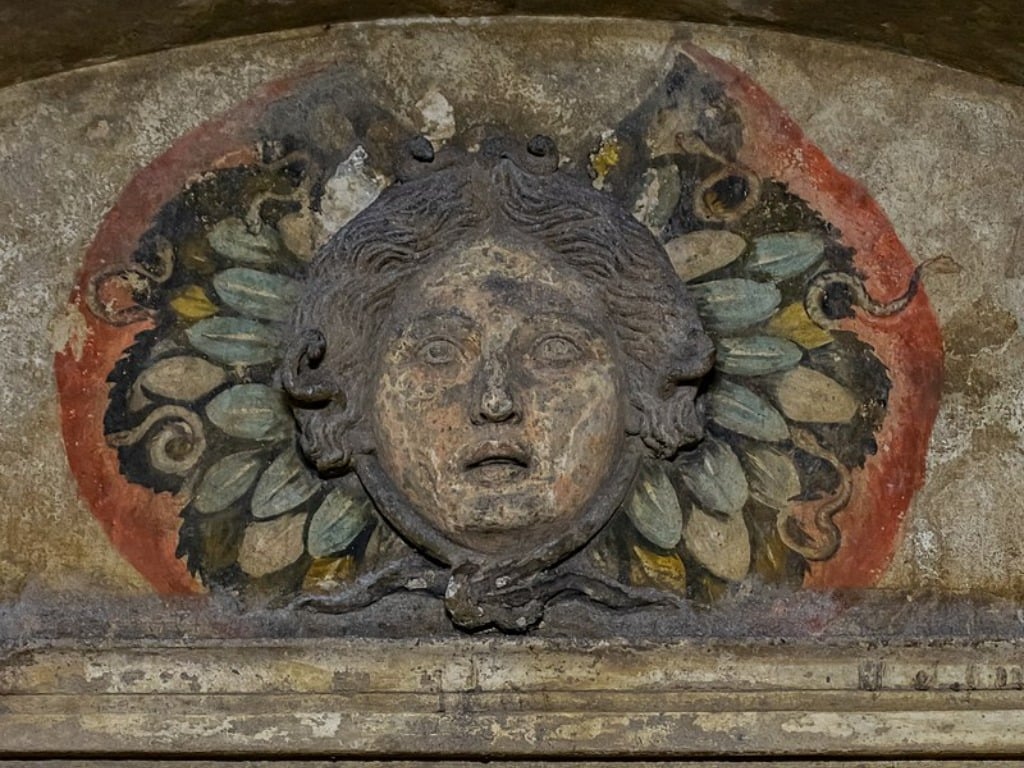
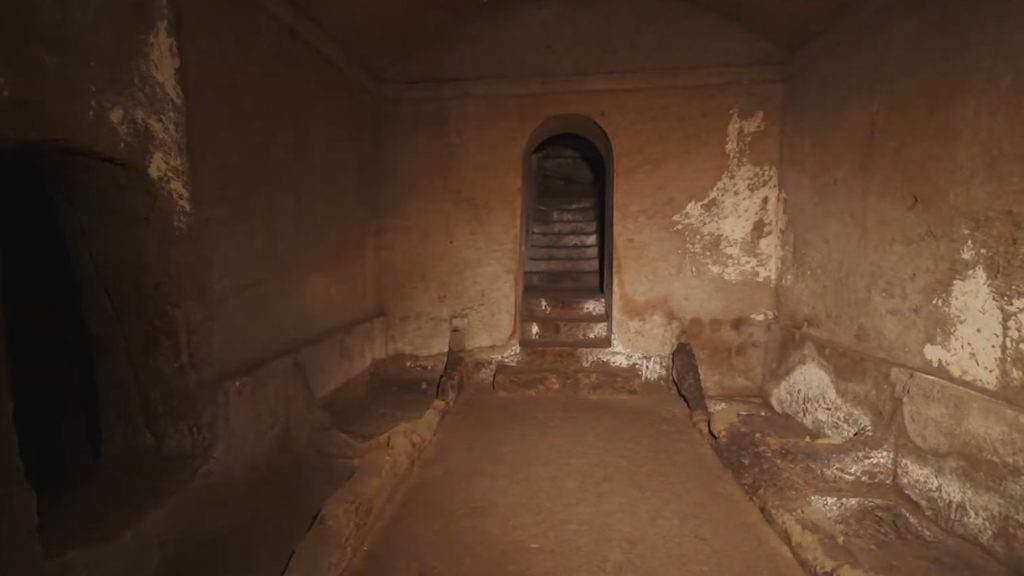




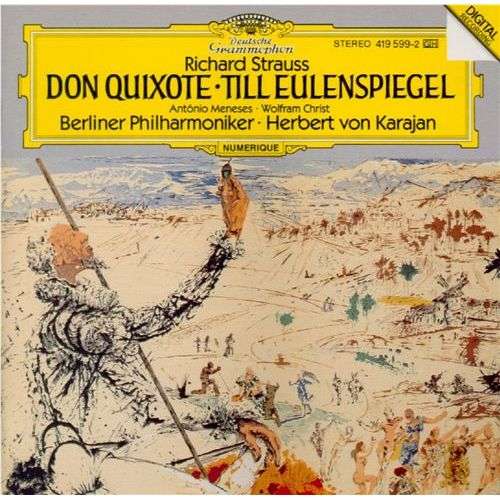

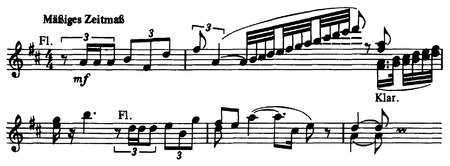


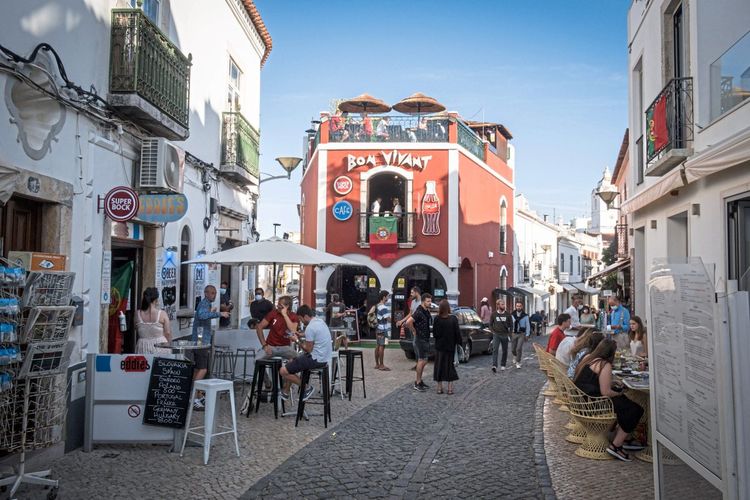
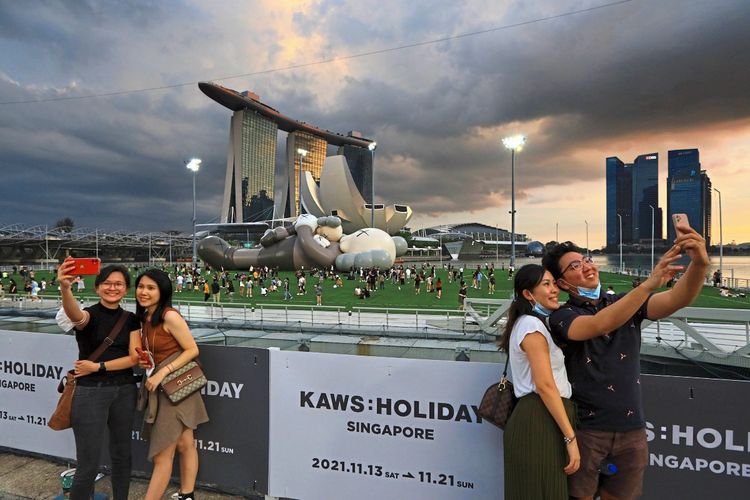

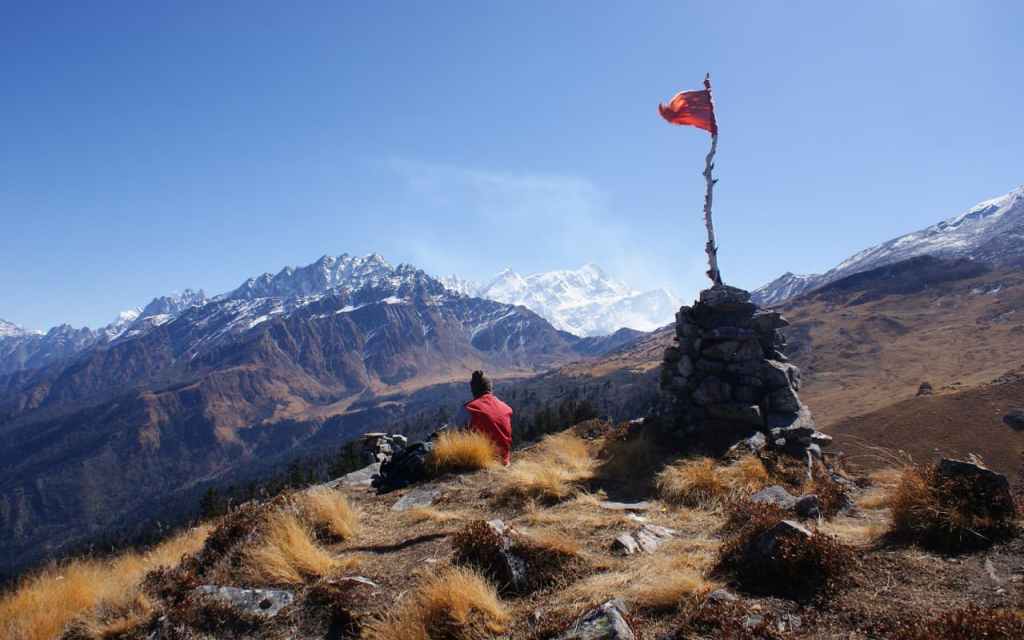

 Ewa Maria and Friends