Mariola, Anton, Lidia & Sebstian

Ewa Maria Slaska
Stara jestem. Mam problemy z pisaniem czytaniem, rozumieniem. Również ze słyszeniem i słuchaniem. A zatem ogólnie z komunikacją międzyludzką.
***
Jestem w restauracji. Piję kawę. Kelner zapomniał przynieść mi szklankę zimnej wody. Gdy przechodzi koło mnie, proszę go, po chwili przynosi mi wodę, mówię mu dziękuję, odpowiada: – Nie ma sprawy.
Jak to, nie ma sprawy?
Continue reading “Hejt i koledzy*”Ewa Maria Slaska z inspiracji i przy nieocenionej pomocy Eli Kargol
Ela zapytała na czacie: “Ewa, znasz Donkichoty Osieckiej? Ja nie znałam.”
Ja też nie. Ela nadesłała więc linka.
Donkichoty, liczba mnoga, rzeczownik odrzeczownikowo-dwurzeczownikowy, polski z francuskiego, ten zaś z hiszpańskiego.
Donkichoty są wprawdzie jak ich pierwowzór smętne, czy też smętnej postaci lub takiegoż oblicza, ale nic w nich z wojowniczości Don Kichota. Są zagubionymi ludzikami i wiodą swoje nieważnie najważniejsze ludzikowe życie w głębokim peerelu. Gdy byli młodzi, nosili okulary i jak to okularnicy, snuli się pojedynczo lub parami po życiu studenckim, licząc na to, bo wszyscy na to liczyliśmy, że coś z nich i z nas będzie, coś nam się w tym zwyczajnym życiu przydarzy, państwo da nam dworek-oblęgorek jak Sienkiewiczowi, za to że z tego snucia się wyniknie nagle coś nadzwyczajnego, że wszyscy zostaniemy cervantesami i napiszemy najbardziej poczytną książkę na świecie. A zamiast tego trafiło nam się zwykłe peerelowskie ludzikowe zwyczajne życie do przeżycia.
Agnieszka Osiecka
Ballada o Donkichotach
Z domków koślawych na Pradze
Z bloków, kamienic i ruder
Idą przez ranek i sadze
W tramwaje wsiadają rude
To Donkichoty, to Donkichoty
Jadą do pracy, do biur
Wiszą pęczkami, ciągną nosami
To Donkichotów chór
To Donkichoty, to Donkichoty
Każdy z miesięcznym się pcha
Od poniedziałku aż do soboty
Trzydziestką albo 102
Włażą na piętra po paru
Na coś czekają, gdzieś gonią
Coś tam mamroczą wśród gwaru
Machają rączkami, dzwonią
To Donkichoty, to Donkichoty
Chcą się docisnąć do drzwi
Piszą podania, gniotą ubrania
To Donkichotów dni
To Donkichoty, to Donkichoty
Drą się, szamocą i klną
Kręcą się w kółko aż do soboty
Papiery lecą im z rąk
Wieczór przychodzi na Pragę
Siedzą znużeni nad miską
Kto by tam tracił odwagę
Już jutro załatwią wszystko
To Donkichoty, to Donkichoty
Żony ich kładą do snu
W kątach kamienic chrapią zmęczeni
To Donkichotów bór
To Donkichoty, to Donkichoty
Każdy wiatraki swe śni
Od poniedziałku aż do soboty
Sześć nocy albo sześć dni
Krzyk żaden nocy nie rozdarł
Żaden Cervantes nie płacze
Milczy poezja i proza
Don Kichot wychodzi na spacer
Agnieszka Osiecka mieszkała na Saskiej Kępie, co od razu czyni z tego wpisu nie tylko kolejny dowód na to, że Don Kichot jest wszędzie, ale pozwala uznać go za przyczynek baratarystyczny, bo Saska Kępa była kiedyś wyspą (jasne, Kępa). A każda wyspa mogła być ongiś ową Baratarią, która, raz tylko wymieniona w Don Kichocie z nazwy, okazała się ideą niezwykle trwałą. To tu Sancho Pansa, i to bez pomocy Don Kichota, okazał się sędzią przenikliwym i sprawiedliwym, a politykiem rozsądnym, praktycznym, skromnym i umiejącym dobrze rozpoznać, co potrafi, a czego nie. Ba, wszak nie tylko iż nasz Brzuchacz potrafił samokrytycznie stwierdzić, że nie jest walecznym wojakiem, to jeszcze wyciągnął z tego wnioski, uznał, że nie pomógł swoim podwładnym w czasach zagrożenia wojennego i zrezygnował ze stanowiska.
Ludzie, pokażcie mi takiego polityka, takiego, który odejdzie, sam, z własnej woli, rozpoznawszy, że się nie nadaje.
No więc ta Saska Kępa. “Kiedys tam byli Holendrzy,” napisała Ela, “może i mieli wiatraki.”
“Osiecka też ma pewne cechy błędnego rycerza. Dulcyneą to ona może też częściowo była, Don Kichotów było wielu. Prędzej jednak to ona była Donkichotką. Miała swoją wyspę i podobno kajak, którym przemieszczała się na drugi brzeg.”
Wiem, kochani Czytelnicy płci wszelakiej, nic nie rozumiecie. Ja też nie wszystko…

Mail z 13 grudnia 2023 roku
Cześć, Ewa Maria,
ależ dzień za nami! Zaprzysiężenie nowego rządu, a wcześniej dużo emocji w Sejmie — exposé Donalda Tuska i wotum zaufania. Mamy też teraz Ministrę ds. Równości, Katarzynę Kotulę!
Cieszysz się i chcesz dać znać, jak bardzo nie możesz doczekać się zmian?
Brigitte von Ungern-Sternberg
Liebe Ewa,

nochmals zur Andromeda.
In Bezug auf das Datum habe ich Unterschiedliches gelesen, ist ja auch eigentlich nicht wichtig. Im Beitrag des ‘Deutschland Funks’ war es im Oktober, jedenfalls war es im Jahr 1923.
In diesem Beitrag ist zu hören, dass die Forschungen einer F r a u zu den ‚Cepheiden’ bedeutsam dafür waren, dass Hubble seine Entdeckung machte.
In Amerika konnte sie an der Harvard University studieren, ob sie das in Europa so ohne weiteres gekonnt hätte!?!
Nach Hubble wurde das berühmte Hubble Teleskop benannt, die Frau kennen nur die Spezialisten. Es war Henrietta Swan Leavitt. Nach ihr wurde ein Asteroid und ein Mondkrater benannt (1973 entdeckte Asteroid (5383) Leavitt & Mondkrater Leavitt)
Siehe auch einen WIKIPEDIA Artikel.
Oder Videos auf youtube Hubblecast 116: Henrietta Leavitt — ahead of her time
Herzlich
Brigitte
P.S.
Immerhin hat ein Kollege Henrietta Swan Leavitt gewürdigt und sie für einen Nobelpreis vorgeschlagen. Wikipedia schreibt: 1921 starb Henrietta Swan Leavitt an Krebs. In Unkenntnis ihres Todes erwog der schwedische Mathematiker Gösta Mittag-Leffler 1925, Leavitt für einen Nobelpreis vorzuschlagen. Da dieser jedoch nicht postum verliehen wird, ging sie letztlich leer aus. Nota bene Edwin Hubble teilte ein Schicksal mit Henrietta: Auch für ihn war es für einen Nobelpreis war zu spät!
***
Dirk Lorenzen in Deutschland Funk, 5. Oktober 2023
Hundert Jahre Andromeda-Galaxie
In der Nacht auf den 6. Oktober 1923 beobachtete der US-Astronom Edwin Hubble den Spiralnebel im Sternbild Andromeda. Diese Nacht veränderte unsere Kenntnis vom All – denn der vermeintliche Nebel ist eine riesige, weit entfernte Galaxie.

Seit 100 Jahren ist klar, dass M31 kein Nebelfleck in der Milchstraße ist, sondern eine eigene Galaxie. (Bill Schoening, Vanessa Harvey/REU program/NOIRLab/NSF/AURA)
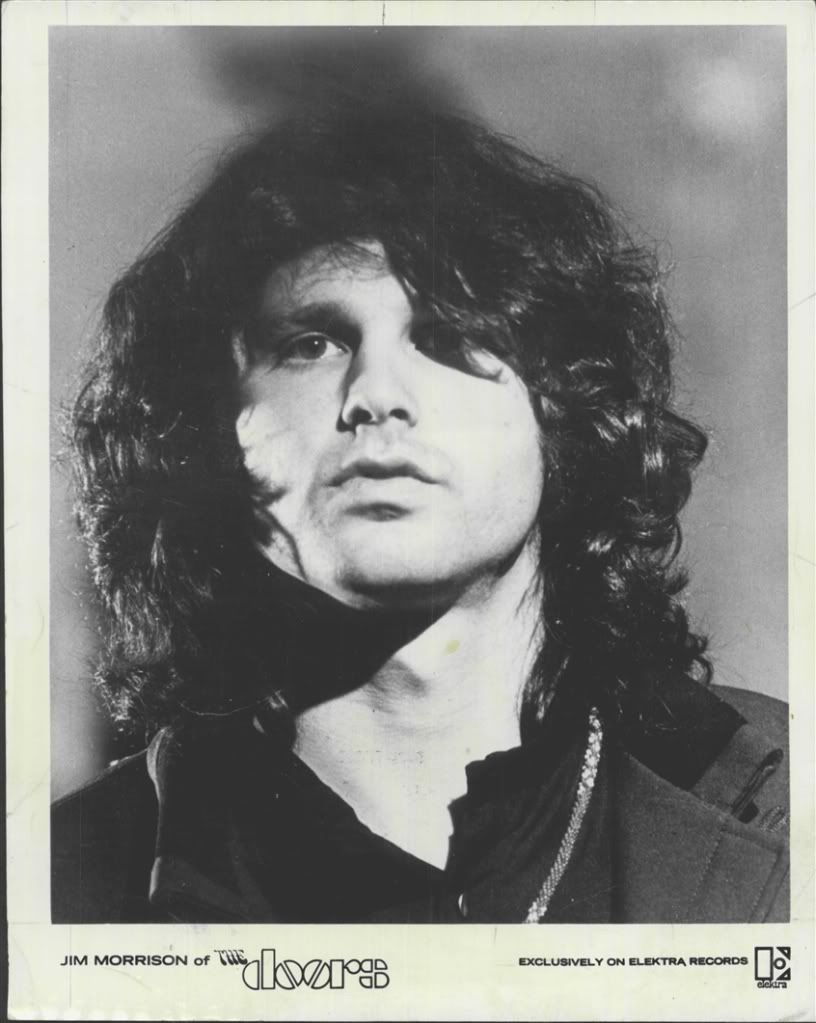
Morrison had an almost un-American attitude toward possessions. He never owned a house. While he owned a car for a time, he was often without one and most of the things he did own would have fit into a carryall bag. In his pockets one could find a key to the Doors’ office, a credit card, and his folded and torn California driver’s license. He was forever giving something away—money, books, clothes—with a natural generosity. No matter how successful he became, Morrison was always taking shelter from the “stumbling neon groves” of Hollywood in cheap motels because he felt their starkness was more real than the lavish suites his wealth could have commanded. No doubt their low profile was also an attraction. No one could find Jim Morrison when he didn’t want to be found. He enjoyed hanging around pool halls and cheap bars, listening to the jukebox and having a few beers.
Frank Lisciandro recalls: Jim didn’t seem to have any sense of ownership about anything. As an example, I said to him one day that I had to go buy some new boots; he said he probably needed some new boots too and he’d come along. So we went to a Western-wear store and both shopped for what we needed. Later I found Jim coming out of a dressing room. He had bought a completely new outfit right down to underwear and then he went over and bought a new pair of boots. It looked like he had changed his skin. And being more reptilian, he left his old clothes behind… didn’t take them… said to the guy at the store, ‘Burn ’em or throw ’em away or give ’em to somebody.’ We walked outside and I looked at him in the sunlight in front of the store and I realized at that instant that he could really live like a snake if he wanted to… shed his skin, have a new set of skin underneath, and walk away.
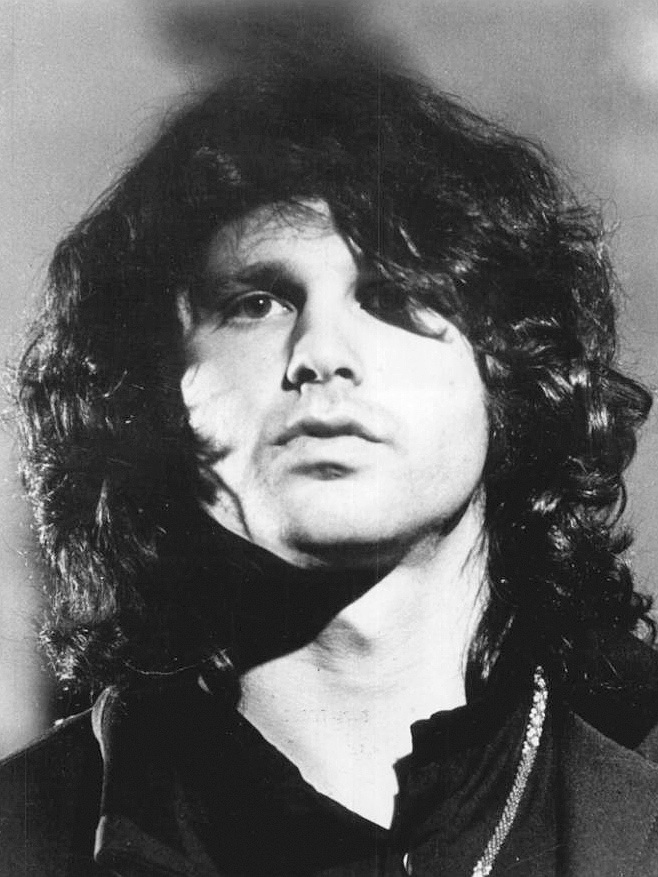
Text from “Break on Through: The Life and Death of Jim Morrison” by James Riordan & Jerry Prochnicky
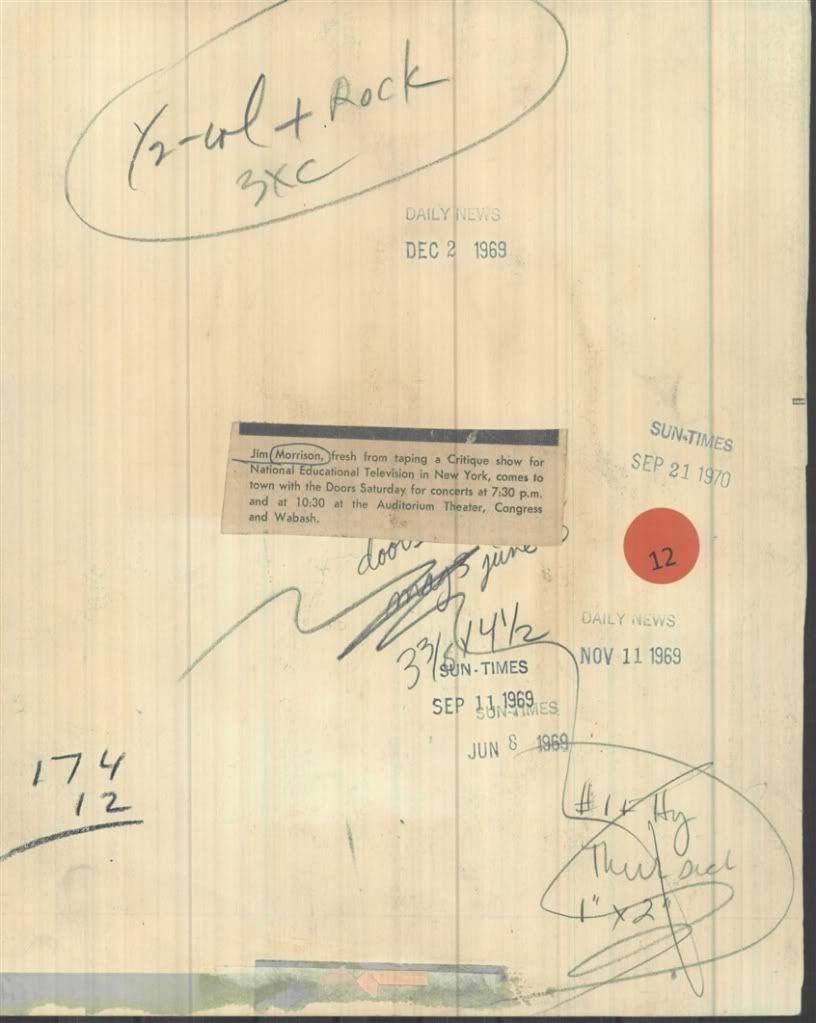
Foto: Elektra Records – eBay item photo front photo back
Zbigniew Milewicz
Schronisko braci Hampel
Dziś jest prościej, ale do początku lat 90 Chorzowów administracyjnie było kilka i znaczyły je rzymskie cyfry od I do IV. Ponieważ jednak mało kto wiedział, gdzie kończy się granica jednego, a zaczyna już inny, potocznie mówiło się: ida do miasta, jada do Batorego, albo do Starego i ludzie na ogół kojarzyli, o co chodzi, ale też nie zawsze. Jest taki stary wic, rozprawiają dwie sąsiadki w Świętochłowicach:
– kaj jest Hilda ?
– pojechała do Chorzowa…
– do starego?
– nie, do Emy, pranie prać.
I saw Elaine Feinstein in the poetry tent at Latitude. An old lady then, she was touring her book ‘Portraits’. She was mesmerising.
The book is well worth the read. So many finely drawn portraits of friends, artists, other times and places, memory and loss. We are drawn into that vividly remembered world through her minds eye.
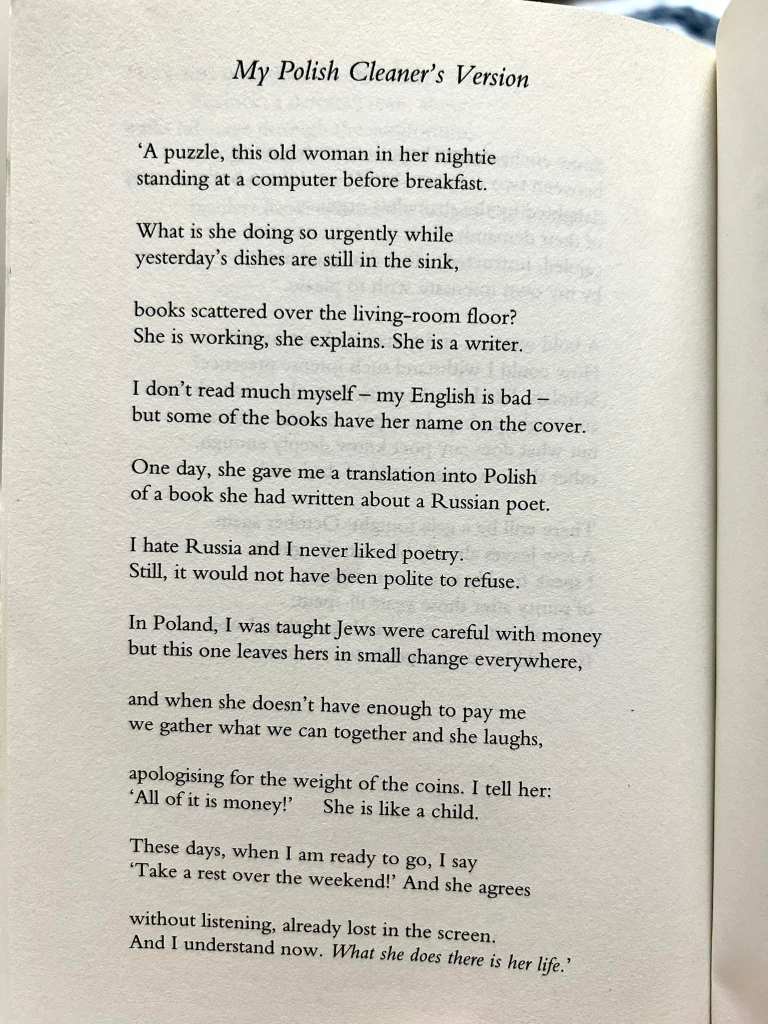
Towards the end of the book, she pulls out of the world of her mind, and writes as she imagines she is seen in ‘real life’, a portrait of her by her confused Polish cleaner.
I love that last line… And I understand now. What she does there is her life.
Ewa Maria Slaska
Tak naprawdę to nic mi nie przyniósł, ale weszłam po południu na FB i znalazłam kilka przepięknych zdjęć oraz pewną wspaniałą opowieść. Gdy po raz chyba dziesiąty kliknęłam na lajka, zorientowałam się, że to właśnie te zdjęcia i tę opowieść przyniósł mi Mikołaj.
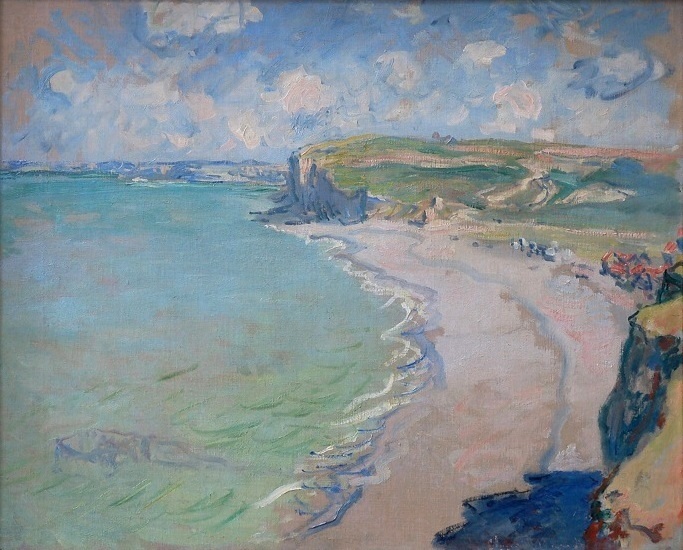
Claude Monet, La Plage de Pourville
Continue reading “Co mi przyniósł święty Mikołaj?”Nadesłał Piotr Nazaruk
Great-grandpa Sholem Asch riding into battle against vulgar Yiddish theater, ca 1910. We’ll revisit some of his skirmishes at YIVO in New York tomorrow evening, as we celebrate Caraid OBrien‘s fabulous new Asch play translations. Come with armour or without, in person or online. All free, just register via the Yivo website.

Rozmyślam, o co tu właściwie chodzi. Rozumiem, że karykatura powstała w roku 1910 i przedstawia Ascha, który toczy beznadziejną walkę w obronie czystości i honoru dziewicy, jaką jest teatr w języku jidisz.
OK, a dalej? David Mazower, OK. W Nowym Yorku? O Nowym Yorku? YIVO to Institute for Jewish Research, instytut badań żydowskich, instytucja z siedzibą w Nowym Jorku. Impreza prezentująca nowe tłumaczenie sztuk teatralnych Ascha odbyła się dosłownie kilka dni temu, 29 listopada.
 Ewa Maria and Friends