Reblog: Found Objects & Books

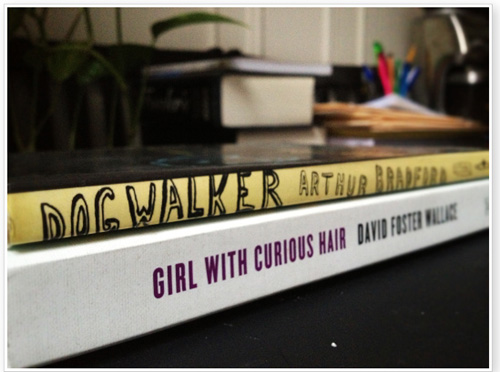
I wrote already here about founded books and even book sides, some month ago I wrote about founded photographs, but I suppose, I did not write yet about special objects founded in books. Sometimes I found or buy books with dedications for or from somebody I knew. Curious feeling. Maybe painful, when you see those dedicated books given to the book charity. But Alyx which posted the following story in Sunnyside Tuxedo founded something totally different. See it yourself.

tuxedo

Found Objects & Books

tuxedo2
tuxedo3


But…
Comment written on 29th July 2020

But you will not find anything looking for that particular item of Alix’s blog Sunnyside Tuxedo. It vanished. Blogs vanished. Posts vanished. Links lost their linking. It happens.
I forget, what happend with that foto Alix found in her book. I can delete that post or I can try to find for you what was lost in blogging.

It was not so difficult at all. I found an answer just by 1st try.

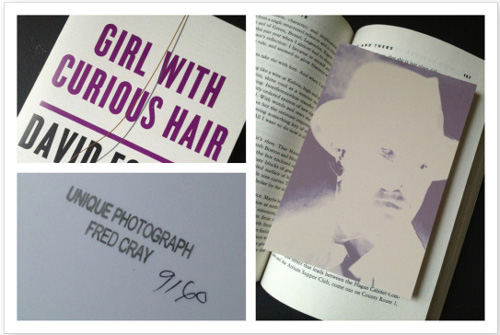
In her book, probably found or bought at the bookinist, Alix found foto of Fred Cray, an Unique Photograph, who is hidding fotos all over New York since  more than 15 years.

HERE you can read the whole unique story about Fred :-): Fred Cray


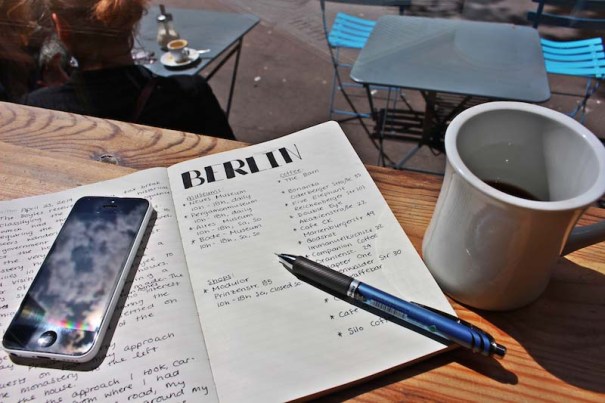
Meanwhile Alix, which was previously living in NY, moved to Paris, and one year later came back to NY.  She also visited Berlin in May 2014:

berlinblogs

As I mentioned on Sunday, I’m heading to Berlin this weekend for a quick visit. I’ve never been to Berlin before, so I’ve been consulting my friends, speed-reading travel guides in bookstores, and of course browsing Berlin’s corner of the internet. During the course of my research, I’ve stumbled across some fantastic Berlin-based blogs that I wanted to share with all of you. Some of them are literally about the things to do, see, and eat in Berlin, but some are just lovely blogs that capture that Berlin je ne sais quoi. So whether you are planning a trip to Germany’s trendiest city or not, these links are worth a click. Bonus: they are all written in English.

Stil in Berlin is run primarily by Mary Sherpe, a contributing writer and photographer for Vogue Germany, and has a little bit of everything. Shopping, eating, and sightseeing guides (I found this blog while searching for Berlin coffee spots), art reviews, street fashion, and more. The photography and design is beautiful and it’s been the perfect starting point for my research. If you’re heading to Berlin, I recommend checking out the many guides on the website. Even if you aren’t, a quick browse through this blog (although it won’t be quick — I get sucked in and read page after page) will give you a lovely glimpse of the city.

I was immediately drawn to Berlin Reified‘s title — who wouldn’t be? It’s creator is Sylee Gore, who was born in Mumbai and grew up in the United States before moving to Berlin in 2000. The blog is a perfect mix of Berlin recommendations and beautiful lifestyle photos. Each post reads like a mini personal essay that includes a bit of Sylee’s life and an interesting Berlin spot or two. This blog makes for a wonderful read no matter where you are.

Überlin‘s creators, Zoë and James, packed up their London life several years ago and moved to Berlin (Randomly picking up and moving to another country? Sounds like something I’d do…), where they now maintain a gorgeous blog. Überlin also has a little bit of everything for all kinds of readers. Some posts are Berlin-specific, like their food and drink section or their recommendations for things to do around the city. Other posts will appeal to everyone, like “Music Mondays” and their thoughts on living an expat life. And with archives going back to 2010, it’s easy to spend an afternoon reading post after post.

I can feel a Best Wishes from Berlin addiction coming on. Jessica Jungbauer started Best Wishes in 2010 to document the lives of creative people living in Berlin. It’s now a magazine as well and there are Best Wishes from Amsterdam, Oslo, London, San Francisco, Melbourne, and Minneapolis. The short profiles on the website include recommendations for places to go and things to see in Berlin, but it’s also fascinating to learn about all these creative people and the projects on which they are currently working. Some of the subjects are expats living in Berlin and I love discovering which expat experiences we have in common and which are specific to Paris/Berlin.

Unlike Berlin City Guide is definitely oriented towards people living in or visiting Berlin, as it has comprehensive coverage of restaurants, bars, shops, art galleries, hotels, and other adventures (Unlike covers a host of other cities all over the world as well). It’s a bit overwhelming if you are like me and don’t know the city at all, but the great photographs and seemingly endless supply of information make it a great trip-planning resource. In fact, this website alone makes me wish I were going for much longer!

I hope this was interesting for you, even if Germany isn’t on your horizon. The first four of these websites have permanent spots in my RSS reader (Unlike Berlin is safely stowed in my “Berlin” Evernote folder in case I ever go back and need more tour guide-like information again). I’m even more excited for my Berlin getaway after scrolling through these blogs. Do you have any Berlin recommendations (online or in real life)?


Poetry – Poezja – Poesie / Lou Reed

Umarł właśnie – 27.10.2013

Berlin. Ta piosenka pochodzi z albumu Berlin, który Lou Reed nagrał w 1973 roku, kiedy był młody i dziki. Byłam na jego koncercie w Tempodromie w czerwcu 2007 roku, kiedy prezentował tę płytę w 34 lata po jej nagraniu.  Koncert był wypracowany do ostatniego szczegółu, nawet śmiesznego i żenującego zarazem, bo na końcu muzyk odtworzył jedną piosenkę ubrany w paczkę czyli tutu baletowej baleriny. Z koncertu najlepiej zapamiętałam chór dzieci w białych strojach. Zapamiętałam, bo sama myśl przyprawiała o ból. Przez dwie godziny dziewczynki i chłopcy stali zupełnie nieruchomo, niekiedy oblani jasnym światłem, niekiedy skryci w ciemności. Prawdziwe dzieci zamienione w nic nie czujące manekiny lub może raczej roboty, bo jednak od czasu do czasu śpiewały. Przypomniało mi to scenę z jakiegoś polskiego filmu o obozach koncentracyjnych. W nocy wygoniono kobiety na apel i kazano im stać. Nikt im nic nie zrobił, po prostu stały i była to straszna tortura.

Niech mi Lou Reed wybaczy, że zamiast odczuwać radość, że mogłam wziąć udział w koncercie na żywo, pamiętam o tych dzieciach…

To ponure wspomnienie, ale płyta też była ponura, mówiła o prostytucji, narkotykach, nieszczęściu, o dziewczynie, której urzędy odebrały dzieci… W latach 70 świat wciąż jeszcze tak widział Berlin. Reed nie był zresztą w Berlinie przed nagraniem tego albumu. Znał to miasto z opowieści Isherwooda, z obrazów Dixa, z Opery za trzy grosze. Berlin to nie była gombrowiczowska błyskotka (ostatnia) Zachodniej Europy, Berlin to było Jajo węża. Też znałam takie oblicze mojego miasta. Ostatni raz spotkałam dziewczynę, Murzynkę, której urzędy odebrały dziecko kilka lat temu. Skrzyczała synka na balkonie, sąsiedzi zadzwonili po służbę porządkową. Może zatem to tylko pozory, że Berlin się zmienia, że jest biedny, ale seksowny, bo chyba nie jest, albo już z powrotem nie jest, teraz jest miastem dla bogaczy, którym wolno z nami robić, co chcą, na przykład dać nam pracę za 1,5 euro na godzinę, odebrać nam dzieci lub ustawić nas na scenie, żebyśmy stali.

Nie znalazłam tłumaczenia piosenki Berlin na niemiecki ani polski, ale za to znalazłam wersję francuską. Polską przygotowałam sama. O niemiecką poprosiłam Dorotę Cygan.

Berlin

In Berlin, by the wall
you were five foot ten inches tall
It was very nice
candlelight and Dubonnet on ice

We were in a small cafe
you could hear the guitars play
It was very nice
it was paradise

You’re right and I’m wrong
hey babe, I’m gonna miss you now that you’re gone
One sweet day

Oh, you’re right and I’m wrong
you know I’m gonna miss you now that you’re gone
One sweet day
One sweet day

In a small, small cafe
we could hear the guitars play
It was very nice
candlelight and Dubonnet on ice

Don’t forget, hire a vet
he hasn’t had that much fun yet
It was very nice
hey honey, it was paradise

You’re right and I’m wrong
oh babe, I’m gonna miss you now that you’re gone
One sweet day
You’re right, oh, and I’m wrong
you know I’m gonna miss you now that you’re gone
One sweet day
One sweet day

One sweet day, one sweet day
oh, one sweet day
One sweet day, baby-baby, one sweet day
one sweet day, one sweet day

***
Berlin

À Berlin, près du Mur
Tu faisais 5 pieds et 10 pouces de haut
C’était très bien
La lumière des chandelles et le Dubonnet avec des glaçons

Nous étions dans un petit café
On pouvait entendre les guitares jouer
C’était très bien
C’était le paradis

Tu as raison et j’ai tort
Hé chérie, tu vas me manquer maintenant que tu es partie
Un beau jour

Oh, tu as raison et j’ai tort
Tu sais que tu vas me manquer maintenant que tu es partie
Un beau jour
Un beau jour

Dans un petit, petit café
Nous pouvions entendre les guitares jouer
C’était très bien
La lumière des chandelle et le Dubonnet avec des glaçons

N’oublie pas, engage un vétéran
Il n’a pas vraiment eu de plaisir jusqu’à maintenant
C’était très bien
Hé, mon chou, c’était le paradis

Tu as raison et j’ai tort
Oh chérie, tu vas me manquer maintenant tu es partie
Un beau jour
Tu as raison, oh, et j’ai tort
Tu sais que tu vas me manquer maintenant que tu es partie
Un beau jour
Un beau jour

Un beau jour, un beau jour
Oh, un beau jour
Un beau jour, bébé-bébé, un beau jour
Un beau jour, un beau jour

***
Berlin

W Berlinie w cieniu muru
byłaś wysoka – metr siedemdziesiąt pięć
Tak było miło
światło świec i dubonnet na lodzie

Byliśmy w kawiarence
mogłaś posłuchać dźwięków gitary
jak w raju

Masz rację a ja jej nie mam
hej baby odeszłaś, a ja zaczynam tęsknić
słodki dzień

Masz rację a ja jej nie mam
hej baby odeszłaś a ja zaczynam tęsknić
słodki dzień
słodki dzień

W małej małej kawiarence
mogliśmy posłuchać dźwięków gitary
tak było miło
światło świec i dubonnet na lodzie

Wynajmij weterana
żeby mu było wesoło
tak było miło
ach kochanie, było jak w raju

Masz rację a ja jej nie mam
hej baby odeszłaś a ja zaczynam tęsknić
słodki dzień
Masz rację a ja jej nie mam
wiesz, zaczynam tęsknić gdy odeszłaś
słodki dzień
słodki dzień

Słodki dzień słodki dzień
och jaki słodki dzień
Słodki dzień, baby baby, słodki dzień
słodki dzień, słodki dzień

tłumaczyła Ewa Maria Slaska

***

Berlin

In Berlin, an der Mauer
Du warst eins fünfunsiebzig groß
Es war so nett
Kerzenschein und Dubonnet on ice

Im kleinen Cafe
Gitarrenklänge
es war so nett
ein Paradies

Du liegst richtig und ich falsch, hey babe
jetzt wo du weg bist, vermiss ich dich
so ein reizender Tag

Du liegst richtig und ich falsch, hey babe
jetzt wo du weg bist, vermisse ich dich
ein reizender Tag

Im kleinen Cafe
Gitarrenklänge
es war so nett
Kerzenschein und Dubonnet on ice

Vergiss nicht einen Veteran anzuheuern
der hatte noch nicht so viel Spaß
es war super nett
Hey Süße, es war ein Paradies

Du liegst richtig und ich falsch
Ein reizender Tag
Du hast recht, ich irre mich
Ein reizender Tag
Ein reizender Tag

Ein reizender Tag, ein reizender Tag
oh, ein reizender Tag
reizender Tag, baby baby, reizender Tag
reizender Tag, reizender Tag

übersetzt von Dorota Cygan

Poesía – Poezja – Poetry – Poesie / Alfonsina Storni

https://i0.wp.com/upload.wikimedia.org/wikipedia/commons/thumb/1/16/Monumento_a_Alfonsina_Storni.jpg/285px-Monumento_a_Alfonsina_Storni.jpgDedykuję mojej siostrze Kasi

Opowiadała mi o niej nasza Mama – Irena Kuran-Bogucka – w czasach, kiedy nie było internetu, ani nawet nieskomplikowanego dostępu do książek i prasy na świecie. Nie znałam więc ani jednego jej wiersza, ale wiedziałam, że była argentyńską poetką i piękną kobietą, która popełniła samobójstwo, gdy zaczęła się starzeć i wiedziała, że już nie będzie obiektem miłości. Urodziła się w roku 1892 w Szwajcarii, zabiła się 25 października 1938 roku w Mar de la Plata. Miała 46 lat. Mama przetłumaczyła jej wiersze, kiedy ja już wyjechałam z Polski i nigdy mi nie pokazała tych tłumaczeń. Nawet nie wiedziałam, że były.
Minęły dwie dekady – Mama w międzyczasie umarła – zanim po raz pierwszy przeczytałam wiersze Alfonsiny.  Dowiedziałam się też, że w roku 1935 zachorowała na raka piersi, być może jest więc możliwa inna interpretacja jej samobójstwa niż ta, jaką podała mi Mama. Nie wiem. Tak jak nie wiadomo, czy poetka skoczyła do morza z wysokiego falochronu czy też weszła powoli coraz głębiej i głębiej zanurzając się w wodach oceanu.

Na zdjęciu pomnik Luisa Perlotti w Mar del Plata, upamiętniający samobójstwo Alfonsiny. Podobno zawsze leżą tam kwiaty. 22 października 1938 roku poetka napisała w pensjonacie w Mar del Plata wiersz „Voy a dormir“ (“Idę spać”). Zaniosła go na pocztę i wysłała do redakcji gazety La Nación, gdzie został opublikowany w dwa dni po jej samobójczej śmierci.

W tym sonecie w ostatniej zwrotce Alfonsina napisała: pozwól mi zasnąć w spokoju i proszę… jeśli on znów zadzwoni, powiedzcie mu, żeby nie nalegał, wyszłam…

Czyta Omar Cerasuolo

Alfonsina Storni, Voy a dormir

Dientes de flores, cofia de rocío,
manos de hierbas, tú, nodriza fina,
tenme prestas las sábanas terrosas
y el edredón de musgos escardados.

Voy a dormir, nodriza mía, acuéstame.
Ponme una lámpara a la cabecera,
una constelación, la que te guste,
todas son buenas, bájala un poquito.

Déjame sola: oyes romper los brotes.
Te acuna un pie celeste desde arriba
y un pájaro te traza unos compases

para que olvides. Gracias… Ah, un encargo:
si él llama nuevamente por teléfono
le dices que no insista, que he salido.

Pisząc o Alfonsinie po prostu nie można pominąć piosenki, która powstała w 30 lat po śmierci poetki.

Alfonsina i morze. Słowa i muzyka: Ariel Ramírez i Félix Luna, wykonanie Mercedes Sosa – jedna z najczęściej wykonywanych pieśni argentyńskich.

***

Wracam do ostatniego wiersza Alfonsiny. Znalazłam tłumaczenia na angielski i niemiecki.

I’m going to sleep

Teeth of petals, bonnet of dew,
handfuls of herbs, oh sweet nursemaid,
turn the earthly sheets down for me
and prepare my quilt of  carded moss.

I’m going to sleep, my nursemaid—lay me down;
put a lamp on the nightstand for me,
or a constellation, whichever you like—
both are fine; turn the lights down a bit.

Now leave me alone and hear the buds break …
as you’re rocked by a heavenly foot from above,
and a bird zigzags you a path

so that you can forget … Thank you. Oh, a favor:
if he calls again
tell him not to insist, for I have gone away…

Translation by Richard E. McDorman
© 2011

***

Bald geh ich schlafen….

du mit den blumenzähnen, mit dem häubchen aus tau
und händen aus kräutern, du zärtliche amme,
bereite mir das erdige, kühle leintuch
und das federbett aus zerpflücktem moos.

bald geh ich schlafen, meine amme, bette mich gut
stell mir ein lämpchen ans kopfende,
ein sternbild, irgendeins, das dir gefällt.
sie leuchten ja alle. und neig es mir ein wenig zu.

lass mich allein: ich hör das aufbrechen der knospen,
ein fuss des himmels wiegt mich leise,
und ein vogel trillert mir ein paar takte,

damit ich vergesse… danke… ach, ein auftrag noch:
falls er anruft,
sag ihm, sein drängen sei umsonst, ich sei verreist..

okladka***
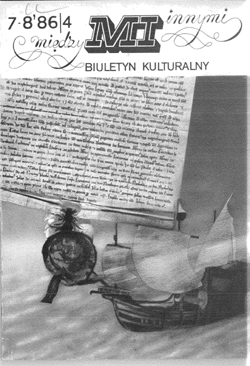
Niestety Mama nie przetłumaczyła tego ostatniego wiersza.  Dowiedziałam się tego tworząc ten wpis. Znalazłam informacje, że te tłumaczenia ukazały się w Biuletynie Kulturalnym Między Innymi (w numerze 7/8 z 1986 roku), wydawanym przez Szczecińskie Towarzystwo Kultury, a ja otrzymałam ich skany dzięki nadzwyczajnej wręcz uprzejmości pracowników Czytelni Pomorzoznawczej Książnicy Pomorskiej w Szczecinie – www.ksiaznica.szczecin.pl.
Przepisuję tu więc inny jej wiersz, też z roku 1938, potwierdzający to, co mówiła Mama, opowiadając mi o tragedii kobiety, która przestała być atrakcyjna dla mężczyzn.

wiersze

Czas bezpłodności (1938)

A najpierw cyfry ujarzały Kobietę,
i na jej łonie złożyły puzderko:
stamtąd trysnęła owa rzeka krwawa,
co świat obiega spiralą okrężną.

Znaków przedziwnych nieczytelne pismo
cieniem pokryło rzeczny brzeg, a Księżyc,
złowieszczo pośród nich zarysowany,
wyznaczał czasy przypływów tajemnych.

To on był twórcą wezbranych powodzi
i lodowatych losów, co widnieją
na ciepłych twarzach o wzroku strwożonym.

Aż raz jej łono porzuciła rzeka.
a żyzna wyspa, kwitnąca dla mężczyzn,
została pusta; i wicher się zerwał.

Tłumaczyła Irena Kuran-Bogucka

Selina and Nelson

I suppose 2013 is a battle year. We already had here the battle of Vienna and the battle of Leipzig, now – the battle of Trafalgar (1805 – again Napoleon!) remembered by children in Kenneth Grahame “Dream Days”.

THE TWENTY-FIRST OF OCTOBER

(…) At the time of Selina’s weird seizure I was unfortunately away from home, on a loathsome visit to an aunt; and my account is therefore feebly compounded from hearsay. It was an absence I never ceased to regret – scoring it up, with a sense of injury, against the aunt. There was a splendid uselessness about the whole performance that specially appealed to my artistic sense. That it should have been Selina, too, who should break out this way – Selina, who had just become a regular subscriber to the “Young Ladies’ Journal,” and who allowed herself to be taken out to strange teas with an air of resignation palpably assumed – this was a special joy, and served to remind me that much of this dreaded convention that was creeping over us might be, after all, only veneer. Edward also was absent, getting licked into shape at school; but to him the loss was nothing. With his stern practical bent he wouldn’t have seen any sense in it – to recall one of his favourite expressions. To Harold, however, for whom the gods had always cherished a special tenderness, it was granted, not only to witness, but also, priestlike, to feed the sacred fire itself. And if at the time he paid the penalty exacted by the sordid unimaginative ones who temporarily rule the roast, he must ever after, one feels sure, have carried inside him some of the white gladness of the acolyte who, greatly privileged, has been permitted to swing a censer at the sacring of the very Mass.

October was mellowing fast, and with it the year itself; full of tender hints, in woodland and hedgerow, of a course well-nigh completed. From all sides that still afternoon you caught the quick breathing and sob of the runner nearing the goal. Preoccupied and possessed, Selina had strayed down the garden and out into the pasture beyond, where, on a bit of rising ground that dominated the garden on one side and the downs with the old coach-road on the other, she had cast herself down to chew the cud of fancy. There she was presently joined by Harold, breathless and very full of his latest grievance. (…)

“D’you know what day it is?” said Selina presently, in a low voice, looking far away before her.

Harold did not appear to know, nor yet to care.

“It’s Trafalgar Day,” went on Selina, trancedly; “Trafalgar Day – and nobody cares!”

Something in her tone told Harold that he was not behaving quite becomingly. (…)

“Over there,” resumed Selina–she was gazing out in the direction of the old highroad” over there the coaches used to go by. Uncle Thomas was telling me about it the other day. And the people used to watch for ’em coming, to tell the time by, and p’r’aps to get their parcels. And one morning – they wouldn’t be expecting anything different – one morning, first there would be a cloud of dust, as usual, and then the coach would come racing by, and THEN they would know! For the coach would be dressed in laurel, all laurel from stem to stern! And the coachman would be wearing laurel, and the guard would be wearing laurel; and then they would know, then they would know!”

Harold listened in respectful silence, (…) had all the natural instincts of a gentleman; of whom it is one of the principal marks, if not the complete definition, never to show signs of being bored. Selina rose to her feet, and paced the turf restlessly with a short quarter-deck walk.
“Why can’t we DO something?” she burst out presently. “HE – he did everything – why can’t we do anything for him?”
“WHO did everything?” inquired Harold, meekly. (…)
“Why, Nelson, of course,” said Selina, shortly, still looking restlessly around for help or suggestion.
“But he’s – he’s DEAD, isn’t he?” asked Harold, slightly puzzled.
“What’s that got to do with it?” retorted his sister, resuming her caged-lion promenade.

Harold was somewhat taken aback. (… ) And now he was given to understand that the situation had not materially changed! He would have to revise his ideas, it seemed. Sitting up on end, he looked towards the garden for assistance in the task. Thence, even as he gazed, a tiny column of smoke rose straight up into the still air. The gardener had been sweeping that afternoon, and now, an unconscious priest, was offering his sacrifice of autumn leaves to the calm-eyed goddess of changing hues and chill forebodings who was moving slowly about the land that golden afternoon. Harold was up and off in a moment (…). Here was fire, real fire, to play with, and that was even better than messing with water, or remodelling the plastic surface of the earth. Of all the toys the world provides for right-minded persons, the original elements rank easily the first.

But Selina sat on where she was, her chin on her fists; and her fancies whirled and drifted, here and there, in curls and eddies, along with the smoke she was watching. As the quick-footed dusk of the short October day stepped lightly over the garden, little red tongues of fire might be seen to leap and vanish in the smoke. Harold, anon staggering under armfuls of leaves, anon stoking vigorously, was discernible only at fitful intervals. It was another sort of smoke that the inner eye of Selina was looking upon, – a smoke that hung in sullen banks round the masts and the hulls of the fighting ships; a smoke from beneath which came thunder and the crash and the splinter-rip, the shout of the boarding party, the choking sob of the gunner stretched by his gun; a smoke from out of which at last she saw, as through a riven pall, the radiant spirit of the Victor, crowned with the coronal of a perfect death, leap in full assurance up into the ether that Immortals breathe. The dusk was glooming towards darkness when she rose and moved slowly down towards the beckoning fire; something of the priestess in her stride, something of the devotee in the set purpose of her eye.
The leaves were well alight by this time, and Harold had just added an old furze bush, which flamed and crackled stirringly.

“Go ‘n’ get some more sticks,” ordered Selina, “and shavings, ‘n’ chunks of wood, ‘n’ anything you can find. Look here – in the kitchen-garden there’s a pile of old pea-sticks. Fetch as many as you can carry, and then go back and bring some more!”
“But I say, – ” began Harold, amazedly, scarce knowing his sister, and with a vision of a frenzied gardener, pea-stickless and threatening retribution.
“Go and fetch ’em quick! ” shouted Selina, stamping with impatience.

Harold ran off at once, true to the stern system of discipline in which he had been nurtured. But his eyes were like round O’s, and as he ran he talked fast to himself, in evident disorder of mind. The pea-sticks made a rare blaze, and the fire, no longer smouldering sullenly, leapt up and began to assume the appearance of a genuine bonfire. Harold, awed into silence at first, began to jump round it with shouts of triumph. Selina looked on grimly, with knitted brow; she was not yet fully satisfied.

“Can’t you get any more sticks?” she said presently. “Go and hunt about. Get some old hampers and matting and things out of the tool-house. Smash up that old cucumber frame Edward shoved you into, the day we were playing scouts and Mohicans. Stop a bit! Hooray! I know. You come along with me.”
Hard by there was a hot-house, Aunt Eliza’s special pride and joy, and even grimly approved of by the gardener. At one end, in an out-house adjoining, the necessary firing was stored; and to this sacred fuel, of which we were strictly forbidden to touch a stick, Selina went straight. Harold followed obediently, prepared for any crime after that of the pea-sticks, but pinching himself to see if he were really awake.
“You bring some coals,” said Selina briefly, without any palaver or pro-and-con discussion. “Here’s a basket. I’LL manage the faggots!”

In a very few minutes there was little doubt about its being a genuine bonfire and no paltry makeshift. Selina, a Maenad now, hatless and tossing disordered locks, all the dross of the young lady purged out of her, stalked around the pyre of her own purloining, or prodded it with a pea-stick. And as she prodded she murmured at intervals, “I KNEW there was something we could do! It isn’t much – but still it’s SOMETHING!”

The gardener had gone home to his tea. Aunt Eliza had driven out for hers a long way off, and was not expected back till quite late; and this far end of the garden was not overlooked by any windows. So the Tribute blazed on merrily unchecked. Villagers far away, catching sight of the flare, muttered something about “them young devils at their tricks again,” and trudged on beer-wards. Never a thought of what day it was, never a thought for Nelson, who preserved their honest pint-pots, to be paid for in honest pence, and saved them from litres and decimal coinage. Nearer at hand, frightened rabbits popped up and vanished with a flick of white tails; scared birds fluttered among the branches, or sped across the glade to quieter sleeping-quarters; but never a bird nor a beast gave a thought to the hero to whom they owed it that each year their little homes of horsehair, wool, or moss, were safe stablished ‘neath the flap of the British flag; and that Game Laws, quietly permanent, made la chasse a terror only to their betters. No one seemed to know, nor to care, nor to sympathise. In all the ecstasy of her burnt-offering and sacrifice, Selina stood alone. (…)

***
“The best of life is but intoxication;” and Selina, who during her brief inebriation had lived in an ecstasy as golden as our drab existence affords, had to experience the inevitable bitterness of awakening sobriety, when the dying down of the flames into sullen embers coincided with the frenzied entrance of Aunt Eliza on the scene…

Poetry – Poezja – Poesie / Leonard Cohen

Dance me, dance me to the end of love…

I wrote about that song on the page “Gedanke des Tages / Myśl dnia”, but the rule of that page is, that the items vanish after one day; sometimes they come then on the bottom of the actual post, but it is not always like that. Leonard Cohen with that song stayed only one day. But the story hidden behind that song doesn’t vanish from my head. It is why it is coming today for good. Yeah, my Loves,  together with Auschwitz and ghetto. And it is the same theme as in the poem of Paul Celan Todesfuge. I wrote about it HERE.

“‘Dance Me to the End Of Love’ … it’s curious how songs begin because the origin of the song, every song, has a kind of grain or seed that somebody hands you or the world hands you and that’s why the process is so mysterious about writing a song. But that came from just hearing or reading or knowing that in the death camps, beside the crematoria, in certain of the death camps, a string quartet was pressed into performance while this horror was going on, those were the people whose fate was this horror also. And they would be playing classical music while their fellow prisoners were being killed and burnt. So, that music, “Dance me to your beauty with a burning violin,” meaning the beauty there of being the consummation of life, the end of this existence and of the passionate element in that consummation. But, it is the same language that we use for surrender to the beloved, so that the song — it’s not important that anybody knows the genesis of it, because if the language comes from that passionate resource, it will be able to embrace all passionate activity.” Leonard Cohen

Featuring the artwork of Matthew Schwartz.

Dance me to your beauty with a burning violin
Dance me through the panic ’til I’m gathered safely in
Lift me like an olive branch and be my homeward dove
Dance me to the end of love

Oh let me see your beauty when the witnesses are gone
Let me feel you moving like they do in Babylon
Show me slowly what I only know the limits of
Dance me to the end of love
Dance me to the wedding now, dance me on and on
Dance me very tenderly and dance me very long
We’re both of us beneath our love, we’re both of us above
Dance me to the end of love

Dance me to the children who are asking to be born
Dance me through the curtains that our kisses have outworn
Raise a tent of shelter now, though every thread is torn
Dance me to the end of love

Dance me to your beauty with a burning violin
Dance me through the panic till I’m gathered safely in
Touch me with your naked hand or touch me with your glove
Dance me to the end of love

***

Wtańcz mnie w swoje piękno i niech skrzypce drżą
Przez paniczny strach aż znajdę w nim bezpieczny port
Chcę oliwną być gałązką podnieś mnie i leć
Tańcz mnie po miłości kres

Wtańcz mnie w swoje piękno, póki nikt nie widzi nas
W twoich ruchach odżył chyba Babilonu czas
Pokaż wolno to, co wolno widzieć tylko mnie
Tańcz mnie po miłości kres

Odtańcz mnie do ślubu aż jeszcze, jeszcze raz
Tańcz mnie bardzo delikatnie długo, jak się da
Bądźmy ponad tą miłością pod nią bądźmy też
Tańcz mnie po miłości kres

Tańcz mnie do tych dzieci, które proszą się na świat
Przez zasłony, które noszą pocałunków ślad
Choć są zdarte lecz w ich cieniu można schronić się
Tańcz mnie po miłości kres

Wtańcz mnie w swoje piękno i niech skrzypce w ogniu drżą
Przez paniczny strach aż znajdę w nim bezpieczny port
Pieść mnie nagą dłonią albo w rękawiczce pieść
Tańcz mnie po miłości kres

 Tłumaczenie: Maciej Zembaty

***

Tanz mit mir und einer brennenden Geige zu deiner Schönheit
Tanz mit mir durch die Panik bis ich es sicher erlange
Ernte mich wie einen Olivenzweig und sei mein Täubchen heimwärts
Tanz mit mir zum Ende der Liebe
Tanz mit mir bis zum Ende der Liebe
Oh lass mich deine Schönheit sehen wenn die Zeugen gegangen sind
Lass mich deine Bewegungen fühlen wie sie es in Babylon tun
Zeig mir langsam das, wo ich nur die Grenzen kenne
Tanz mit mir zum Ende der Liebe
Tanz mit mir bis zum Ende der Liebe

Tanz mit mir jetzt zur Hochzeit, tanz die ganze Zeit
Tanz ganz zärtlich mit mir tanz sehr lange mit mir
Wir beide sind unterhalb unserer Liebe, wir beide sind oberhalb
Tanz mit mir zum Ende der Liebe
Tanz mit mir bis zum Ende der Liebe

Tanz mit mir zu den Kindern die darauf warten geboren zu werden
Tanz mit mir durch die Vorhänge die unsere Küsse abnutzten
Bau jetzt ein Schutzzelt auf, obwohl jeder Faden gerissen ist
Tanz mit mir zum Ende der Liebe

Tanz mit mir und einer brennenden Geige zu deiner Schönheit
Tanz mit mir durch die Panik bis ich es sicher erlange
Berühre mich mit deiner nackten Hand oder berühre mich mit deinem Handschuh
Tanz mit mir zum Ende der Liebe
Tanz mit mir bis zum Ende der Liebe
Tanz mit mir zum Ende der Liebe

Übersetzung

Poezja – Poesie – Poetry / Marek Grechuta

Urodził się 10 grudnia 1945 roku, zmarł 9 października 2006 roku w Krakowie. Piosenkarz, poeta, kompozytor, malarz, z wykształcenia architekt, jak twierdzi Wikipedia, interesował się także rzeźbą i filozofią. W ostatnim tygodniu nagromadziło się kilka rocznic poetyckich. Była 77 rocznica urodzin Agnieszki Osieckiej, była 92 rocznica urodzin Tadeusza Różewicza. Nie wiem dlaczego zdecydowałam jednak, że przypomnę tu Marka Grechutę, choć zarówno “Ocalałem prowadzony na śmierć” jak “Okularników” można dokładnie tak samo jak “Świecie nasz” uznać za najważniejsze teksty literackie, określające nasze pokolenie.  Wszyscy troje byli kultowymi postaciami i symbolami tej najlepszej Polski, jaką wtedy mieliśmy. Osiecka i Różewicz na pewno się tu pojawią. A dziś Marek Grechuta.

Świecie nasz

Pytać zawsze – dokąd, dokąd?
Gdzie jest prawda, ziemi sól,
Pytać zawsze – jak zagubić,
Smutek wszelki, płacz i ból

Chwytać myśli nagłe, jasne,
Szukać tam, gdzie światła biel,
W Twoich oczach dwa ogniki,
Już zwiastują, znaczą cel,

W Twoich oczach dwa ogniki,
Już zwiastują, znaczą cel.

Świecie nasz, świecie nasz,
Chcę być z Tobą w zmowie,
Z blaskiem twym, siłą twą,
Co mi dasz – odpowiedz!

Świecie nasz – daj nam,
Daj nam wreszcie zgodę,
Spokój daj – zgubę weź,
Zabierz ją, odprowadź.

Szukaj dróg gdzie jasny dźwięk,
Wśród ogni złych co budzą lęk,
Nie prowadź nas, powstrzymaj nas,
Powstrzymaj nas w pogoni…

Świecie nasz –
Daj nam wiele jasnych dni!
Świecie nasz –
Daj nam w jasnym dniu oczekiwanie!
Świecie nasz –
Daj ugasić ogień zły!
Świecie nasz –
Daj nam radość, której tak szukamy!
Świecie nasz –
Daj nam płomień, stal i dźwięk!
Świecie nasz –
Daj otworzyć wszystkie ciężkie bramy!
Świecie nasz –
Daj pokonać każdy lęk!
Świecie nasz –
Daj nam radość blasku i odmiany!
Świecie nasz –
Daj nam cień wysokich traw!
Świecie nasz –
Daj zagubić się wśród drzew poszumu!
Świecie nasz –
Daj nam ciszy czarny staw!
Świecie nasz –
Daj nam siłę krzyku, śpiewu, tłumu!
Świecie nasz –
Daj nam wiele jasnych dni!
Świecie nasz –
Daj nam w jasnym dniu oczekiwanie!
Świecie nasz –
Daj ugasić ogień zły!
Świecie nasz…

Świecie nasz, świecie nasz,
Chcę być z Tobą w zmowie,
Z blaskiem twym, siłą twą,
Co mi dasz – odpowiedz!

Autor tekstu i wykonawca: Marek Grechuta
Kompozytor: Jan Kanty Pawluśkiewicz

***
Und hier der Text auf Deutsch übertragen von einen berühmten DDR-Liedermacher Kurt Demmler. ANAWA und MAREK GRECHUTA erreichten zu Beginn der 70. und in Folge des Albums “Korowód” (1971) eine große Popularität in der DDR. Richtig populär wurde er, nachdem sie im Rundfunk der DDR einige ihre Lieder in deutscher Sprache neu produzierten, ua. “Dni, Ktorych Nie Znamy” / “Wichtig sind Tage, die unbekannt sind” ein Kultsong, ebenso wie “Świecie Nasz” / “Unsere Welt” zu einer Hymne avancierte, in der die Sehnsucht nach einer besseren Welt, die uns damals unbewusst beschäftigte, besungen wurde.

gehen wir dahin wo wind weht
dahin wo die zeit uns braucht
dahin wo der tau noch funkelt
suchen wir den jungen tag
nimm dein herz und nutz dein werken
und nimm dir vom glück dein teil
dahin wo noch alles möglich
da geh hin und nutze die zeit

gehen wir suchen wir den tag
suchen wir den tag der vor uns liegt
gehen wir suchen wir den tag
suchen wir den tag der vor uns liegt
gehen wir suchen wir den tag
gehen wir

hüte deine besten träume
lass dich nicht vom schein verführen
bau dein haus auf festem boden
wo ein tag dem anderen folgt
doch lass dich am tische nieder
trink den wein der wahrheit
dahin wo noch alles möglich
da geh hin und nutze die zeit

gehen wir suchen wir den tag
suchen wir den tag der vor uns liegt
gehen wir suchen wir den tag
suchen wir den tag der vor uns liegt
gehen wir suchen wir den tag
gehen wir

frage stets wohin warum
wahrheit ist der erde salz
frage immer wie vergehen
alle trauer aller schmerz
halte deine träume fest
und die liebe und das licht
deine augen spiegeln schon
zukunft voller zuversicht
deine augen spiegeln schon
zukunft voller zuversicht

unsre welt unsre welt
sie gehört auch mir
dass sie endlich blühen kann
sorg ich mit dafür

aber noch braucht es zeit
fernes zu erreichen
und es gibt noch Not und tod
elend ohnegleichen
dass das endlich anders wird
müssen wir uns mühen
und es muss die ganze welt
endlich endlich blühen

unsere welt
braucht die sonne braucht das licht
unsere welt
hat die kraft dazu die nie verlischt

unsere welt
hat nicht platz für mord und brand
unsere welt
hat den hunger noch nicht ganz verbannt

unsere welt
sei beschützt vor angst und not
unsere welt
hat für alle menschen reichlich brot

unsere welt
schließt dem feigen tür und tor
unsere welt
sei so stark wie niemals je zuvor

unsere welt
schütze liebe und das licht
unsere welt
sie soll sein voll mut und zuversicht

unsere welt
schenke morgens uns den tau
unsere welt
schenk uns nächte ruhig still und lau

unsere welt
hüte wälder auch und seen
unsere welt
sie braucht menschen die mit klaren augen sehn

unsere welt
sie braucht uns zum fortbestehn
unsere welt

unsre welt unsre welt
sie gehört auch mir
dass sie endlich blühen kann
sorg ich mit dafür

Verzeihung: Der hier aufgeführte Text entstammt keiner gedruckten Publikation, sondern wurde von jemanden von der Internetseite http://www.ostmusik.de von den Originalaufnahmen abgeschrieben.

dt. Kurt Demmler

***

English version of that song I found on the site “www.textowo.pl” without a name of translator:

Our world

Always asking – where to, where to?
Where is the truth, salt of the Earth,
Always asking, how to lose
All sadness, cry and pain.

Catch sudden, bright toughts,
Seek there, where light is white,
Two fires in your eyes
Herald, mark the goal.

Two fires in your eyes
Herald, mark the goal.

Our world, our world,
I want to deal with you,
With your shine, your strength,
What will you give me – answer me!

Our world – give us,
Finally give us permission,
Give us peace – take the bane,
Take it, escort it.

Seek for roads where bright sound,
Among evil flames which bring fear,
Don’t lead us, stop us,
Stop our chase.

Our world –
Give us many bright days!
Our world –
Give us expactation in a bright day!
Our world –
Let us put out the evil flames!
Our world –
Give us happiness which we’re seeking!
Our world –
Give us fire, steel and sound!
Our world –
Let us open every heavy gate!
Our world –
Let us defeat every fear!
Our world –
Give us happines of shine and variety!
Our world –
Give us shadow of high grass!
Our world –
Let us get lost among noise of the trees!
Our world –
Give us black lake of silence!
Our world –
Give us strength of shout, singing, crowd!
Our world –
Give us many bright days!
Our world –
Give us expectation in a bright day!
Our world –
Let us put out the evil flames!
Our world…

Our world, our world,
I want to deal with you,
With your shine, your strength,
What will you give me – answer me!

Poesie – Poezja / Meret Oppenheim

Achtung: Beitrag auf Deutsch und Polnisch – Uwaga: wpis po niemiecku i po polsku

Geboren vor Hundert Jahren, am 6. Oktober 1913, in Berlin-Charlottenburg, Künstlerin und Dichterin, eine von wichtigsten Malerinnen und Bildhauerinnen der modernen Kunst. Das Objekt ‹Le déjeuner en fourrure› aus dem Jahre 1936, dh. ‹Tasse und Teller aus Porzellan, sowie ein Löffel, alles mit einem dünnen Pelzchen überzogen›, ist nicht ihr wichtigstes Werk, aber wohl so ein, das jeder kennt. In der großen Berliner Retrospektive gibt es sie nur als Abbildung. Eigentlich Schade, oder?

futrzana filiżanka

Sie war eine emanzipierte, mutige, kreative und exzentrische Frau mit aussergewöhnlichen erotischen Ausstrahlung, die mit den wichtigsten Künstler ihrer Zeit befreundet war, Marcel Duchamps, Max Ernst, Man Ray, und von ihnen fotografiert und porträtiert wurde. Jetzt widmet ihr bis 1. Dezember Martin Gropis Bau in Berlin eine bemerkenswerte Retrospektive.

meretoppenheimMeret Oppenheim wielka artystka, wspaniała kobieta, niezwykła osobowość. Prawdziwa kobieta wyzwolona. Malarka, rzeźbiarka i poetka. Na polskiej Wikipedii potraktowana doprawdy per noga: “Stworzyła tylko jedno znane dzieło, lecz do dziś uważane jest za spektakularne” – mowa oczywiście o futrzanym śniadaniu. (http://pl.wikipedia.org/wiki/Meret_Oppenheim)

Dla artystki słowo było bowiem niezwykle ważne, włączała je w obiekty sztuki, ilustrowała ich sens dołączanym wierszem. Najsłynniejszym jej tomem poetyckim jest “Husch, husch, der schönste Vokal entleert sich”. Jej wiersze zostały zamieszczone w antologii poezji szwajcarskiej „Poszerzenie źrenic”, poezja Szwajcarii niemieckojęzycznej po 1945 roku (wybór i redakcja: Werner Morlang i Ryszard Wojnakowski, Wyd. Atut, Wrocław 2013). Niestety nie mam tej antologii w domu, a zanim ją sprowadzę z Wrocławia, trochę czasu upłynie. Tymczasem chciałam ten wpis zamieścić właśnie dziś, w setną rocznicę urodzin artystki. Jej wiersze przetłumaczyłam więc dla Was sama. Dwa fragmenty i jeden wiersz o wolności.

Von Beeren nährt man sich                           Jagodami można się pożywić,
mit dem Schuh verehrt man sich.                butem obronić.
Husch Husch, der schönste Vokal                Sio, sio,
entleert sich.                                                    najpiękniejsza zgłoska pustoszeje.

Für dich – wider dich                                    Dla ciebie – przeciw tobie
Wirf alle Steine hinter dich                           Rzuć za siebie wszystkie kamienie
Und lass die Wände los.                                I zostaw wszystkie ściany.

***
Endlich!
Die Freiheit!
Die Harpunen fliegen.

Der Regenbogen lagert in den Straßen,
Nur noch vom fernen Summen der Riesenbienen unterhöhlt.

Alle verlieren alle, das sie ach wie oft,
Vergeblich überflogen hatte.

Aber:

Genoveva:

Steif
Auf dem Kopfe stehend
Zwei Meter über der Erde
Ohne Arme.

Ihr Sohn Schmerzereich:
In ihr Haar gewickelt.

Mit den Zähnen bläst
sie ihn über sich her!

Kleine Fontäne.

Ich wiederhole: Kleine Fontäne.
(Wind und Schreie von ferne.)

1933

Nareszcie!
Wolność!
Lecą harpuny.

Tęcze nagromadzone na ulicach,
Wydrążone odległym brzęczeniem wielkich pszczół.

Wszystko stracone wszystko, choć, ach, tak często
Przelatywały nad nimi.

Ale:

Genowefa:

Sztywno
Stojąc na głowie
Dwa metry nad ziemią
Bezręka.

Jej syn PełenMęki
Zaplątany we włosy matki.

A ona wiatr zębami czyni
Okręca go wokół.

Mała fontanna.

Powtarzam: mała fontanna
(wiatr i krzyki z oddali)

1933

PS: Królowa z obciętymi rękami i syn PełenMęki to postaci z baśni Grimma Bezręka dziewczyna: http://www.grimmstories.com/pl/grimm_basnie/bezreka_dziewczyna

Poetry – Poezja – Poesie / Ralph Waldo Emerson

Brahma

IF the red slayer think he slays,
Or if the slain think he is slain,
They know not well the subtle ways
I keep, and pass, and turn again.

Far or forgot to me is near;
Shadow and sunlight are the same;
The vanished gods to me appear;
And one to me are shame and fame.

They reckon ill who leave me out;
When me they fly, I am the wings;
I am the doubter and the doubt,
And I the hymn the Brahmin sings.

The strong gods pine for my abode,
And pine in vain the sacred Seven;
But thou, meek lover of the good!
Find me, and turn thy back on heaven.

***
And a parody of Emerson:

Terry Pratchett
Hymne an Pedestriana, Goddess of football

(„Unseen Academicals”, Doubleday 2009)

If the striker thinks he scores
Or if the keeper cries in shame
They understand not the crowd’s applause
I make, and hear and earn again

For I am the crowd and I am the ball
I am the triumph and the blame
I am the turf, the pies, the All
Always and ever, I am the Game.

It matters not who won or lost
Nothing is the score you made
Fame is a petal that curls in the frost
But I will remember how you played.

***
Brahma

Jeśli zabójca sądzi, że zabija
Lub zabijany – że pada zabity,
Jeden i drugi nie przeniknął, czyja
Dłoń im nadaje ruch i sens ukryty.

Dal i niepamięć są mi bliską jawą,
Cień w moich oczach płonie słońca zniczem,
Kto szczezł bez wieści – bogom równy sławą;
Hańba i chwalba nie różnią się niczem.

Źle liczy, kto mnie nie uwzględnia w cenie;
Gdy chce mi się uciec – jestem mu skrzydłami;
Jam jest wątpiący i jego zwątpienie,
Mną hymny wiernych są – i wierni sami.

Daremnie ufa, że mu drzwi otworzę,
Mocarz-bóg, mędrzec, zwykły zjadacz chleba;
Lecz ty, co dobro miłujesz w pokorze;
Znajdź mnie – i nie troszcz się o wstęp do nieba.

Przeł. Stanisław Barańczak

Przekład został mi uprzejmie dostarczony przez pana Arkadiusza Bagłajewskiego, redaktora lubelskiego kwartalnika kulturalnego Kresy, gdzie się ukazał w numerze 8 (rok 1991). Dziękuję serdecznie.
***

Der rote Schläger denkt, daß er schlüge,
und der Erschlagene denkt, er sei erschlagen:
Sie wissen nicht, wie heimlich ich es füge,
daß alle Dinge mich im Innern tragen.

Für mich ist nah, was ferne und versunken;
Sonne und Schatten geben sich nichts nach;
Götter erscheinen mir, die längst entschwunden;
ein und dasselbe sind mir Ruhm und Schmach.

Wer mich verleugnet, kennt nicht seine Lage:
Wenn er mich flieht, bin ich, was ihn beschwingt;
ich bin der Fragesteller und die Frage;
ich bin das Lied, das der Brahmane singt.

Die Götter sehnen sich nach meinen Gründen,
den Heiligen Sieben laß’ ich keine Ruh;
du, Liebender des Guten, wirst mich finden
und kehrst dem Himmel deinen Rücken zu.

Ralph Waldo Emerson (1803 – 1882), US-amerikanischer Geistlicher, Lehrer, Philosoph und Essayist

Zagadka – Rätsel – Riddle

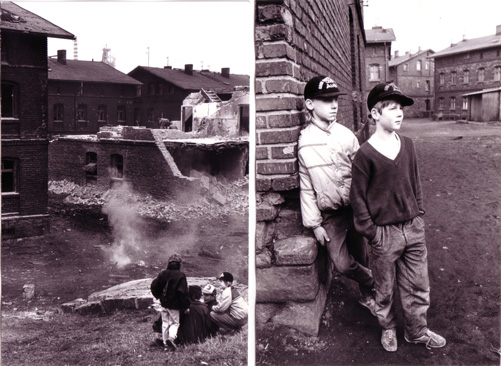
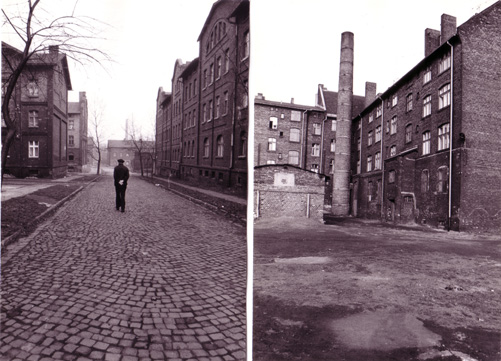
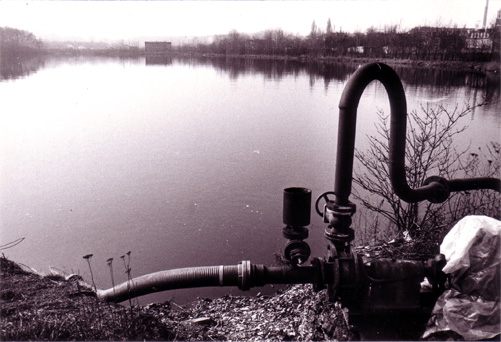
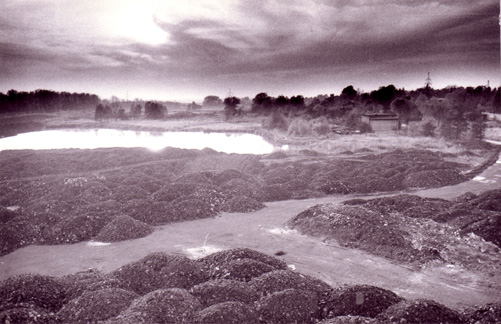
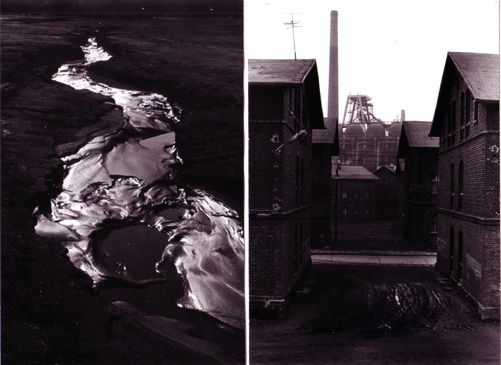
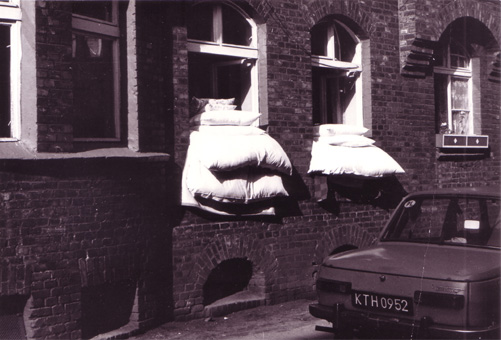
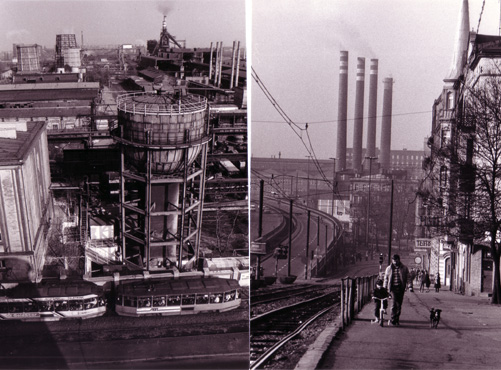
kopertaI got that photos some days ago in Berlin. I did know, who made them, where and when? Now I know everything. Try to find all the answers. If you do it, you can get these pics in their original enevelope as a price.

Dostałam te zdjęcia kilka dni temu w Berlinie. W tej właśnie kopercie. Autor nieznany, miejsce nieznane, nieznany rok wykonania. Spróbujcie zgadnąć. Ja już wiem wszystko. W nagrodę, jeśli wyrazi się takie życzenie, mogą być te właśnie foty w tej właśnie kopercie.

Ich habe diese Fotos vor ein paar Tagen in Berlin bekommen, ohne zu wissen, wer sie machte, wo oder wann? Versuch den Ort und die Zeit zu bestimmen. Es ist möglich, es gab Menschen, die es nach dem ersten Foto schon wussten. Ich selber habe schon alles entdeckt. Als Preis kann man diese Images im Original bekommen.

zagadka4-5
zagadka6-7zagadka8zagadka9zagadka10zagadka11zagadka11zagadka12zagadka14-15-16-17
zagadka18zagadka19zagadka20-21zagadka22A tu odpowiedź (zagadkę rozwiązał na Facebooku Piotr Pawłowski) / Antwort von Piotr Pawłowski via Facebook / Answer: Katowice – czasy mniej więcej współczesne/ +/- heutzutage / apr. recent times.

odpow2 odpow1odpow3Autor: Waldemar Kompała
Dziękuję / Danke / Thanks

Homer, Odyseja

Co to za historia? Pewna panna jedzie z praniem nad morze i spotyka tam nagiego mężczyznę…

Oczywiście! Odyseja!
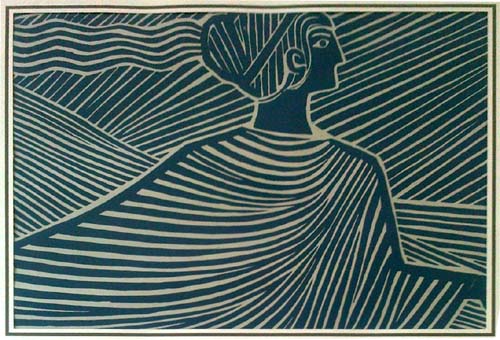
nauzykaa-mama

Irena Kuran-Bogucka, Nauzykaa, linoryt z cyklu Odyseja

Odyseja znana jest w Polsce w kilku tłumaczeniach. Pierwszym przekładem była Odyssea Homerowska ku czci Ulissa Laertowicza z Itaki z 1815 roku – Jacka Idziego Przybylskiego. Najpopularniejszy jest chyba do dziś przekład Lucjana Siemieńskiego z roku 1873, ale był jeszcze kilkakrotnie poprawiany przekład Józefa Wittlina z roku 1924 i w końcu tłumaczenie na prozę poetycką Jana Parandowskiego z roku 1953. Czy któraś wersja jest lepsza? Ja wyrastałam z tłumaczeniem Parandowskiego, wydaje mi się więc, że nie ma nic lepszego. A najpiękniejszą historią opowiedzianą w Odysei jest

Pieśń VI. Nauzykaa

Nauzykaa chwyciła bicz i cugle błyszczące, smagnęła muły. Ruszyły z hałasem i bez wytchnienia ciągnęły wóz z bielizną i dziewczyną, a za nim szły służące. Tak przybyły do rzeki o pięknym wód biegu. Były tam zbiorniki zawsze pełne.

Jasna woda płynęła ze skał, było czym zmyć największe brudy. Wyprzęgnięto muły i puszczono nad zakręty rzeki, by się pasły słodką jak miód trawą. Z wozu zdjęto szaty i -zniesiono do wody bijącej z ciemnych źródeł. Dziewczęta weszły do zbiorników i bieliznę ubijały nogami na wyścigi. Skoro z niej wypłukały i zmyły wszystek brud, rozłożyły ją rzędem na wybrzeżu, gdzie morze nieraz występuje na ląd i obmywa kamyki. Zaczem same się wykąpały i szczodrze natarły oliwą, i zasiadły do śniadania na wysokim brzegu rzeki, a tymczasem szatki schły w blasku słońca. Nacieszywszy się jedzeniem, zrzuciły zasłony i bawiły się piłką: białoramienna Nauzykaa prowadziła grę. Jak Artemida łucznica biega po górach, czy to w Tajgecie rozległym, czy w Erymancie, igrając wśród dzików i rączych jeleni, a przy niej skaczą nimfy polne, córki Dzeusa Egidodzierżcy, raduje się sercem Leto na widok córki o głowę przewyższającej towarzyszki – łatwo ją poznać, choć wszystkie są piękne – tak wśród dworek wyróżniała się ta nie znająca więzów panna. A kiedy już pora była jechać z powrotem do domu, zaprzęgać muły i składać bieliznę, wtedy jasnooka Atena pomyślała, by Odys się zbudził i zobaczył piękną dziewczynę, która go zaprowadzi do miasta Feaków.

Właśnie królewna rzuciła piłkę do jednej z dworek, chybiła i piłka wpadła do rzeki – dziewczęta głośno krzyknęły. Zbudził się boski Odys, usiadł. Poruszyły się myśli i serce: – Biada! Do jakiego znów ludu przybyłem? Czy żyje tu plemię zuchwałe, dzikie i niesprawiedliwe, czy gościnne i bogobojne? Jakby mnie doleciał niewieści krzyk dziewcząt, może nimf mieszkających na szczytach gór i w źródłach rzek, i w trawach łąk wilgotnych? Czy są tu gdzieś ludzie mówiący zrozumiałym językiem? Sam się przekonam i zobaczę. To mówiąc wynurzył się z zarośli boski Odys. Silną dłonią urwał gałąź liściastą, by zakryć męski srom swojego ciała. Jak lew, syn gór, ufny w swą moc, idzie w deszcz i wiatr, a ślepia mu płoną, idzie na woły i owce, i leśne jelenie, gotów za głosem brzucha zapuścić się aż do obronnej zagrody, tak Odys, wiedziony koniecznością, zbliżył się do dziewcząt o pięknych warkoczach, mimo że był nagi. Straszny im się wydał, zżarty słonym morzem. W popłochu rozpierzchły się aż po krańce wybrzeża. Tylko córka Alkinoosa została, gdyż Atena wlała w jej serce odwagę i kolanom odjęła lęk. Stała naprzeciw idącego, a on wahał się, czy ma podjąć pięknolicą dziewczynę za kolana, czy tylko z daleka miłym słowem prosić, by go przyodziała i wskazała drogę do miasta. Po namyśle wydało mu się lepsze z daleka prosić gładkimi słowami – bał się rozgniewać dziewczynę, gdyby ją podjął za kolana. I powiedział taką oto gładką i roztropną rzecz: – Do kolan tobie się chylę, pani, czy boginią jesteś, czy śmiertelną. Jeśliś jest z bogów, co władają niebem szerokim, najbliżej wydajesz mi się podobna Artemidzie, córce wielkiego Dzeusa, z urody, wzrostu, postawy. Jeśli zaś jesteś z ludzi mieszkających na ziemi, trzykroć szczęśliwi twój ojciec i czcigodna matka, trzykroć szczęśliwi bracia. Zawsze im serca radością rozgrzewasz, gdy widzą, jak ich latorośl idzie w tan. Lecz z całej duszy najszczęśliwszy ten, kto cię wprowadzi do swojego domu, gdy jego wiano przeważy. Nigdy moje oczy nie widziały takiej urody wśród śmiertelnych ani u męża, ani u niewiasty – zbożny lęk przejmuje, gdy patrzę. Widziałem kiedyś na Delos przy ołtarzu Apollona, młodą palmę wysokopienną – bo i tam zawędrowałem, a szły za mną wielkie tłumy i było to w drodze, na której miały mnie spotkać srogie niedole. Podobnie jak na owo drzewo patrzyłem długo w zdumieniu, albowiem nigdy jeszcze takie z ziemi nie wyrosło, tak ciebie, niewiasto, podziwiam całą duszą i lękam się podjąć za kolana. Ciężkie zmartwienie mnie trapi. Wczoraj, po dwudziestu dniach, wyrwałem się morzu ciemnemu jak wino, a przez cały ten czas niosła mnie fala, i nawałnica od wyspy Ogigii. Teraz rzuciło mnie tutaj bóstwo, może znów na jakąś niedolę, bo nie sądzę, żeby to już był koniec: z pewnością jeszcze niejedno bogowie mają w zanadrzu. Lecz ulituj się, pani! Do ciebie pierwszej przychodzę po tylu mozołach, nie znam nikogo z ludzi, co zamieszkują to miasto i ten kraj. Pokaż mi gród, daj łachman jaki, bym się przyodział – może idąc tutaj wzięłaś zbędne zawijadło. Niechaj bogowie dadzą ci wszystko, czego w sercu zapragniesz: męża i dom, i zgodność uczuć doskonałą. Albowiem nie masz nic lepszego ani bardziej cennego nad dom, w którym mąż i żona są we wszystkim jednej myśli – wielka zgryzota dla zazdrośników, dla życzliwych radość, a dla nich samych szczęście największe.

Odpowiedziała mu białoramienna Nauzykaa: Gościu, nie wyglądasz na złego ani głupiego człowieka, wiesz zatem, że szczęście sam Dzeus Olimpijski ludziom rozdziela, zarówno dobrym, jak złym, każdemu wedle swej woli. To, co dał tobie, trzeba znosić- mimo wszystko. A teraz przybywasz do naszego miasta i kraju. Nie zabraknie tobie u nas odzienia ani innych rzeczy, jakie godzi się dać temu, co wiele doświadczył i zastąpił nam drogę swą prośbą. Gród pokażę i powiem nazwę ludu. Feakowie posiadają to miasto i tę ziemię, ja zaś jestem córką wielkodusznego Alkinoosa, w którego ręku siła i moc Feaków.

I to samo u Siemieńskiego:

Ot! już wzięła wodze,
Biczem klasła w powietrzu. Z turkotem po drodze
Pokłusowały muły, ciągnąc ciężar z panią,
Wżdy nie samą: i dziewki siedziały tuż za nią.
Owoż gdy przyjechały nad brzeg ślicznej rzéki,
Gdzie w cembrzyny kamienne sączą się poniki
Wód nieprzebranych, miejsca dla praczek wygodne,
Prędko muły wyprzęgą i puszczą swobodne
Na paszę w słodką trawę, co z taką rozkoszą
Wyściela brzegi rzeki. Potem z woza znoszą
Bieliznę i po sztuce w ocembrzone wody
Kładą, depcąc nogami piorą na wyprzody.
Wypłukawszy do plamki wszystko jak należy,
Rozpościerają rzędem wzdłuż ciepłych wybrzeży
Nad morzem, kędy fale gładki żwirek ścielą.
Skończywszy, wraz się chłodzą zdroistą kąpielą,
Oliwą maszczą członki, potem na trawniku
Siądą do smacznej strawy, a szatki w wietrzyku
Niech schną tymczasem. Gdy tak spożyły łakotki,
Staną do piłki, z głowy odrzucą namiotki.
Pustującym piosenkę zaśpiewa królewna,
Rzekłbyś, że z Artemidą-łowczynią pokrewna,
Co przez bór Erymantu lub Tajget ugania
Rada, gdy z rąk jej padnie odyniec lub łania;
A nimfy, pól mieszkanki, pod pani swej bokiem
Pustują wkoło; Leto cieszy się widokiem,
Że nad wszystkie celuje wzrostem i obliczém,
I snadno poznać, czym jest w orszaku dziewiczym:
Owo tak rej wśród swoich królewna prowadzi.
Lecz kiedy o powrocie do dom już coś radzi,
Zaprzęga muły, suche już składa odzieże,
Wtedy Pallas-Atene ma sposób się bierze,
By Odysej się zbudził, zobaczył dziewicę
I przez nią był wprowadzon w Feaków stolicę.
Więc ku dziewkom rzucona piłka z rąk Nausyki
Leci, cel swój omija i pada w głąb rzéki,
A one w śmiech i wrzaski. Odys ze snu rwie się,
Usiadł, strwożone serce te myśli mu niesie:
»Biada mi! Do jakichże dostałem się krajów?
Między dzicz nieochajną i kupę hultajów,
Czy też między gościnny lud do cnót nałożon?
A toż co za niewieści wrzask? Niby dziwożon,
Co rade zamieszkują skał wierzchy wyniosłe
I źródła rzek, i łęgi trawami zarosłe.
Blisko gdzieś tu żyć muszą mówiące istoty:
Dalej! Zobaczmyż tedy, skąd one chichoty?«
To powiedziawszy Odys wypełznął na raku
Z gęstwi, silną prawicą z najgrubszego krzaku
Liściastą gałąź udarł, by nią okryć ciało.
I tak sunął jak górski lew, kiedy zuchwało
Dni bowiem tyle rwał mię prąd, a wicher chłostał
Wciąż od wyspy Ogygii, aż z demoniej psoty
Wyrzuconym jest tutaj na nowe kłopoty.
Dużo jeszcze mam cierpieć, dużo z bogów woli!
A choć ty się ulituj! Po długiej niedoli
Ciebie pierwszą spotykam; wszak i duszy żywéj
Nie znam, zamieszkującej ten gród i te niwy.
Wskaż mi drogę do miasta; okryj nagie ciało,
Choćby płachtą z bielizny! i to by się zdało
A bogi cię najmilszą opatrzą nagrodą:
Dadzą-ć męża i domek, przenajświętszą zgodą
Pobłogosławią! Skarb to najcenniejszy w świecie,
Gdy małżonka z małżonką zgodna miłość splecie,
Duch jeden włada domem; wróg na to się krzywi,
Cieszą druhy! A oni nad wszystkich szczęśliwi!«.
Białoramienna panna w te ozwie się słowa:
»Widno, żeś człek niepodły ani miałka głowa.
Darmo! Woli Zeusowej nikt się nie wybiega,
I czy pan, czy chudzina losowi podlega;
Od niego padł i tobie; znoś z pokorą brzemię!
A teraz, kiedyś nogą wstąpił w nasze ziemie,
Okryjem cię, niczego-ć nie będzie brakować,
Co tylko obcy tułacz może potrzebować,
Do miasta wskażę drogę, dam ludu nazwisko:
My, Feaki, tę ziemię zamieszkujem wszystką,
Jam córka Alkinoja, wyższego tu nié ma:
On władzy i potęgi w ręku berło trzyma!»

Und dasselbe auf Deutsch:

Gesang 6.

Und Nausikaa nahm die Geißel und purpurnen Zügel;
Treibend schwang sie die Geißel: und hurtig mit lautem Gepolter
Trabten die Mäuler dahin, und zogen die Wäsch’ und die Jungfrau,
Nicht sie allein, sie wurde von ihren Mägden begleitet.

Als sie nun das Gestade des herrlichen Stromes erreichten,
Wo sich in rinnende Spülen die nimmerversiegende Fülle
Schöner Gewässer ergoss, die schmutzigsten Flecken zu säubern;
Spannten die Jungfraun schnell von des Wagens Deichsel die Mäuler,
Ließen sie an dem Gestade des silberwirbelnden Stromes

Weiden im süßen Klee, und nahmen vom Wagen die Kleidung,
Trugen sie Stück für Stück in der Gruben dunkles Gewässer,
Stampften sie drein mit den Füßen, und eiferten untereinander.
Als sie ihr Zeug nun gewaschen und alle Flecken gereinigt,
Breiteten sie’s in Reihen am warmen Ufer des Meeres,

Wo die Woge den Strand mit glatten Kieseln bespület.
Und nachdem sie gebadet und sich mit Öle gesalbet,
Setzten sie sich zum Mahl am grünen Gestade des Stromes,
Harrend, bis ihre Gewand’ am Strahle der Sonne getrocknet.
Als sich Nausikaa jetzt und die Dirnen mit Speise gesättigt,

Spieleten sie mit dem Ball, und nahmen die Schleier vom Haupte.
Unter den Fröhlichen hob die schöne Fürstin ein Lied an.
Wie die Göttin der Jagd durch Erymanthos’ Gebüsche
Oder Taygetos’ Höhn mit Köcher und Bogen einhergeht,
Und sich ergötzt, die Eber und schnellen Hirsche zu fällen;

Um sie spielen die Nymphen, Bewohnerinnen der Felder,
Töchter des furchtbaren Zeus; und herzlich freuet sich Leto;
Denn vor allen erhebt sie ihr Haupt und herzliches Antlitz,
Und ist leicht zu erkennen im ganzen schönen Gefolge:
Also ragte vor allen die hohe blühende Jungfrau.

Aber da sie nunmehr sich rüstete, wieder zur Heimfahrt
Anzuspannen die Mäuler, und ihre Gewande zu falten;
Da ratschlagete Zeus’ blauäugige Tochter Athene,
Wie Odysseus erwachte, und sähe die liebliche Jungfrau,
Dass sie den Weg ihn führte zur Stadt der phaiakischen Männer.

Und Nausikaa warf den Ball auf eine der Dirnen;
Dieser verfehlte die Dirn’, und fiel in die wirbelnde Tiefe;
Und laut kreischten sie auf. Da erwachte der edle Odysseus,
Sitzend dacht’ er umher im zweifelnden Herzen, und sagte:
Weh mir! zu welchem Volke bin ich nun wieder gekommen?

Sind’s unmenschliche Räuber und sittenlose Barbaren;
Oder Diener der Götter, und Freunde des heiligen Gastrechts?
Eben umtönte mich ein Weibergekreisch, wie der Nymphen,
Welche die steilen Häupter der Felsengebirge bewohnen,
Und die Quellen der Flüsse und grasbewachsenen Täler!

Bin ich hier etwa nahe bei redenden Menschenkindern?
Auf! ich selber will hin, und zusehn, was es bedeute!
Also sprach er, und kroch aus dem Dickicht, der edle Odysseus,
Brach mit der starken Faust sich aus dem dichten Gebüsche
Einen laubigen Zweig, des Mannes Blöße zu decken;

Ging dann einher, wie ein Leu des Gebirgs, voll Kühnheit und Stärke,
Welcher durch Regen und Sturm hinwandelt; die Augen im Haupte
Brennen ihm; furchtbar geht er zu Rindern oder zu Schafen,
Oder zu flüchtigen Hirschen des Waldes; ihn spornet der Hunger
Selbst in verschlossene Höf’, ein kleines Vieh zu erhaschen:

Also ging der Held, in den Kreis schönlockiger Jungfraun
Sich zu mischen, so nackend er war; ihn spornte die Not an.
Furchtbar erschien er den Mädchen, vom Schlamm des Meeres besudelt;
Hiehin und dorthin entflohn sie, und bargen sich hinter die Hügel.
Nur Nausikaa blieb. Ihr hatte Pallas Athene

Mut in die Seele gehaucht, und die Furcht den Gliedern entnommen.
Und sie stand, und erwartete ihn. Da zweifelt’ Odysseus:
Ob er flehend umfasste die Kniee der reizenden Jungfrau,
Oder, so wie er war, von ferne mit schmeichelnden Worten
Bäte, dass sie die Stadt ihm zeigt’, und Kleider ihm schenkte.

Dieser Gedanke schien dem Zweifelnden endlich der beste.
So wie er war, von ferne mit schmeichelnden Worten zu flehen;
Dass ihm das Mädchen nicht zürnte, wenn er die Kniee berührte.
Schmeichelnd begann er sogleich die schlau ersonnenen Worte:
Hohe, dir fleh ich; du seist eine Göttin, oder ein Mädchen!

Bist du eine der Göttinnen, welche den Himmel beherrschen;
Siehe so scheinst du mir der Tochter des großen Kronions
Artemis gleich an Gestalt, an Größe und reizender Bildung!
Bist du eine der Sterblichen, welche die Erde bewohnen;
Dreimal selig dein Vater und deine treffliche Mutter,

Dreimal selig die Brüder! Ihr Herz muss ja immer von hoher
Überschwenglicher Wonne bei deiner Schöne sich heben,
Wenn sie sehn, wie ein solches Gewächs zum Reigen einhergeht!
Aber keiner ermisst die Wonne des seligen Jünglings,
Der, nach großen Geschenken, als Braut nach Hause dich führet!

Denn ich sahe noch nie solch einen sterblichen Menschen,
Weder Mann noch Weib! Mit Staunen erfüllt mich der Anblick!
Ehmals sah ich in Delos, am Altar Phoibos Apollons,
Einen Sprössling der Palme von so erhabenem Wuchse.
Denn auch dorthin kam ich, von vielem Volke begleitet,

Jenes Weges, der mir so vielen Jammer gebracht hat!
Und ich stand auch also vor ihm, und betrachtet’ ihn lange
Staunend; denn solch ein Stamm war nie dem Boden entwachsen.
Also bewundre ich dich, und staun’, und zittre vor Ehrfurcht,
Deine Kniee zu rühren! Doch groß ist mein Elend, o Jungfrau!

Gestern am zwanzigsten Tag entfloh ich dem dunkeln Gewässer;
Denn so lange trieb mich die Flut und die wirbelnden Stürme
Von der ogygischen Insel. Nun warf ein Daimon mich hierher,
Dass ich auch hier noch dulde! Denn noch erwart’ ich des Leidens
Ende nicht; mir ward viel mehr von den Göttern beschieden!

Aber erbarme dich, Hohe! Denn nach unendlicher Trübsal
Fand ich am ersten dich, und kenne der übrigen Menschen
Keinen, welche die Stadt und diese Gefilde bewohnen.
Zeige mich hin zur Stadt, und gib mir ein Stück zur Bedeckung,
Etwa ein Wickeltuch, worin du die Wäsche gebracht hast!

Mögen die Götter dir schenken, so viel dein Herz nur begehret,
Einen Mann und ein Haus, und euch mit seliger Eintracht
Segnen! Denn nichts ist besser und wünschenswerter auf Erden,
Als wenn Mann und Weib, in herzlicher Liebe vereinigt,
Ruhig ihr Haus verwalten: den Feinden ein kränkender Anblick,

Aber Wonne den Freunden; und mehr noch genießen sie selber!
Ihm antwortete drauf die lilienarmige Jungfrau:
Keinem geringen Manne noch törichten gleichst du, o Fremdling.
Aber der Gott des Olympos erteilet selber den Menschen,
Vornehm oder geringe, nach seinem Gefallen ihr Schicksal.

Dieser beschied dir dein Los, und dir geziemt es zu dulden.
Jetzt, da du unserer Stadt und unsern Gefilden dich nahest,
Soll es weder an Kleidung, noch etwas anderm, dir mangeln,
Was unglücklichen Fremden, die Hilfe suchen, gebühret.
Zeigen will ich die Stadt, und des Volkes Namen dir sagen:

Wir Phaiaken bewohnen die Stadt und diese Gefilde.
Aber ich selber bin des hohen Alkinoos’ Tochter,
Dem des phaiakischen Volkes Gewalt und Stärke vertraut ist.

Übersetzung nach J. H. Voß, bearbeitet von E. Gottwein

Przy okazji radzę każdemu, żeby przeczytał powieść: Ernst Schnabel, Pieśń szósta, PIW 1970 / Bei dieser Gelegenheit werde ich vorschlagen, den Roman von Ernst Schnabel, Der sechste Gesang, Frankfurt am Main 1956, zu lesen.

Po grecku / Auf Griechisch: Homer-Odyseja