
For English, please scroll
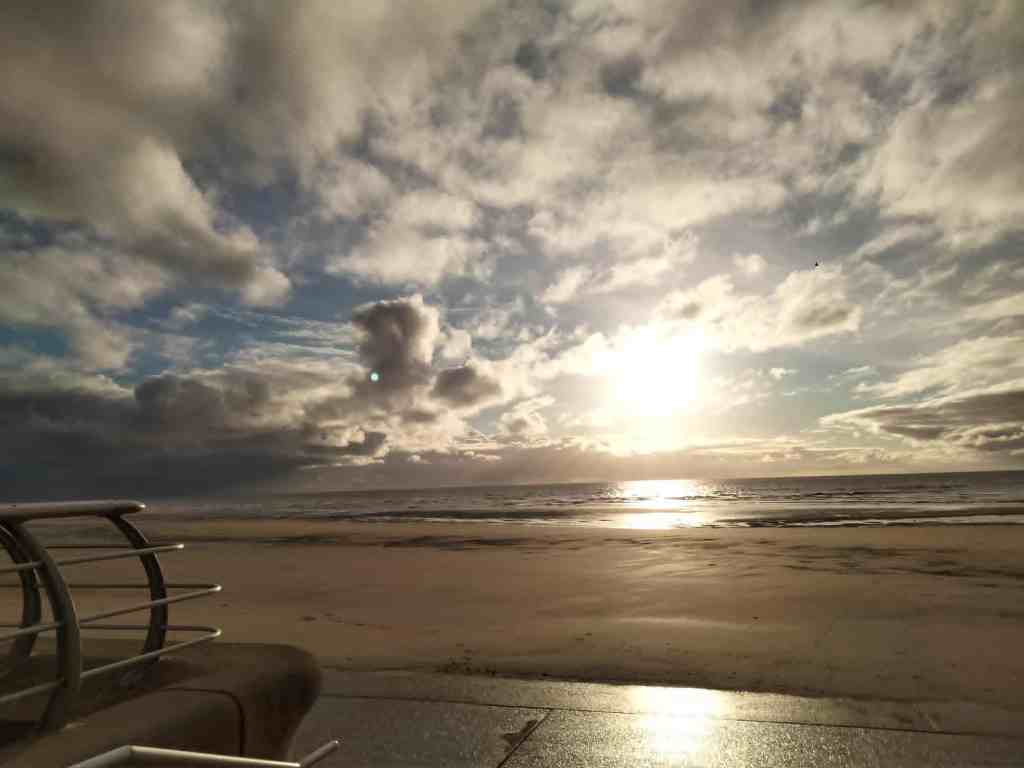
Na przełomie października i listopada spędziłam dwa tygodnie w angielskim kurorcie Blackpool. Kurorcie, bo choć jest tu wietrznie i deszczowo, miasto ma ważne wartości kuracyjne, gdyż leży bezpośrednio nad morzem (Morze Irlandzkie). I to nie tak jak polskie czy niemieckie miasta, gdzie do morza jest tak naprawdę bardzo daleko. W Blackpool morze jest na wyciągnięcie ręki, jak wyskakujesz rano po bułki albo idziesz z psem na spacer. Nigdy przedtem nie słyszałam o Blackpool, a tymczasem to znana miejscowość, wielu moich niemieckich znajomych kiedyś tu było, mama Moniki Wrzosek-Müller mieszkała tu przez kilka miesięcy.
Od XVIII wieku była to zawsze miejscowość kuracyjna dla biedniejszych, tych którzy pracowali w Liverpoolu, Manchesterze, Edynburgu, Glasgow albo Aberdeen. Bogaci jeździli na Rivierę albo do francuskiej Bretanii. WAnglii – do Brighton. A Blackpool to taki Brighton dla ubogich. Biedne miasto. Nawet dziś. Jednak w XIX wieku to właśnie w Blackpool zaczęła się masowa turystyka, gdy pierwszą, nowo otwartą linią kolejową przyjechała tu pierwsza zorganizowana wycieczka.



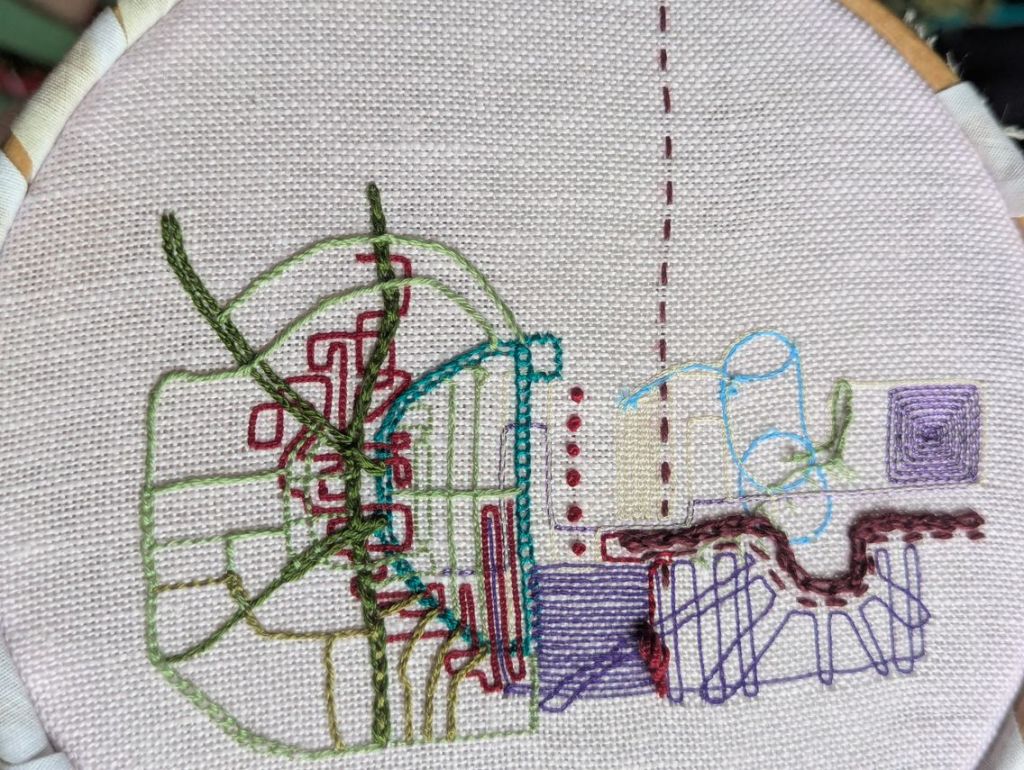
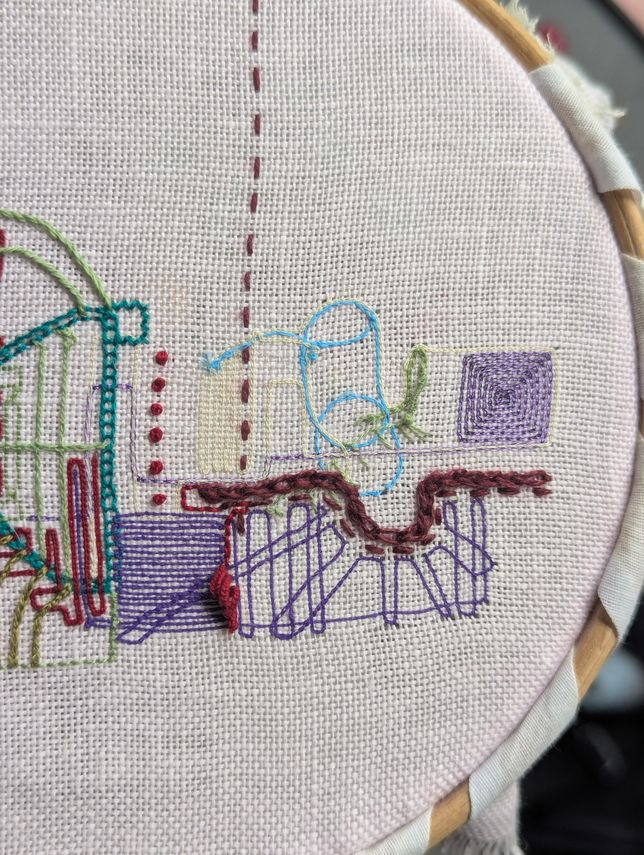
 Ewa Maria and Friends