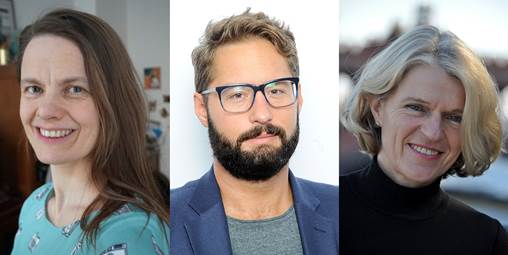
Lato 2019. Codziennie jeden wiersz (09). Rudolf

Teresa Rudolf

My prawie martwi…

A z nami co się dzieje?
Kim jesteśmy wyrzucając
nasze serca i dusze
na śmietniki podłości?

Znęcamy się nad wszystkim
co słabe, zwierzęta płaczą
przyroda dość się napłakała,
i będzie się teraz już mścić…

Niszczymy naszą przeszłość
konfliktami, rozliczeniami,
przyszłość bezwględnością,
chciwością, straszną bulimią,

żrąc życie ze wszystkim,
zwracając, by znów żreć
i zwracać na nowo, bez końca…
A co z tą teraźniejszością?

Właśnie to wszystko
TU i TERAZ się dzieje
myślimy że to życie,
pytając wciąż gdzie ono…

Kochać wciąż nie umiemy,
chcąc jednak być kochanymi,
a dla tej “nieczutej” miłości,
warto jest się mścić i zabijać…

Sięgamy po prawa do wojny,
do miłości, do zazdrości,
do nienawiści, do tego bez
końca brania, brania i brania…

Żyjemy więc jako kto?
Bo ludźmi już dawno
nie jesteśmy, ale kim,
ale kim, akurat właśnie ?

Jako ta grupa człowiecza
martwi jesteśmy już dawno
ale każdy jeszcze może,
po prostu człowiekiem zostać….

Zanim skończy się już,
ten nasz króciutki występ
na tej planecie…


PS od Adminki: A tymczasem w Berlinie dziś i jutro, jak co roku, Fete de la Musique. Wszędzie w Berlinie muzyka – za darmo i pod gołym niebem. https://www.fetedelamusique.de/programm/

Barataria 119. O bzach i poezji

Ewa Maria Slaska

Takie zdjęcie przysłane na messengera. A w nim warstwy znaczeń, aluzji, przypomnień.  Ale nie wszystkie widać od razu. Pierwsza, najprostsza – zasuszone wielopłatkowe kwiatki bzu, a w tekście – powracający motyw bzu

Dla A

When Lilacs Last in the Dooryard Bloom’d
By Walt Whitman

1
When lilacs last in the dooryard bloom’d,
And the great star early droop’d in the western sky in the night,
I mourn’d, and yet shall mourn with ever-returning spring.

Ever-returning spring, trinity sure to me you bring,
Lilac blooming perennial and drooping star in the west,
And thought of him I love.

2
O powerful western fallen star!
O shades of night—O moody, tearful night!
O great star disappear’d—O the black murk that hides the star!
O cruel hands that hold me powerless—O helpless soul of me!
O harsh surrounding cloud that will not free my soul.

3
In the dooryard fronting an old farm-house near the white-wash’d palings,
Stands the lilac-bush tall-growing with heart-shaped leaves of rich green,
With many a pointed blossom rising delicate, with the perfume strong I love,
With every leaf a miracle—and from this bush in the dooryard,
With delicate-color’d blossoms and heart-shaped leaves of rich green,
A sprig with its flower I break.

4
In the swamp in secluded recesses,
A shy and hidden bird is warbling a song.

Solitary the thrush,
The hermit withdrawn to himself, avoiding the settlements,
Sings by himself a song.

Song of the bleeding throat,
Death’s outlet song of life, (for well dear brother I know,
If thou wast not granted to sing thou would’st surely die.)

5
Over the breast of the spring, the land, amid cities,
Amid lanes and through old woods, where lately the violets peep’d from the ground, spotting the gray debris,
Amid the grass in the fields each side of the lanes, passing the endless grass,
Passing the yellow-spear’d wheat, every grain from its shroud in the dark-brown fields uprisen,
Passing the apple-tree blows of white and pink in the orchards,
Carrying a corpse to where it shall rest in the grave,
Night and day journeys a coffin.

6
Coffin that passes through lanes and streets,
Through day and night with the great cloud darkening the land,
With the pomp of the inloop’d flags with the cities draped in black,
With the show of the States themselves as of crape-veil’d women standing,
With processions long and winding and the flambeaus of the night,
With the countless torches lit, with the silent sea of faces and the unbared heads,
With the waiting depot, the arriving coffin, and the sombre faces,
With dirges through the night, with the thousand voices rising strong and solemn,
With all the mournful voices of the dirges pour’d around the coffin,
The dim-lit churches and the shuddering organs—where amid these you journey,
With the tolling tolling bells’ perpetual clang,
Here, coffin that slowly passes,
I give you my sprig of lilac.

7
(Nor for you, for one alone,
Blossoms and branches green to coffins all I bring,
For fresh as the morning, thus would I chant a song for you O sane and sacred death.

All over bouquets of roses,
O death, I cover you over with roses and early lilies,
But mostly and now the lilac that blooms the first,
Copious I break, I break the sprigs from the bushes,
With loaded arms I come, pouring for you,
For you and the coffins all of you O death.)

8
O western orb sailing the heaven,
Now I know what you must have meant as a month since I walk’d,
As I walk’d in silence the transparent shadowy night,
As I saw you had something to tell as you bent to me night after night,
As you droop’d from the sky low down as if to my side, (while the other stars all look’d on,)
As we wander’d together the solemn night, (for something I know not what kept me from sleep,)
As the night advanced, and I saw on the rim of the west how full you were of woe,
As I stood on the rising ground in the breeze in the cool transparent night,
As I watch’d where you pass’d and was lost in the netherward black of the night,
As my soul in its trouble dissatisfied sank, as where you sad orb,
Concluded, dropt in the night, and was gone.

9
Sing on there in the swamp,
O singer bashful and tender, I hear your notes, I hear your call,
I hear, I come presently, I understand you,
But a moment I linger, for the lustrous star has detain’d me,
The star my departing comrade holds and detains me.

10
O how shall I warble myself for the dead one there I loved?
And how shall I deck my song for the large sweet soul that has gone?
And what shall my perfume be for the grave of him I love?

Sea-winds blown from east and west,
Blown from the Eastern sea and blown from the Western sea, till there on the prairies meeting,
These and with these and the breath of my chant,
I’ll perfume the grave of him I love.

11
O what shall I hang on the chamber walls?
And what shall the pictures be that I hang on the walls,
To adorn the burial-house of him I love?

Pictures of growing spring and farms and homes,
With the Fourth-month eve at sundown, and the gray smoke lucid and bright,
With floods of the yellow gold of the gorgeous, indolent, sinking sun, burning, expanding the air,
With the fresh sweet herbage under foot, and the pale green leaves of the trees prolific,
In the distance the flowing glaze, the breast of the river, with a wind-dapple here and there,
With ranging hills on the banks, with many a line against the sky, and shadows,
And the city at hand with dwellings so dense, and stacks of chimneys,
And all the scenes of life and the workshops, and the workmen homeward returning.

12
Lo, body and soul—this land,
My own Manhattan with spires, and the sparkling and hurrying tides, and the ships,
The varied and ample land, the South and the North in the light, Ohio’s shores and flashing Missouri,
And ever the far-spreading prairies cover’d with grass and corn.

Lo, the most excellent sun so calm and haughty,
The violet and purple morn with just-felt breezes,
The gentle soft-born measureless light,
The miracle spreading bathing all, the fulfill’d noon,
The coming eve delicious, the welcome night and the stars,
Over my cities shining all, enveloping man and land.

13
Sing on, sing on you gray-brown bird,
Sing from the swamps, the recesses, pour your chant from the bushes,
Limitless out of the dusk, out of the cedars and pines.

Sing on dearest brother, warble your reedy song,
Loud human song, with voice of uttermost woe.

O liquid and free and tender!
O wild and loose to my soul—O wondrous singer!
You only I hear—yet the star holds me, (but will soon depart,)
Yet the lilac with mastering odor holds me.

14
Now while I sat in the day and look’d forth,
In the close of the day with its light and the fields of spring, and the farmers preparing their crops,
In the large unconscious scenery of my land with its lakes and forests,
In the heavenly aerial beauty, (after the perturb’d winds and the storms,)
Under the arching heavens of the afternoon swift passing, and the voices of children and women,
The many-moving sea-tides, and I saw the ships how they sail’d,
And the summer approaching with richness, and the fields all busy with labor,
And the infinite separate houses, how they all went on, each with its meals and minutia of daily usages,
And the streets how their throbbings throbb’d, and the cities pent—lo, then and there,
Falling upon them all and among them all, enveloping me with the rest,
Appear’d the cloud, appear’d the long black trail,
And I knew death, its thought, and the sacred knowledge of death.

Then with the knowledge of death as walking one side of me,
And the thought of death close-walking the other side of me,
And I in the middle as with companions, and as holding the hands of companions,
I fled forth to the hiding receiving night that talks not,
Down to the shores of the water, the path by the swamp in the dimness,
To the solemn shadowy cedars and ghostly pines so still.

And the singer so shy to the rest receiv’d me,
The gray-brown bird I know receiv’d us comrades three,
And he sang the carol of death, and a verse for him I love.

From deep secluded recesses,
From the fragrant cedars and the ghostly pines so still,
Came the carol of the bird.

And the charm of the carol rapt me,
As I held as if by their hands my comrades in the night,
And the voice of my spirit tallied the song of the bird.

Come lovely and soothing death,
Undulate round the world, serenely arriving, arriving,
In the day, in the night, to all, to each,
Sooner or later delicate death.

Prais’d be the fathomless universe,
For life and joy, and for objects and knowledge curious,
And for love, sweet love—but praise! praise! praise!
For the sure-enwinding arms of cool-enfolding death.

Dark mother always gliding near with soft feet,
Have none chanted for thee a chant of fullest welcome?
Then I chant it for thee, I glorify thee above all,
I bring thee a song that when thou must indeed come, come unfalteringly.

Approach strong deliveress,
When it is so, when thou hast taken them I joyously sing the dead,
Lost in the loving floating ocean of thee,
Laved in the flood of thy bliss O death.

From me to thee glad serenades,
Dances for thee I propose saluting thee, adornments and feastings for thee,
And the sights of the open landscape and the high-spread sky are fitting,
And life and the fields, and the huge and thoughtful night.

The night in silence under many a star,
The ocean shore and the husky whispering wave whose voice I know,
And the soul turning to thee O vast and well-veil’d death,
And the body gratefully nestling close to thee.

Over the tree-tops I float thee a song,
Over the rising and sinking waves, over the myriad fields and the prairies wide,
Over the dense-pack’d cities all and the teeming wharves and ways,
I float this carol with joy, with joy to thee O death.

15
To the tally of my soul,
Loud and strong kept up the gray-brown bird,
With pure deliberate notes spreading filling the night.

Loud in the pines and cedars dim,
Clear in the freshness moist and the swamp-perfume,
And I with my comrades there in the night.

While my sight that was bound in my eyes unclosed,
As to long panoramas of visions.

And I saw askant the armies,
I saw as in noiseless dreams hundreds of battle-flags,
Borne through the smoke of the battles and pierc’d with missiles I saw them,
And carried hither and yon through the smoke, and torn and bloody,
And at last but a few shreds left on the staffs, (and all in silence,)
And the staffs all splinter’d and broken.

I saw battle-corpses, myriads of them,
And the white skeletons of young men, I saw them,
I saw the debris and debris of all the slain soldiers of the war,
But I saw they were not as was thought,
They themselves were fully at rest, they suffer’d not,
The living remain’d and suffer’d, the mother suffer’d,
And the wife and the child and the musing comrade suffer’d,
And the armies that remain’d suffer’d.

16
Passing the visions, passing the night,
Passing, unloosing the hold of my comrades’ hands,
Passing the song of the hermit bird and the tallying song of my soul,
Victorious song, death’s outlet song, yet varying ever-altering song,
As low and wailing, yet clear the notes, rising and falling, flooding the night,
Sadly sinking and fainting, as warning and warning, and yet again bursting with joy,
Covering the earth and filling the spread of the heaven,
As that powerful psalm in the night I heard from recesses,
Passing, I leave thee lilac with heart-shaped leaves,
I leave thee there in the door-yard, blooming, returning with spring.

I cease from my song for thee,
From my gaze on thee in the west, fronting the west, communing with thee,
O comrade lustrous with silver face in the night.

Yet each to keep and all, retrievements out of the night,
The song, the wondrous chant of the gray-brown bird,
And the tallying chant, the echo arous’d in my soul,
With the lustrous and drooping star with the countenance full of woe,
With the holders holding my hand nearing the call of the bird,
Comrades mine and I in the midst, and their memory ever to keep, for the dead I loved so well,
For the sweetest, wisest soul of all my days and lands—and this for his dear sake,
Lilac and star and bird twined with the chant of my soul,
There in the fragrant pines and the cedars dusk and dim.


Autora wiersza rozpoznaję jednak wcale nie po bzie, lecz po… słowie “kapitan”, które pojawi się w tytule następnego wiersza na tej samej stronie.

O Captain! My Captain

O Captain! my Captain! our fearful trip is done;
The ship has weather’d every rack, the prize we sought is won;
The port is near, the bells I hear, the people all exulting,
While follow eyes the steady keel, the vessel grim and daring:
But O heart! heart! heart!
O the bleeding drops of red,
Where on the deck my Captain lies,
Fallen cold and dead.

O Captain! my Captain! rise up and hear the bells;
Rise up—for you the flag is flung—for you the bugle trills;
For you bouquets and ribbon’d wreaths—for you the shores a-crowding;
For you they call, the swaying mass, their eager faces turning;
Here Captain! dear father!
This arm beneath your head;
It is some dream that on the deck,
You’ve fallen cold and dead.

My Captain does not answer, his lips are pale and still;
My father does not feel my arm, he has no pulse nor will;
The ship is anchor’d safe and sound, its voyage closed and done;
From fearful trip, the victor ship, comes in with object won;
Exult, O shores, and ring, O bells!
But I, with mournful tread,
Walk the deck my Captain lies,
Fallen cold and dead.

Oba wiersze są lamentem na cześć Abrahama Lincolna, zamordowanego 14 kwietnia 1865 roku, w porze kiedy kwitną bzy. Piszę do A, że podoba mi się słowo “kapitan”, ale nie piszę, że jest dla mnie ważne. Nawet nie wiem, czy on wie, dlaczego jest ważne – że to mój Ojciec, i że tak jak o Mamie wszyscy mówili Artist lub Artysta, tak o Ojcu – Kapitan lub Captain. O Captain! My Captain! A właśnie o nim pisałam…

W odpowiedzi dowiaduję się, że owszem, jestem uważną czytelniczką, a jakbym zauważyła coś jeszcze, to żebym dała znać. Nie zawracam sobie tym głowy. Takie sobie komplementy. Wszyscy, my, którzy zajmujemy się książkami, jesteśmy uważnymi ich czytelnikami. Zresztą, o czym tu pisać? Oczywiście zauważyłam zasuszone kwiatki bzu, oczywiście je pamiętam, bo miesiąc temu A pokazał mi je świeżo zerwane, być może w jednym z ogrodów na mojej wiecznie kwitnącej ulicy. Mamy tu kwiaty, które kwitną jeszcze w grudniu i takie, które już w grudniu zakwitają.

Dopiero po kilku godzinach pojawią się następne skojarzenia. Walt Whitman! Wiersze po angielsku! Oczywiście!

15 kwietnia. Wczoraj A, który zebrał i zasuszył fioletowe kwiatki i włożył je do zielonej książki, tam, gdzie Whitman pisze o bzie, miał urodziny. Nie było mnie jednak.
15 kwietnia zostanę więc zaproszona na ciasto urodzinowe, upieczone przez solenizanta. Prezent dałam mu już przed wyjazdem – wiersze Lorki w tłumaczeniu Mamy, zakupione przez moją siostrę i sprowadzone w skomplikowany sposób z Gdańska do Berlina. Ale jednak jak się idzie na urodziny, to nie można iść z pustymi rękoma. Rozglądam się po mieszkaniu
i widzę zieloną książkę. Nie powinno jej tu być, ale jest. Nie została odłożona na półkę przez kolegę, który wczoraj dokonał dorocznego i dogłębnego odkurzania książek. Whitman nie wrócił tam, skąd się pojawił – na półkę, gdzie stoją książki po angielsku ze zbiorów Mamy. I już nie wróci, bo zabieram go zamiast prezentu. Lorca Mamy, Whitman Mamy, kwiatki bzu. Nawet śmierć obecna w obu wierszach Whitmana towarzyszyła nam, żywym, tego dnia, bo po herbacie i cieście z lodami poszliśmy na cmentarz, na grób zmarłego przed miesiącem kolegi dziennikarza.
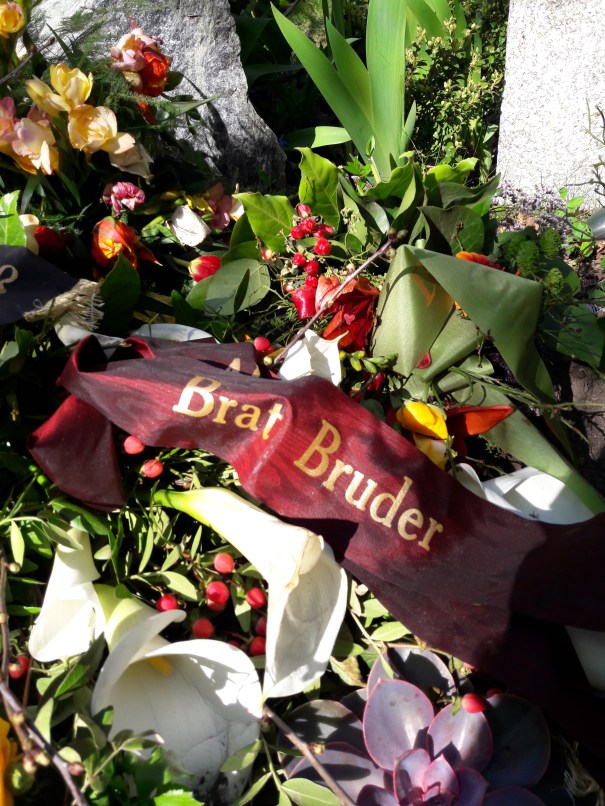

A gdy już to wszystko napiszę, to nagle dojrzę misterną, baratarystyczną sieć pułapek, jaką na mnie zarzucił A. Bo tego dnia rano (jest 21 maja), przy dzbanku herbaty na balkonie, rozmawiamy o Don Kichocie. Już jakiś czas temu A zapytał mnie, dlaczego właściwie tak mnie interesuje Don Kichot? Odpowiedziałam wtedy, że nie wiem, że tak się zdarzyło i że jest to zapewne zasłużona kara za to, iż przez wiele lat nie lubiłam tej książki i nie chciało mi się jej czytać. Teraz wracam do tego pytania i mówię, że lubię rozmyślać o wędrówkach motywów w kulturze – w końcu jestem archeolożką i etnolożką, a to zawody, które tym się zajmują. A poza tym lubię, jak rzeczywistość przeplata się z kulturą – lubię usłyszeć w autobusie, od przypadkowo siedzącego obok mnie pasażera, odpowiedź na pytanie, które zadał sobie i mnie bohater czytanej wczoraj powieści.

Tym razem, rzecz się jeszcze komplikuje, bo tę powieść, po raz kolejny oczywiście, czytał A. I wieczorem przysłał mi nie tylko wiersz Whitmana, ale i tę karteczkę. Właśnie skończył lekturę.
– Po cóż iść za tropem tego, co się już skończyło?
– Bo tak, odpowiedział mi dziś żebrak w metrze.

Berlin, 22 maja 2019

PS 1. znaleziony tego dnia na FB u Danusi:

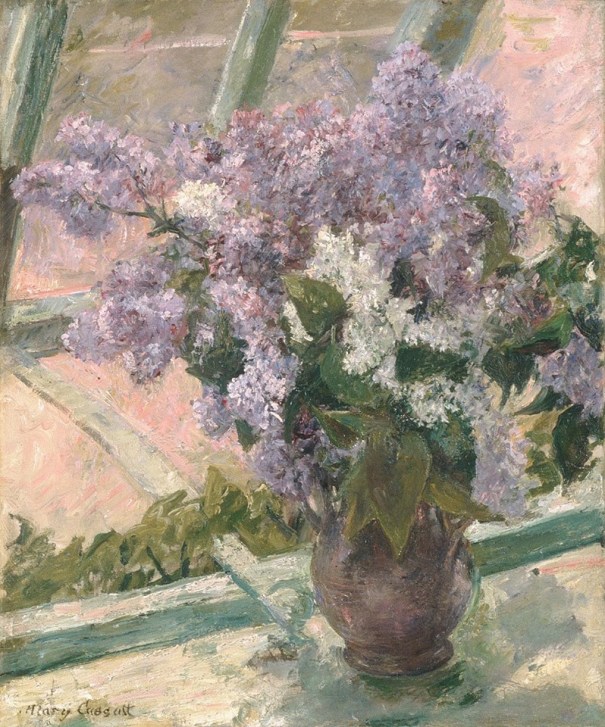
Ponieważ “To był maj / pachniała Saska Kępa / szalonym, zielonym bzem”… ponieważ 175 lat temu, 22 maja, urodziła się Mary Cassatt, amerykańska malarka i graficzka tworząca we Francji, impresjonistka, autorka wielu obrazów inspirowanych prozą Henry’ego Jamesa… “Lilacs in a Window” (Bez w oknie), 1879 r., Metropolitan Museum of Art (The Met), Nowy Jork:
PS 2. Pisałam ten wpis przez kilka tygodni. W międzyczasie, 31 maja, minęła dwusetna rocznica urodzin poety. Z tej okazji różne instytucje przypominają jego wiersze. Np berliński festiwal poezji, który 19 czerwca zaprasza do Kulturbrauerei na rozmowy o whitmanowskich źdźbłach trawy. Wszystko się łączy ze wszystkim.

Und es ist gut so!

Zjednoczone stany miłości

Jutro Morgen Jutro

Polnisches Institut BerlinPolnisches Institut Berlin

Film im Thalia Kino Potsdam-Babelsberg
03. 06. | 18. 00

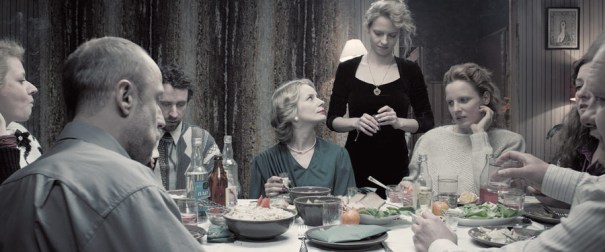
ZJEDNOCZONE STANY MIŁOŚCI / UNITED STATES OF LOVE

Drama, R: Tomasz Wasilewski, PL 2016, 104 min, OdmU

mit Julia Kijowska, Magdalena Cielecka, Dorota Kolak u. a.

In diesem Drama stehen vier Frauen im Mittelpunkt, die jeweils auf ihre Weise im Frühjahr des Jahres 1990 versuchen, ihre Sehnsucht nach Liebe zu stillen. Agata erstickt in einer Ehe, die nur noch auf dem Papier existiert. Das Möchtegern-Model Marzena muss auf ihren Mann verzichten, der im Westen arbeitet. Ihre Nachbarin Renata – eine Lehrerin im fortgeschrittenen Alter – hat wiederum ein Auge auf sie geworfen. Deren Chefin Iza wiederum sucht ihr Liebesglück in einer Affäre. Das sind Ausgangspunkte für große Romanzen, aber das Glück gönnt Wasilewski seinen Heldinnen nicht. Es regiert klimatische und soziale Kälte, fotografiert ohne schnelle Schnitte, Musik, Schwenks, Fahrten oder Zooms. Doch die äußerliche Reizarmut kontrastiert lediglich die unterschwellig brodelnden emotionalen Vulkane.

Vor ein paar Jahren hatte Tomasz Wasilewski mit der Coming-Out-Story „Tiefe Wasser“ schon einen Film in die deutschen Kinos gebracht. Für den Nachfolger „United States of Love“ gewann er 2016 einen Silbernen Berlinale-Bären für das beste Drehbuch.

Tomasz Wasilewski ist Regisseur, Drehbuchautor und Produzent sowohl von Spiel- als auch Dokumentarfilmen. Er absolvierte die Filmhochschule in Łódź und die Film- und Fernsehakademie in Warschau. Seine Karriere begann mit dem preisgekrönten Spielfilm „W sypialni / In a Bedroom“. Wasilewski wirkte u. a. bei Lars von Triers „Antichrist“ mit und war Regieassistent für Małgorzata Szumowskas „33 Szenen aus dem Leben“.

Veranstalter: Polnisches Institut Berlin in Kooperation mit dem Polnischen Filmclub der Uni Potsdam und dem Programmkino Thalia

Veranstaltung auf Facebook

Ort: Thalia Filmtheater, Rudolf-Breitscheid-Str. 50, 14482 Potsdam-Babelsberg
http://www.thalia-potsdam.deTytuł zdjęcia

Aus der Pressemappe:

1990 in der polnischen Provinz. Nach Jahrzehnten des Sozialismus weht ein neuer politischer Wind durch das Land. Freie Wahlen, Neoliberalismus und westliche Gepflogenheiten halten Einzug ins still gestandene Polen. Mittendrin vier Frauen, deren Sehnsüchte und Gefühle vom Umbruch übergangen und verraten werden.

Gast: Ewa Maria Slaska (Schriftstellerin und Journalistin in Berlin)


©Foto: film I Väst, TVP, PIST, Manana

ZUR ERINNERUNG – DER FILM IST NUR FÜR VOLLJÄHRIGE GÄSTE GEEIGNET! (FSK 18)

Awangarda jidisz. Łódź i Wrocław / wystawa, konferencja, projekt badawczy

Ekspresje wolności

Latem 2019 roku odnotować trzeba kilka ważnych wydarzeń kulturalno-naukowych nt. historii awangardy jidisz w Polsce.

Od 1 do 7 czerwca 2019 roku w Synagodze pod Białym Bocianem we Wrocławiu odbywa się
21. Festiwal Kultury Żydowskiej SIMCHA
połączony z koncertami i prezentacjami książek
Więcej… i więcej…

W ramach festiwalu 6.06.2019 będzie miało miejsce spotkanie uczestników
projektu badawczego, wspieranego przez Narodowy Fundusz Rozwoju Humanistyki, „Łódzka awangarda jidisz”
pod kierunkiem prof. Krystyny Radziszewskiej.
Oprócz jidyszystów i literaturoznawców w spotkaniu udział biorą dwie historyczki sztuki – dr Irmina Gadowska i dr Lidia Głuchowska.

Wystawa

W dniach 12-13.06.2019 w Muzeum Miejskim w Łodzi odbędzie się wernisaż wystawy

Ekspresje wolności. Bunt i Jung Idisz. Wystawa, której nie było…
z prezentująca prace działających w okresie międzywojennym w Poznaniu, Łodzi i Berlinie grup “Bunt” i “Jung Idisz”. Na wystawie pokazane zostaną m.in. dzieła artystów “Buntu” pochodzące z donacji profesora St. Karola Kubickiego, o której tu na blogu obszernie pisaliśmy.
Wystawie towarzyszy międzynarodowa konferencja naukowa. Z tej okazji ukażą się tłumaczenia czasopisma Jung Idisz na język polski i angielski oraz
publikacja towarzysząca.
Wystawa potrwa do października.

Podczas wystawy zaprezentowane też zostaną prace współczesnych twórców z Poznania, Łodzi i Izrael, stanowiące hommage dla artystów klasycznej awangardy.

Dr Lidia Głuchowska pisze:

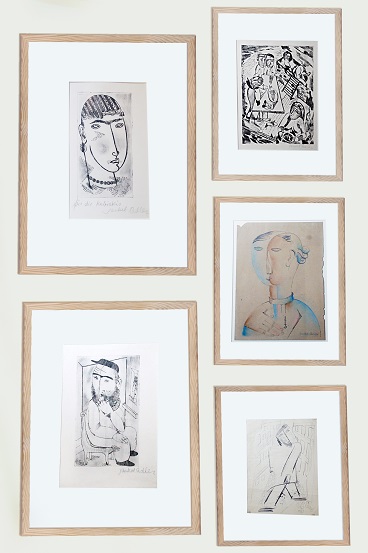
Na wystawie prezentowane będą m.in. prace artystów z poznańskiej grupy Bunt i łódzkiej Jung Idysz (Yung Yiddish), pochodzące z byłej kolekcji Margarete i Stanisława Kubickich.
Oba ugrupowania współpracowały ze sobą nie tylko w Polsce, planując w 1919 r. wystawę,
która nie dosyła do skutku (skąd tytuł obecnej ekspozycji), lecz także na terenie Niemiec – w Berlinie i Nadrenii.
Jankiel Adler, Pola Lindenfeldówna i prawdopodobnie Artur Nacht-Samborski mieszkali
nawet przejściowo w atelier Kubickich w Berlinie. W domu polsko-niemieckich artystów czasy wojny przetrwały m.in. prezentowane prace
Głowa kobiety, autorstwa Lindenfeldówny (ok. 1922)


i grupa prac Adlera

z których jedna dedykowana jest Kubickim, a także wykonany przez niego portret Kubickiej.

Kubiccy, Adler, Lindenfeldówna, Marek Szwarc i Henryk Berlewi spotkali się w 1922 roku na Kongresie Międzynarodowej Unii Artystów Postępowych w Düsseldorfie.
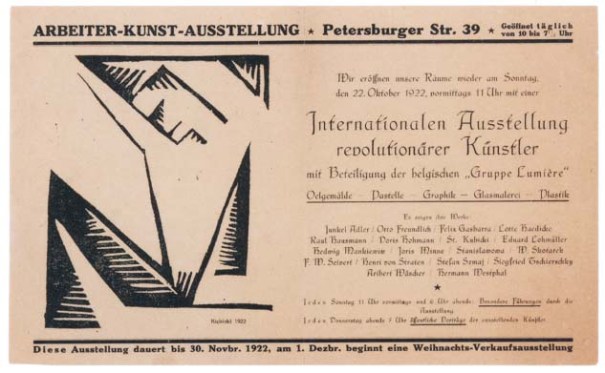
Kolejnym wspólnym przedsięwzięciem artystów z tej grupy była Międzynarodowa Wystawa Artystów Rewolucyjnych w Berlinie. Zaproszenie na tę wystawę zdobił linoryt Kubickiego Samotnik.


Wspólnie ich prace prezentowane były m.in. w sali Awangarda na wystawie My, berlińczycy. Historia polsko-niemieckiego sąsiedztwa (Berlin, 2009, kuratorka: Lidia Głuchowska)

Więcej na ten temat w moim wystąpieniu na konferencji towarzyszącej otwarciu wystawy
oraz w planowanej publikacji.

Prezentowane prace pochodzą z dawnej kolekcji Margarete i Stanisława Kubickich.
Fot. 3 – Anna Kraśko / Fot. 1, 2, 4, 5 – Lidia Głuchowska

Konferencja

Grupa Jung Idysz i żydowska awangarda artystyczna w dwudziestoleciu międzywojennym. Idee – postawy – relacje.
Konferencja organizowana przez Muzeum Miasta Łodzi, Polski Instytut Studiów nad Sztuką Świata, Instytut Historii Sztuki Uniwersytetu Łódzkiego oraz Zakład Niemcoznawstwa w Instytucie Filologii Germańskiej Uniwersytetu Łódzkiego
Łódź, 12-13 czerwca 2019 roku.

Muzeum Miasta Łodzi, ul. Ogrodowa 15

PROGRAM
ŚRODA 12.06
Otwarcie konferencji
10.00-10.15 – Barbara Kurowska, Adam Klimczak – oficjalne otwarcie konferencji
10.15-10.45 – prof. Jerzy Malinowski, dr Małgorzata Geron,
Badania żydowskiej awangardy artystycznej w Polsce. Historia – perspektywy – najnowsze publikacje
10.45-11.15 – dr hab. Eleonora Jedlińska, Uniwersytet Łódzki,
Grupa Jung Idysz i tradycja ekspresjonizmu – malarstwo amerykańskiej sztuki figuratywnej w XX wieku
11.15-11.45 – dr hab. Artur Kamczycki, Uniwersytet im. Adama Mickiewicza w Poznaniu,
Kilka refleksji nad sztuką Jankiela Adlera
11.45-12.20 – dyskusja i przerwa
Panel I
12.20-12.40 – dr Renata Piątkowska, Muzeum Historii Żydów Polskich POLIN /
Polski Instytut Studiów nad Sztuką Świata,
Sztuka narodowa czy sztuka narodu?
Wystawy artystów z kręgu awangardy w Żydowskim Towarzystwie Krzewienia Sztuk Pięknych w Warszawie
12.40-13.00 – dr Tamara Sztyma, Muzeum Historii Żydów Polskich POLIN /
Uniwersytet Warszawski,
„Nowa sztuka żydowska” jako wyraz nowych postaw ideologicznych i przemian tożsamości polskich Żydów w pierwszych dekadach XX wieku
13.00-13.20 – Teresa Śmiechowska, Żydowski Instytut Historyczny,
Jidyszland – fotografia jako środek tworzenia mitu narodu
13.20-13.40 – dr Karol Jóźwiak, Uniwersytet Łódzki,
Problem tożsamości w twórczości Stefana Themersona
13.40-14.00 dyskusja
14.00-15.00 obiad
Panel II
15.00-15.20 – dr Małgorzata Stolarska-Fronia, Centrum Badań Historycznych
Polskiej Akademii Nauk w Berlinie,
Kolektywy młodych gniewnych? Portret grupowy Jung Idysz na tle awangardowych grup z Niemiec
15.20-15.40 – dr Lidia Głuchowska, Uniwersytet Zielonogórski,
Bunt i Jung Idisz. Między Poznaniem, Łodzią a Berlinem. Kontakty, koncepcje i wydarzenia artystyczne
15.40-16.00 – Agnieszka Salamon-Radecka, Muzeum Narodowe w Poznaniu,
Kontakty Giny i Marka Szwarców ze środowiskiem poznańskiego „Buntu” w
okresie dwudziestolecia międzywojennego w świetle zachowanych materiałów
źródłowych
16.00-16.20 dyskusja i przerwa
Panel III
16.20-16.40 – David Mazower, Yiddish Book Center, Fun’m opgrunt /
Out of the Abyss: The Women Artists of Farlag Achrid – A Forgotten Chapter of Yung Yidish
16.40-17.00 – dr Ewa Rybałt, Uniwersytet Marii Curie-Skłodowskiej w Lublinie,
Margit Sielska-Reich w poszukiwaniu środka ciężkości
17.00-17.20 – dr Magdalena Maciudzińska-Kamczycka, Uniwersytet Mikołaja
Kopernika w Toruniu,
Żydowska, kobieca, feministyczna? Artystki Jung Idysz i ich sztuka
17.20-17.30 – Anna Małaczyńska, Muzeum Miasta Łodzi,
Felicja Pacanowska (1907-2002) – przyczynek do biografii
(komunikat)
17.30-17.50 – dyskusja
18.00 – wernisaż wystawy „Ekspresje Wolności. Bunt i Jung Idysz – wystawa,
której nie było…”

CZWARTEK 13.06
10.00-11.00 – Oprowadzanie kuratorskie po wystawie „Ekspresje Wolności. Bunt i
Jung Idysz – wystawa, której nie było…”
Panel IV
11.00-11.20 – dr Monika Polit, Uniwersytet Warszawski,
Ludowy inteligent na obrzeżach Awangardy
11.20-11.40 – Izabella Powalska, Polski Instytut Studiów nad Sztuką Świata,
„Wiersze słowem i grafiką”. Ilustrowane wydawnictwa z kręgu Jung Idysz
11.40-12.00 – Dariusz Dekiert, Uniwersytet Łódzki,
Między Jidyszlandem a Palestyną. Twórczość jidyszowa i hebrajska Icchoka Kacenelsona
12.00-12.20 – dr Krzysztof Cichoń, Uniwersytet Łódzki,
Nieuchronność etnosu. Letryzm i mesjanizm po „la rafle du Vel’ d’Hiv”
12.20-12.50 – dyskusja i przerwa
Panel V
12.50-13.10 – prof. Małgorzata Leyko, Uniwersytet Łódzki,
Mojżesz Broderson i żydowska awangarda teatralna
13.10-13.30 – dr hab. Agata Chałupnik, Uniwersytet Warszawski,
Tango judío i asymilacja przez muzykę
13.30-13.50 – dr Joanna Podolska, Uniwersytet Łódzki,
Niedaleko Jung Idysz. Bracia Bajgelmanowie i ich muzyka
13.50-14.10 – dr Adam Sitarek, Uniwersytet Łódzki,
Żydowscy artyści i Zagłada. Przypadek getta łódzkiego
14.10-14.30 – podsumowanie konferencji

Wycieczka do Tübkego / Zum Tübke

Zdjęcia: Ania, Netz i komórka Adminki
Wstęp: Adminka
Teksty: Sieć
Uczestniczki: Dorotek, Ania, Ewa (Adminka), Ela
Tübke (duchem)
Golf Touran (piękny)
Maj (piękny)
Kwiaty, trawa, drzewa (piękne)
Język: słubfurcki / Beitrag verfasst in der Slubfurter Sprache (Erklärung siehe TU)

Wstęp
Przed wielu wielu laty Dorotek obiecała, że na urodziny zabierze Adminkę (dalej: Ewę) na wycieczkę dokądś (Ewa nie zapamiętała dokąd, ale wiedziała, że gdzieś na południe od Berlina), aby jej pokazać panoramę namalowaną przez Tübkego. Dorotek zakładała, że Ewa wie, dokąd i co tam będzie, bo istnieje pewne (nie do końca uzasadnione, ale też nie całkiem nieuzasadnione) przekonanie, że Ewa wie (wszystko). Kilka razy w ciągu minionych lat Dorotek i Ewa uzgadniały nawet pewne terminy (w środę za tydzień od tego słupka), ale z przyczyn najróżniejszych, znanych ogólnie jako Vis Maior, wycieczka nie dochodziła do skutku, zmieniając się powoli w mityczną opowieść o krainie, w której jest piękna pogoda, piękna sztuka i piękna panorama Tübkego i do której “się” kiedyś dotrze.

Sprawa była mityczna już kilka lat temu, w październiku 2015 roku, gdy Dorotek i Ewa były wspólnie w Lipsku. Dorotek prowadziła tam lekcje niemieckiego, a ponieważ Ewa zna już niemiecki, mogła robić, co chciała. Poszła więc zwiedzić Bibliotekę Narodową, a potem odwiedziła Pomnik Bitwy Narodów, o czym napisała TU. Ponieważ, mimo tak ambitnych planów i ich realizacji, Ewa wciąż miała dużo czasu do końca lekcji, to z przyzwyczajenia poszła na cmentarz, który był tuż obok (Südfriedhof), gdzie przeczytała na tablicy (zawsze czyta), że jedną z osób, które są tam pochowane jest Tübke. Znalazła grób, sfotografowała i po lekcjach oznajmiła, że już wszystko w porządku, temat Tübke został odhaczony i już nie trzeba w ogóle jechać do Bad Frankenhausen.

Aż tu nagle, w maju 2019 roku temat powrócił. Dorotek kupiła nowe auto (piękne) i obiecała Ani, że zabierze ją tym autem na przejażdżkę. Na wyprawę została jeszcze zaproszona Ela, której Dorotek obiecała nie wiadomo co, ale na pewno coś.

I tak to w pewną majową sobotę pojechałyśmy we cztery “do Tübkego”.


Werner Tübke gehört zu den bedeutenden und gleichzeitig umstrittensten Maler des 20.Jahrhunderts und zur sogenannten Leipziger Schule.

Tübke wurde vor allem durch das Bauernkriegspanorama in Bad Frankenhausen populär. Das gigantische Rundgemälde von 14 Metern Höhe und 120 Metern Umfang mit mehr als 3000 Figuren war ein Auftragswerke des DDR-Kulturministeriums. 1976 begonnen, dauerte die Vollendung 11 Jahre.
1997 schuf er einen Flügelaltar für die St. Salvatoris-Kirche in Clausthal-Zellerfeld.
Zwischen 1970 und 1973 gestaltete er das Wandbild „Arbeiterklasse und Intelligenz“, es befand sich im Hauptgebäude der Karl-Marx-Universität Leipzig und lagert derzeit im Depot des Museums der Bildenden Künste Leipzig.
1972 wurde er zum Professor ernannt, von 1973 bis 1976 war er Rektor der Hochschule für Grafik und Buchkunst in Leipzig. Er hinterließ neben tausenden von Zeichnungen mehr als 500 Aquarelle und 353 Gemälde.
Sein Lebenswerk stiftete Tübke testamentarisch dem Germanischen Nationalmuseum, ausgestellt wird es in einer Dauerausstellung in seinem ehemaligen Haus mit Atelier, der Villa Tübke in der Leipziger Springerstraße 5.


Pewnego (pięknego) majowego dnia wyjechałyśmy więc z Berlina, przejechałyśmy 300 kilometrów, dojechałyśmy na parking, wysiadłyśmy z auta (pięknego) i poszłyśmy (piękną) drogą wśród (pięknych) tzw. okoliczności natury…

I tak sobie szłyśmy, aż doszłyśmy.

W muzeum (bilety po 8 euro, ulgowe po 7!). Kolejne zdziwienie, bo nie wszystkim z nas udało się w kawiarni dostać zamówioną kawę (no ale cóż, nie wszyscy uczciwym życiem zasłużyli sobie na kawę z widokiem, a widok był niezwykły; na szczęście oglądało się go również bez kawy i zasług).

W muzeum nie wolno fotografować słynnej panoramy. Also wenn ihr sehen wollt, wie es dort drinne ist, schaut HIER. Oder – fährt HIN.

PS. Potem jeszcze pojechałyśmy do Erfurtu. I też było przyjemnie, a kelnerki przyniosły kawę i/lub herbatę 🙂

Barataria 118 Don Kichot w Berlinie

Ewa Maria Slaska

Tego Don Kichota spotkałam w ratuszu berlińskiej dzielnicy Kreuzberg. Nawet nie sprawdzałam, kto to. Po prostu zrobiłam zdjęcie plakatu, bo te oczy, to spojrzenie, te zapadnięte policzki i siwy włos, siwy zarost, ten smutek… To Don Kichot tragiczny, Gustav Landauer, rówieśnik mojej prababki, szlachetny żydowski bojownik o wolność i sprawiedliwość społeczną, idealista, anarchista, pacyfista, polityk, działacz społeczny. Został brutalnie zamordowany w więzieniu w Stadelheim, dokładnie sto lat temu, 2 maja 1919 roku. Był też autorem, a jego teksty można uznać za teoretyczne uzasadnienie anarchizmu kulturowego. Po niemiecku znajdzie się w sieci sporo na jego temat, po polsku pisze o nim Wikipedia, podając też, że jest pradziadkiem amerykańskiego reżysera, Mike Nicholsa, tego który nakręcił Absolwenta z Dustinem Hoffmanem i zgarnął wszystkie możliwe nagrody przyznawane w branży filmowej.

Tragiczny Don Kichot. Kto by pomyślał, że najpierw był uważany za idiotę, a potem przez stulecia był figurą komiczną. Od mniej więcej stu lat jest tragiczny, postmodernizm zobaczył w nim figurę tragikomiczną, ale w operze (zapraszamy 30 maja na premierę do Deutsche Oper Berlin) w postaci smętnego rycerza objawi się to, co nas, mieszkańców nowego tysiąclecia najbardziej interesuje – nasz własny smutek.

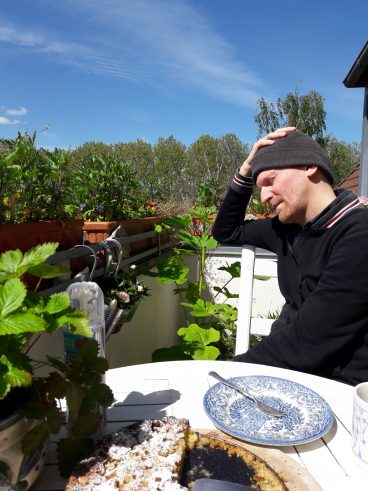
Tu ten, który mi ten operowy fragment przysłał. Czyż on sam nie wygląda jak Don Kichot, gdy tak siedzi u mnie na balkonie i melancholijnie spogląda w dal, na kwitnące drzewa, gazometr, szpital na Westendzie Berlina, a może jeszcze dalej, na góry Harzu, Holandię, Kanał la Manche, Wyspy Brytyjskie (które wciąż jeszcze operowo spieszą, by wyjść, ale wszak są i są) i wreszcie poprzez mgliste wybrzeża Walii na Atlantyk…?

Ma stole placek z rabarbarem i doniczka kwitnących poziomek (dziękuję Eli Kargol, ale i Bergmann się kłania, a jakże), w kącie balkonu donica z rosnącą coraz wyżej malwą (wszystkie polskie mity wiejsko-sielsko-anielskie się kłaniają, a tymczasem na naszym osiedlu jeden z mieszkańców twierdzi, że to on przywiózł do nas malwy, których w Berlinie wcale nie ma, ale nad Morzem Północnym jest ich pełno, i to wszystko, co rośnie w naszych ogrodach i na naszych balkonach, to malwy, których przodkinie pamiętają Heinego…

Owinięte w obłok szary,
Drzemią w ciszy wielkie bogi,
Słyszę oddech ich ponury,
Wiatr po morzu dmie złowrogi.

Jakiż orkan! Jakie gromy!
Statki mkną na wpół strzaskane,
Któż uśmierzy te żywioły,
Fale morza zbuntowane!

Ja niemogę zakląć burzy,
Ni uśmierzyć morza trwogi,
Owinięty ciepłym płaszczem,
Zasnę — jak zasnęły bogi…

Ale też oczywiście, Heine potrafił i tak o tym morzu zimnym i burzliwym.

Nad morzem panienka stała,
tęsknie wzdychając bez końca,
tak ją głęboko wzruszała
kwestia zachodu słońca.

Dziewczyno, rzecz to nie nowa,
czemuż ta sztuczka cię razi?
Wszak ono z przodu się chowa,
a z tyłu znowu wyłazi.)

***

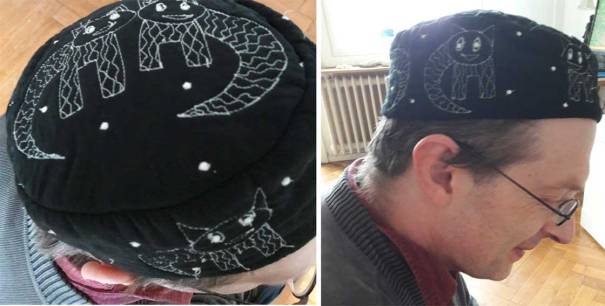
Następny DK też przyszedł do domu. Też miał na głowie czapeczkę zamiast hełmu, a na czapeczce koty. I też był smutny, choć próbował robić dobrą minę do zabawy z kotem domowym.

Teatr Gdańska w Berlinie

I uwaga – nie jest to teatr z Gdańska, a tak mi cały czas sugeruje wujaszek Google. Wręcz przeciwnie, przybywa z niemieckiego “Zachodu”, z Oberhausen, gdzie na rynku (Altmarkt 3) znajduje się restauracja Gdańska, która wykazuje sią niezwykłymi inicjatywami polonijnymi. Pamiętam organizowane w Oberhausen noce poezji, a jestem pewna, że to restauracja patronowała odjechanej imprezie gitarowej – najwięcej na świecie gitarzystów, którzy razem grali Hej Jude (o ile pamiętam, rzecz  się udała i Polacy z Oberhausen weszli do księgi Guinessa).  Nigdy nie byłam Oberhausen, znam natomiast aktywnie udzielającego się tam Polaka – Leonarda Paszka i być może się mylę, ale wydaje mi się, że to on jest tym zaczynem i zarzewiem…

Tak się Restauracja Gdańska reklamuje w internecie.

Na zdjęciu wygląda dobrze. Pogoda jest dobra, przyjemny wieczór, wszystkie stoliki zajęte, właściciel szuka ludzi do pracy. Może oni tam mają lepsze powietrze w Oberhausen niż my tu w Berlinie. Pierogarnia zlikwidowana, Filafood zlikwidowany, Stary Kraków dawno zamknął podwoje…

Przy restauracji działa hotelik, a gdzie my w Berlinie mamy polski hotelik? No ale my mamy blisko do Polski, a z Oberhausen, które leży w zagłębiu Rury, do granicy z Polską jest 600 kilometrów. Może jak jest daleko, to trzeba się bardziej starać.

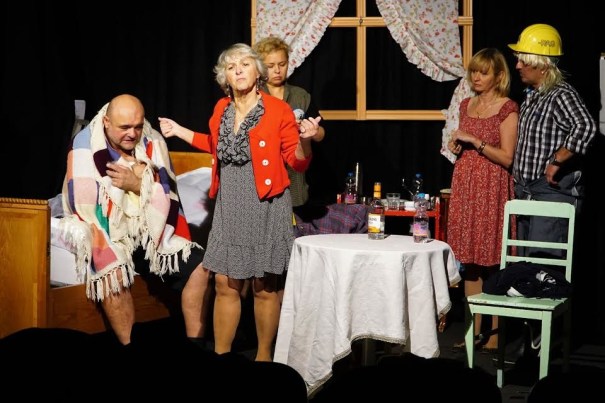
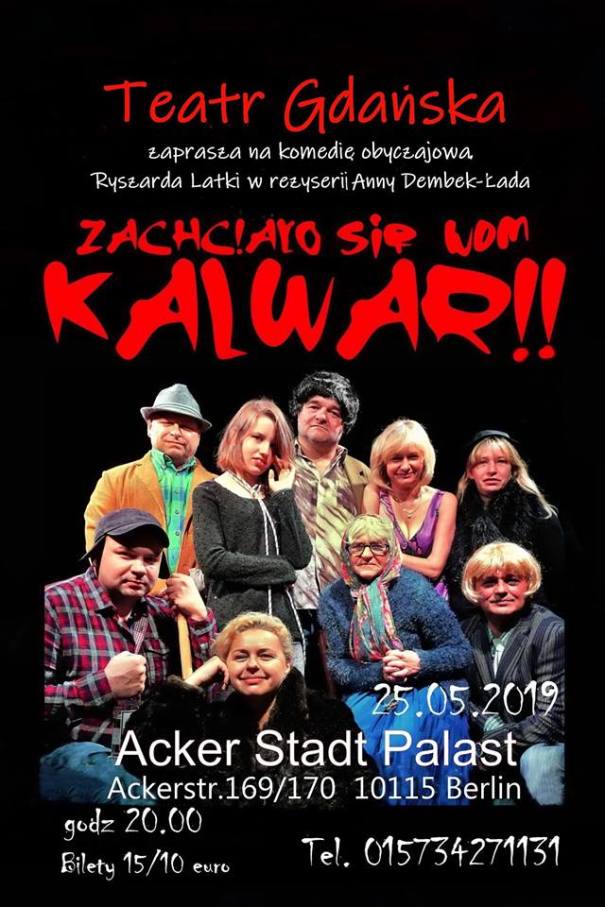
Mają polski teatr (my mamy trzy, to prawda) i z polską komedią obyczajową z lat 90 przyjeżdżają dziś do Berlina. Twierdzą, że jest nadal jak najbardziej na czasie. Piszą o sobie bez fałszywej skromności, że czeka nas “wspaniała zabawa, ubaw po pachy, ale również refleksja nad polską zaściankowością”. Grają po polsku.

A nieoceniony Leonard Paszek również gra. Czego ten człowiek już nie robił? To ten owinięty w kołdrę na łóżku…

Czy ktoś chciał się ze mną ostatnio spotkać i okazało się, że nie mam czasu lub nie możemy znaleźć pasującego terminu – to spotkajmy się w teatrze, mam nadzieję, że będę miała czas 🙂

From my spams

I already published here a weird text I got send to me every day in a river of spams every blog administrator got evere day. It is a never ending procedure which, happily enough, are stopped by akismet, ein defence programm against spam. Once upon a time among all that money slots and girl porn wchich build a main of tha avalanche of spams, there was even a religious story about two small twin brothers of seven which were discovering Jesus in a playing with they parents. It was send to me in parts and it took about three weeks to complete the story.

Now I find etwas, which would be a coming-of-age story with music in America. Maybe it will have the following parts. I’ll let you know. Interesant, the sender of that is download frank casino ep
gera-mebel.ru/bitrix/rk.php?goto=http%3A%2F%2Freg…x
AntonMorice71@gold.intained.com
162.244.150.228

Casino is juts normal sender of spam; gera-mebel.ru suggest something from the East Europe – Russland, Rumenia, but no, Rumenia is RO, Russland is RUS, and RU is… Burundi. But gera-mebel.ru is exactly, what you erwartes, a Hompepage of furniture magazin in Moscow near to Andropov Prospect. Online and in Russian. Anton Morice, about whom I hoped, he coud be our searched author, is only one to find in net: Anton Morice Cerda Henriquez, living in Chile. And not a writer. An intergraltrainer, whatever it means… Online portal Stop Forum Spam writes: gold.intained.com erscheint in unserer Datenbank 470 mal. OK spam, no way.

 The last try: BG, initials beginnig both capitels of that story. On the Wikipedia-List of BGs all over the world I find: Boris Grebenschtschikow (* 1953), Russian Poet and Musician. Let’s hope it’s him and my blog get him so long wanted fame :-). Bat I do not think he needs fame like that. Wikipedia writes: he is widely considered the “founding fathers” of Russian rock music. Due as much to his personal contribution as to the undisputed and lasting success of his main effort, the band Aquarium (active since 1972 until today), he is a household name in Russia and much of the former Soviet Union. Grebenshchikov is colloquially known as BG after his initials.


Maybe it is him. I mean – his text… Anyway it is dealing with facts. All links from me.

BG: Spur of the moment, but this half a freestyle, and half an old verse I never put on a track. It was years ago so I was more than likely high out of my mind. Could certainly tell by lengthy hair and “stop snitching’ shirt Experienced been wearing. I love those guys absolutely no one will ever do that together again!

The school will provide you with an ugg. The money that you spend on that Art Carved Class Ring is the better devoted to a beautiful wooden frame for that diploma. You’ll never be embarrassed any diploma for a wall, and never tuck it away in a desk cabinet. And besides, even after finding the frame, personal cash loan have plenty of money make moves meaningful – like taking a weekend day at Cabo.

During that time period, albums included “The Dirt Band”, and “An American Wish.” The band also performed on “Saturday id test game live 22” and provided backing for Steve Martin on his million selling novelty tune, “King Tut.” They released several more pop albums adverse reactions . time, getting around the country music roots they started that has.

I came into this world in 1973. Saturday Night Live first hit the air in October of that year. One time i was young and sneaking associated with your my bed. I’d sit in the hall way and listen to my father laughing at the show. I could not wait till I was old enough to watch it.

BG: Aren’t getting me wrong, if it weren’t for hard drugs, my parents record collection wouldn’t be half as big as it must be. Though in my case, undertake it! say, “yo, I smoked the best weed and wrote this dope song”, but for me, using a level and clear head helps me be more creative than any drug could ever make my vision.

Mussachio, a complete time guidance counselor, searching for to position himself for their big fight and a win over Thompson could land him one. Mussachio rebounded from a tough loss to world rated Garrett Wilson, a fight which was very close when he was stopped in the 12th round, to defeat Billy Bailey in May of 2012. With a career plagued by inactivity & with father time catching up, Mussachio must looked to impressively dispatch from the the tough Thompson.

Letters to Juliet is an unabashed chick flick. This may be a good selection for a date at home this year. It’s a love story about beautiful folks beautiful settings, plus there’s the added Shakespeare/Romeo & Juliet element. Instrument chick flicks, if really want some easy viewing, if you’d like a snuggle on the couch type movie, rent Letters to Juliet.

Overall, having been impressed and happy to relive my concert memories while listening to Beautiful Mess-Live on Earth, and I felt motivated and inspired by Mraz’s lyrics. The DVD includes extras because “Fall Through Glass,” and videos of Mraz on tour from summer. The DVD forces you to laugh once you watch Mraz and his friends amusing themselves on tour, you will also achieve inside look from Mraz and his video director as they determine what songs perform most optimally with what visuals for music movie clips.


Even if it is most possible, the author is an American, I still remember the Russian conection of tha mail adresse from which this text was sen to me. So let’s belive it is that Russian BG. Today in a London club Under The Bridge you can go to concert of BG. So go, if you are in London. The guy is really good.

Борис Гребенщиков и группа “Аквариум”

“Песни и танцы Гипербореи” (Pieśni i tańce Hiperborejów)

(Старое, новое и политически некорректное)

17, 18 и 19 мая 2019 года в лондонском клубе Under The Bridge пройдут концерты Бориса Гребенщикова и группы «Аквариум». Это первые за последние 5 лет выступления “посла рок-н-ролла в неритмичной стране” вместе с группой в полном составе в городе, где «каждый камень Леннона знает».

Целые поколения выросли под “Аквариум”. Их подпольные записи слушали в СССР на бобинах и кассетах, из текстов песен узнавали о «сансаре и нирване». Каждый их новый альбом становился событием, под их песни люди влюблялись, взрослели…

В этом году легендарная группа отпразднует свой 47-й день рождения, но «Аквариум» решительно отказывается почивать на лаврах: музыканты постоянно ищут новый звук, экспериментируют со стилями и жанрами.

Каждый концерт “Аквариума” – настоящий праздник для его поклонников, который редко заканчивается раньше полуночи. Гребенщиков всегда стремится найти идеальную гармонию между местом, временем и способом исполнения своих песен. Программа предстоящих концертов, как всегда, держится в строжайшем секрете, но будет отличается от той, которую лондонцы слышали на акустическом концерте Гребенщикова в 2017 году. Будут и совсем новые, еще не записанные песни, и классика «Аквариума».

«Аквариум» выступит в полном составе:

Борис Гребенщиков (вокал, гитара), Александр Титов (бас-гитара), Алексей Зубарев (электрическая гитара), Андрей Суротдинов (скрипка), Брайан Финнеган (свисток, флейта), Лиам Брэдли ( ударные), Глеб Гребенщиков (перкуссия), Игорь Тимофеев ( саксофон, банджо), Константин Туманов (клавишные, аккордеон),

По словам Гребенщикова, “Аквариум – это сияющий зверь. Он приносит вам лекарство. То, чего вам не хватало, а вы сами этого не знали.”

Двери открываются в 19-00, концерт начинается в 20-00.

DMAO oder Berlin erinnert sich

DenkMalAmOrt – Denkmal am Ort – DMAO

In der Wohnung, im Treppenhaus, im Hof, im Keller, im Schrebergarten, bei der alten Tante weit in Köpenick, im Hinterzimmer eines Nazi-Günstlings wie es bei der Lale Andersson der Fall war, bis zuerst ihr Garderobier und später auch sie selbst in einem KZ landeten.

Berlin erinnert sich.

DENK MAL AM ORT  ist eine persönliche Erinnerung an einen Menschen oder eine Familie in Berlin, die während der NS-Zeit verfolgt wurde.
DENK MAL AM ORT findet statt an den authentischen Wohn- und Lebensorten in Berlin, in der ehemaligen Wohnung, im Hof, im Keller, im Treppenhaus oder vor dem Wohnhaus. Wir leben in Wohnungen mit Vergangenheit.

Am jeweils ersten Wochenende, das auf das Kriegsende in Berlin am 2. Mai folgt, werden Haus- oder Wohnungstüren in Berlin geöffnet und die Namen unserer ehemaligen Nachbarn, Bruchstücke ihrer Biografien, Verfolgungs- und Fluchtgeschichten werden sichtbar in Gesprächen, Lesungen, Installationen, Zeichnungen, Texten, Musik, Audio, Film, Poesie, Gesang und mehr.

www.denkmalamort.de
facebook.com/denkmalamort

Hier ist es, das pdf mit allen DMAO_2019_Veranstaltungen und Orten.
Es kann bequem überallhin verschickt und ebenso problemlos gelesen, vergrössert und ausgedruckt werden.

DMAO_2019_Faltblatt_als_pdf_DE

DMAO ist ein Projekt von drei Personen:

Jani Pietsch, M.A. Politische Wissenschaft, Geschichte, Philosophie – Historikerin und freischaffende bildende Künstlerin in Berlin
www.janipietsch.de


Marie Rolshoven, M.A. Theater- und Filmwissenschaft, Kunstgeschichte – Mitarbeiterin der Gedenkstätte Stille Helden Berlin und Mitmacherin des Ausstellungsprojekts Wir waren Nachbarn – Biografien jüdischer Zeitzeugen im Rathaus Berlin-Schönebergwww.marie-rolshoven.com

Florian Voß, ein junger Biologe, geboren 1973, Projektentwickler für Umwelt- und Bildungsprojekte, ist 2016 gestorben.

2019 sind es 14 Orte am 4. Mai und 12 am 5. Mai. Ich habe für Euch eins ausgesucht. Ich suche weitgehend unbekannte Geschichte aus, obwohl man sich an diesem Wochenend auch an Max Liebermann oder Albert Einstein erinnern kann. Eigentlich suchte ich einen Ort in der Krefelder Strasse in Moabit, wo ein arabischer Doktor, Mod (Mohamed) Helmy, eine jüdische Familie versteckte – die Erinnerung an ihn wurde von meinem Orthopäden gepflegt und er war  der, der das Schreiben eines Buchs über ihn vorgeschlagen hat. Wie das Leben es will, der Autor, Igal Avidan, ein Israeli, der seit über 30 Jahre in Berlin lebt, ist auch mein Bekannte. Er präsentiert sein Buch immer wieder auch in Berlin und es ist bei ihm oder bei dem Verlag käuflich zu erwerben.

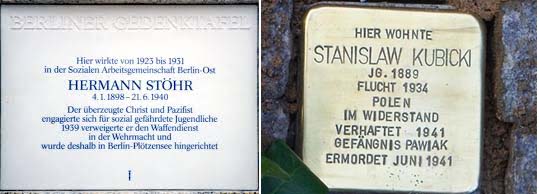
Dann denke ich mir, dass auch ich bei dem Projekt mit machen könnte, um unsere beide Protagonisten, mit denen ich mich seit Jahren beschäftige, zu erinnern: Hermann Stöhr (links unten), der erste Kriegsverweigerer des 2. WK, hingerichtet in Plötzensee und Stanisław Kubicki, polnischer Maler, Vorreiter des Pazifismus und der Deutsch-Polnischen Versöhnung, zum Tode gefoltert in Gestapo Gefängnis Pawiak in Warschau.


Zum lesen gibt es darüber viel – man kann HIER starten.

Soll ich es machen. Schaffe ich es? Jedes Projekt bedeutet so unheimlich viel zu tun, was die Freischaffenden vor allem aus eigener Tasche und aus dem eigenem Kraftreservoir schöpfen müssen. Halte, Ewa, es ist ein Zukunftslied über die Vergangenheit. Kehren wir lieber zurück in die Gegenwart.

Aus dem diesjährigen DMAO-Projekt wähle ich eine Geschichte aus:

Nummer 10 am 4. Mai

Mommsenstraße 6, Hochparterre, 10629 Berlin-Charlottenburg
14 17 Uhr Ausstellung, Gespräch und Lesung (Deutsch und Englisch)
Im Gedenken an die ehemaligen Hausbewohner, Familie Fiegel, Familie Isaacsohn und Familie Selten, öffnen Dr. Wolf-Rüdiger Baumann und Claudia Saam ihre Wohnung. Die Geschwister Naomi und Paul Fiegel kommen aus Sydney (Australien), um an ihren Vater Bernhard und an ihre Großeltern Erna und Paul Fiegel zu erinnern.

S3, S5, S7, S9, S75 / Station Savignyplatz

Film Polska 2019


14. Polnisches Filmfestival filmPOLSKA (24.04.-01.05.2019)

Das spannendste Kino in Europa

Mit über dreißig Filmen zeigt vom 24.04.-01.05.2019 das größte polnische Filmfestival außerhalb Polens, was die zeitgenössische polnische Filmkunst zu bieten hat. Die Filmemacherinnen und Filmemacher Polens reflektieren in ihren Werken wichtige gesellschaftliche Themen und halten dem Publikum einen Spiegel vor. Festlich eröffnet wird filmPOLSKA 2019 am Abend des 24.04. im Babylon am Rosa-Luxemburg-Platz.

Seinem Alter entsprechend zeichnen den 14-jährigen Festivaljüngling Frische und Frechheit aus – vor allem durch Filme in der Sektion Neues Polnisches Kino. Im Fokus des Wettbewerbs stehen Werken des polnischen Regienachwuchses, darunter „Werewolf“ (Regie: Adrian Panek), „Nina“ (Regie: Olga Chajdas) und „Fugue“ (Regie: Agnieszka Smoczyńska). Im diesjährigen Kurzfilmprogramm wird mit einer Auswahl an Kurzfilmen unterschiedlicher Formate und Genres das Produktionsstudio Munk Studios aus Warschau vorgestellt, die als Schmiede junger Talente große Anerkennung erlangt hat.

Die diesjährige Retrospektive widmet sich dem Filmschaffen des  Altmeisters Krzysztof Zanussi. Anlässlich seines 80. Geburtstags eröffnet filmPOLSKA am 26.04. im Zeughauskino in Anwesenheit des Regisseurs eine Werkschau mit seinen Filmen aus den 70er Jahren, die zum „Kino der moralischen Unruhe“ zählen. Zanussis Filme spannen eine philosophische Welt auf und widmen sich den großen Fragen der Aufklärung und Menschheit.

Gelten in Zanussis Betrachtung der Welt noch Verhaltensregeln und Moral, zerbrechen sie bei Wojciech Smarzowski. Der Regisseur geht kritisch und radikal mit aktuellen sozialpolitischen Themen um (z.B. „Haus der Finsternis“, „Die Hochzeit“, „Klerus“). Seinem besonderen Blickwinkel auf die Welt, die aus den Fugen geraten ist, ist die Hommage „Die Welt nach Wojciech Smarzowski“  gewidmet.

Dieses Jahr wird filmPOLSKA von der Ausstellung „Krzysztof Komeda. Meine süße europäische Heimat“ begleitet. Bereits ab dem 16.04. sind in der Galerie des Polnischen Instituts Noten, Partituren, Fotografien und Filmetüden mit Musik des außergewöhnlichen Jazzmusikers zu sehen und zu hören. Zu seinen bekanntesten Stücken zählt „Rosemary‘s Lullaby“ aus Polańskis einst gefeierten Streifen „Rosemary’s Baby“ (1968).

Krzysztof Komeda – Lullaby – (Rosemary’s Baby – 1968), gesungen von Mia Farrow


Über die Vergabe des filmPOLSKA 2019-Filmpreises werden die Kamerafrau Bernadette Paassen, der Filmkritiker Patrick Wellinski und die Filmemacherin und Kuratorin Dorothee Wenner entscheiden. Sieben Filme gehen im Wettbewerb ins Rennen. Der Gewinner wird am 01.05. um 21 Uhr im Filmclub K18 Berlin gezeigt.

Die zur Wahl stehen folgende Filme: Fuga / Fugue von Agnieszka Smoczyńska, Wilkołak / Werewolf (R: Adrian Panek), Nina (R: Olga Chajdas), Atak paniki / Panic Attack (R: Paweł Maślona), Córka trenera / A Coachs’s Daughter (R: Łukasz Grzegorzek), Over the Limit (R: Marta Prus), Via Carpatia (R: Klara Kochańska und Kasper Bajon).


14. filmPOLSKA – 24.04.-01.05.2019 – www.filmpolska.dewww.facebook.com/filmpolska.berlin

Veranstalter:
Polnisches Institut Berlin, Burgstraße 27, 10178 Berlin, Tel.: 0049 30 24 75 81 0
berlin@instytutpolski.org, www.polnischekultur.de


Heute:

  1. filmPOLSKA Festivaleröffnung: Eröffnungsfilm und Gäste

Filmkritikerin Margarete Wach für ihr Engagement für das polnische Kino geehrt


Am 24. April wird der Auftakt des größten Festivals des neuen polnischen Kinos außerhalb Polens gefeiert. Im Babylon am Rosa-Luxemburg-Platz werden Małgorzata Bochwic-Ivanovska (Polnisches Institut Berlin) und Kirsten Niehuus (Medienboard Berlin-Brandenburg) das 14. filmPOLSKA eröffnen. Im Rahmen der Eröffnungsgala werden Jury-Mitglieder Bernadette Paassen, Patrick Wellinski und Dorothee Wenner vorgestellt. Die Filmkritikerin und Journalistin Margarete Wach wird für ihr Engagement für das polnische Kino und die deutsch-polnische Filmvermittlung gewürdigt. Im Anschluss feiert der Film 7 Uczuć / 7 Gefühle / 7 Emotions von Marek Koterski in Anwesenheit des Produzenten Włodzimierz Niederhaus, des Stardarstellers Robert Więckiewicz und des Komponisten Arkadiusz Grochowski seine Berlinpremiere.

Der Film 7 Uczuć / 7 Gefühle bekommt seinen Koterski-typischen surrealistischen Einschlag dadurch, dass alle Rollen bis in die kleinsten Nebenfiguren mit Erwachsenen besetzt sind. Die Hauptfigur, Adaś Miauczyński, erfährt von seiner Psychologin, dass er unzufrieden mit seinem Leben sei, weil er als Kind nicht gelernt habe, mit sieben elementaren Gefühlen umzugehen: Angst, Wut, Trauer, Freude, Ekel, Eifersucht und Scham. Miauczyński macht sich also auf eine Gedankenreise in seine Kindheit, in die Zeit der anbrechenden Pubertät.