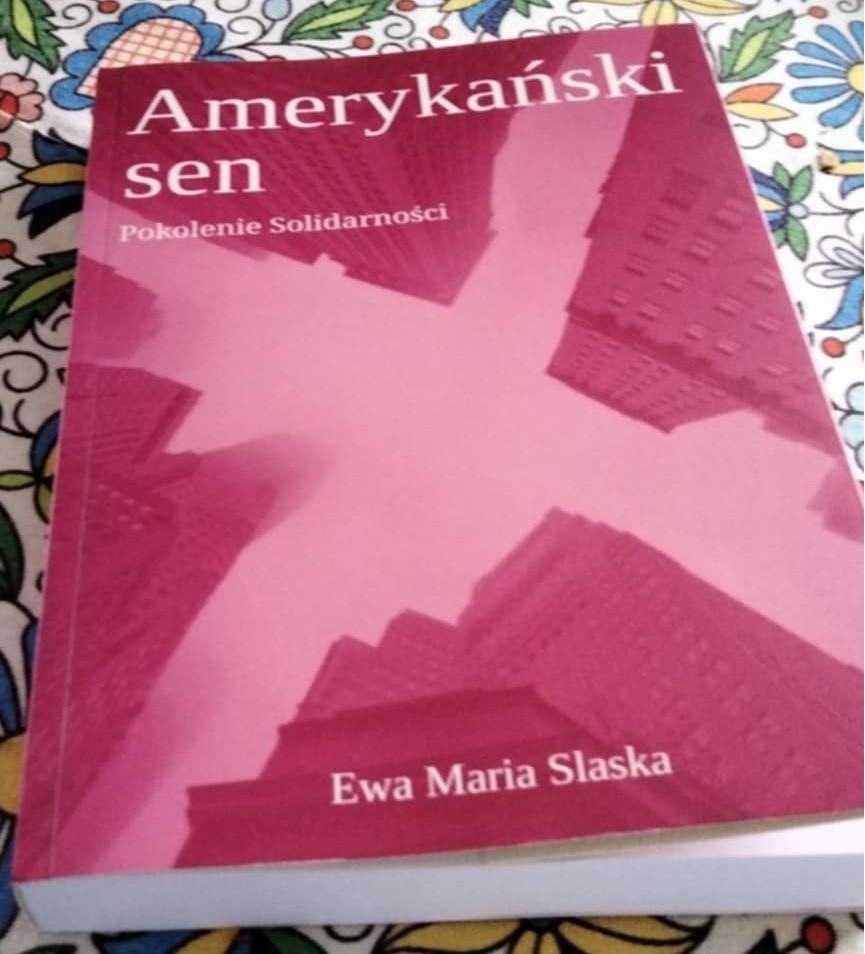
Ewa Maria Slaska, Amerykański sen. Pokolenie Solidarności. Berlin – Szczecin 2025
Das Buch ist auf Polnisch, aber in Berlin werden immer neue Fragmente auf Deutsch präsentiert. Es ist weder Autobiografie noch Sachbuch, es ist eine Autofiktion und ein Roman mit hohen dokumentarischen Anteil.
Lesungen auf Deutsch
Die aus Danzig stammende damalige Solidarność-Aktivistin Ewa Maria Slaska lebt seit 1985 als Autorin, Bloggerin, Journalistin, Verlegerin und Projektmanagerin in Berlin. In 80ern verbunden mit der polnischen Demokratiebewegung Solidarność.
In ihrem neuesten Buch Amerykański sen /Amerikanischer Traum, einer Autofiktion, einem Roman mit hohem dokumentarischem Anteil, konzentriert sich die Autorin, Ewa Maria Slaska, auf das Leben zweier in Danzig (Gdańsk) geborener Menschen, aufgewachsen in der Volksrepublik Polen. Sie sind aktive Teilnehmer der Solidarność – Bewegung. In den 1980er Jahren wandern sie aus, erst nach Berlin(West), dann in die Vereinigten Staaten. Sie suchen die Freiheit. Ob die Freiheit, die sie in Amerika finden, das ist, was sie sich erträumt haben?
Freitag, 2. Oktober um 14:45 von Ostkreuz
Kulturzug Berlin – Breslau
Moderatorin: Natalia Wassermann
Fahrkarten (hin 27,00 €)
Danach noch eine Lesung in Milicz am 5. Oktober und zwei Lesungen in Wrocław (auf Polnisch) am 7 und 8. Oktober:
Milicz 5 października o godzinie 16 STARA BOMBKARNIA Kawiarnia w KOM Kreatywny Obiekt Multifunkcyjny Jarosława Dąbrowskiego 3, 56-300 Milicz
Moderatorin Ewelina Jaworska
*** Wrocław 7 października godzina 18 Kamieniczka Małgosia na Rynku
*** 8 października godzina 17 Wrocławskie Stowarzyszenie Twórców Kultury ul. Lwowska 43 w siedzibie Rady Osiedla Gajowice
wszystkie spotkania po polsku
***
Freitag, 28. November 18:00 Uhr Majakowskiring 47 13156 Berlin
Moderatoren: Monika Wrzosek-Müller & Michael Müller
List Janiny Kowalskiej (Cioci) do Katarzyny Krenz zachowana pisownia oryginału
Warszawa dn. 2.VII.97
Kasinku Kochana (…)
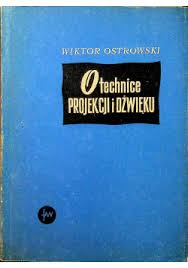
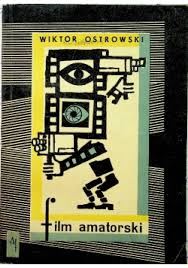
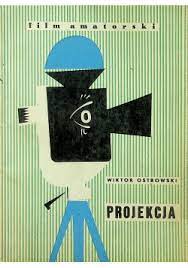
Ad 8 Mój Ojciec Wiktor pracował w firmie która instalowała i sprzedawała radia i urządzenia nagłaśniające. Nazywała się „AMPLION” (po wojnie pojechaliśmy na Jasną Górę i na murach stały głośniki z napisem Amplion). W tej firmie również sprzedawano sprzęt filmowy, ale raczej profesjonalny. Po wojnie był kolejno kierownikiem kina Atlantic i Polonii w W-wie. Zawsze robił zdjęcia i tak jakoś po wojnie zetknął się z filmem amatorskim. Pracując jako kierownik kin widział słabe przygotowanie do pracy ludzi obsługujących projektory filmowe, sam się na tym dość dobrze znał i w ten sposób po trudach przekonywania różnych bonzów – założył i został redaktorem naczelnym miesięcznika „Kinotechnik” dla tych ludzi kina. Później był tam kącik dla amatorów filmowców. Praca z filmowcami amatorami była całkiem darmowa, była pracą społeczną. Później okazało się, że istnieje międzynarodowa organizacja amatorów-filmowców, że urządza konkursy filmów amatorskich w różnych zagranicznych miejscowościach. W Polsce powstawały kluby amatorów filmowców w dzielnicach miast, przy uczelniach i t.d. Te kluby (n.p. przy Uniwersytecie Warszawskim) był to AKF Warszawa, gdzie pod Ojca kierunkiem pierwszy raz kamerę w ręku miał Krzysztof Zanussi!
Te kluby zrzeszyły się z jednostką obejmującą całą Polskę czy w Federację i jej przewodniczącym został Ojciec. Wyjeżdżał z różnymi amatorami na konkursy. Był tam konieczny nie tylko jako przewodniczący ale jako człowiek znający 4 języki. Zasiadał również w jury takich konkursów. Raz byłam razem z Ojcem w Danii – zobaczyłam to z bliska. Ojca tam uwielbiano, ściskano i radzono się w wielu rzeczach. Byłam dumna patrząc na jego triumfy. Został później honorowym członkiem tego Międzynarodowego Stowarzyszenia (UNICA) i dostał złotą odznakę.
Zebranie zarządu Unica, Union Internationale du Cinéma; Wiktor Ostrowski z nieodłączną fajką
Kasiu! Jeżeli będziesz chciała następne wiadomości to przyjedź z magnetofonem nagraj mnie, bo ani się obejrzałam jak minęły 4 godziny mojego pisania i nie wiem dlaczego boli mnie prawa ręka. Chętnie udzielę dalszych informacji ale ustnie.
Napisałaś, że poczułaś smak tamtych czasów – ja też poczułam smak i zapach i niestety wyskakują mi z pamięci różne oboczne detale, które też warto spisać.
Jak napiszesz to opowiadanie to w maszynopisie jeszcze marzę o jego przeczytaniu i Maria też.
Mam nadzieję, że się zameldujesz po powrocie do domu.
Ściskam i całusy
Janka
PS I Skorzystałaś z tego, że była awaria wody w całym domu i zawalił mi się plan robót, znalazłam więc te kilka godzin czasu. Wodę właśnie zreperowano i puszczono do rur! Adio! idę do roboty!
Buzi J.
PS II Bardzo ładna ta Twoja notatka z 85 r. Rozumiem że to mój Ojciec został zapamiętany najlepiej. Rodzice Ireny już nie żyli, Dziadek Bogucki był raczej postacią mityczną, a Babcia Mita umarła zanim skończyłaś rok. Karusia była naukowcem i nieprzytomniakiem i nie miała najlepszego kontaktu z dziećmi. Koniec więcej nie dopisuję.
W Polsce zwolennicy rekonstrukcji historycznych odtwarzają właśnie bitwę pod Grunwaldem. Marcin też tam jest. Wyjechał już tydzień temu. Nic się nie dało z tym zrobić. On musiał się zastosować do daty, którą historia wybrała 500 lat temu. Ja do terminu ustalonego przez Radę Wydziału przed dwoma tygodniami. Awansujemy. On do roli księcia. Ja doktory. Jeszcze nie ministry ani profesory. Jeszcze nie króla. Najważniejsze momenty w naszym życiu zawodowym. W naszych dwóch odrębnych życiach. Będziemy się bronić. Przed Krzyżakami i Radą Wydziału. Ja po angielsku, on mieczem.
List Janiny Kowalskiej (Cioci) do Katarzyny Krenz zachowana pisownia oryginału
Warszawa dn. 2.VII.97
Kasinku Kochana (…)
ad 3 Świder płynął przez Śródborów. ad 4 W domu w Śródborowie nie było ani fortepianu ani pianina bo wszyscy byli bez słuchu (w Babcię) a jedyny z absolutnym słuchem czyli Dziadek grał na flecie (oczywiście Babcia i Dziadek dla naszego pokolenia. Niemniej w wielu domach były takie instrumenty i nawet bezsłuchowcy byli męczeni lekcjami muzyki (vide Mietek i Teresa)
Dopisek na marginesie: Mietek ma słuch, ale Teresa nie.
Moja siostra Kasia Krenz podarowała mi ostatnio niezwykłą książkę.
W roku 2021 książka dostała nagrodę jako najlepsza książka arabska.
Na początku lat dziewięćdziesiątych autorka, literaturoznawczyni, znalazła na straganie bukinisty opublikowaną ponad ćwierć wieku wcześniej powieść zatytułowaną Miłość i milczenie Inajat az-Zajjat. Nigdy nie widziała tej powieści, nigdy nic nie słyszała o jej autorce. Zdziwiła się, bo myślała, że z racji zawodu zna całą egipską literaturę współczesną, a już na pewno kobiecą. Zaczęła ją tropić. Dowiedziała się więc, że Inajat az-Zajjat popełniła samobójstwo kilka lat przed opublikowaniem tej debiutanckiej książki. Ale autorka nie próbuje stworzyć biografii całkowicie zapomnianej pisarki, zamiast tego próbuje odtworzyć świat, w którym jej starsza o pokolenie koleżanka żyła, pisała, kochała i umarła. Jest to bardzo mi bliska technika literacka. Czasem myślę, że w ogóle nie umiem inaczej pisać, tylko tak, zlepiając pewną wspólną myślą nieważne drobiazgi, szczegóły innych historii, fragmenty i ułomki, aż się ich zbiorą dwa kosze, a to już wystarczy na książkę.
Wydawnictwo: Biblioteka polsko-arabska, seria wydawnicza “Egipt mówi o sobie” , Kair – Łódź 2023 (oryginał wydany w Kairze w roku 2019)
Wstęp do wydania polskiego : Jasir Abd al-Latif
Z języka arabskiego przełożyła: Agnieszka Piotrowska
Z tej niezwykłej mieszanki spraw ważnych, takich jak światowa polityka, i całkiem nieważnych, jak lokalizacja sklepu mleczarskiego Astra, wybieram jeden fragment. Fragment o ścinaniu włosów. W dniu samobójstwa, 3 stycznia 1963 roku Inajat odwiedzi sąsiadkę. Wygląda inaczej niż zwykle i sąsiadka myśli, że Inajat była u fryzjera.
Dla wyjaśnienia. Tego dnia Inajat otrzymała z wydawnictwa odmowę wydania jej debiutanckiej książki, Milczenie i miłość. Książka ukaże się dopiero cztery lata po jej samobójczej śmierci.
***
Strona 221 i następne:
Możecie zastanawiać się, dlaczego dwudziestosześcioletnia kobieta – mająca syna, bez którego nie wyobrażała sobie życia, troskliwego i światłego ojca, jakim był Abbas az-Zajjat, pracę w Niemieckim Instytucie Archeologicznym, którą lubiła, oraz pisząca drugą powieść o uczonym o nazwisku Keimer – miałaby iść do fryzjera, a potem popełnić samobójstwo. Ja także długo nad tym myślałam. Pytałam jej siostrę i przyjaciółki, ale nie potrafiły mi odpowiedzieć.
Moim zdaniem w układance brakuje jednego elementu – Inajat wcale nie poszła do fryzjera. Zostawiwszy syna z matką, wróciła do swojego mieszkania i stanęła przed lustrem. Zrozumiecie ten moment lepiej niż ktokolwiek inny – moment, w którym kobieta nie wie, co ze sobą zrobić. Nie ma ochoty wyjść, mówić, pisać, krzyczeć ani stłuc lustra potwierdzającego jej istnienie.
W jednej chwili Inajat postanawia zmienić swój wygląd, swój gniew, wewnętrzną ranę i przerażenie, które ją opanowało, przenieść na to, co widziała przed sobą: na swoją twarz w lustrze. Chwyciła za nożyczki i ścięła włosy. Bądź co bądź były to jej włosy, część jej tożsamości.
Wizyta Inajat z obciętymi włosami u drzwi sąsiadki była jak walka o ostatni oddech. Przypominała kogoś, kto biegnie co sił po podpaleniu swego ciała albo zmarłą uśmiechającą się lub oddającą mocz na skutek rozluźnienia mięśni twarzy czy pęcherza. Poszła tam jak zahipnotyzowana, gotowa prosić o pomoc, być może przerażona własnym odbiciem w lustrze. Ale pod drzwiami sąsiadki zdecydowała, że nie chce pomocy i powiedziała, że idzie, bo jest umówiona.
Domyślam się, że część z was przynajmniej raz ścięła włosy. Spróbujmy sobie wyobrazić (te wszystkie pisarki): nasza babka Aisza At-Tamurijja, która do końca życia chodziła w hidżabie, z pewnością zrobiła to po śmierci córki.
Warda al-Jazidżi uczyniła to, gdy usłyszała plotkę, że autorami jej wierszy są jej ojciec i dwaj bracia.
Malik Hihni Nasir robiła to za każdym razem, gdy zdeptywano jej honor. Na przykład wtedy, gdy kbiety naśmiewały się z jej bezpłodności i gdy jej mąż sprowadził sobie za jej plecami nową żonę. A nawet wtedy, gdy już po tym wszystkim, dowiedziała się, że to on a nie ona, nie może mieć dzieci.
Majj Zijada robiła to niezliczoną ilość razy. Kiedy zmarła jej matka, gdy leczono ją w szpitalu psychiatrycznym z powodu jej szaleństwa. I po powrocie, gdy nikt jej już nie odwiedzał. Czyn ten najbardziej gorzki smak miał wtedy, gdy uzmysłowiła sobie, że marnuje życie na salonach literackich z mężczyznami, którzy nazywali ją “piękną”, zamiast zamknąć im drzwi przed nosem i pisać.
Galila Roda chwyciła za nożyczki, kiedy lekarz powiedział jej, że jej syn Galal nie skończy trzech lat z powodu atrofii mózgu i kiedy została skompromitowana przez sudańskiego poetę panarabskiego, ponieważ odmówiła poślubienia go.
Durrijja Szafik własnoręcznie obcięła sobie włosy w dniu, w którym nasz wspaniały Taha Husajn znieważył ją za przewodzenie strajkowi kobiet na rzecz uwzględnienia ich praw w konstytucji z 1956 roku. Pisarz nazwał ją i jej koleżanki “niepoważnymi i szukającymi sławy”.
Alifa Rifat w dniu, gdy usłyszała pogłoski, że promuje “lesbijstwo”.
Latifa az-Zajjat również ścięła włosy, rozdarta między podwójnym niepowodzeniem: w pracy na rzecz wspólnoty i w życiu z mężczyzną, który rozbudził w niej kobiecość.
Dziwi mnie, że żadna z was nie napisała w tym momencie. Gdyby tak się stało, miałybyśmy wspaniałą antologię, zatytułowaną Ścinanie włosów, stanowiącą zapis chwil rozpaczy: byłaby umieszczana w bibliotekach. (…) Nadto nasza antologia nie ograniczałaby się do jednego gatunku literackiego. Byłaby to raczej forma zbiorowa, obejmująca wszystkie gatunki i kategorie literackie. (…)
Wszystkie te piękne kobiety, które ścięły włosy przed lustrem (…) znają ten moment, nawet jeśli same o nim nie mówią. Moment konfrontacji z lustrem i wcielenie się w pustkę pragnienia zmiany siebie poprzez ukaranie swojego ja, zniekształcenie i zredukowanie jednej z własnych cech. Moment przemija, kobieta odczuwa daremność swego czynu, jej złość narasta, uspokaja się i wchodzi w fazę głębokiej rozpaczy – potrzebną do odrośnięcia włosów.
Niestety autor historii Ukrainy w pigułce Broma, czyli Brom nie zdążył z przyczyn wyższych stworzyć wpisu na dziś, dlatego zamiast Broma…
Johanna Rubinroth
Słodko, słodziej… gorzko. Dylemat cukrowy.
Sendung von Deutschlandfunk auf Deutsch; um es zu hören bitte nach unten scrollen
1
Dziś spróbuję terapii ekspozycyjnej. Zadanie brzmi: zjedz pół białej pavlovej i zostaw resztę. Pierwsza część jest łatwa: łyżeczka po łyżeczce wypełniam usta tą puszystą pokusą. Miękki, słodki mus oszałamia zmysły. Dreszcz zachwytu. Niebiański spokój. Jeszcze jedna łyżeczka, i jeszcze. Bezowa pianka upaja. Przez mózg przelatują małe błyski szczęścia. Jakie jest, do cholery, to sekretne źródło tej niezrównanej rozkoszy?
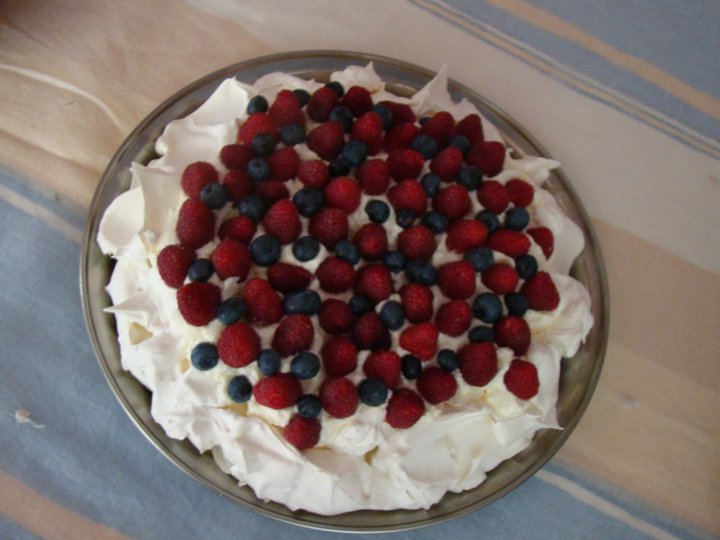
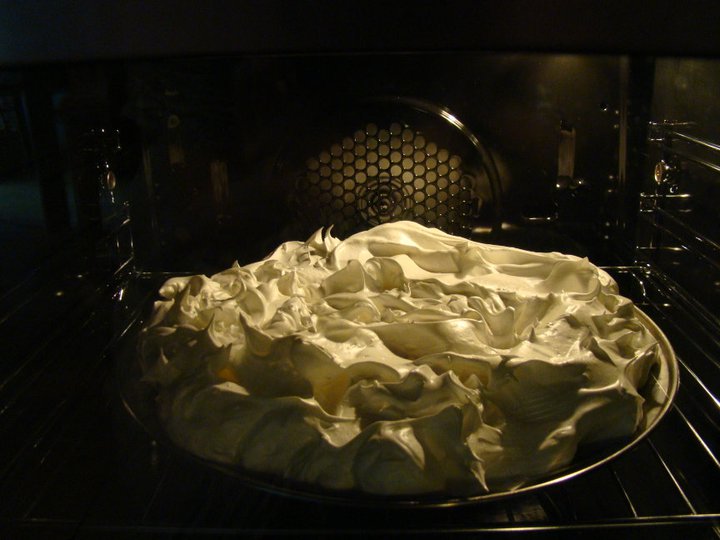
Przyp. adminki: Ten wspaniały tort bezowy to pavlova, o której w tym tekście będzie jeszcze mowa wielokrotnie. Deser wymyślony w Australii lub Nowej Zelandii prawie sto lat temu na cześć genialnej rosyjskiej baleriny – Anny Pavlovej. W naszej rodzinie specjalistką produkowania wspaniałych pavlovych jest moja siostra, Katarzyna Krenz, pisarka i poetka. Tu dwie z jej produkcji, jedna z owocami już na stole, a jedna jeszcze w piekarniku.Nota bene w niemieckiej wersji (zob link poniżej) to wcale nie jest pavlova tylko tiramisu.
To ten słodki smak wywołuje tak silną reakcję. To głębokie upodobanie do słodyczy nie jest czymś indywidualnym, nie musimy się go uczyć – ono jest zakodowane genetycznie, wpisane w nasz biologiczny program. Nie potrafimy inaczej – ten smak nas przyciąga.
Introducing Sepidar Niroomand as part of the “GUTE GESELLSCHAFT” Abschlussausstellung 2025
Tehran-born and Berlin-based, Sepidar Niroomand is a multidisciplinary visual artist whose practice spans sculpture, painting, installation, drawing, and print. With an academic foundation in electronic engineering and a diploma in sculpture from the University of Tehran, her trajectory embodies a conscious shift from systems logic to poetic inquiry. Since relocating to Berlin in 2022, she has engaged in residencies, exhibitions, and discursive art spaces across Europe. Currently in the final phase of her studies at Weißensee Academy of Art Berlin, her work continues to expand formally and conceptually.







 Ewa Maria and Friends