
Today is CSD in Berlin, one of the biggest Pride Demonstration in Europe. What you can expect in Berlin see HIER
And meanwhile I ask you to look back. Ground was a picture send to me by Konrad.
The mastaba of Nyanch-Chnum and Khnum-hotep
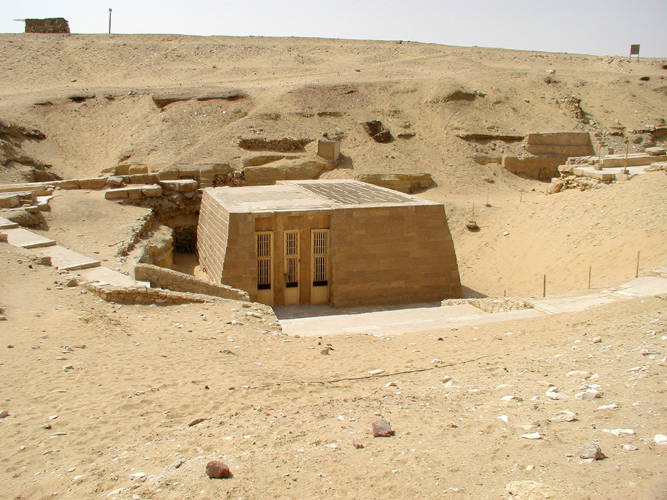
Mastaba of Nyanch-Chnum is located in the northern part of the necropolis of Sakkara. The mastaba was discovered in 1964 by archaeologist Achmed Mahmoed Moessa under the procession route of the pyramid of Unas.
The mastaba of Nyanch-Chnum probably dates from the 5th dynasty, at the end of the reign of Pharaoh Nyuserra or Pharaoh Menkaoehor. What makes the mastaba unusual is its dedication to two men, along with having two chapels.
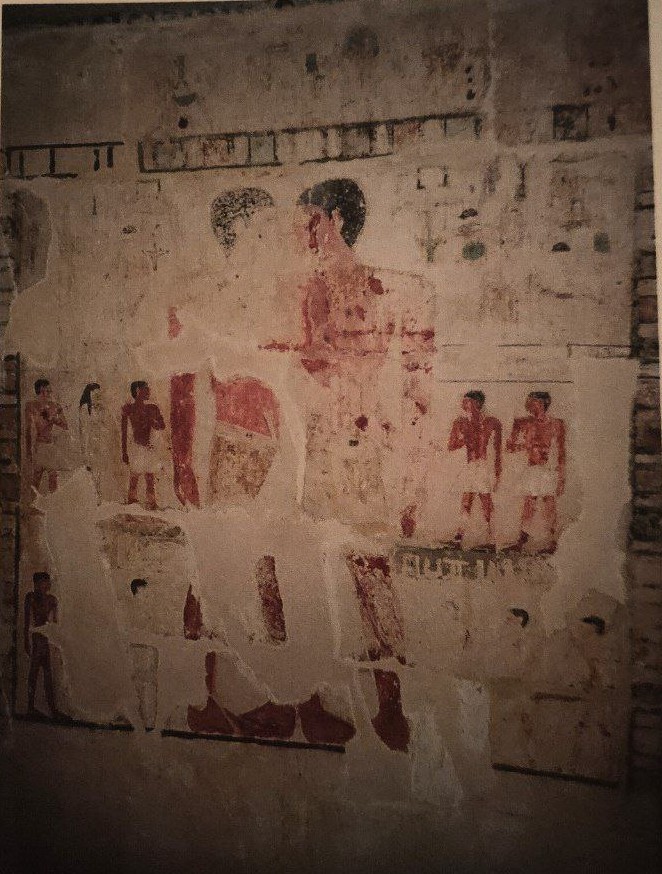
The mastaba of Nyanch-Chnum is one of the largest in the necropolis of Sakkara and consists of two parts. The builders initially carved the oldest part of the tomb complex into the rock wall. Subsequently, they expanded the tomb at the front, incorporating three rooms and an open courtyard. The tomb is famous for several images depicting Nyanch-Chnum and Chnum-Hotep embracing each other.
Many believe these men were brothers, perhaps even twins. Other says they are lovers. If they were lovers, it is the first evidence of homosexuall love ever. Both men were priests of Ra in Pharaoh Niuserre’s sun temple at Abu Gurob, probably ‘supervisors of the manicures and hairdressers in the royal palace’.
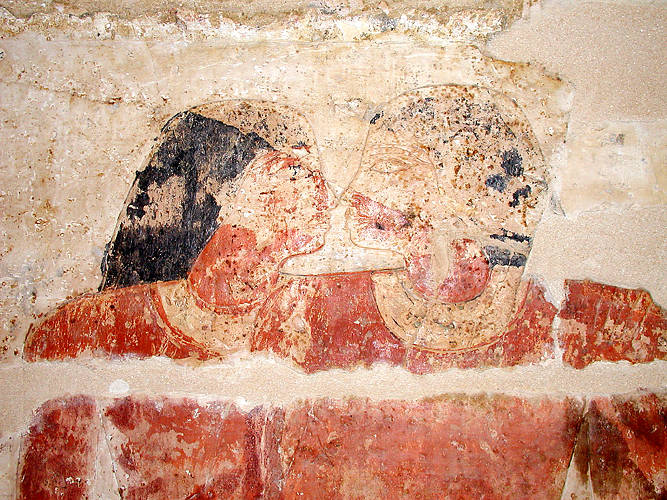
They were buried in common mastaba, which is full of vivid paintings where the original colors remains remarkably well-preserved.
The walls have painted paneling approximately one meter high. The painting contains the usual images of the funeral rituals for both deceased, such as the slaughter of sacrificial animals, the rows of sacrificial bearers, the deceased seated at their sacrificial tables and the two funeral barques with the cult images. There are also the beautiful scenes of hunting and fishing in the marshes, usual for the Old Kingdom. Other paintings show two deceased overseeing the activities of goatherds and the construction of ships, carpenters at the shipyard cut down an acacia tree and transport it there to construct a ship. Another scene shows an open-air market with all its activities. Bargaining is going on in the various fish stalls, fruit and vegetable stalls and by traders without a stall. The customers all carry some kind of bag over their shoulder as a shopping bag. A fruit and vegetable trader becomes angry at a man with a baboon on a rope. The monkey steals fruit from the merchant. Moving forward, a guard appears alongside another monkey, likely a meerkat. This monkey serves as a form of sniffer dog, biting a thief on the leg. Meanwhile, two cloth traders lay out a strip of cloth on a trestle, engaging in negotiations with a buyer. Manicurists, pedicurists, and hairdressers are shown above the lively market scene, engaged in trimming, shaving, and even depilating legs. One striking image portrays a supervisor undergoing a manicure. He is shown in front view with his legs crossed while his face is depicted in side view. The scene involving hunting and fishing in the swamps includes images of fishing net making and repair.
A net reveals eighteen distinct types of fish caught within. In a depiction of wine-making, five men pound grapes while gripping a long stick above their heads. Subsequently, eight men press the grapes, and the resulting juice is poured into wine jars, which are then sealed.
The other walls of this room mainly contain funeral scenes including the text of a contract for arranging the funeral rituals. passage to the open court contains an image of Nyanch-Chnum in a palanquin. In this case the sedan chair is not carried by servants, but by donkeys.
There are a number of very interesting scenes in the anteroom near the sacrificial chamber. Here you can see, for example, how sculptors make statues and how goldsmiths melt gold to make gold leaf. The fire is fanned by men with long blowpipes. Jewelers are working on jewelry and carpenters are busy making the grave inventory. On one of the walls there is a scene of the birth of a calf and three men help with this. One man holds the mother by the horns, a second pulls the calf while a third man makes gestures with both hands. The next scene shows a young calf being given some milk to drink. Furthermore, a number of rooms contain images of all kinds of desert animals, from large animals such as antelopes and gazelles to smaller animals such as hares and hedgehogs.
 Ewa Maria and Friends